 EN
EN

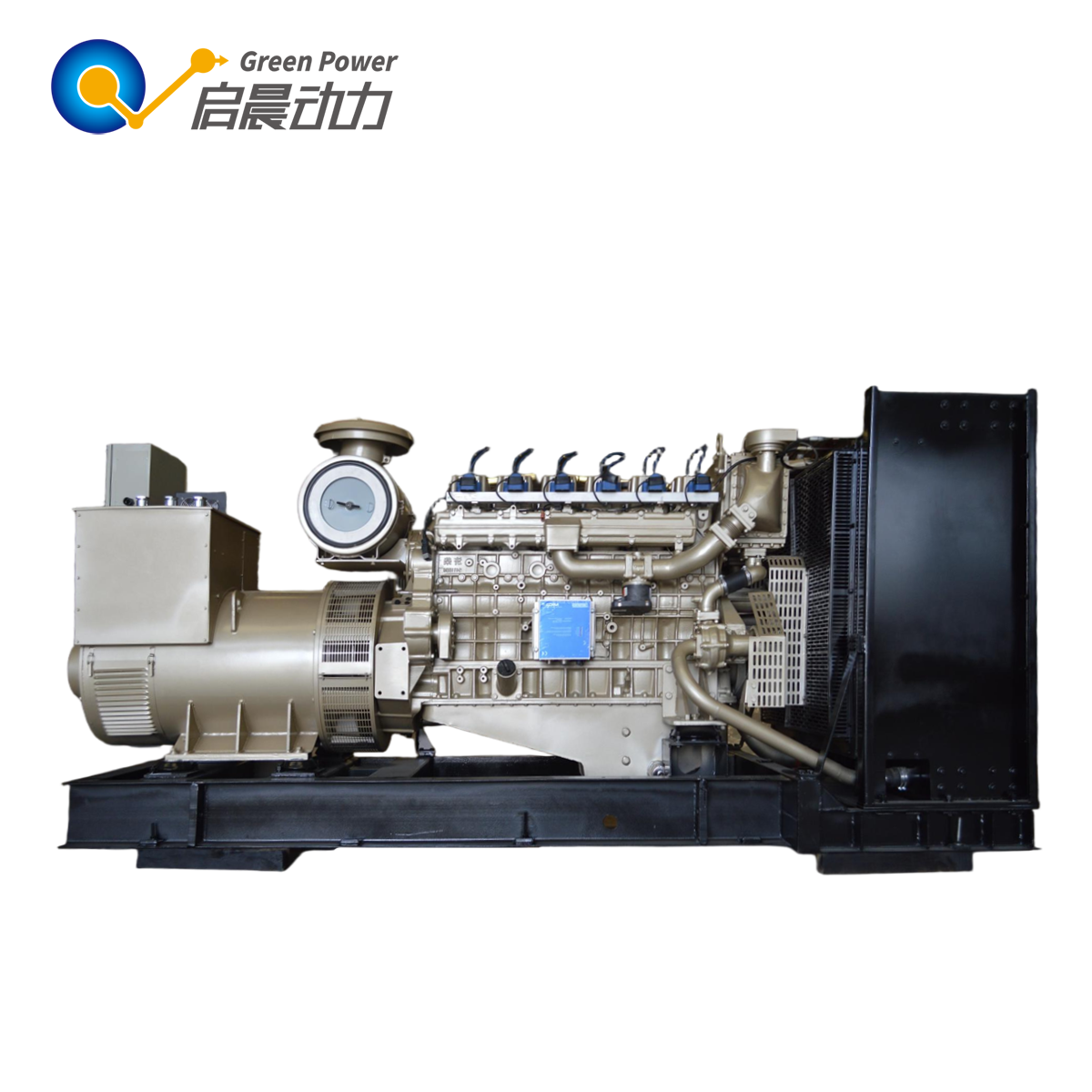
When evaluating power generation equipment for industrial, commercial, or backup applications, understanding the full financial picture is essential. The debate between a gas genset and a diesel genset extends far beyond the initial purchase price. Total cost of ownership, or TCO, captures every expense across the equipment lifecycle — from acquisition and fuel to maintenance, lifespan, and residual value. Making the right choice between a gas genset and a diesel genset requires a clear-eyed comparison of all these dimensions.
For most industrial buyers, the diesel genset remains the dominant choice globally, and for good reason. A diesel genset consistently demonstrates superior fuel efficiency, robust durability, and lower long-term servicing complexity. However, the gas genset holds advantages in specific environments where natural gas infrastructure is stable and fuel costs are regulated. This article breaks down the total cost of ownership comparison across four critical factors so you can determine which solution genuinely fits your operational context.
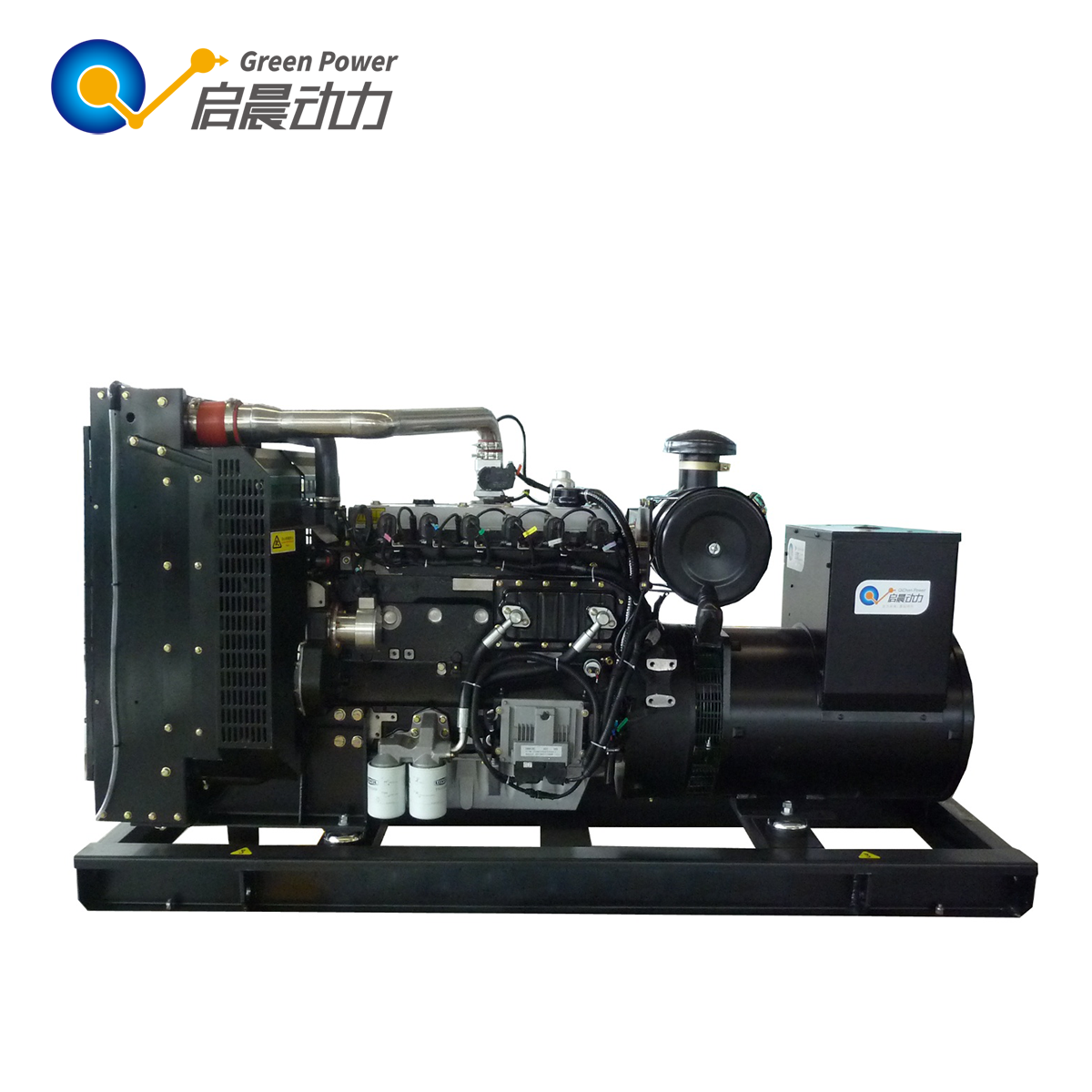
Upfront Investment and Fuel Costs
Initial Purchase Price of a Diesel Genset vs. Gas Genset
The initial purchase price of a diesel genset is typically comparable to or slightly higher than an equivalent gas genset in the same power range. However, a diesel genset does not require the same level of fuel infrastructure investment. A gas genset often demands dedicated gas line installation, pressure regulation systems, and compliance with local gas utility codes — all of which add significant capital expenditure before the unit even runs. A diesel genset, by contrast, operates with portable fuel storage and minimal site preparation, making it highly deployable across diverse environments including remote sites, construction zones, and industrial facilities without fixed infrastructure.
Fuel Cost Analysis Over the Operating Life
Fuel cost is one of the largest variables in any diesel genset or gas genset TCO calculation. A diesel genset generally achieves higher fuel efficiency per kilowatt-hour generated compared to a gas genset of equivalent output. Diesel fuel has a higher energy density than natural gas, meaning a diesel genset extracts more usable power per unit of fuel consumed. In regions where diesel fuel pricing is stable or subsidized, the diesel genset delivers a clear fuel cost advantage over a gas genset. Even in markets where natural gas is cheaper per unit volume, the thermal efficiency edge of a diesel genset often closes that gap significantly when calculated on a cost-per-kWh basis over thousands of operating hours.
Maintenance Requirements and Operational Reliability
Servicing a Diesel Genset Compared to a Gas Genset
Maintenance costs form a substantial portion of total cost of ownership for any power generation asset. A diesel genset benefits from a mechanically simpler combustion system compared to a gas genset, which incorporates carburetors, spark ignition systems, and gas mixing components that require more frequent calibration. The diesel genset relies on compression ignition, which involves fewer ignition components and therefore fewer parts subject to routine wear and replacement. For most industrial operators, the diesel genset maintenance schedule is predictable and well-understood, with oil changes, filter replacements, and injector inspections forming the core of upkeep. Spare parts availability for a diesel genset is also notably broader globally, reducing downtime risk caused by supply chain delays.
Operational Reliability in Demanding Conditions
The diesel genset has an established track record of reliable performance across extreme temperature ranges, high-altitude environments, and heavy continuous load conditions. A diesel genset can sustain high load factors for extended durations without the fuel supply concerns that affect a gas genset in areas with unstable grid gas pressure. In emergency power scenarios, a diesel genset starts reliably even after long standby periods without fuel degradation concerns that can affect gas systems. This reliability factor significantly contributes to the lower risk profile of a diesel genset in mission-critical applications such as hospitals, data centers, and large manufacturing facilities.
Lifespan, Residual Value, and Environmental Factors
Service Life and Asset Depreciation of a Diesel Genset
A well-maintained diesel genset routinely achieves operational lifespans of 20,000 to 30,000 hours or more, which is competitive with or superior to most gas genset alternatives at equivalent load profiles. The longer service life of a diesel genset means the initial capital investment is spread over more operating hours, reducing the effective cost per hour of power generated. Residual value is another important TCO factor. A diesel genset generally retains stronger resale value in secondary markets compared to a gas genset, reflecting its durability and the universal availability of diesel fuel infrastructure. For asset-intensive businesses, the diesel genset offers a better depreciation profile over a 10 to 15 year ownership horizon.
Emissions Compliance and Regulatory Costs
Emissions regulations are an evolving cost factor for both the diesel genset and the gas genset. Modern diesel genset units with Tier 4 Final or equivalent emission standards produce significantly lower particulate and NOx outputs than older diesel technology. A gas genset produces lower direct carbon emissions per unit of operation in some configurations, which may offer permit cost advantages in highly regulated urban zones. However, the compliance cost difference between a modern diesel genset and a gas genset is narrowing as advanced after-treatment systems become standard. For most industrial operators outside of densely regulated urban cores, the diesel genset remains fully compliant and cost-competitive from a regulatory standpoint.
FAQ
Is a diesel genset always more cost-effective than a gas genset?
Not universally, but in most industrial and commercial scenarios, a diesel genset delivers lower total cost of ownership due to superior fuel efficiency, longer service life, and lower infrastructure requirements. A gas genset may be more economical in regions with very low regulated natural gas prices and stable supply infrastructure. The best approach is to calculate full TCO based on your specific operating hours, local fuel prices, and site conditions before deciding between a diesel genset and a gas genset.
How often does a diesel genset require major servicing?
A diesel genset typically requires routine oil and filter changes every 250 to 500 operating hours depending on load and environmental conditions. Major overhauls for a diesel genset are generally scheduled at 10,000 to 20,000 hour intervals. Following the manufacturer service schedule for your diesel genset is the most effective way to maintain performance and extend asset life while managing maintenance costs within budget.
Can a diesel genset operate in remote locations without fuel supply issues?
Yes. One of the core operational advantages of a diesel genset is its ability to run from stored fuel without any permanent fuel line infrastructure. This makes a diesel genset the preferred choice for remote construction sites, mining operations, offshore platforms, and disaster recovery deployments. A gas genset in the same environments would require either compressed gas cylinders or fixed pipeline access, both of which add cost and logistical complexity that the diesel genset avoids entirely.