 EN
EN

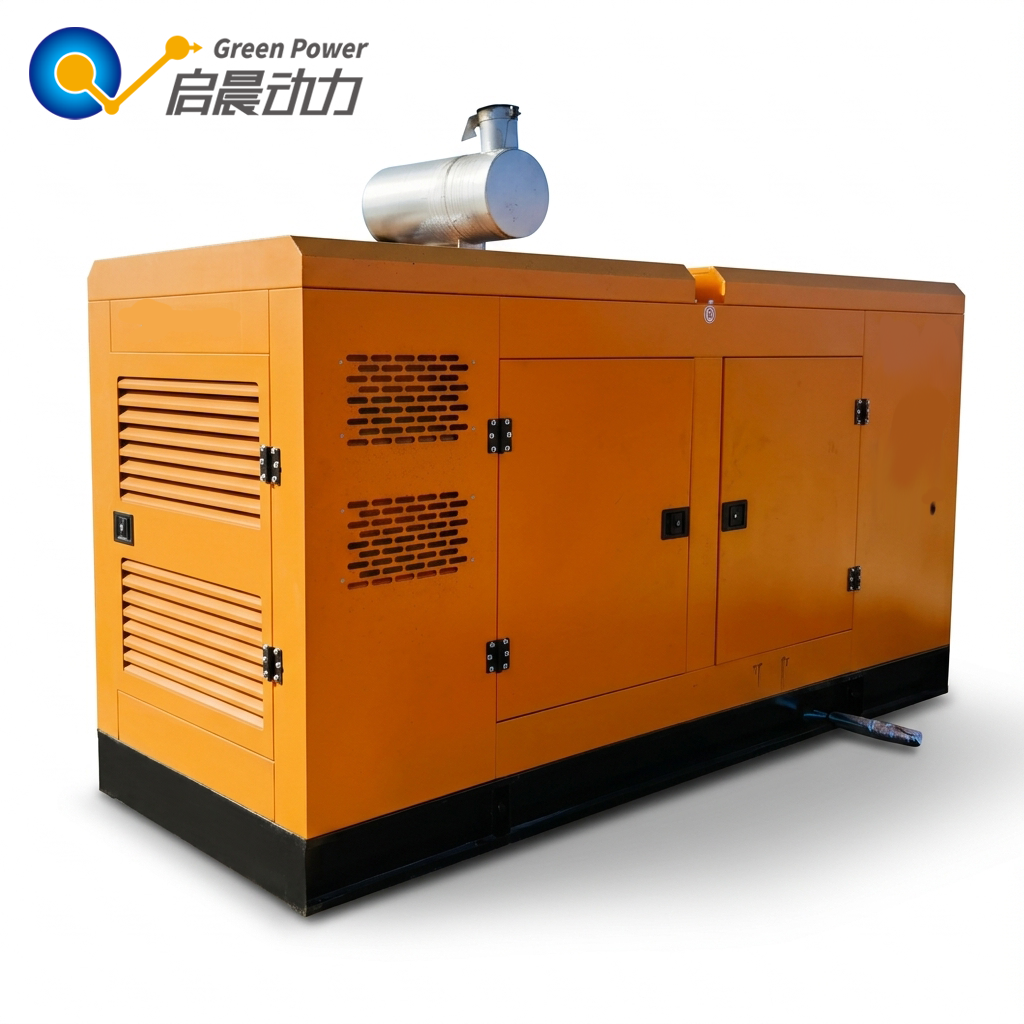
Noise regulations in urban and commercial environments have never been stricter. Whether you operate a hospital, a hotel, a data center, or a construction site in a densely populated area, running backup or primary power equipment comes with a serious obligation: keeping sound levels within legal limits. A soundproof generator is the most direct and reliable answer to that obligation. Unlike open-frame units that broadcast engine noise across an entire block, a soundproof generator contains its acoustic output within an engineered enclosure, allowing facilities to run power continuously without triggering noise complaints or regulatory fines.
A soundproof generator is not simply a standard diesel unit with a metal box placed around it. It is a purpose-engineered system where the enclosure, ventilation channels, exhaust routing, and vibration mounts all work together to suppress noise at the source. For urban project managers and facility operators who need dependable power without neighborhood disruption, understanding how a soundproof generator works — and what to look for when selecting one — is essential. This article explains the mechanics, the compliance context, and the practical decisions involved in deploying a soundproof generator on any urban or commercial site.
Why Noise Compliance Demands a Soundproof Generator
The Regulatory Pressure on Urban Power Equipment
Urban municipalities around the world have implemented strict decibel limits for commercial equipment operating near residential zones, schools, and healthcare facilities. In many jurisdictions, generator noise must not exceed 70 dB(A) at a distance of one meter, and some local codes set the limit even lower during nighttime hours. A conventional open-frame diesel generator can produce 95 to 105 dB(A), which is far beyond any permissible threshold in built-up areas. Choosing a soundproof generator is therefore not a preference but a legal necessity for most commercial operators in urban settings. A soundproof generator rated at 65 to 75 dB(A) provides the operational headroom needed to comply with the most commonly enforced noise ordinances.
Commercial Reputation and Neighbor Relations
Beyond legal compliance, a soundproof generator protects a business's standing in its community. Hotels that deploy a soundproof generator maintain the quiet atmosphere their guests expect. Retail centers and office complexes using a soundproof generator avoid the friction that comes with sustained mechanical noise during business hours. Even temporary construction sites benefit from using a soundproof generator because contractors who demonstrate noise awareness tend to face fewer objections from local residents and planning authorities. In competitive commercial environments, the decision to install a soundproof generator sends a clear signal about operational standards and professional responsibility.
How a Soundproof Generator Achieves Low Noise Output
Acoustic Enclosure Engineering
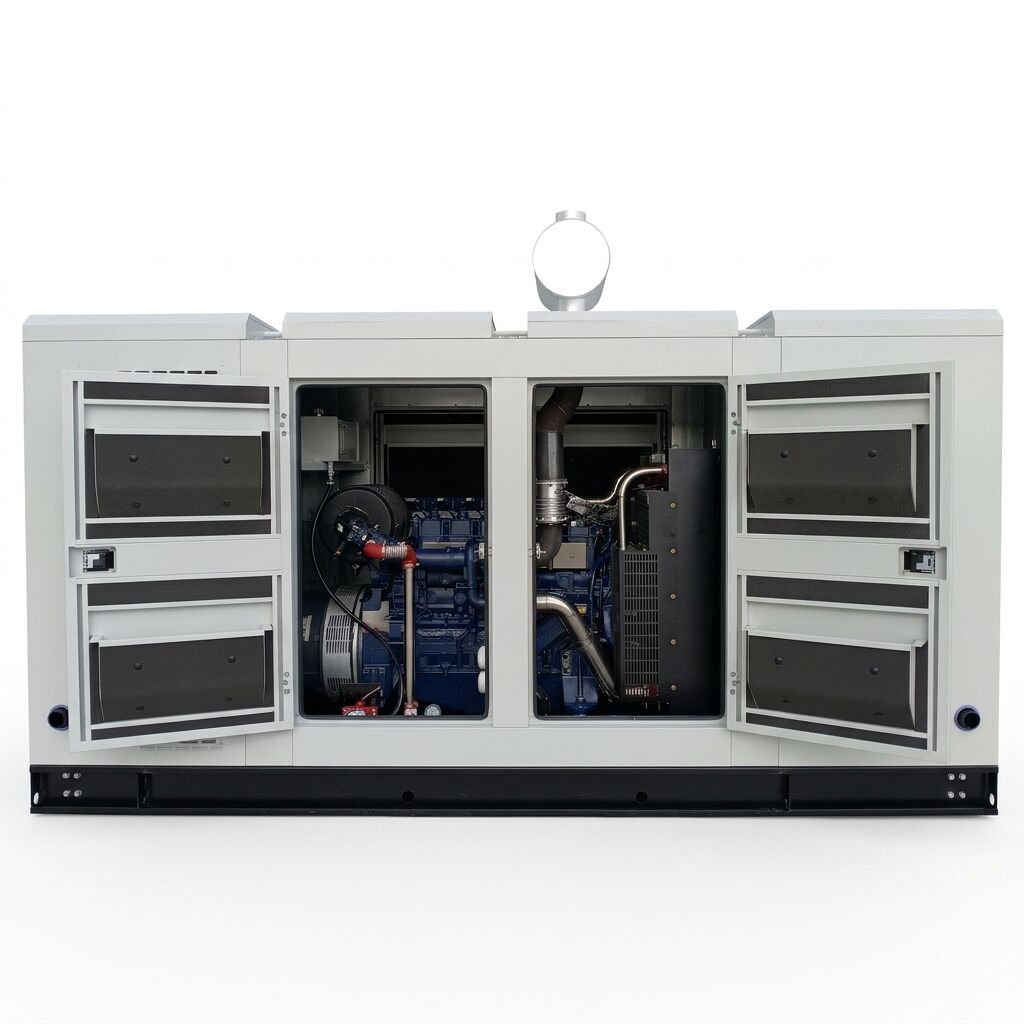
The core of every soundproof generator is its acoustic canopy or enclosure. This structure is constructed from multi-layer panels that typically combine a rigid steel outer shell, an air gap, and an inner layer of high-density sound-absorbing material such as mineral wool or acoustic foam. When engine noise radiates outward, these layers reflect, absorb, and dissipate the sound energy before it exits the enclosure. A well-designed soundproof generator enclosure can reduce the perceived noise level by 20 to 30 dB compared to an open-frame equivalent. This reduction is substantial enough to transform a unit from an obvious noise source into background-level sound that meets urban compliance standards. The quality of the enclosure construction is one of the most important factors differentiating a professional-grade soundproof generator from a basic canopied unit.
Ventilation, Exhaust, and Vibration Control
A soundproof generator must balance noise suppression with adequate airflow for engine cooling. This is achieved through baffled air intake and exhaust channels, which force incoming and outgoing air through sound-absorbing pathways rather than allowing direct transmission. Exhaust systems on a soundproof generator are routed through silencers that dramatically reduce the high-frequency tones produced by combustion. Anti-vibration mounts isolate the engine and alternator from the enclosure floor, preventing structural vibration from becoming a secondary noise source. Together, these elements ensure that a soundproof generator performs its acoustic function without overheating or suffering reduced efficiency. Operators who understand this balance are better equipped to specify the right soundproof generator for their site conditions, particularly in enclosed plant rooms or rooftop installations where airflow can be restricted.
Selecting the Right Soundproof Generator for Your Site
Matching Power Output and Acoustic Rating
When choosing a soundproof generator, the first step is accurately calculating the power demand of the site. A soundproof generator that is undersized will run under chronic overload, reducing its service life and potentially voiding its warranty. Oversizing wastes capital and operating cost. Once the correct kilowatt range is identified — which for commercial sites typically falls anywhere between 10 kW and 3000 kW — the acoustic rating of the soundproof generator must be matched to the site's specific noise environment. A soundproof generator intended for a hospital emergency wing needs a lower dB(A) rating than one installed in a commercial parking structure. Requesting third-party acoustic test data from the supplier is the safest way to verify that a soundproof generator will perform as stated.
Site Placement and Installation Practices
Even the best soundproof generator will underperform if it is installed incorrectly. Placement relative to sensitive receptors — such as bedroom windows, meeting rooms, or outdoor seating areas — directly affects the noise experienced at those points. A soundproof generator installed with its exhaust facing a reflective wall will produce a louder result than the same unit oriented toward an open area. Access for maintenance is another practical consideration; a soundproof generator with well-designed service panels reduces downtime and encourages regular maintenance. Ensuring that the exhaust outlet from the soundproof generator is directed away from air intakes prevents carbon monoxide from re-entering occupied areas, which is both a safety and regulatory requirement.
FAQ
What decibel level should a soundproof generator meet for urban use?
Most urban noise regulations require commercial power equipment to operate below 70 to 75 dB(A) at one meter. A quality soundproof generator is typically rated between 65 and 75 dB(A), making it suitable for the majority of commercial and urban deployment scenarios. Always verify local ordinances before specifying a soundproof generator, as nighttime limits can be significantly lower than daytime thresholds.
Can a soundproof generator be used indoors or in a basement plant room?
Yes, a soundproof generator can be installed indoors, but only when ventilation, exhaust routing, and fuel storage comply with building and fire codes. Indoor placement of a soundproof generator requires additional engineering to ensure adequate combustion air supply and safe exhaust discharge. Many suppliers offer soundproof generator configurations designed specifically for indoor installation, including low-profile canopies and extended remote exhaust options.
How often does a soundproof generator require maintenance compared to an open-frame unit?
A soundproof generator follows the same engine service intervals as an equivalent open-frame diesel generator, typically every 250 to 500 operating hours depending on the manufacturer's specification. The enclosure of a soundproof generator requires periodic inspection to check that acoustic panels remain intact and that ventilation baffles are clear of debris. Neglecting the enclosure condition of a soundproof generator can reduce its noise suppression performance over time, so routine checks are important alongside standard engine servicing.