 EN
EN

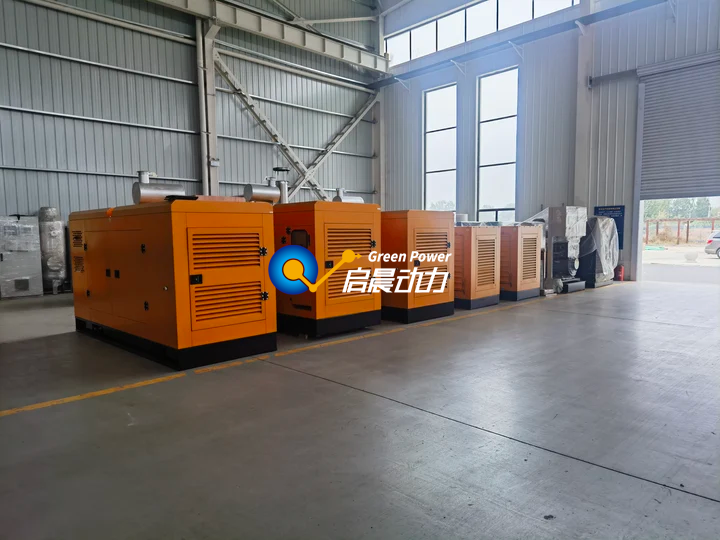
In oilfield and upstream energy environments, reliable on-site power is not a convenience — it is a critical operational requirement. An APG generator addresses this requirement by converting associated petroleum gas — the gas released as a byproduct of crude oil extraction — into usable electrical power directly at the wellsite. Rather than flaring or venting this gas, operators can deploy an APG generator to capture that energy and put it to productive use, reducing waste and cutting fuel costs simultaneously.
Qichen Power has developed a purpose-built APG generator platform specifically engineered for the demanding conditions found in oilfield and upstream applications. Each APG generator unit in this product line is designed to handle variable gas compositions, fluctuating pressures, and remote deployment environments where grid power is unavailable. Understanding the design logic, operational advantages, and application fit of the Qichen APG generator helps procurement engineers and field operators make better sourcing decisions for their upstream power infrastructure.
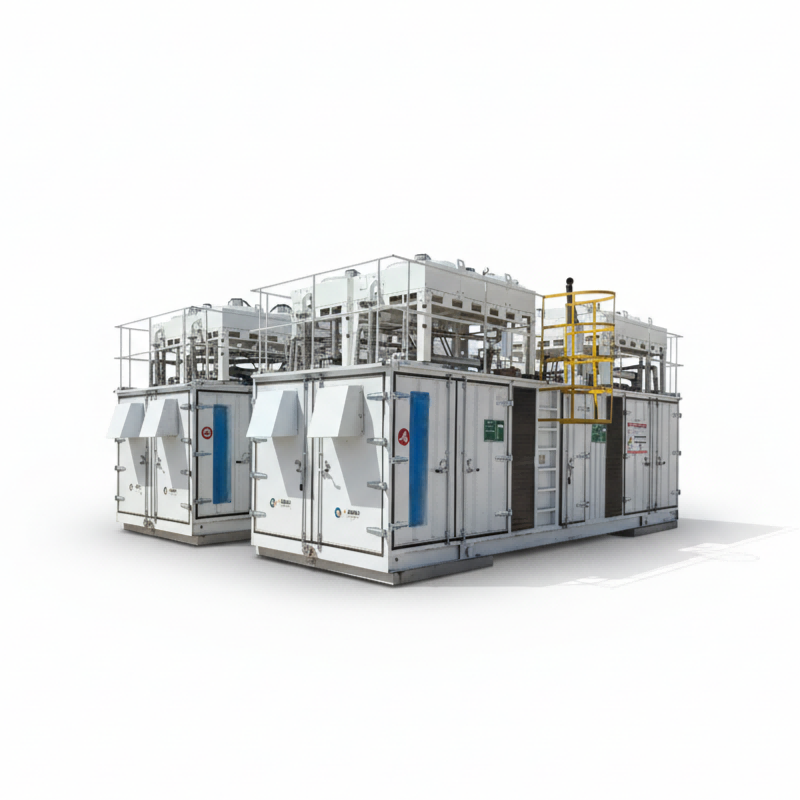
What Makes an APG Generator Suitable for Upstream Operations
Fuel Flexibility and Gas Quality Tolerance
Associated petroleum gas is rarely a clean, consistent fuel stream. Its composition varies significantly depending on the reservoir, the production stage, and local processing conditions. An APG generator built for oilfield use must tolerate fluctuating methane content, elevated levels of heavier hydrocarbons, and occasional liquid carryover. Qichen Power engineers each APG generator with a robust gas treatment interface, allowing the system to accept gas with variable Wobbe index values without requiring constant manual recalibration.
This fuel flexibility is a key differentiator. A standard natural gas generator is typically calibrated for pipeline-quality gas and will perform poorly or unsafely when exposed to raw associated petroleum gas. A purpose-designed APG generator includes dedicated gas conditioning modules, pressure regulation stages, and ignition timing systems that adapt to the actual fuel composition delivered by the wellsite. This design approach allows each APG generator unit to maintain stable output even when upstream gas quality shifts between production cycles.
Structural Ruggedness for Remote Field Conditions
Oilfield environments impose harsh mechanical and environmental stresses on power equipment. An APG generator deployed at a remote upstream site must withstand extreme temperature swings, dust ingress, vibration from nearby drilling activity, and limited access to technical support. Qichen Power designs each APG generator with heavy-duty enclosures, reinforced base frames, and cooling systems calibrated for ambient conditions ranging from desert heat to arctic cold.
The APG generator control system is also engineered for remote monitoring capability. Field operators can track output parameters, fuel consumption, and fault status from a centralized SCADA system, reducing the need for on-site personnel and improving response time when maintenance is required. This remote visibility makes the APG generator an operationally practical choice for upstream installations where staffing is limited and downtime carries high cost.
Key Application Scenarios for the Qichen APG Generator
Wellsite Power and Drilling Support
The most direct application for an APG generator is providing primary electrical power at active wellsites. Drilling rigs, pump jacks, wellhead instrumentation, lighting systems, and worker facilities all require continuous power. Deploying an APG generator eliminates the need to transport diesel fuel to remote locations, which in oilfield contexts can represent a significant logistical and financial burden. By burning the associated gas already present at the site, an APG generator turns a waste stream into a power asset.
For multi-well pad developments, multiple APG generator units can be configured in parallel to scale total power output in line with growing site demand. Qichen Power supports OEM and ODM customization for pad-level APG generator configurations, allowing operators to specify output capacity, enclosure rating, and control integration preferences based on their actual site layout and operational profile.
Gas Utilization and Emissions Compliance
Regulatory pressure on gas flaring continues to intensify across major oil-producing regions. Deploying an APG generator provides a technically credible and commercially viable alternative to flaring. When associated gas is routed through an APG generator rather than burned off at the flare stack, the operator converts an emissions liability into productive energy generation. This substitution is increasingly valued by project financiers, environmental regulators, and corporate sustainability programs.
An APG generator solution from Qichen Power can be integrated into a broader gas management strategy, including gas compression, dehydration, and metering upstream of the generator inlet. This system-level thinking allows the APG generator to serve as the anchor of a site-wide energy and emissions management plan rather than functioning as a standalone piece of equipment.
Selecting the Right APG Generator Capacity and Configuration
Matching Output to Site Load Profile
Choosing the correct APG generator capacity requires a careful assessment of the site load profile, available gas volume, and anticipated production decline curve. An undersized APG generator will fail to meet site power demand, while an oversized unit will operate inefficiently and increase unnecessary capital expenditure. Qichen Power offers APG generator sets across a wide output range, and the engineering team provides load analysis support to help clients match unit capacity to their specific wellsite requirements.
Gas availability is a critical input in APG generator sizing. As a well matures, gas-to-oil ratio typically changes, and the APG generator must be able to accommodate the resulting variation in fuel supply volume. Qichen Power accounts for this in its APG generator design by incorporating turndown capability, allowing the unit to operate efficiently at partial load without compromising reliability or increasing emissions output.
OEM and ODM Options for Customized Deployment
Qichen Power recognizes that no two oilfield deployments are identical. Its APG generator platform supports full OEM and ODM customization, including enclosure type, voltage and frequency specification, control system integration, and auxiliary system configuration. Operators and EPC contractors sourcing an APG generator for a specific project can engage Qichen Power's engineering team early in the project cycle to ensure the final APG generator specification aligns with site-specific requirements and local regulatory standards.
FAQ
What is the difference between an APG generator and a standard natural gas generator?
An APG generator is specifically engineered to run on associated petroleum gas, which is a raw, variable-composition byproduct of oil production. A standard natural gas generator is designed for consistent pipeline-quality gas. The APG generator includes specialized gas conditioning and control systems that allow stable operation with lower-quality, variable fuel streams found at upstream oilfield sites.
Can an APG generator operate in extreme climate conditions?
Yes. A field-grade APG generator is designed with robust thermal management, weatherproof enclosures, and cold-start systems to function reliably in both high-temperature desert environments and sub-zero arctic conditions. Qichen Power offers climate-specific configuration options to ensure each APG generator performs correctly in its intended deployment environment.
How does an APG generator support flare reduction goals?
Instead of burning associated gas at the flare stack, an APG generator converts that gas into useful electrical power. This direct substitution reduces visible flaring, lowers emissions reporting figures, and transforms a regulatory liability into a productive energy asset. Many operators use an APG generator deployment as part of a documented flare reduction program to satisfy both internal ESG targets and external regulatory requirements.