 EN
EN

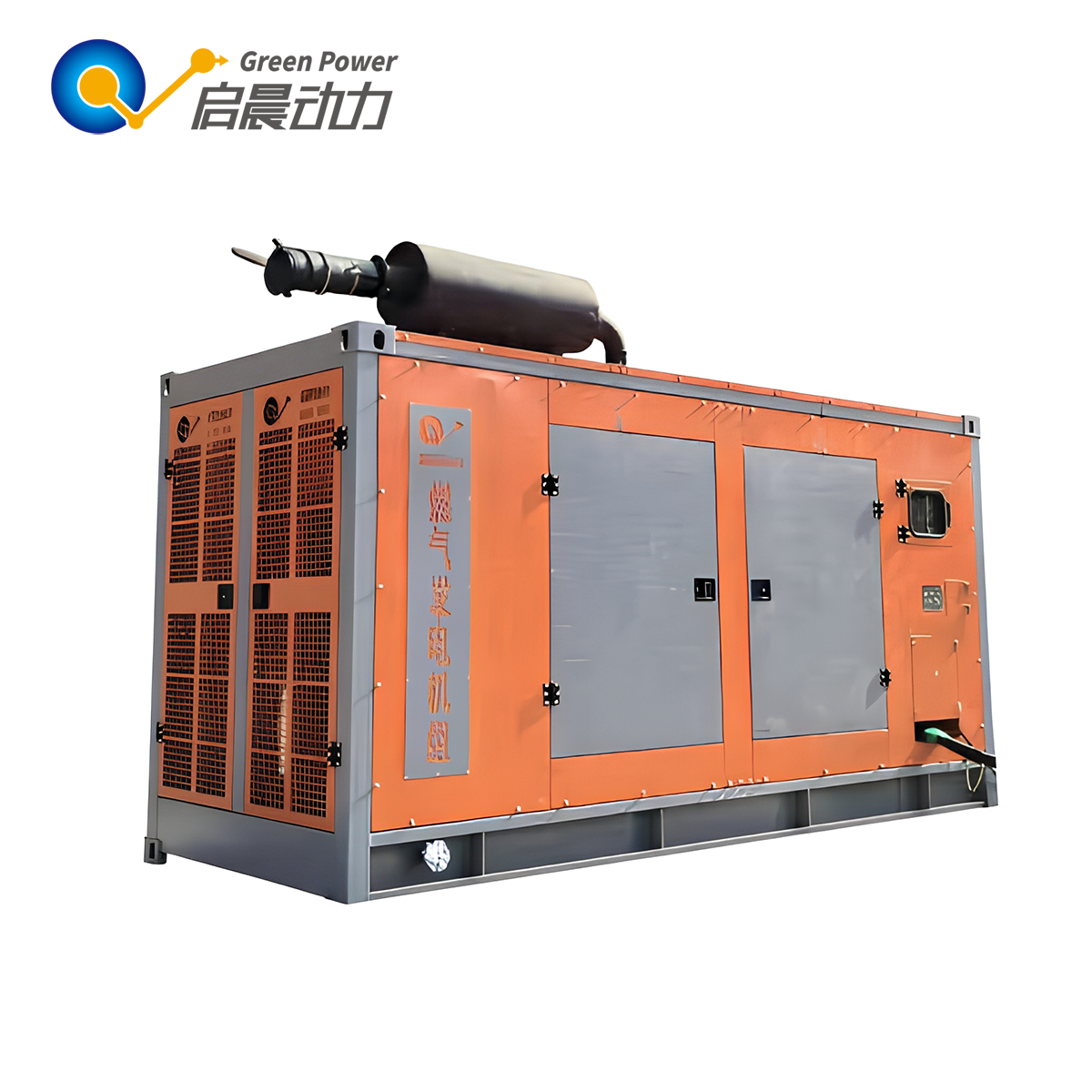
Choosing the right supplier for a CHP gas generator is one of the most consequential procurement decisions an energy or facilities manager will make. A CHP gas generator combines heat and power production in a single system, meaning the technical depth, manufacturing quality, and long-term service capability of your supplier will directly affect operational uptime, fuel efficiency, and return on investment. Getting this selection wrong is costly — not just financially, but in terms of project timelines and energy reliability for years ahead.
This guide walks through the critical technical criteria and contract essentials you need to evaluate before committing to a CHP gas generator supplier. Whether you are planning a new installation for a commercial building, industrial facility, or district energy project, the framework below will help you ask the right questions, compare suppliers objectively, and protect your interests through solid contractual terms. A well-chosen CHP gas generator supplier becomes a long-term partner, not just a one-time vendor.
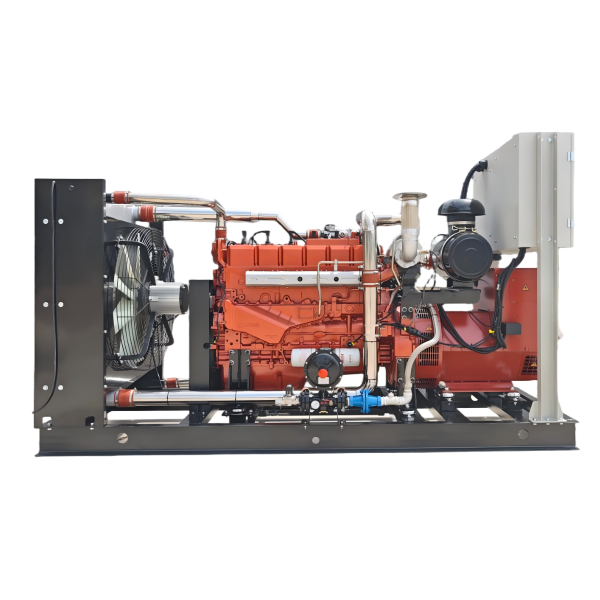
Technical Criteria for Evaluating a CHP Gas Generator Supplier
Electrical and Thermal Output Specifications
The first technical dimension to assess is whether the supplier's CHP gas generator portfolio covers the output range your project requires. CHP gas generator systems are typically rated by electrical capacity in kilowatts alongside a corresponding thermal recovery capacity. A reputable CHP gas generator supplier should provide detailed datasheets showing electrical efficiency, total system efficiency, heat-to-power ratio, and available output across varying load conditions. Efficiency figures for a well-engineered CHP gas generator typically range from 80% to 90% in total system efficiency, so any supplier claiming figures significantly above this range without third-party validation should be viewed with caution.
You should also confirm the CHP gas generator's ability to operate effectively across part-load conditions. Many real-world installations do not run at full capacity continuously, so part-load efficiency data is essential. Ask the CHP gas generator supplier specifically for performance curves at 50%, 75%, and 100% load. Suppliers who can provide certified test data from recognized testing bodies demonstrate a higher standard of engineering transparency.
Fuel Compatibility and Engine Platform Quality
A CHP gas generator can be fueled by natural gas, biogas, landfill gas, or other gaseous fuels depending on the engine platform. Confirm that the CHP gas generator model your supplier offers is validated for the specific gas composition at your site. Methane content, Wobbe index, and trace contaminants like hydrogen sulfide will influence which CHP gas generator engine is appropriate. Leading CHP gas generator suppliers will conduct a fuel analysis and recommend the correct engine configuration rather than applying a one-size-fits-all approach.
The engine platform itself matters enormously. A CHP gas generator built on a proven, widely serviced engine block reduces long-term maintenance risk. Ask the supplier what engine brand or platform underlies their CHP gas generator, and verify that spare parts are accessible in your region. CHP gas generator reliability depends heavily on how easily components can be sourced during scheduled maintenance or unexpected repairs.
Supplier Capability and After-Sales Support
Engineering and Customization Competence
Not every CHP gas generator project fits a standard product configuration. Industrial applications, district energy schemes, and combined renewable energy projects often require a CHP gas generator to be integrated with heat recovery units, buffer tanks, absorption chillers, or grid synchronization controls. Your supplier must demonstrate engineering depth beyond simply selling a boxed unit. Request case studies or project references where the CHP gas generator supplier managed a similarly complex integration. A supplier who can only deliver a standard CHP gas generator without custom engineering support is a limiting partner for non-standard projects.
Commissioning support is another indicator of supplier seriousness. A credible CHP gas generator supplier should offer on-site commissioning, startup testing, and operator training as standard deliverables. The commissioning phase of a CHP gas generator project is where potential design gaps and site-specific issues are identified and resolved, so supplier presence during this stage is not optional — it is essential.
Service Network and Spare Parts Availability
The operational lifespan of a CHP gas generator typically spans fifteen to twenty years with major overhauls at intervals defined by engine hours. Over that period, you will depend on the supplier's service network repeatedly. Evaluate the supplier's geographic coverage for maintenance technicians, their average response time commitments, and whether they maintain a local spare parts inventory for the CHP gas generator models they supply. Suppliers who can offer a service-level agreement with guaranteed response windows for CHP gas generator maintenance give you a more predictable operational cost structure and reduce unplanned downtime risk.
Contract Essentials When Procuring a CHP Gas Generator
Performance Guarantees and Acceptance Testing
A well-structured contract for a CHP gas generator procurement should include clearly defined performance guarantees. These guarantees must specify minimum electrical output, minimum thermal recovery, and minimum system efficiency at defined operating conditions. The contract should also specify an acceptance testing protocol that must be passed before final payment is released. Acceptance testing for a CHP gas generator involves running the unit under controlled conditions, measuring actual output against guaranteed values, and documenting results in a jointly signed test report. Any shortfall should trigger a defined remedy process, not just a supplier explanation.
Avoid contracts that only reference nominal specifications without binding performance thresholds. A CHP gas generator that consistently underperforms its rated output by even a few percentage points will fall short of its projected payback timeline, undermining the financial case for the entire project. Tying payment milestones to verified CHP gas generator performance is a standard and reasonable commercial practice that any credible supplier should accept.
Warranty Scope, Liability, and Long-Term Service Terms
Warranty terms for a CHP gas generator should cover both parts and labor for a minimum period following commissioning. Review the exclusions carefully, particularly around wear components, consumables, and conditions that may void the warranty. A CHP gas generator warranty that contains broad exclusions for 'abnormal operating conditions' without precise definitions creates future dispute risk. Insist on clear definitions and documented operating envelope boundaries in the contract itself.
Long-term service agreements are worth negotiating at the time of purchase, when your leverage as a buyer is highest. A bundled CHP gas generator maintenance contract can lock in favorable labor rates, prioritized parts access, and scheduled service intervals. These agreements also give the supplier an incentive to ensure the CHP gas generator performs reliably, since their service revenue depends on the unit remaining operational over the contract term.
FAQ
What output range should I look for in a CHP gas generator for commercial buildings?
For most commercial buildings, a CHP gas generator in the 20 kW to 200 kW electrical output range is appropriate, depending on baseload heat and power demand. The key is matching the CHP gas generator output to your site's consistent minimum demand, not peak demand, to maximize operating hours and financial return.
How do I verify that a CHP gas generator supplier is technically credible?
Request third-party certified performance data, reference projects with verifiable outcomes, and ask about the engineering team's credentials. A credible CHP gas generator supplier will welcome technical scrutiny and provide documentation rather than relying on marketing materials alone.
What is the most important clause to include in a CHP gas generator supply contract?
The performance guarantee clause tied to acceptance testing is the most critical. It ensures the CHP gas generator meets its specified output and efficiency before you release final payment, and it creates a clear contractual remedy if the supplier fails to deliver on technical commitments.