 EN
EN

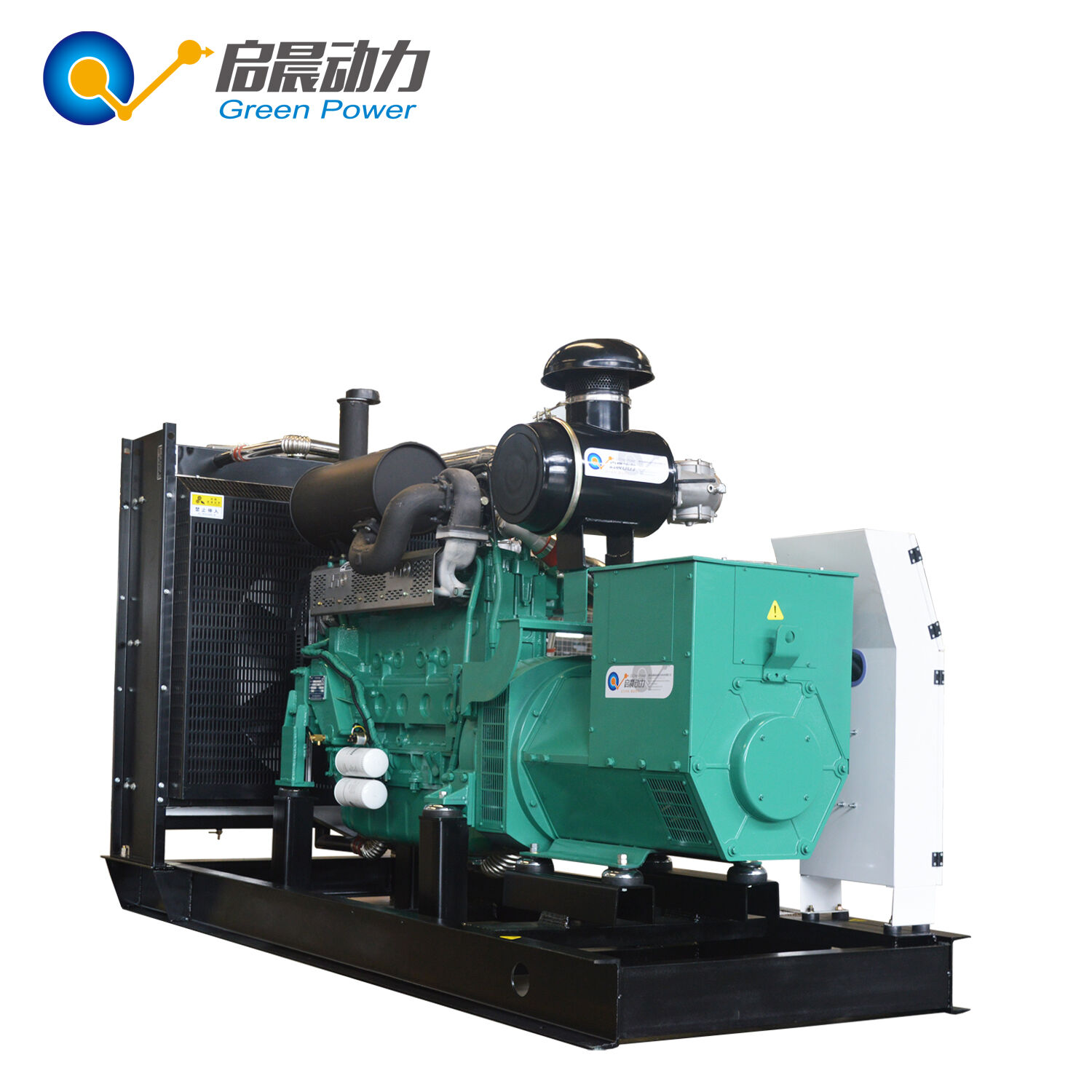
Deciding whether a natural gas generator is the right investment for your business requires more than a gut feeling. It demands a clear-eyed look at upfront costs, ongoing fuel savings, operational reliability, and how long it takes to recover your capital. A natural gas generator ROI calculator is a structured tool that helps decision-makers work through these numbers before committing to a purchase, and understanding how to use that framework correctly is what separates a confident investment from a costly mistake.
For industrial and commercial operators, a natural gas generator represents a significant capital expenditure. Whether you are evaluating a natural gas generator for backup power, prime power, or peak-shaving applications, the ROI calculation follows a consistent logic: compare the total cost of ownership against the measurable financial benefits over a defined period. This article walks through that logic in practical terms so your business can determine whether a natural gas generator belongs in your energy strategy.
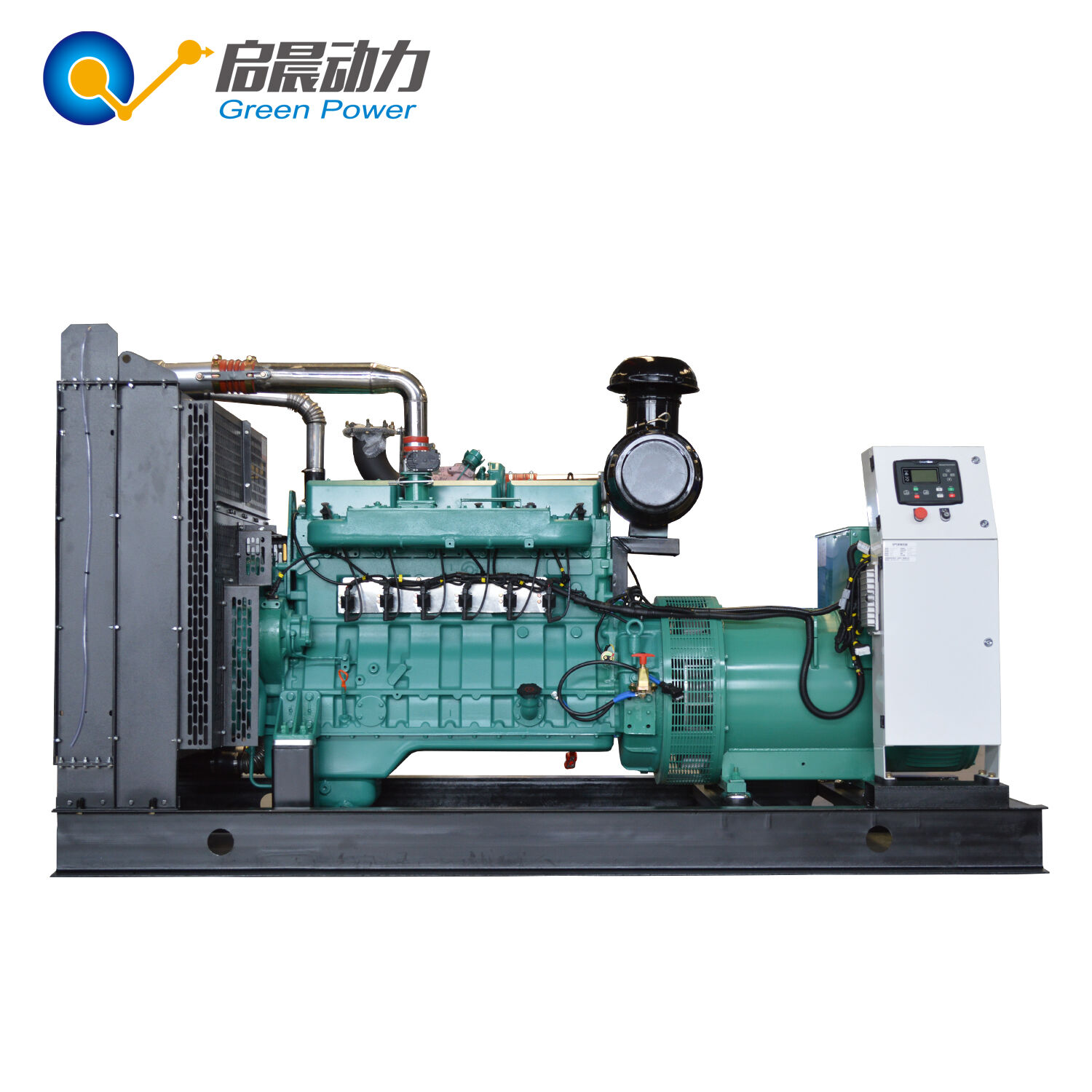
Understanding the Core Costs of a Natural Gas Generator
Initial Capital and Installation Expenses
The first input in any natural gas generator ROI calculation is the capital cost. A natural gas generator set varies in price based on capacity, configuration, and compliance requirements. For large-capacity units, such as a 1200kW natural gas generator, the equipment cost alone is substantial, but installation adds a significant layer. Site preparation, gas supply infrastructure, exhaust systems, and grid interconnection all contribute to the true initial outlay of a natural gas generator project. Businesses must account for these fully before calculating a payback period.
Installation complexity varies by facility. A natural gas generator installed in a purpose-built power plant environment will have different civil and mechanical costs compared to a natural gas generator retrofitted into an existing industrial plant. Understanding your site-specific conditions is essential to produce a realistic natural gas generator cost baseline.
Ongoing Operating and Maintenance Costs
Beyond the purchase price, a natural gas generator carries recurring costs. Fuel consumption is the largest variable, and natural gas pricing in your region directly shapes the ROI of a natural gas generator. Scheduled maintenance, including oil changes, spark plug replacements, and valve adjustments, adds predictable annual expenses. A natural gas generator typically has lower maintenance costs than a diesel generator of comparable output, which improves its long-term ROI profile. Factoring in planned downtime and service contracts gives a more honest picture of what a natural gas generator actually costs per operating hour.
Quantifying the Financial Benefits
Energy Cost Savings and Grid Independence
The most direct benefit of a natural gas generator is the reduction in electricity procurement costs. Businesses that operate a natural gas generator during peak tariff periods can avoid expensive grid rates, generating measurable savings per billing cycle. Over a full year, a natural gas generator used consistently for peak shaving can offset a meaningful portion of its capital cost. In regions where grid electricity prices are high or volatile, the natural gas generator ROI improves substantially. Facilities with continuous power demands, such as manufacturing plants or data centers, often find that a natural gas generator delivers full payback within four to seven years.
Grid independence is another financial benefit that belongs in the natural gas generator ROI calculation, though it is harder to quantify. A natural gas generator that prevents production shutdowns during outages protects revenue that would otherwise be lost. For a factory running three shifts, even a single prevented shutdown event can represent enough recovered revenue to justify a natural gas generator investment on its own.
Cogeneration and Waste Heat Recovery Potential
A natural gas generator used in a cogeneration setup captures exhaust heat and converts it into usable thermal energy. This significantly improves the overall efficiency of a natural gas generator and accelerates ROI. Facilities with high hot water or steam demands, such as food processing plants, hotels, or hospitals, can double the effective value extracted from a natural gas generator by integrating heat recovery. When heat recovery is included in the ROI model, the payback period for a natural gas generator can shorten by two to three years compared to power-only operation.
Key Signals That a Natural Gas Generator Is Right for Your Business
Operational Profile and Power Demand Pattern
A natural gas generator delivers the strongest ROI for businesses with high annual run hours. If your facility requires reliable power for more than 4,000 hours per year, a natural gas generator is likely a better financial choice than purchasing all power from the grid. Businesses with fluctuating grid access, remote locations, or unreliable utility supply are also strong candidates for a natural gas generator. The higher your current electricity costs and the more hours you run the natural gas generator, the faster the investment returns positive value.
Conversely, a natural gas generator may not deliver acceptable ROI for businesses with low load factors, irregular operating schedules, or locations where natural gas supply infrastructure is expensive to establish. Running a natural gas generator at consistently low load reduces efficiency and extends the payback timeline. Matching your operational profile to the technical strengths of a natural gas generator is the most important step before making a purchase decision.
Regulatory and Incentive Environment
Government incentives, tax depreciation rules, and emissions credits can significantly improve the ROI of a natural gas generator. In many jurisdictions, a natural gas generator qualifies for accelerated depreciation or clean energy incentives that reduce effective capital cost. Carbon reduction programs in some markets allow operators of a natural gas generator to generate credits by displacing coal-based grid power. These regulatory benefits are often overlooked in initial ROI estimates but can shift a borderline natural gas generator project into a clearly profitable one. Consulting with an energy finance specialist before finalizing your natural gas generator investment decision is strongly recommended.
FAQ
How long does it typically take to see ROI from a natural gas generator?
Most businesses operating a natural gas generator at high utilization achieve full payback within four to eight years. Facilities using cogeneration or benefiting from strong utility rate differentials may see a natural gas generator pay back in three to five years.
Is a natural gas generator more cost-effective than a diesel generator?
Over a full operating lifecycle, a natural gas generator is generally more cost-effective due to lower fuel costs and reduced maintenance expenses. The natural gas generator also produces fewer emissions, which can reduce regulatory compliance costs in certain regions.
What capacity natural gas generator should a medium-sized factory consider?
A medium-sized manufacturing facility typically evaluates a natural gas generator in the 500kW to 1200kW range. The right natural gas generator capacity depends on your peak demand, load profile, and whether you plan to use the natural gas generator for prime power or backup purposes.