 EN
EN

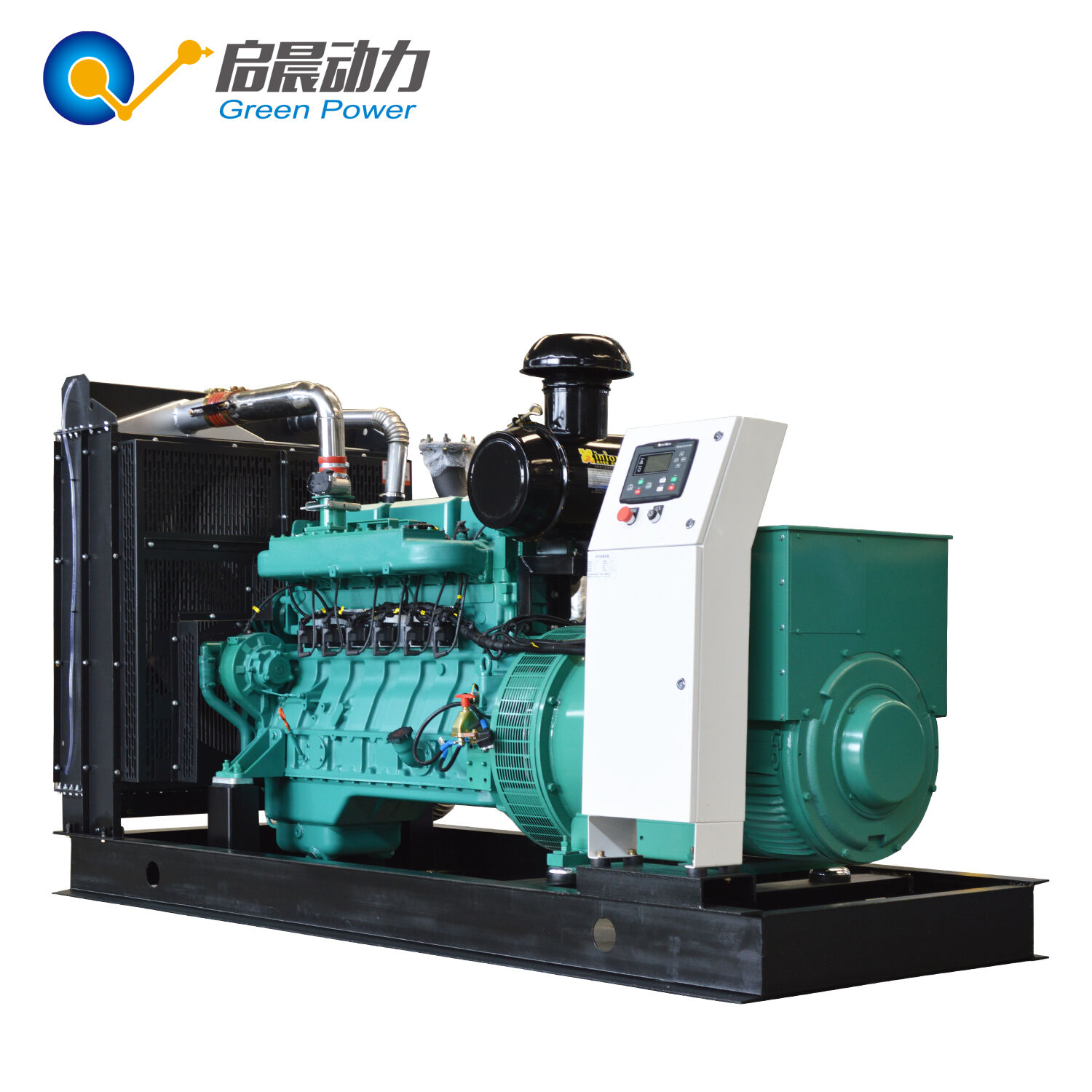
Choosing the right LPG generator is one of the most consequential decisions a facility manager, contractor, or business owner can make. An undersized LPG generator will struggle under load, cause voltage instability, and risk equipment damage. An oversized LPG generator wastes fuel, increases capital costs, and leads to inefficient wet-stacking in the engine. Getting the sizing right means understanding exactly what your power load demands — and then selecting an LPG generator that meets those demands with an appropriate capacity margin.
This LPG generator sizing guide is designed to help you move from guesswork to a structured, engineering-informed decision. Whether you are powering a commercial building, an industrial plant, or a remote construction site, the process of matching your LPG generator output to your actual load requirements follows a clear and repeatable methodology. Understanding that methodology will save you money, protect your equipment, and ensure your LPG generator delivers reliable power when you need it most.
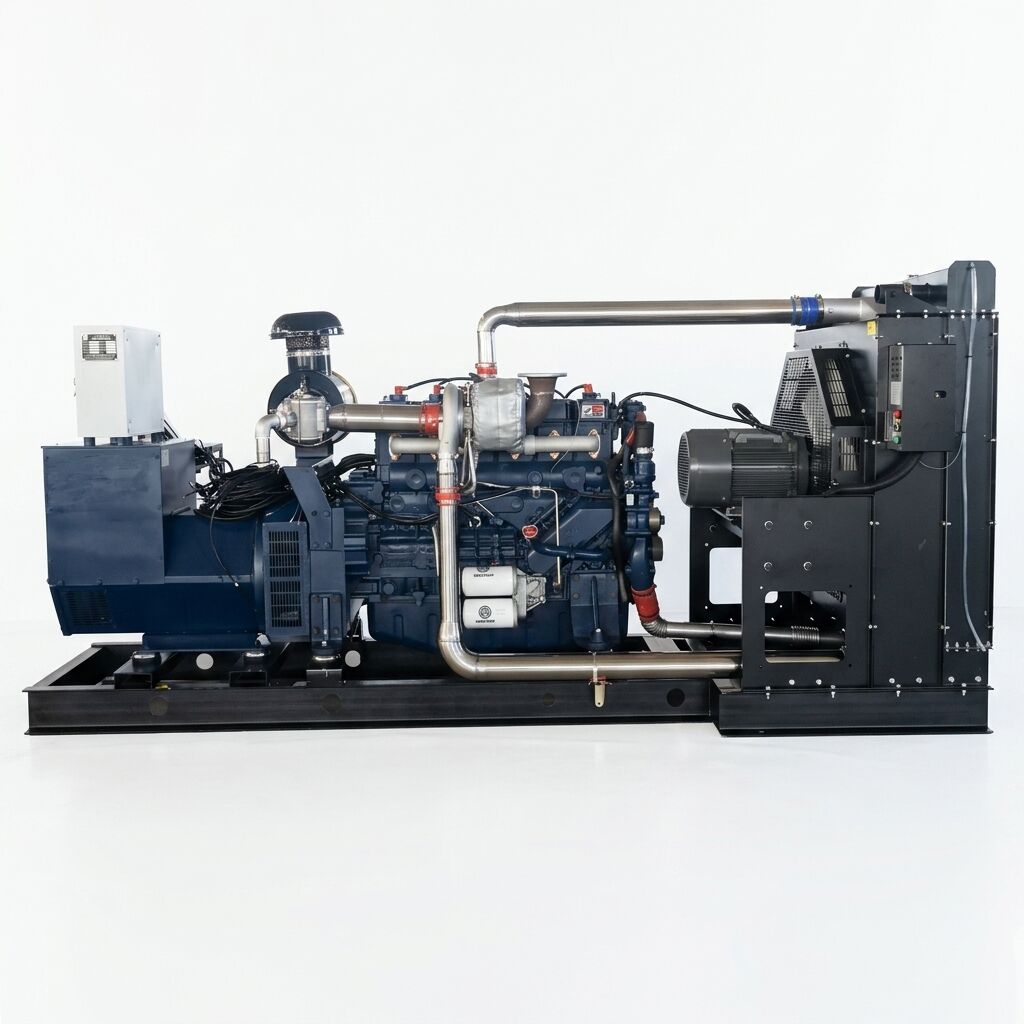
Understanding Power Load Types Before Sizing an LPG Generator
Resistive, Inductive, and Non-Linear Loads
Not all electrical loads behave the same way, and your LPG generator must be sized to handle all load types present in your facility. Resistive loads, such as heaters and incandescent lighting, draw consistent wattage and are the simplest for an LPG generator to supply. Inductive loads, including motors, compressors, and air conditioning units, require a significant surge of current at startup — often three to six times their rated running wattage. Your LPG generator must have enough headroom to absorb those startup surges without tripping or losing frequency stability. Non-linear loads, such as variable frequency drives and electronic equipment, can introduce harmonic distortion that stresses the LPG generator alternator if not properly accounted for.
Calculating Your Total Connected Load
Begin your LPG generator sizing process by listing every electrical load that will be connected, including its rated wattage and whether it is a continuous or intermittent load. Sum all continuous loads first, as these form the baseline demand your LPG generator must sustain without interruption. Then add the largest anticipated startup surge load on top of that baseline. The result gives you a working minimum output figure. Most engineers recommend selecting an LPG generator rated at 20 to 25 percent above that working minimum, giving your LPG generator a safe operating band that extends its service life and protects connected equipment. Ignoring startup surge calculations is one of the most common and costly sizing mistakes made when specifying an LPG generator for industrial or commercial applications.
Key Output Specifications That Define LPG Generator Capacity
Prime Power vs Standby Power Ratings
Every LPG generator carries two key output ratings: prime power and standby power. The standby power rating of an LPG generator represents the maximum output it can deliver for a limited number of hours per year in emergency situations. The prime power rating is the continuous output an LPG generator can sustain indefinitely under variable load, typically around 80 percent of that figure as average demand. If your LPG generator will serve as a primary power source rather than a backup, always size against the prime power rating, not the standby figure. Misapplying these ratings is a frequent error that leads to premature LPG generator wear and unexpected failures in critical operations.
Power Factor and Its Impact on LPG Generator Sizing
Power factor is the ratio of real power consumed by your loads to the apparent power drawn from your LPG generator. Most LPG generator sets are rated at a power factor of 0.8, meaning an LPG generator rated at 200 kVA delivers 160 kW of real working power. If your facility has a low power factor due to a high proportion of inductive loads, your LPG generator will need a higher kVA rating to deliver the required kW output. Always confirm your facility's power factor before finalizing an LPG generator specification. Failing to account for power factor means your LPG generator may appear correctly sized on paper but be functionally undersized in real operating conditions.
Practical Sizing Steps for Matching an LPG Generator to Your Load
Conducting a Formal Load Assessment
A formal load assessment is the foundation of accurate LPG generator sizing. Start by obtaining electrical drawings, equipment nameplates, and utility billing data to build a comprehensive load profile. Identify which loads will run simultaneously and which are staggered, because your LPG generator only needs to serve the coincident peak demand, not the theoretical total of every installed load. Load diversity factors allow you to reduce the nominal LPG generator size while still protecting against realistic peak scenarios. For critical facilities such as hospitals, data centers, or continuous-process plants, apply conservative diversity assumptions to ensure your LPG generator maintains stability under abnormal operating conditions.
Applying the Correct Derating Factors
An LPG generator does not always perform at its nameplate rating in field conditions. Altitude, ambient temperature, and fuel quality all affect how much power your LPG generator can actually deliver. At higher elevations, reduced air density lowers combustion efficiency, reducing LPG generator output by approximately three to four percent per 300 meters above sea level. High ambient temperatures similarly reduce LPG generator capacity. Always apply the derating factors specified by your LPG generator manufacturer for your actual installation site conditions. A correctly derated LPG generator specification prevents unpleasant surprises during commissioning and ensures your LPG generator meets its performance commitments throughout its operational life.
FAQ
How do I know if my LPG generator is undersized for my facility?
Common signs that an LPG generator is undersized include frequent voltage sags when large motors start, LPG generator governor hunting under variable load, nuisance circuit breaker trips, and the LPG generator running consistently above 90 percent of its rated output. If your LPG generator shows any of these symptoms, conduct a fresh load assessment and consider upgrading to a higher-rated LPG generator or reducing non-critical loads during peak demand periods.
Can one LPG generator handle both resistive and inductive loads at the same site?
Yes, a properly sized LPG generator can handle mixed resistive and inductive loads simultaneously, provided the LPG generator is rated with sufficient kVA capacity and the alternator has an appropriate transient reactance specification. The key is to size the LPG generator based on total kW demand plus the peak startup surge of your largest inductive load, and to confirm that the LPG generator alternator is rated for the harmonic content of any non-linear loads also present on the system.
What is the recommended capacity margin when sizing an LPG generator?
Most engineers recommend sizing an LPG generator at 20 to 25 percent above your calculated peak demand to provide a thermal and electrical buffer. This margin ensures your LPG generator operates in its most efficient load band, typically between 70 and 80 percent of rated output, which extends engine life and reduces fuel consumption per kilowatt-hour generated. For applications with high motor content or unpredictable load growth, a 30 percent margin on your LPG generator is a prudent investment.