 EN
EN

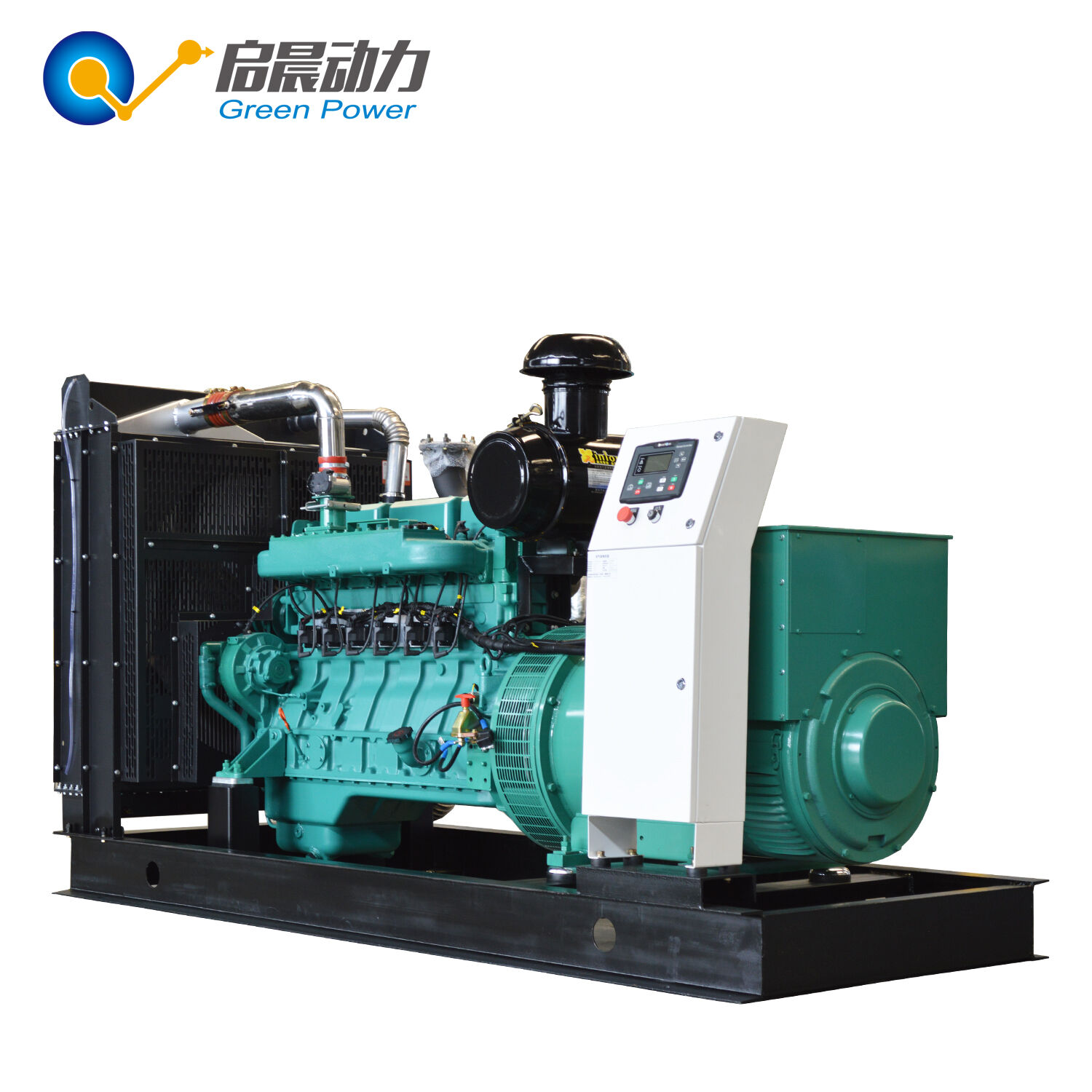
A natural gas generator is widely regarded as one of the cleaner options in power generation, but that does not exempt it from emissions regulations. Every natural gas generator operates within a framework of environmental standards that limit the concentration of harmful exhaust pollutants, particularly nitrogen oxides and carbon monoxide. Understanding these standards is essential for facility managers, plant engineers, and procurement teams who need reliable power while avoiding regulatory penalties.
Whether a natural gas generator is used for continuous baseload power, standby backup, or peak shaving, its combustion process inevitably produces exhaust gases. Regulatory bodies in most regions require that every natural gas generator meet defined emission thresholds before it can legally operate. This article explains what NOx and CO limits mean in practice, how they are enforced, and what operators must do to keep their natural gas generator installation compliant over the long term.
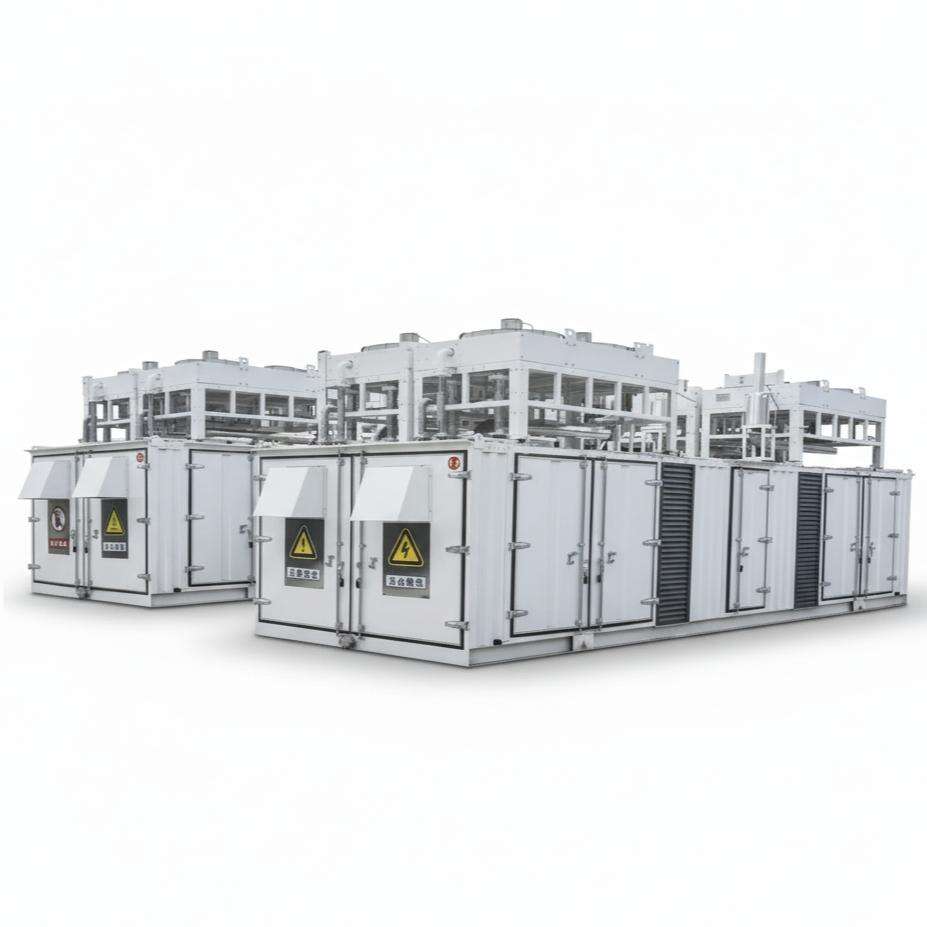
NOx and CO Emissions from a Natural Gas Generator
Why NOx Is the Primary Concern
Nitrogen oxides, commonly referred to as NOx, are produced whenever a natural gas generator burns fuel at high temperatures. The combustion chamber of a natural gas generator creates conditions where nitrogen and oxygen molecules in the air react to form NO and NO2. These compounds contribute to smog formation, acid rain, and respiratory health problems, which is why every major emissions framework places strict ceilings on NOx output from a natural gas generator. Typical regulatory limits range from 0.5 to 2.0 grams per brake horsepower-hour depending on jurisdiction, application type, and the rated capacity of the natural gas generator.
Lean-burn combustion technology is the most common approach used to reduce NOx in a natural gas generator. By operating with a higher air-to-fuel ratio, the natural gas generator keeps peak flame temperatures lower, which suppresses NOx formation without relying solely on after-treatment systems. Some larger natural gas generator units also use selective catalytic reduction systems as a secondary control layer when local standards demand near-zero NOx levels.
Carbon Monoxide Limits and Their Significance
Carbon monoxide emissions from a natural gas generator result from incomplete combustion. When the natural gas generator air-fuel mixture is not optimized, or when load fluctuations disrupt combustion stability, CO concentrations in the exhaust rise. While CO limits for a natural gas generator are generally less stringent than NOx thresholds, they still carry serious consequences. Elevated CO output signals poor efficiency, and a natural gas generator that consistently exceeds CO limits will face inspection orders, operational restrictions, and potentially costly retrofits. Regulatory CO limits for a natural gas generator commonly fall between 2.0 and 4.0 grams per brake horsepower-hour, though stationary source rules vary by region and capacity class.
Regulatory Frameworks Governing Natural Gas Generator Compliance
National and Regional Standards
The regulatory landscape for a natural gas generator differs significantly by country and region. In the United States, the Environmental Protection Agency sets national emission standards for stationary engines, including every natural gas generator used in commercial and industrial settings. State-level air quality districts, particularly in regions with severe air quality challenges, often impose even tighter limits on a natural gas generator than federal baselines require. In Europe, the Industrial Emissions Directive and national transposition legislation govern what each natural gas generator must achieve in terms of pollutant output. Facilities operating a natural gas generator in emerging markets face an increasingly rigorous environment as more governments adopt international best-practice frameworks.
Emissions permits are typically issued per installation, meaning the specific natural gas generator model, its rated output, and its intended duty cycle all influence the exact compliance threshold assigned. Operators must verify permit conditions each time they upgrade, replace, or significantly modify a natural gas generator, because a change in engine displacement or fuel system can trigger a new permit review and potentially stricter limits.
Testing and Monitoring Requirements
Regulatory compliance for a natural gas generator is not a one-time certification. Most jurisdictions require periodic source testing, during which a certified technician measures NOx, CO, and sometimes volatile organic compound emissions directly from the natural gas generator exhaust stack. Continuous emissions monitoring systems are sometimes mandated for larger natural gas generator installations above a certain capacity threshold. These systems feed real-time data to regulatory agencies, creating a transparent record of how each natural gas generator performs across varying load conditions and ambient temperatures.
Practical Steps to Keep a Natural Gas Generator Compliant
Engine Tuning and Fuel Management
Maintaining compliance begins with keeping the natural gas generator engine properly tuned. Air-fuel ratio calibration is the single most impactful maintenance action available to a natural gas generator operator. A well-calibrated natural gas generator running near its optimal air-fuel setpoint will produce lower NOx and CO simultaneously, which is the dual benefit that makes regular tuning cost-effective. Engine control unit updates provided by the natural gas generator manufacturer should be applied promptly, as these often include combustion optimization logic developed in response to field data and regulatory testing.
Exhaust After-Treatment and Operational Practices
For a natural gas generator that must meet very low NOx targets, oxidation catalysts and three-way catalysts offer reliable after-treatment pathways. An oxidation catalyst installed downstream of the natural gas generator exhaust manifold converts residual CO and unburned hydrocarbons into carbon dioxide and water. A three-way catalyst simultaneously addresses NOx, CO, and hydrocarbon emissions in a single unit, which is particularly practical for a natural gas generator operating in regions with strict multi-pollutant limits. Catalyst effectiveness depends on maintaining the correct exhaust temperature range, so a natural gas generator should not be run at very low load for extended periods if catalyst performance is a compliance factor. Operators should also schedule natural gas generator load bank testing and emissions verification well before permit renewal deadlines to allow time for corrective action if results fall outside limits.
FAQ
What emissions standards apply to a natural gas generator in the United States?
In the United States, a natural gas generator used as a stationary engine is primarily regulated under EPA rules for stationary compression ignition and spark ignition engines, particularly 40 CFR Part 60 Subpart JJJJ. Each natural gas generator must meet specific NOx, CO, and hydrocarbon limits based on its manufacture date, rated horsepower, and duty classification. State and local air districts may impose stricter standards on a natural gas generator beyond the federal baseline.
How often must a natural gas generator undergo emissions testing?
The required testing frequency for a natural gas generator varies by jurisdiction and permit conditions. Many regulatory frameworks require a natural gas generator to undergo initial compliance testing upon installation and then periodic source tests every one to three years. Larger natural gas generator installations may be subject to continuous emissions monitoring rather than periodic stack testing alone. Operators should review the specific permit attached to their natural gas generator to determine their exact schedule.
Can a natural gas generator be retrofitted to meet tighter emissions standards?
Yes, a natural gas generator can often be retrofitted to achieve lower NOx and CO emissions. Common retrofit options for a natural gas generator include installing oxidation catalysts, three-way catalytic converters, or upgrading the engine management system to support lean-burn or ultra-lean combustion modes. The feasibility of retrofitting a natural gas generator depends on its engine design, age, and the magnitude of the required emissions reduction. In some cases, replacing an older natural gas generator with a newer emissions-certified model is more cost-effective than extensive retrofitting.