 EN
EN

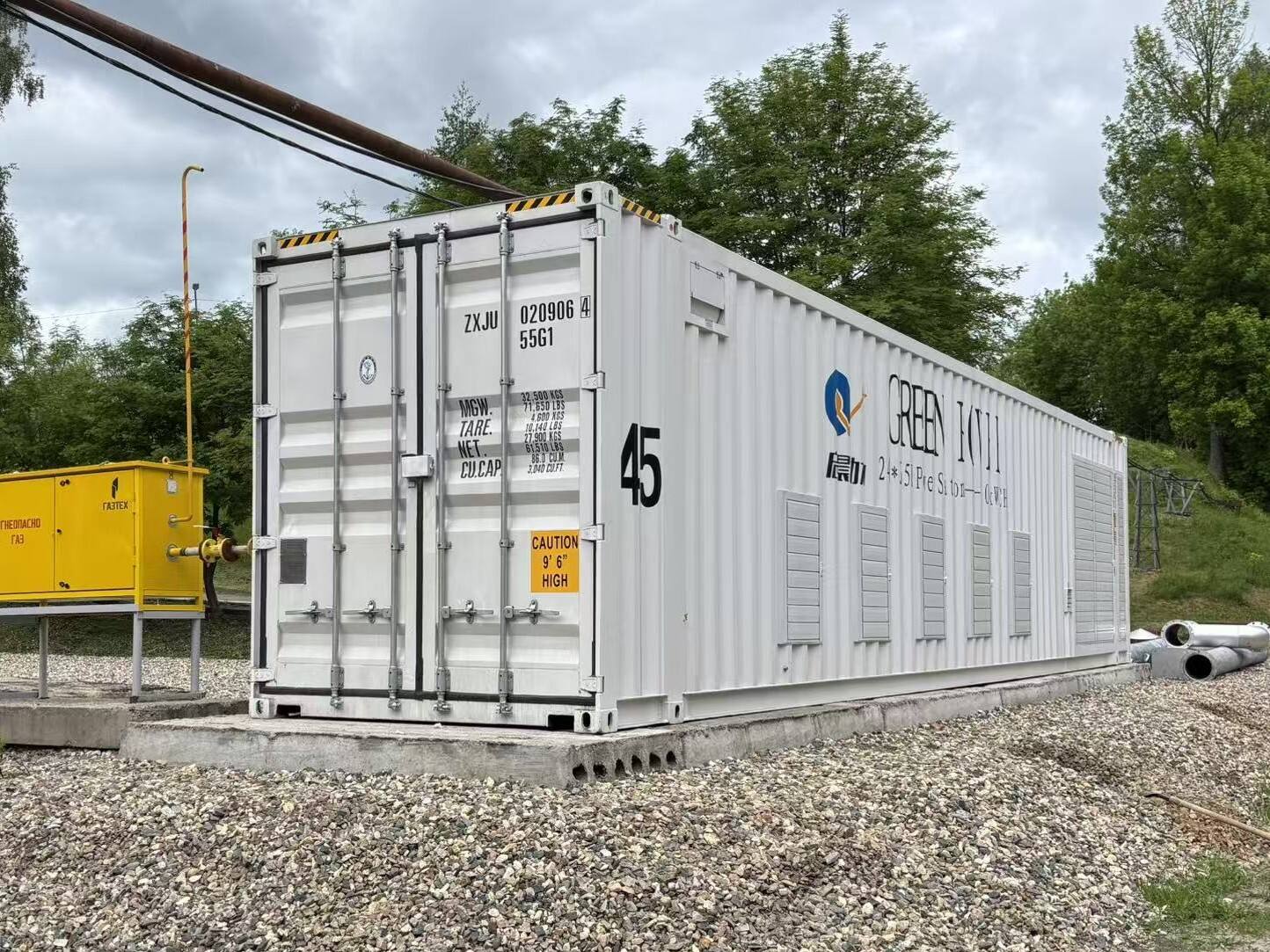
A 1000 kW natural gas generator system represents a significant investment in on-site power infrastructure. Whether deployed for industrial facilities, large commercial complexes, or utility backup applications, engineering such a system correctly from the start determines long-term reliability, fuel efficiency, and operational safety. Understanding how engine configuration and parallel setup interact is essential before finalizing any design decision.
Designing a 1000 kW natural gas generator system is not simply a matter of selecting a single large unit and connecting it to a load panel. The configuration must account for load profiles, redundancy requirements, fuel supply constraints, and site-specific installation conditions. A well-engineered 1000 kW natural gas generator system balances engine performance with intelligent layout planning, ensuring that the installation delivers rated output under all operating conditions while remaining maintainable throughout its service life.
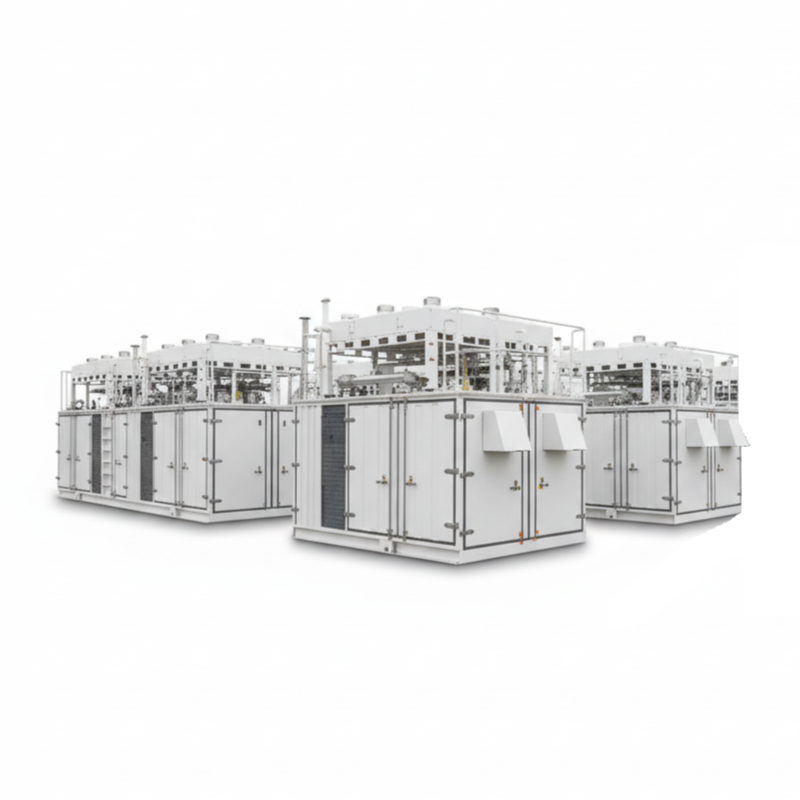
Engine Configuration for a 1000 kW Natural Gas Generator
Single-Unit vs. Multi-Unit Engine Architecture
The first major decision in designing a 1000 kW natural gas generator system is whether to use a single large engine or divide the capacity across multiple smaller units. A single-engine 1000 kW natural gas generator offers simplicity in control, fewer synchronization requirements, and a smaller equipment footprint. However, it introduces a single point of failure — if the engine requires maintenance, the entire 1000 kW natural gas generator output is lost. For facilities where continuous power is non-negotiable, this risk is unacceptable.
A multi-unit approach, such as deploying two 500 kW natural gas generator sets operating in parallel to achieve 1000 kW total output, distributes the risk and allows one unit to remain online during scheduled maintenance of the other. This design pattern is widely used in industrial and mission-critical applications. The 1000 kW natural gas generator capacity is preserved even during partial system servicing, making this architecture preferable for high-availability environments. Engineers must weigh initial cost, footprint, and control complexity against the uptime advantages before committing to either path.
Engine Selection Criteria and Fuel System Design
Selecting the right engine for a 1000 kW natural gas generator requires careful review of the engine's compression ratio, turbocharging configuration, and combustion chamber design. High-efficiency four-stroke gas engines with lean-burn combustion technology are typically preferred for this power class because they deliver strong thermal efficiency and lower emissions output. The fuel system for a 1000 kW natural gas generator must also be engineered to maintain stable gas pressure across all load conditions, particularly during rapid load changes where pressure drops can cause engine misfire or derating.
A properly sized fuel train, including pressure regulators, gas filters, and emergency shut-off valves, is a non-negotiable component of any 1000 kW natural gas generator installation. The fuel supply line diameter must be calculated based on peak consumption at full rated load, with appropriate safety margins added. Neglecting fuel system design is one of the most common causes of underperformance in a 1000 kW natural gas generator installation, often leading to output derating that defeats the original capacity target.
Parallel Setup and Synchronization Logic
Principles of Parallel Operation
When a 1000 kW natural gas generator system uses multiple generating units operating in parallel, synchronization becomes the central engineering challenge. Each 1000 kW natural gas generator unit in a parallel arrangement must match voltage magnitude, frequency, and phase angle before being connected to the common bus. Modern automatic synchronizers handle this process electronically, reducing the synchronization window to a matter of seconds. However, the control architecture must be designed so that a failed synchronization attempt on one 1000 kW natural gas generator unit does not cascade into a system-wide fault condition.
Load sharing between parallel 1000 kW natural gas generator units requires droop control or isochronous load sharing protocols, depending on whether the system is grid-connected or operating in island mode. In island mode, isochronous sharing is preferred because it maintains precise frequency regulation across all operating units. The control panels for each 1000 kW natural gas generator must communicate via a shared data bus, and the master control logic must be capable of adding or removing units from the parallel arrangement smoothly as load demand changes throughout the day.
Paralleling Switchgear and Protection Relays
The paralleling switchgear assembly is the physical heart of a multi-unit 1000 kW natural gas generator system. It houses the main circuit breakers, bus bars, current transformers, and protection relays that govern how each 1000 kW natural gas generator connects to and disconnects from the shared output bus. Overcurrent protection, reverse power relays, and differential protection schemes must all be correctly coordinated to prevent equipment damage during fault conditions. A poorly specified switchgear assembly is a latent risk that may not surface until the system encounters its first serious fault event.
Protection relay settings for a 1000 kW natural gas generator parallel system must be coordinated with the upstream utility protection or the facility's internal distribution system, whichever applies. Time-current coordination studies are an essential step in the design process and should never be omitted. Each 1000 kW natural gas generator unit's protection relay must trip selectively, isolating only the faulted unit rather than the entire generation system, to maintain continuity of supply to the load.
Cooling, Exhaust, and Ancillary System Integration
Thermal Management and Ventilation Design
A 1000 kW natural gas generator generates substantial waste heat during normal operation. The cooling system — whether radiator-based or remote cooling tower — must be sized to reject the full thermal load at maximum ambient temperature conditions. Inadequate cooling directly reduces the rated output of a 1000 kW natural gas generator and accelerates engine wear. Ventilation calculations for the generator room must account for combustion air flow, radiator fan discharge, and ambient heat rejection, ensuring that room temperatures remain within the engine manufacturer's specified operating range.
Exhaust System Routing and Emissions Compliance
The exhaust system for a 1000 kW natural gas generator must be routed with attention to back pressure limits. Excessive exhaust back pressure directly reduces engine output and increases fuel consumption on a 1000 kW natural gas generator installation. Silencers, flexible connections, expansion joints, and proper stack termination all contribute to a compliant and efficient exhaust design. In regions with strict emissions regulations, catalytic converters or selective catalytic reduction systems may need to be integrated into the exhaust train of the 1000 kW natural gas generator to meet local NOx and CO limits.
FAQ
How many units are typically used in a parallel 1000 kW natural gas generator system?
A common parallel configuration for a 1000 kW natural gas generator system uses two 500 kW units, though three or more smaller units are also used depending on redundancy needs and load profile flexibility. The specific number depends on the facility's uptime requirements, maintenance strategy, and available footprint for installation.
What fuel pressure is required for a 1000 kW natural gas generator?
Fuel pressure requirements vary by engine model, but most 1000 kW natural gas generator engines require inlet gas pressure between 1.5 kPa and 25 kPa at the engine fuel train inlet. Always confirm the precise specification with the engine manufacturer, as operating outside the stated pressure range can cause derating, misfire, or engine shutdown on a 1000 kW natural gas generator.
Can a 1000 kW natural gas generator system operate in island mode?
Yes, a 1000 kW natural gas generator system is well-suited for island mode operation. When configured with isochronous speed governors and appropriate load sharing controls, a 1000 kW natural gas generator system can maintain stable voltage and frequency without any grid connection. Proper black-start capability and load sequencing logic must be included in the design to ensure reliable island mode startup.