 EN
EN

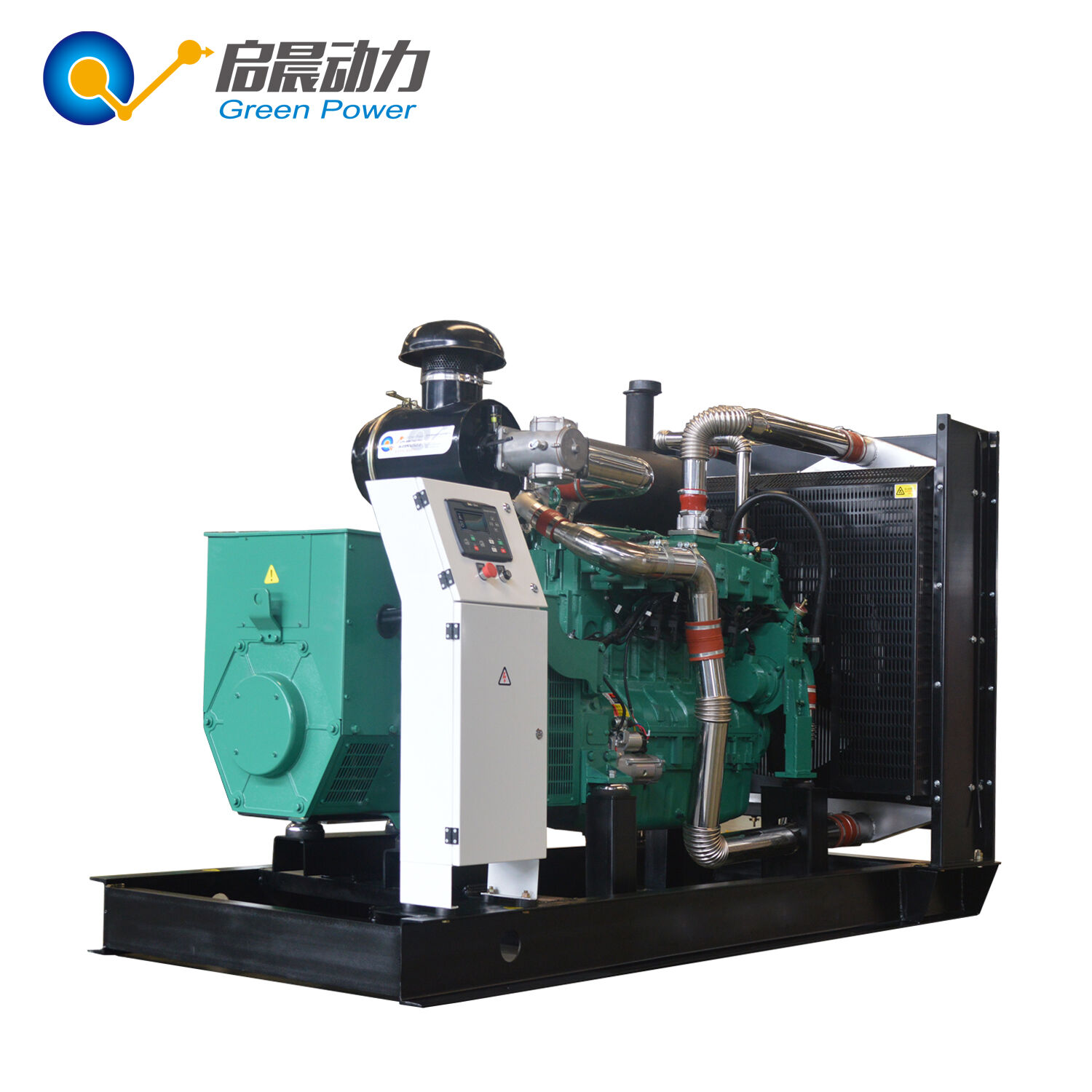
Installing a natural gas generator is a significant infrastructure decision that demands careful planning, precise execution, and a clear understanding of local codes. Whether you are equipping an industrial facility, a commercial building, or a remote operation, the steps you take before the unit ever arrives on site determine how smoothly the entire project goes. A well-planned natural gas generator installation reduces costly rework, shortens commissioning time, and ensures the unit performs reliably from day one.
This guide walks through every major phase of a natural gas generator project, from evaluating the installation site and connecting the gas supply to completing electrical integration and performing the first power-on sequence. Each section focuses on practical decisions that facility managers, contractors, and procurement teams must address before and during installation. Understanding the full workflow helps you avoid common mistakes that delay commissioning and increase project costs.
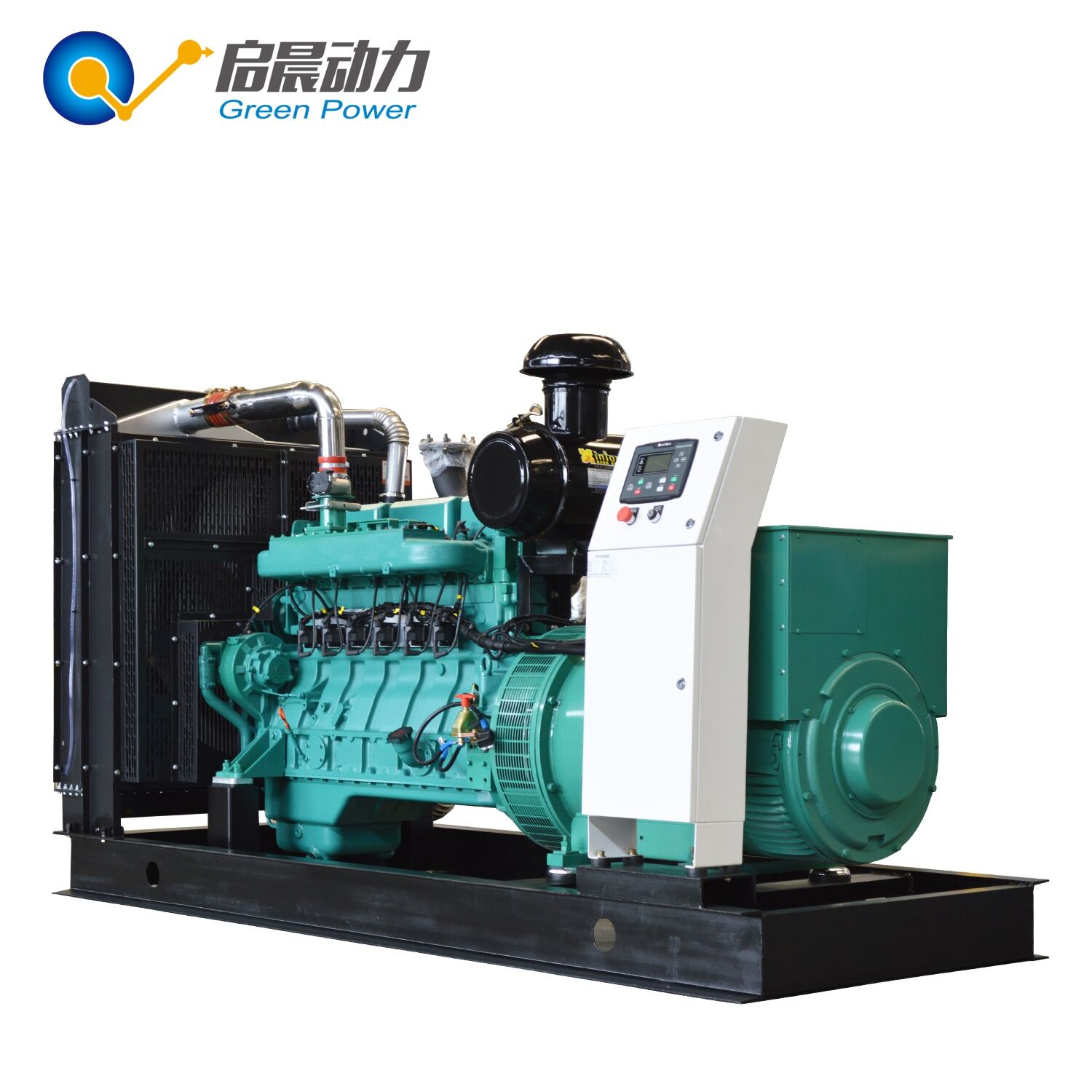
Site Planning for a Natural Gas Generator
Choosing the Right Location
Site selection is the foundation of every successful natural gas generator installation. The chosen location must satisfy several overlapping requirements simultaneously. It must allow safe ventilation of exhaust gases, provide enough clearance for maintenance access, and sit close enough to the existing gas supply line to keep connection costs manageable. A natural gas generator also produces significant noise and vibration, so distance from occupied areas, noise barriers, or acoustic enclosures should be factored into the site plan early.
Outdoor placement on a reinforced concrete pad is the most common solution for a natural gas generator in industrial contexts. The pad must be level, structurally rated for the generator weight including the base frame, and equipped with proper drainage to prevent water pooling. Indoor installations are possible but require dedicated ventilation systems, fireproof construction, and stricter compliance with local building and fire codes. Regardless of location type, confirm that emergency shutoff access is clear and that no combustible materials are stored nearby.
Permitting and Code Compliance
Every natural gas generator installation requires permits from local authorities before work begins. These typically include a mechanical permit for the gas line connection, an electrical permit for the generator output circuit, and in some jurisdictions a zoning or land-use approval. Skipping permits is never advisable. Unpermitted natural gas generator installations can void insurance coverage, fail utility interconnection inspections, and create serious liability risks. Engage a licensed engineer or qualified contractor early to identify which permits apply to your project.
Gas Supply and Fuel System Connection
Sizing the Gas Line
The gas supply line feeding a natural gas generator must be properly sized for the unit's full-load fuel consumption. Undersized piping creates pressure drops that cause a natural gas generator to run lean, reduce output, or shut down under load. Work with your gas utility or a qualified plumber to calculate the required pipe diameter based on line length, total connected appliance load on the same meter, and local gas pressure. Always request the full fuel consumption curve from the natural gas generator manufacturer, not just the rated load figure.
A dedicated gas meter is strongly recommended for any natural gas generator rated above a few dozen kilowatts. A dedicated supply ensures that generator operation does not affect gas pressure for other building systems such as boilers or process equipment. Install an accessible manual shutoff valve near the natural gas generator to allow rapid isolation in an emergency. The valve location must be clearly marked and unobstructed at all times.
Regulator and Pressure Testing
Most natural gas generator units require gas supply pressure within a specific range, typically stated in inches of water column or kilopascals. A properly sized regulator installed upstream of the natural gas generator maintains steady pressure regardless of load swings or upstream supply variations. After completing all gas pipe connections, a pressure test using an inert gas such as nitrogen must be performed before the line is put into service. This step identifies leaks before introducing natural gas, reducing fire and explosion risk significantly.
Electrical Integration and First Power-On
Transfer Switch and Load Connection
A natural gas generator used as standby or prime power requires a properly rated transfer switch to connect its output to the building electrical system. An automatic transfer switch allows a natural gas generator to start and assume load without manual intervention when utility power fails. Manual transfer switches are acceptable in some applications but require a trained operator on site. The transfer switch must be rated for the full output amperage of the natural gas generator and matched to the voltage and phase configuration of the building distribution system.
Wiring from the natural gas generator to the transfer switch must use conductors sized according to local electrical codes, typically at 125 percent of the generator's full-load current. All conduit runs, junction boxes, and terminations should be completed and inspected before the natural gas generator is energized. Confirm that the natural gas generator output breaker is open before making any connections to the transfer switch output terminals.
Startup Sequence and Commissioning Checks
Before the first power-on of a natural gas generator, a systematic checklist must be completed. Verify oil and coolant levels, check all control panel settings against the manufacturer's commissioning sheet, confirm that all electrical connections are torqued to specification, and ensure that the gas supply valve is fully open. Most natural gas generator control systems include a manual test mode that cranks the engine without enabling the output breaker, allowing the technician to confirm starting performance and oil pressure buildup before applying load.
Once the natural gas generator starts cleanly in test mode, bring it to rated speed and verify voltage and frequency on a meter before closing the output breaker. Apply load gradually if possible and monitor engine temperature, oil pressure, and gas supply pressure throughout the first loaded run. Document all readings during commissioning. A natural gas generator that is commissioned thoroughly has a much longer service life and fewer unplanned shutdowns than one that is rushed into service without verification.
FAQ
How long does a natural gas generator installation typically take?
A complete natural gas generator installation for a commercial or industrial application typically takes between three and ten business days, depending on site preparation complexity, permit approval timelines, gas line extension length, and electrical work scope. Simple installations on prepared sites with existing gas service can be completed faster, while projects requiring new concrete pads, extended gas mains, or significant electrical upgrades take longer. Engaging all trades and permit authorities early keeps the natural gas generator project on schedule.
What maintenance does a natural gas generator need after installation?
A natural gas generator requires regular maintenance including periodic oil and filter changes, spark plug inspection and replacement, air filter service, coolant checks, and control system testing. Most manufacturers recommend a monthly no-load test run and an annual full-load exercise for standby natural gas generator units. Following the manufacturer's service schedule is essential for maintaining warranty coverage and ensuring the natural gas generator starts reliably when needed.
Can a natural gas generator run on propane if gas supply is interrupted?
Some natural gas generator models are factory-configured or field-convertible for dual-fuel or propane-only operation, but not all units support this. Running a natural gas generator on propane without the correct conversion kit and carburetor or regulator adjustment can damage the engine and void the warranty. Always confirm fuel flexibility requirements with the manufacturer before purchasing a natural gas generator if dual-fuel capability is a priority for your installation.