 EN
EN

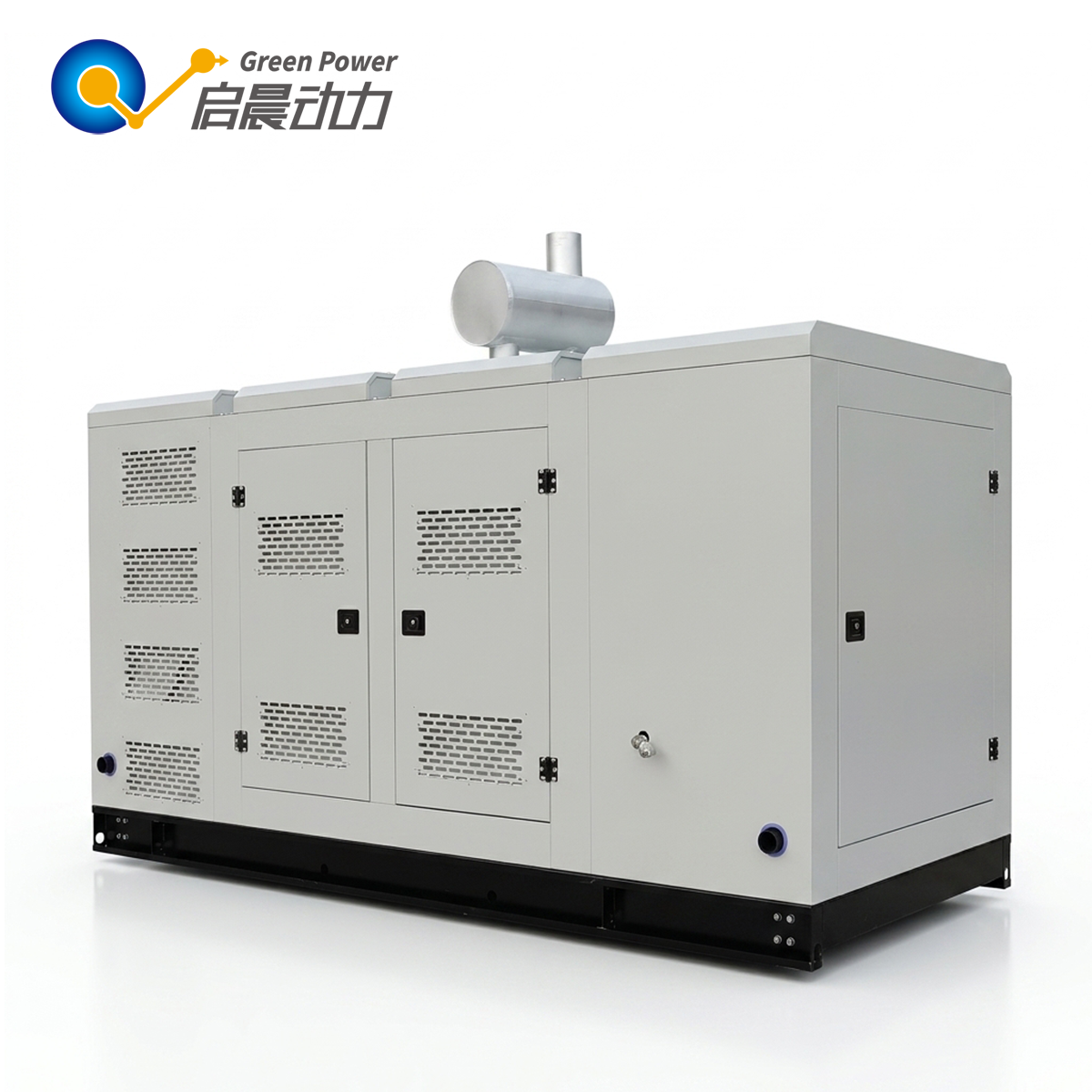
When power infrastructure is unavailable or unreliable, an LPG generator stands out as one of the most practical and dependable solutions for off-grid sites. Whether the application involves a remote construction camp, an agricultural facility, a mining operation, or a rural industrial base, the LPG generator delivers consistent electrical output without requiring connection to a public utility grid. Its fuel supply is portable, its combustion is clean, and its operational reliability is well-established across demanding environments worldwide.
This article explores in detail why the LPG generator has become a preferred power source for off-grid operations. From fuel availability and storage advantages to environmental performance and long-term cost considerations, the LPG generator offers a combination of strengths that diesel and gasoline alternatives often cannot match in remote settings. Understanding these advantages helps procurement managers, project engineers, and site operators make better-informed energy decisions for facilities that depend entirely on self-supplied power.
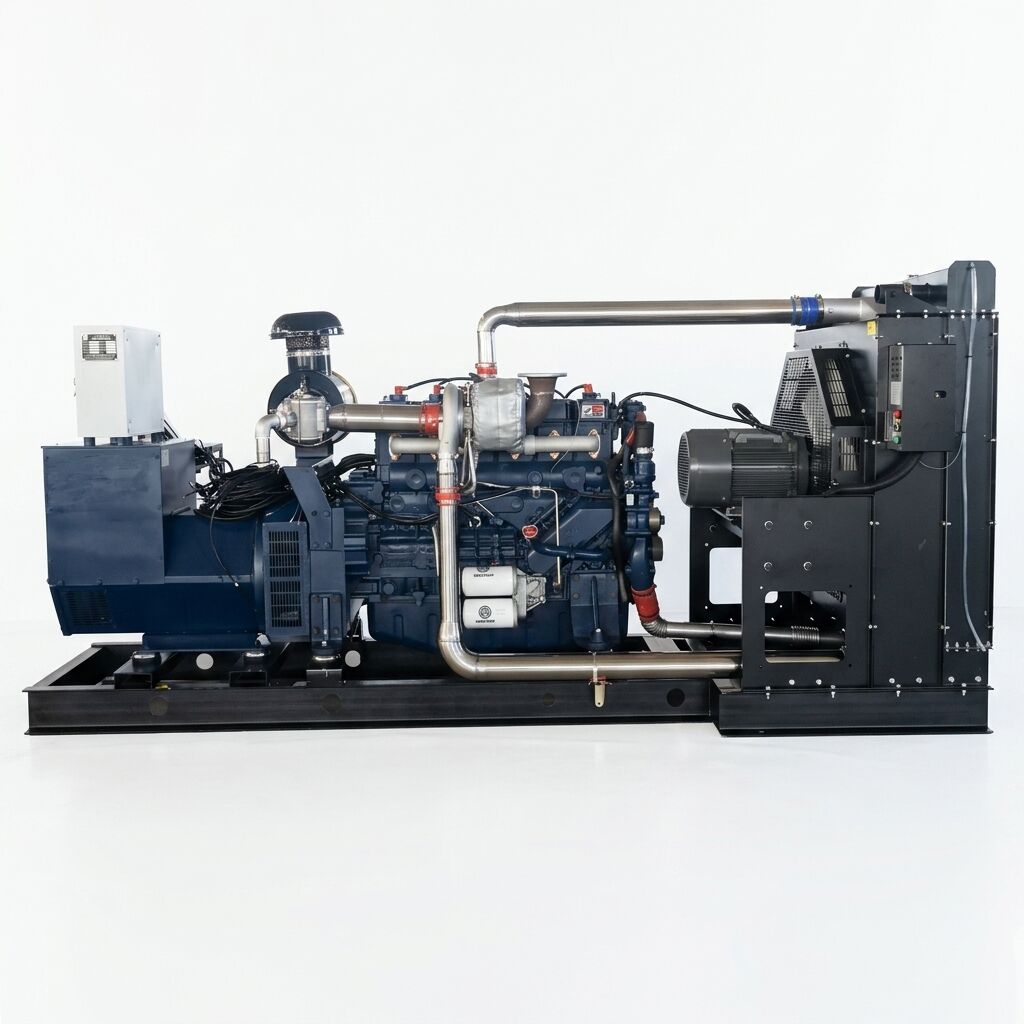
Fuel Availability and Storage Advantages of an LPG Generator
Flexible Fuel Supply for Remote Locations
One of the most compelling reasons to deploy an LPG generator at an off-grid site is the accessibility of liquefied petroleum gas as a fuel source. Unlike diesel, which can degrade in storage and requires careful management in hot or humid climates, LPG remains stable over extended storage periods without significant quality loss. An LPG generator can draw from pressurized cylinders or bulk storage tanks that are refilled on a scheduled basis, making supply logistics straightforward even in areas far from urban infrastructure.
For projects that span months or years in remote locations, the ability to stockpile LPG fuel safely is a significant operational advantage. The LPG generator allows site managers to maintain adequate fuel reserves without the same evaporation, contamination, or microbial degradation risks associated with liquid fuel systems. This makes the LPG generator a highly practical choice when reliable resupply intervals cannot always be guaranteed.
Scalable Storage Solutions
An LPG generator installation can be scaled to match the actual power demand of a site. Small sites may operate a single LPG generator connected to standard cylinder banks, while larger industrial sites can integrate the LPG generator into a centralized bulk storage system. This scalability ensures that the LPG generator remains cost-efficient and operationally appropriate across a wide range of project sizes and durations. Site planners benefit from the flexibility to expand fuel capacity as operations grow without replacing the LPG generator itself.
Environmental and Operational Performance of an LPG Generator
Cleaner Combustion Compared to Diesel
Environmental compliance is increasingly important for off-grid operations in regulated industries. The LPG generator produces significantly lower particulate emissions, sulfur dioxide, and black smoke compared to diesel-powered alternatives. This cleaner combustion profile makes the LPG generator suitable for sites where air quality standards must be maintained, such as near agricultural areas, residential zones, or protected natural environments. A well-maintained LPG generator operates with reduced visible exhaust, which also contributes to better working conditions for on-site personnel.
The LPG generator also produces fewer carbon deposits internally, which translates to longer intervals between maintenance events. Engine components in an LPG generator typically experience less wear caused by fuel contamination compared to diesel systems. This means that an LPG generator can sustain a longer operational lifespan with proper routine servicing, reducing the total cost of ownership over the project lifecycle.
Reliable Cold-Weather Starting and Steady Output
An LPG generator performs reliably in cold climates where diesel fuel can gel or thicken, causing starting problems and reduced flow. Because LPG is stored under pressure as a liquid and vaporizes reliably at temperatures well below freezing, the LPG generator starts dependably even in low-temperature environments. This cold-weather reliability makes the LPG generator especially valuable for off-grid sites in highland regions, northern latitudes, or seasonal environments where overnight temperatures can drop sharply. Consistent engine startup translates directly into uninterrupted power availability for critical site operations.
Long-Term Cost and Maintenance Considerations for an LPG Generator
Lower Maintenance Frequency and Reduced Downtime
Operational cost is always a critical factor in off-grid power planning, and the LPG generator offers a favorable total cost profile when maintenance intervals are considered. Because LPG burns cleanly, the LPG generator accumulates less internal contamination over time. Engine oil in an LPG generator tends to stay cleaner longer than in diesel systems, which can extend oil change intervals and reduce consumable costs. For remote sites where service visits are expensive and logistically complex, the reduced maintenance frequency of an LPG generator directly lowers operational overhead.
Spare parts availability is also an important consideration for any LPG generator deployment. Modern LPG generator models are engineered for durability with standardized components, and many share mechanical architecture with well-supported engine platforms. This means that sourcing replacement parts for an LPG generator does not typically require specialized supply chains, which simplifies maintenance planning for remote site operators.
Fuel Cost Predictability Over Project Duration
Fuel price volatility is a risk that affects all off-grid power systems, but the LPG generator offers a degree of cost predictability that is useful for project budgeting. LPG prices, while subject to market fluctuations, tend to be less volatile than diesel in many regions. Site operators who lock in supply contracts for LPG can forecast energy costs more accurately over a project's duration. The LPG generator thus supports better financial planning and reduces the risk of unexpected energy cost overruns that can affect off-grid project profitability.
FAQ
How long can an LPG generator run continuously on a standard fuel supply?
The runtime of an LPG generator depends on its power output rating and the size of the connected fuel storage. A mid-size LPG generator operating at full load will typically consume LPG at a predictable rate that can be calculated in advance. With bulk storage tanks, an LPG generator can run continuously for days before requiring a refill, making it well-suited to off-grid sites with scheduled supply deliveries.
Is an LPG generator suitable for both prime and standby power applications?
Yes, the LPG generator is engineered for both prime power and standby power roles. As a prime power source at an off-grid site, the LPG generator operates as the main and continuous electricity supply. As a standby unit, the LPG generator activates automatically when the primary power source fails. Its clean combustion and reliable starting behavior make the LPG generator appropriate for both configurations without significant modification.
What size LPG generator is typically needed for an off-grid industrial site?
The correct LPG generator size for an industrial site depends on the total connected load, including machinery, lighting, HVAC systems, and control equipment. A qualified power systems engineer should conduct a load assessment before specifying an LPG generator. For larger industrial applications, a high-capacity LPG generator in the range of 100 kW to 200 kW or above is often required to meet continuous demand reliably and efficiently.