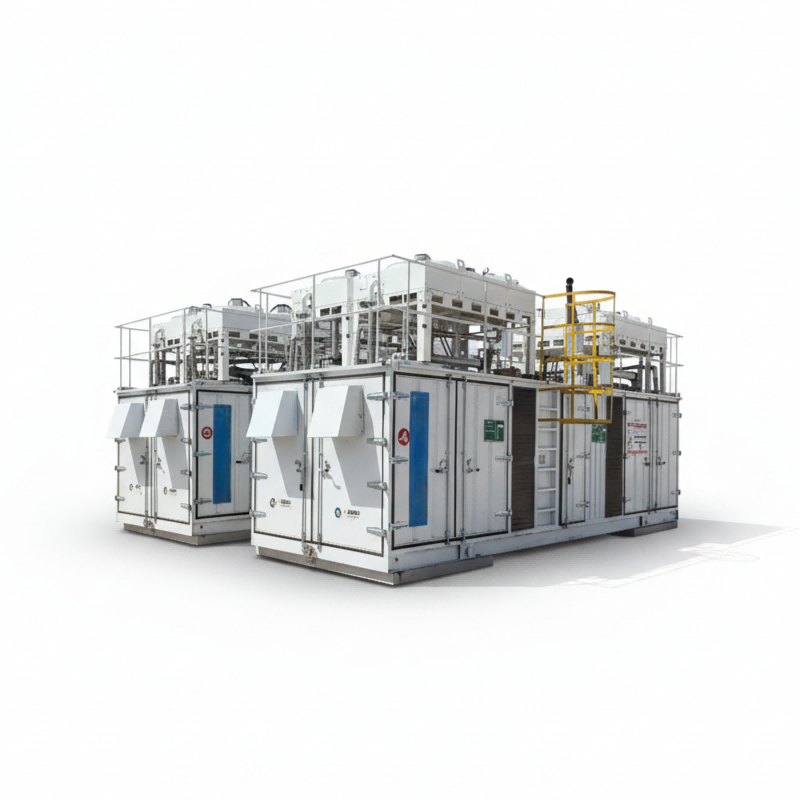
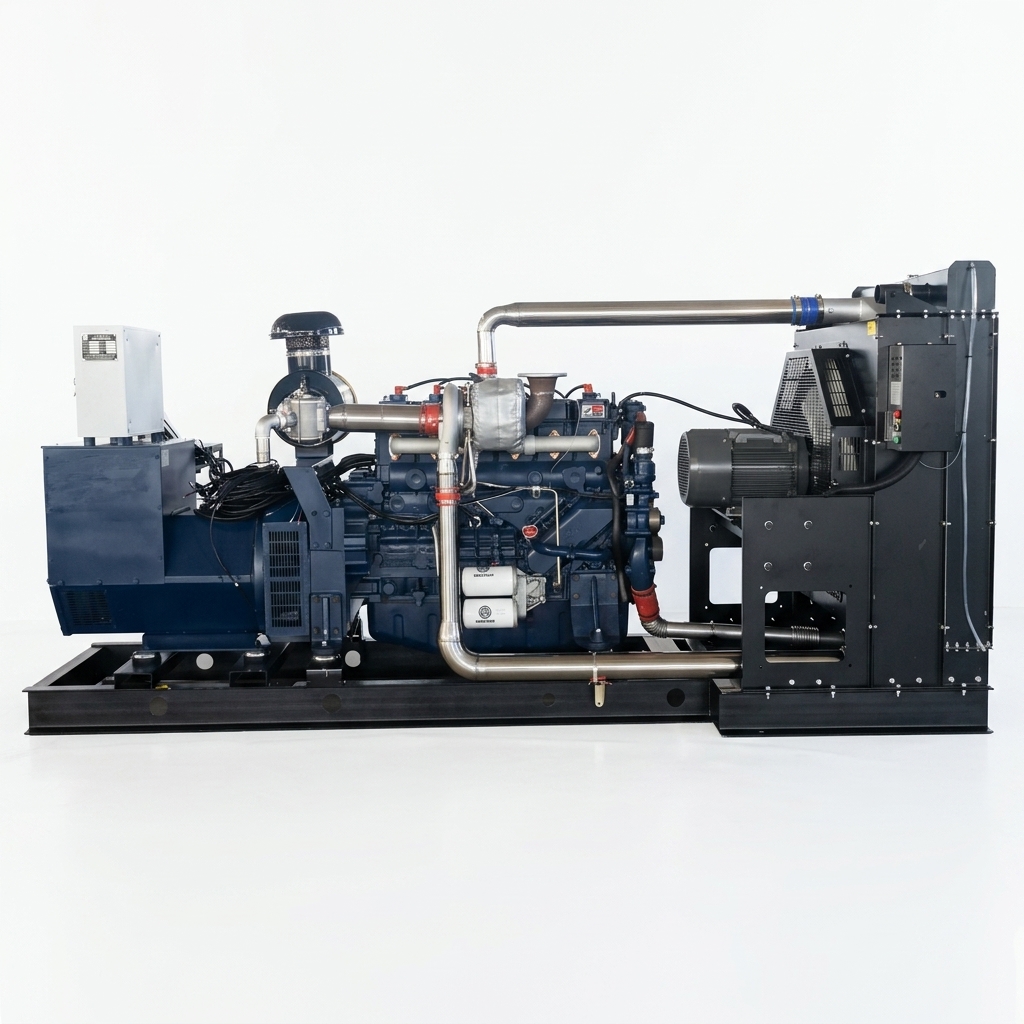
In China, the massive daily generation of food waste has long been a heavy burden on municipal management. For this project, it presented a core challenge: how to transform a pure operational cost center into a hub of environmental and economic value? The answer lay within this seemingly useless organic matter. We partnered with Wangneng Environmental on a transformative investment, designed to capture the biogas produced from the anaerobic digestion of food waste and convert it into reliable green power. This was not merely waste treatment; it was the activation of a precision “energy recovery unit,” with the goal of achieving true energy self-sufficiency and contributing to the community grid.
A Customized On-Site Energy Hub
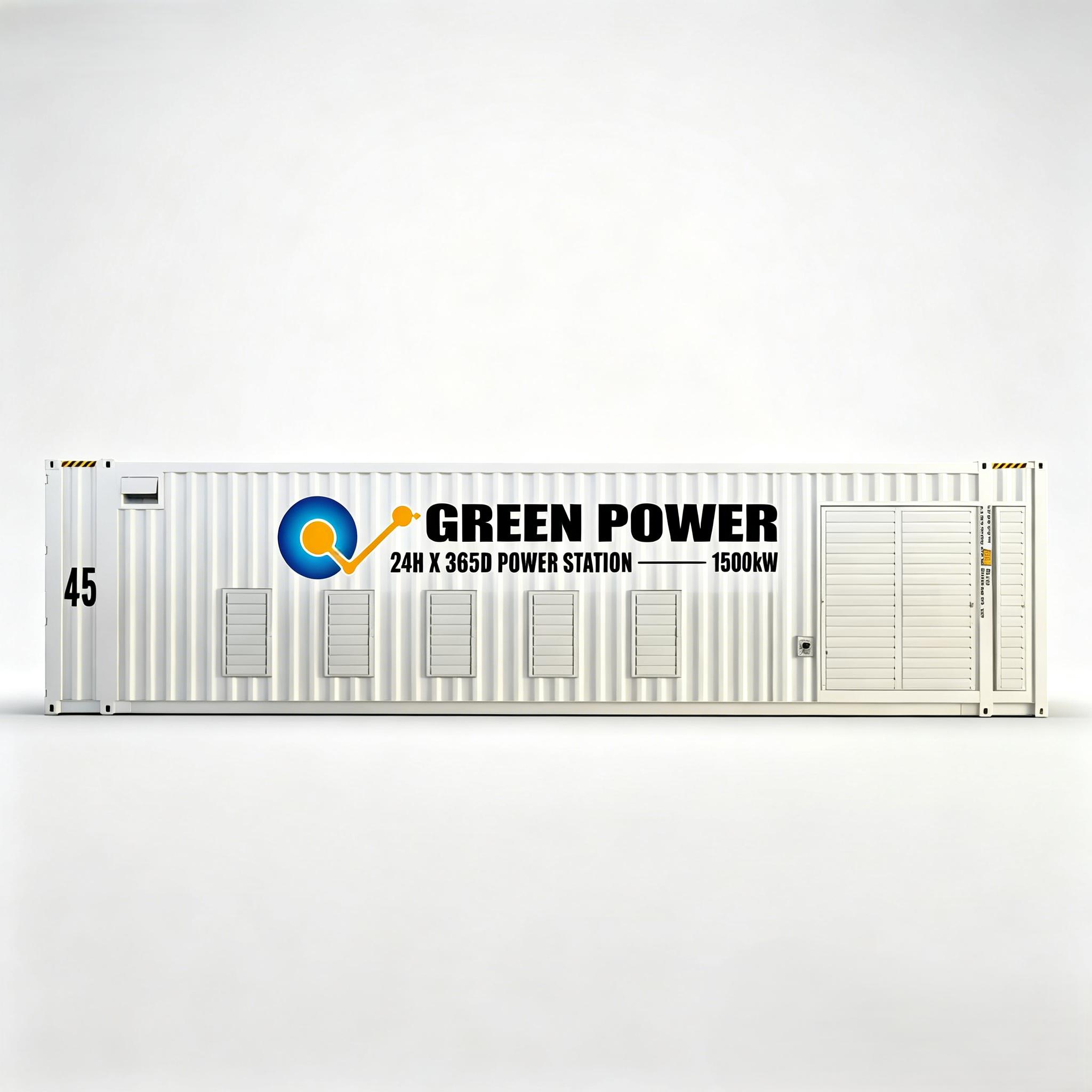
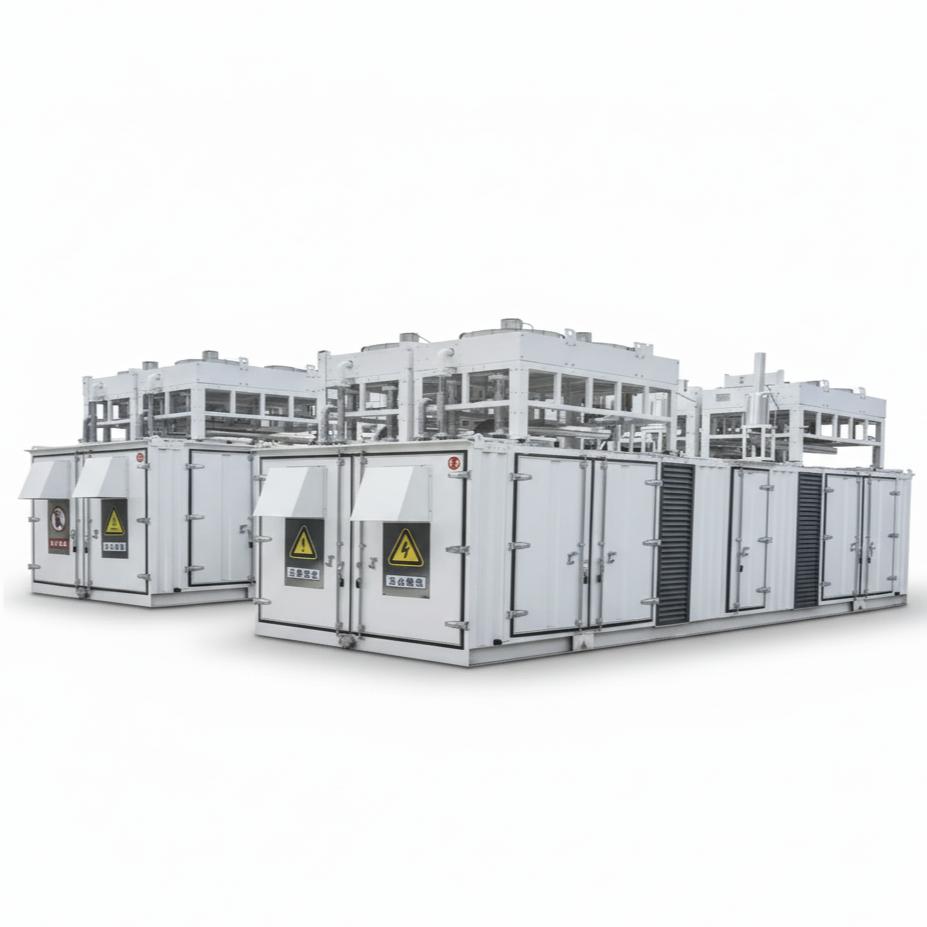
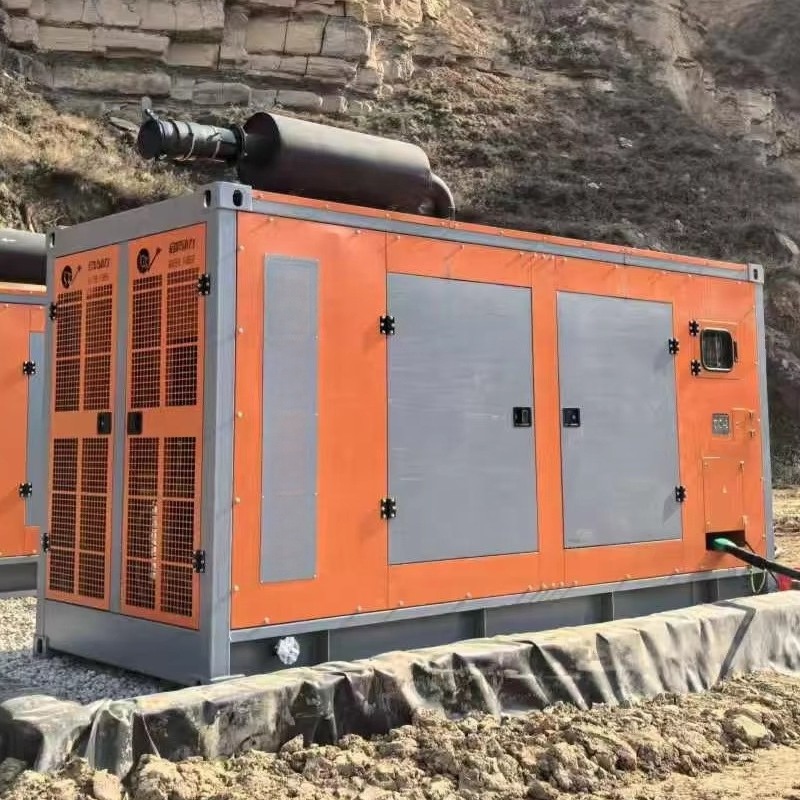
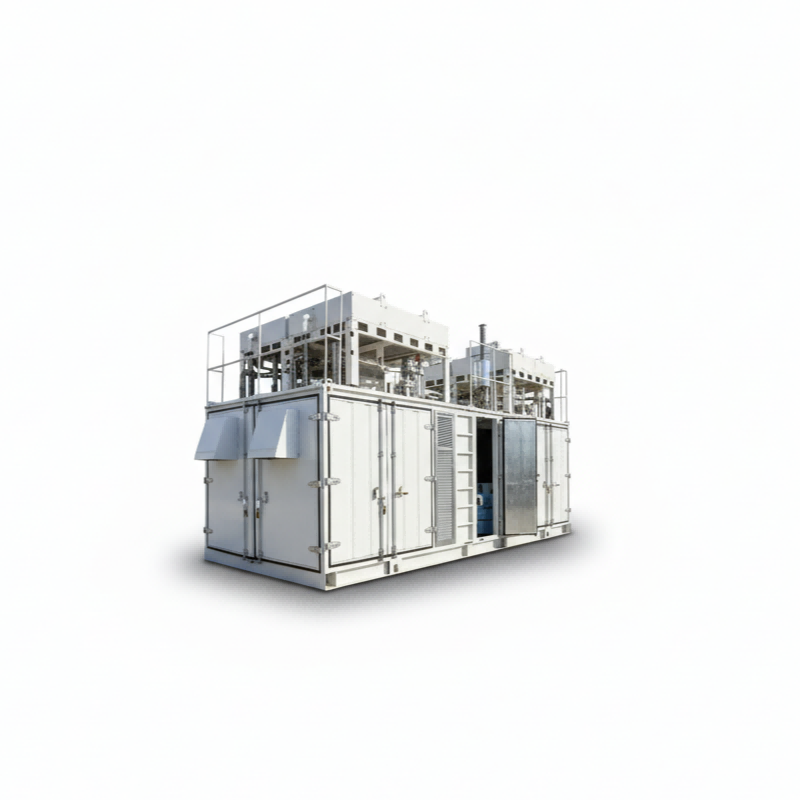
At the heart of our provision was the construction of a highly efficient and intelligent on-site energy hub. The centerpiece of this solution was two of our specially designed 750kVA biogas generator sets. These units are not off-the-shelf products; their fuel systems, control logic, and combustion chambers were all optimized for food waste biogas—ensuring high efficiency and ultra-low emissions even with challenging fuel conditions.
The intelligence of the entire system lies in its operational mode. We integrated an advanced energy management system, governed by the core principle of “generation for self-consumption, with surplus fed into the grid.” The system monitors in real-time the load of the plant’s extensive processing equipment and prioritizes meeting 100% of its own operational demand. Only when generation exceeds instant consumption does the intelligent grid-connection system automatically and safely feed the surplus clean electricity seamlessly into the national grid. This design ensures maximum return on investment: first, it drastically reduces purchased electricity costs; second, it turns every leftover kilowatt-hour into carbon credits and utility revenue.
Quantified Impact: 5.6 Million kWh of Green Transformation
The success of this project is defined by a set of concise yet powerful metrics. The system generates up to 5.6 million kWh of clean electricity annually—enough to power over 15,000 of homes with green energy, all derived from what was once food waste. This achievement is powered by a reliable energy core comprising two of our specially optimized 750kVA biogas generator sets, which not only meet the facility’s own substantial power demands but also transform surplus electricity into a shared resource fed into the public grid. The project delivers a dual environmental and economic dividend: environmentally, it helps avoid significant CO2 emissions each year and diverts organic waste completely from landfills to resource recovery; economically, by dramatically reducing electricity purchases and generating revenue from power sales, it creates a new profit center for the waste treatment operation, fundamentally improving the project’s return on investment profile.
Beyond Power Generation
This project transcends simple equipment sales. It represents an upgrade in operational philosophy—from a passive “waste processor” to an active “energy producer” and “community contributor.” What we delivered was a comprehensive, integrated system that precisely couples environmental responsibility, operational cost, and energy revenue. This case proves that even in the most traditional environmental infrastructure sectors, innovative energy technology can incubate a future model of resilience, profitability, and sustainability. It demonstrates to the entire industry that the end of one line is not a full stop, but a powerful new beginning.

Shandong Green Power provides industrial-grade gas and diesel generator sets (20kW–3MW) and integrated energy solutions for global clients. ISO9001-certified, National High-Tech Enterprise. Trusted across 50+ countries. Request a custom power solution today.
Suite 607, Gaoxin Building, Weifang High-tech Zone, Shandong, China
Copyright © 2026 Shandong Green Power Co., Ltd. All rights reserved. | Privacy policy
 EN
EN