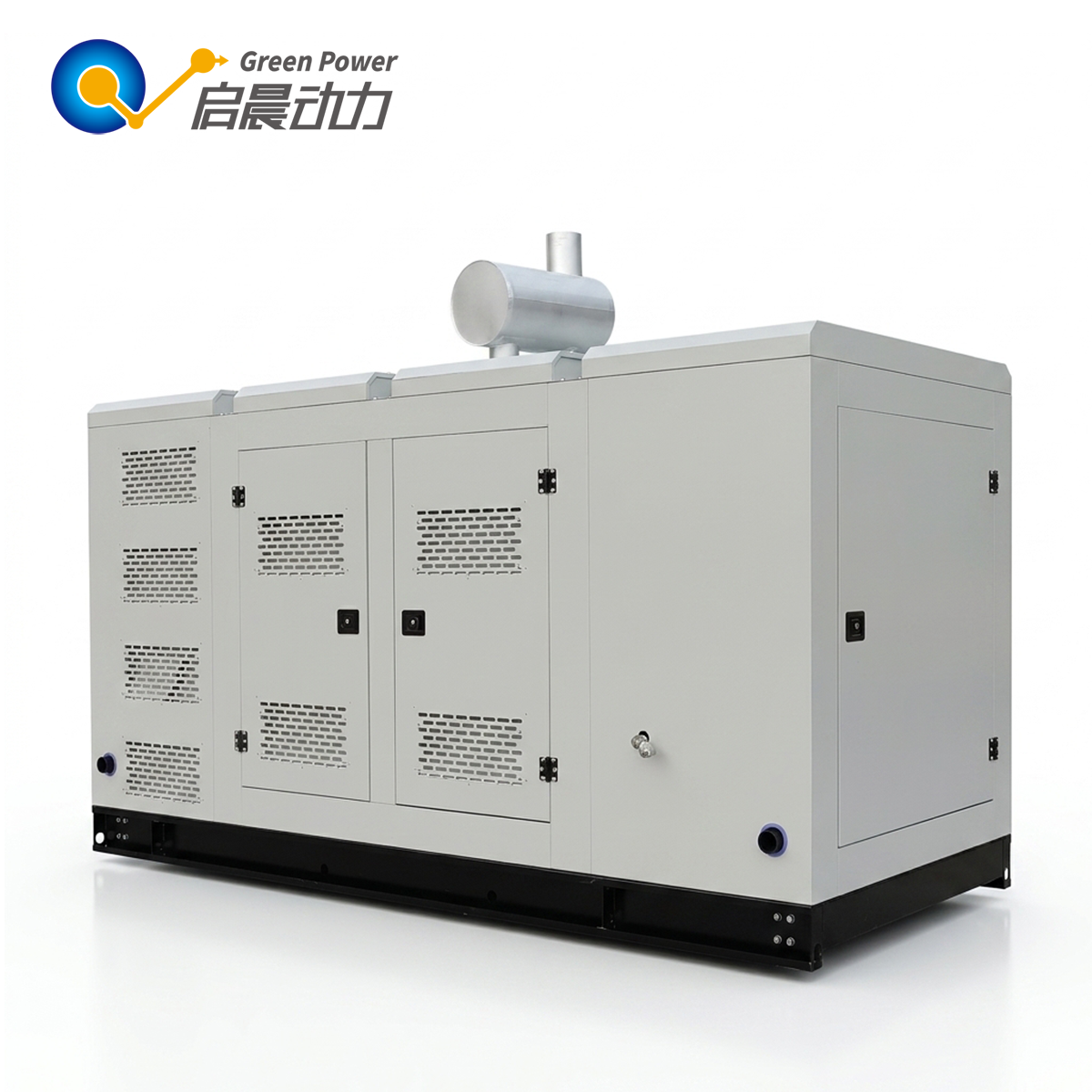
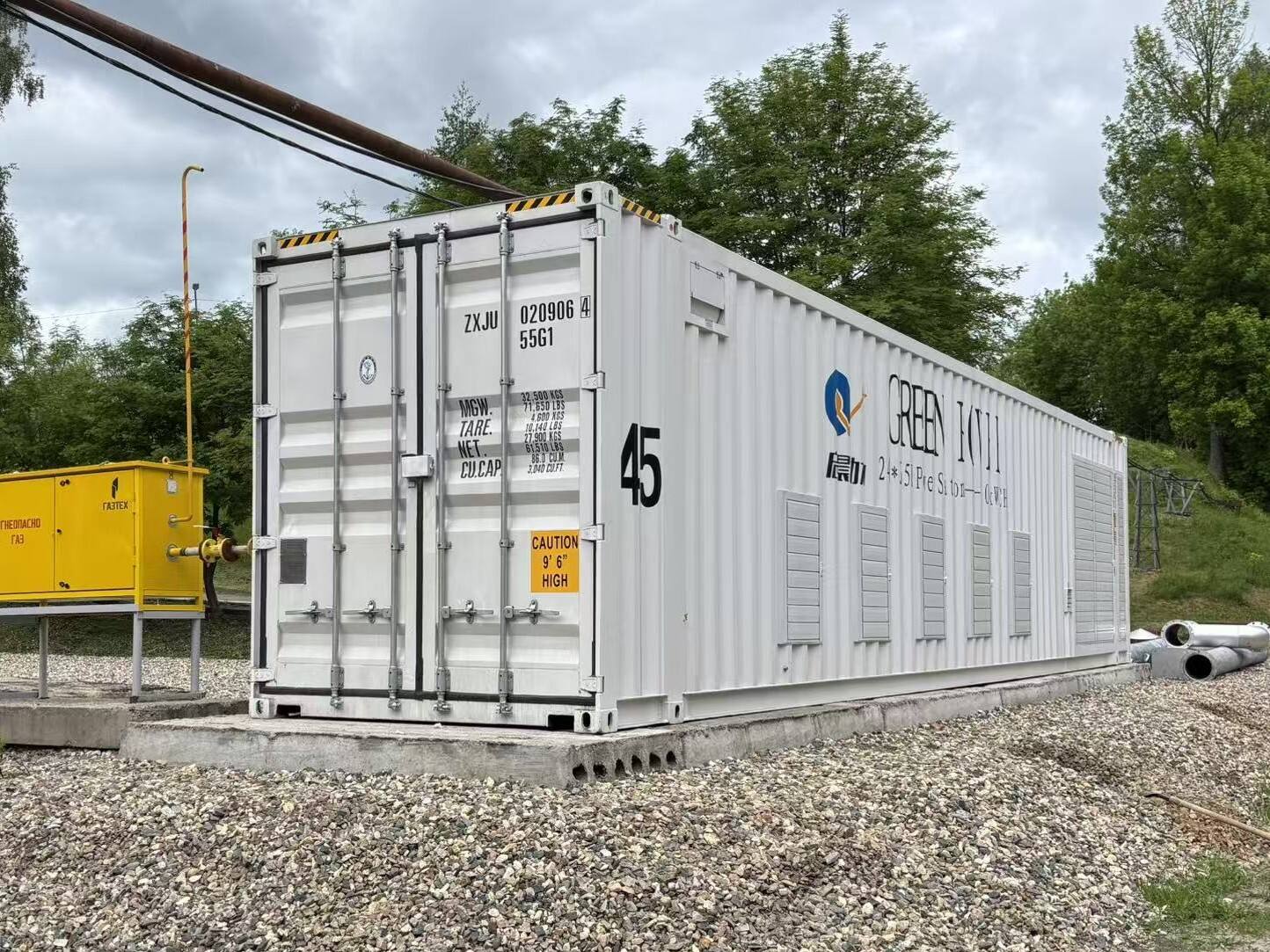
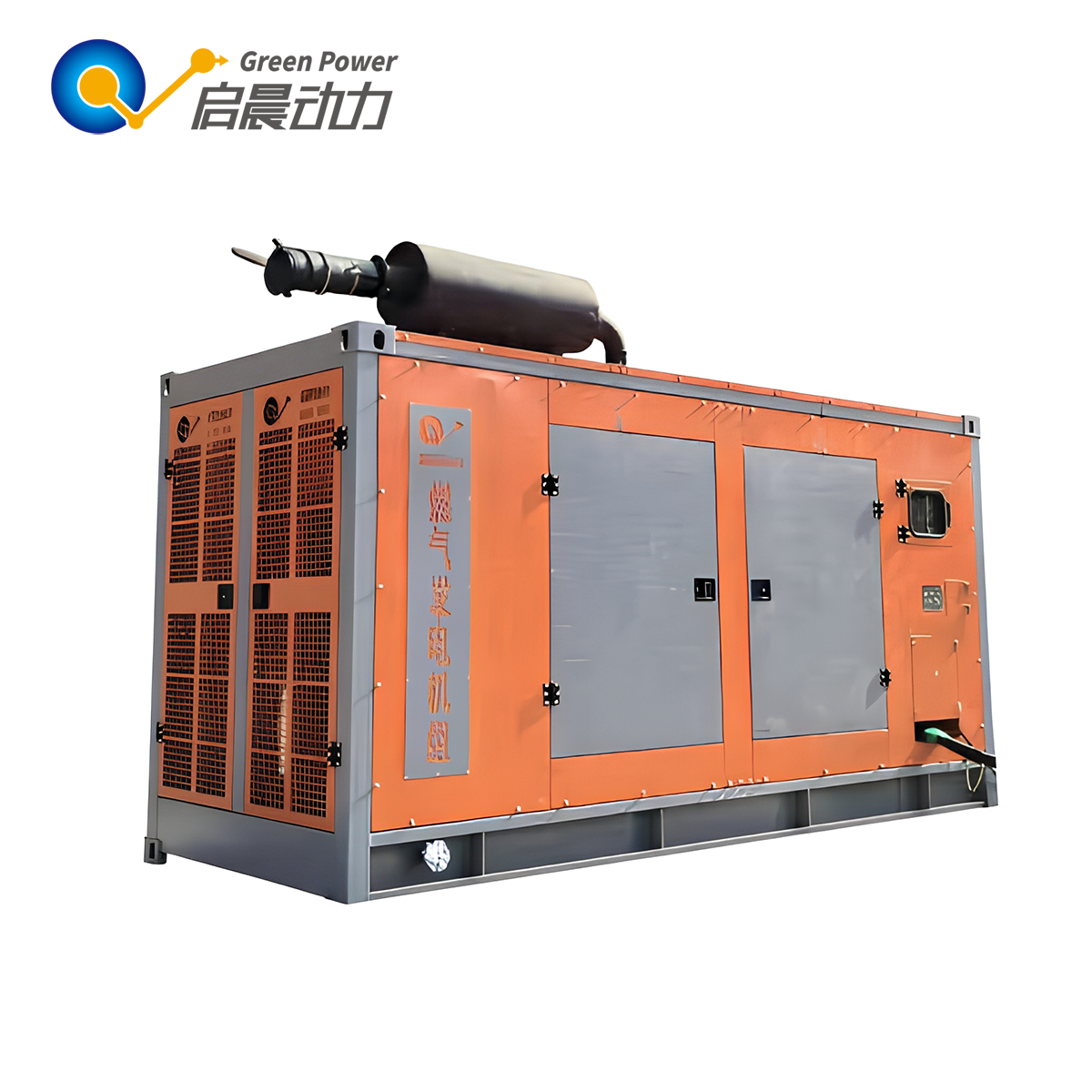
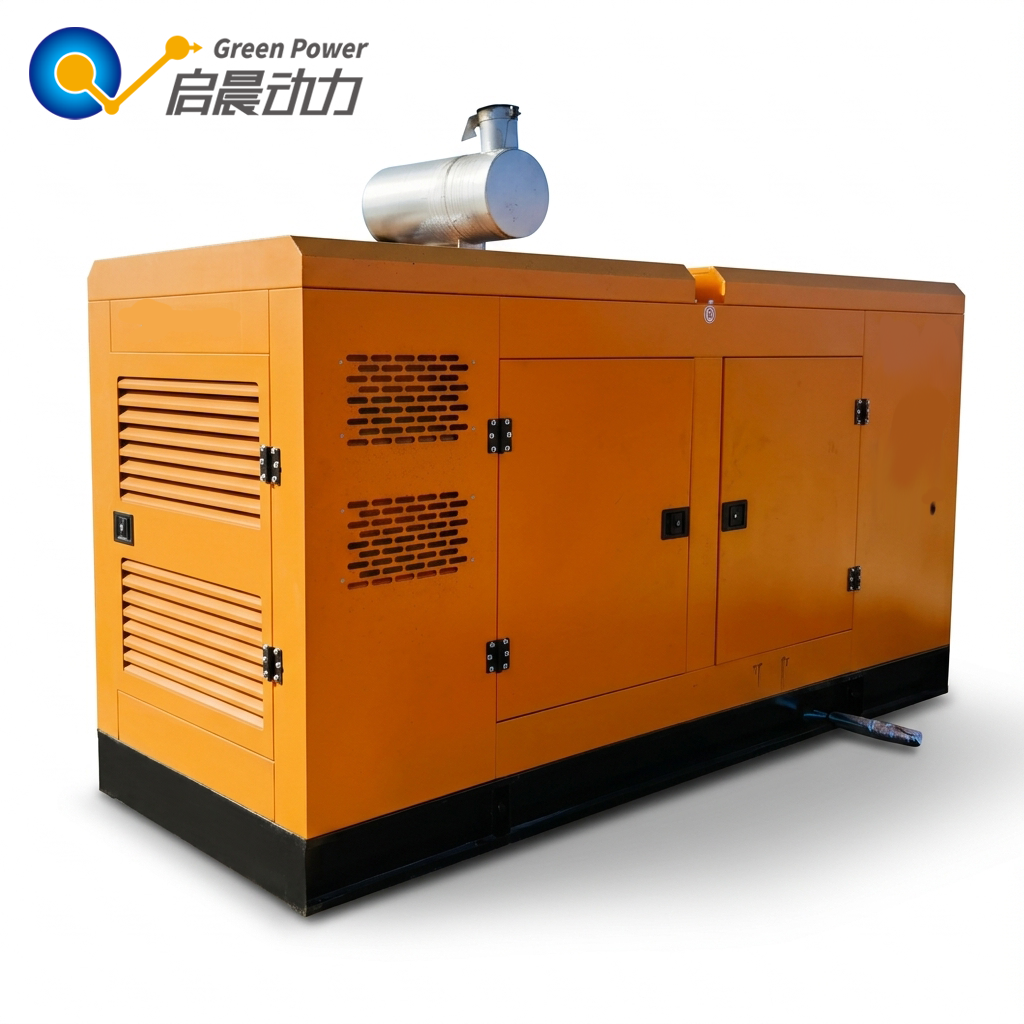
Biogas Powered Generator Solutions

Send Us a Message

We'll reply within 24 hours
Email
Mobile Or WhatsApp
Name
Company Name
Message
0/1000

biogas powered generator

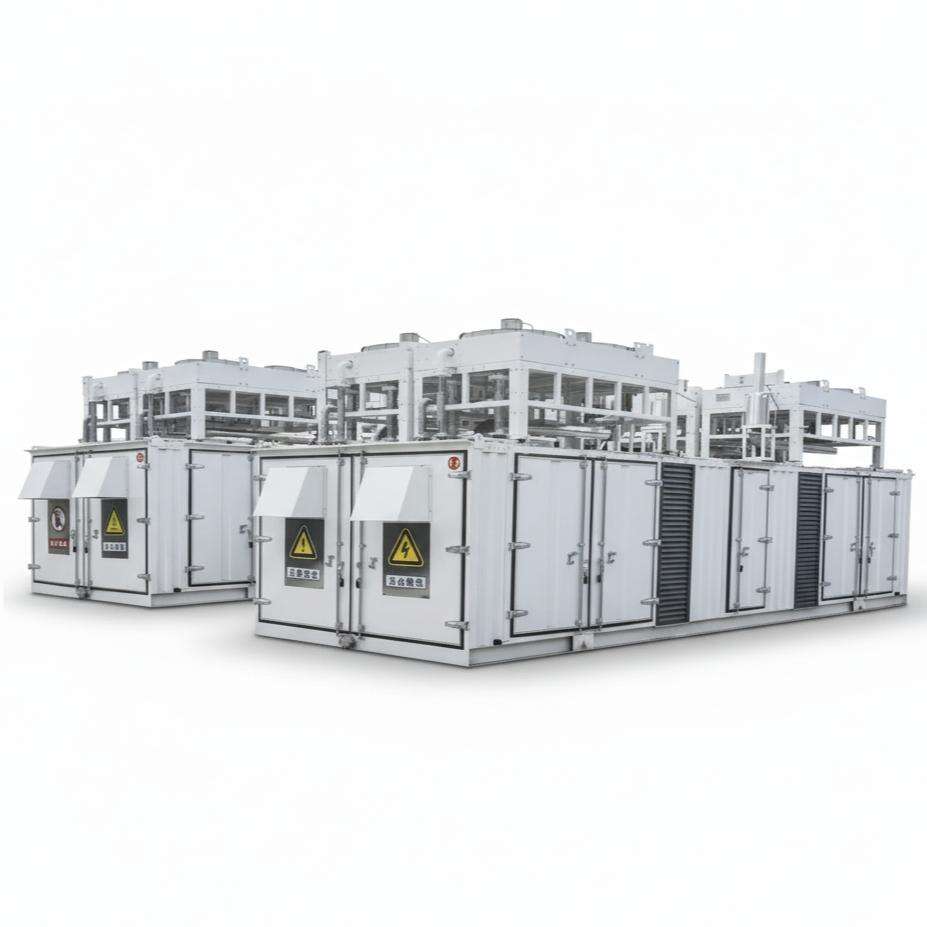
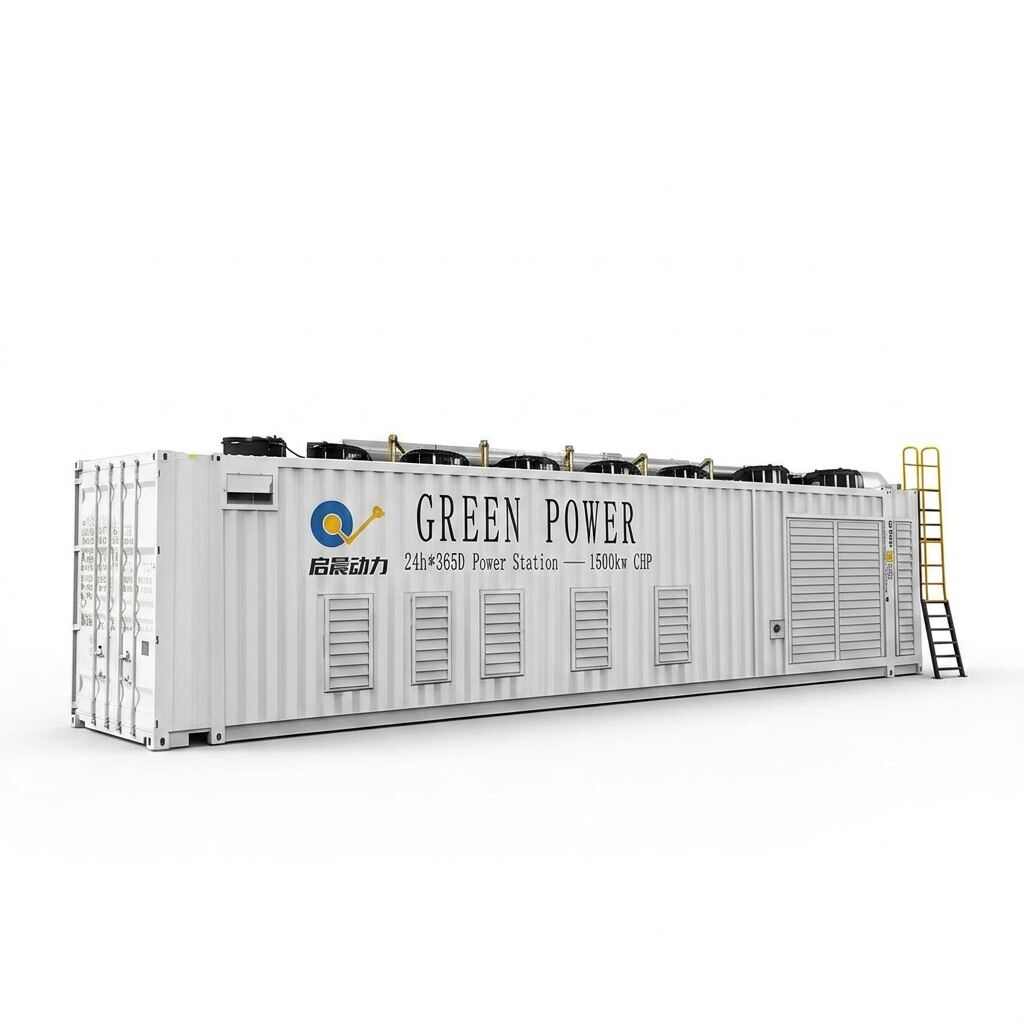
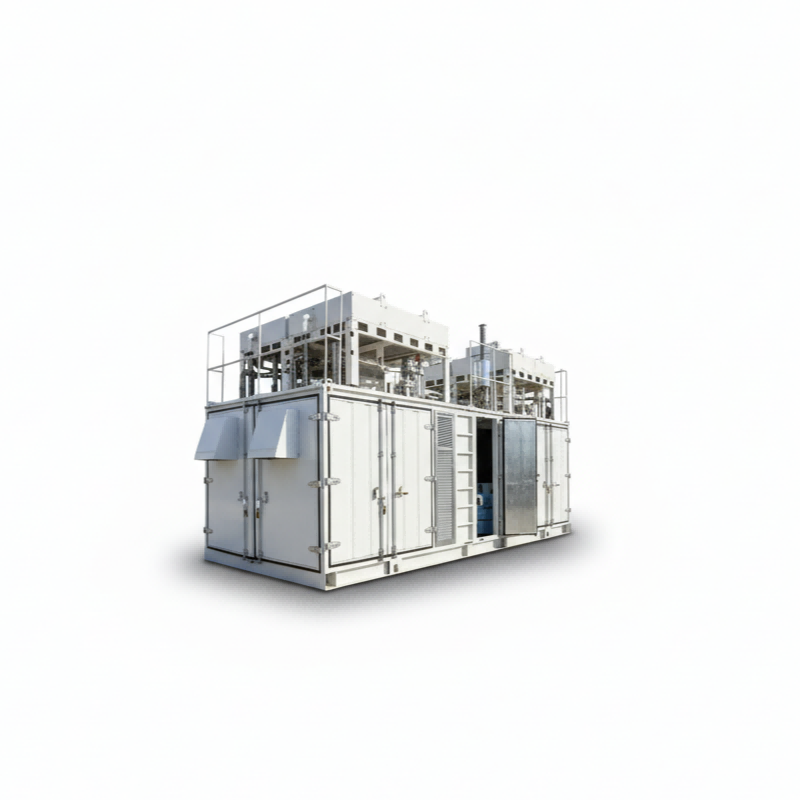
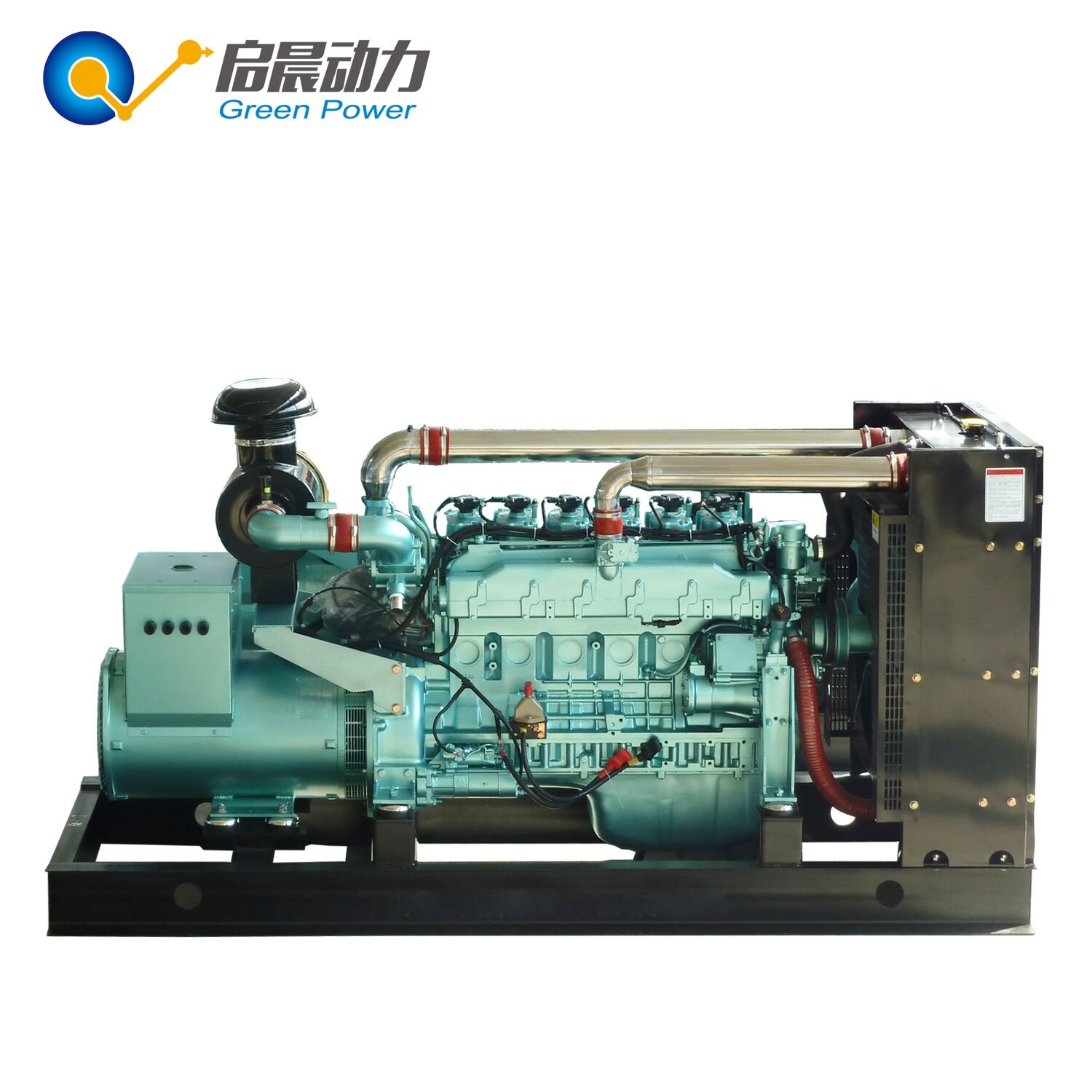
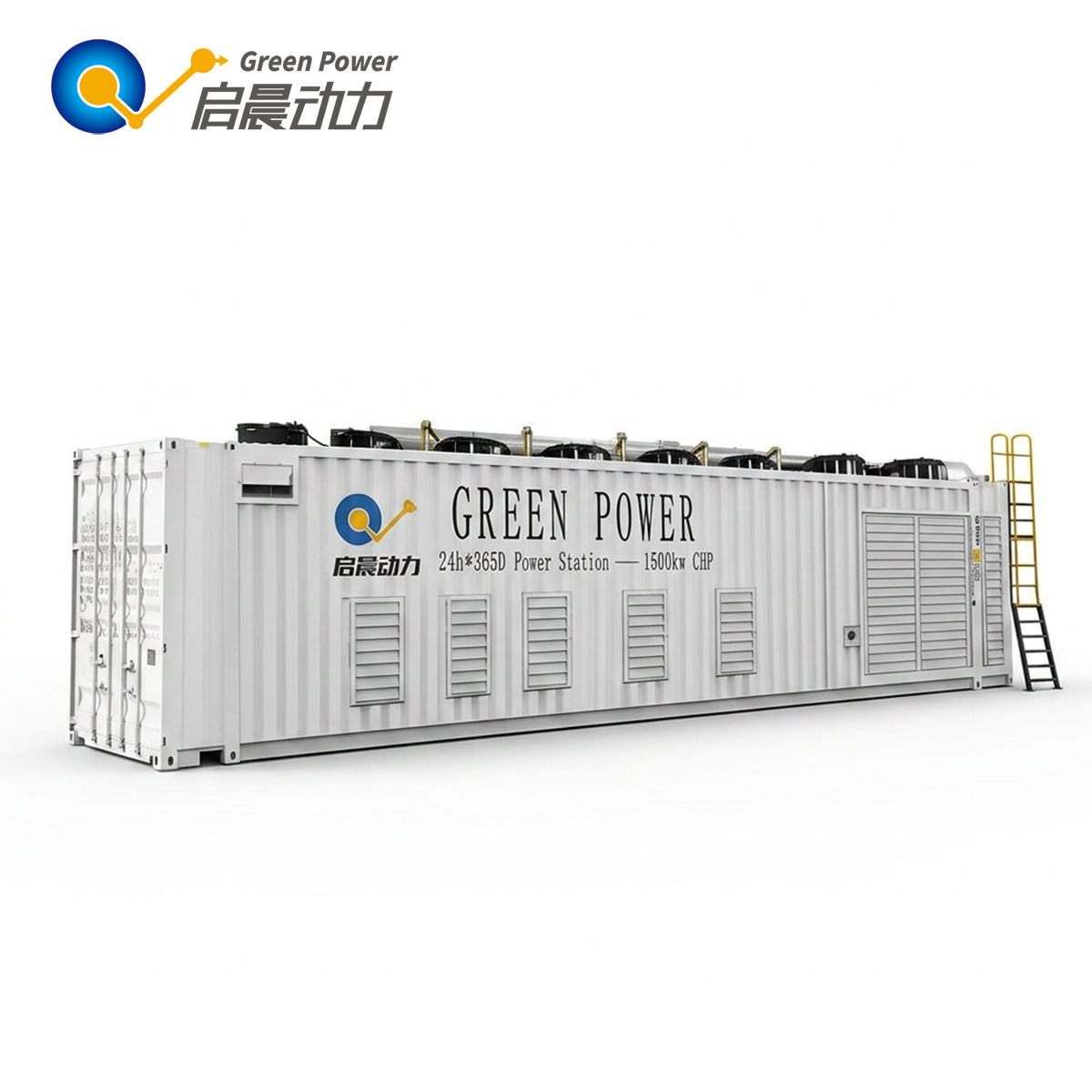
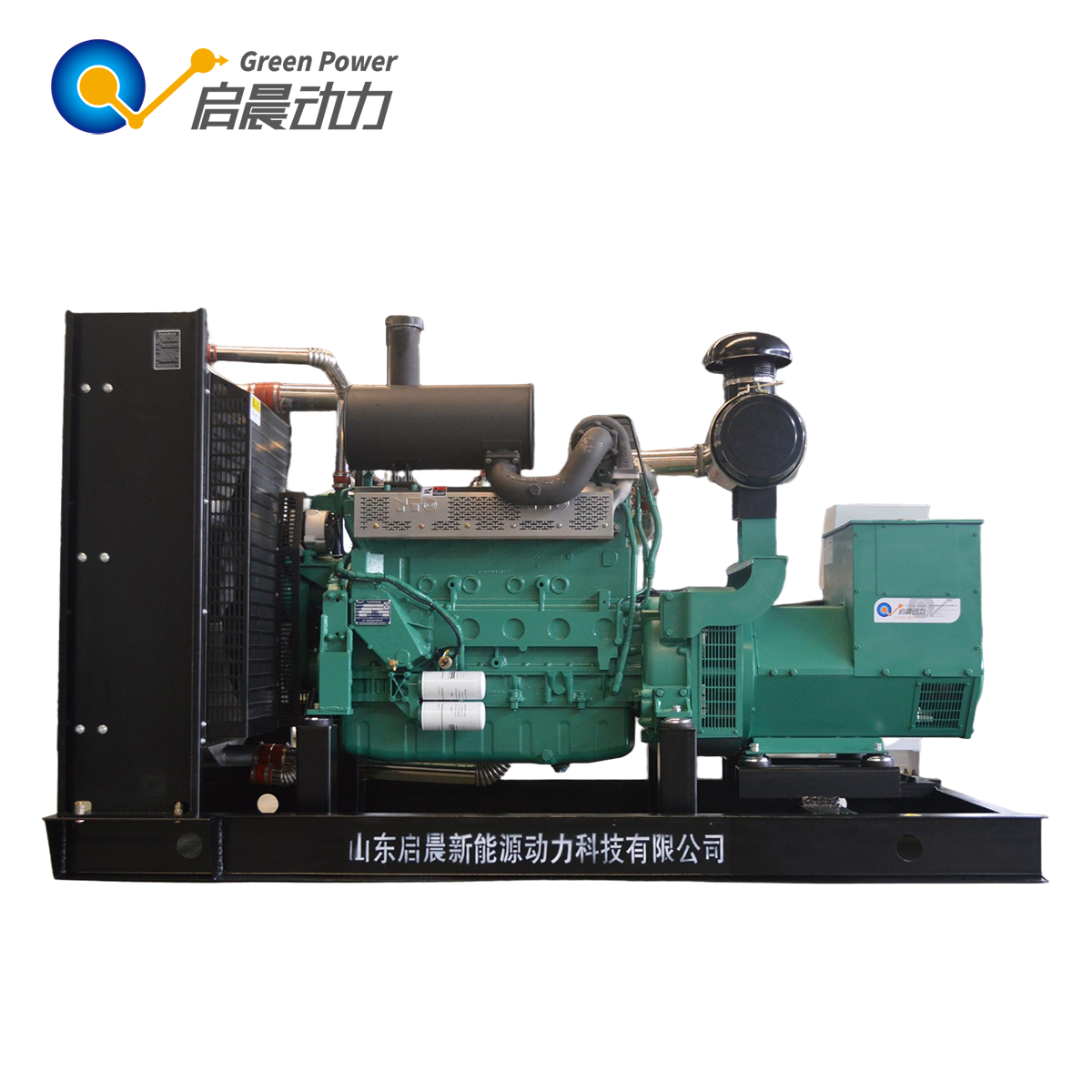
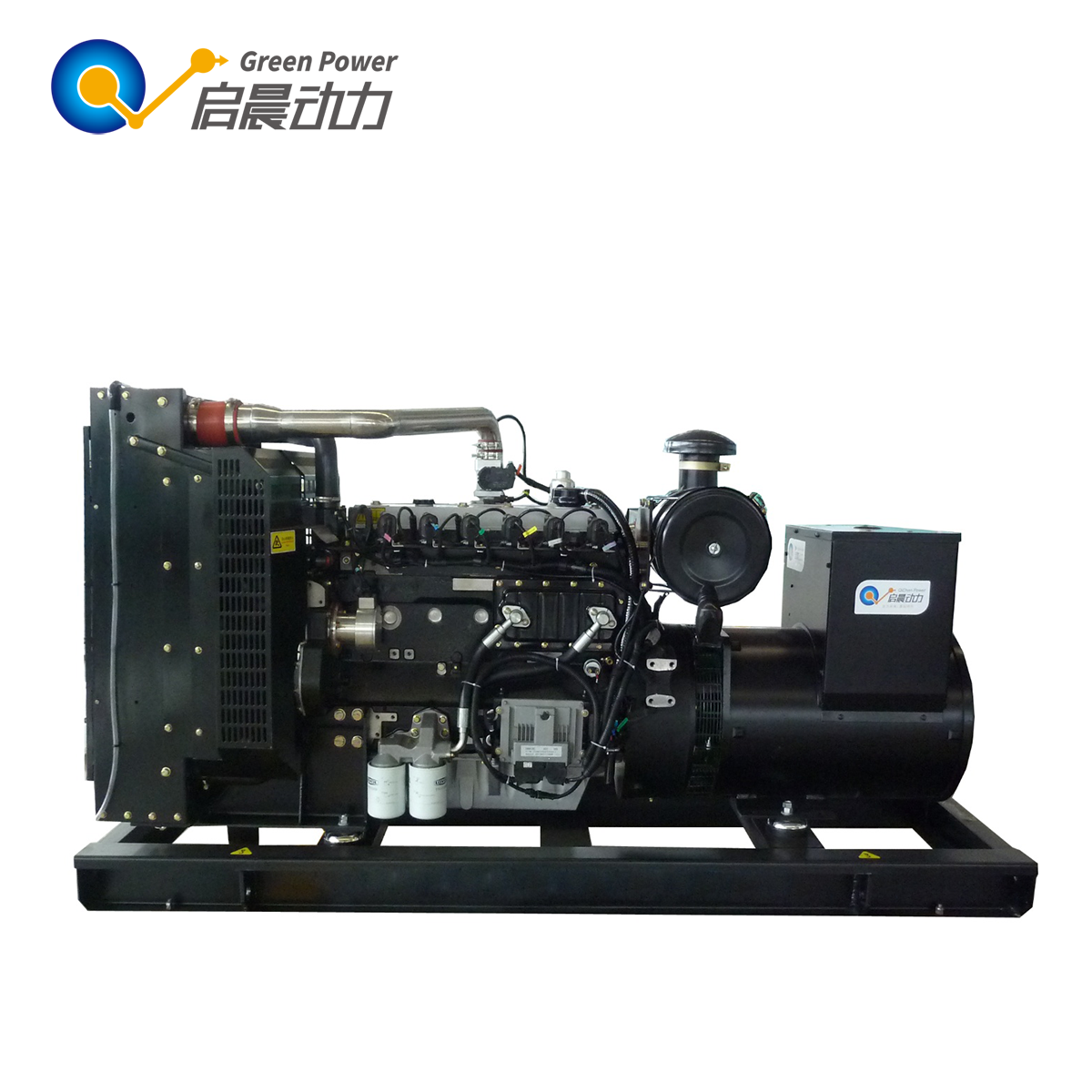
A biogas powered generator is an innovative energy solution that converts biogas into electricity and heat through a controlled combustion process. This sustainable power generation system utilizes organic waste materials such as agricultural residues, food waste, animal manure, and sewage sludge to produce biogas, which primarily contains methane and carbon dioxide. The biogas powered generator operates by feeding this renewable fuel into an internal combustion engine or gas turbine, which drives an alternator to generate electrical power. Modern biogas powered generator systems feature advanced control panels, automatic monitoring systems, and emission control technologies that ensure optimal performance and compliance with environmental standards. The technology integrates gas cleaning and conditioning equipment to remove impurities and moisture from raw biogas before combustion. These generators are available in various capacities ranging from small-scale units producing 10 kilowatts to large industrial installations generating several megawatts of power. Key technological features include variable speed operation, combined heat and power capabilities, remote monitoring capabilities, and automatic synchronization with electrical grids. The biogas powered generator finds extensive applications across agricultural farms, wastewater treatment facilities, food processing plants, landfill sites, and industrial complexes. By converting waste into valuable energy, these systems provide a practical solution for organizations seeking energy independence while reducing their carbon footprint and waste management costs.

New Product Releases

Investing in a biogas powered generator delivers substantial cost savings by transforming waste disposal expenses into energy revenue streams. You eliminate the need to pay for waste removal while simultaneously reducing your electricity bills through on-site power generation. The biogas powered generator provides remarkable energy independence, protecting your operations from grid failures and fluctuating utility rates. Your facility gains reliable baseload power available 24 hours daily, unlike intermittent solar or wind alternatives. The system pays for itself through multiple revenue channels including electricity generation, heat recovery for heating processes, and potential income from renewable energy certificates. Environmental benefits translate directly into business value as your organization achieves sustainability targets and enhances corporate reputation. The biogas powered generator qualifies for numerous government incentives, tax credits, and green financing programs that improve return on investment. Operational simplicity stands out as engines require standard maintenance similar to conventional generators, with service parts readily available. Your waste management becomes streamlined as organic materials gain productive purpose rather than creating disposal challenges. The technology suits diverse applications from dairy farms managing manure to food manufacturers processing organic byproducts to municipalities operating wastewater plants. Scalability allows you to start small and expand capacity as waste volumes increase or energy needs grow. The biogas powered generator creates circular economy benefits where waste feeds energy production, digestate becomes valuable fertilizer, and carbon emissions decrease significantly compared to fossil fuel alternatives. Decision-makers appreciate the proven technology with thousands of successful installations worldwide, established performance data, and reliable equipment manufacturers offering comprehensive support services.

Practical Tips

LPG Generator for Off-Grid Sites: Why Propane Power Is a Reliable Choice

01

May

LPG Generator for Off-Grid Sites: Why Propane Power Is a Reliable Choice

When power infrastructure is unavailable or unreliable, an LPG generator stands out as one of the most practical and dependable solutions for off-grid sites. Whether the application involves a remote construction camp, an agricultural facility, a min...
View More
1000 kW Natural Gas Generator System Design: Engine Configuration and Parallel Setup

07

May

1000 kW Natural Gas Generator System Design: Engine Configuration and Parallel Setup

A 1000 kW natural gas generator system represents a significant investment in on-site power infrastructure. Whether deployed for industrial facilities, large commercial complexes, or utility backup applications, engineering such a system correctly fr...
View More
How to Select a CHP Gas Generator Supplier: Technical Criteria and Contract Essentials

27

May

How to Select a CHP Gas Generator Supplier: Technical Criteria and Contract Essentials

Choosing the right supplier for a CHP gas generator is one of the most consequential procurement decisions an energy or facilities manager will make. A CHP gas generator combines heat and power production in a single system, meaning the technical dep...
View More
Soundproof Generator for Urban and Commercial Sites: Noise Compliance Made Simple

01

Jun

Soundproof Generator for Urban and Commercial Sites: Noise Compliance Made Simple

Noise regulations in urban and commercial environments have never been stricter. Whether you operate a hospital, a hotel, a data center, or a construction site in a densely populated area, running backup or primary power equipment comes with a seriou...
View More

Send Us a Message

We'll reply within 24 hours
Email
Mobile Or WhatsApp
Name
Company Name
Message
0/1000

biogas powered generator

Waste-to-Energy Conversion Efficiency

Waste-to-Energy Conversion Efficiency

The biogas powered generator excels at transforming problematic organic waste into valuable energy resources through highly efficient conversion processes. This capability addresses two critical challenges simultaneously by managing waste disposal needs while generating power for operational requirements. The anaerobic digestion process preceding the biogas powered generator breaks down organic materials in oxygen-free conditions, producing biogas with methane concentrations typically ranging from 50 to 70 percent. Modern generator engines achieve electrical efficiency rates between 35 and 42 percent, with combined heat and power configurations reaching total efficiency levels exceeding 85 percent when waste heat is captured for heating applications. This exceptional efficiency means that every ton of organic waste processed yields substantial energy output while reducing methane emissions that would otherwise escape into the atmosphere from decomposing waste. The biogas powered generator provides consistent performance across varying biogas compositions through automatic fuel-air mixture adjustments and sophisticated engine management systems. Organizations benefit from predictable energy production that aligns with continuous waste generation patterns, creating stable operational economics and reliable power supply for critical processes throughout your facility.
Environmental Impact Reduction

Environmental Impact Reduction

Implementing a biogas powered generator delivers measurable environmental improvements that satisfy regulatory requirements and corporate sustainability commitments. This renewable energy technology prevents methane from entering the atmosphere where it would contribute 25 times more global warming potential than carbon dioxide over a century timeframe. The biogas powered generator enables carbon-neutral or even carbon-negative operations depending on system configuration and waste sources utilized. Emissions from biogas combustion release only the carbon that plants previously absorbed during growth, creating a closed carbon cycle fundamentally different from fossil fuel combustion. Advanced emission control systems integrated into modern biogas powered generator installations ensure compliance with strict air quality standards through catalytic converters, selective catalytic reduction, and optimized combustion parameters. Your organization demonstrates environmental leadership through quantifiable reductions in greenhouse gas emissions, decreased reliance on coal or natural gas electricity, and responsible waste management practices. The digestate byproduct remaining after biogas extraction serves as nutrient-rich organic fertilizer, replacing synthetic alternatives produced through energy-intensive manufacturing processes. Stakeholders increasingly value environmental performance, making the biogas powered generator an important component of sustainability reporting and stakeholder engagement strategies that differentiate your organization in competitive markets.
Economic Viability and Energy Security

Economic Viability and Energy Security

The biogas powered generator establishes compelling economic advantages through multiple value streams that strengthen financial performance and operational resilience. Capital costs are offset by immediate operational savings from reduced waste disposal fees, lower energy purchases, and potential revenue from excess electricity sold to utility grids under favorable feed-in tariff programs. The biogas powered generator provides hedge against volatile energy markets by producing power at fixed costs determined primarily by waste handling rather than fluctuating commodity prices affecting conventional fuels. Energy security improves dramatically as on-site generation eliminates vulnerability to grid disruptions, transmission constraints, and external supply chain interruptions that threaten production continuity. Financing options specifically designed for renewable energy projects offer attractive terms including longer repayment periods, lower interest rates, and government-backed loan guarantees that improve project economics. The biogas powered generator creates new revenue opportunities through renewable energy attribute sales, carbon credit markets, and premium pricing for sustainably produced goods. Maintenance costs remain predictable with scheduled service intervals and widely available spare parts for standard engine components. Return on investment typically ranges from 3 to 7 years depending on waste availability, energy prices, and incentive programs, after which the biogas powered generator continues producing low-cost power throughout its 15 to 25 year operational lifetime.

Send Us a Message

We'll reply within 24 hours
Email
Mobile Or WhatsApp
Name
Company Name
Message
0/1000