Commercial Natural Gas Generator Solutions

Send Us a Message

We'll reply within 24 hours
Email
Mobile Or WhatsApp
Name
Company Name
Message
0/1000

commercial natural gas generator

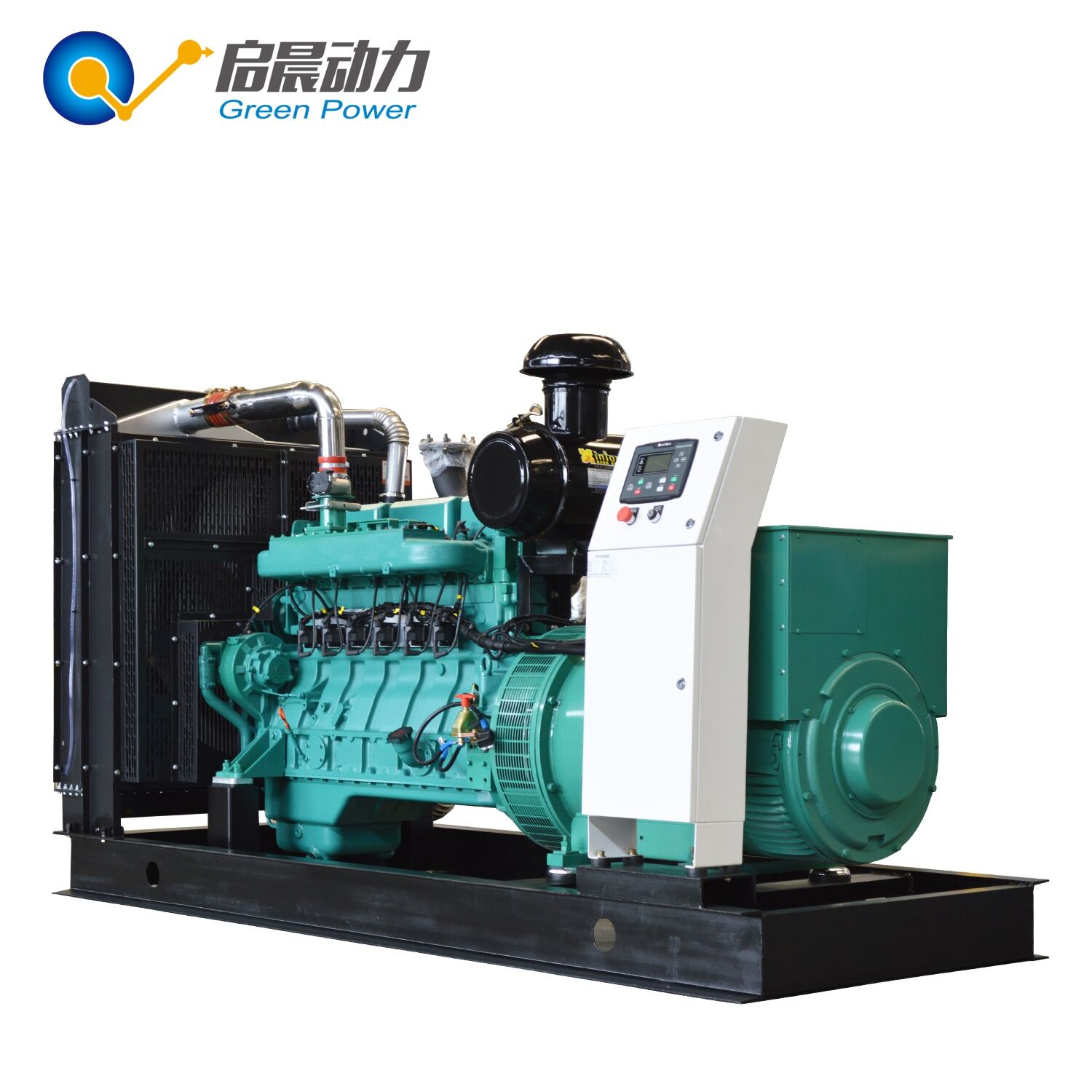
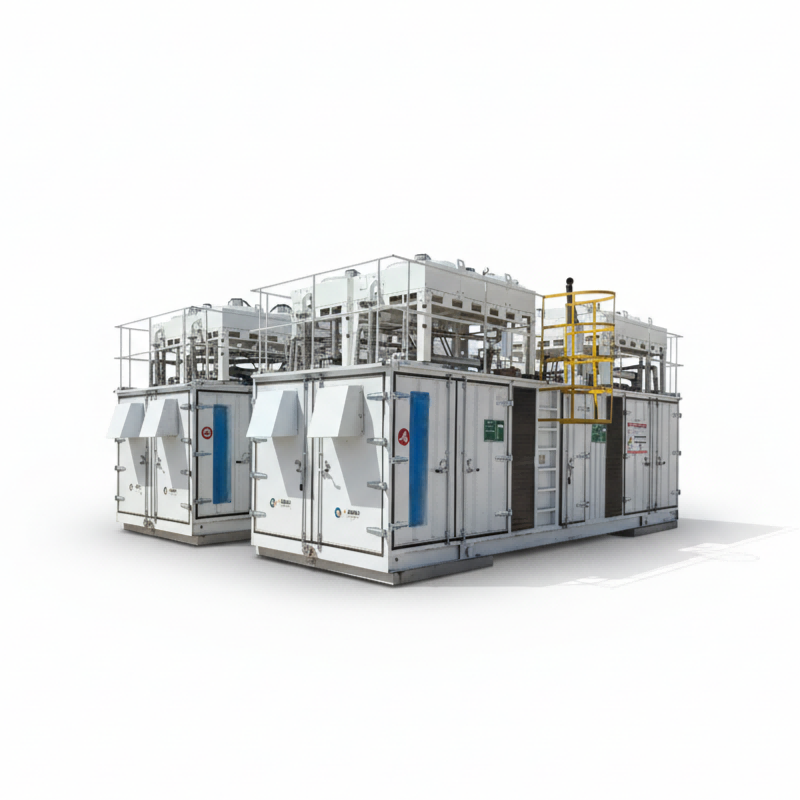
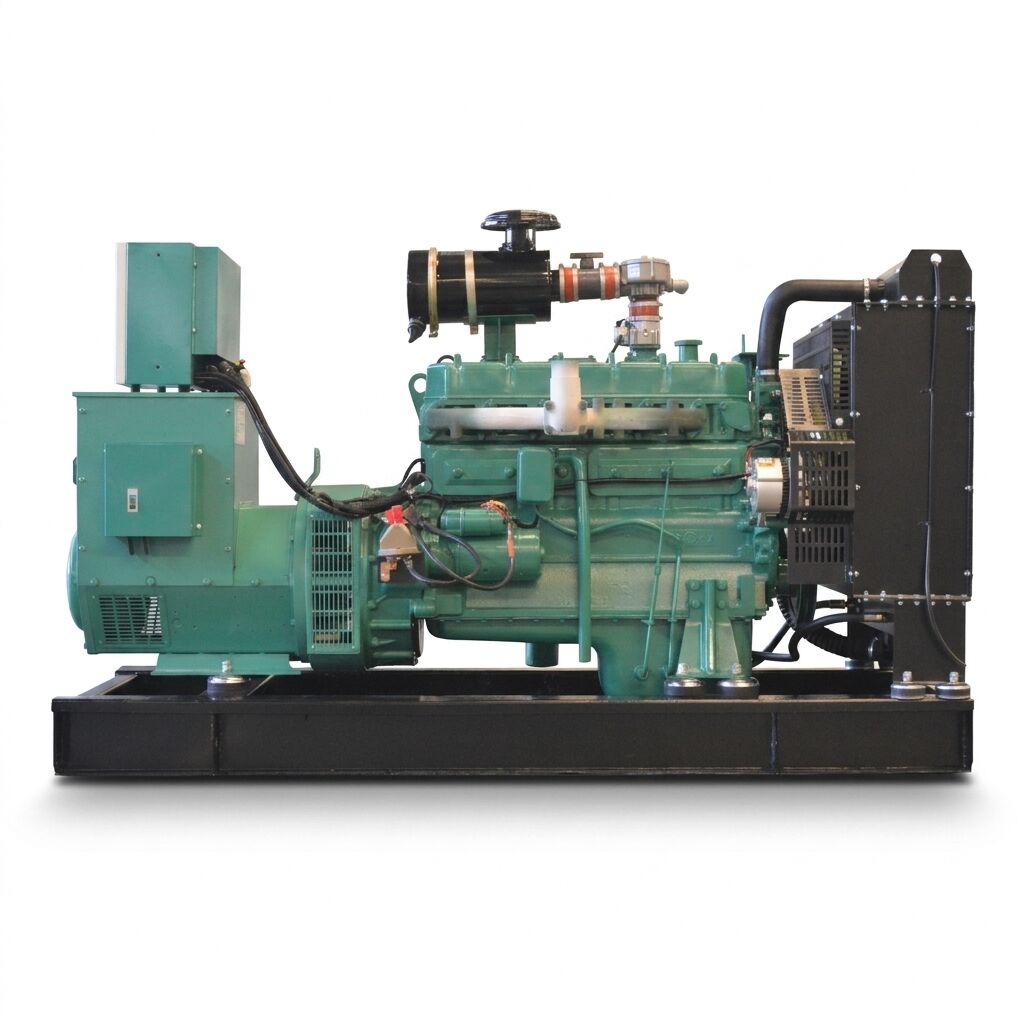
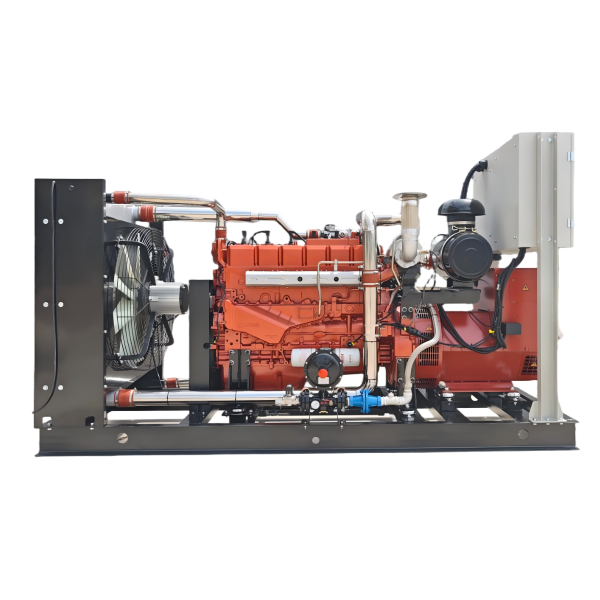
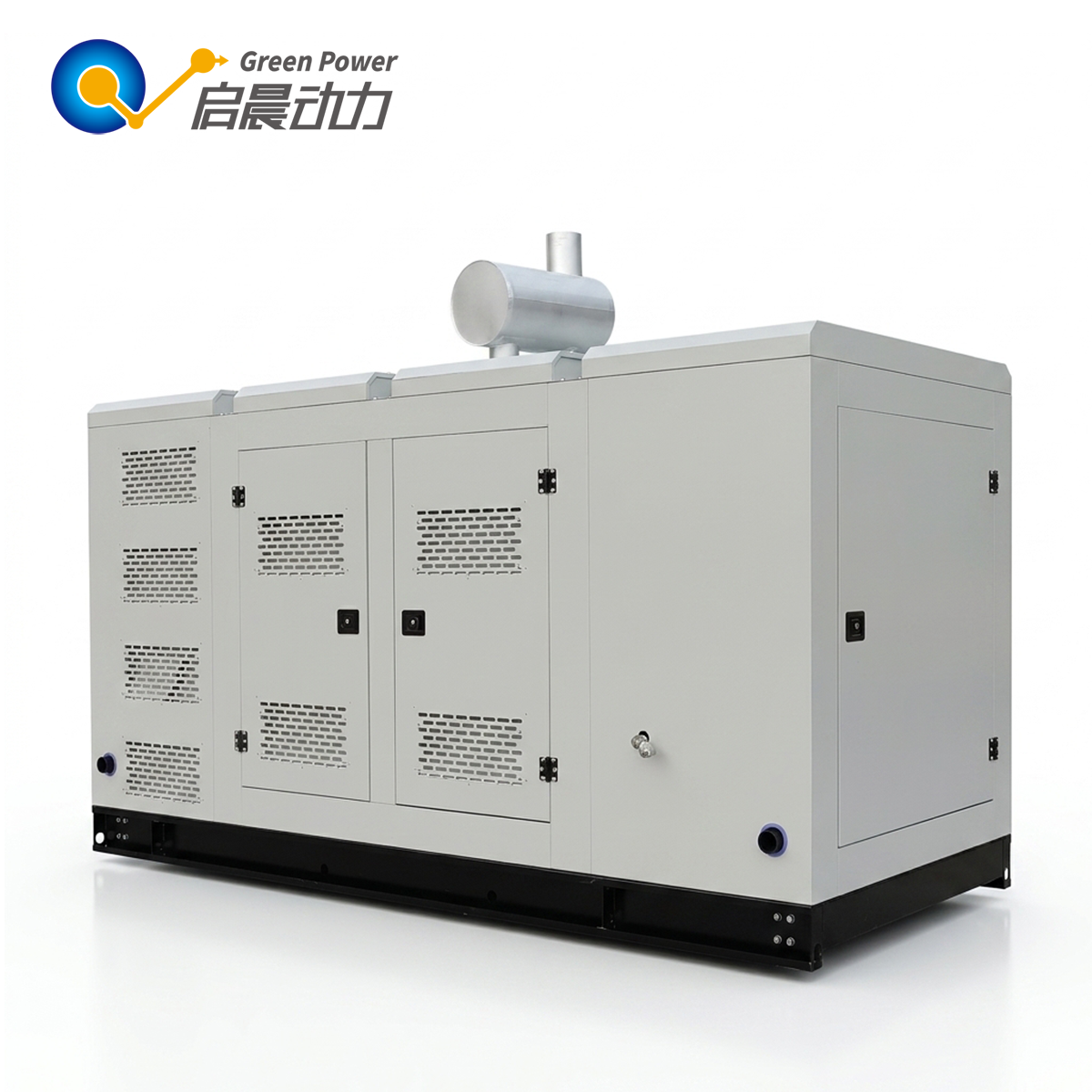
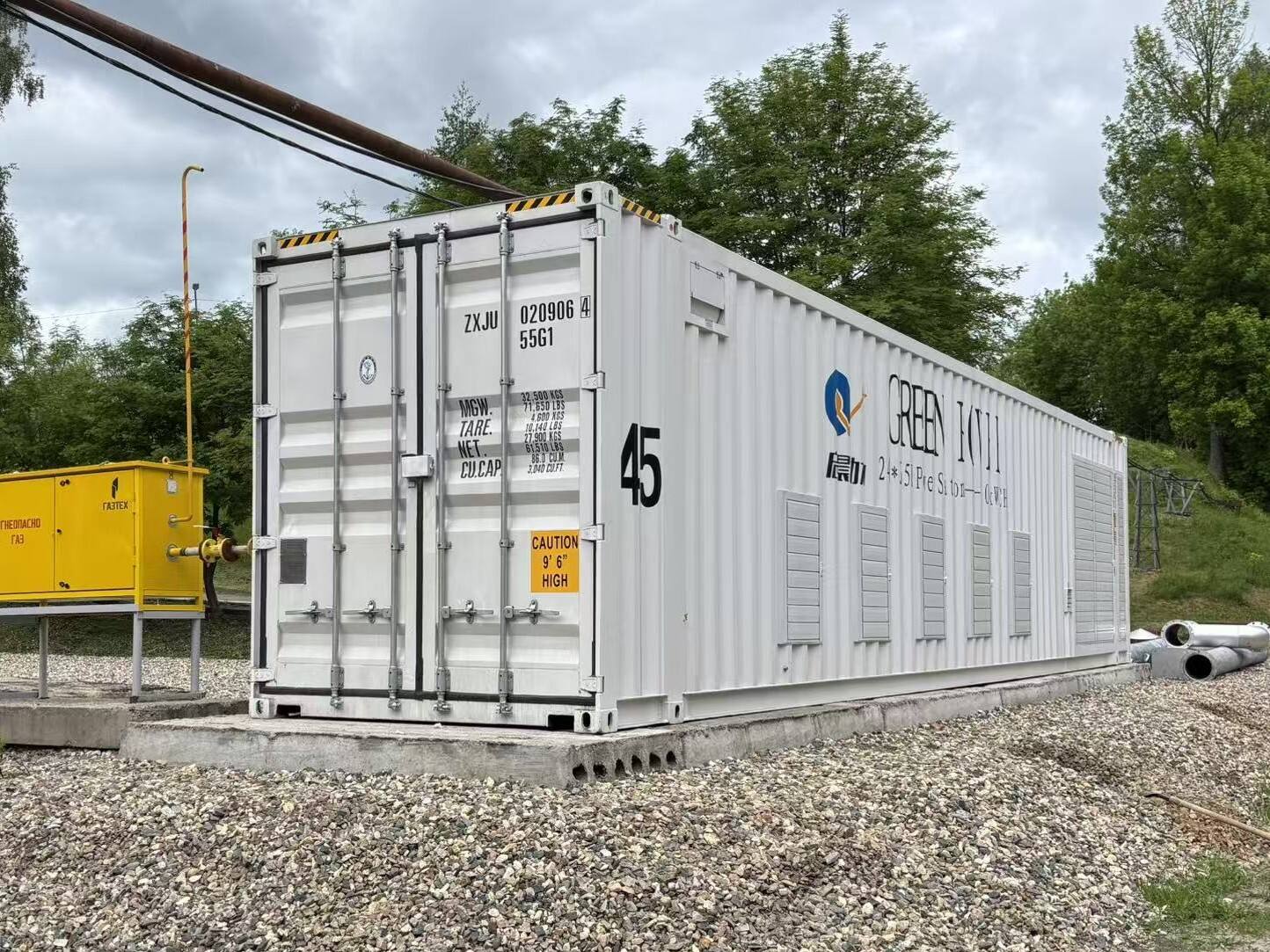
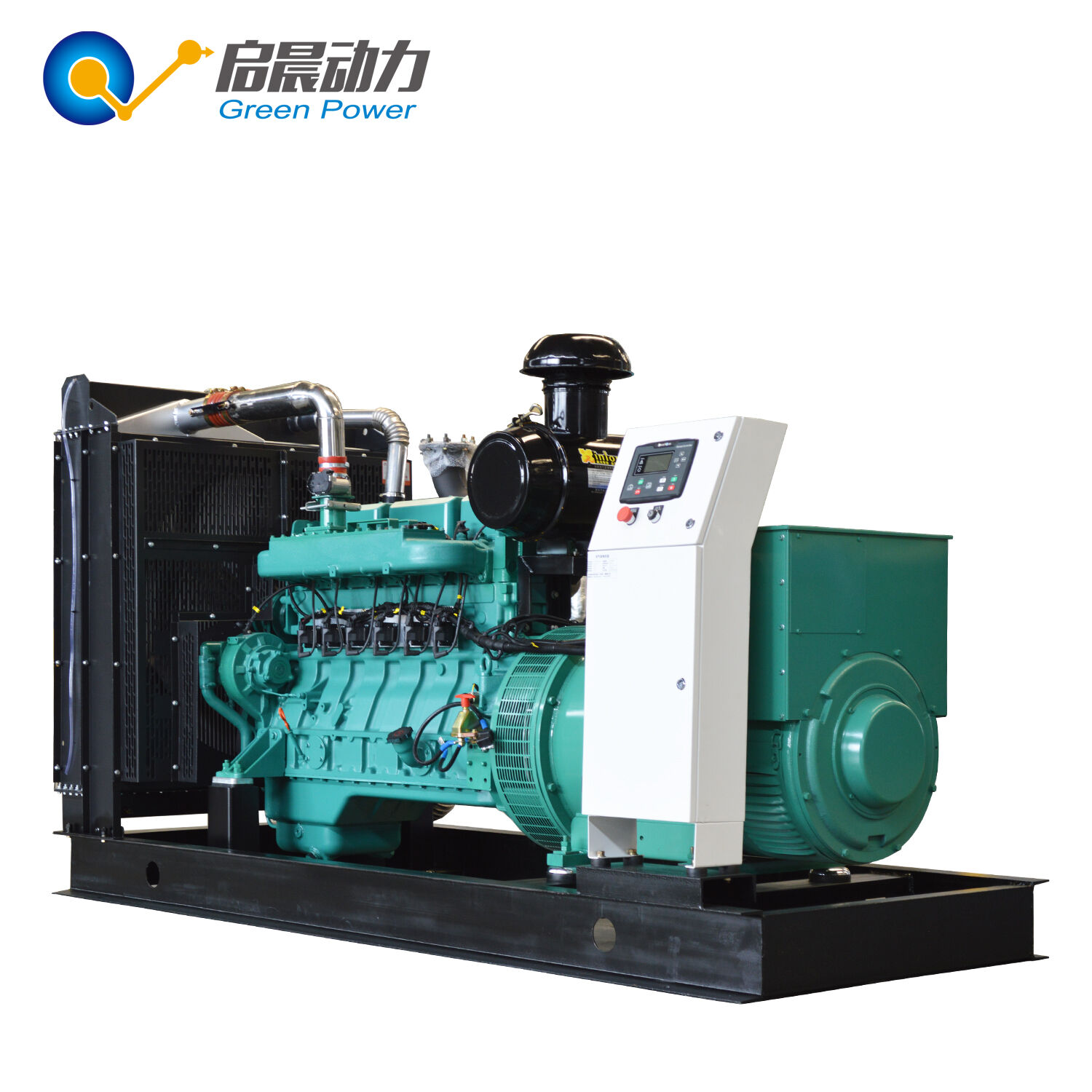
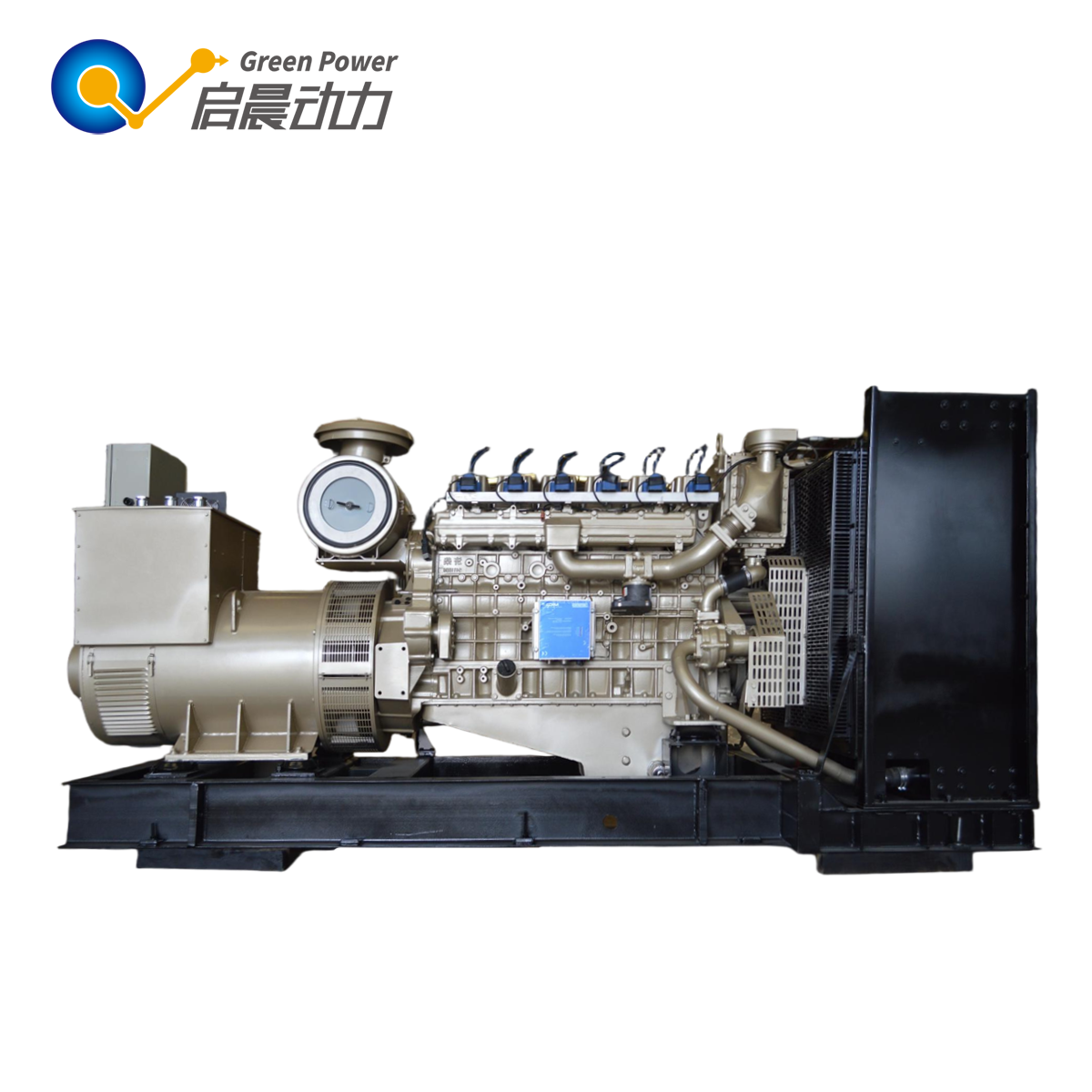
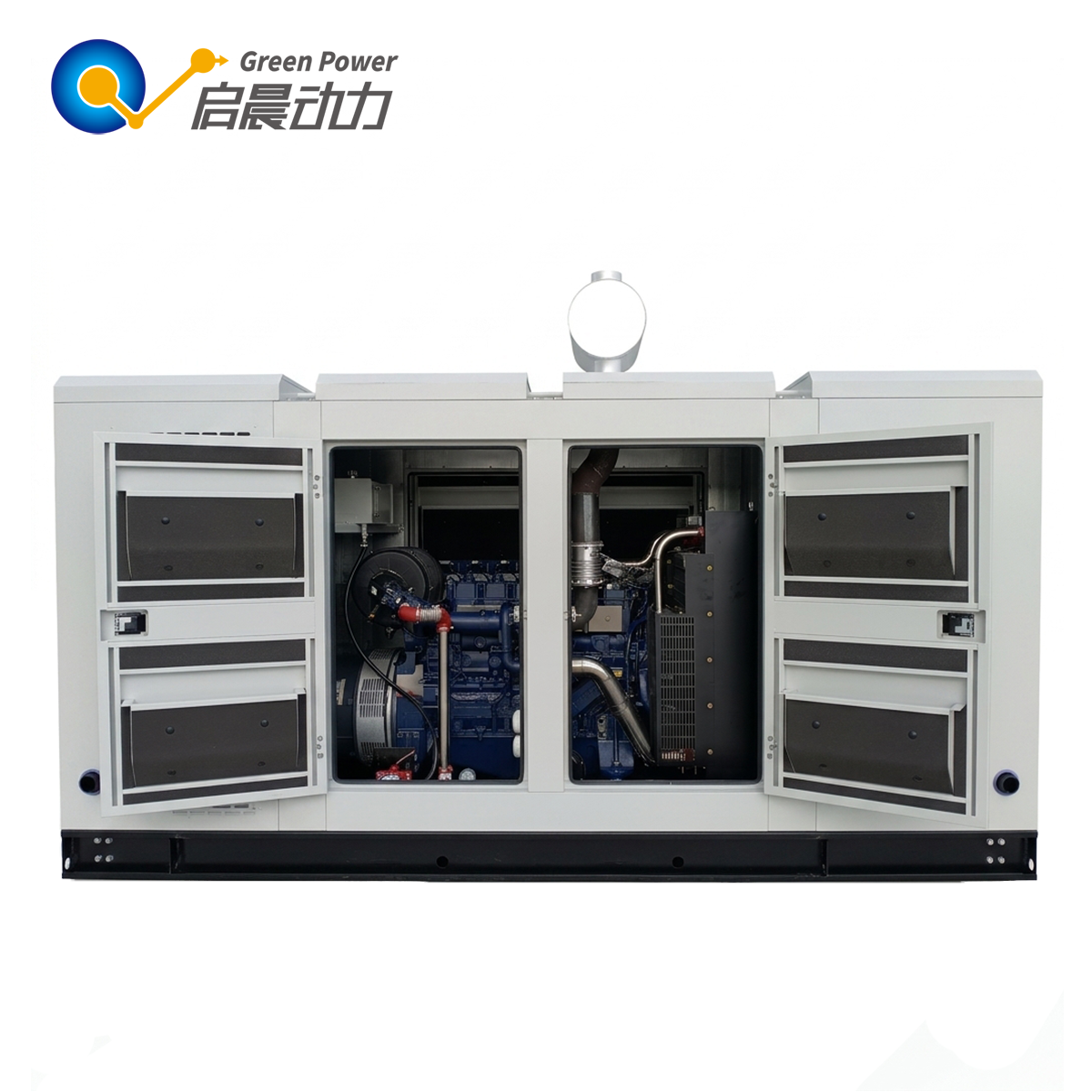
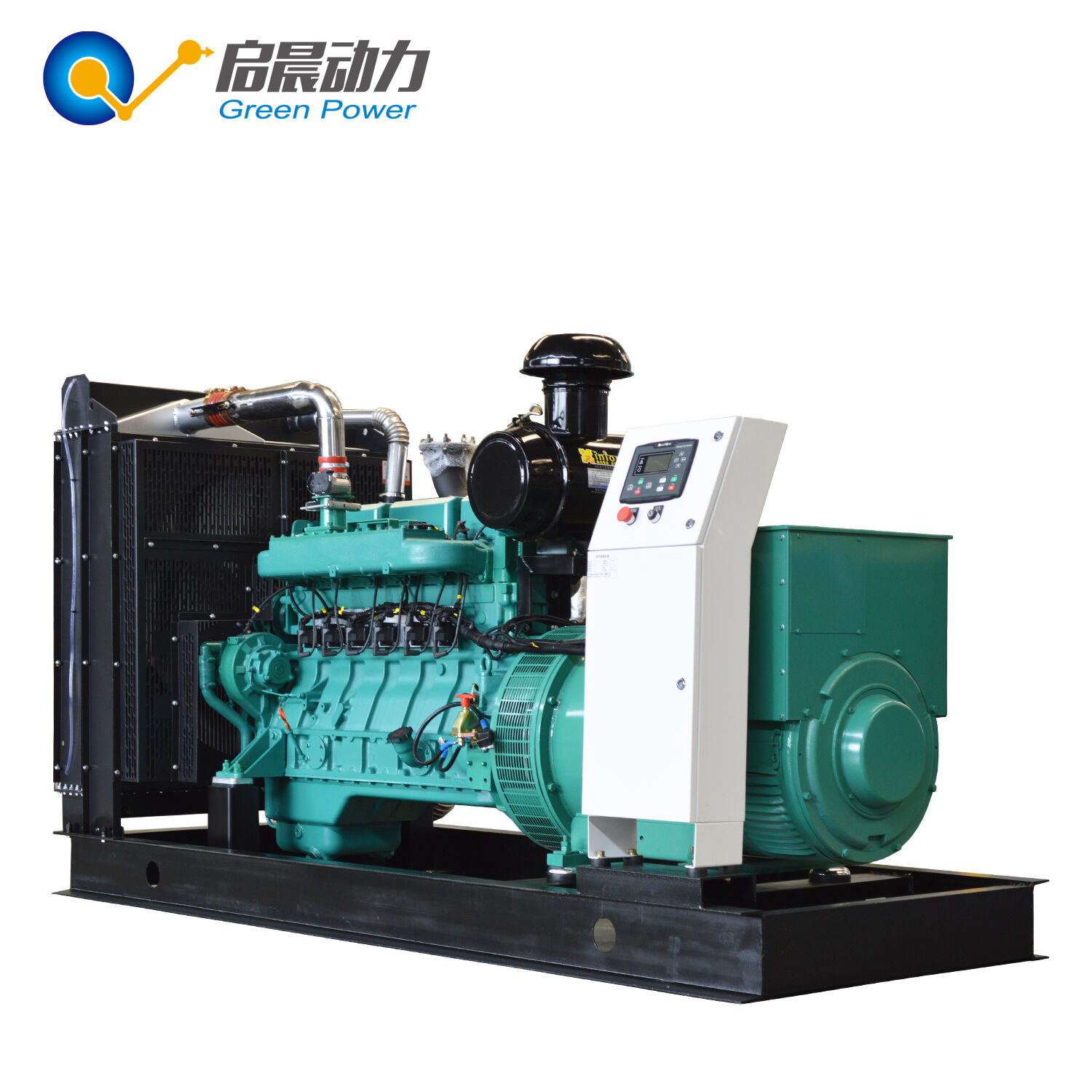
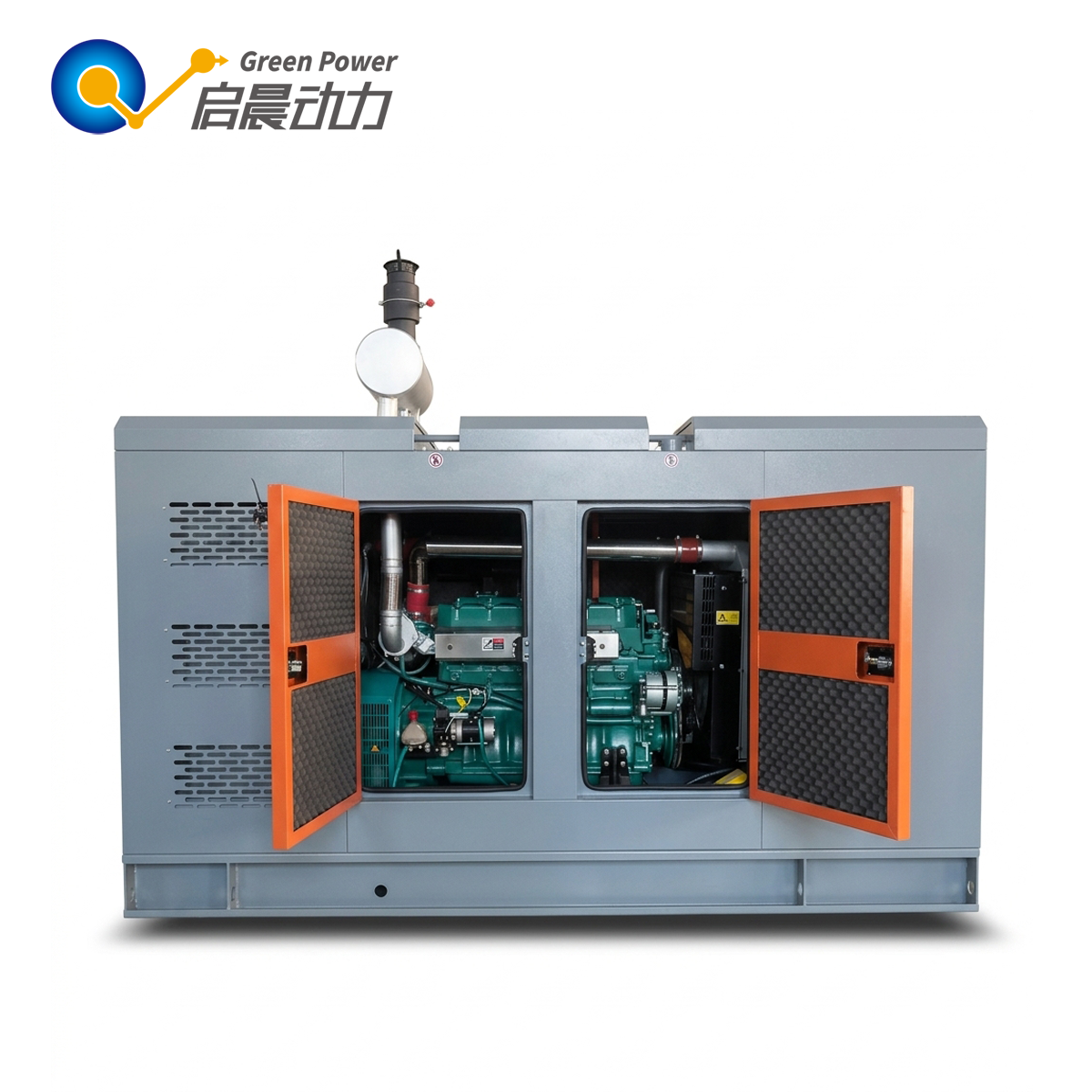
A commercial natural gas generator is a reliable power generation system designed to deliver consistent electricity for businesses, facilities, and industrial operations using natural gas as the primary fuel source. These generators convert natural gas into electrical energy through an internal combustion engine connected to an alternator, providing a cost-effective and efficient power solution for commercial applications. The commercial natural gas generator operates by burning natural gas to drive pistons within the engine, which then rotate the alternator to produce electricity. Modern systems incorporate advanced control panels, automatic transfer switches, and monitoring capabilities that ensure seamless operation during power outages or peak demand periods. These generators are engineered to handle substantial electrical loads, ranging from small office buildings to large manufacturing plants, data centers, hospitals, and retail facilities. The technology features sophisticated fuel management systems, emission control mechanisms, and soundproofing enclosures that meet environmental regulations while minimizing operational noise. Commercial natural gas generator units are available in various power output capacities, from 20 kilowatts for smaller operations to several megawatts for large-scale industrial complexes. The systems can operate in standby mode, automatically activating during grid failures, or in continuous mode for primary power generation. Integration with building management systems allows for remote monitoring, predictive maintenance scheduling, and real-time performance optimization, making the commercial natural gas generator an essential component of modern business continuity planning and energy management strategies.

New Product Releases

Choosing a commercial natural gas generator offers significant financial benefits through reduced fuel costs compared to diesel or gasoline alternatives, as natural gas pricing remains more stable and typically lower per energy unit. Businesses benefit from continuous fuel supply through existing natural gas infrastructure, eliminating the need for on-site fuel storage tanks, refueling logistics, and associated safety concerns. The operational reliability of a commercial natural gas generator ensures uninterrupted business operations during grid outages, protecting revenue streams, preserving perishable inventory, maintaining critical systems, and safeguarding customer trust. These generators produce cleaner emissions with lower carbon monoxide, particulate matter, and nitrogen oxide levels compared to diesel units, helping businesses meet environmental compliance requirements and corporate sustainability goals. Maintenance requirements are less demanding because natural gas burns cleaner than liquid fuels, resulting in reduced engine deposits, extended oil change intervals, and longer component lifespan, which translates to lower total ownership costs. The quiet operation of modern commercial natural gas generator systems makes them suitable for noise-sensitive environments like hospitals, schools, residential areas, and office complexes without disturbing occupants or neighbors. Installation flexibility allows placement closer to buildings since natural gas systems eliminate concerns about fuel spill containment and vapor management. Businesses gain energy independence and protection against utility rate fluctuations, especially when using generators for peak shaving strategies that reduce demand charges. The commercial natural gas generator supports critical operations across healthcare facilities requiring uninterrupted power for life-support equipment, data centers needing constant uptime for server infrastructure, manufacturing plants maintaining production schedules, and retail operations preserving point-of-sale functionality. The technology provides scalable solutions that grow with business needs, offering parallel operation capabilities where multiple units work together to meet expanding power requirements without complete system replacement.

Practical Tips

LPG Generator for Off-Grid Sites: Why Propane Power Is a Reliable Choice

01

May

LPG Generator for Off-Grid Sites: Why Propane Power Is a Reliable Choice

When power infrastructure is unavailable or unreliable, an LPG generator stands out as one of the most practical and dependable solutions for off-grid sites. Whether the application involves a remote construction camp, an agricultural facility, a min...
View More
1000 kW Natural Gas Generator System Design: Engine Configuration and Parallel Setup

07

May

1000 kW Natural Gas Generator System Design: Engine Configuration and Parallel Setup

A 1000 kW natural gas generator system represents a significant investment in on-site power infrastructure. Whether deployed for industrial facilities, large commercial complexes, or utility backup applications, engineering such a system correctly fr...
View More
Natural Gas Generator Emissions Standards: NOx, CO, and How to Stay Compliant

11

May

Natural Gas Generator Emissions Standards: NOx, CO, and How to Stay Compliant

A natural gas generator is widely regarded as one of the cleaner options in power generation, but that does not exempt it from emissions regulations. Every natural gas generator operates within a framework of environmental standards that limit the co...
View More
Gas Genset vs. Diesel Genset: Which Delivers Better Total Cost of Ownership?

08

Jun

Gas Genset vs. Diesel Genset: Which Delivers Better Total Cost of Ownership?

When evaluating power generation equipment for industrial, commercial, or backup applications, understanding the full financial picture is essential. The debate between a gas genset and a diesel genset extends far beyond the initial purchase price. T...
View More

Send Us a Message

We'll reply within 24 hours
Email
Mobile Or WhatsApp
Name
Company Name
Message
0/1000

commercial natural gas generator

Superior Fuel Efficiency and Cost Management

Superior Fuel Efficiency and Cost Management

The commercial natural gas generator delivers exceptional fuel efficiency that directly impacts operational budgets and long-term profitability. Natural gas combustion provides higher energy conversion rates compared to traditional fuel sources, meaning more electrical output per unit of fuel consumed. This efficiency advantage becomes particularly significant for businesses running generators for extended periods or frequently cycling units during peak demand windows. The connection to municipal natural gas infrastructure eliminates fuel procurement complexities, storage costs, and price volatility associated with stored liquid fuels. Businesses avoid capital expenses for underground fuel tanks, secondary containment systems, environmental monitoring equipment, and regular tank inspections mandated by regulations. The consistent fuel supply ensures generators remain ready for immediate activation without concerns about fuel degradation, contamination, or depletion that affect diesel systems. Financial planning becomes more predictable as natural gas pricing follows more stable trajectories compared to petroleum products influenced by global market fluctuations. Organizations implementing combined heat and power configurations can capture waste heat from the commercial natural gas generator for building heating or industrial processes, further enhancing overall system efficiency and reducing total energy costs across operations.
Environmental Compliance and Sustainability Leadership

Environmental Compliance and Sustainability Leadership

The commercial natural gas generator positions businesses as environmental leaders while ensuring compliance with increasingly stringent emission regulations. Natural gas combustion produces significantly lower greenhouse gas emissions compared to diesel generators, with reductions in carbon dioxide, sulfur dioxide, and particulate matter that contribute to improved air quality around facilities. This cleaner burning characteristic helps organizations meet local air quality standards, obtain operating permits in emission-controlled zones, and avoid penalties associated with exceeding pollution thresholds. Companies pursuing sustainability certifications, carbon neutrality goals, or environmental reporting requirements benefit from the reduced environmental footprint of natural gas power generation. The technology supports corporate social responsibility initiatives, enhances brand reputation among environmentally conscious customers, and meets stakeholder expectations for sustainable business practices. Modern commercial natural gas generator systems incorporate catalytic converters and advanced combustion controls that further minimize emissions, ensuring compliance with EPA standards and state-specific regulations. Businesses located in non-attainment areas or near residential communities face fewer restrictions when selecting natural gas generators compared to diesel alternatives. The reduced environmental impact also simplifies permitting processes, shortens approval timelines, and minimizes community opposition during installation projects, allowing faster deployment of backup power solutions.
Advanced Monitoring and Intelligent Operation

Advanced Monitoring and Intelligent Operation

Today's commercial natural gas generator incorporates sophisticated digital control systems that transform power generation from a passive backup solution into an actively managed energy asset. Integrated monitoring platforms provide real-time visibility into generator performance metrics including fuel consumption, voltage output, frequency stability, engine temperature, and maintenance requirements through web-based dashboards accessible from any location. Automatic transfer switches detect utility power interruptions within milliseconds and seamlessly transition critical loads to generator power without disrupting sensitive electronic equipment or causing data loss. Predictive maintenance algorithms analyze operating patterns, track component wear, and schedule service interventions before failures occur, maximizing uptime and preventing costly emergency repairs. Remote diagnostics capabilities allow technicians to troubleshoot issues, adjust parameters, and verify system health without site visits, reducing service costs and response times. The commercial natural gas generator can integrate with building energy management systems to optimize overall facility power consumption, participate in demand response programs, and implement peak shaving strategies that reduce utility demand charges. Customizable load management features prioritize critical circuits during limited capacity situations, ensuring essential operations continue while shedding non-critical loads. Historical data logging supports energy audits, efficiency analysis, and operational reporting required for regulatory compliance and management decision-making, providing comprehensive insights into power generation economics and reliability performance.

Send Us a Message

We'll reply within 24 hours
Email
Mobile Or WhatsApp
Name
Company Name
Message
0/1000