Cost of Installing a Natural Gas Generator Guide

Send Us a Message

We'll reply within 24 hours
Email
Mobile Or WhatsApp
Name
Company Name
Message
0/1000

cost of installing a natural gas generator

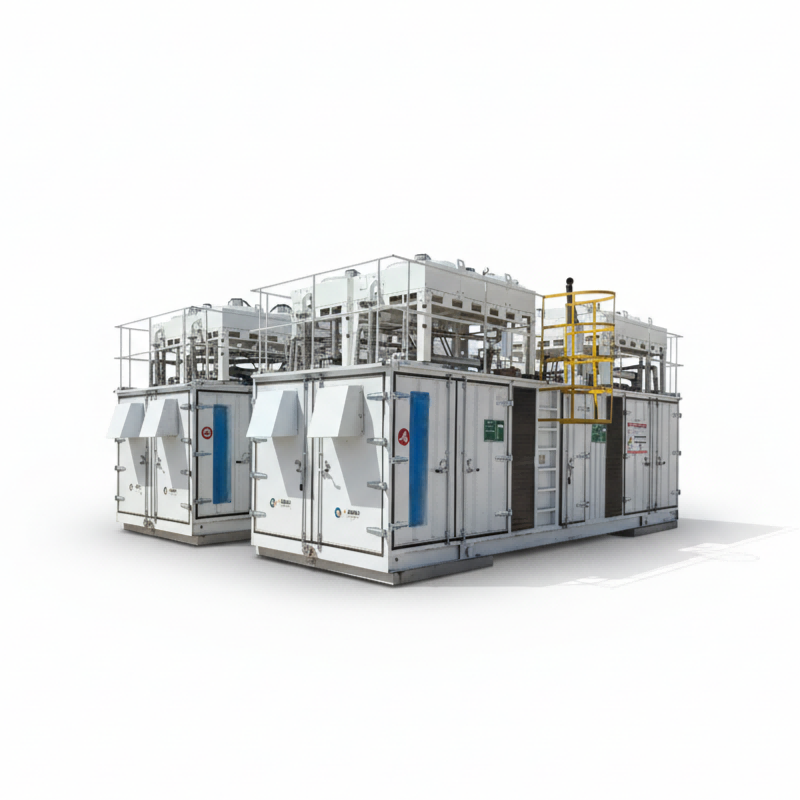
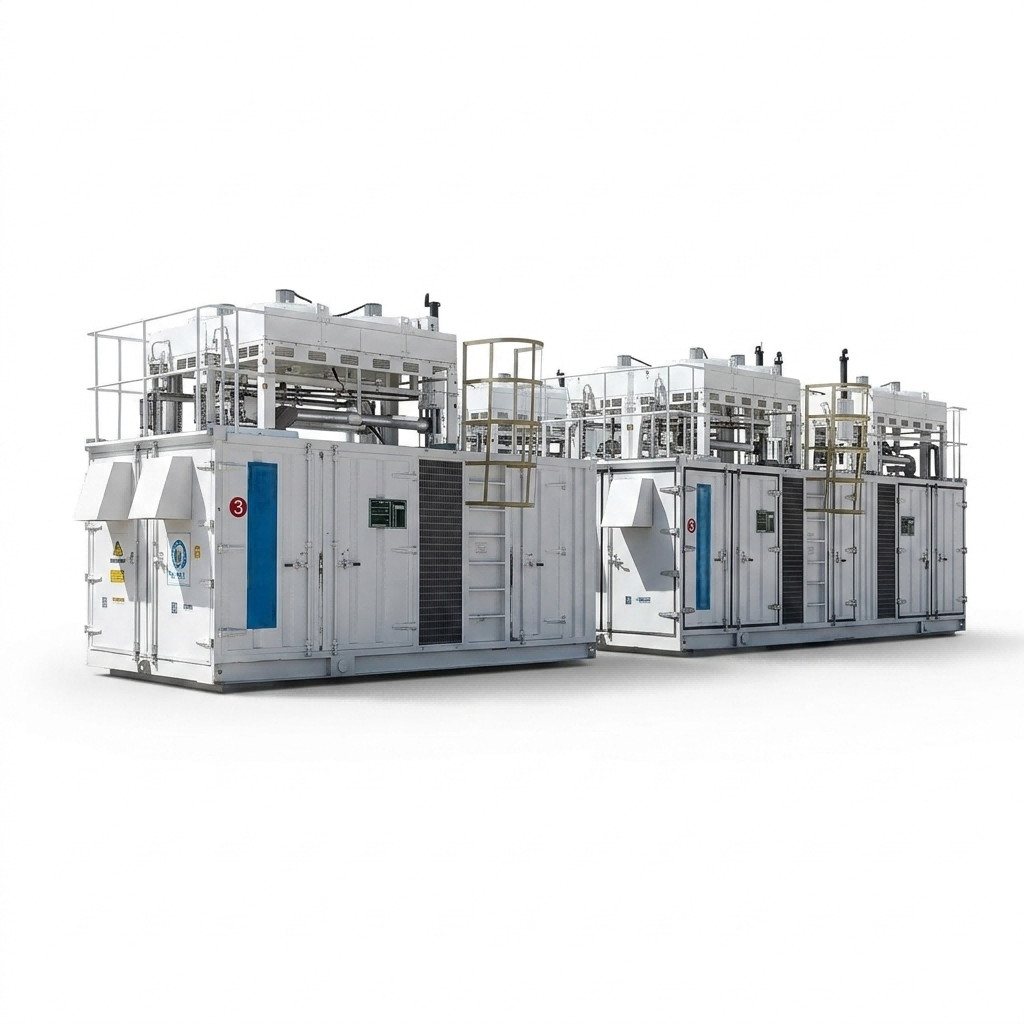
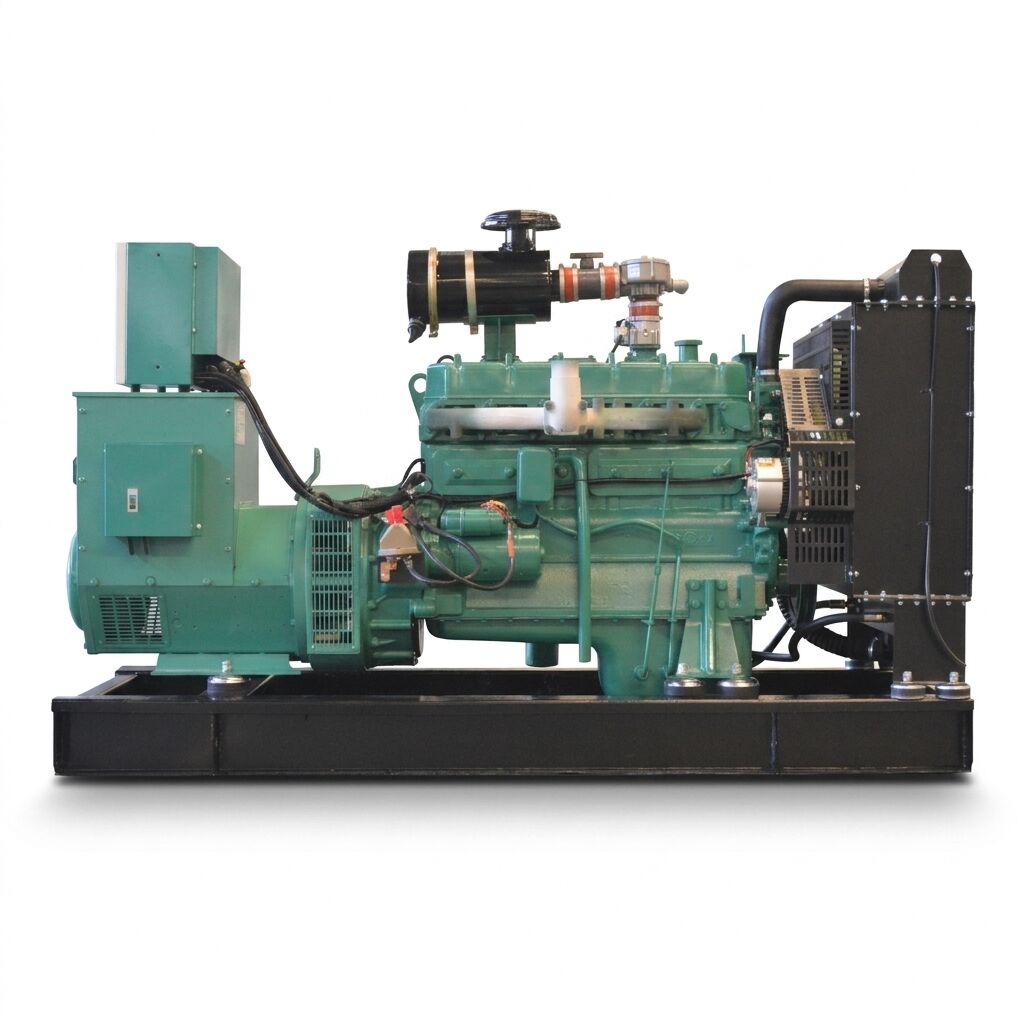
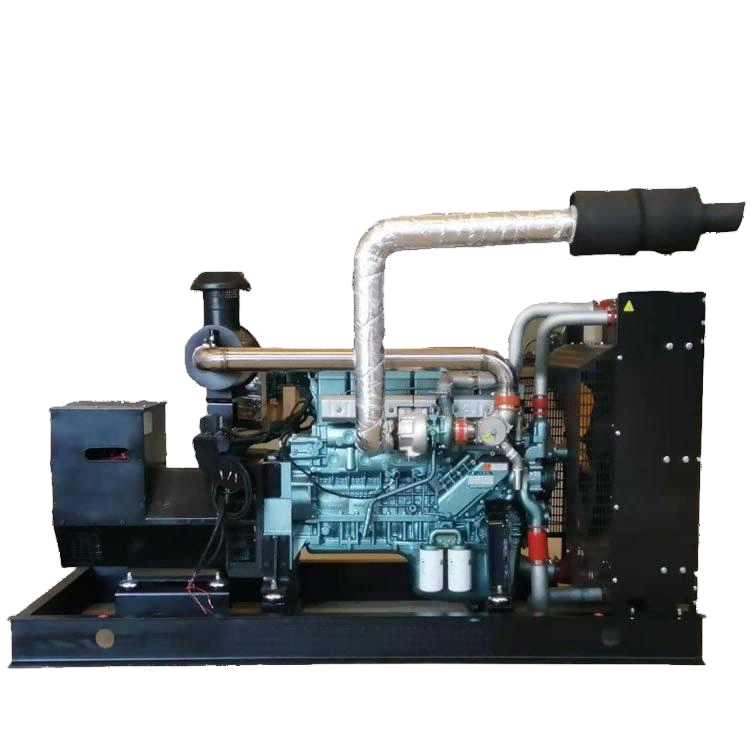
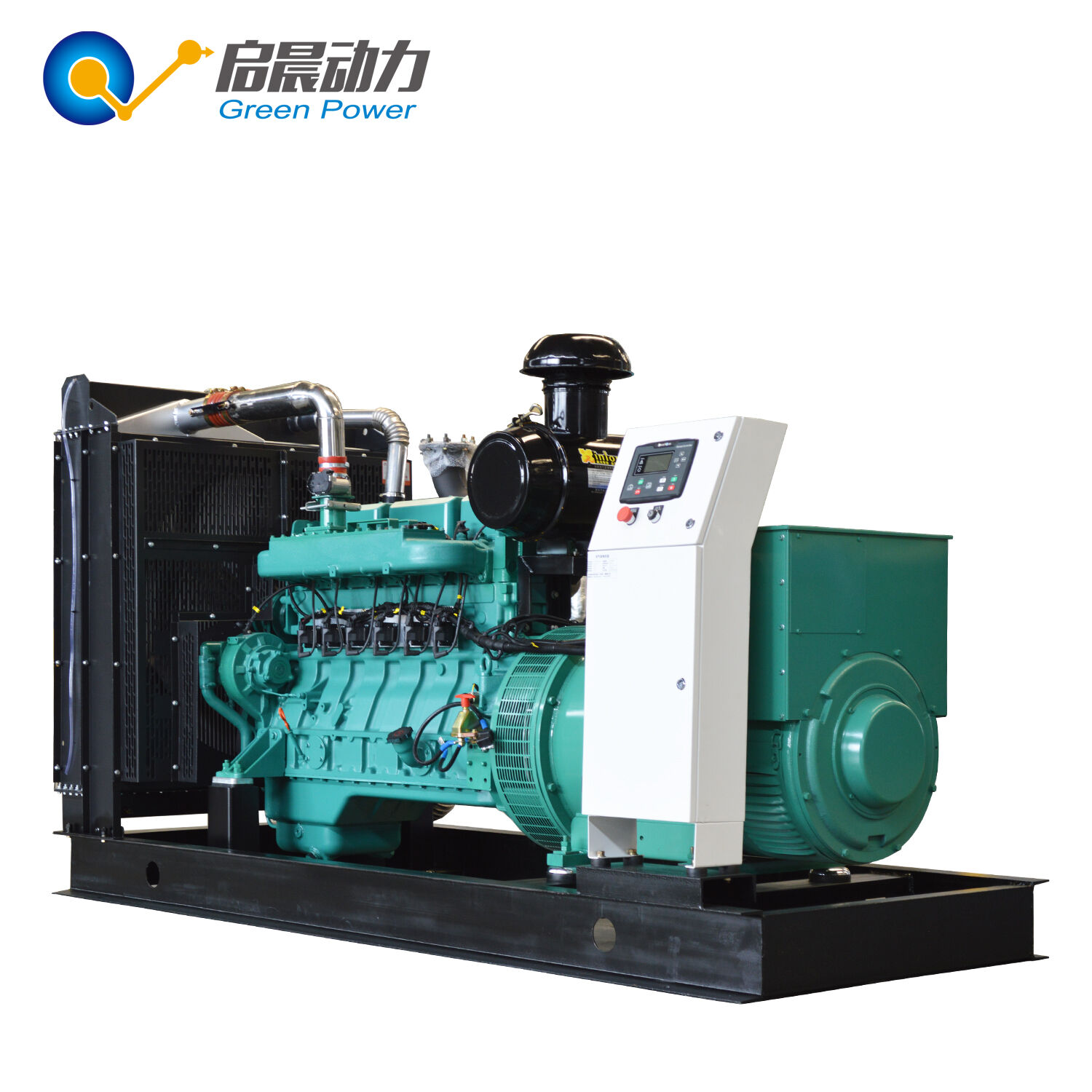
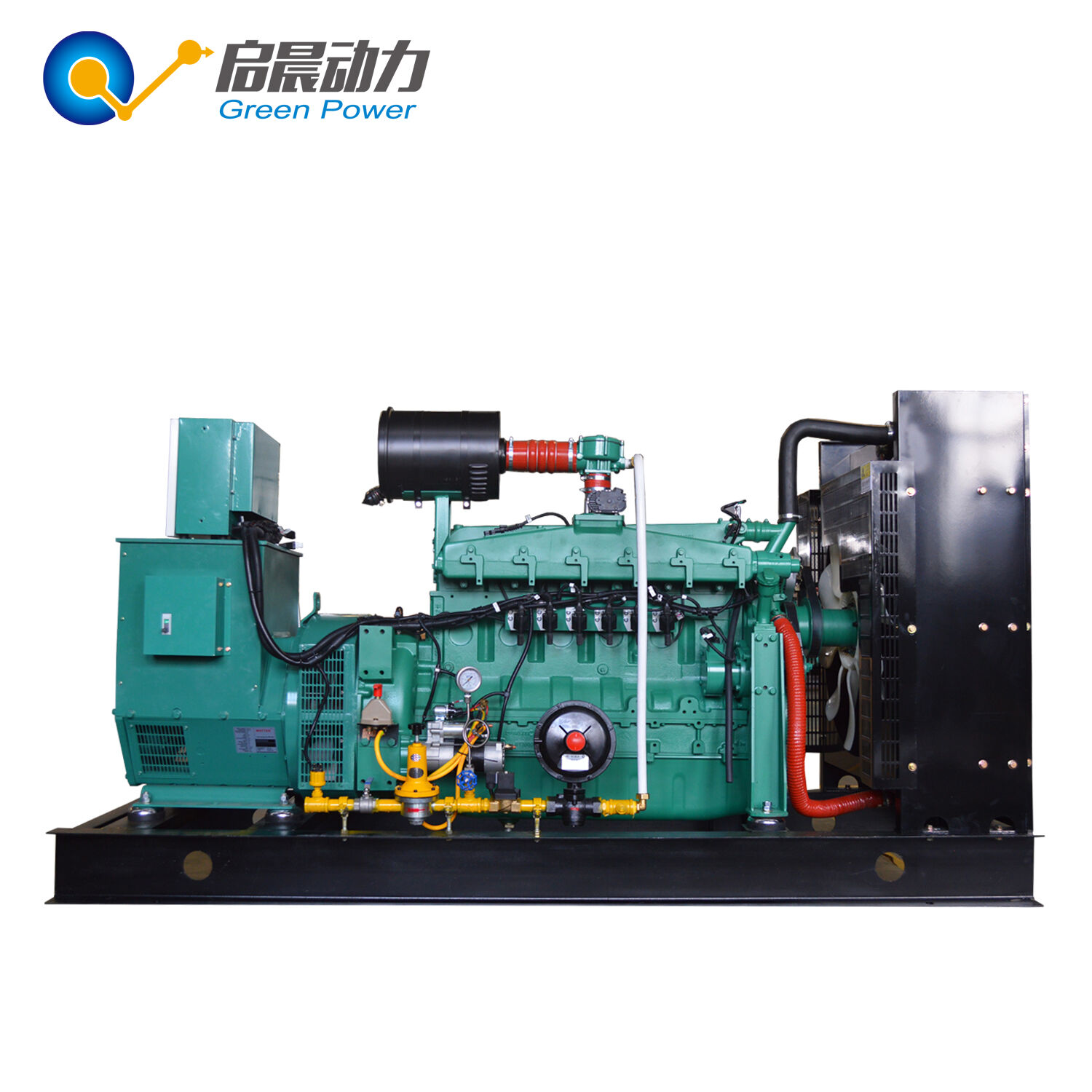
Understanding the cost of installing a natural gas generator is essential for homeowners and businesses seeking reliable backup power solutions. A natural gas generator is an automatic standby power system that connects directly to your property's natural gas line, providing seamless electricity during outages. These generators typically range from 7 kilowatts for residential applications to 150 kilowatts or more for commercial installations. The cost of installing a natural gas generator encompasses several components including the generator unit itself, professional installation labor, necessary permits, electrical transfer switch installation, gas line extensions or modifications, and concrete pad preparation. Installation prices generally range from $3,000 to $15,000 depending on unit size and complexity. The technology behind these systems features advanced automatic transfer switches that detect power loss within seconds and activate the generator without manual intervention. Modern natural gas generators incorporate sound-dampening enclosures, weather-resistant housing, and digital monitoring systems that enable remote diagnostics. These systems serve critical applications in residential homes protecting essential appliances, medical equipment, and home offices, while commercial facilities rely on them for business continuity, data center operations, and safety system maintenance. Healthcare facilities, restaurants, and retail establishments particularly benefit from uninterrupted power supply. The cost of installing a natural gas generator represents a long-term investment in power security, offering fuel efficiency advantages over portable gasoline alternatives and eliminating the need for fuel storage or refilling during extended outages.

New Product Recommendations

When evaluating the cost of installing a natural gas generator, buyers gain significant value through multiple operational and financial benefits. These systems deliver automatic power restoration within 10 to 30 seconds of an outage, eliminating manual startup procedures and ensuring continuous operation of critical systems. Natural gas fuel supply through existing utility infrastructure means you never face fuel shortage concerns during emergencies, unlike diesel or propane alternatives requiring tank refills. The operational cost advantage becomes evident through natural gas pricing, which typically runs 30 to 50 percent lower than gasoline or diesel fuel on an energy-equivalent basis. Maintenance requirements prove minimal compared to portable generators, with professional servicing recommended only once or twice annually. The cost of installing a natural gas generator includes permanent placement, eliminating the hassle of storing, retrieving, and connecting portable units during storm conditions. These generators operate quietly with noise levels between 60 to 70 decibels at standard distance, comparable to normal conversation, making them neighborhood-friendly. Property value increases represent another tangible benefit, with whole-house generators adding appeal for prospective buyers seeking move-in-ready homes with emergency preparedness features. Application suitability extends across residential properties protecting home investments, small businesses maintaining operations during grid failures, agricultural operations preserving livestock climate control, and medical-dependent households requiring uninterrupted power for essential equipment. The decision to invest in the cost of installing a natural gas generator becomes particularly valuable in regions experiencing frequent weather-related outages, providing peace of mind and protecting against food spoilage, frozen pipe damage, and lost productivity that often exceed the installation investment after just a few significant power events.

Tips And Tricks

LPG Generator for Off-Grid Sites: Why Propane Power Is a Reliable Choice

01

May

LPG Generator for Off-Grid Sites: Why Propane Power Is a Reliable Choice

When power infrastructure is unavailable or unreliable, an LPG generator stands out as one of the most practical and dependable solutions for off-grid sites. Whether the application involves a remote construction camp, an agricultural facility, a min...
View More
Natural Gas Generator Installation Guide: From Site Planning to First Power-On

04

May

Natural Gas Generator Installation Guide: From Site Planning to First Power-On

Installing a natural gas generator is a significant infrastructure decision that demands careful planning, precise execution, and a clear understanding of local codes. Whether you are equipping an industrial facility, a commercial building, or a remo...
View More
Natural Gas Generator ROI Calculator: Is It the Right Investment for Your Business?

19

May

Natural Gas Generator ROI Calculator: Is It the Right Investment for Your Business?

Deciding whether a natural gas generator is the right investment for your business requires more than a gut feeling. It demands a clear-eyed look at upfront costs, ongoing fuel savings, operational reliability, and how long it takes to recover your c...
View More
Qichen Power APG Generator Solutions for Oilfield and Upstream Applications

22

May

Qichen Power APG Generator Solutions for Oilfield and Upstream Applications

In oilfield and upstream energy environments, reliable on-site power is not a convenience — it is a critical operational requirement. An APG generator addresses this requirement by converting associated petroleum gas — the gas released as...
View More

Send Us a Message

We'll reply within 24 hours
Email
Mobile Or WhatsApp
Name
Company Name
Message
0/1000

cost of installing a natural gas generator

Comprehensive Installation Cost Breakdown

Comprehensive Installation Cost Breakdown

The cost of installing a natural gas generator involves transparent pricing across multiple necessary components that buyers should understand before making purchase decisions. Generator unit prices vary from $2,000 to $6,000 for residential models and $5,000 to $12,000 for larger commercial units based on power capacity. Professional installation labor typically adds $1,500 to $4,000 depending on site complexity, existing electrical infrastructure, and local labor rates. Transfer switch installation, an essential safety component that isolates your electrical system from the utility grid during generator operation, costs between $500 and $1,500 including the switch device and electrician labor. Gas line work represents another consideration, with simple connections to nearby existing lines costing $300 to $800, while extended runs or meter upgrades may add $1,000 to $3,000. Concrete pad preparation provides stable mounting and costs $300 to $800 for standard residential installations. Permit fees vary by municipality but generally range from $50 to $500. Understanding these itemized expenses within the cost of installing a natural gas generator enables buyers to budget accurately and identify potential savings opportunities through site preparation or selecting appropriately sized units that match actual power needs rather than oversized systems.
Long-Term Economic Benefits and Fuel Efficiency

Long-Term Economic Benefits and Fuel Efficiency

Beyond the initial cost of installing a natural gas generator, long-term economic advantages make these systems increasingly cost-effective over their 20 to 30-year operational lifespan. Natural gas generators demonstrate superior fuel efficiency compared to gasoline alternatives, converting fuel to electricity at rates approaching 30 percent thermal efficiency in residential models and higher in commercial units with combined heat and power capabilities. Fuel cost stability represents a significant economic benefit, as natural gas prices historically fluctuate less dramatically than petroleum products, providing predictable operating expenses during outages. The average natural gas generator consumes approximately 200 to 300 cubic feet of gas per hour at half load for a typical 20-kilowatt residential unit, translating to roughly $2 to $4 per hour at current utility rates. Insurance benefits sometimes offset the cost of installing a natural gas generator, with some homeowner policies offering premium reductions for properties equipped with permanently installed backup power systems that reduce claim risks from frozen pipes, spoiled food, and storm damage. Tax incentives and rebates occasionally apply in certain jurisdictions, particularly for energy-efficient models or installations supporting medical necessity. The elimination of portable generator expenses, including fuel storage containers, stabilizers, extension cords, and replacement costs for worn-out consumer-grade units every few years, contributes additional savings that accumulate substantially over time.
Installation Process and Professional Requirements

Installation Process and Professional Requirements

The cost of installing a natural gas generator includes professional expertise essential for safe, code-compliant installation that protects your investment and ensures reliable operation. Licensed electricians must handle all electrical connections, including the critical transfer switch installation that prevents dangerous backfeeding into utility lines that could endanger repair workers. Licensed plumbers or gas technicians perform natural gas line connections, pressure testing, and leak detection to meet stringent safety codes. The installation process typically spans two to three days for residential projects, beginning with site evaluation to determine optimal generator placement considering noise impact, ventilation requirements, and utility access. Contractors pour and cure concrete pads meeting manufacturer specifications for weight distribution and vibration dampening. Electrical work involves connecting the generator to your home's main electrical panel through the transfer switch, programming which circuits receive backup power in partial-house systems, and testing automatic startup sequences. Gas line installation includes running appropriately sized pipe from the meter to the generator location, installing shutoff valves, and performing pressure tests. Final steps include startup procedures, system testing under load conditions, and homeowner training on basic operation and monitoring. Professional installation ensures warranty compliance, as manufacturers typically require certified installer documentation. The cost of installing a natural gas generator through qualified professionals prevents costly mistakes, safety hazards, and code violations that could complicate insurance claims or property sales.

Send Us a Message

We'll reply within 24 hours
Email
Mobile Or WhatsApp
Name
Company Name
Message
0/1000