Cost of Running a Natural Gas Generator Guide

Send Us a Message

We'll reply within 24 hours
Email
Mobile Or WhatsApp
Name
Company Name
Message
0/1000

cost of running a natural gas generator

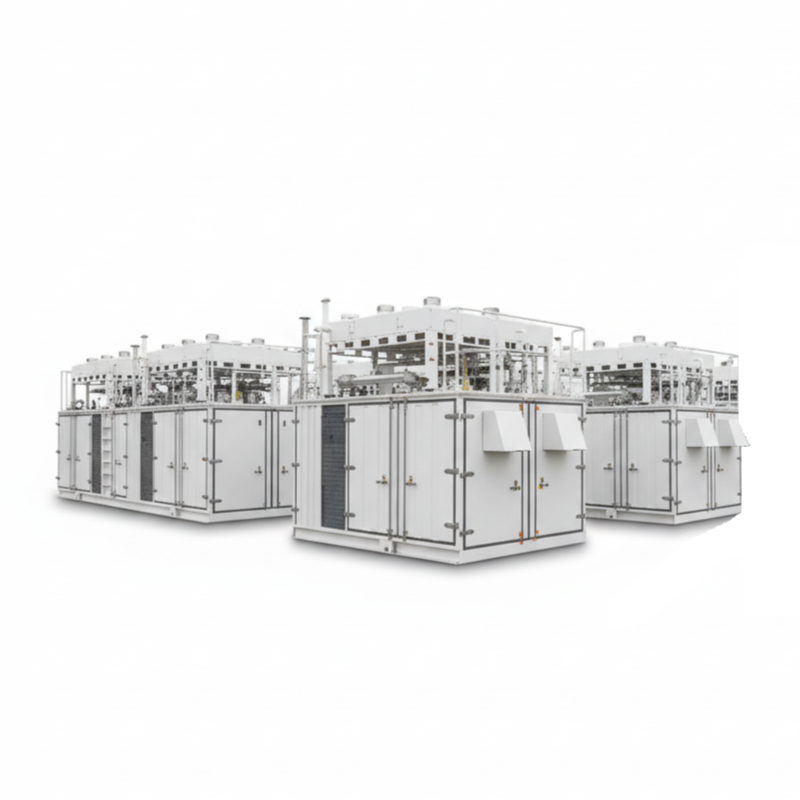
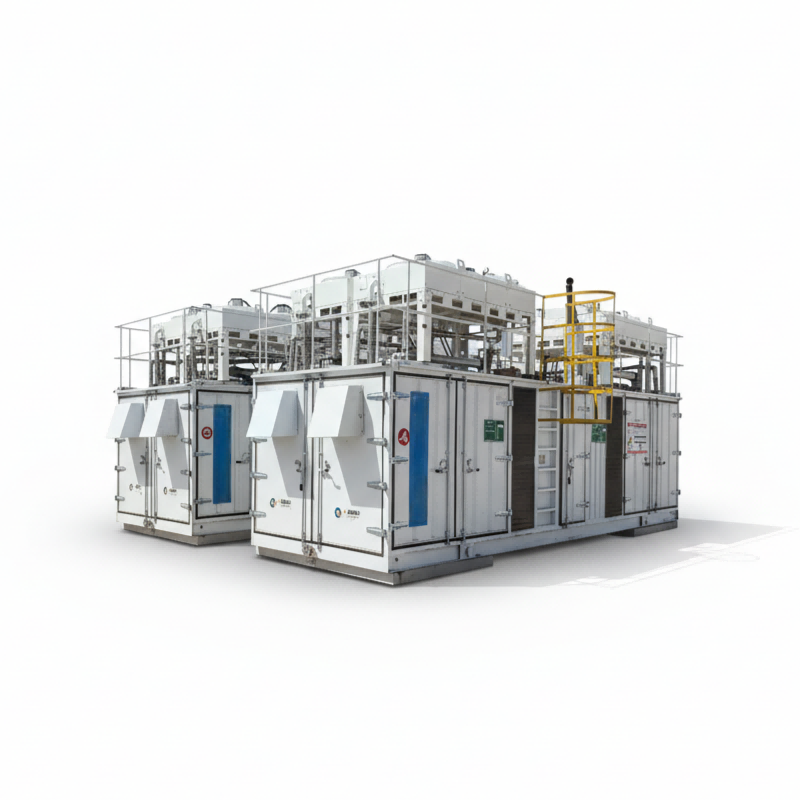
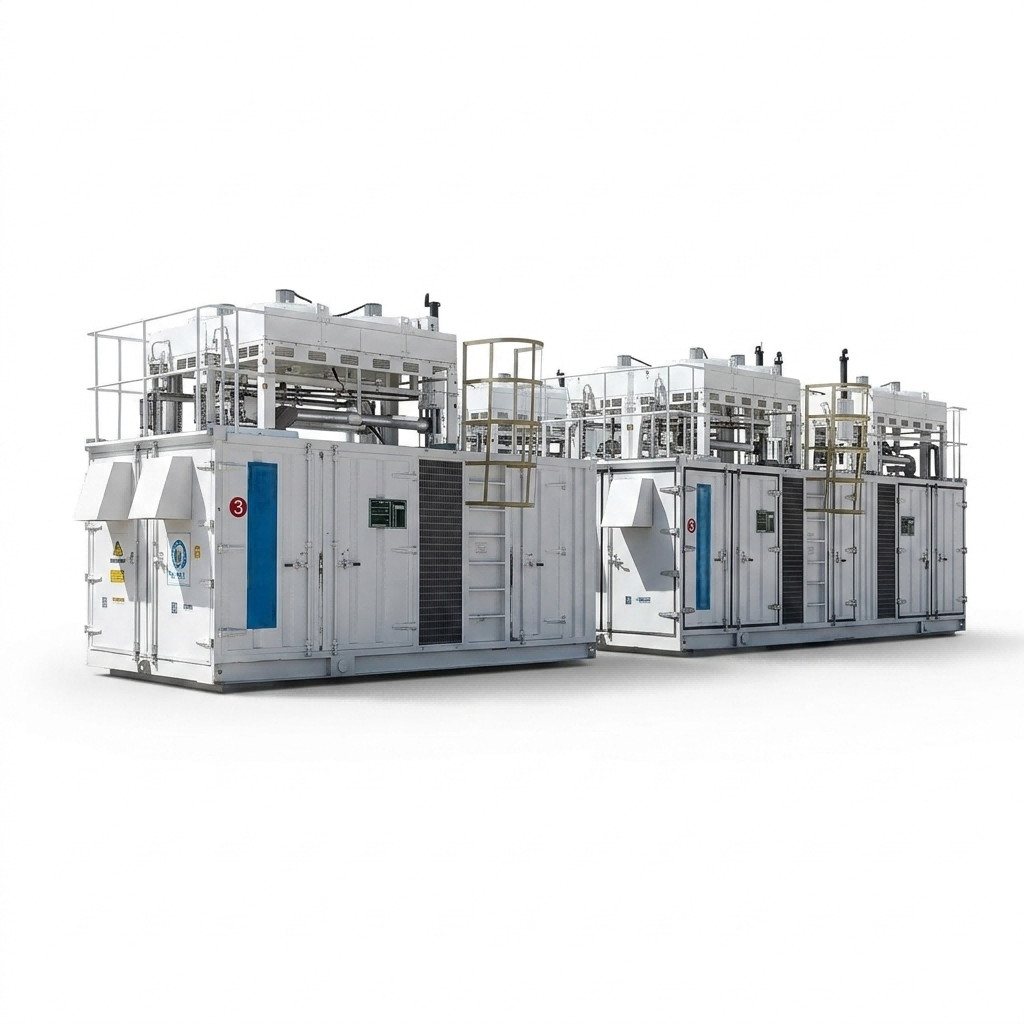
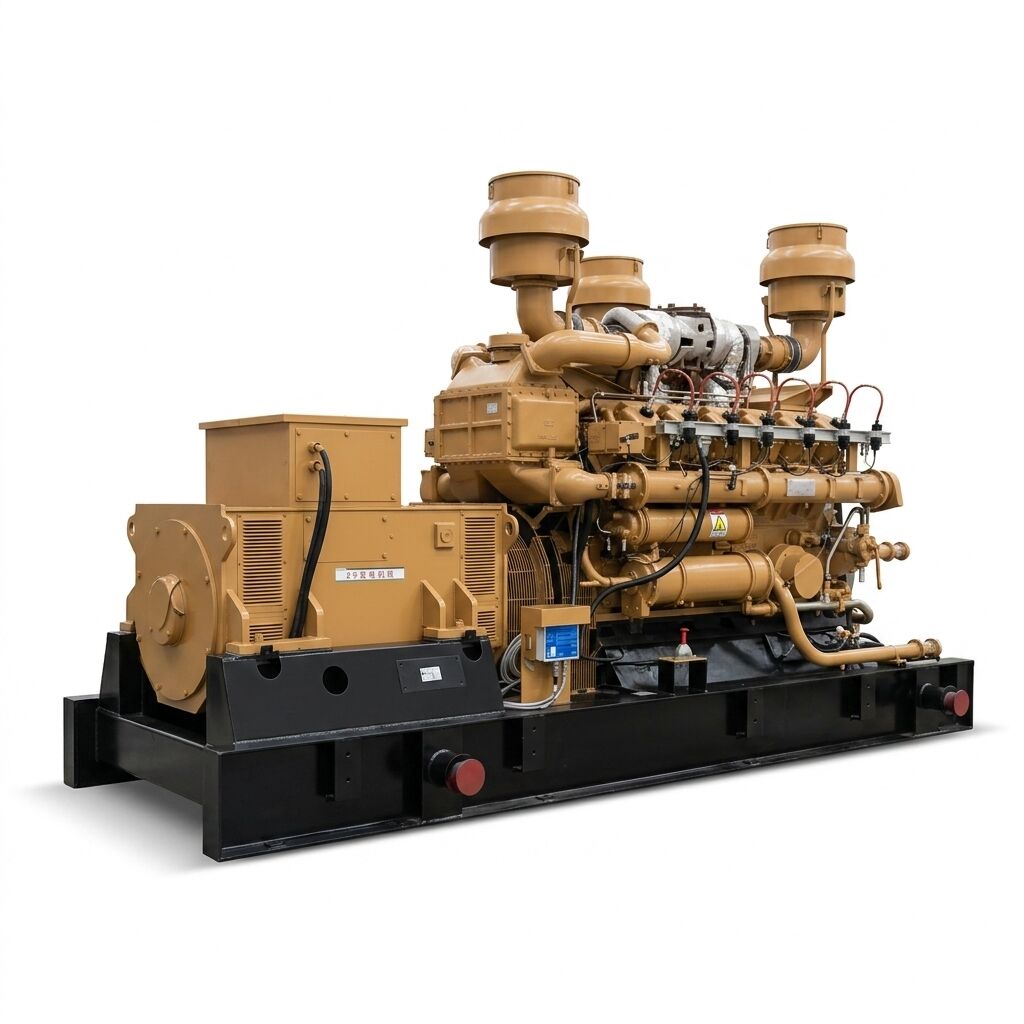
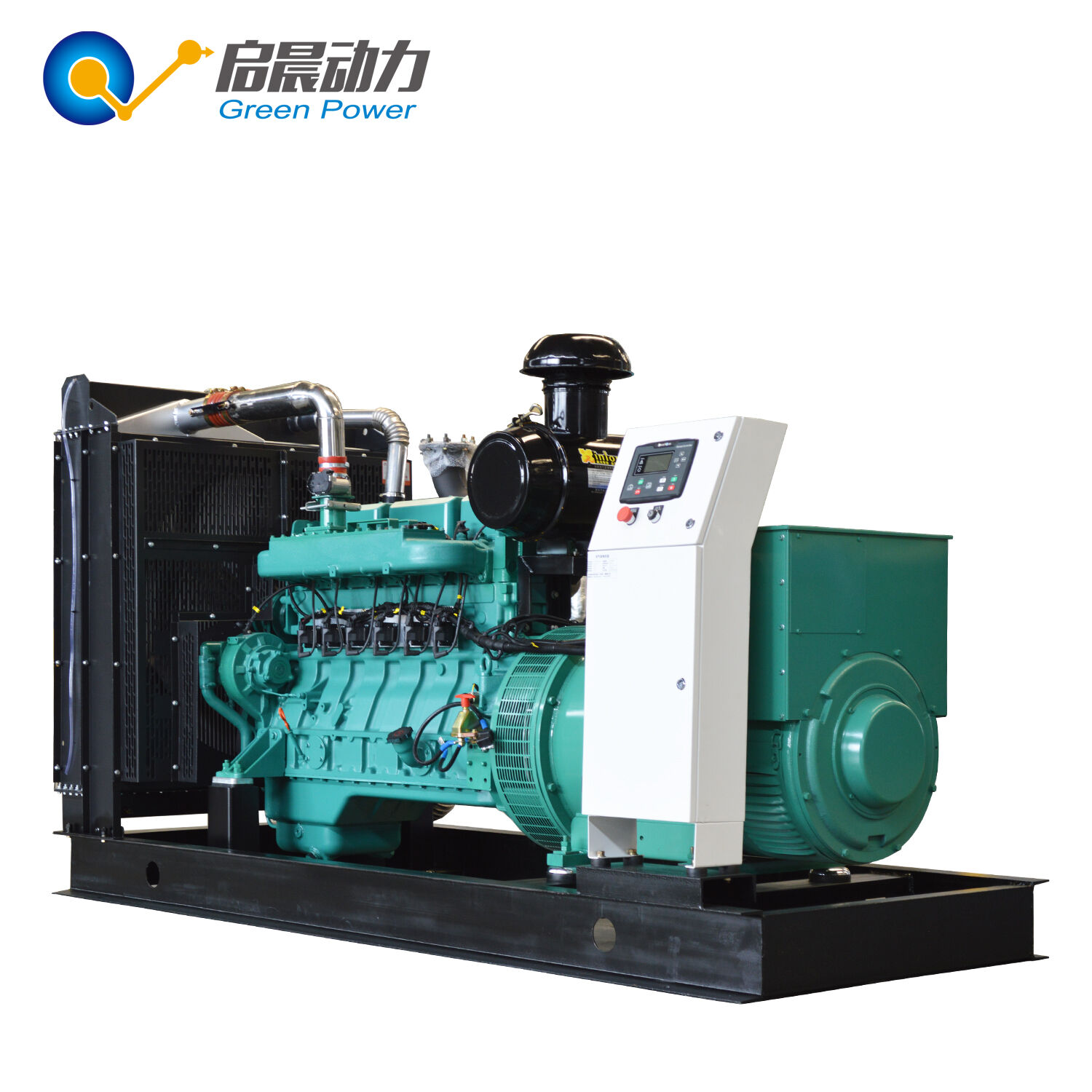
Understanding the cost of running a natural gas generator is essential for businesses and homeowners seeking reliable backup power or primary energy solutions. Natural gas generators convert gas fuel into electrical energy through an internal combustion engine coupled with an alternator. These units operate by burning natural gas to drive pistons, which rotate the generator shaft to produce electricity. The cost of running a natural gas generator depends on several factors including fuel prices, generator efficiency, load capacity, and operational duration. Modern natural gas generators feature advanced engine management systems, automatic voltage regulation, and sophisticated control panels that optimize fuel consumption. They range from small residential units producing 7-20 kilowatts to large commercial systems generating several megawatts. Natural gas generators serve diverse applications including emergency backup power for hospitals, data centers, and critical infrastructure, as well as continuous power generation for remote locations and facilities requiring uninterrupted electricity. The technology offers cleaner combustion compared to diesel alternatives, producing fewer particulate emissions and quieter operation. When evaluating the cost of running a natural gas generator, consider natural gas prices in your region, typically measured in therms or cubic feet, generator efficiency ratings expressed in kilowatt-hours per cubic foot, maintenance requirements, and expected runtime hours. Installation considerations include connection to natural gas pipelines or propane tanks, proper ventilation, and compliance with local codes. The cost of running a natural gas generator proves economical for extended operation periods due to lower fuel costs compared to gasoline or diesel alternatives.

Popular Products

The cost of running a natural gas generator offers significant financial advantages for users seeking economical power solutions. Natural gas typically costs 30-50 percent less than diesel fuel, translating to substantial savings during extended power outages or continuous operation scenarios. Buyers benefit from predictable energy expenses since natural gas prices remain more stable than petroleum-based fuels, allowing accurate budget forecasting. The operational efficiency of natural gas generators means lower fuel consumption per kilowatt-hour produced, directly reducing your monthly energy costs. These generators require less frequent maintenance than diesel counterparts because natural gas burns cleaner, resulting in reduced oil changes, fewer spark plug replacements, and extended engine life. This maintenance advantage lowers your total ownership costs significantly over the generator's lifespan. Natural gas generators connect directly to existing utility gas lines, eliminating fuel storage costs and the inconvenience of refueling, which saves both money and labor. For businesses requiring continuous operation, the cost of running a natural gas generator becomes increasingly attractive as runtime hours accumulate. The fuel efficiency advantage becomes more pronounced during partial load operation, common in real-world applications where full generator capacity isn't always required. Environmental compliance costs also decrease since natural gas generators produce fewer emissions, avoiding potential regulatory penalties and expensive exhaust treatment systems. Insurance premiums may be lower due to reduced fire hazards compared to storing large quantities of liquid fuels. The cost of running a natural gas generator makes particular sense for applications requiring frequent use, such as peak shaving, cogeneration projects, or locations with unreliable grid power. Decision-makers appreciate the transparent cost structure, with fuel expenses easily calculated based on local natural gas rates and generator specifications. The combination of lower fuel costs, reduced maintenance expenses, elimination of fuel storage infrastructure, and operational simplicity creates compelling economic value for residential, commercial, and industrial users evaluating backup or primary power solutions.

Tips And Tricks

Natural Gas Generator Emissions Standards: NOx, CO, and How to Stay Compliant

11

May

Natural Gas Generator Emissions Standards: NOx, CO, and How to Stay Compliant

A natural gas generator is widely regarded as one of the cleaner options in power generation, but that does not exempt it from emissions regulations. Every natural gas generator operates within a framework of environmental standards that limit the co...
View More
LPG Generator Sizing Guide: Matching Output to Your Power Load Requirements

15

May

LPG Generator Sizing Guide: Matching Output to Your Power Load Requirements

Choosing the right LPG generator is one of the most consequential decisions a facility manager, contractor, or business owner can make. An undersized LPG generator will struggle under load, cause voltage instability, and risk equipment damage. An ove...
View More
Qichen Power APG Generator Solutions for Oilfield and Upstream Applications

22

May

Qichen Power APG Generator Solutions for Oilfield and Upstream Applications

In oilfield and upstream energy environments, reliable on-site power is not a convenience — it is a critical operational requirement. An APG generator addresses this requirement by converting associated petroleum gas — the gas released as...
View More
Soundproof Generator for Urban and Commercial Sites: Noise Compliance Made Simple

01

Jun

Soundproof Generator for Urban and Commercial Sites: Noise Compliance Made Simple

Noise regulations in urban and commercial environments have never been stricter. Whether you operate a hospital, a hotel, a data center, or a construction site in a densely populated area, running backup or primary power equipment comes with a seriou...
View More

Send Us a Message

We'll reply within 24 hours
Email
Mobile Or WhatsApp
Name
Company Name
Message
0/1000

cost of running a natural gas generator

Fuel Cost Efficiency and Long-Term Savings

Fuel Cost Efficiency and Long-Term Savings

The cost of running a natural gas generator delivers exceptional value through superior fuel economics compared to alternative generator types. Natural gas prices average significantly lower per energy unit than gasoline, diesel, or propane, with typical costs ranging from one dollar to two dollars per therm depending on regional markets. A natural gas generator consuming approximately 200-300 cubic feet per hour at full load translates to operational costs of just two to four dollars hourly for a 20-kilowatt residential unit. This fuel efficiency advantage compounds over time, particularly for users experiencing frequent or prolonged outages. Commercial operations running generators for peak shaving or continuous power applications can save thousands of dollars monthly compared to diesel alternatives. The stable pricing structure of natural gas, tied to long-term utility contracts rather than volatile petroleum markets, provides budget certainty that financial planners value highly. Furthermore, natural gas generators maintain consistent efficiency across various load levels, unlike diesel units that suffer efficiency penalties at partial loads. The absence of fuel degradation issues means no wasted money on stale fuel disposal or fuel stabilizers, common problems with gasoline generators. These economic advantages make the cost of running a natural gas generator particularly attractive for critical applications requiring reliable, affordable power generation.
Reduced Maintenance Requirements and Operating Expenses

Reduced Maintenance Requirements and Operating Expenses

Evaluating the cost of running a natural gas generator must include maintenance considerations, where natural gas technology excels remarkably. Natural gas combustion produces minimal carbon deposits, sludge, and contaminants that typically accelerate engine wear in liquid-fueled generators. This cleaner burning characteristic extends oil change intervals from 50-100 hours in gasoline generators to 200-300 hours in natural gas units, cutting maintenance frequency and associated labor costs substantially. Spark plugs last considerably longer, often doubling their service life compared to gasoline applications due to reduced fouling. Engine components including pistons, cylinders, and valves experience less corrosive wear, translating to extended overhaul intervals and reduced component replacement costs over the generator's operational lifetime. The elimination of fuel filters, fuel pumps, and complex fuel injection systems found in diesel generators further reduces maintenance touchpoints and potential failure modes. Natural gas generators require no fuel quality testing, fuel polishing, or tank cleaning services that diesel systems demand, eliminating these recurring expenses entirely. Service technicians spend less time on each maintenance visit, reducing labor charges for commercial operators with multiple units. The cost of running a natural gas generator becomes increasingly favorable as operational hours accumulate, with total cost of ownership often 20-30 percent lower than diesel equivalents over a ten-year period. These maintenance advantages particularly benefit remote installations where service calls are expensive and downtime costly.
Infrastructure Convenience and Operational Simplicity

Infrastructure Convenience and Operational Simplicity

The cost of running a natural gas generator benefits tremendously from infrastructure advantages that eliminate numerous expenses associated with liquid fuel systems. Connection to existing natural gas utility lines provides unlimited fuel supply without storage tanks, fuel delivery charges, or refueling labor, representing significant ongoing cost savings. Properties already receiving natural gas for heating or cooking can add generator capability with minimal additional infrastructure investment, often just a larger service line and appropriate metering. This eliminates the substantial capital expense of installing diesel or propane storage tanks, which can cost thousands of dollars including excavation, environmental protection measures, and regulatory compliance features. Ongoing tank inspection requirements, environmental insurance, and potential soil contamination liability disappear entirely with natural gas systems. The automatic fuel supply means generators can run indefinitely during extended outages without manual refueling, eliminating overtime labor costs for staff monitoring fuel levels and arranging emergency deliveries at premium prices. For commercial facilities with multiple generators, the simplified fuel infrastructure represents enormous cost advantages compared to managing diesel fuel distribution across a campus. Natural gas metering provides precise consumption data for accurate cost accounting and departmental chargebacks. The cost of running a natural gas generator also includes operational staff time, where simplified starting procedures, reduced pre-operation checks, and automated systems minimize labor requirements. These infrastructure and operational conveniences contribute meaningfully to the total economic value proposition, making natural gas generators the financially optimal choice for many applications.

Send Us a Message

We'll reply within 24 hours
Email
Mobile Or WhatsApp
Name
Company Name
Message
0/1000