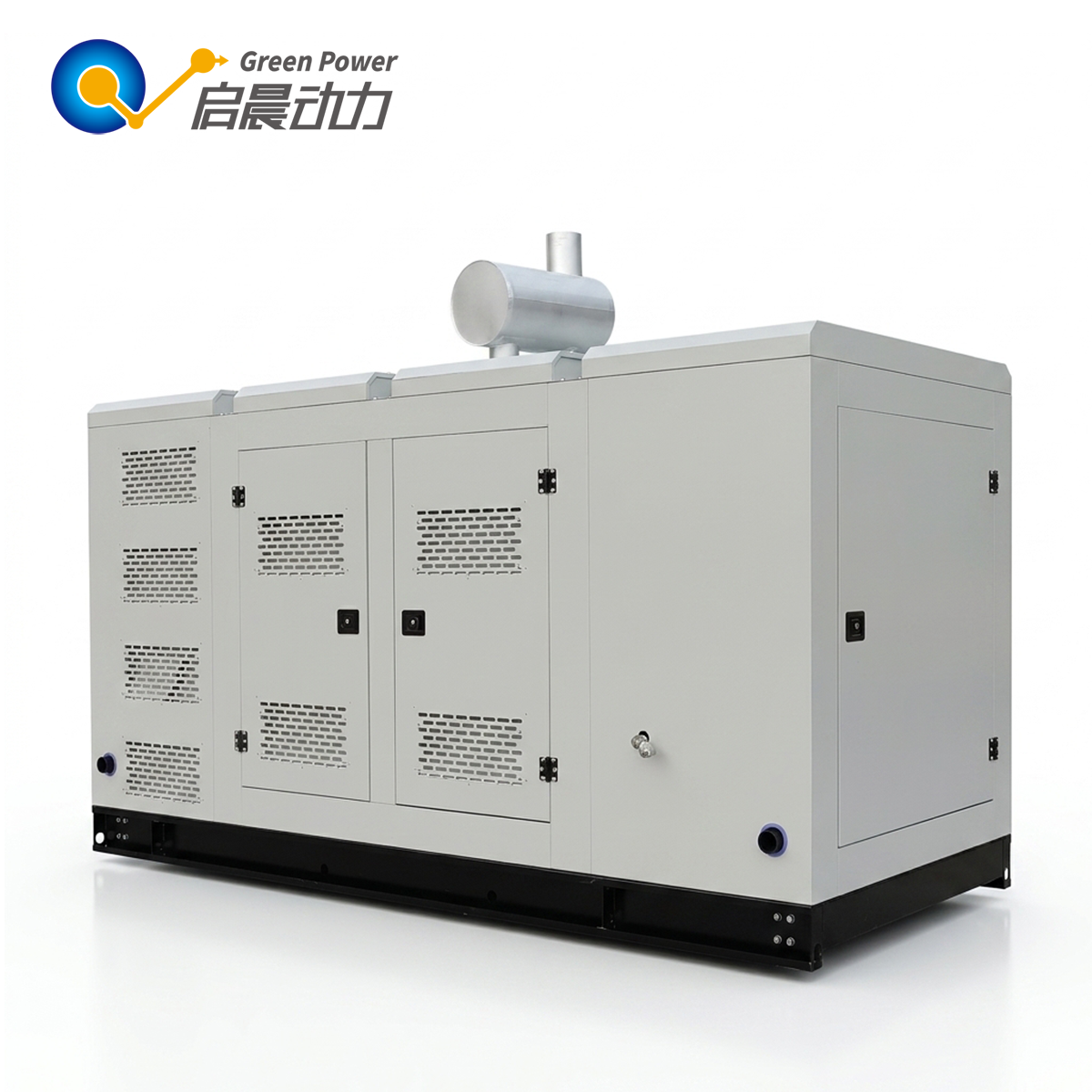
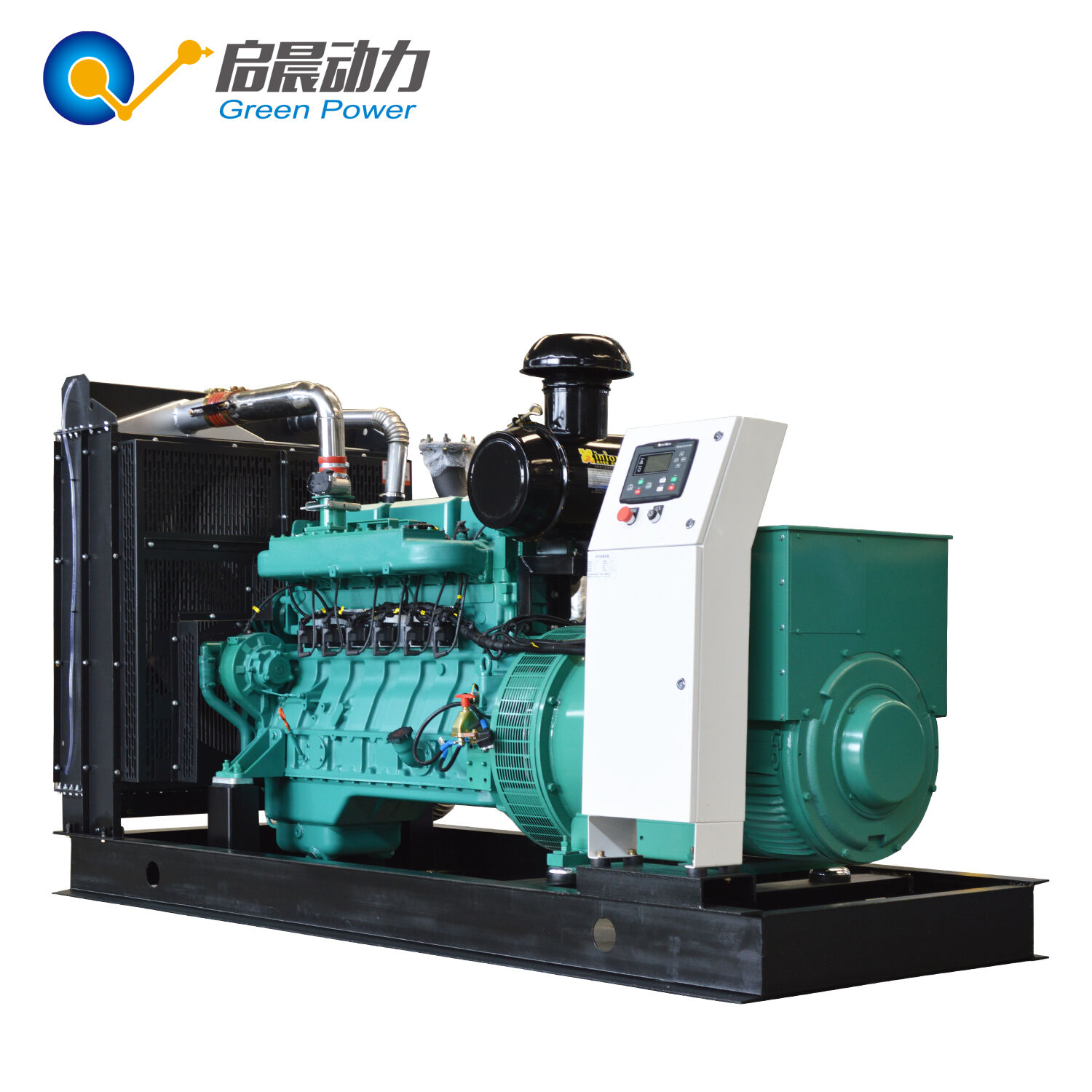
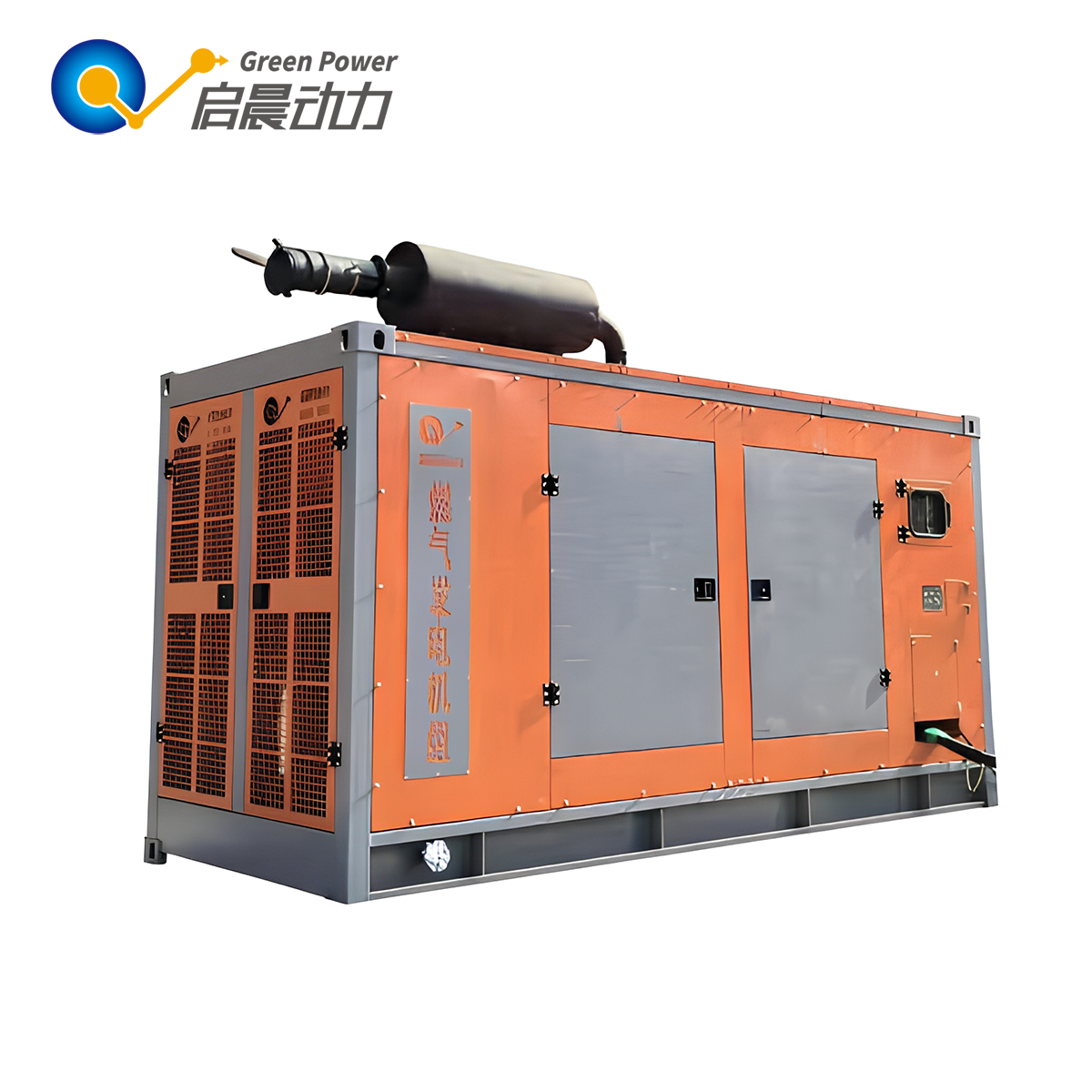
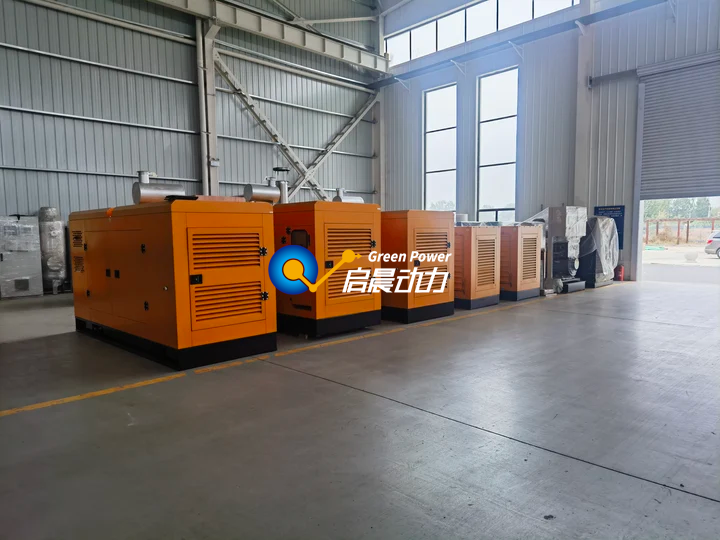
Gas Fired Generators - Efficient Power Solutions

Send Us a Message

We'll reply within 24 hours
Email
Mobile Or WhatsApp
Name
Company Name
Message
0/1000

gas fired generators

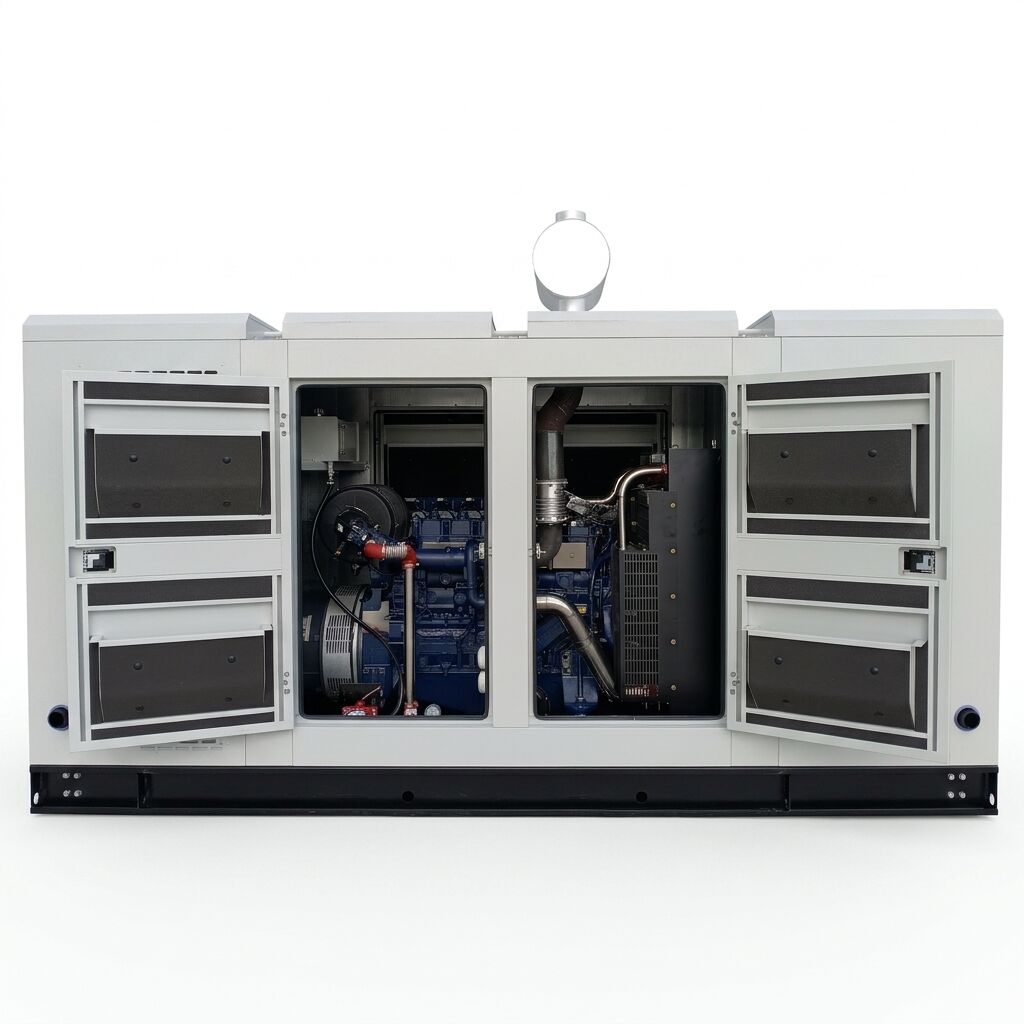
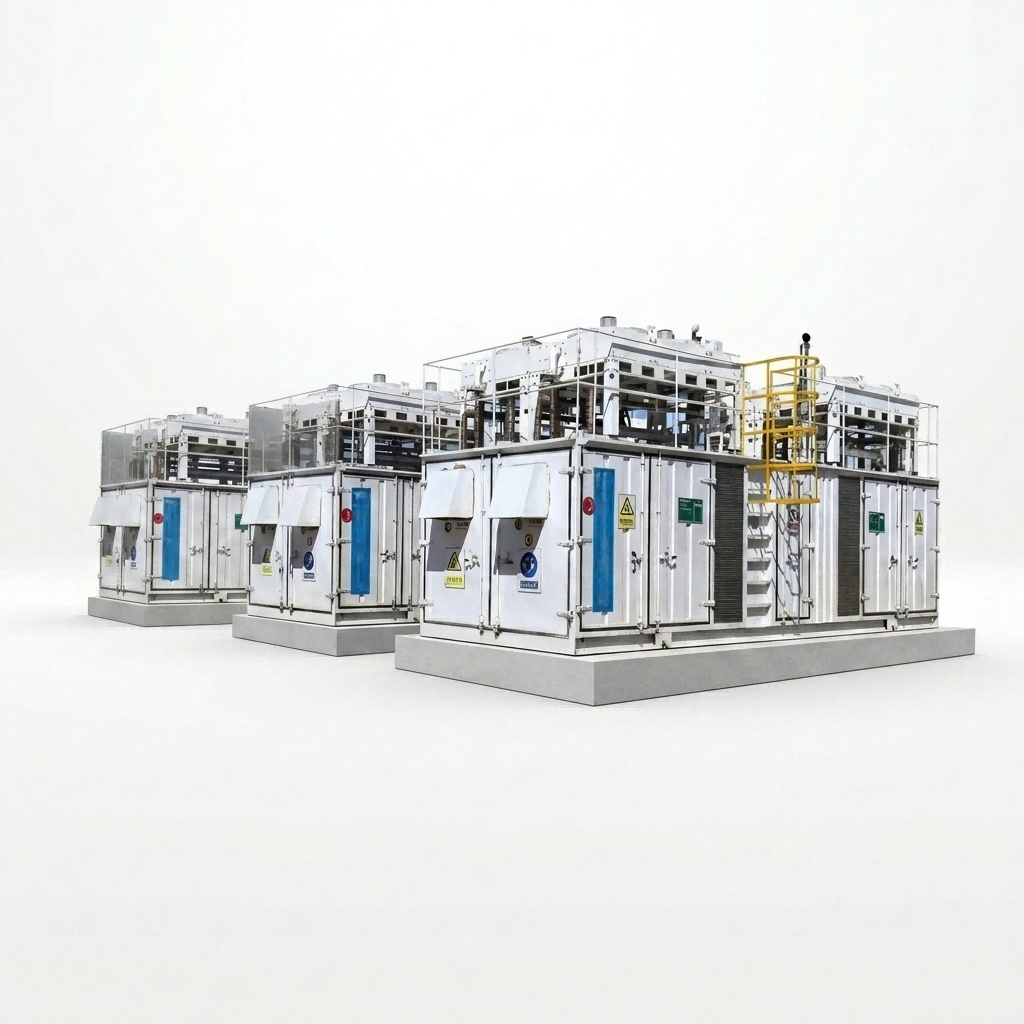
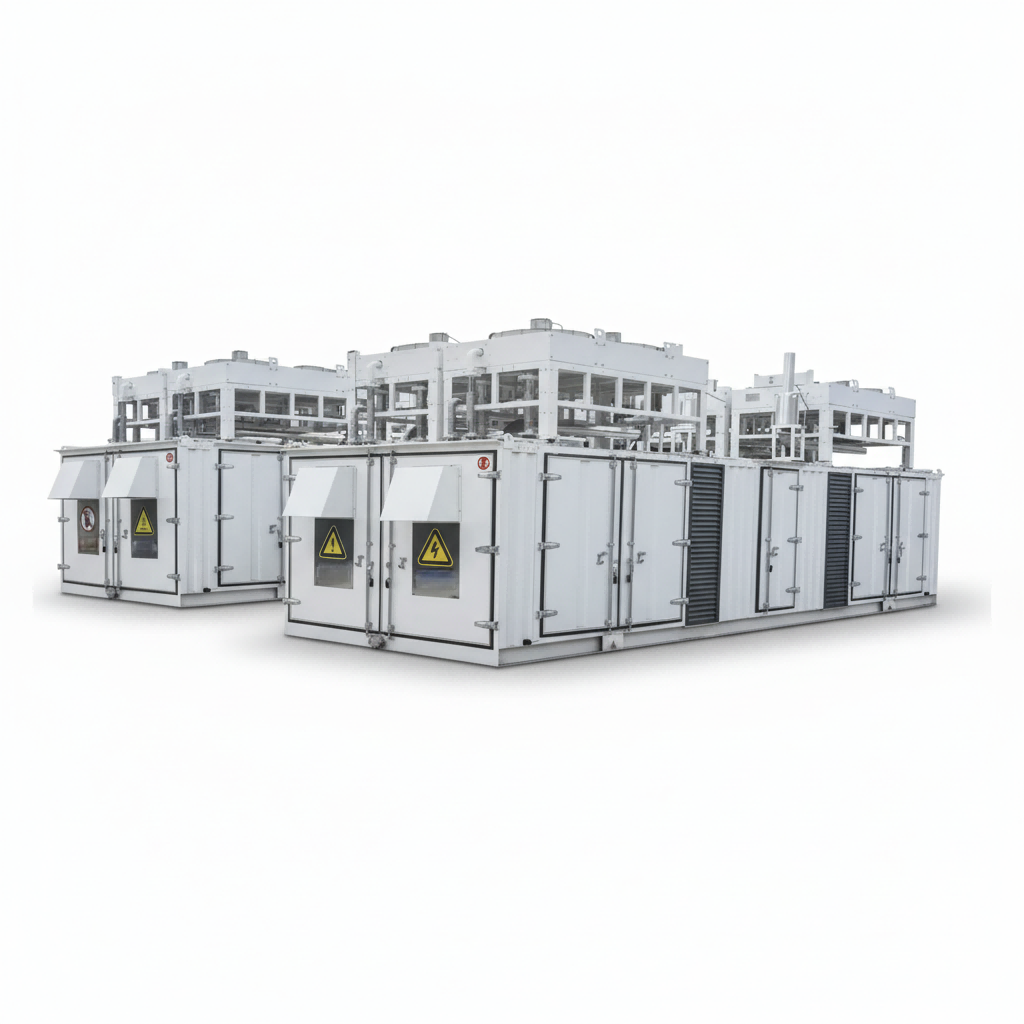
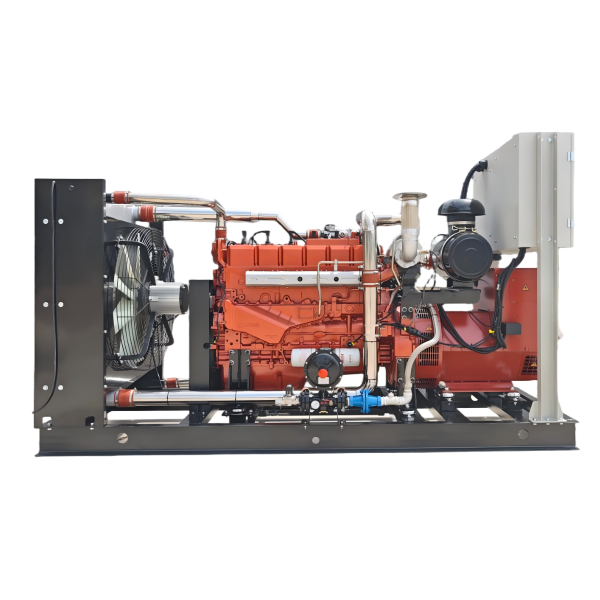
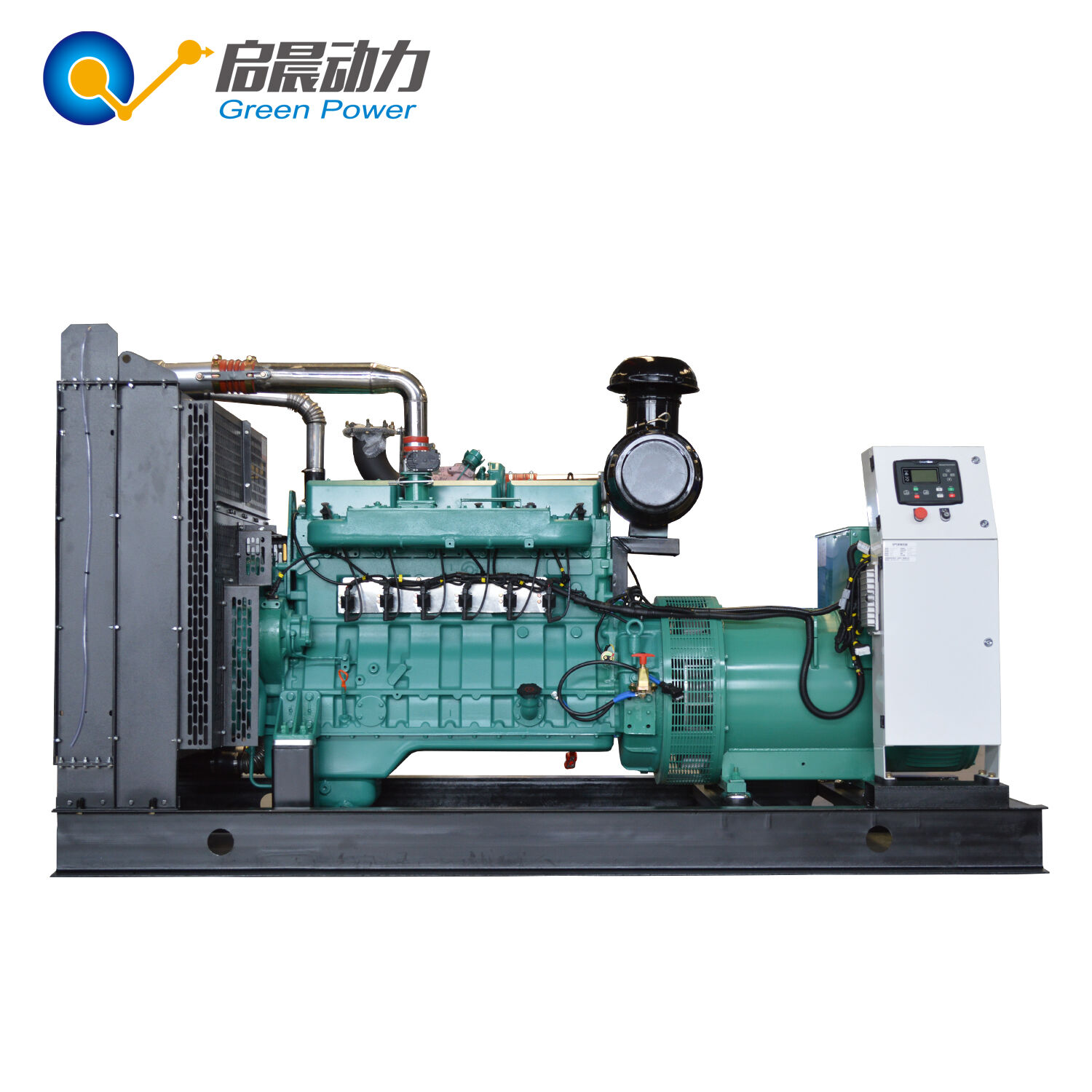
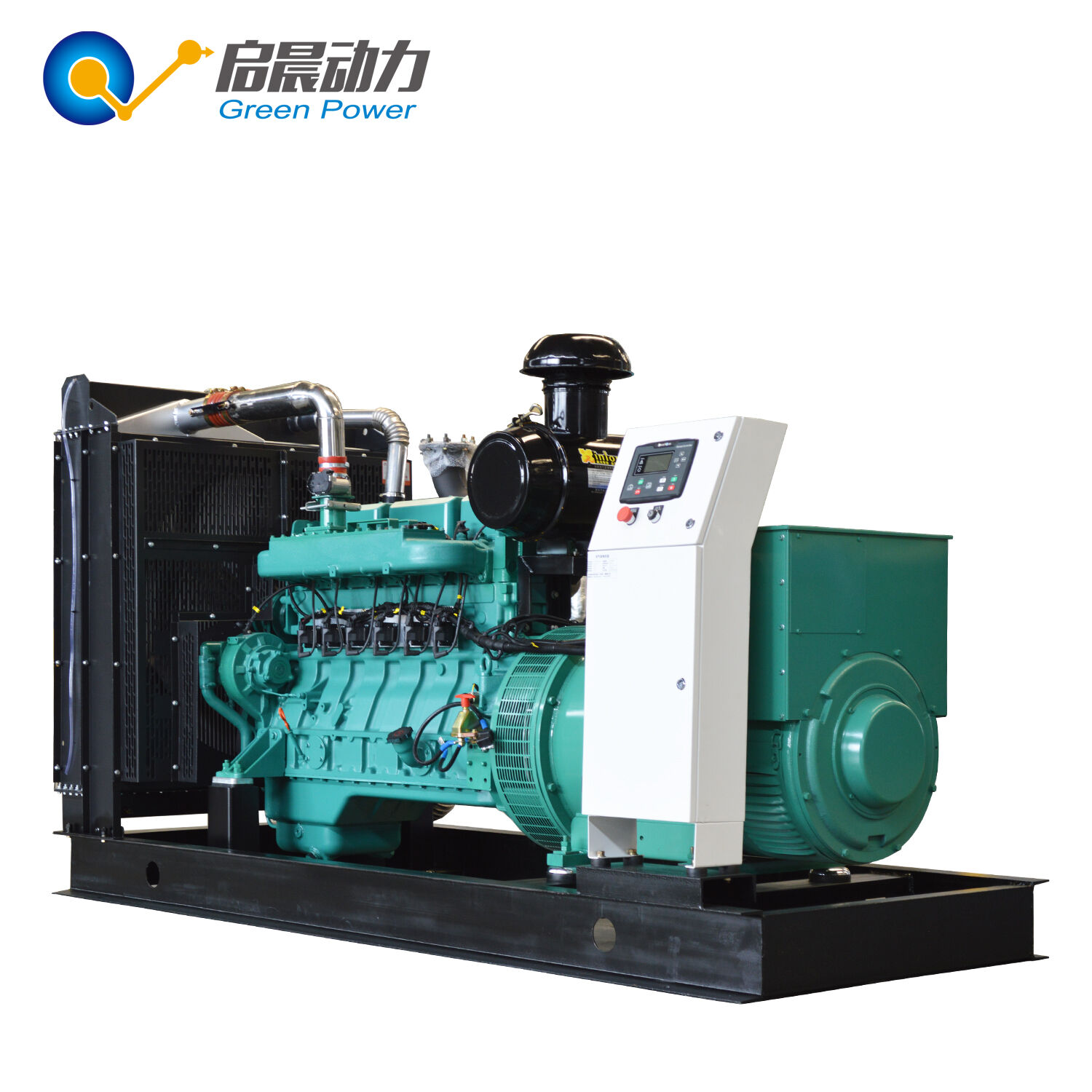
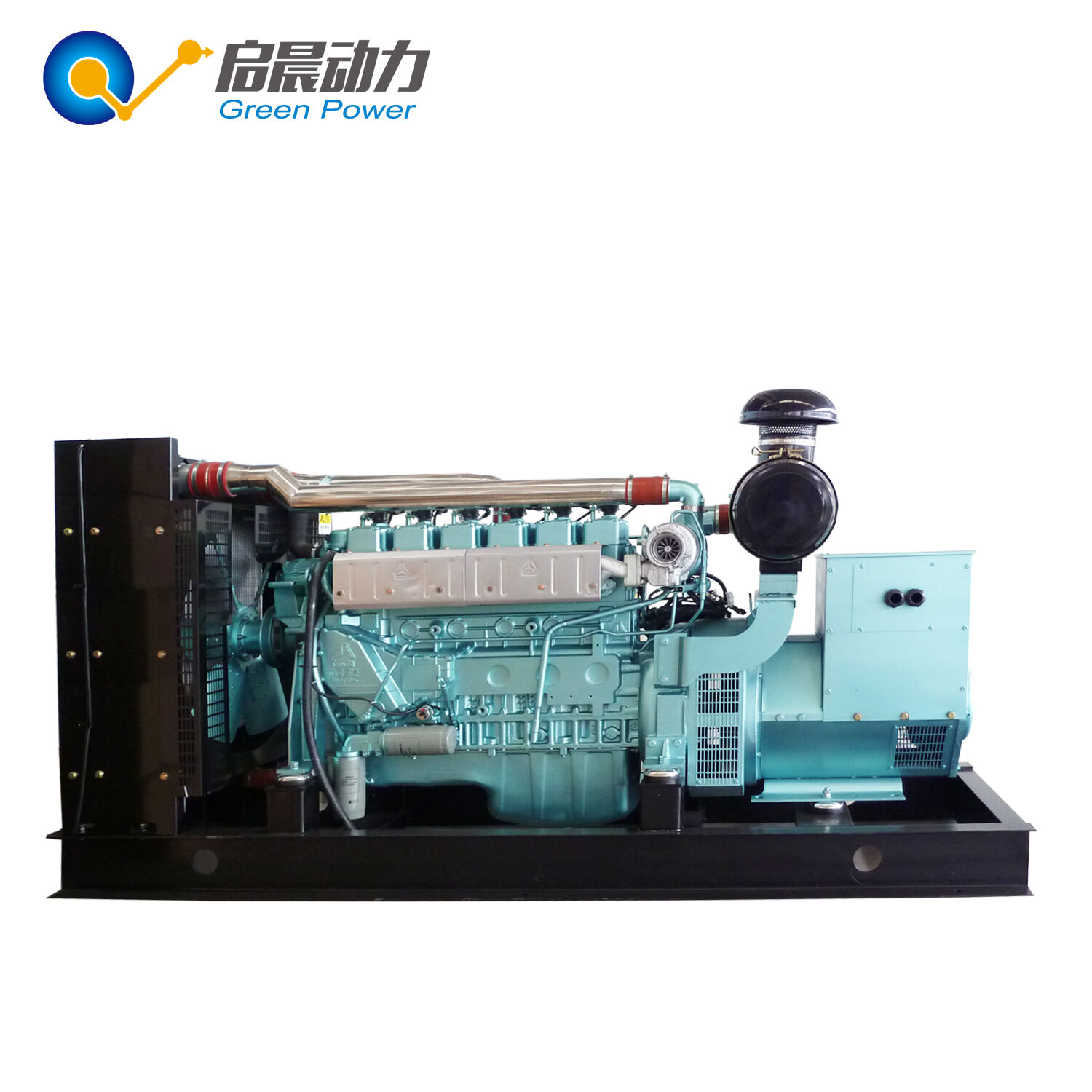
Gas fired generators are advanced power generation systems that utilize natural gas, propane, or biogas as fuel to produce electricity efficiently and reliably. These generators operate by combusting gas fuel in an internal combustion engine or gas turbine, which drives an alternator to convert mechanical energy into electrical power. Gas fired generators have become increasingly popular across residential, commercial, and industrial applications due to their exceptional fuel efficiency, lower emissions compared to diesel alternatives, and ability to provide continuous or standby power. Modern gas fired generators incorporate sophisticated control systems, automatic transfer switches, and load management capabilities that ensure seamless power delivery during grid outages or peak demand periods. These systems are available in various capacities, ranging from small residential units producing a few kilowatts to large industrial installations generating several megawatts. The technology behind gas fired generators includes advanced combustion chambers, precision fuel injection systems, and emission control technologies that meet stringent environmental regulations. Many models feature combined heat and power capabilities, allowing simultaneous electricity generation and thermal energy recovery for heating applications. Gas fired generators offer significant operational advantages including quick start-up times, reduced maintenance requirements compared to diesel engines, and the flexibility to connect to existing natural gas infrastructure or utilize stored propane tanks. Their versatility makes them suitable for emergency backup power, continuous base load generation, peak shaving applications, and remote site electrification where grid connection is impractical or unavailable.

New Products

Investing in gas fired generators delivers substantial cost savings through lower fuel expenses, as natural gas typically costs less than diesel or gasoline on an energy-equivalent basis. These generators produce significantly fewer emissions, including reduced carbon dioxide, nitrogen oxides, and particulate matter, helping your facility meet environmental compliance standards while supporting sustainability initiatives. The operational efficiency of gas fired generators translates to extended runtime capabilities and reduced fuel consumption, making them ideal for both emergency backup and continuous power generation scenarios. Maintenance costs remain notably lower because gas combustion produces fewer carbon deposits and contaminants, resulting in longer oil change intervals, reduced engine wear, and extended component lifespan. Gas fired generators operate more quietly than diesel alternatives, making them suitable for noise-sensitive environments such as hospitals, schools, and residential neighborhoods. The fuel supply advantage is considerable since natural gas infrastructure provides uninterrupted fuel availability without concerns about fuel degradation, storage tank requirements, or refueling logistics that challenge liquid fuel systems. These generators start rapidly and reach full load capacity within minutes, ensuring minimal power interruption during grid failures or planned outages. Their scalability allows businesses to select appropriate capacity levels matching specific power requirements without oversizing equipment, optimizing initial investment and operational expenses. Gas fired generators integrate seamlessly with renewable energy systems, providing reliable backup when solar or wind resources are unavailable. The technology supports cogeneration applications where waste heat recovery enhances overall system efficiency, potentially achieving combined efficiencies exceeding 80 percent. For facilities with existing natural gas connections, installation costs decrease substantially since fuel infrastructure already exists, eliminating expensive fuel storage systems and associated permitting requirements.

Tips And Tricks

LPG Generator for Off-Grid Sites: Why Propane Power Is a Reliable Choice

01

May

LPG Generator for Off-Grid Sites: Why Propane Power Is a Reliable Choice

When power infrastructure is unavailable or unreliable, an LPG generator stands out as one of the most practical and dependable solutions for off-grid sites. Whether the application involves a remote construction camp, an agricultural facility, a min...
View More
LPG Generator Sizing Guide: Matching Output to Your Power Load Requirements

15

May

LPG Generator Sizing Guide: Matching Output to Your Power Load Requirements

Choosing the right LPG generator is one of the most consequential decisions a facility manager, contractor, or business owner can make. An undersized LPG generator will struggle under load, cause voltage instability, and risk equipment damage. An ove...
View More
How to Select a CHP Gas Generator Supplier: Technical Criteria and Contract Essentials

27

May

How to Select a CHP Gas Generator Supplier: Technical Criteria and Contract Essentials

Choosing the right supplier for a CHP gas generator is one of the most consequential procurement decisions an energy or facilities manager will make. A CHP gas generator combines heat and power production in a single system, meaning the technical dep...
View More
Qichen Power APG Generator Solutions for Oilfield and Upstream Applications

22

May

Qichen Power APG Generator Solutions for Oilfield and Upstream Applications

In oilfield and upstream energy environments, reliable on-site power is not a convenience — it is a critical operational requirement. An APG generator addresses this requirement by converting associated petroleum gas — the gas released as...
View More

Send Us a Message

We'll reply within 24 hours
Email
Mobile Or WhatsApp
Name
Company Name
Message
0/1000

gas fired generators

Superior Environmental Performance and Regulatory Compliance

Superior Environmental Performance and Regulatory Compliance

Gas fired generators represent the cleanest fossil fuel power generation option available, producing approximately 50 percent less carbon dioxide than equivalent diesel generators and virtually eliminating harmful particulate emissions that affect air quality. This environmental advantage becomes increasingly critical as governments implement stricter emission standards and carbon reduction mandates. Facilities operating gas fired generators benefit from simplified permitting processes, reduced environmental monitoring requirements, and potential eligibility for green energy incentives or carbon credits. The cleaner combustion process means surrounding communities experience improved air quality, making these systems ideal for urban installations, healthcare facilities, educational institutions, and environmentally conscious organizations. Modern gas fired generators incorporate advanced emission control technologies including three-way catalysts and lean-burn combustion systems that further minimize nitrogen oxide emissions. Organizations committed to sustainability goals find that gas fired generators provide reliable power while supporting corporate environmental responsibility initiatives and reducing their carbon footprint. The environmental benefits extend beyond air quality, as gas fuel eliminates risks of soil and groundwater contamination associated with diesel fuel storage and handling, providing comprehensive environmental protection.
Exceptional Fuel Flexibility and Supply Reliability

Exceptional Fuel Flexibility and Supply Reliability

Gas fired generators offer unmatched fuel versatility, operating efficiently on natural gas from utility pipelines, liquefied petroleum gas from storage tanks, or renewable biogas from agricultural or waste management operations. This flexibility provides energy security and operational continuity regardless of fuel market fluctuations or supply disruptions. Facilities connected to natural gas infrastructure enjoy virtually unlimited fuel supply without storage concerns, delivery scheduling, or fuel quality degradation issues that affect liquid fuel systems. For remote locations, propane storage offers extended autonomous operation with fuel that remains stable indefinitely, unlike diesel fuel which deteriorates and requires treatment or replacement. The ability to utilize biogas positions gas fired generators as key components in circular economy initiatives, converting waste streams into valuable electricity while reducing methane emissions from decomposition. Dual-fuel capable models can switch between gas and diesel operation, providing ultimate fuel security for critical applications where power continuity is non-negotiable. This fuel flexibility extends generator utility across diverse applications from agricultural operations processing organic waste to industrial facilities seeking energy independence and cost optimization through strategic fuel selection based on availability and pricing dynamics.
Advanced Technology Integration and Smart Operation

Advanced Technology Integration and Smart Operation

Modern gas fired generators incorporate sophisticated digital control systems, remote monitoring capabilities, and intelligent load management features that optimize performance, enhance reliability, and simplify operation. These smart systems provide real-time performance data, predictive maintenance alerts, and automated diagnostics that identify potential issues before they cause failures, minimizing downtime and repair costs. Remote monitoring through cloud-based platforms allows facility managers to track generator status, fuel consumption, and operational parameters from anywhere, ensuring immediate response to any operational anomaly. Advanced paralleling capabilities enable multiple gas fired generators to operate synchronously, sharing load demands efficiently while providing redundancy and scalability for growing power requirements. Integration with building management systems allows automated demand response, peak shaving, and strategic load shifting that reduce utility costs and improve overall energy efficiency. Gas fired generators equipped with combined heat and power systems capture waste heat for space heating, water heating, or industrial processes, dramatically improving total system efficiency and return on investment. The technological sophistication extends to automatic transfer switches that detect power outages within milliseconds and seamlessly transition critical loads to generator power, ensuring uninterrupted operation for sensitive equipment and processes requiring continuous electricity supply.

Send Us a Message

We'll reply within 24 hours
Email
Mobile Or WhatsApp
Name
Company Name
Message
0/1000