Gas Genset Solutions for Reliable Power

Send Us a Message

We'll reply within 24 hours
Email
Mobile Or WhatsApp
Name
Company Name
Message
0/1000

gas genset

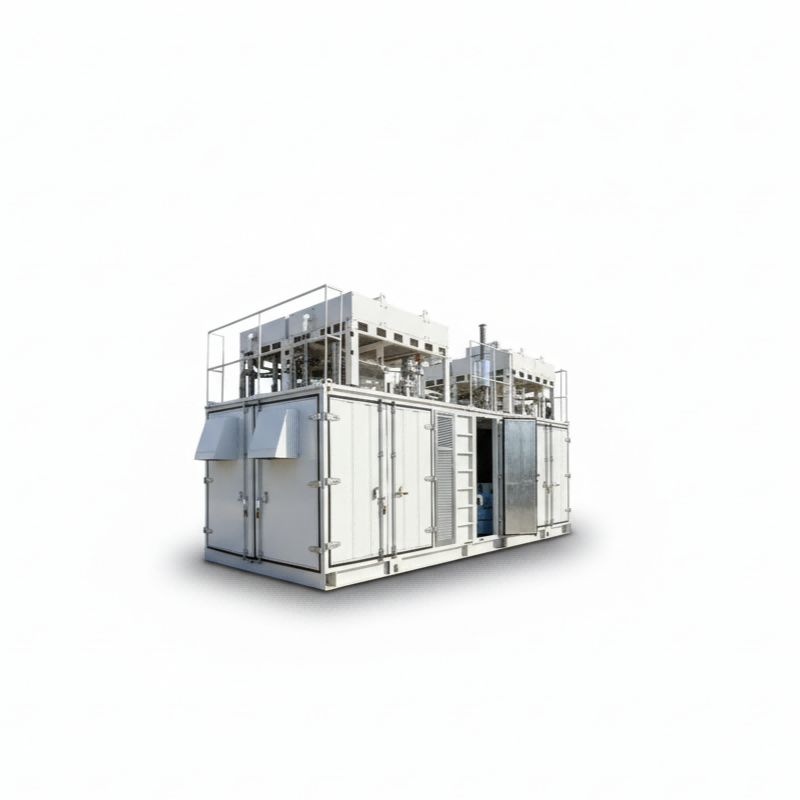
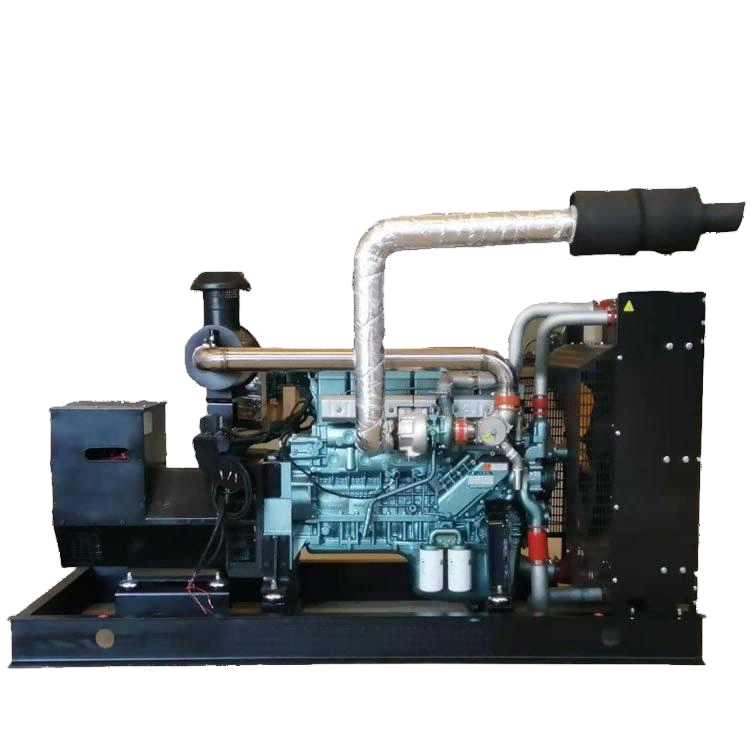
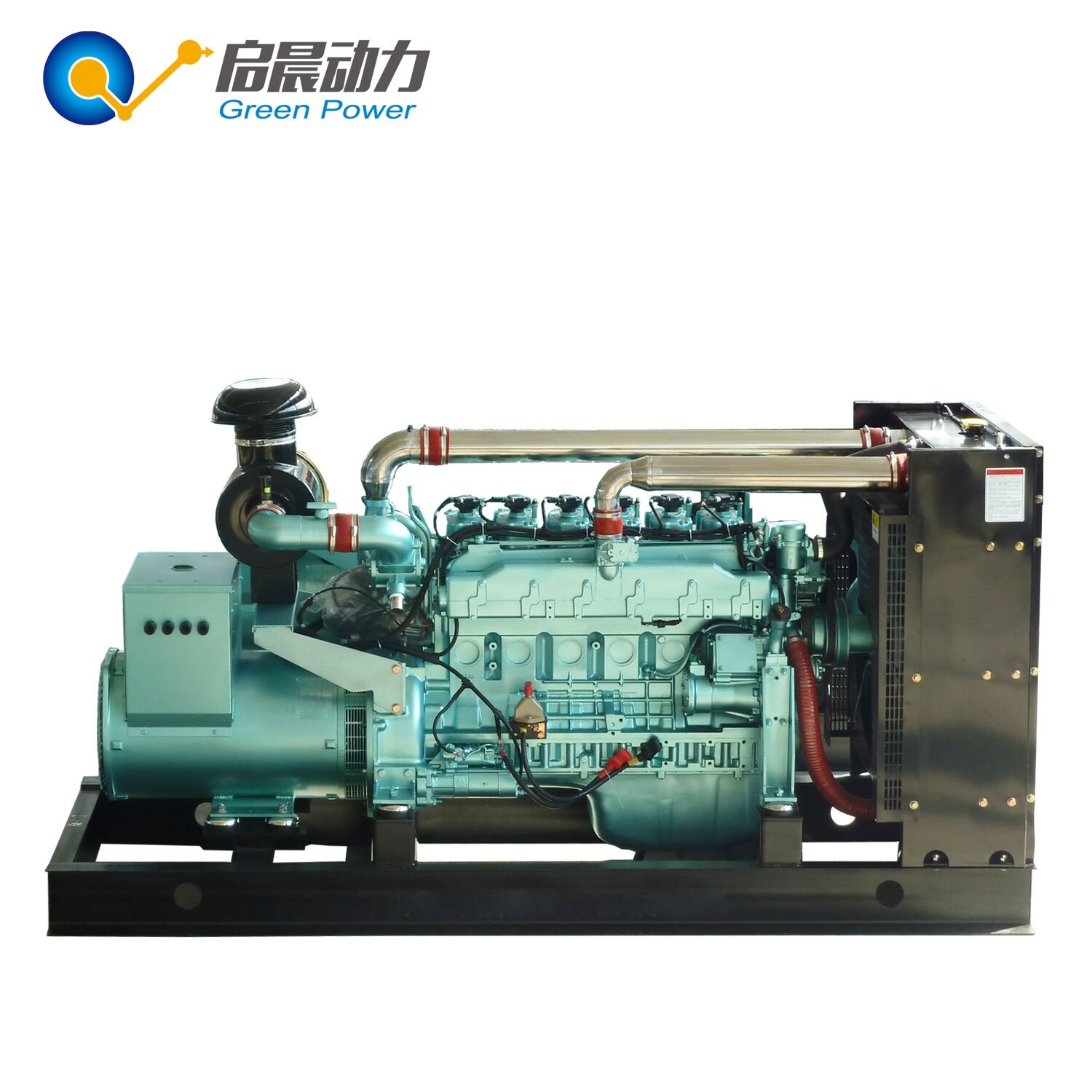
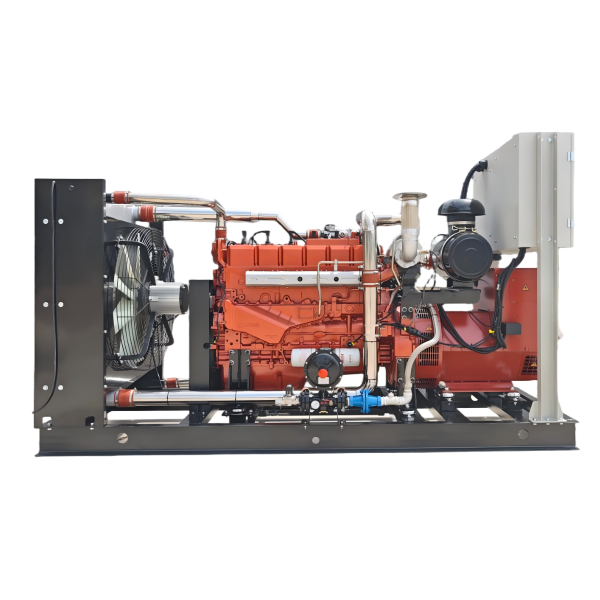
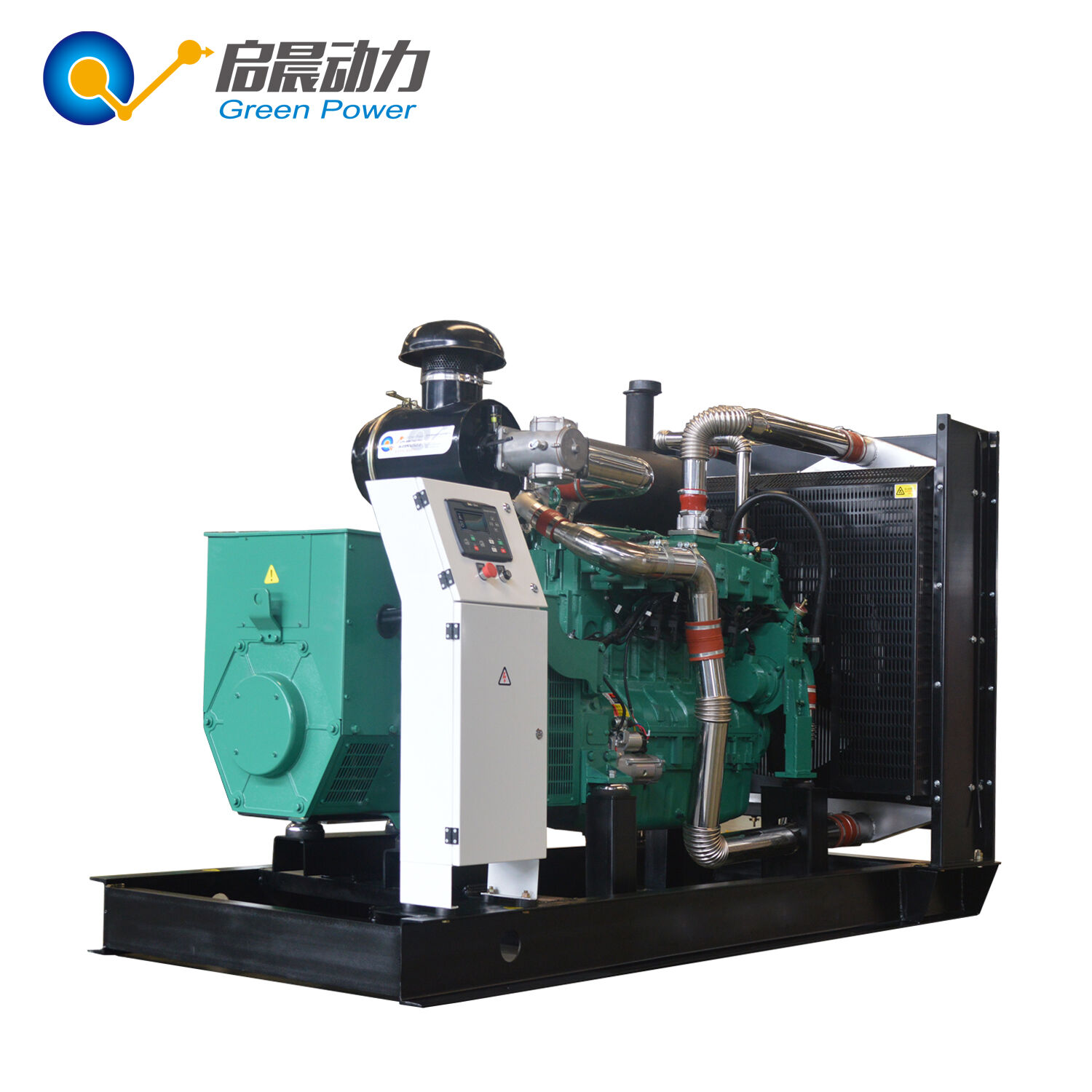
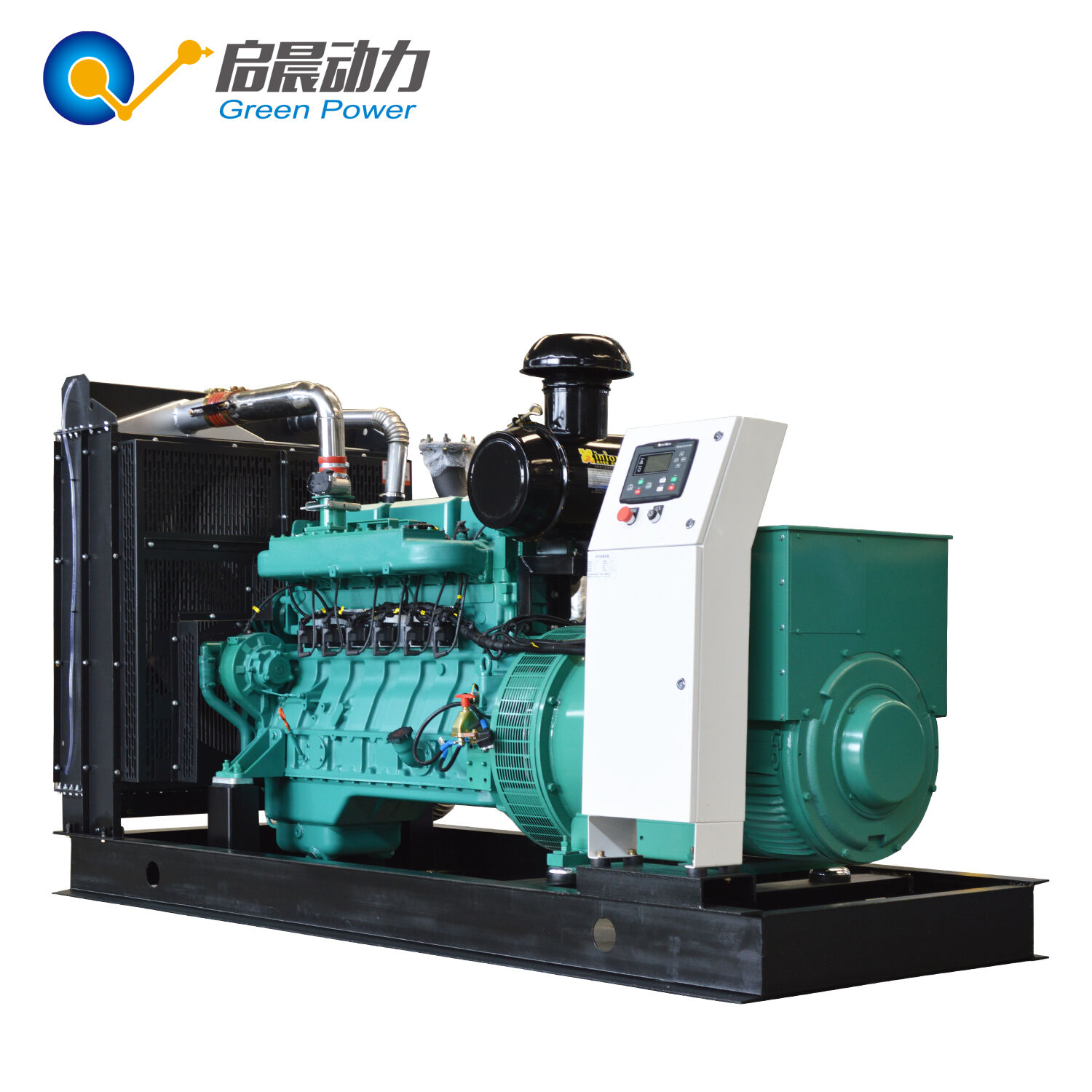
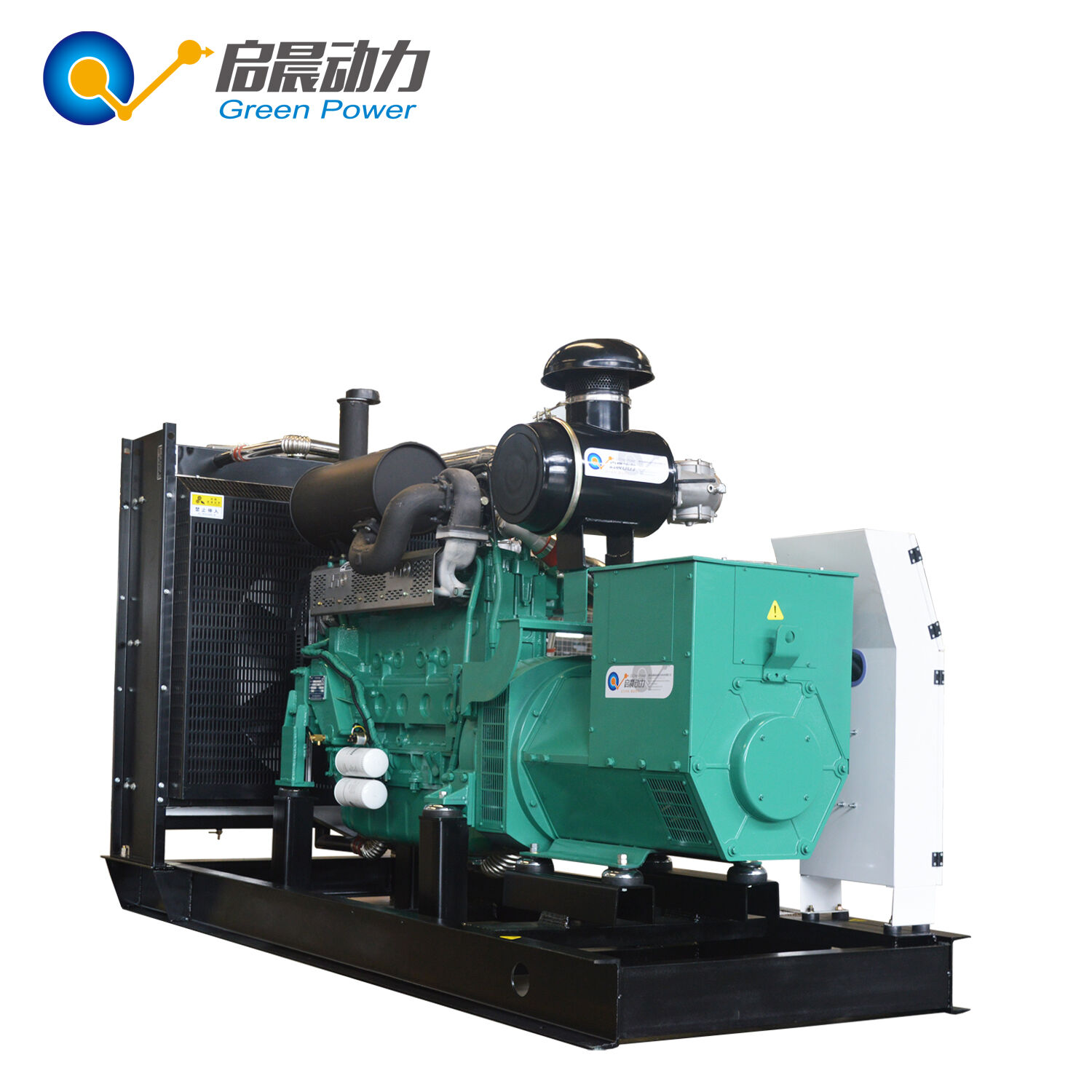
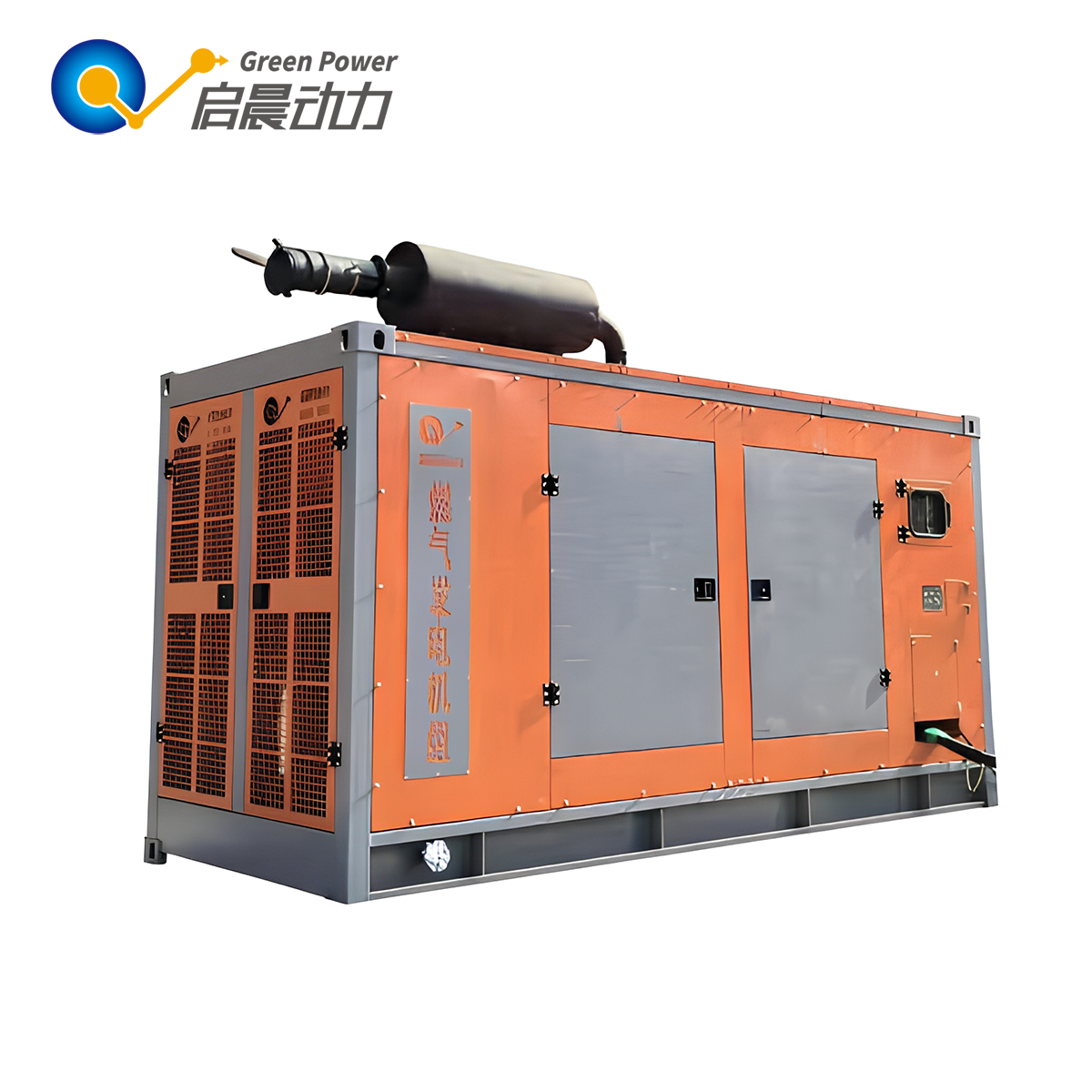
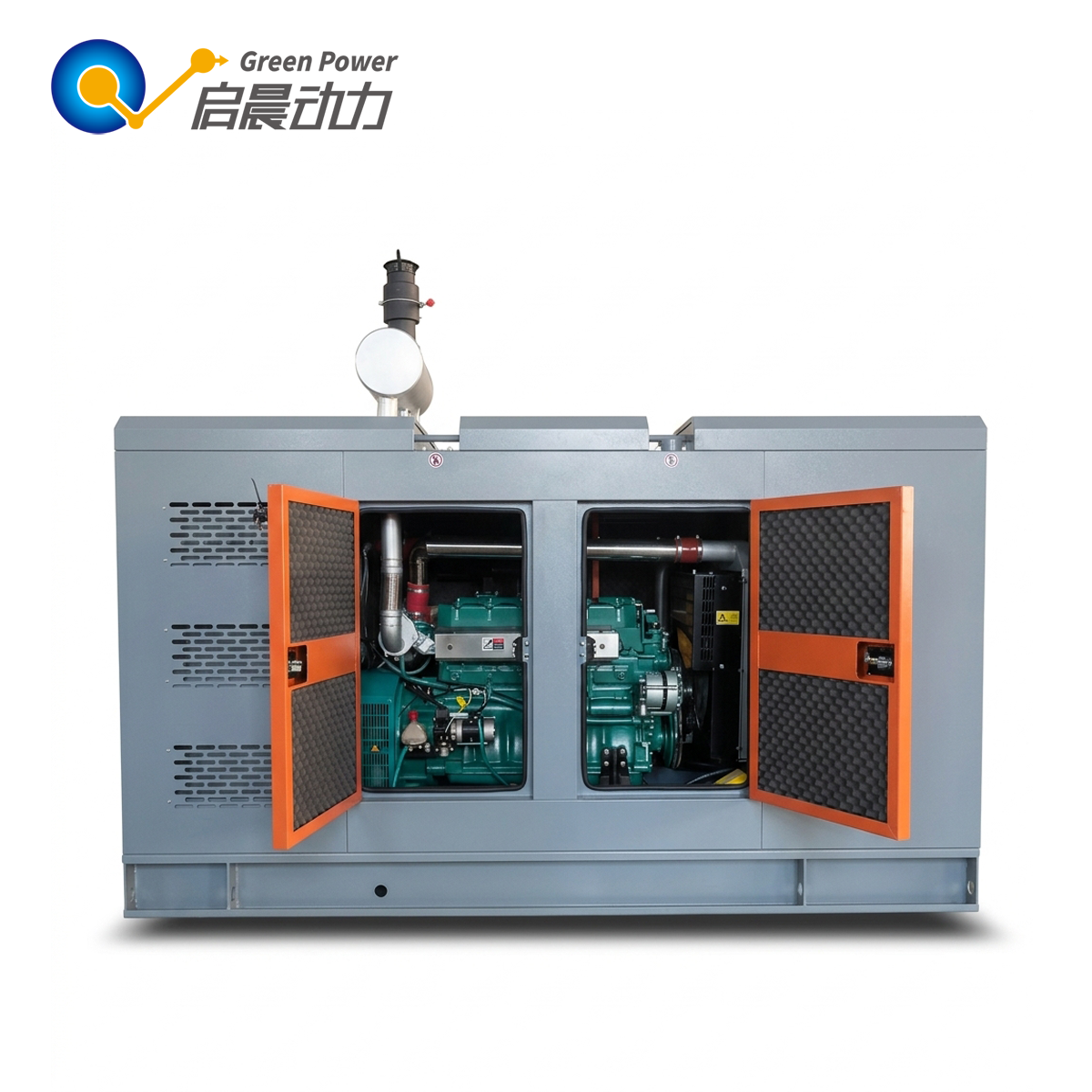
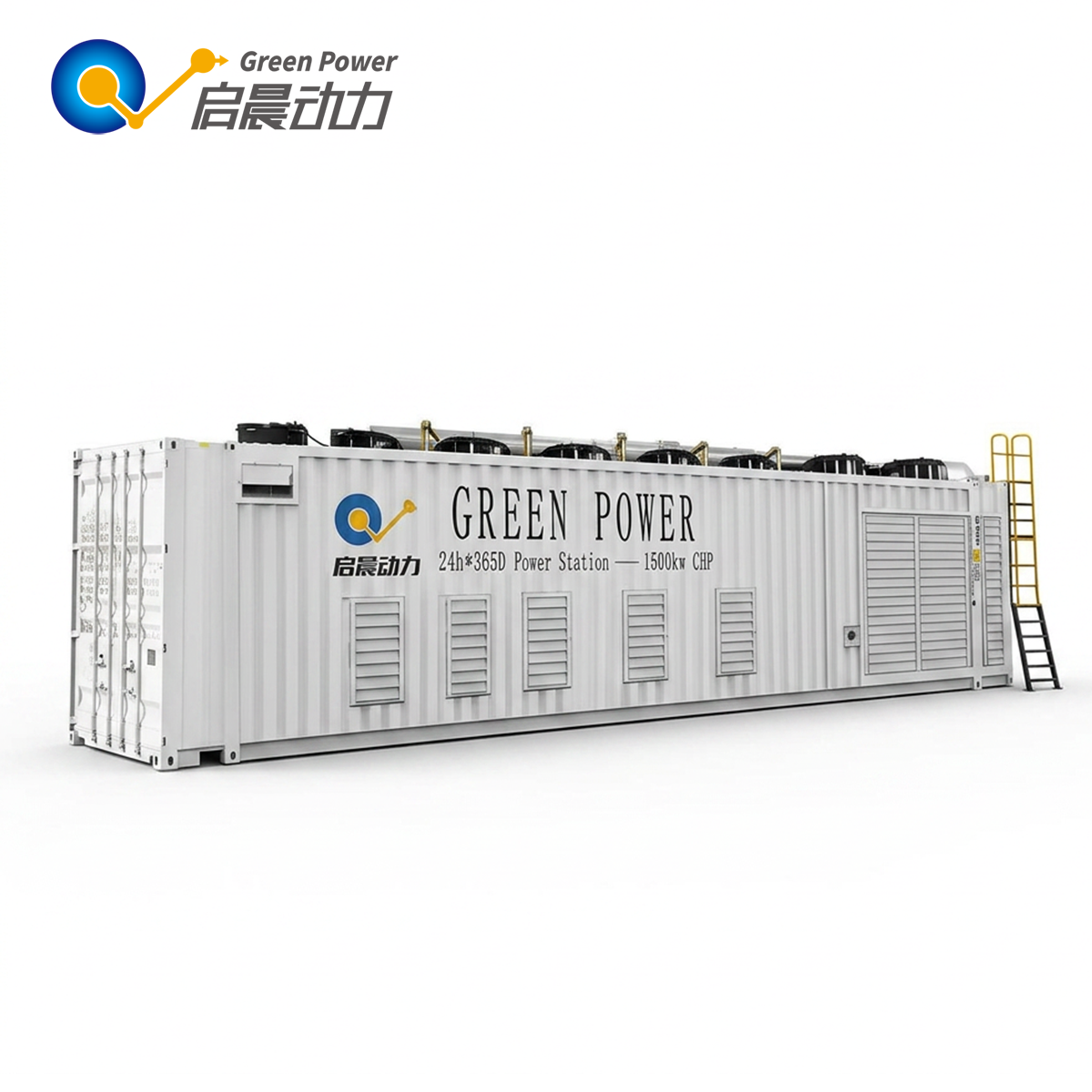
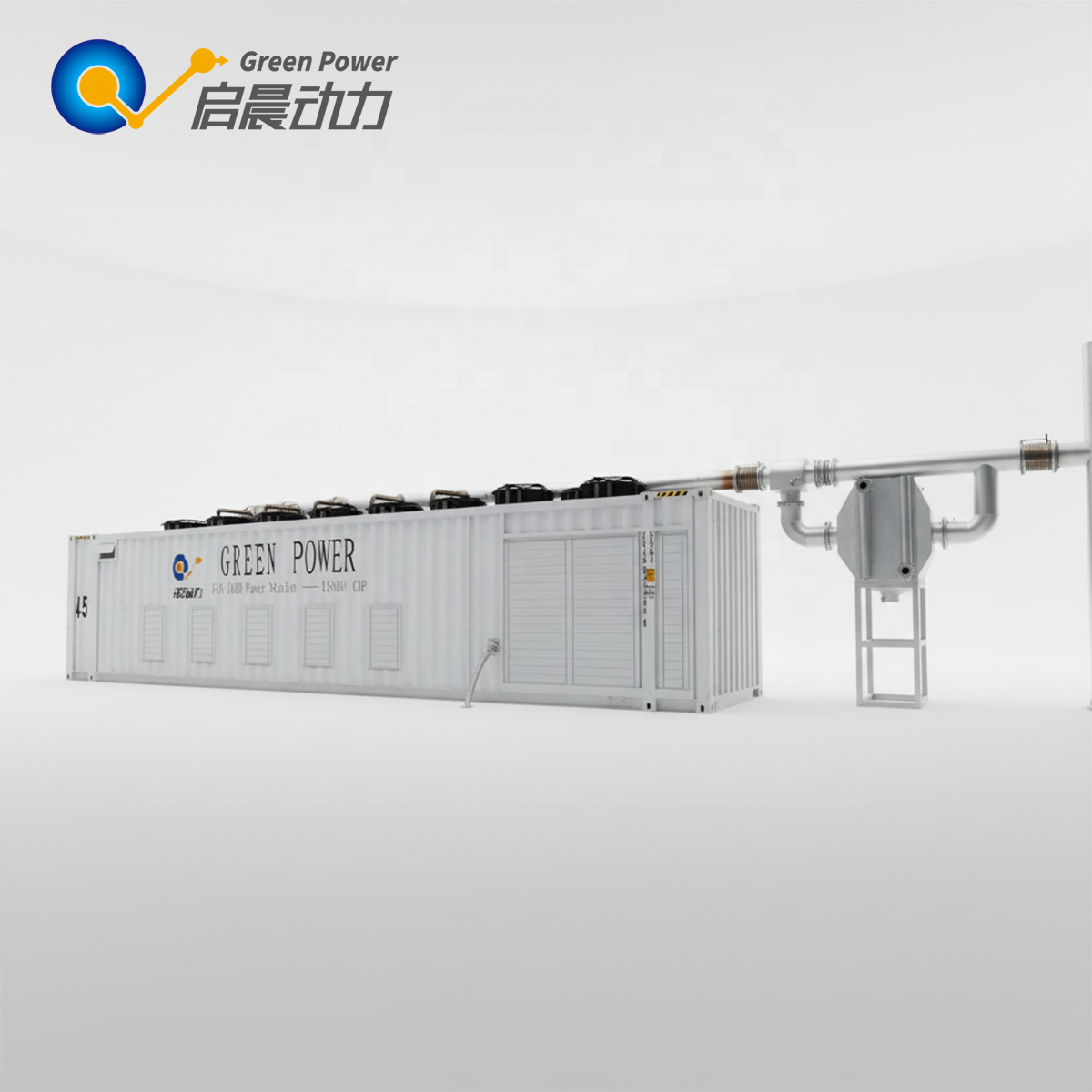
A gas genset is a power generation system that uses natural gas, propane, or biogas as its primary fuel source to produce electricity. This advanced equipment combines a gas engine with an electric generator to deliver reliable, continuous power for residential, commercial, and industrial applications. The gas genset operates by combusting gaseous fuel in an internal combustion engine, which drives the generator to convert mechanical energy into electrical power. Modern gas genset units feature sophisticated control systems that monitor performance parameters, manage load distribution, and ensure optimal fuel efficiency. These systems incorporate advanced ignition technology, turbocharging capabilities, and emission control mechanisms to meet stringent environmental standards. The gas genset design includes cooling systems, exhaust management components, and automatic synchronization features for seamless integration with existing power grids. Available in various power output ranges from small residential units generating a few kilowatts to large industrial gas genset installations producing several megawatts, these systems serve diverse energy needs. The technology supports both standby and prime power applications, making the gas genset suitable for emergency backup during outages, continuous operation in remote locations, and combined heat and power installations. With the growing emphasis on cleaner energy solutions, the gas genset represents a practical transition technology that offers lower emissions compared to diesel alternatives while maintaining operational flexibility and cost-effectiveness for modern power generation requirements.

New Product Recommendations

Choosing a gas genset delivers substantial cost savings through lower fuel expenses, as natural gas typically costs less than diesel or gasoline while providing comparable energy output. The gas genset produces significantly fewer emissions, releasing up to 50 percent less carbon dioxide and nearly eliminating particulate matter compared to diesel generators, helping your facility meet environmental regulations and corporate sustainability goals. You benefit from quieter operation, as the gas genset runs with reduced noise levels that minimize workplace disruption and comply with residential area sound restrictions. Maintenance requirements decrease substantially because gaseous fuel burns cleaner, preventing carbon buildup and extending engine life while reducing service intervals and associated downtime. The gas genset starts reliably in cold weather conditions without fuel gelling issues that plague diesel systems, ensuring dependable power when you need it most. Fuel storage becomes simpler and safer, as the gas genset connects directly to existing natural gas pipelines, eliminating the need for on-site fuel tanks, delivery scheduling, and spillage concerns. Your operational flexibility increases with the gas genset ability to handle variable loads efficiently, adjusting output smoothly to match demand fluctuations without excessive fuel consumption. Long-term ownership costs remain lower due to extended component lifespan, reduced maintenance expenses, and stable fuel pricing. The gas genset offers dual-fuel capability options, allowing operation on either natural gas or propane, providing fuel flexibility and enhanced energy security for critical applications where uninterrupted power is essential for business continuity and operational success.

Practical Tips

Natural Gas Generator Installation Guide: From Site Planning to First Power-On

04

May

Natural Gas Generator Installation Guide: From Site Planning to First Power-On

Installing a natural gas generator is a significant infrastructure decision that demands careful planning, precise execution, and a clear understanding of local codes. Whether you are equipping an industrial facility, a commercial building, or a remo...
View More
LPG Generator Sizing Guide: Matching Output to Your Power Load Requirements

15

May

LPG Generator Sizing Guide: Matching Output to Your Power Load Requirements

Choosing the right LPG generator is one of the most consequential decisions a facility manager, contractor, or business owner can make. An undersized LPG generator will struggle under load, cause voltage instability, and risk equipment damage. An ove...
View More
Natural Gas Generator ROI Calculator: Is It the Right Investment for Your Business?

19

May

Natural Gas Generator ROI Calculator: Is It the Right Investment for Your Business?

Deciding whether a natural gas generator is the right investment for your business requires more than a gut feeling. It demands a clear-eyed look at upfront costs, ongoing fuel savings, operational reliability, and how long it takes to recover your c...
View More
How to Select a CHP Gas Generator Supplier: Technical Criteria and Contract Essentials

27

May

How to Select a CHP Gas Generator Supplier: Technical Criteria and Contract Essentials

Choosing the right supplier for a CHP gas generator is one of the most consequential procurement decisions an energy or facilities manager will make. A CHP gas generator combines heat and power production in a single system, meaning the technical dep...
View More

Send Us a Message

We'll reply within 24 hours
Email
Mobile Or WhatsApp
Name
Company Name
Message
0/1000

gas genset

Superior Environmental Performance and Compliance

Superior Environmental Performance and Compliance

The gas genset delivers exceptional environmental benefits that help businesses reduce their carbon footprint while maintaining reliable power generation capabilities. By utilizing clean-burning gaseous fuels, the gas genset produces substantially lower emissions of harmful pollutants including nitrogen oxides, sulfur dioxide, and particulate matter compared to traditional diesel generators. This cleaner combustion process results in reduced greenhouse gas emissions, supporting corporate environmental initiatives and helping facilities achieve sustainability certifications. The gas genset meets increasingly strict emissions regulations without requiring expensive aftertreatment systems, simplifying compliance and reducing capital investment. Modern gas genset technology incorporates lean-burn combustion techniques and three-way catalytic converters that further minimize environmental impact. Facilities using the gas genset can qualify for green building credits, environmental incentives, and favorable regulatory treatment in air quality non-attainment zones. The reduced emissions profile makes the gas genset ideal for installation in urban settings, hospitals, schools, and residential areas where air quality concerns are paramount. By choosing the gas genset, organizations demonstrate environmental responsibility while securing dependable power generation that aligns with stakeholder expectations and regulatory requirements for cleaner energy solutions.
Extended Service Life and Reduced Maintenance

Extended Service Life and Reduced Maintenance

The gas genset offers remarkable durability and minimal maintenance requirements that translate directly into lower total cost of ownership over the equipment lifespan. Clean-burning gaseous fuel prevents the carbon deposits and sludge accumulation that typically plague liquid-fueled engines, allowing the gas genset to operate with significantly less wear on critical components. Engine oil remains cleaner for longer periods, extending oil change intervals and reducing lubricant consumption. The gas genset experiences less thermal stress due to more uniform combustion temperatures, protecting cylinder heads, pistons, and valves from premature degradation. Spark plugs in the gas genset last considerably longer than diesel injectors, reducing replacement frequency and maintenance costs. The absence of fuel filters, water separators, and fuel polishing requirements simplifies the maintenance schedule for the gas genset, allowing facility staff to focus on productive activities rather than generator upkeep. Typical overhaul intervals for the gas genset extend to 60,000 hours or more under proper operating conditions, compared to 30,000 hours for comparable diesel units. This extended service life maximizes return on investment while minimizing downtime for repairs. The gas genset reliability ensures consistent performance throughout its operational life, providing peace of mind for critical power applications where equipment failure is not an option.
Fuel Flexibility and Operational Convenience

Fuel Flexibility and Operational Convenience

The gas genset provides unmatched fuel versatility and operational simplicity that enhances energy security and reduces logistical challenges. Direct connection to natural gas pipelines eliminates fuel delivery coordination, storage tank requirements, and fuel quality concerns that complicate diesel generator operation. The gas genset can operate continuously without refueling interruptions, making it ideal for prime power applications and extended emergency situations. For locations without pipeline access, the gas genset readily adapts to propane or liquefied natural gas supplies, offering installation flexibility across diverse geographic settings. Many gas genset models feature automatic fuel switching capability, seamlessly transitioning between gas sources or to backup diesel operation without power interruption. This fuel flexibility ensures the gas genset continues generating power regardless of supply disruptions or fuel availability challenges. The absence of on-site fuel storage eliminates environmental liability concerns, groundwater contamination risks, and regulatory compliance burdens associated with bulk fuel management. Operators appreciate the gas genset simplicity, as these systems require no fuel quality testing, no biocide treatments, and no tank cleaning schedules. Cold-weather starting reliability remains excellent, as gaseous fuel maintains consistent properties across temperature ranges. The gas genset ready availability of fuel through existing utility infrastructure makes these systems exceptionally convenient for businesses seeking reliable power generation without operational complexity.

Send Us a Message

We'll reply within 24 hours
Email
Mobile Or WhatsApp
Name
Company Name
Message
0/1000