Generator Using Natural Gas - Reliable Power

Send Us a Message

We'll reply within 24 hours
Email
Mobile Or WhatsApp
Name
Company Name
Message
0/1000

generator using natural gas

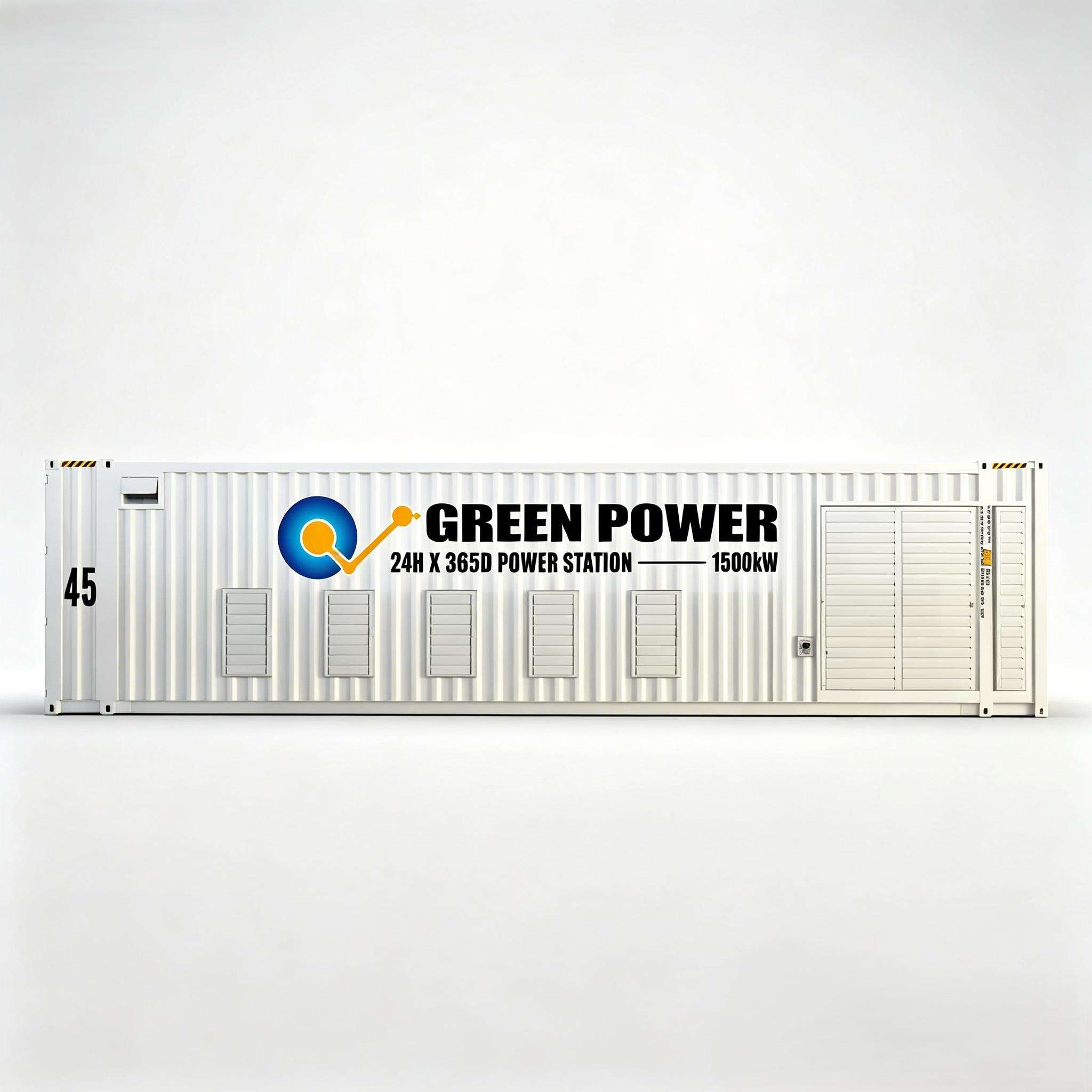
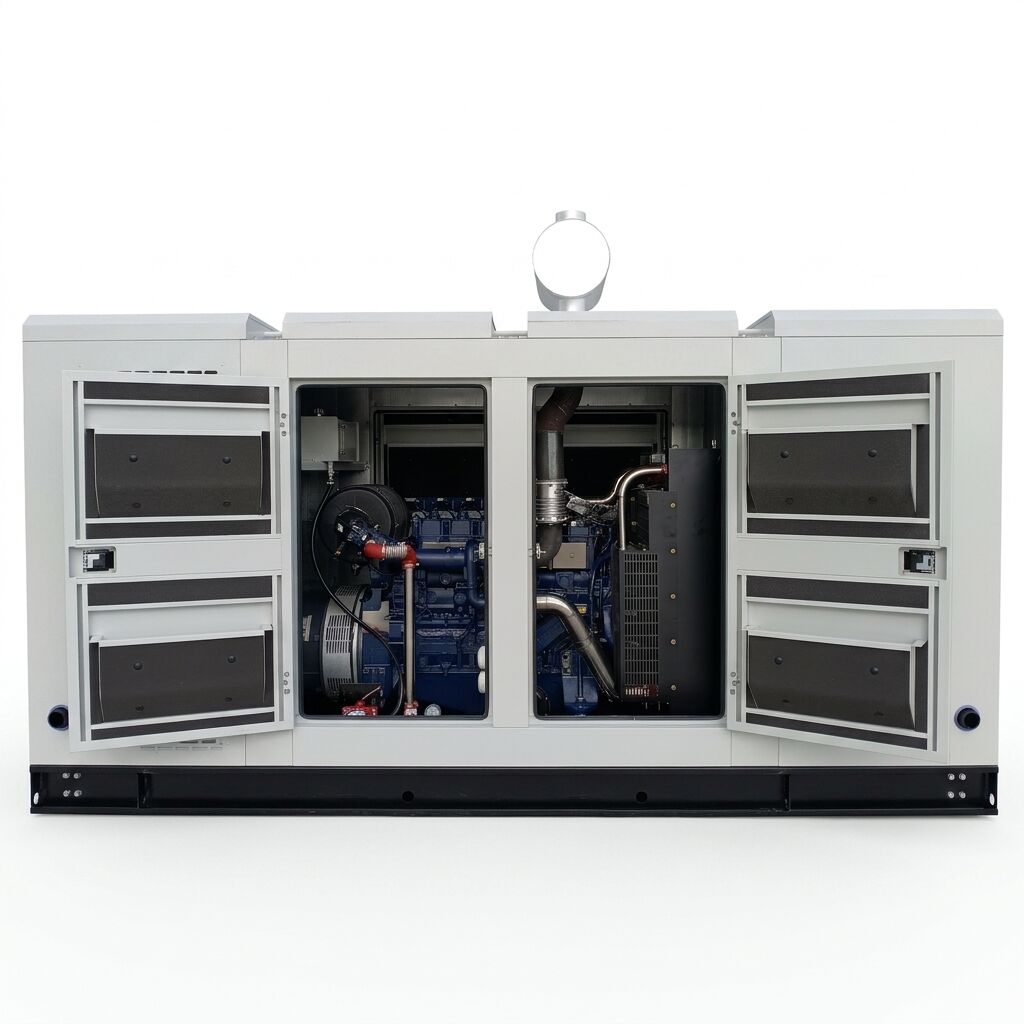
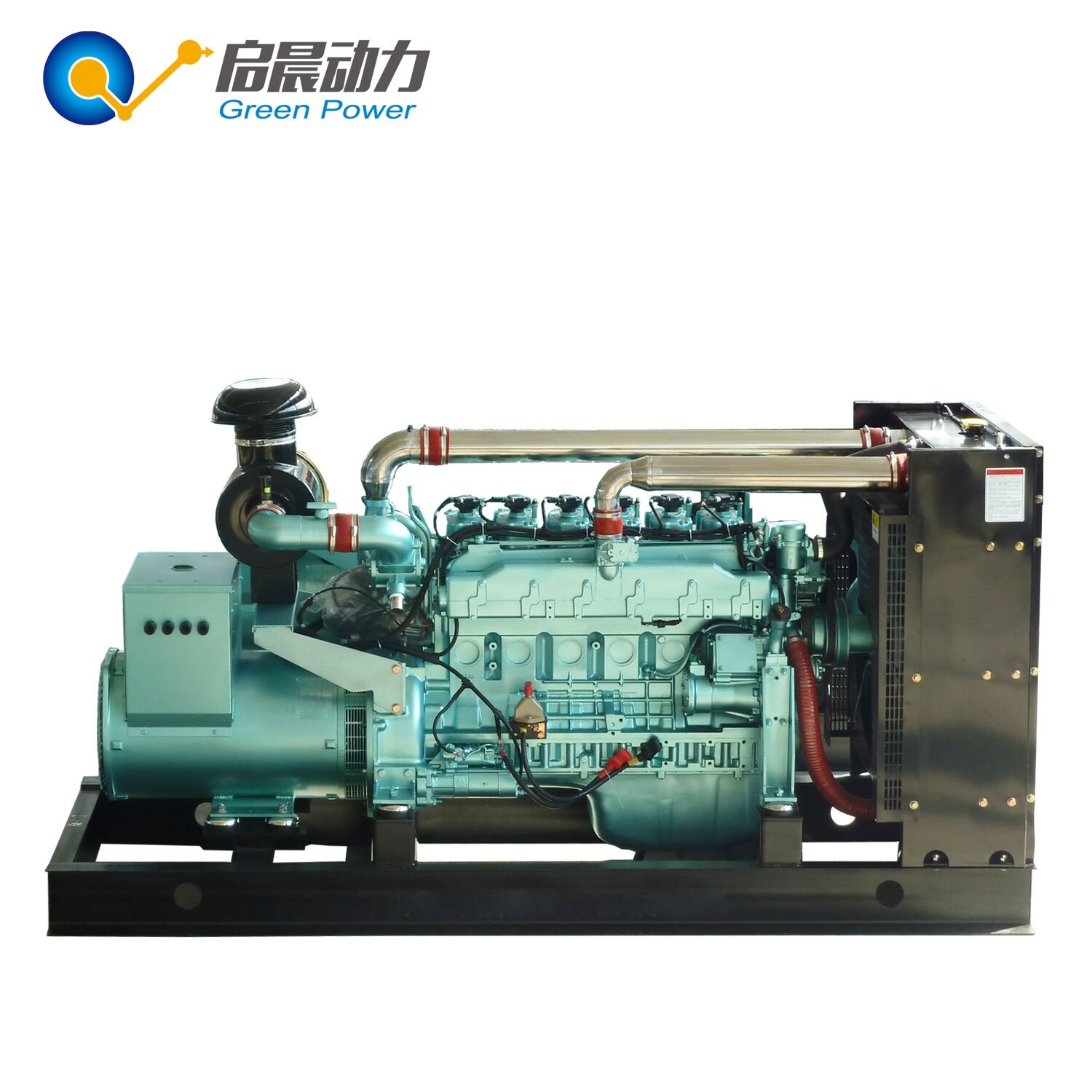
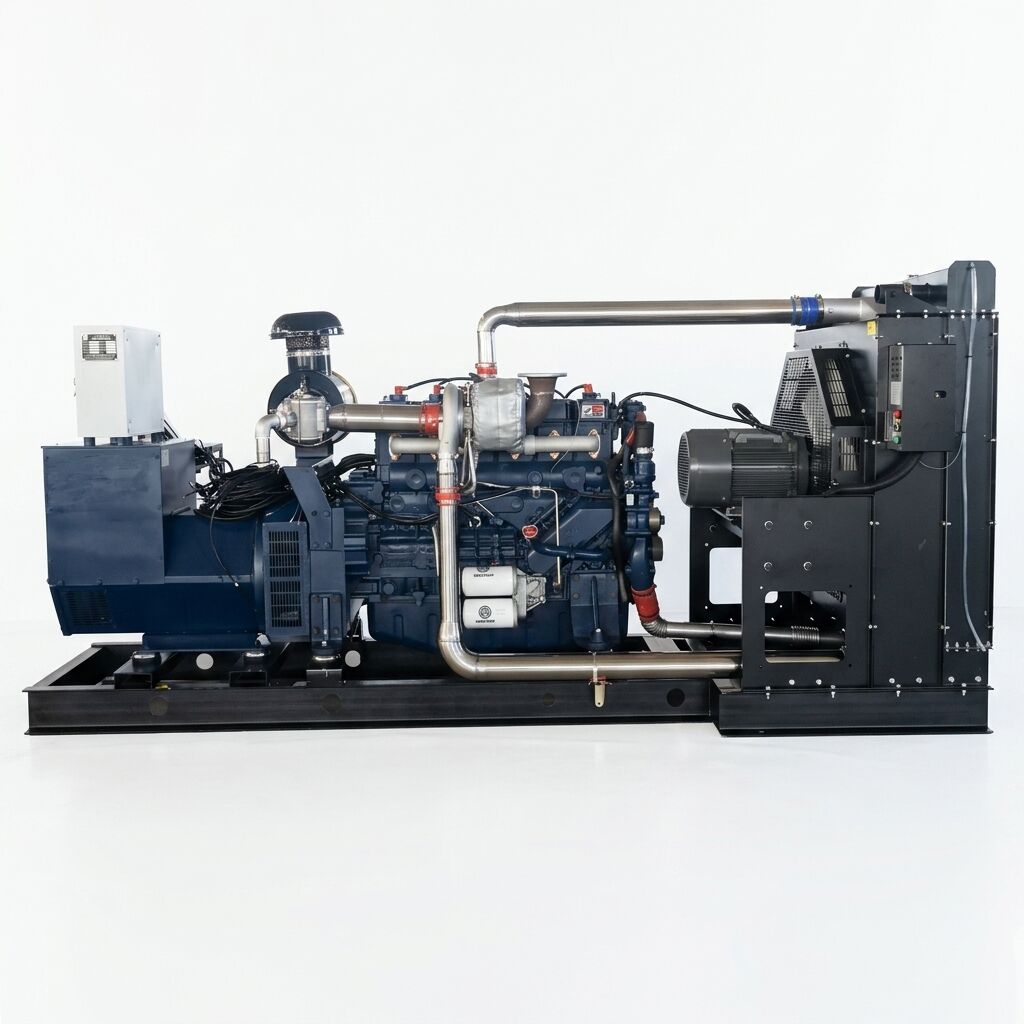
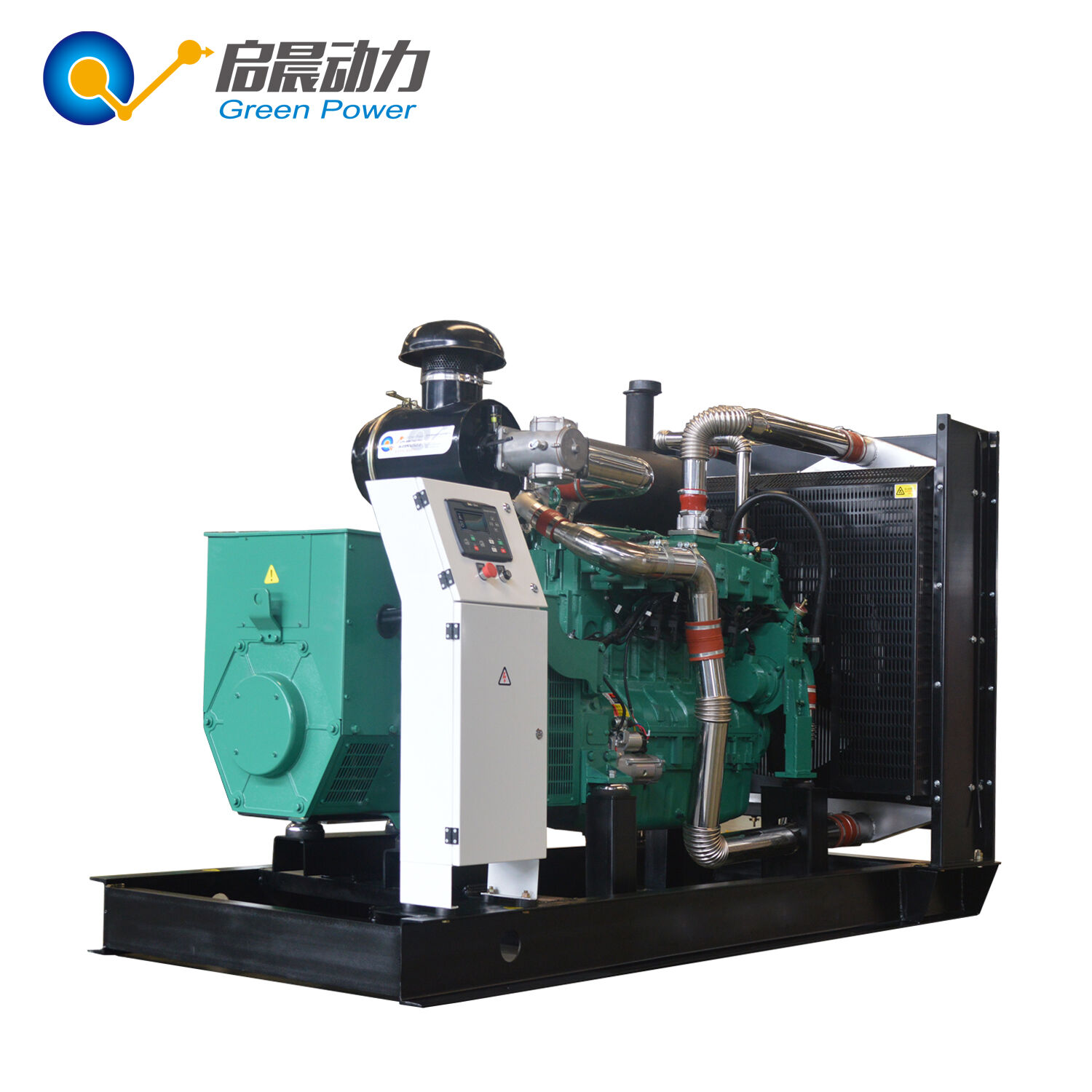
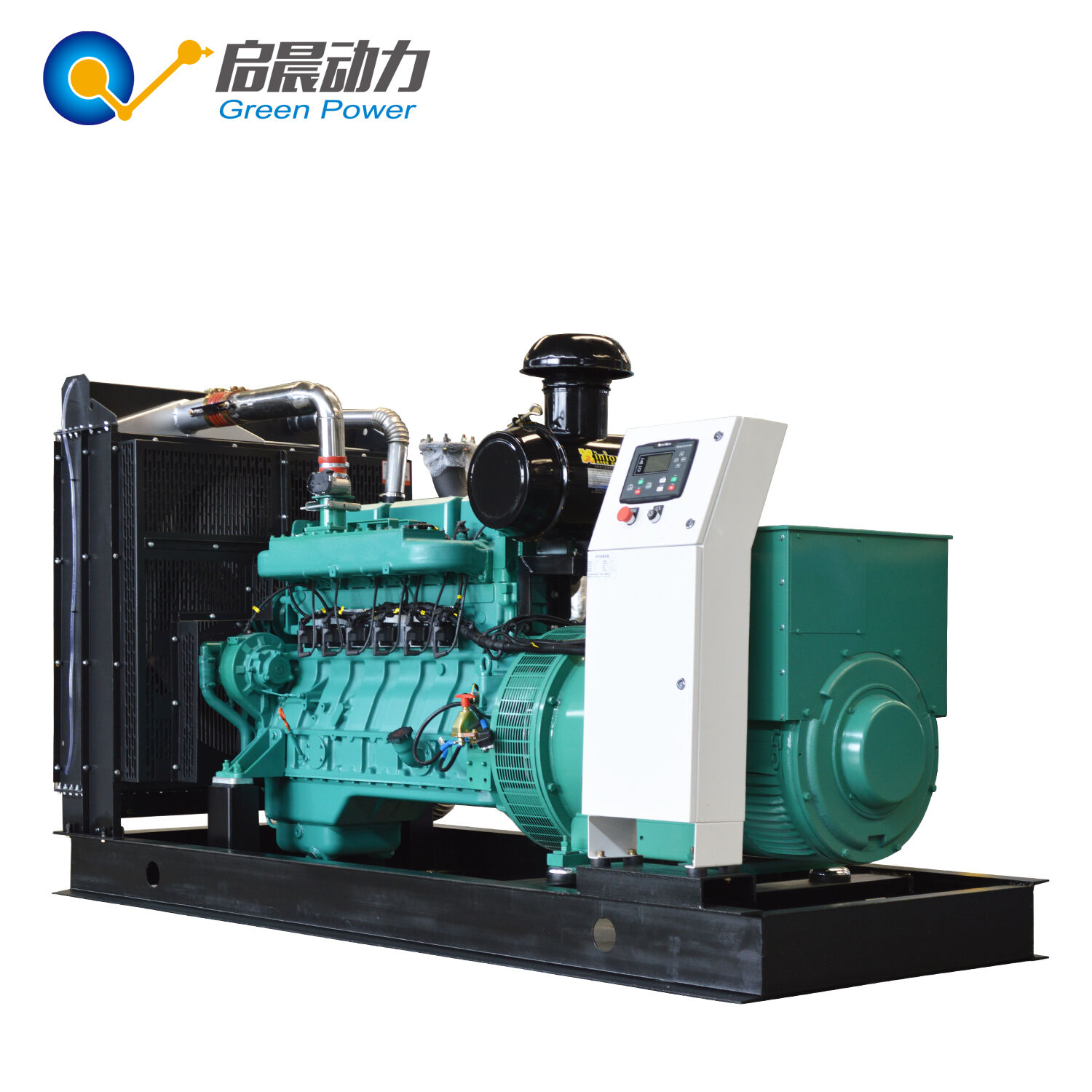
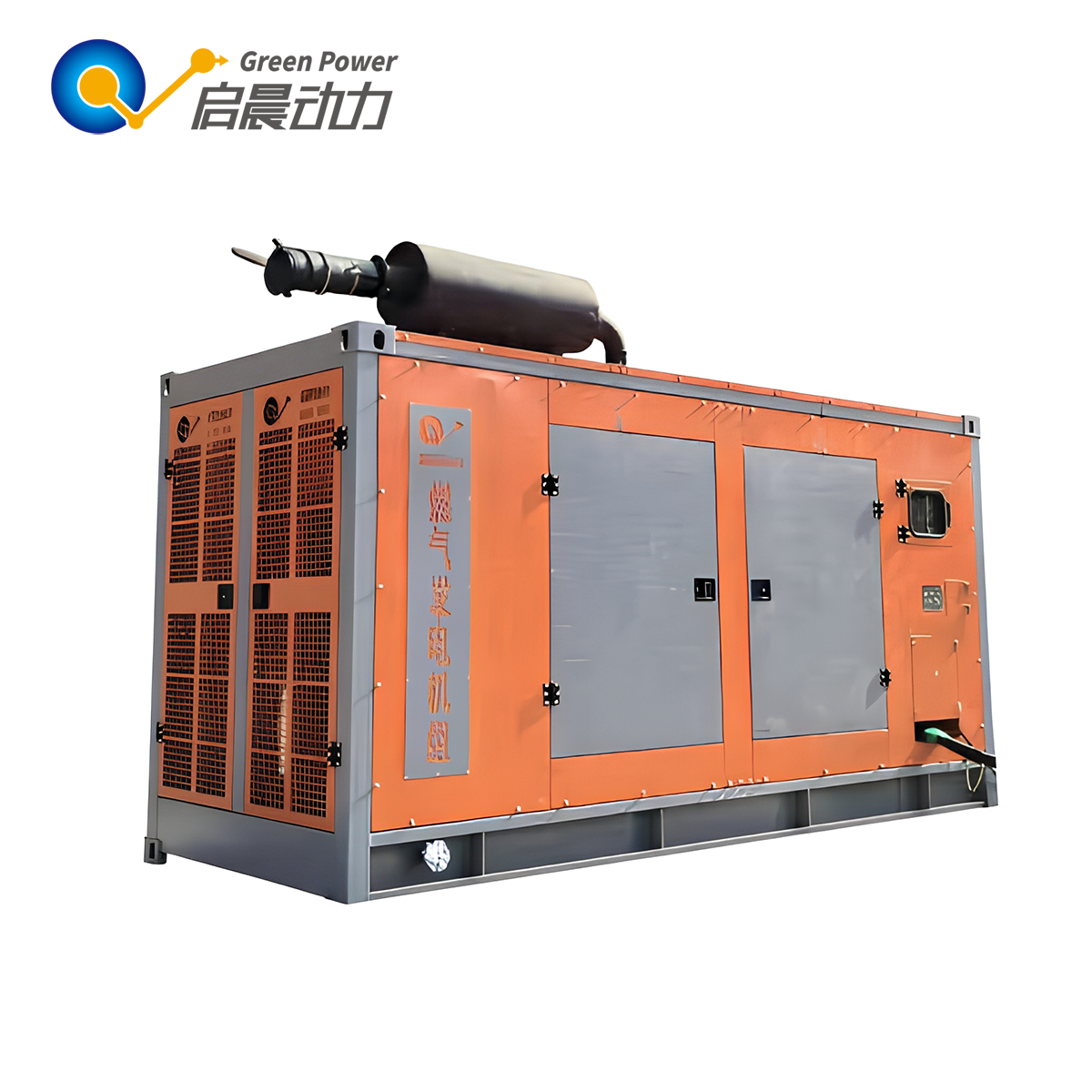
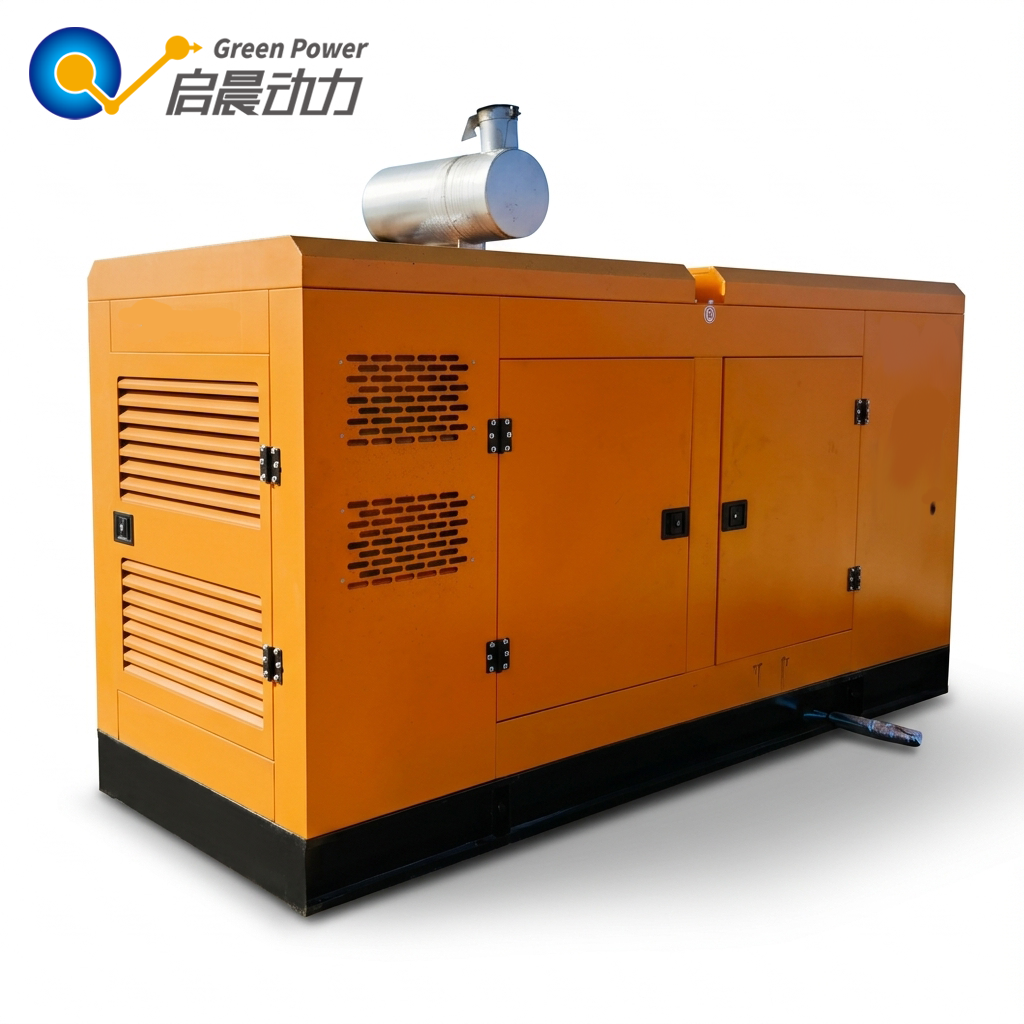
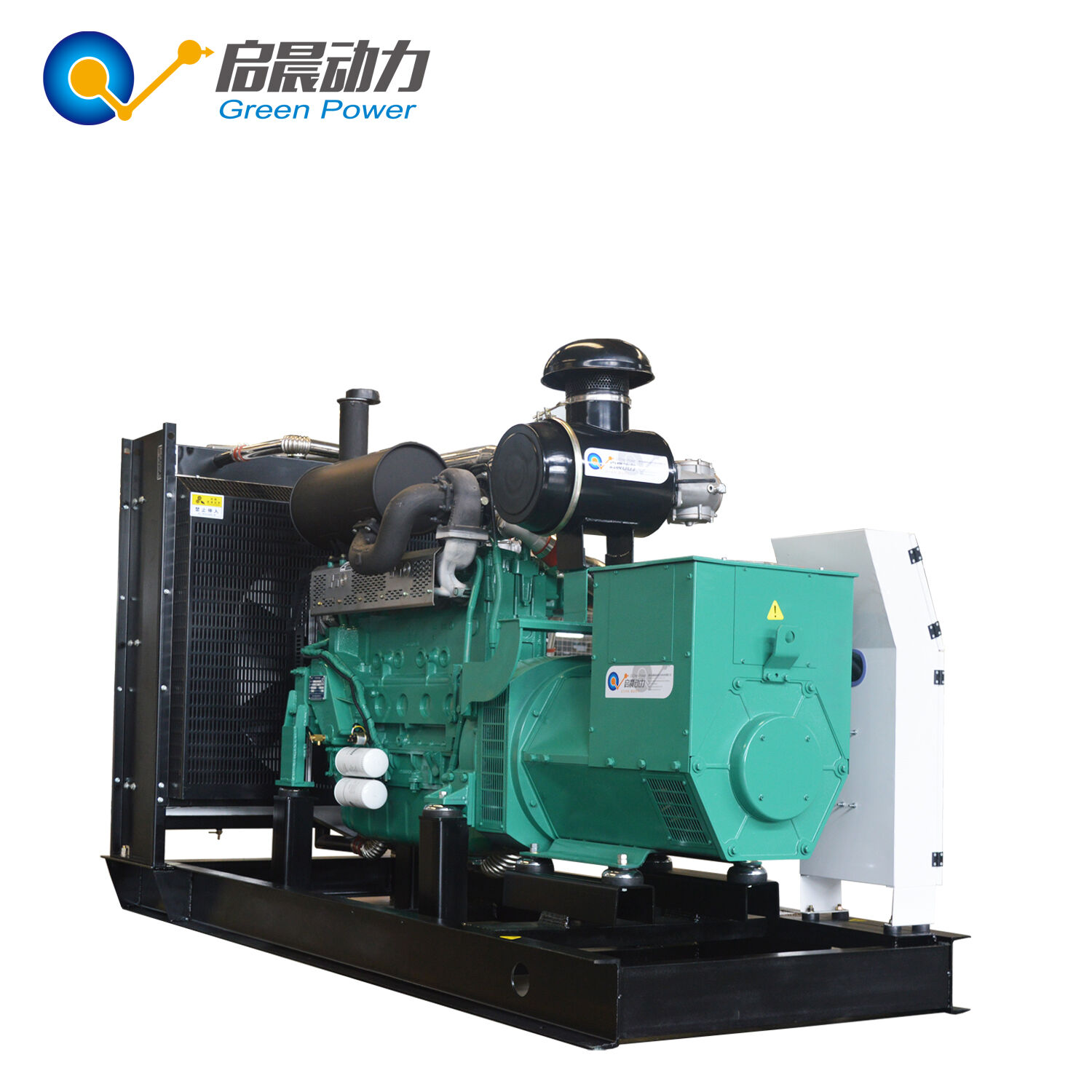
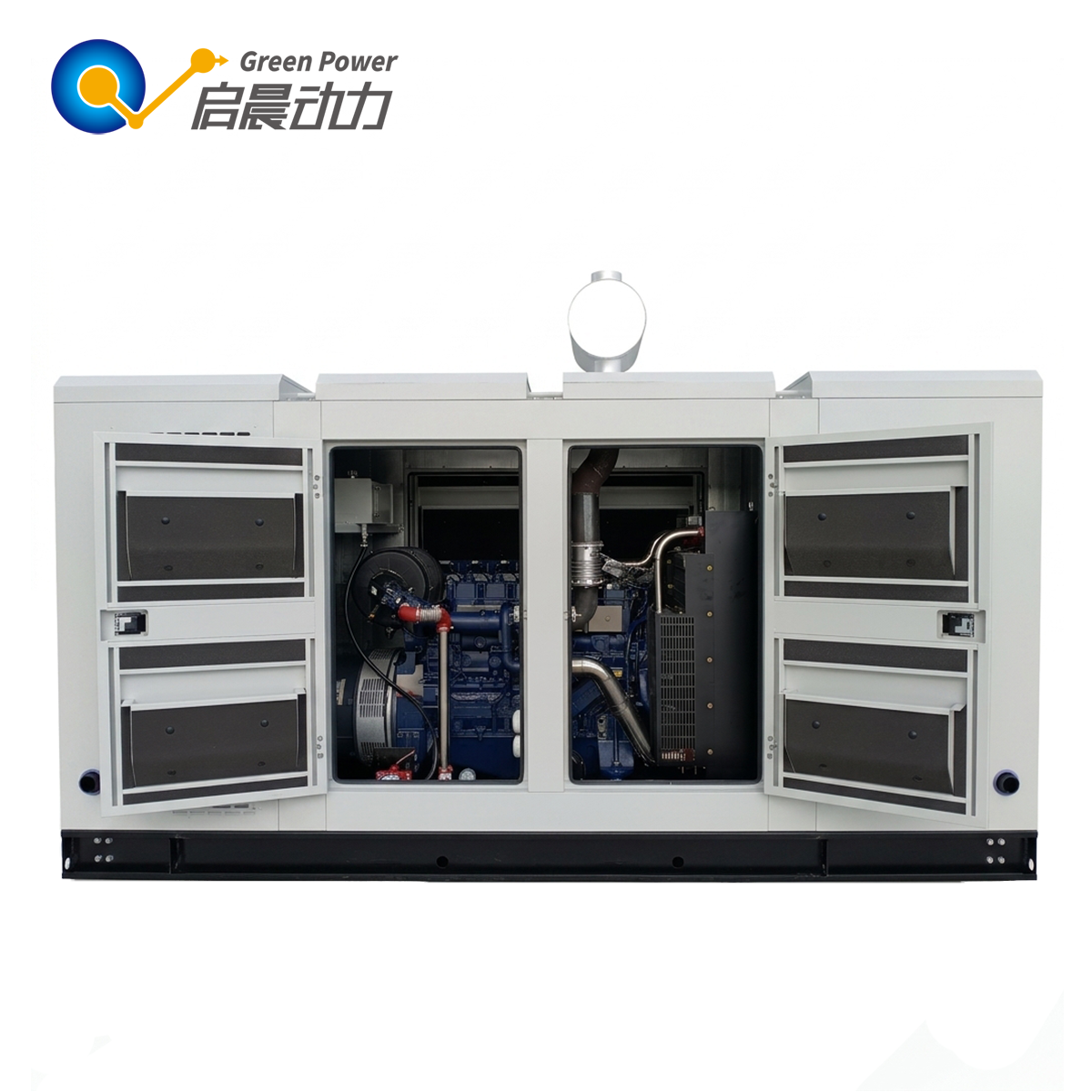
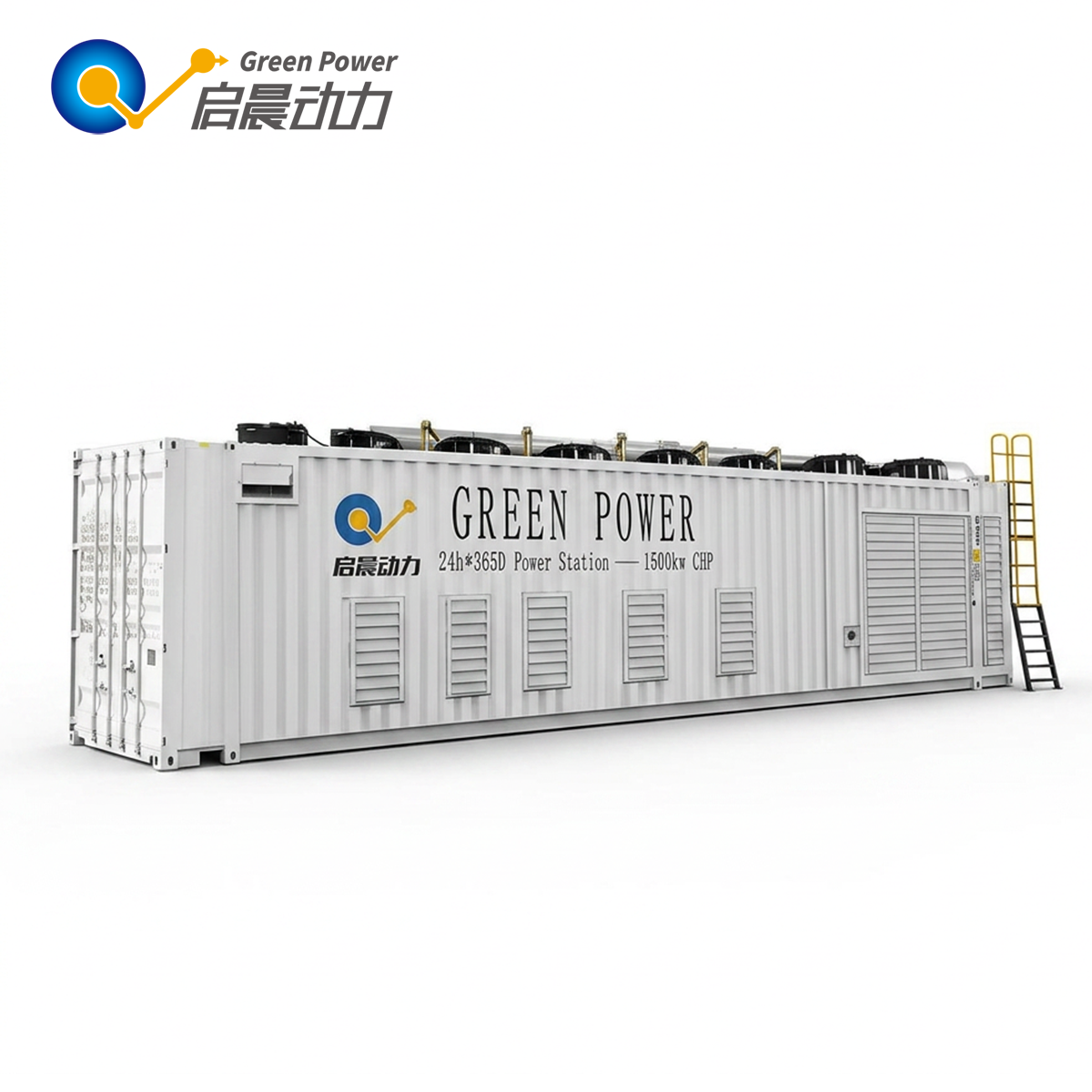
A generator using natural gas is a reliable power generation system that converts natural gas fuel into electrical energy through an internal combustion engine or turbine. This equipment serves as both a primary power source and backup solution for residential, commercial, and industrial applications. The generator using natural gas operates by burning natural gas to drive an engine connected to an alternator, producing consistent electricity for various power demands. Modern natural gas generators feature advanced control systems that monitor performance, adjust fuel consumption, and ensure optimal efficiency during operation. These systems include automatic transfer switches that detect power outages and seamlessly transition to generator power within seconds. The generator using natural gas incorporates emission control technologies to minimize environmental impact while delivering dependable power. Technological features include electronic fuel injection for precise combustion control, digital monitoring displays for real-time performance tracking, and weather-resistant enclosures for outdoor installation. Many models offer remote monitoring capabilities through smartphone applications, allowing users to check generator status from any location. The generator using natural gas can be configured for continuous operation or standby use depending on specific requirements. Applications range from powering entire facilities during grid failures to providing supplemental energy during peak demand periods, making it an essential component for energy security across multiple sectors.

New Products

Choosing a generator using natural gas provides significant cost savings compared to diesel or gasoline alternatives. Natural gas prices remain relatively stable and typically lower than liquid fuels, reducing your long-term operational expenses substantially. The fuel delivery system connects directly to existing natural gas infrastructure, eliminating the need for on-site fuel storage tanks, regular fuel deliveries, and concerns about fuel degradation over time. This generator using natural gas requires less frequent maintenance than diesel units because natural gas burns cleaner, producing fewer carbon deposits and contaminants that can damage engine components. You will experience extended service intervals, reduced oil changes, and lower maintenance costs throughout the equipment's lifespan. The cleaner combustion process means your generator using natural gas produces significantly lower emissions of nitrogen oxides, particulate matter, and carbon monoxide, helping your facility meet environmental regulations and sustainability goals. Operational benefits include quieter performance compared to diesel generators, making them suitable for residential areas and noise-sensitive locations. The continuous fuel supply from gas pipelines ensures your generator using natural gas can operate indefinitely during extended outages without manual refueling, providing true peace of mind for critical applications. Starting reliability improves in cold weather since natural gas does not gel or thicken like diesel fuel, ensuring dependable performance regardless of temperature conditions. These generators suit diverse applications including hospitals requiring uninterrupted power, data centers protecting critical information systems, manufacturing facilities maintaining production continuity, and residential properties seeking whole-house backup solutions. The decision to invest in a generator using natural gas delivers practical value through reduced fuel costs, simplified logistics, environmental compliance, and operational reliability that protects your essential power needs.

Latest News

Natural Gas Generator Installation Guide: From Site Planning to First Power-On

04

May

Natural Gas Generator Installation Guide: From Site Planning to First Power-On

Installing a natural gas generator is a significant infrastructure decision that demands careful planning, precise execution, and a clear understanding of local codes. Whether you are equipping an industrial facility, a commercial building, or a remo...
View More
LPG Generator Sizing Guide: Matching Output to Your Power Load Requirements

15

May

LPG Generator Sizing Guide: Matching Output to Your Power Load Requirements

Choosing the right LPG generator is one of the most consequential decisions a facility manager, contractor, or business owner can make. An undersized LPG generator will struggle under load, cause voltage instability, and risk equipment damage. An ove...
View More
How to Select a CHP Gas Generator Supplier: Technical Criteria and Contract Essentials

27

May

How to Select a CHP Gas Generator Supplier: Technical Criteria and Contract Essentials

Choosing the right supplier for a CHP gas generator is one of the most consequential procurement decisions an energy or facilities manager will make. A CHP gas generator combines heat and power production in a single system, meaning the technical dep...
View More
Soundproof Generator for Urban and Commercial Sites: Noise Compliance Made Simple

01

Jun

Soundproof Generator for Urban and Commercial Sites: Noise Compliance Made Simple

Noise regulations in urban and commercial environments have never been stricter. Whether you operate a hospital, a hotel, a data center, or a construction site in a densely populated area, running backup or primary power equipment comes with a seriou...
View More

Send Us a Message

We'll reply within 24 hours
Email
Mobile Or WhatsApp
Name
Company Name
Message
0/1000

generator using natural gas

Continuous Fuel Supply Without Storage Concerns

Continuous Fuel Supply Without Storage Concerns

The generator using natural gas connects directly to your existing natural gas pipeline infrastructure, providing an unlimited fuel source that never requires monitoring, refilling, or replacement. Unlike diesel or propane systems that depend on finite on-site fuel tanks, your natural gas generator draws fuel continuously from the utility supply, eliminating the logistical challenges of scheduling fuel deliveries and maintaining adequate reserves. This connection ensures your generator using natural gas can operate for days, weeks, or even months during extended grid outages without any manual intervention for refueling. You avoid the capital expense of installing large fuel storage tanks, the ongoing costs of tank inspections and maintenance, and the safety risks associated with storing large quantities of combustible liquid fuels on your property. The continuous supply also prevents fuel degradation issues that plague stored diesel and gasoline, which can develop contamination, separate into components, or lose combustibility over time. Your generator using natural gas remains ready for immediate operation at any moment without concerns about stale fuel causing starting problems or performance issues during critical emergencies.

Lower Emissions and Environmental Compliance

Lower Emissions and Environmental Compliance

A generator using natural gas produces substantially fewer harmful emissions compared to diesel-powered alternatives, making it the environmentally responsible choice for organizations committed to sustainability and regulatory compliance. Natural gas combustion generates up to 60 percent less carbon dioxide than coal and approximately 30 percent less than diesel fuel, significantly reducing your facility's carbon footprint. The generator using natural gas emits minimal particulate matter, virtually eliminating the visible black smoke associated with diesel generators that can cause air quality concerns in populated areas. Nitrogen oxide emissions decrease by up to 80 percent compared to diesel units, helping you meet increasingly stringent air quality regulations without expensive aftertreatment systems. Many municipalities and jurisdictions now impose strict emission standards that older diesel generators cannot satisfy without costly upgrades, while your generator using natural gas typically meets these requirements with standard factory configurations. This environmental advantage proves especially valuable for facilities in non-attainment areas where emission permits are difficult to obtain or for organizations pursuing LEED certification and other green building standards that reward clean energy choices.
Reduced Maintenance and Operational Simplicity

Reduced Maintenance and Operational Simplicity

The generator using natural gas delivers exceptional operational simplicity with significantly reduced maintenance requirements compared to liquid-fueled alternatives. Natural gas burns much cleaner than diesel or gasoline, producing fewer carbon deposits, sludge, and contaminants that accelerate engine wear and necessitate frequent servicing. Your maintenance schedule extends considerably, with oil changes required less frequently and spark plugs lasting longer due to the absence of fuel-related contamination. The generator using natural gas eliminates fuel system maintenance entirely since there are no fuel filters to replace, no injectors to clean from contaminated fuel, and no fuel tanks to inspect for water accumulation or corrosion. Cold-weather operation becomes effortless because natural gas remains in gaseous form at all temperatures, eliminating the starting difficulties and fuel gelling problems that plague diesel generators during winter months. You avoid the complexity of fuel additives, winterization procedures, and block heaters required for reliable cold-weather diesel operation. The simplified fuel system of your generator using natural gas means fewer components that can fail, reducing unexpected breakdowns and emergency repair costs while maximizing uptime when you need backup power most.

Send Us a Message

We'll reply within 24 hours
Email
Mobile Or WhatsApp
Name
Company Name
Message
0/1000