Genset Gas Engine - Efficient Power Solutions

Send Us a Message

We'll reply within 24 hours
Email
Mobile Or WhatsApp
Name
Company Name
Message
0/1000

genset gas engine

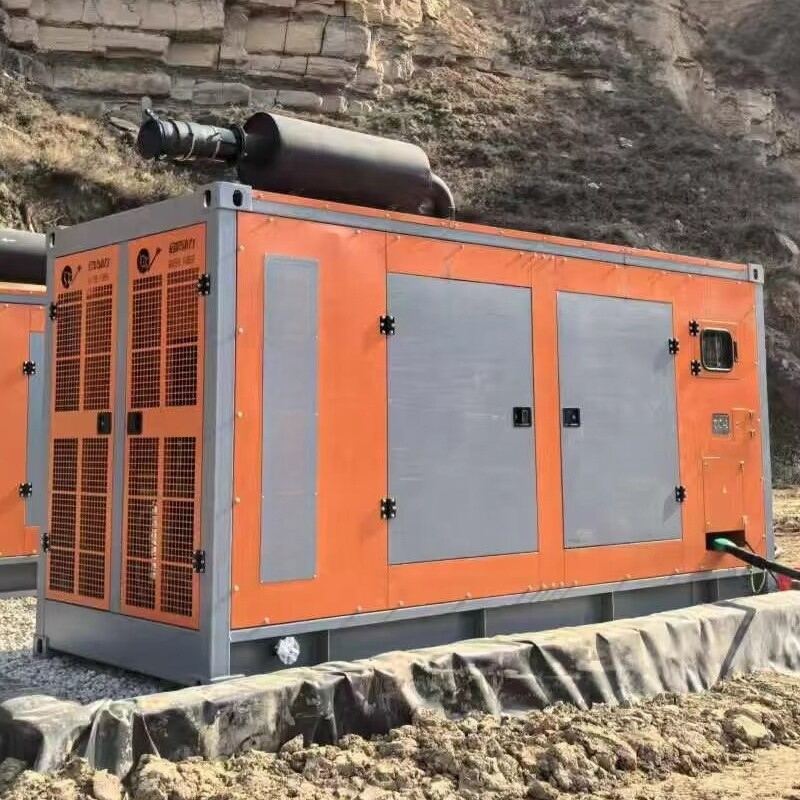
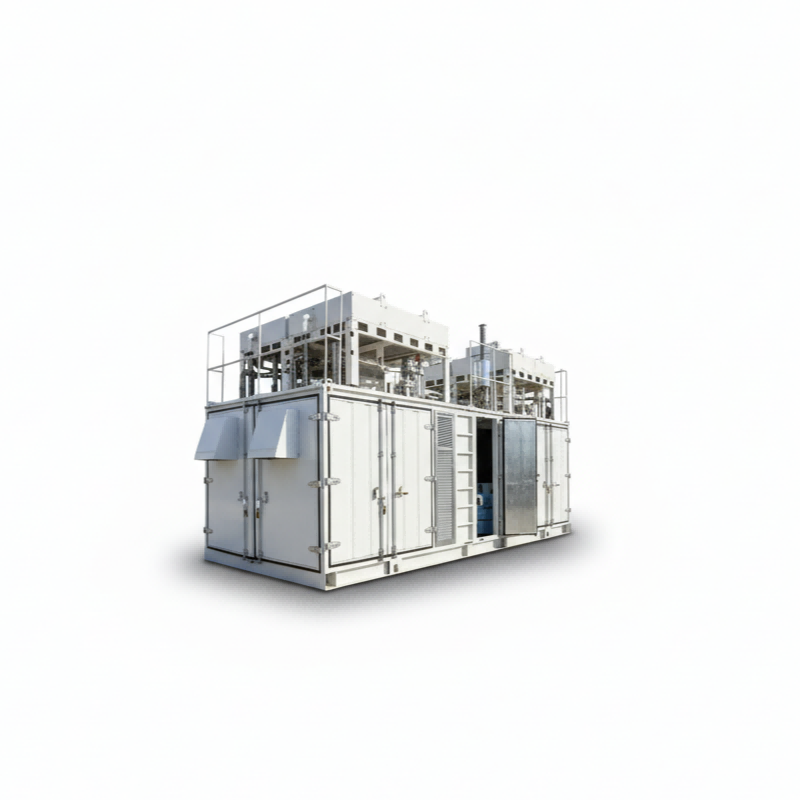
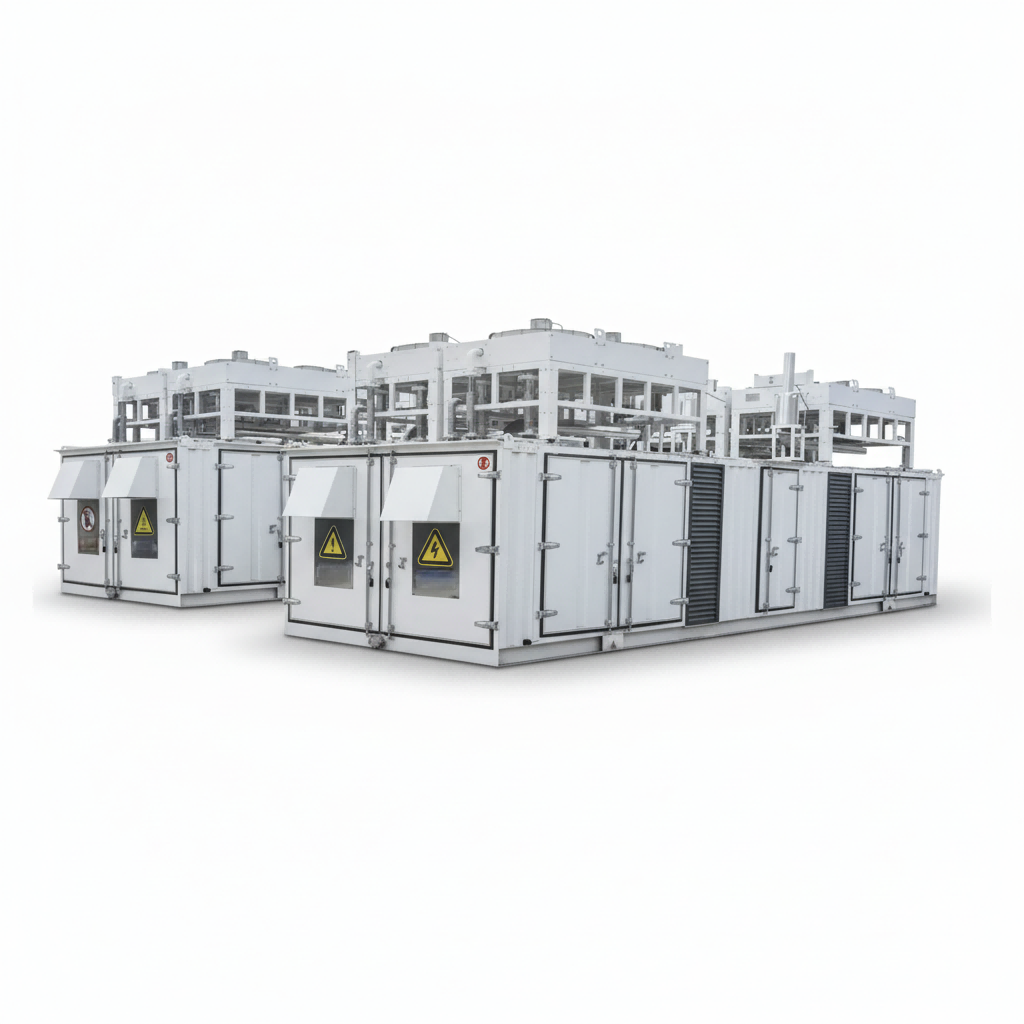
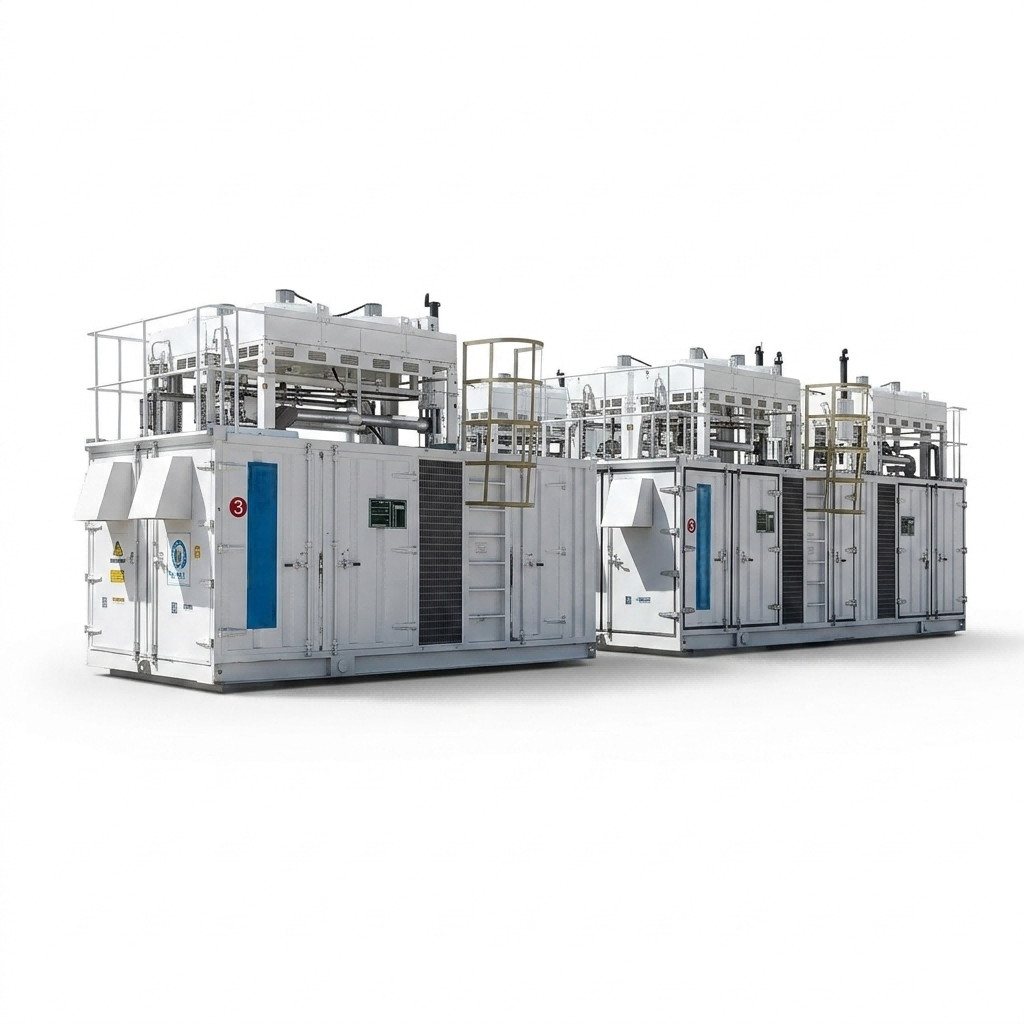
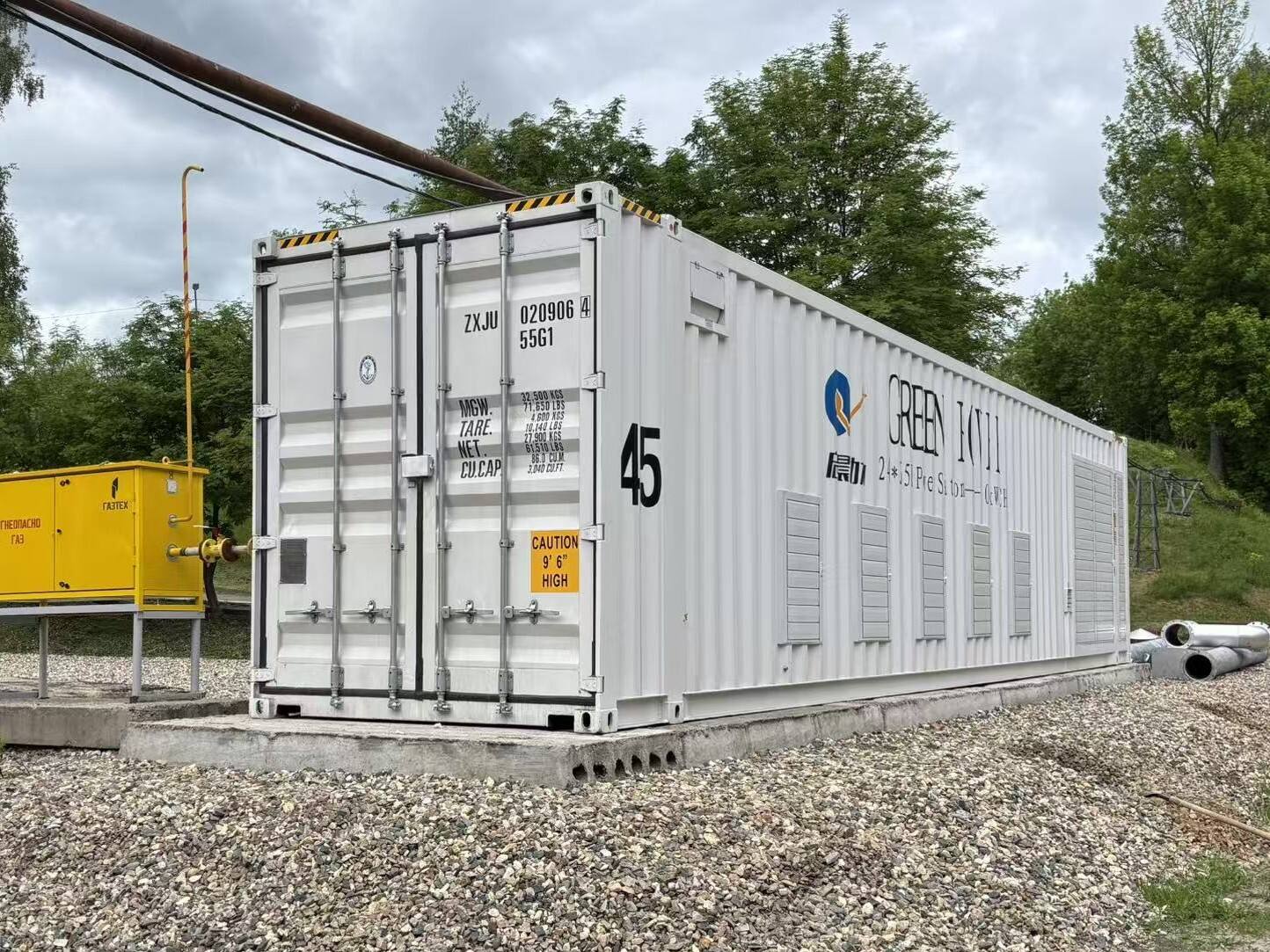
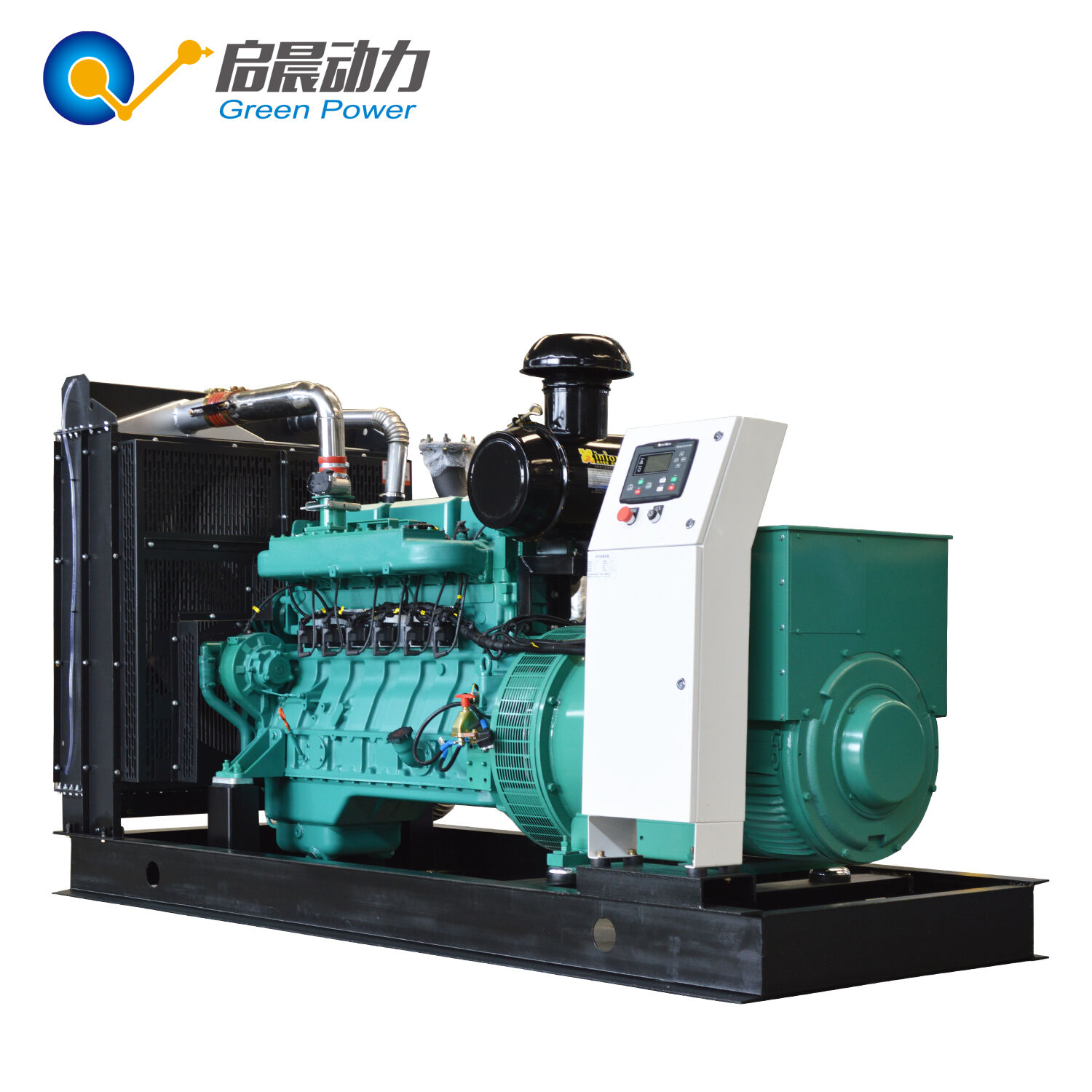
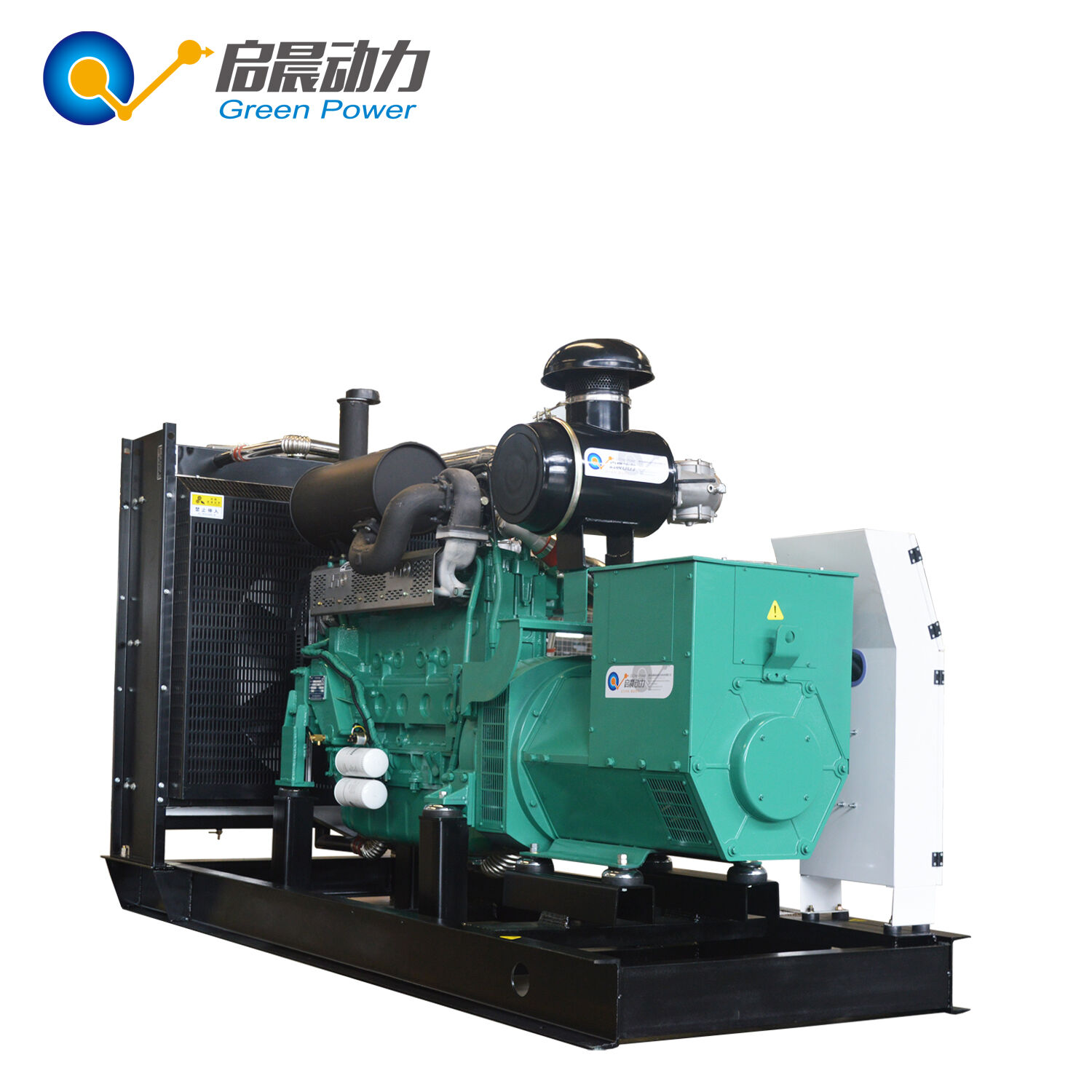
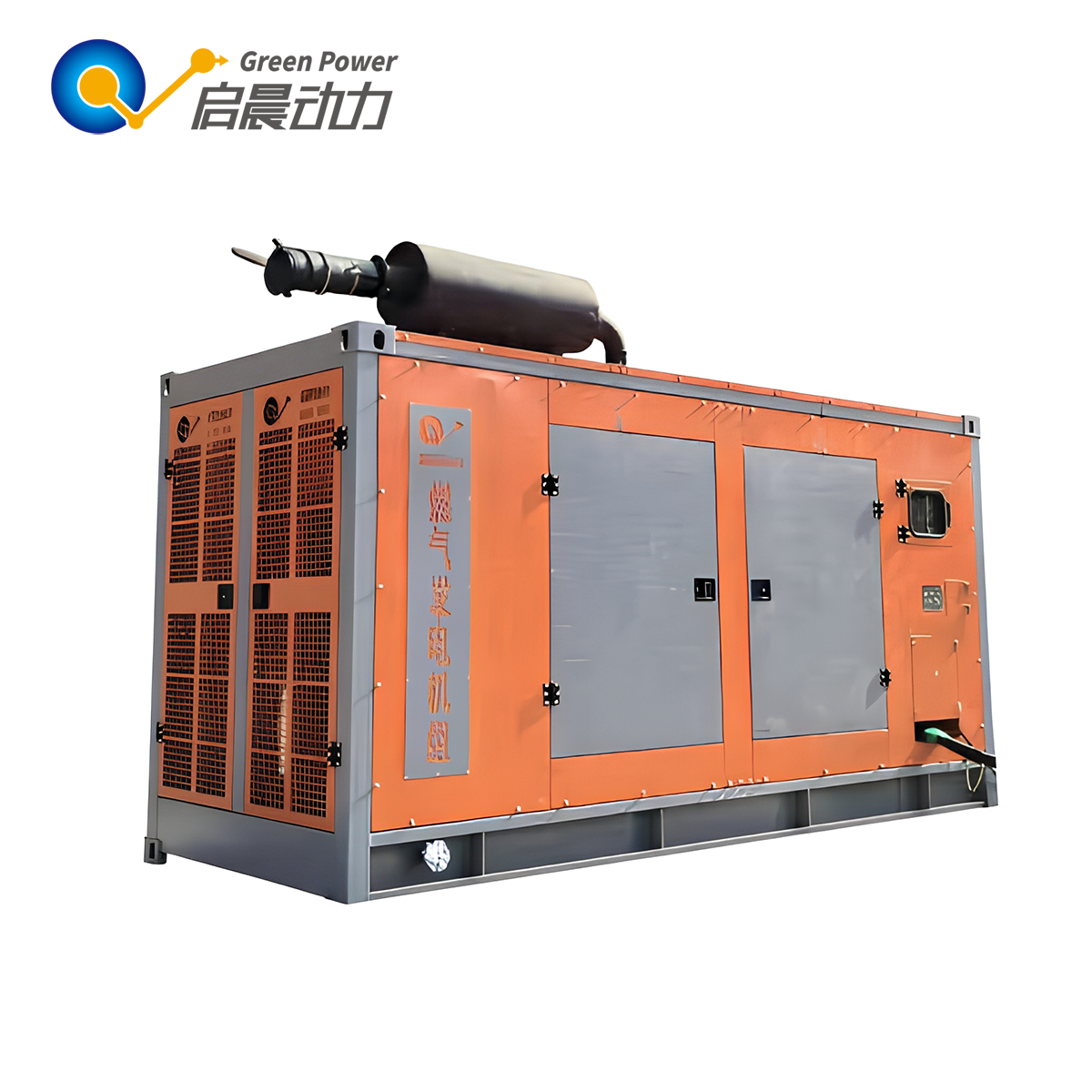
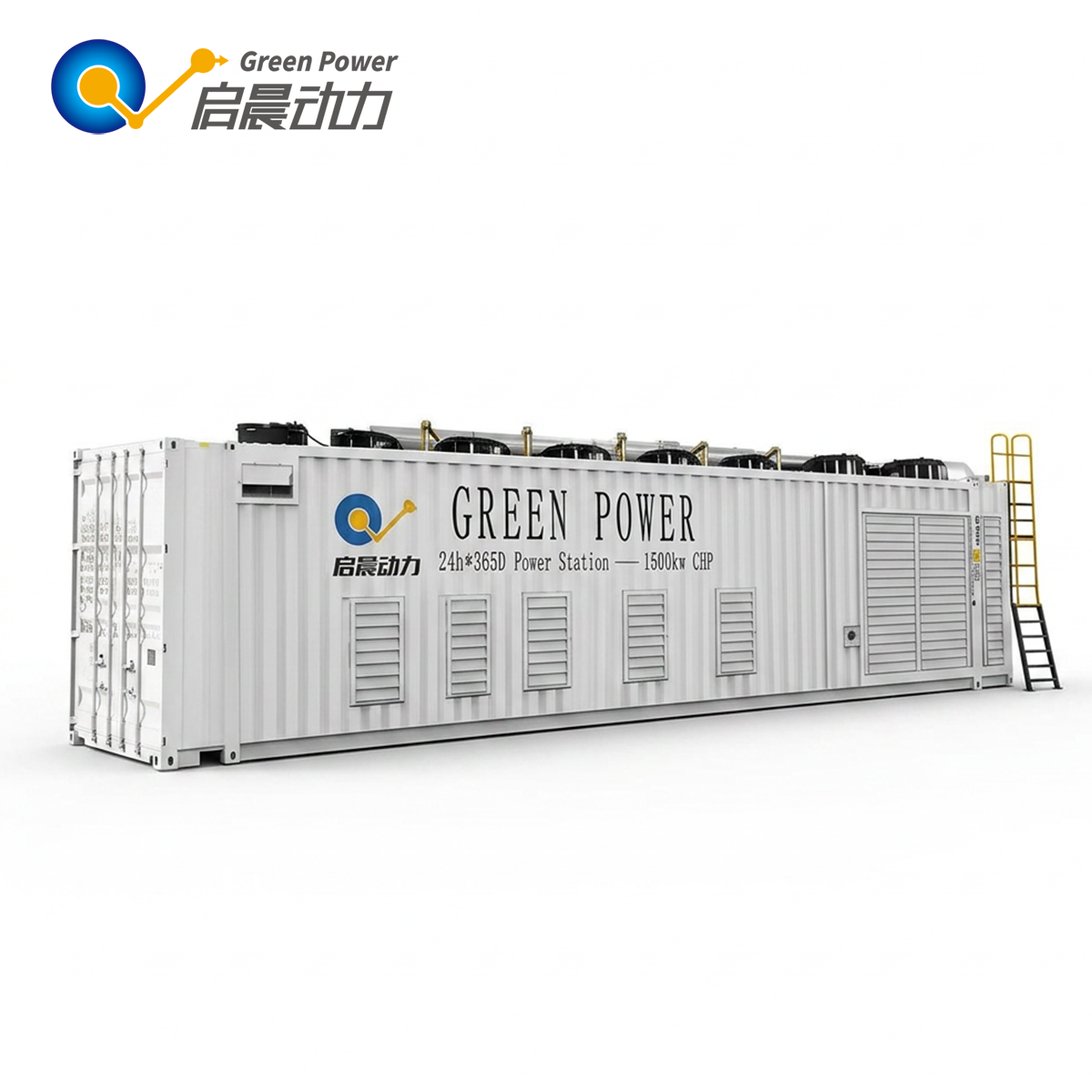
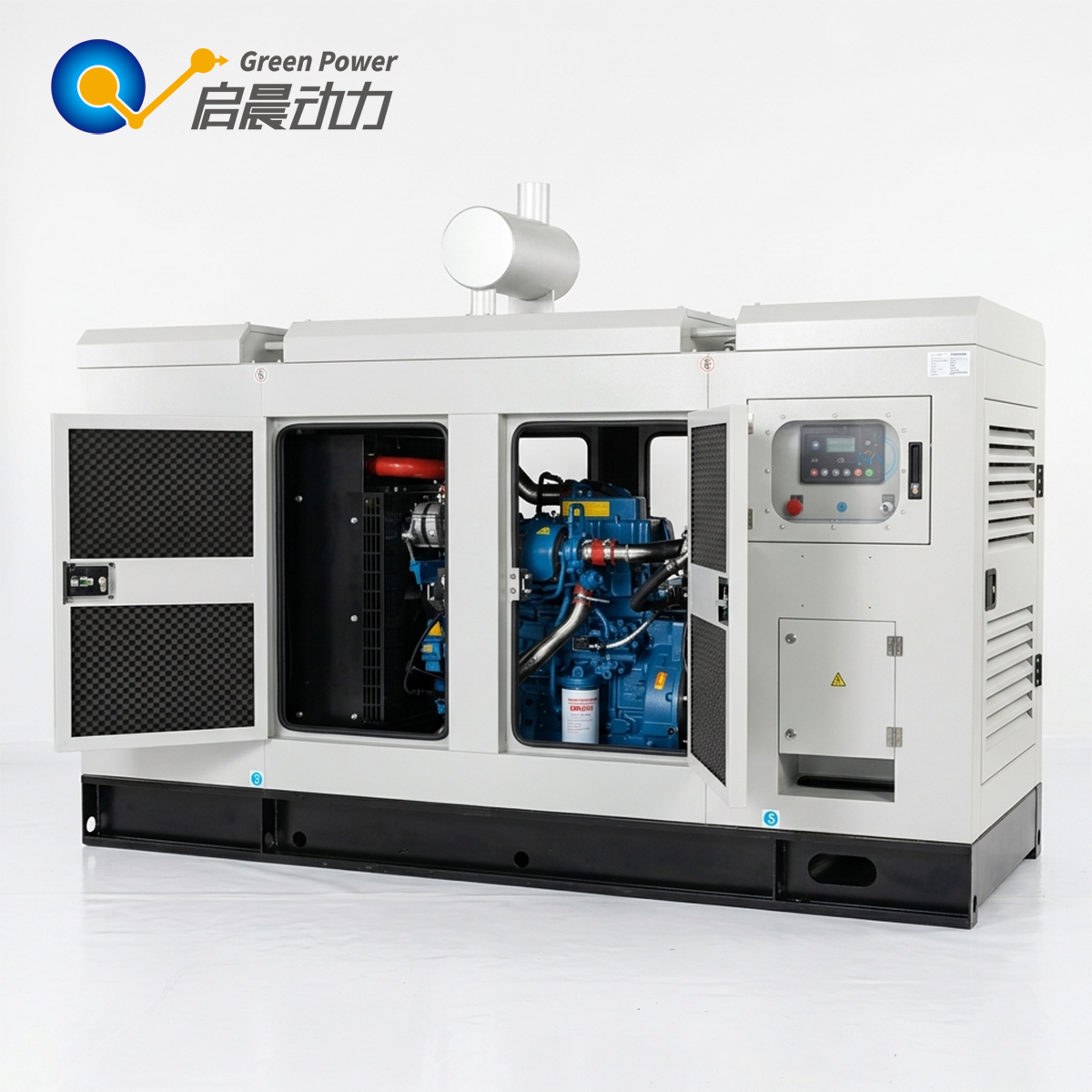
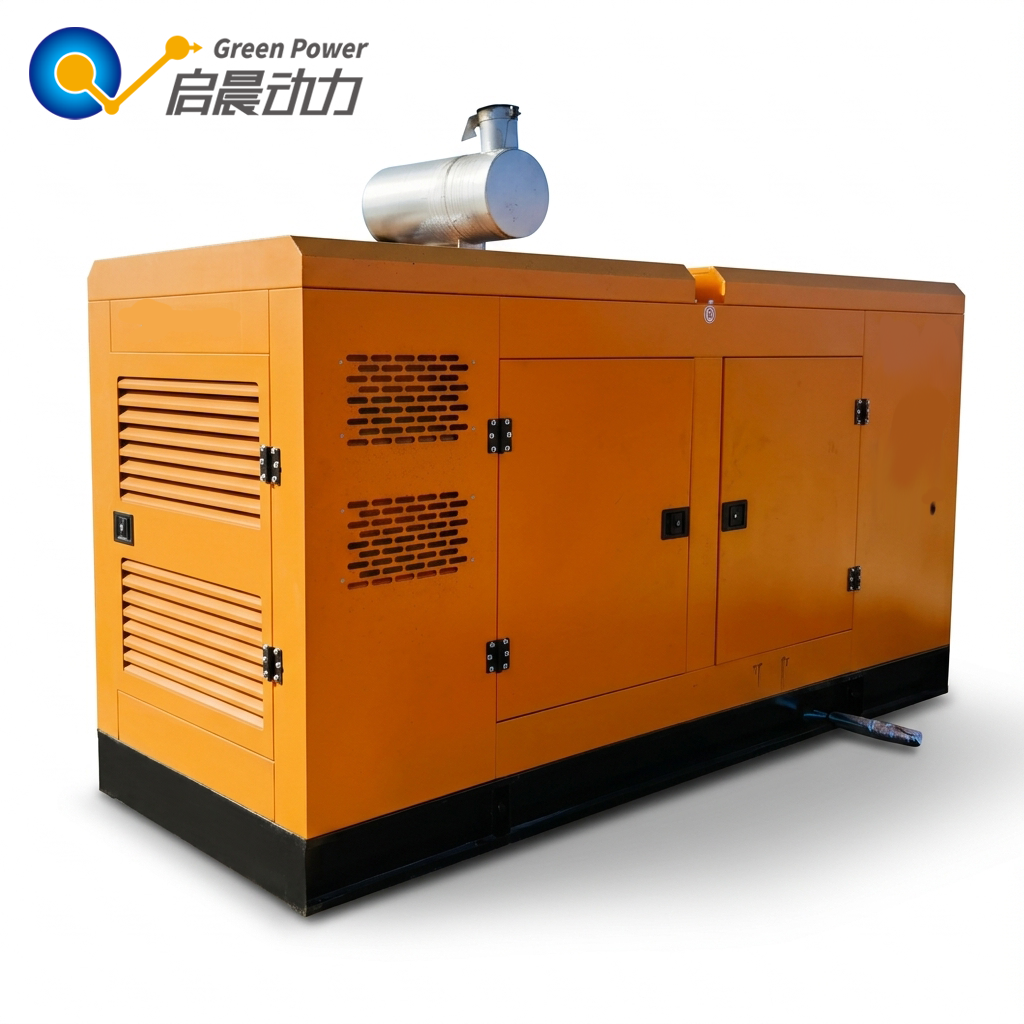
A genset gas engine is a specialized power generation system that converts gaseous fuels into mechanical energy to produce electricity. This engine type operates by burning natural gas, propane, biogas, or other gaseous fuels in an internal combustion process, driving an alternator to generate electrical power. The genset gas engine serves as a reliable solution for continuous power supply in residential, commercial, and industrial settings. These engines are engineered with advanced combustion technology that ensures efficient fuel utilization while maintaining consistent power output. The primary function of a genset gas engine includes providing backup power during grid failures, serving as the main power source in remote locations, and supporting peak load demands in facilities requiring uninterrupted electricity. Technologically, these engines feature sophisticated fuel injection systems, electronic governors for precise speed control, and integrated cooling mechanisms that maintain optimal operating temperatures. Modern genset gas engine units incorporate digital control panels that monitor performance parameters, enabling operators to track fuel consumption, voltage output, and maintenance schedules. The applications span across healthcare facilities requiring constant power for critical equipment, data centers demanding reliable electricity for servers, manufacturing plants needing stable power for production lines, and telecommunications towers in off-grid locations. Agricultural operations, wastewater treatment plants, and commercial buildings also benefit from genset gas engine installations, particularly in areas with unstable electrical grids or where energy independence is prioritized.

New Product Releases

Choosing a genset gas engine delivers significant cost savings through lower fuel expenses compared to diesel alternatives, as natural gas and propane typically cost less per energy unit. You will experience reduced maintenance requirements because gas burns cleaner than liquid fuels, resulting in less carbon buildup on engine components and extended service intervals. The operational efficiency of a genset gas engine translates to quieter running conditions, making it suitable for noise-sensitive environments like hospitals, schools, and residential areas. Your facility gains environmental benefits through substantially lower emissions, with gas engines producing fewer particulates, less nitrogen oxide, and reduced carbon dioxide compared to diesel gensets. The fuel flexibility offered by genset gas engine systems allows you to switch between different gas types based on availability and cost, providing operational adaptability that protects against fuel supply disruptions. Installation becomes simpler since many locations already have natural gas infrastructure, eliminating the need for fuel storage tanks and reducing site preparation costs. You benefit from longer engine life because the clean-burning nature of gaseous fuels minimizes wear on pistons, cylinders, and valves. The consistent fuel quality of gas ensures stable combustion, leading to more reliable power output and fewer operational interruptions. For businesses focused on sustainability, a genset gas engine supports green initiatives and helps meet environmental compliance standards. The quick start capability enables rapid response to power outages, ensuring critical systems remain operational. Overall, investing in a genset gas engine provides a practical, economical, and environmentally responsible power generation solution that meets diverse energy needs while delivering long-term value through reduced operating costs and enhanced reliability.

Practical Tips

1000 kW Natural Gas Generator System Design: Engine Configuration and Parallel Setup

07

May

1000 kW Natural Gas Generator System Design: Engine Configuration and Parallel Setup

A 1000 kW natural gas generator system represents a significant investment in on-site power infrastructure. Whether deployed for industrial facilities, large commercial complexes, or utility backup applications, engineering such a system correctly fr...
View More
LPG Generator Sizing Guide: Matching Output to Your Power Load Requirements

15

May

LPG Generator Sizing Guide: Matching Output to Your Power Load Requirements

Choosing the right LPG generator is one of the most consequential decisions a facility manager, contractor, or business owner can make. An undersized LPG generator will struggle under load, cause voltage instability, and risk equipment damage. An ove...
View More
Natural Gas Generator ROI Calculator: Is It the Right Investment for Your Business?

19

May

Natural Gas Generator ROI Calculator: Is It the Right Investment for Your Business?

Deciding whether a natural gas generator is the right investment for your business requires more than a gut feeling. It demands a clear-eyed look at upfront costs, ongoing fuel savings, operational reliability, and how long it takes to recover your c...
View More
How to Select a CHP Gas Generator Supplier: Technical Criteria and Contract Essentials

27

May

How to Select a CHP Gas Generator Supplier: Technical Criteria and Contract Essentials

Choosing the right supplier for a CHP gas generator is one of the most consequential procurement decisions an energy or facilities manager will make. A CHP gas generator combines heat and power production in a single system, meaning the technical dep...
View More

Send Us a Message

We'll reply within 24 hours
Email
Mobile Or WhatsApp
Name
Company Name
Message
0/1000

genset gas engine

Superior Fuel Economy and Cost Efficiency

Superior Fuel Economy and Cost Efficiency

The genset gas engine stands out for its exceptional fuel economy, delivering more kilowatt-hours per dollar spent on energy compared to traditional diesel generators. Natural gas and propane fuels used in these engines are abundantly available and priced competitively in most markets, allowing you to significantly reduce your ongoing operational expenses. The combustion efficiency of modern genset gas engine technology ensures that nearly all the fuel energy converts into usable electricity, minimizing waste and maximizing your investment. This efficiency remains consistent across varying load conditions, meaning you maintain cost-effectiveness whether running at full capacity or partial load. The pricing stability of natural gas compared to volatile petroleum markets provides predictable budgeting for energy costs, helping you plan finances with greater accuracy. Additionally, many regions offer preferential utility rates for natural gas, further enhancing the economic advantages. When you calculate total cost of ownership over the engine's lifespan, including fuel, maintenance, and downtime expenses, a genset gas engine typically demonstrates superior return on investment, making it the financially smart choice for continuous or standby power applications across diverse industries.
Environmentally Friendly Power Generation

Environmentally Friendly Power Generation

Environmental responsibility drives the growing adoption of genset gas engine systems, as they produce significantly fewer harmful emissions than diesel or gasoline alternatives. These engines emit up to 70 percent less nitrogen oxides and virtually eliminate particulate matter, contributing to cleaner air quality around your facility and in the broader community. The reduced carbon footprint aligns with corporate sustainability goals and helps your organization meet increasingly strict environmental regulations without compromising power reliability. A genset gas engine can also operate on renewable biogas produced from organic waste, transforming your power generation into a truly sustainable process that supports circular economy principles. This capability is particularly valuable for agricultural operations, wastewater treatment facilities, and food processing plants that generate organic waste streams. The quiet operation of gas engines reduces noise pollution, creating a better working environment for employees and minimizing disturbance to neighboring properties. By choosing a genset gas engine, you demonstrate environmental stewardship that enhances your brand reputation, appeals to eco-conscious customers, and may qualify your business for green energy incentives, tax credits, or certification programs that recognize sustainable practices.
Reliable Performance with Minimal Maintenance

Reliable Performance with Minimal Maintenance

The genset gas engine is engineered for dependable operation with remarkably low maintenance requirements, ensuring your power supply remains uninterrupted while reducing service costs and downtime. The clean combustion process of gaseous fuels prevents the accumulation of soot and deposits that plague diesel engines, meaning fewer oil changes, longer intervals between component replacements, and reduced labor costs for maintenance activities. Advanced monitoring systems integrated into modern genset gas engine units provide real-time diagnostics and predictive maintenance alerts, allowing you to address potential issues before they cause failures. This proactive approach maximizes uptime and extends equipment lifespan, protecting your capital investment. The robust construction and precision engineering ensure consistent performance across thousands of operating hours, even in demanding industrial environments. Spark plugs and ignition systems in gas engines are designed for durability and easy replacement, making routine service straightforward for your maintenance team. The absence of fuel filters, injection pumps, and other complex diesel components simplifies the mechanical system, reducing points of potential failure. This reliability proves especially critical for mission-critical applications where power interruptions carry significant financial or safety consequences, giving you peace of mind that your genset gas engine will perform when you need it most.

Send Us a Message

We'll reply within 24 hours
Email
Mobile Or WhatsApp
Name
Company Name
Message
0/1000