Most Efficient Natural Gas Generator Solutions

Send Us a Message

We'll reply within 24 hours
Email
Mobile Or WhatsApp
Name
Company Name
Message
0/1000

most efficient natural gas generator

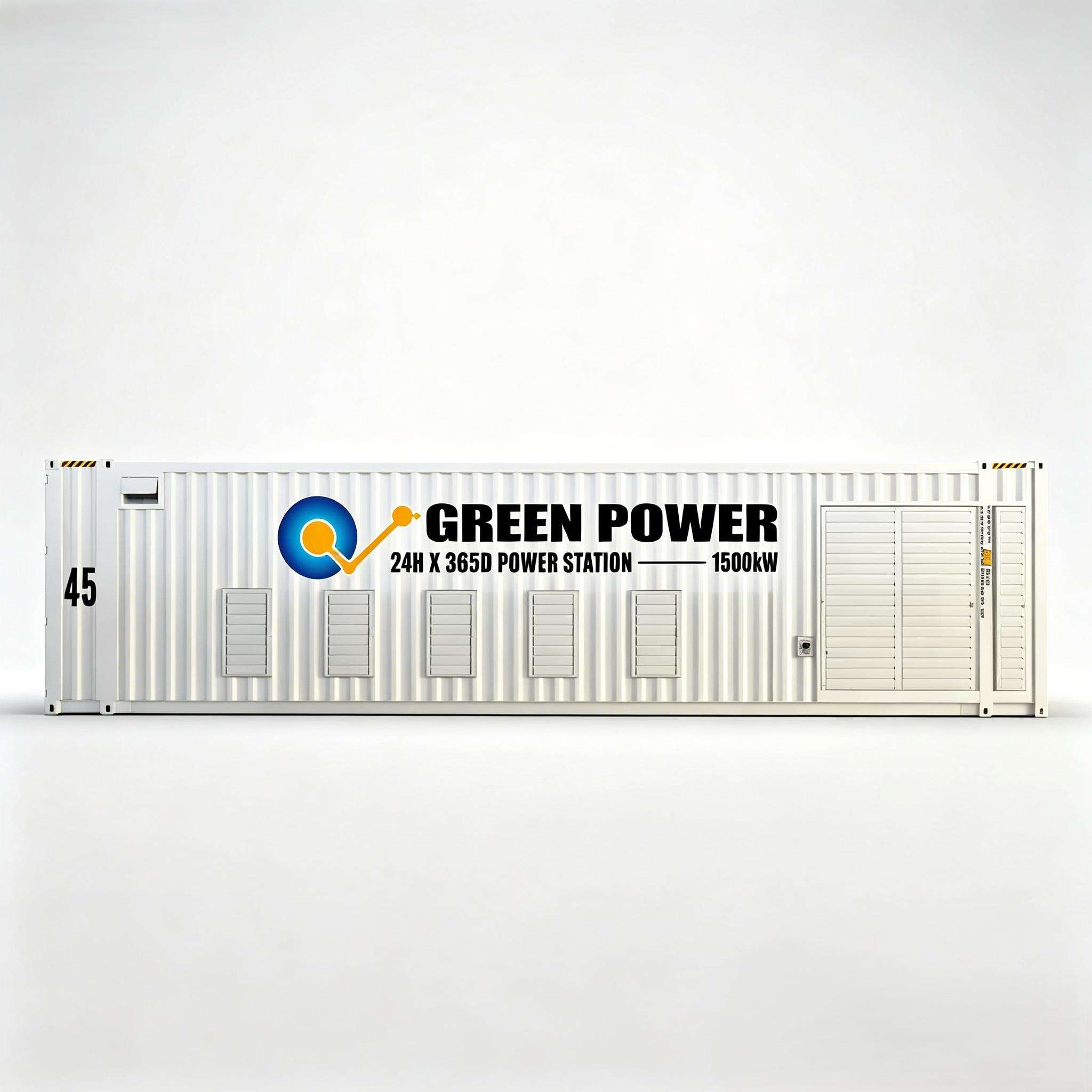
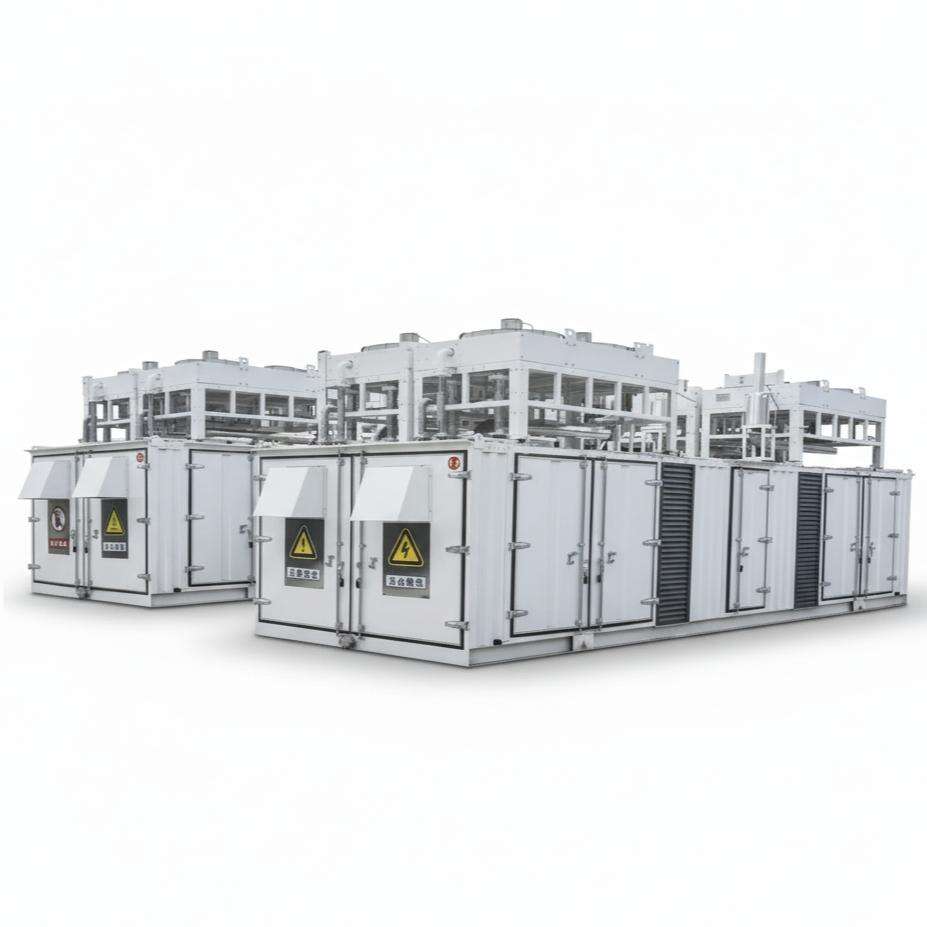
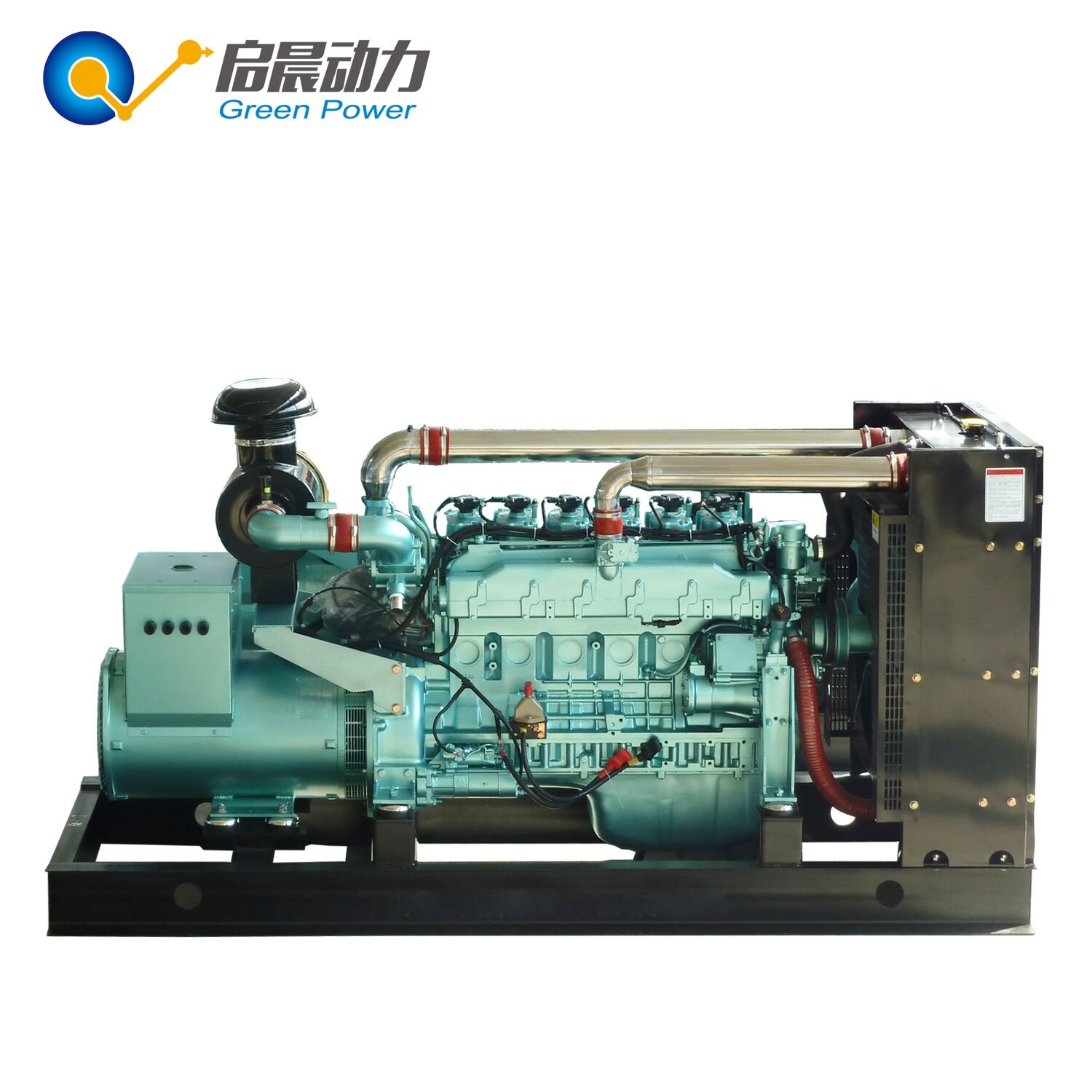
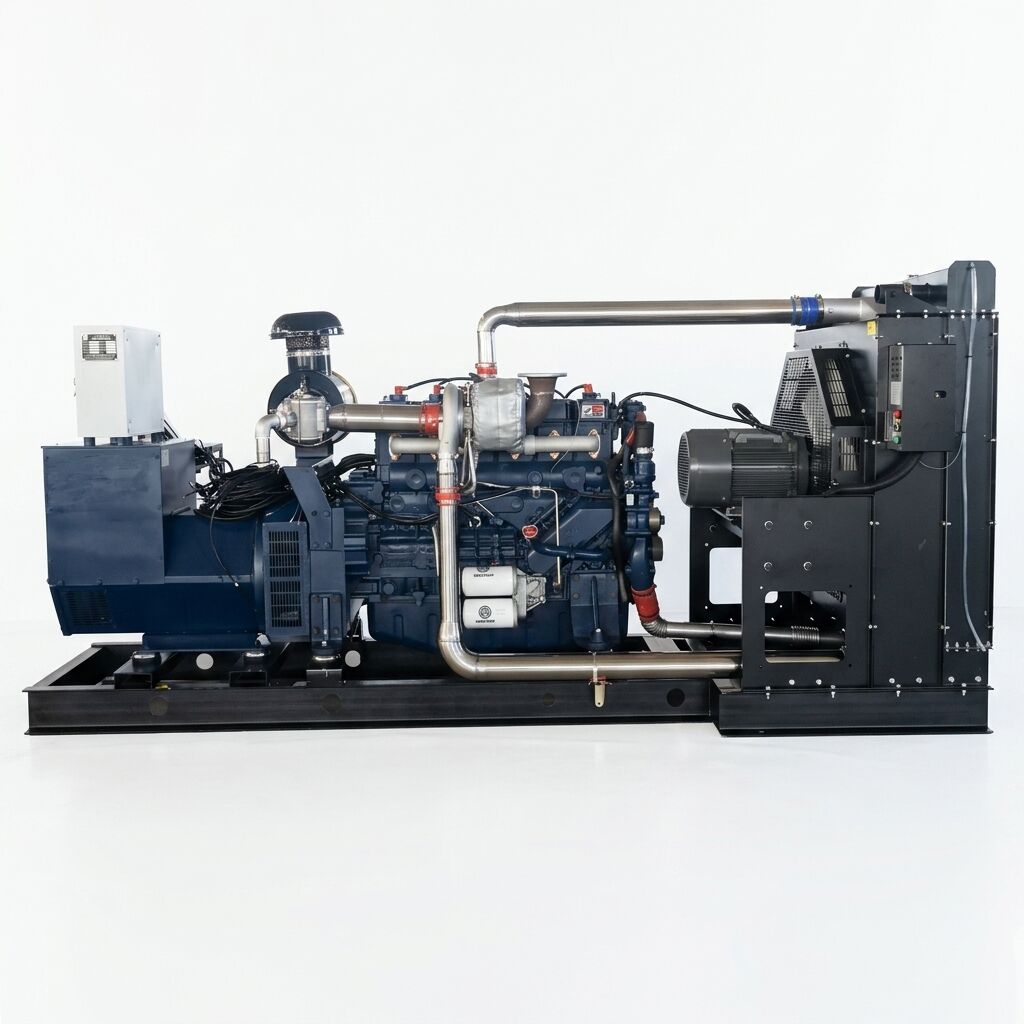
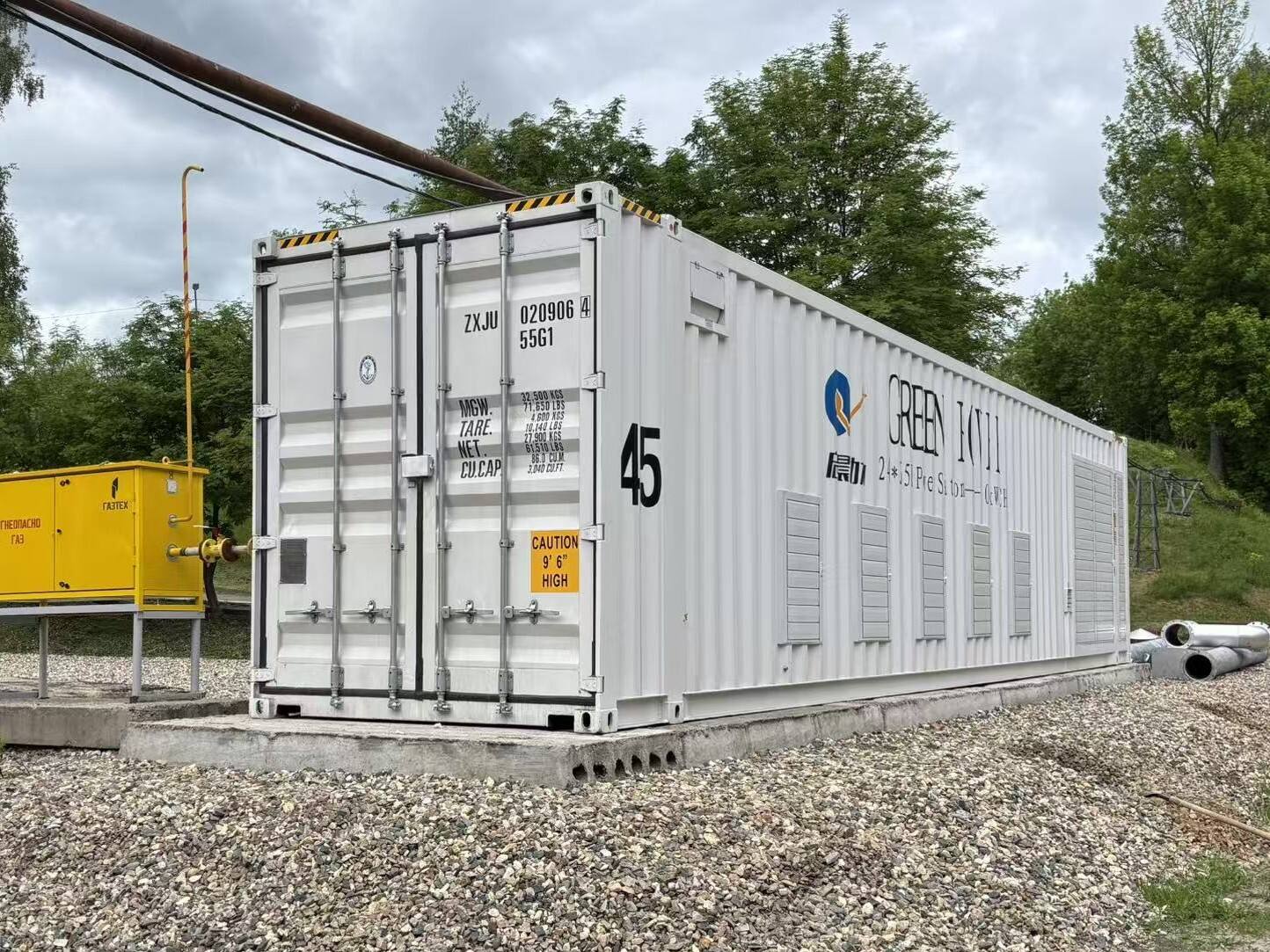
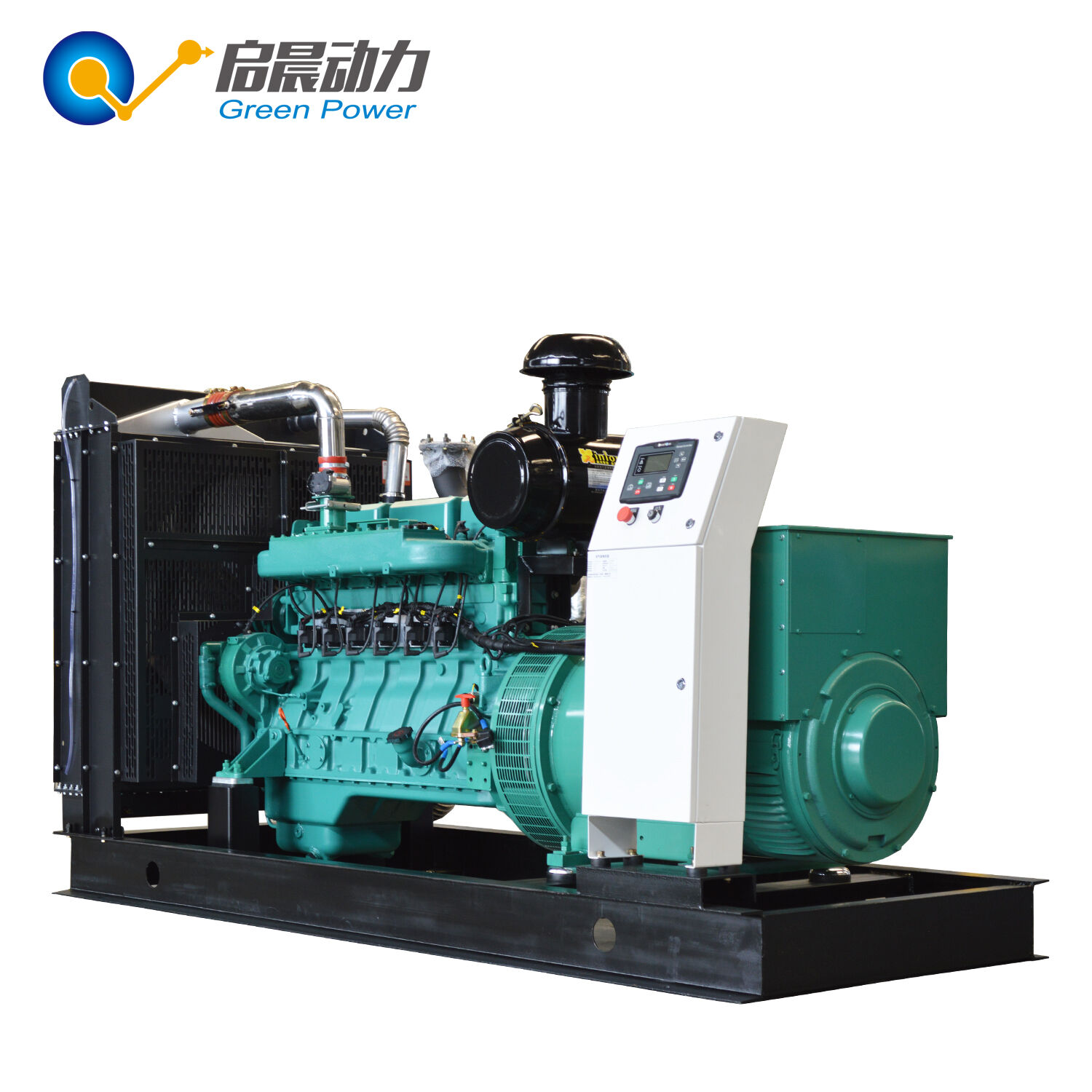
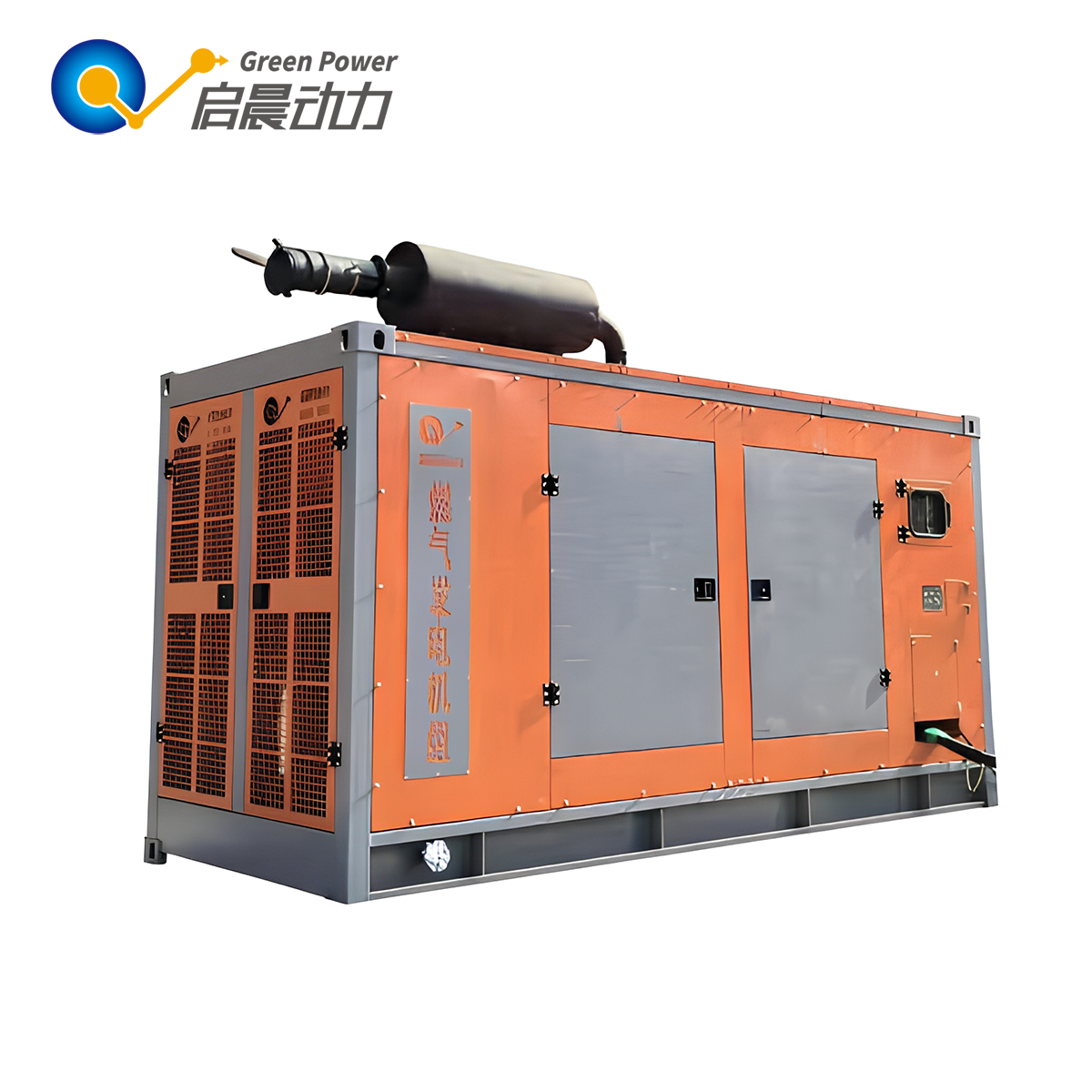
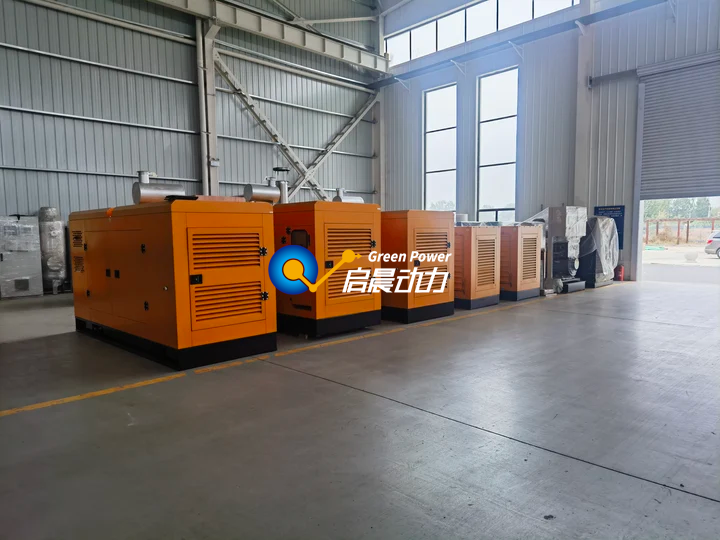
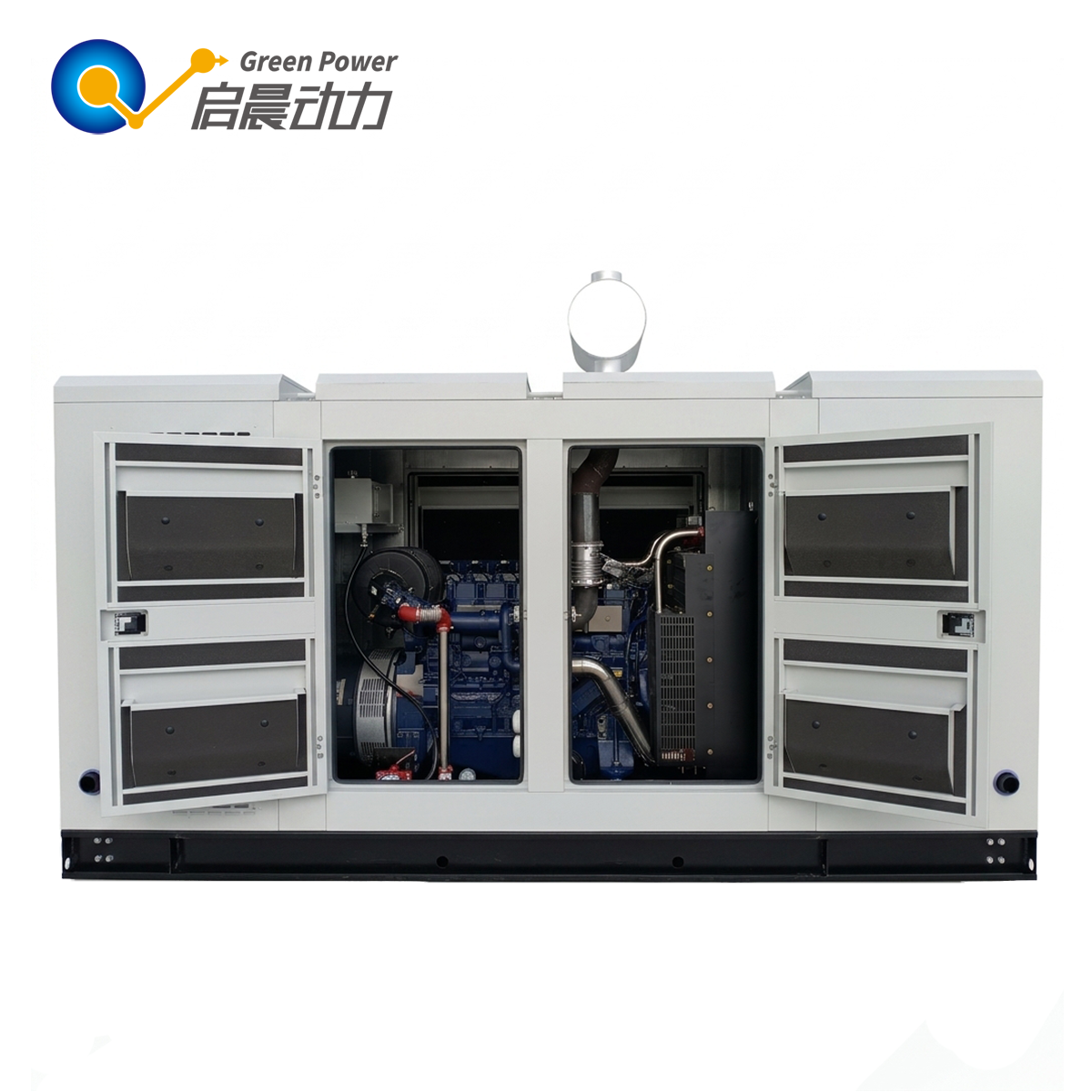
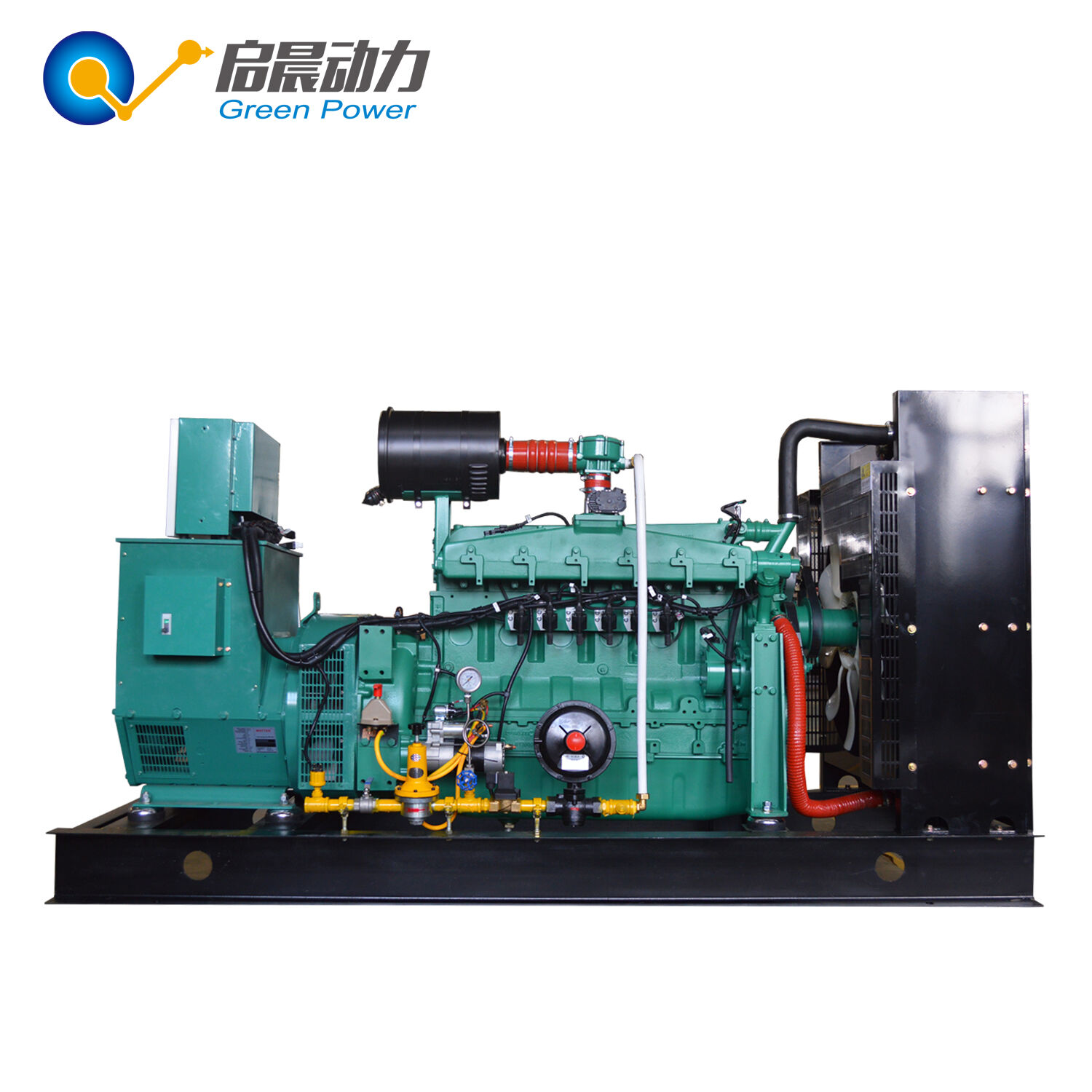
The most efficient natural gas generator represents a breakthrough in power generation technology, delivering exceptional fuel economy while producing reliable electricity for residential, commercial, and industrial applications. These advanced systems convert natural gas into electrical energy with minimal waste, achieving thermal efficiencies exceeding 40 percent in standard models and up to 90 percent in combined heat and power configurations. The most efficient natural gas generator incorporates cutting-edge combustion technology, precision fuel management systems, and intelligent control algorithms that optimize performance under varying load conditions. Key technological features include variable speed operation, which adjusts engine speed to match power demand, significantly reducing fuel consumption during partial load operation. Advanced emission control systems ensure compliance with stringent environmental regulations while maintaining peak efficiency. Modern units feature digital monitoring capabilities that track fuel usage, performance metrics, and maintenance requirements in real time. The most efficient natural gas generator serves diverse applications including backup power for critical facilities, primary power for remote locations, combined heat and power systems for manufacturing plants, and distributed generation for utility grid support. These generators range from compact residential units producing 7-20 kilowatts to industrial powerhouses generating several megawatts, all designed to maximize energy conversion while minimizing operational costs and environmental impact.

New Products

Investing in the most efficient natural gas generator delivers substantial financial savings through reduced fuel consumption, with modern units using up to 30 percent less gas compared to conventional generators. Lower fuel costs translate directly to decreased operating expenses, particularly beneficial for facilities requiring continuous or frequent power generation. These generators produce significantly fewer emissions than diesel or gasoline alternatives, helping businesses meet environmental compliance standards while reducing carbon footprint. The clean-burning nature of natural gas results in less engine wear, extending maintenance intervals and reducing repair costs over the generator's lifespan. Operational benefits include quieter performance, faster start-up times, and seamless integration with existing natural gas infrastructure, eliminating the need for on-site fuel storage and associated safety concerns. The most efficient natural gas generator offers exceptional reliability with load-following capabilities that maintain stable voltage and frequency regardless of demand fluctuations. For commercial facilities, these generators provide cost-effective peak shaving, reducing electricity bills by generating power during high-rate periods. Industrial operations benefit from combined heat and power capabilities, capturing waste heat for space heating, water heating, or process applications, effectively doubling overall system efficiency. Residential users gain peace of mind with automatic backup power that activates within seconds of utility interruption. The versatility of the most efficient natural gas generator makes it suitable for healthcare facilities requiring uninterrupted power, data centers needing reliable backup systems, agricultural operations, construction sites, and manufacturing plants. Decision-makers appreciate the predictable fuel costs, lower total cost of ownership, available utility incentives for clean energy adoption, and the strategic advantage of energy independence these systems provide.

Tips And Tricks

1000 kW Natural Gas Generator System Design: Engine Configuration and Parallel Setup

07

May

1000 kW Natural Gas Generator System Design: Engine Configuration and Parallel Setup

A 1000 kW natural gas generator system represents a significant investment in on-site power infrastructure. Whether deployed for industrial facilities, large commercial complexes, or utility backup applications, engineering such a system correctly fr...
View More
Natural Gas Generator Emissions Standards: NOx, CO, and How to Stay Compliant

11

May

Natural Gas Generator Emissions Standards: NOx, CO, and How to Stay Compliant

A natural gas generator is widely regarded as one of the cleaner options in power generation, but that does not exempt it from emissions regulations. Every natural gas generator operates within a framework of environmental standards that limit the co...
View More
How to Select a CHP Gas Generator Supplier: Technical Criteria and Contract Essentials

27

May

How to Select a CHP Gas Generator Supplier: Technical Criteria and Contract Essentials

Choosing the right supplier for a CHP gas generator is one of the most consequential procurement decisions an energy or facilities manager will make. A CHP gas generator combines heat and power production in a single system, meaning the technical dep...
View More
Qichen Power APG Generator Solutions for Oilfield and Upstream Applications

22

May

Qichen Power APG Generator Solutions for Oilfield and Upstream Applications

In oilfield and upstream energy environments, reliable on-site power is not a convenience — it is a critical operational requirement. An APG generator addresses this requirement by converting associated petroleum gas — the gas released as...
View More

Send Us a Message

We'll reply within 24 hours
Email
Mobile Or WhatsApp
Name
Company Name
Message
0/1000

most efficient natural gas generator

Advanced Fuel Management Technology

Advanced Fuel Management Technology

The most efficient natural gas generator utilizes sophisticated fuel management systems that precisely control the air-fuel mixture across all operating conditions, ensuring complete combustion and maximum energy extraction from every cubic foot of natural gas. Electronic fuel injection technology continuously monitors engine parameters including temperature, load, and atmospheric conditions, making real-time adjustments that optimize efficiency while preventing wasteful fuel consumption. This intelligent system eliminates the inefficiencies common in traditional carburetor-based designs, where fixed fuel delivery often results in rich or lean conditions that waste energy. The advanced management system also incorporates predictive algorithms that anticipate load changes and adjust fuel delivery proactively, maintaining peak efficiency during transitions. Users benefit from fuel cost reductions of 20-30 percent compared to older generator technologies, with the savings compounding significantly over the equipment's operational lifetime. Additionally, precise fuel control reduces harmful emissions, helping facilities meet environmental regulations without sacrificing performance. The system's diagnostic capabilities alert operators to any deviations from optimal performance, enabling preventive maintenance that keeps the generator operating at maximum efficiency throughout its service life.
Variable Speed Operation for Maximum Efficiency

Variable Speed Operation for Maximum Efficiency

Unlike conventional fixed-speed generators that run at constant RPM regardless of power demand, the most efficient natural gas generator employs variable speed technology that dynamically adjusts engine speed to match the actual electrical load. This innovative approach delivers dramatic efficiency improvements, particularly during partial load operation when many generators spend most of their running time. By reducing engine speed when full power isn't required, these systems consume substantially less fuel while producing exactly the power needed, eliminating the inefficiency of running a high-speed engine under light loads. The variable speed design also reduces mechanical stress on engine components, extending service intervals and minimizing maintenance requirements. Acoustic benefits include significantly quieter operation at reduced speeds, making these generators suitable for noise-sensitive environments like hospitals, schools, and residential areas. The most efficient natural gas generator with variable speed capability can achieve efficiency gains of 25-35 percent during typical operating cycles compared to fixed-speed alternatives. Users experience lower fuel bills, reduced emissions output, decreased maintenance costs, and longer equipment lifespan. The technology integrates seamlessly with building management systems, allowing automated optimization based on utility rates, renewable energy availability, and facility power requirements for truly intelligent energy management.
Combined Heat and Power Capability

Combined Heat and Power Capability

The most efficient natural gas generator maximizes energy utilization through combined heat and power technology, capturing waste heat that would otherwise be lost and converting it into useful thermal energy for heating applications. Standard generators waste approximately 60 percent of fuel energy as heat expelled through exhaust gases and cooling systems, but CHP-enabled units recover this thermal energy for space heating, domestic hot water production, or industrial processes. This dual-purpose approach can achieve overall system efficiencies exceeding 85-90 percent, essentially doubling the value extracted from each unit of natural gas consumed. Facilities with simultaneous electrical and thermal demands realize extraordinary operational savings, as a single fuel source satisfies both needs efficiently. The recovered heat replaces energy that would otherwise require separate boilers or heating systems, eliminating redundant fuel consumption and associated costs. Implementation proves particularly valuable for hospitals, hotels, manufacturing facilities, food processing plants, greenhouses, and district heating applications where consistent thermal loads justify the investment. The most efficient natural gas generator with CHP capability reduces overall energy costs by 30-50 percent compared to separate heat and power systems while significantly lowering greenhouse gas emissions. Modern systems include sophisticated heat recovery equipment, automated controls that balance electrical and thermal output, and monitoring systems that optimize performance based on real-time facility demands, ensuring maximum value from every operational hour.

Send Us a Message

We'll reply within 24 hours
Email
Mobile Or WhatsApp
Name
Company Name
Message
0/1000