natural gas generator efficiency
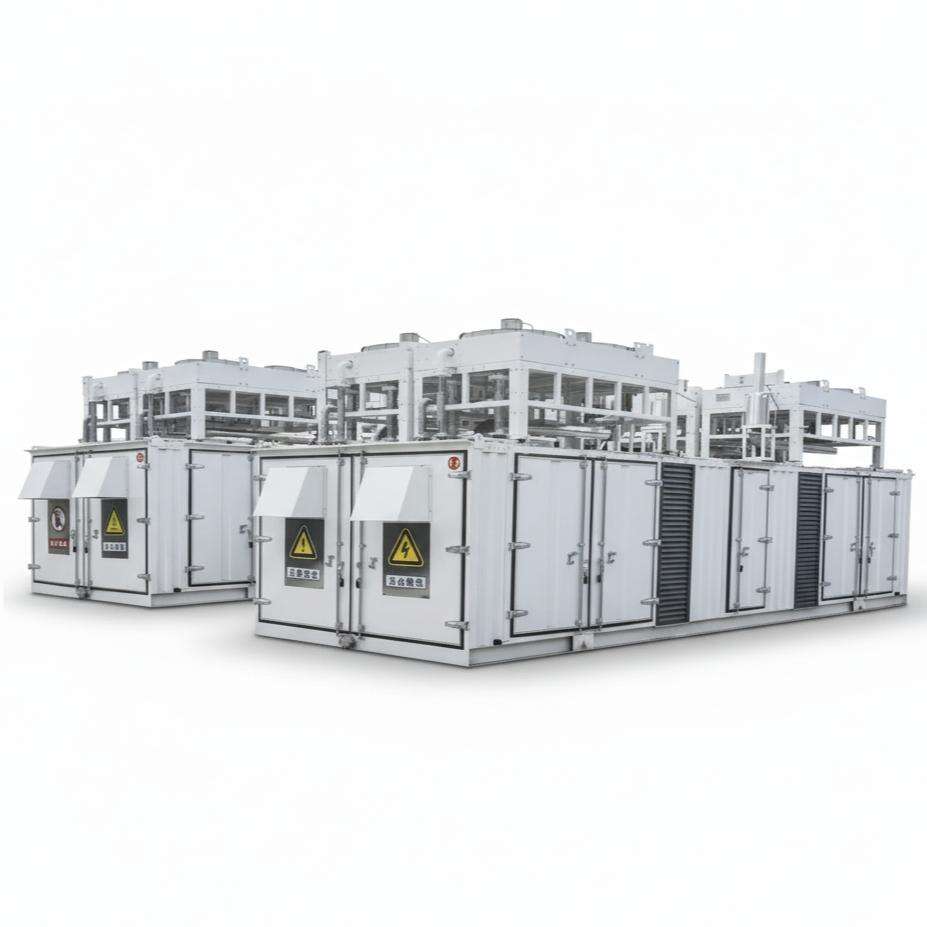
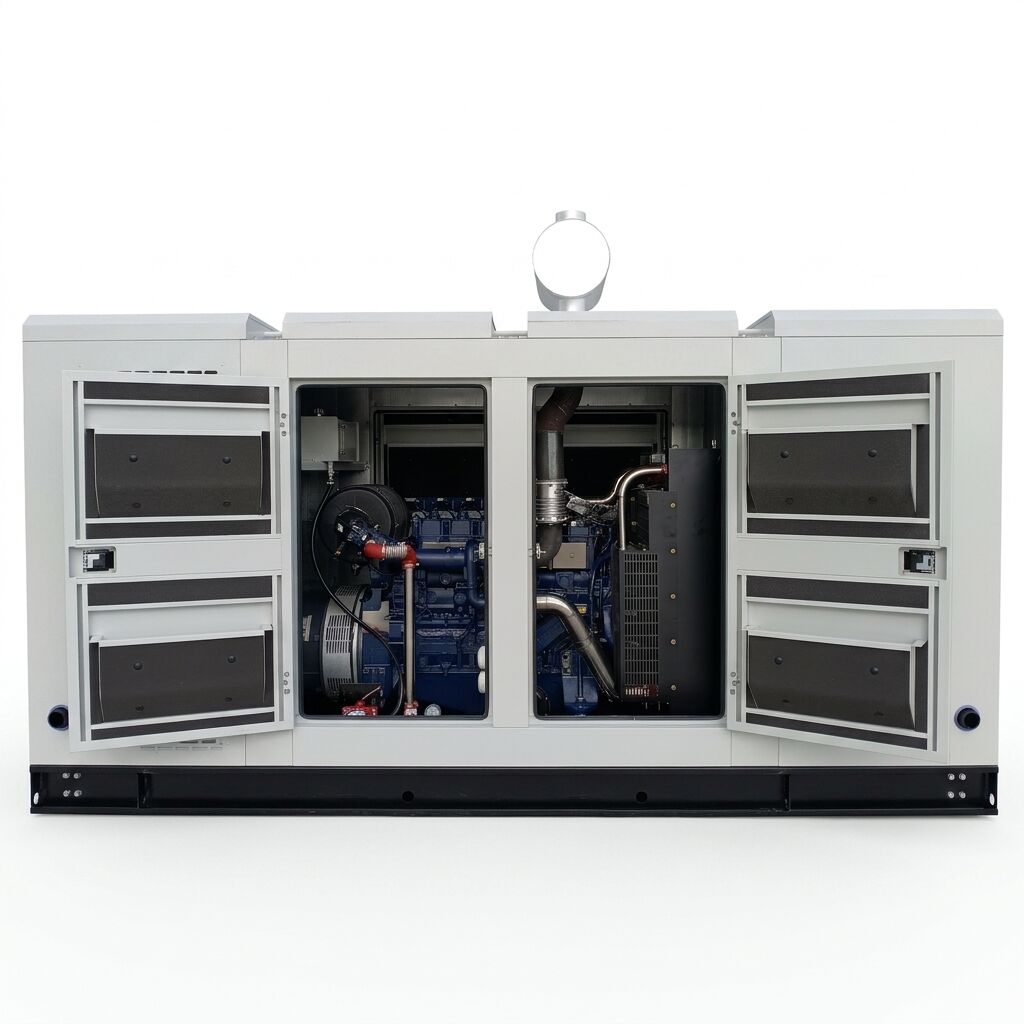
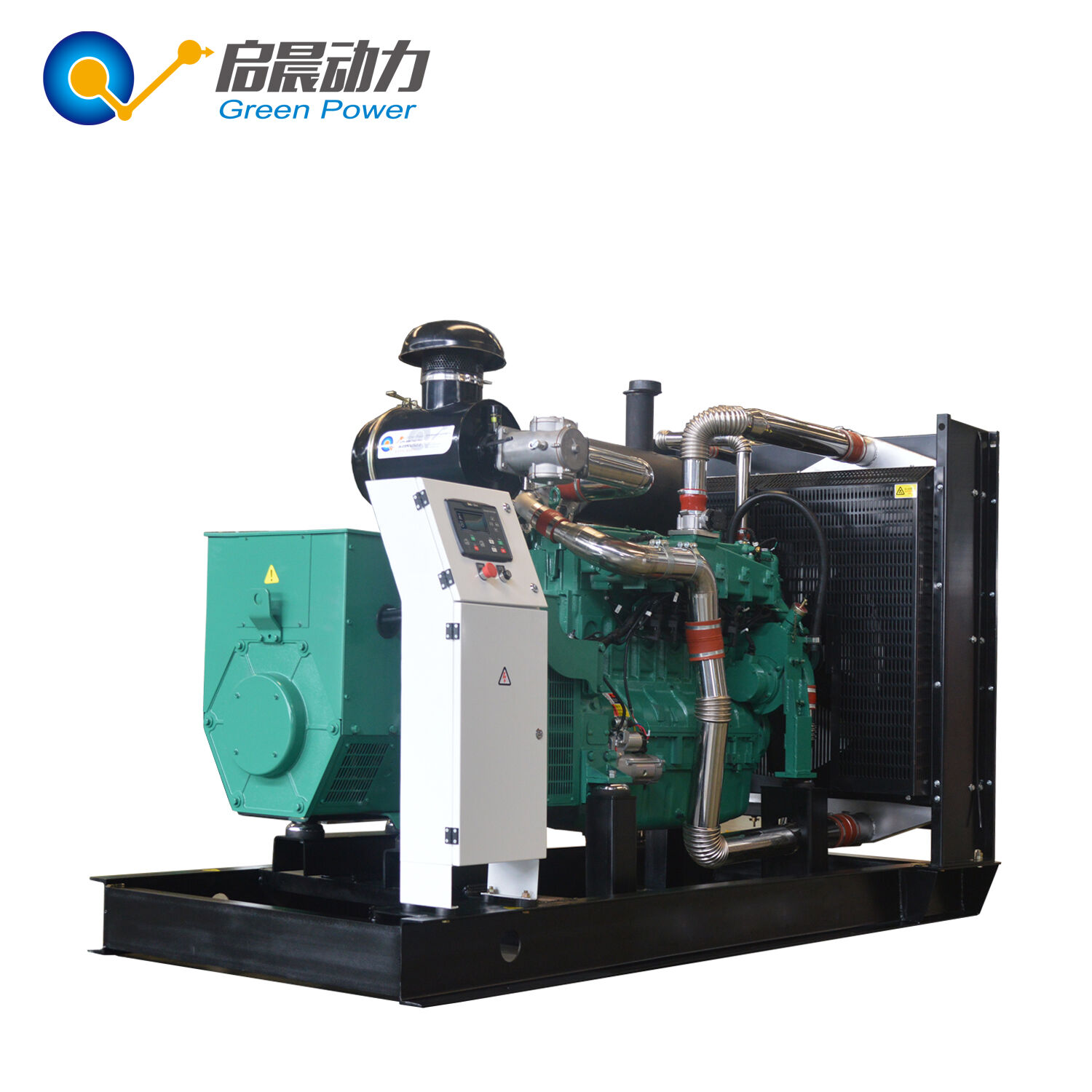
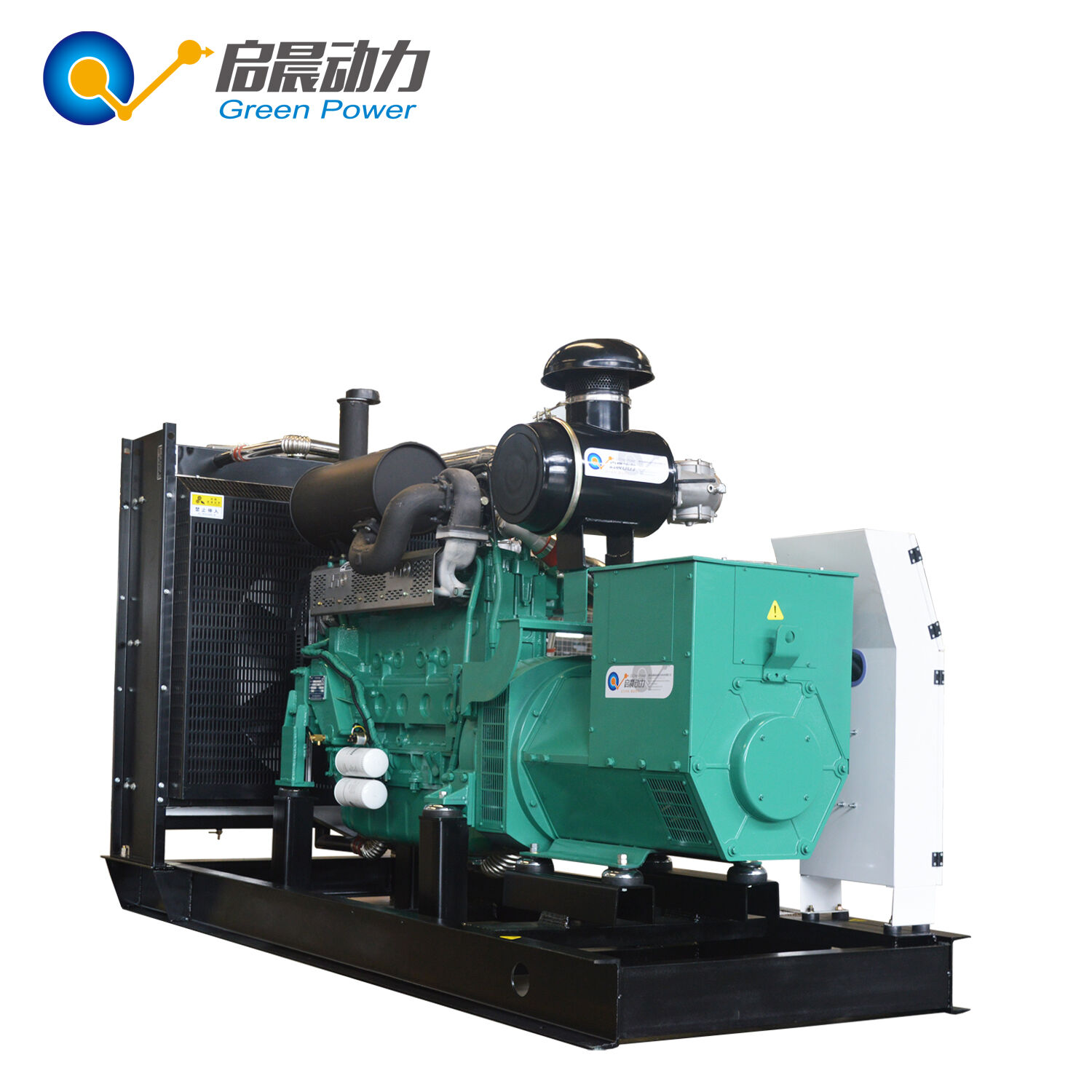
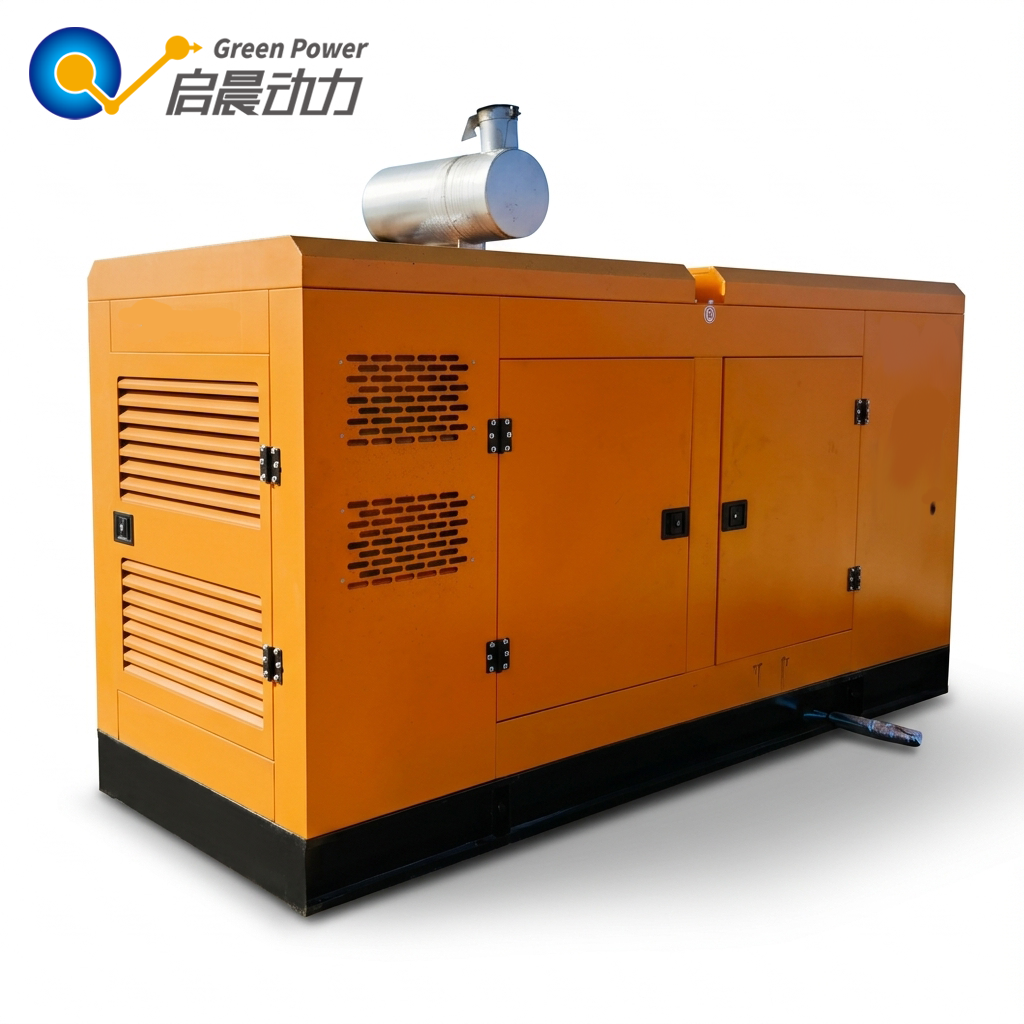
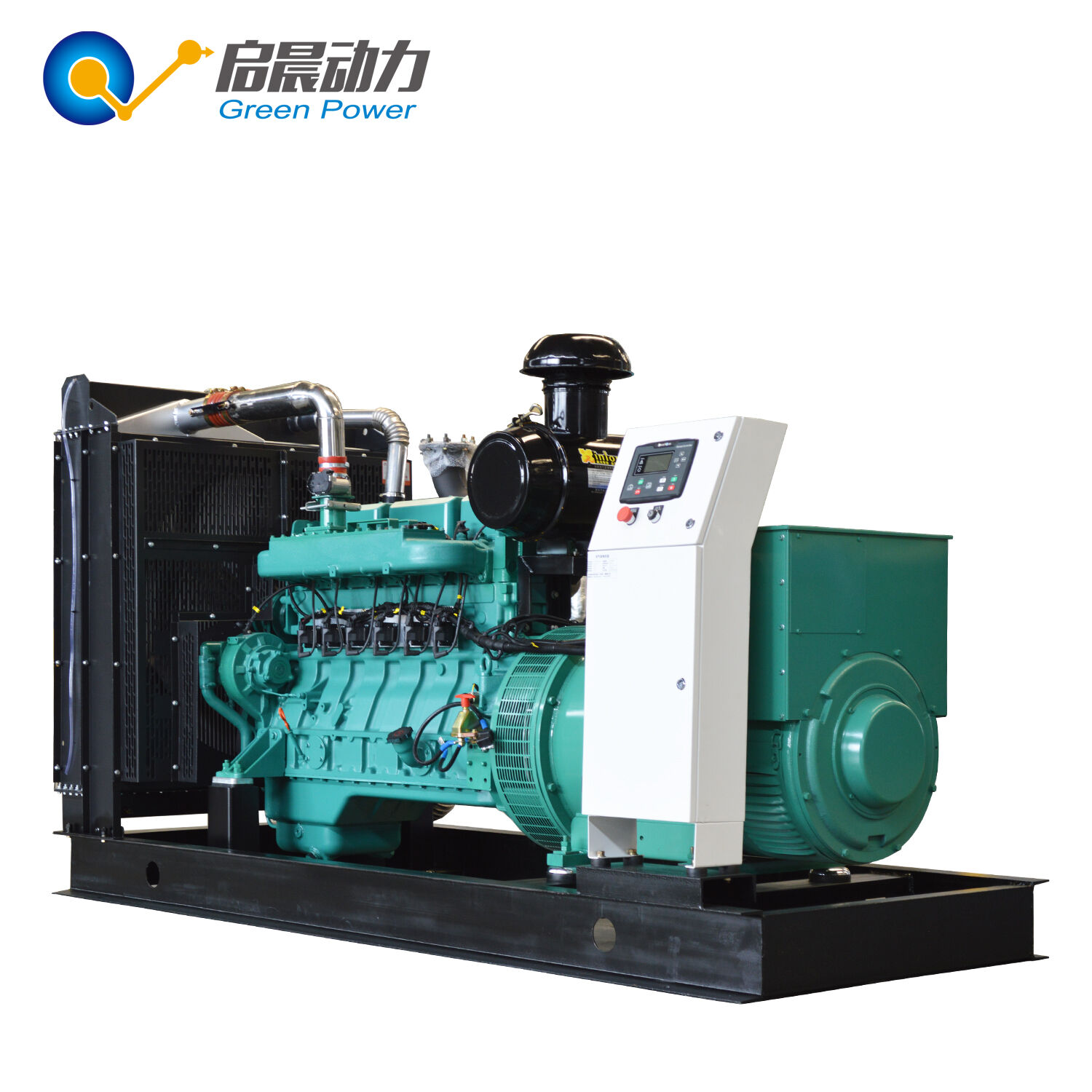
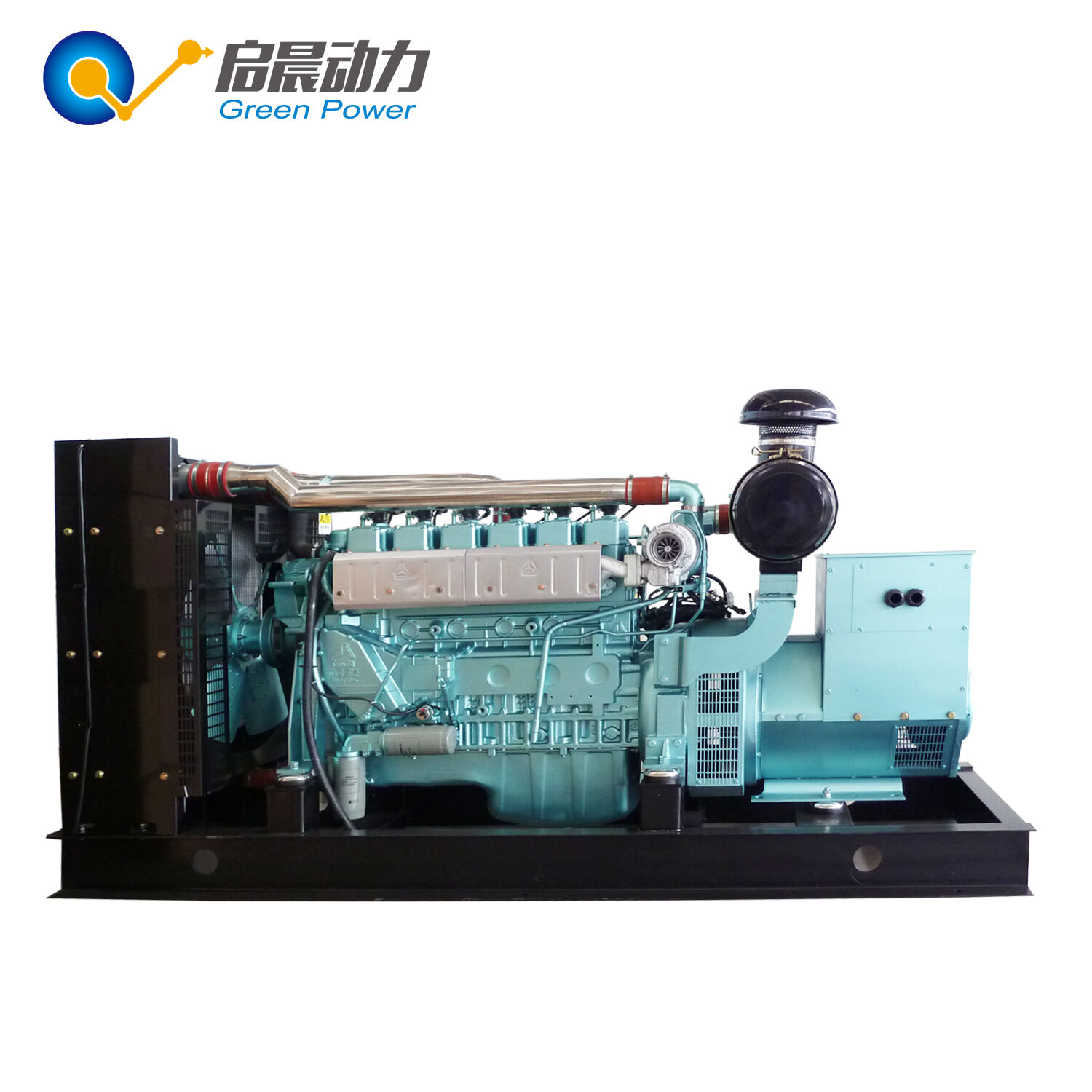
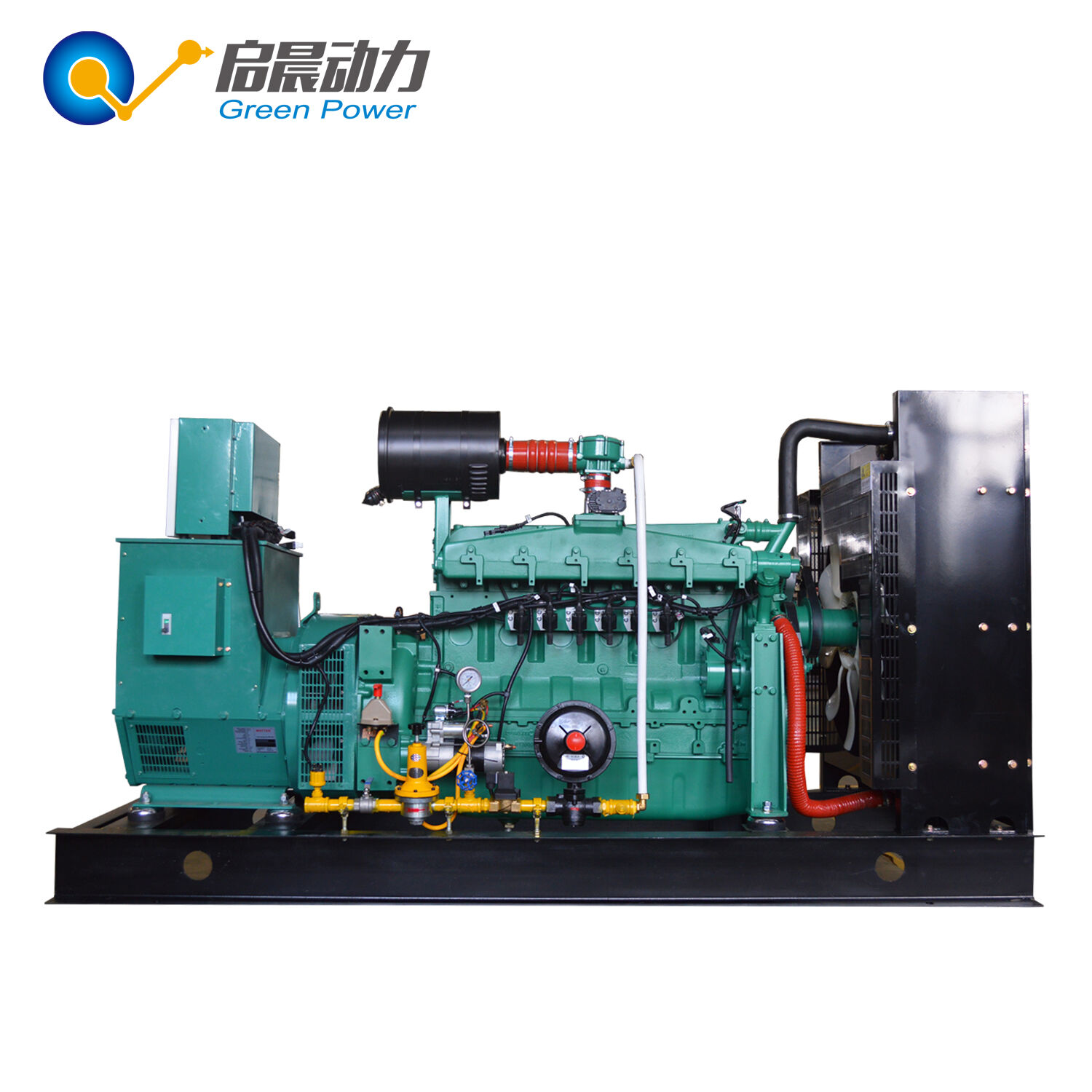
Natural gas generator efficiency represents the effectiveness with which a generator converts natural gas fuel into usable electrical energy. This critical performance metric directly impacts operational costs, environmental footprint, and overall system reliability. Modern natural gas generators achieve efficiency ratings between 30% and 45%, with advanced combined heat and power systems reaching up to 90% total efficiency when capturing waste heat. The natural gas generator efficiency depends on several factors including engine design, load management, maintenance practices, and ambient operating conditions. These generators utilize internal combustion engines or turbines that burn natural gas to produce mechanical energy, which is then converted into electricity through alternators. The technology features include precise fuel-air mixture control, electronic ignition systems, and sophisticated monitoring equipment that optimizes combustion processes. Applications span residential backup power, commercial facilities, industrial manufacturing plants, hospitals, data centers, and remote operations requiring reliable electricity generation. Understanding natural gas generator efficiency helps operators maximize fuel economy, reduce emissions, and lower total cost of ownership. Higher efficiency models consume less fuel per kilowatt-hour produced, translating to substantial savings over the generator's lifespan. The efficiency rating serves as a crucial decision factor when selecting equipment, as it directly correlates with operational expenses and environmental compliance. Regular maintenance, proper sizing, and optimal load matching further enhance natural gas generator efficiency throughout the equipment's service life.
 EN
EN