Natural Gas Generator Set Manufacturer Solutions

Send Us a Message

We'll reply within 24 hours
Email
Mobile Or WhatsApp
Name
Company Name
Message
0/1000

natural gas generator set manufacturer

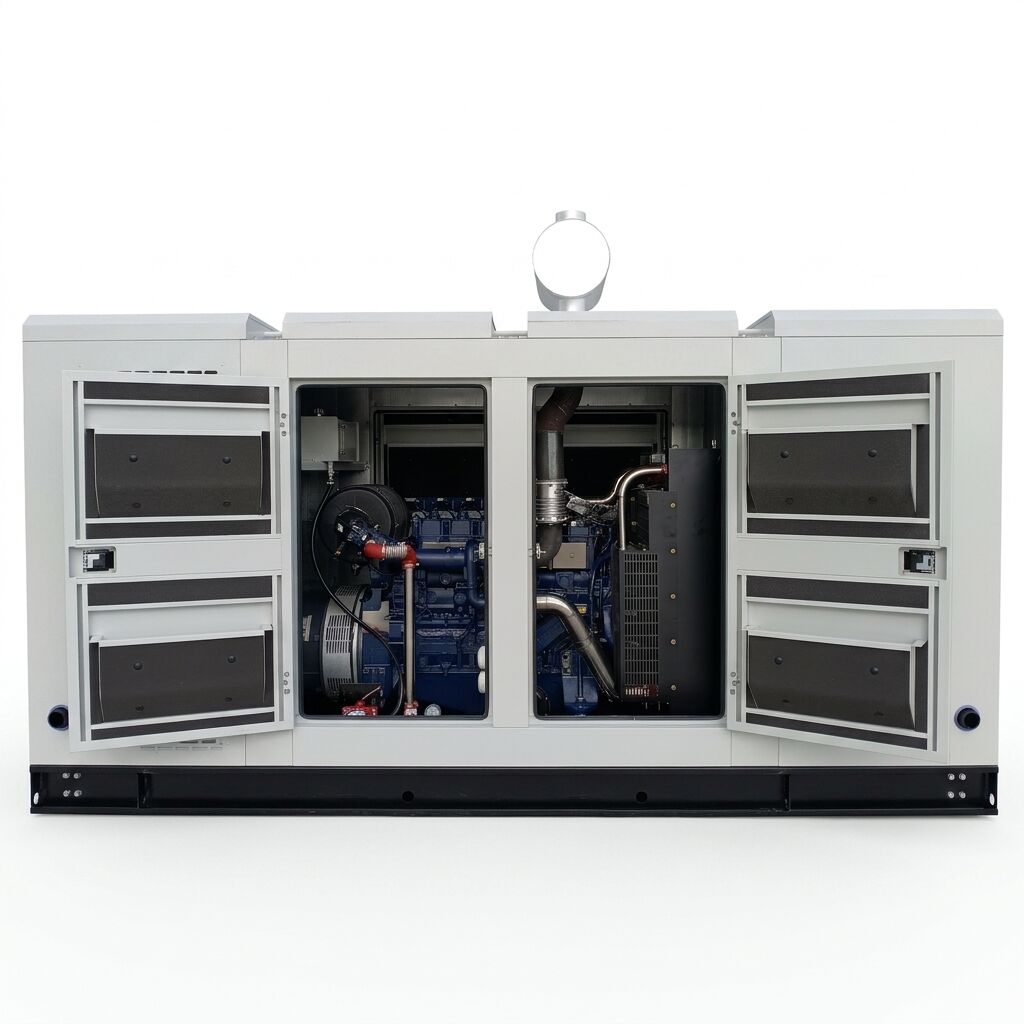
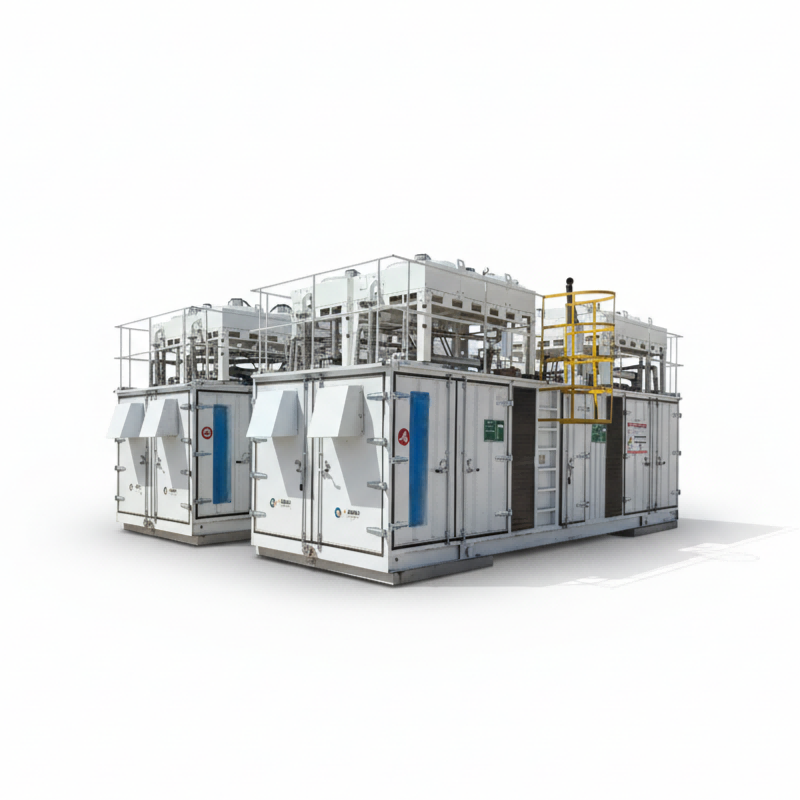
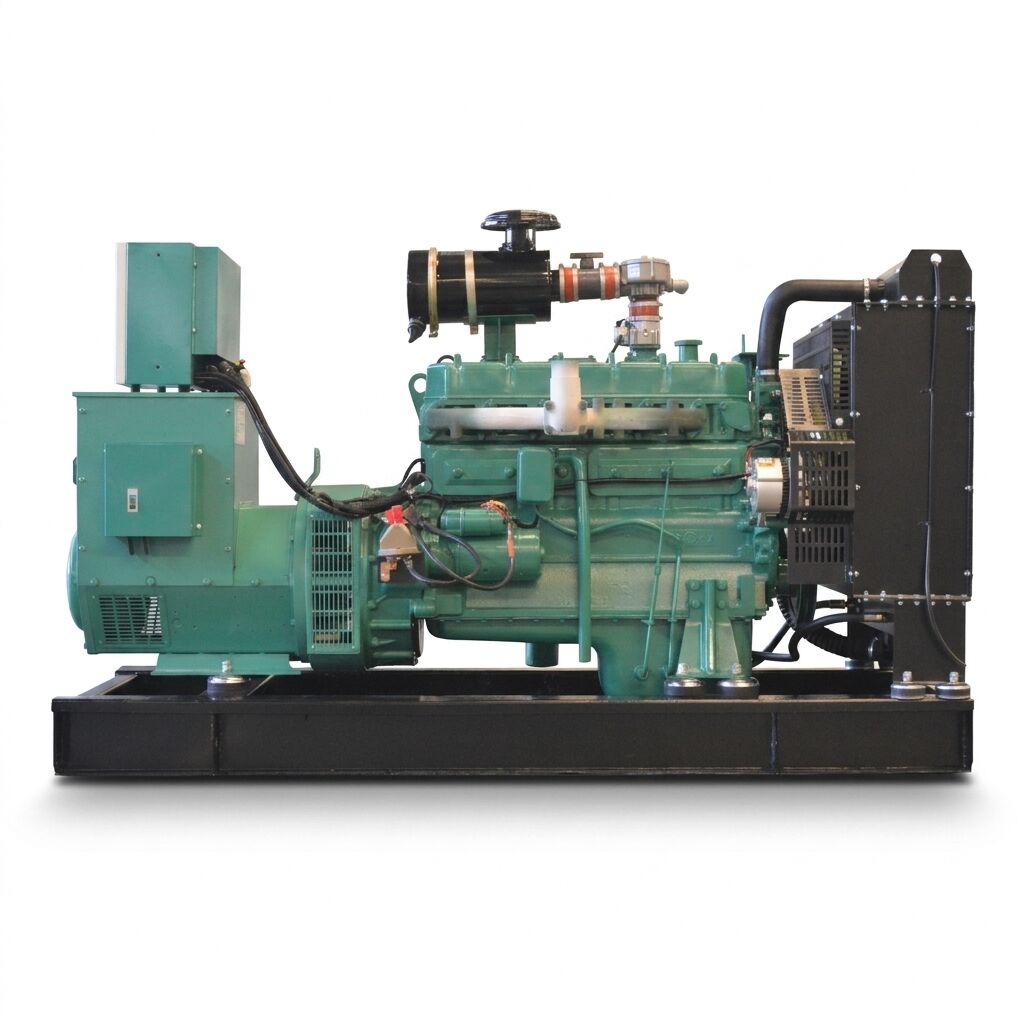
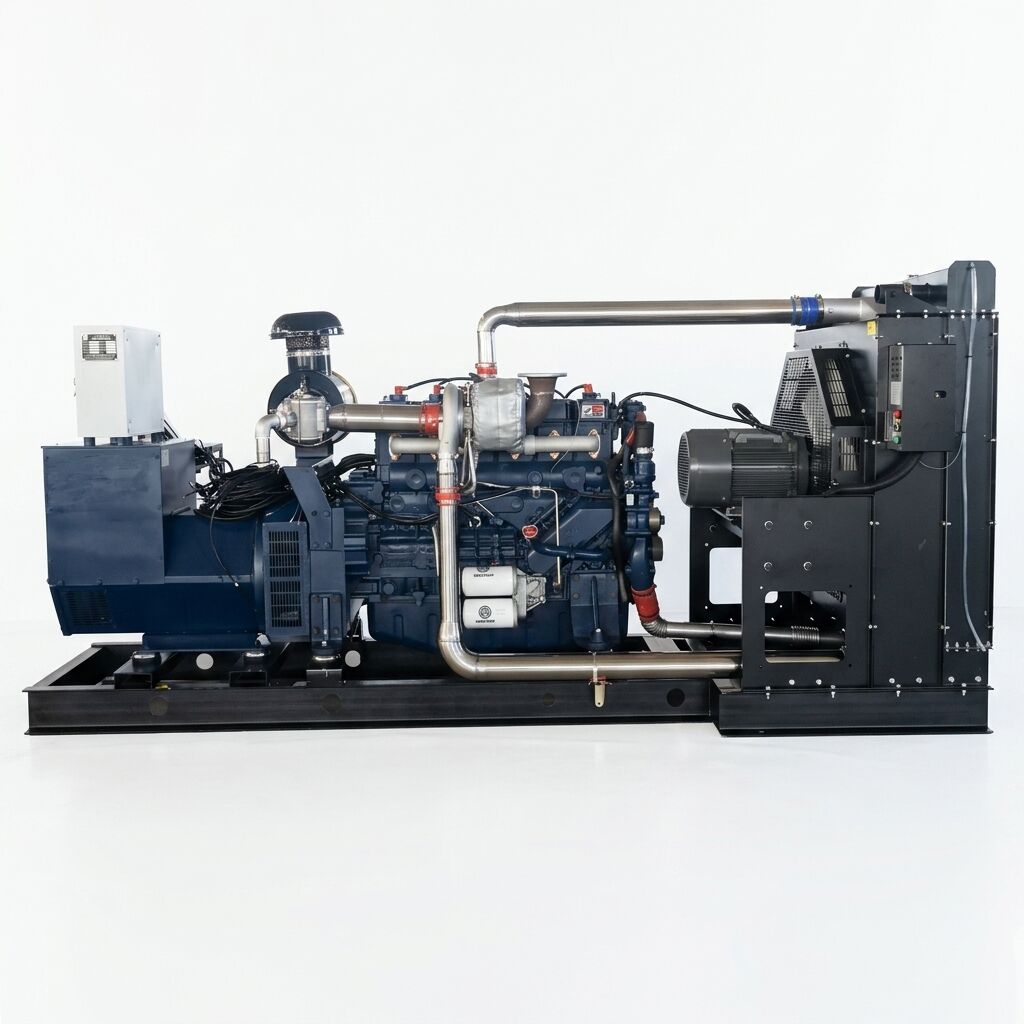
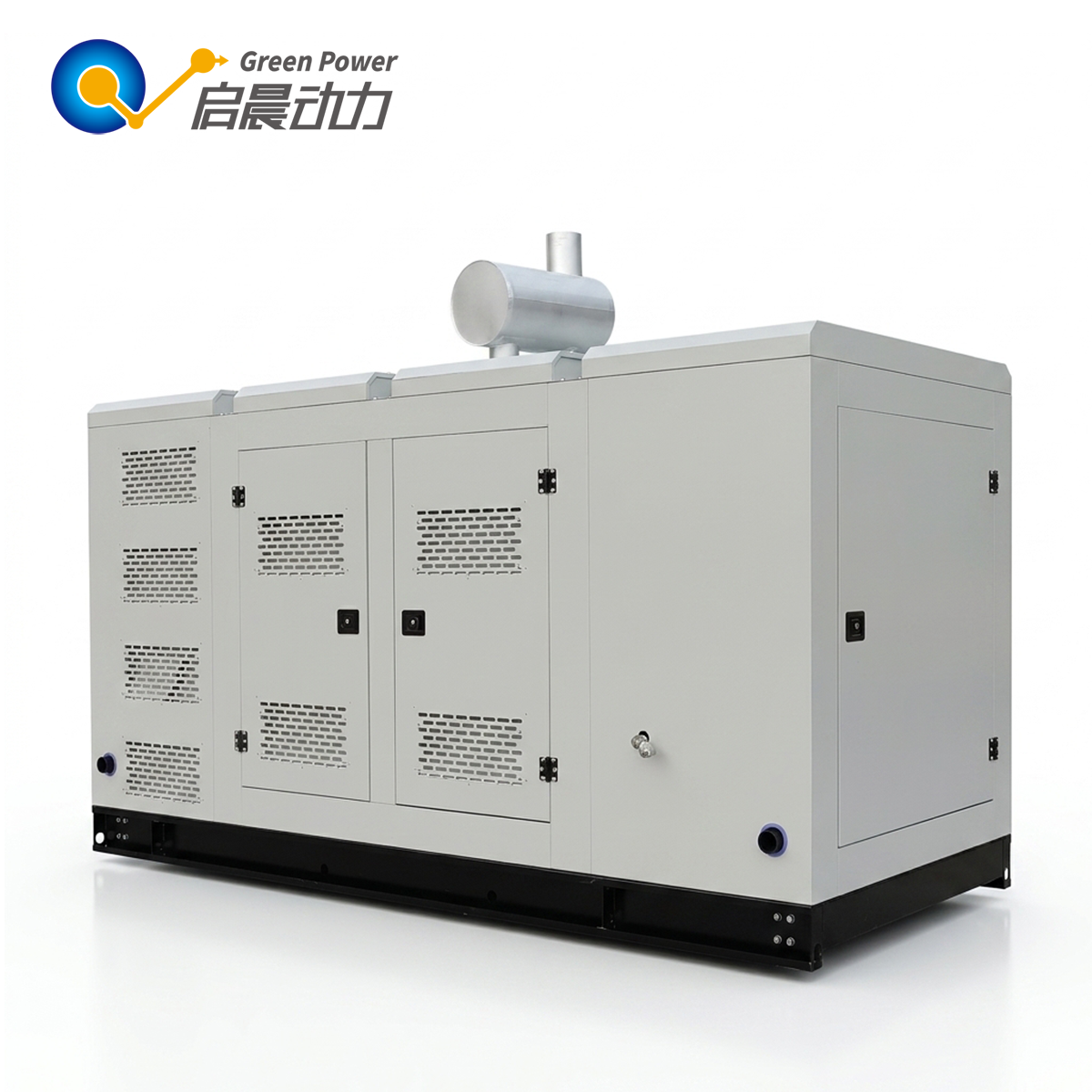
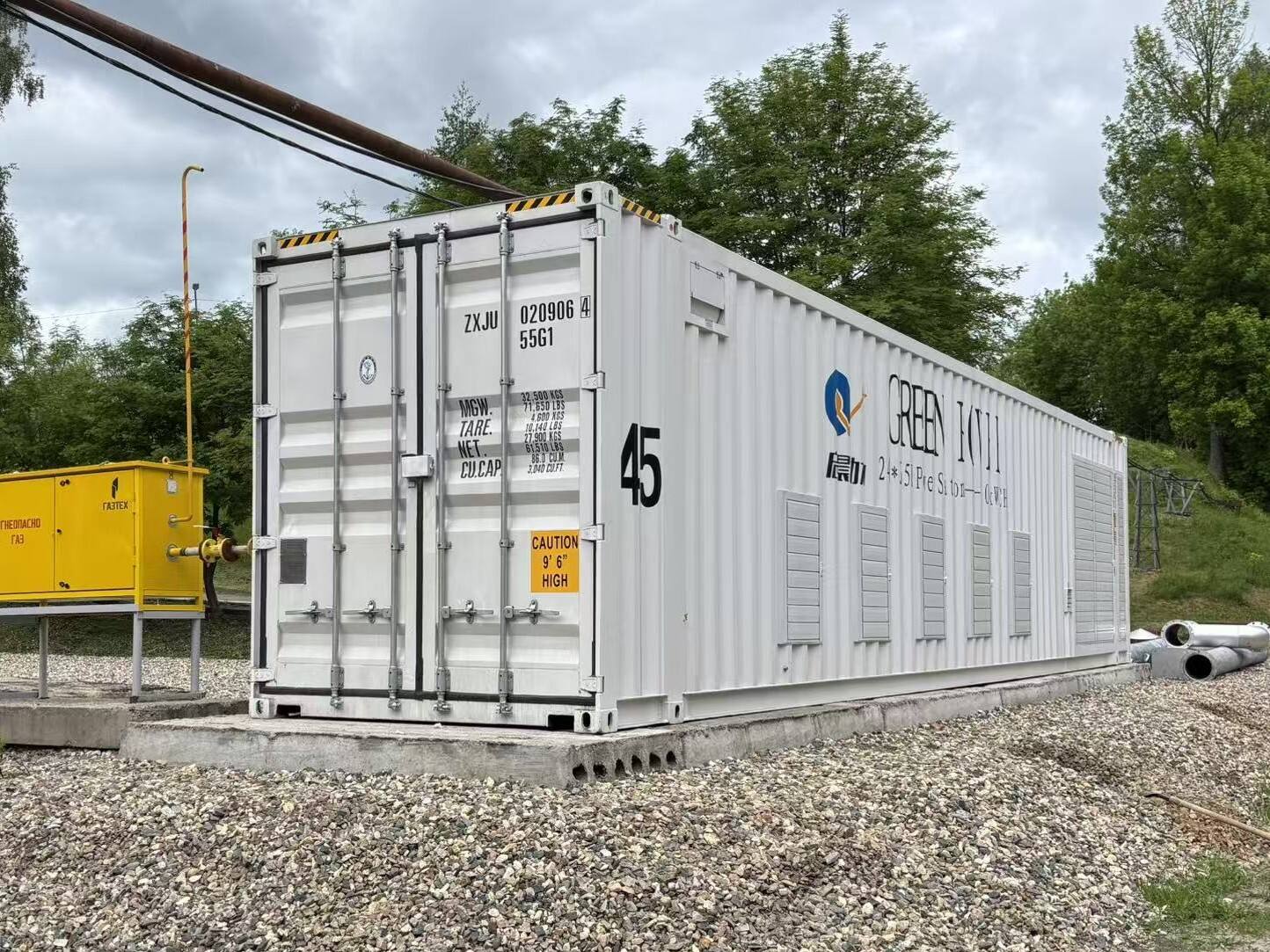
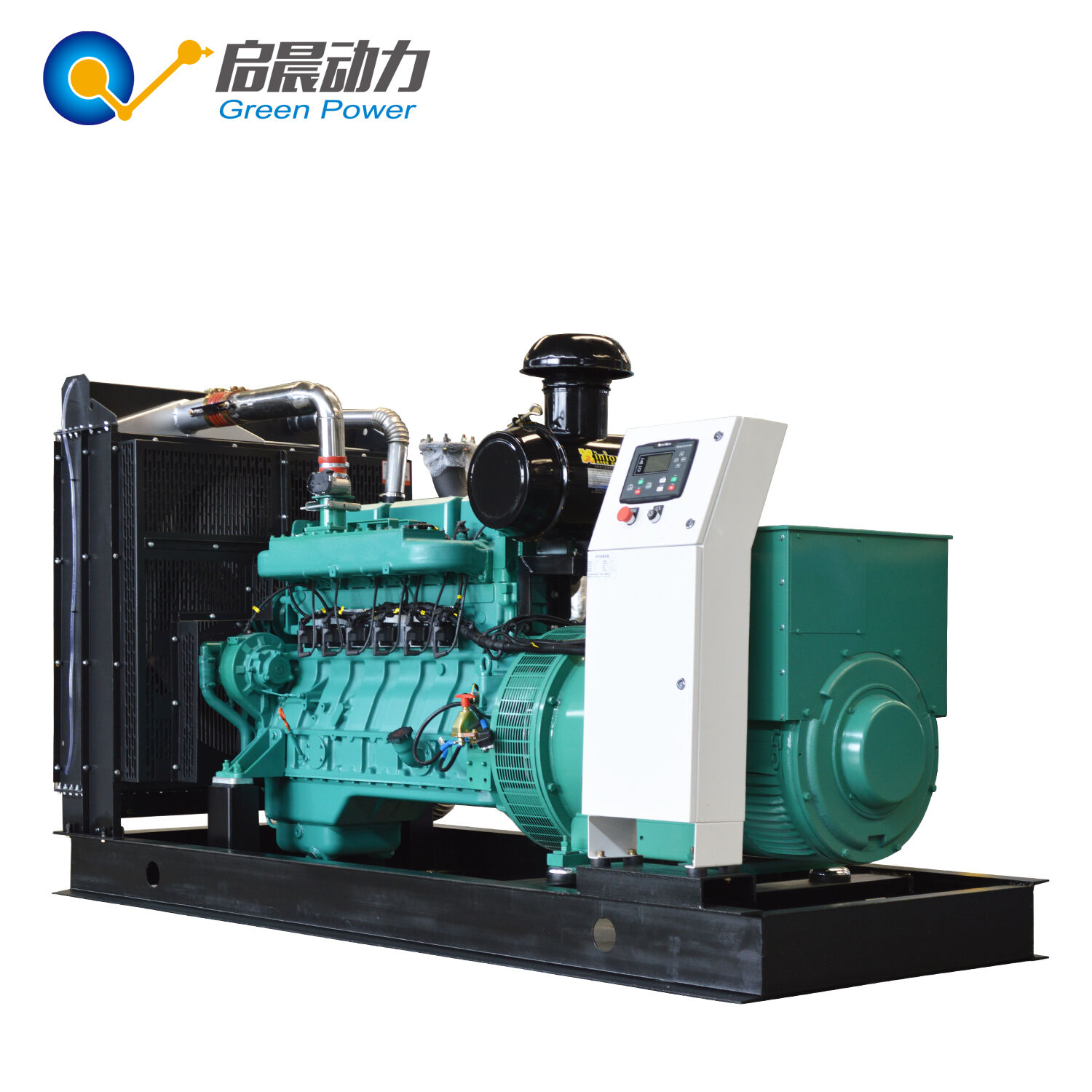
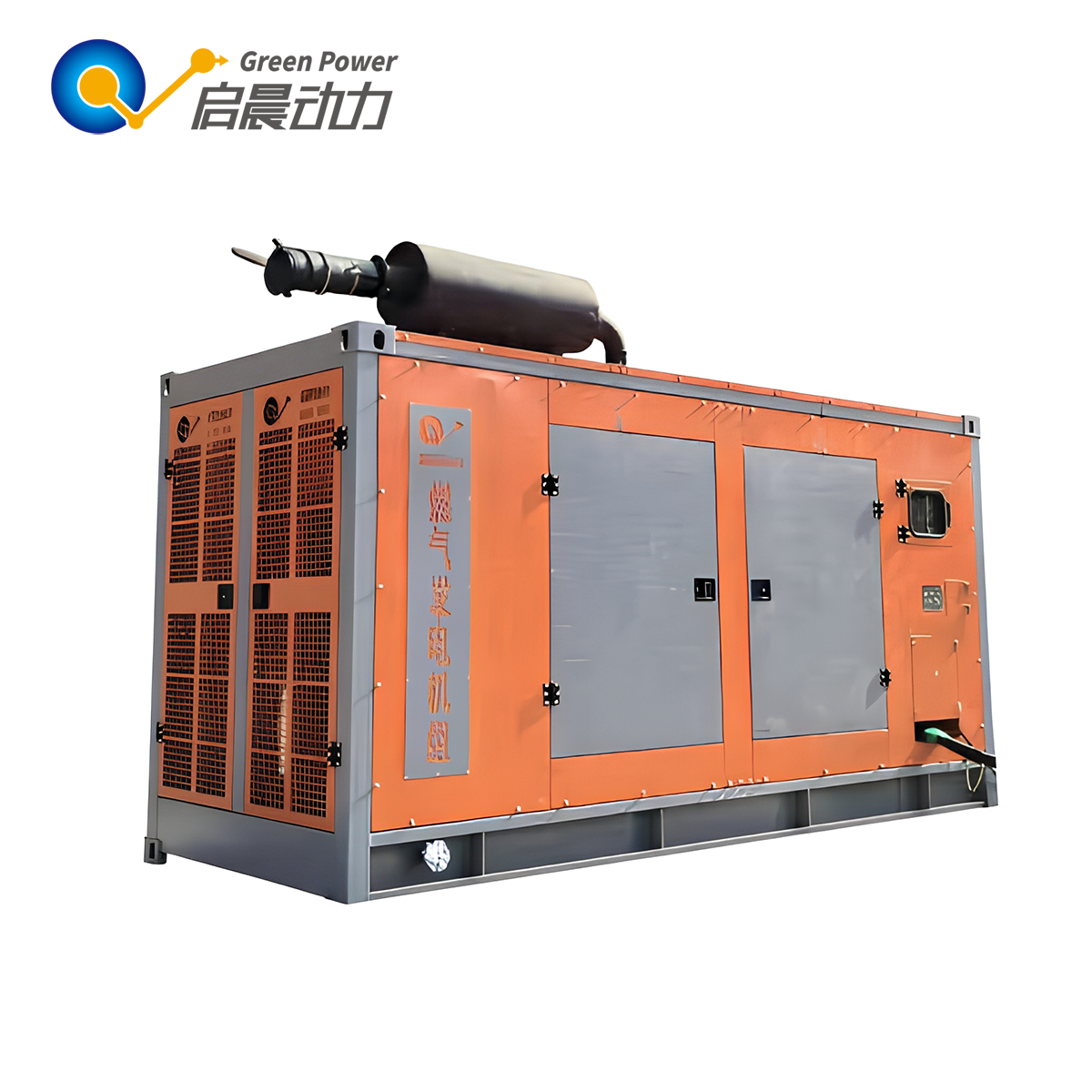
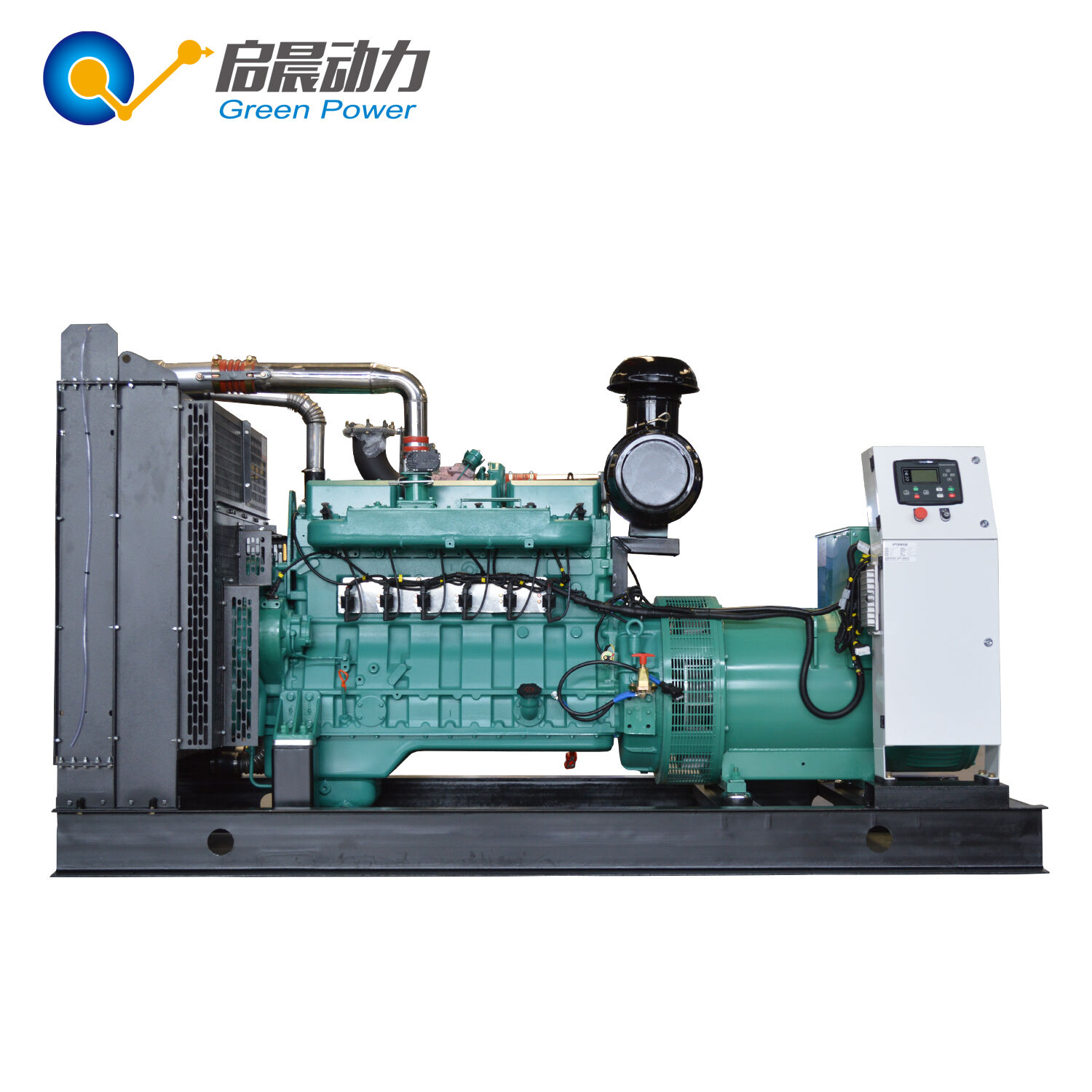
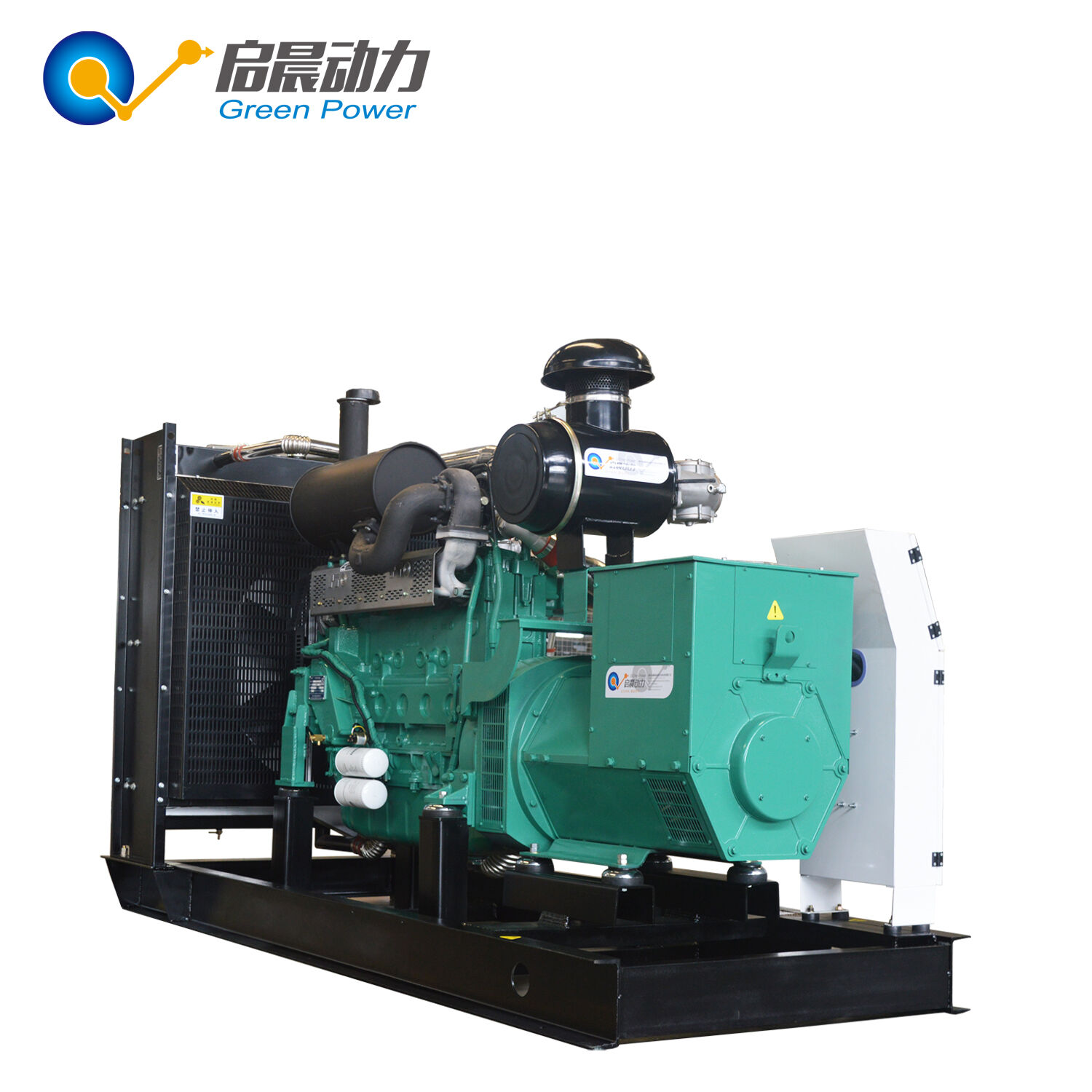
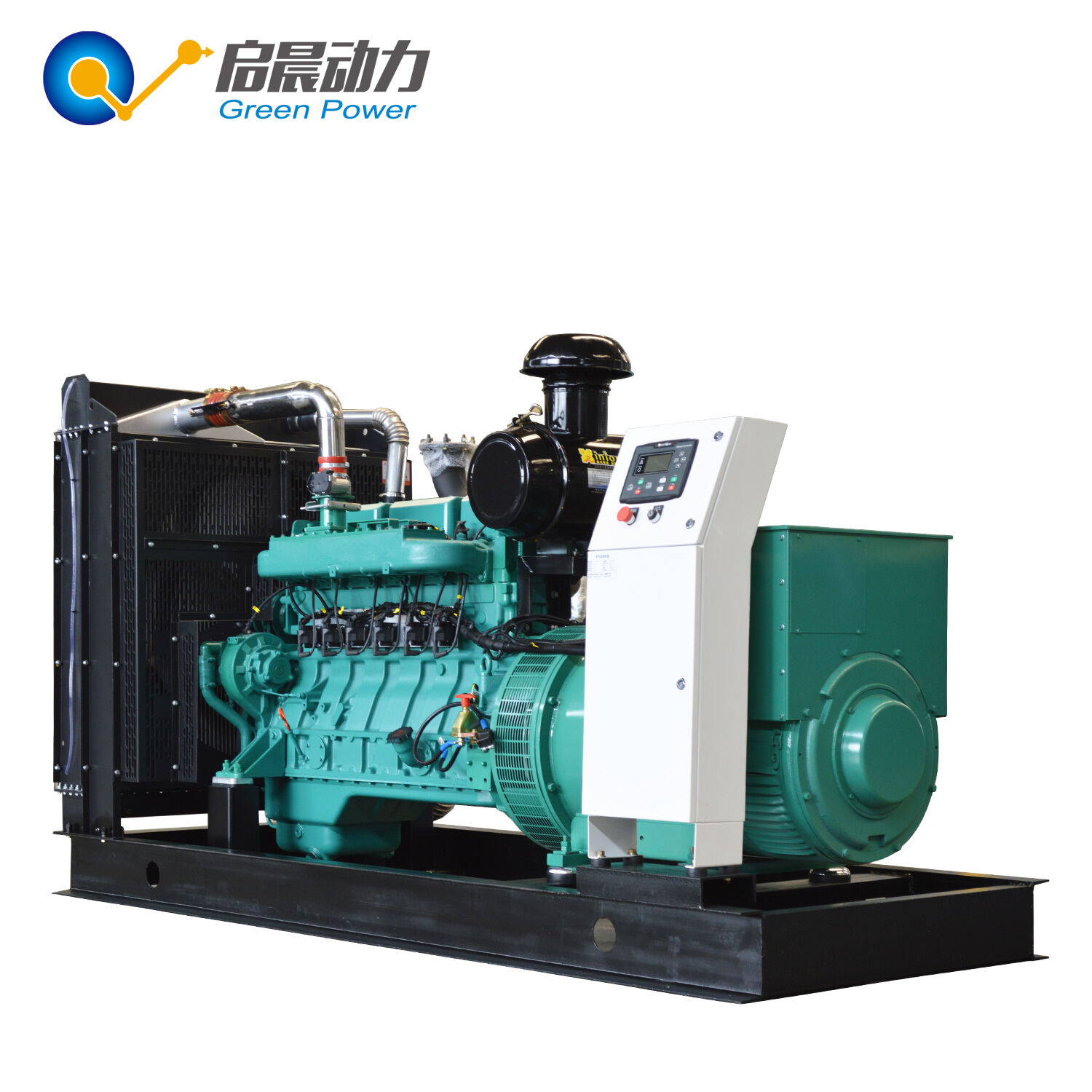
A natural gas generator set manufacturer specializes in designing, engineering, and producing power generation systems that utilize natural gas as their primary fuel source. These manufacturers develop comprehensive solutions ranging from small residential backup units to large industrial power plants capable of delivering continuous electricity for critical operations. The main functions include converting natural gas into mechanical energy through internal combustion engines, which then drives alternators to produce electrical power with high efficiency and reliability. A natural gas generator set manufacturer incorporates advanced technological features such as electronic fuel injection systems, digital control panels with remote monitoring capabilities, automatic voltage regulation, and sophisticated emissions control technologies that comply with stringent environmental standards. Modern systems feature smart grid integration, load management capabilities, and predictive maintenance algorithms that optimize performance while reducing operational costs. These generator sets find applications across diverse sectors including healthcare facilities requiring uninterrupted power for life-support systems, data centers needing constant uptime, manufacturing plants with high energy demands, commercial buildings seeking cost-effective backup power, and remote locations where grid connection is impractical. The versatility of natural gas as a fuel source, combined with manufacturer expertise in combustion technology and power electronics, delivers solutions that balance performance, environmental responsibility, and economic viability for customers seeking dependable energy independence.

New Product Releases

Choosing the right natural gas generator set manufacturer provides significant buyer value through access to proven engineering expertise and quality assurance systems that ensure long-term equipment reliability. Customers benefit from lower fuel costs compared to diesel alternatives, as natural gas typically costs less per unit of energy and experiences less price volatility in most markets. Operational benefits include cleaner combustion that produces fewer particulates and lower emissions of nitrogen oxides and carbon dioxide, reducing environmental impact while helping facilities meet increasingly strict air quality regulations without expensive aftertreatment systems. Natural gas generators operate more quietly than diesel counterparts, making them suitable for noise-sensitive environments like hospitals and residential areas. The fuel supply infrastructure offers convenience since many facilities already have natural gas pipeline connections, eliminating the need for on-site fuel storage tanks, delivery logistics, and associated safety concerns. Maintenance requirements are generally reduced because natural gas burns cleaner than liquid fuels, resulting in less engine wear, extended oil change intervals, and longer component life that translates directly into lower total cost of ownership. Application suitability spans from continuous prime power generation where the natural gas generator set manufacturer designs systems for 24/7 operation, to standby emergency power where instant reliability during outages is critical. Decision-useful context includes understanding that reputable manufacturers provide comprehensive support including installation guidance, operator training, preventive maintenance programs, rapid parts availability, and technical service networks that minimize downtime. The scalability of solutions from a quality natural gas generator set manufacturer allows businesses to start with appropriate capacity and expand as energy needs grow, protecting initial investments while accommodating future requirements.

Tips And Tricks

LPG Generator for Off-Grid Sites: Why Propane Power Is a Reliable Choice

01

May

LPG Generator for Off-Grid Sites: Why Propane Power Is a Reliable Choice

When power infrastructure is unavailable or unreliable, an LPG generator stands out as one of the most practical and dependable solutions for off-grid sites. Whether the application involves a remote construction camp, an agricultural facility, a min...
View More
1000 kW Natural Gas Generator System Design: Engine Configuration and Parallel Setup

07

May

1000 kW Natural Gas Generator System Design: Engine Configuration and Parallel Setup

A 1000 kW natural gas generator system represents a significant investment in on-site power infrastructure. Whether deployed for industrial facilities, large commercial complexes, or utility backup applications, engineering such a system correctly fr...
View More
LPG Generator Sizing Guide: Matching Output to Your Power Load Requirements

15

May

LPG Generator Sizing Guide: Matching Output to Your Power Load Requirements

Choosing the right LPG generator is one of the most consequential decisions a facility manager, contractor, or business owner can make. An undersized LPG generator will struggle under load, cause voltage instability, and risk equipment damage. An ove...
View More
How to Select a CHP Gas Generator Supplier: Technical Criteria and Contract Essentials

27

May

How to Select a CHP Gas Generator Supplier: Technical Criteria and Contract Essentials

Choosing the right supplier for a CHP gas generator is one of the most consequential procurement decisions an energy or facilities manager will make. A CHP gas generator combines heat and power production in a single system, meaning the technical dep...
View More

Send Us a Message

We'll reply within 24 hours
Email
Mobile Or WhatsApp
Name
Company Name
Message
0/1000

natural gas generator set manufacturer

Advanced Combustion Technology and Efficiency

Advanced Combustion Technology and Efficiency

Leading natural gas generator set manufacturer companies invest heavily in combustion engineering research to maximize fuel efficiency and power output while minimizing emissions. These manufacturers employ lean-burn technology that precisely controls the air-fuel mixture to achieve optimal combustion temperatures, resulting in thermal efficiency rates often exceeding 40 percent in larger industrial units. Sophisticated engine management systems continuously monitor and adjust operating parameters including ignition timing, fuel delivery rates, and turbocharger boost pressure to maintain peak performance across varying load conditions. The integration of high-efficiency alternators with advanced winding designs and cooling systems ensures maximum electrical output with minimal losses. Many manufacturers now incorporate cogeneration capabilities that capture waste heat from exhaust gases and engine cooling systems, allowing facilities to simultaneously produce electricity and useful thermal energy for heating, cooling, or industrial processes. This combined heat and power approach can achieve overall system efficiencies exceeding 80 percent, dramatically reducing fuel consumption and operational costs. The result is a power generation solution that delivers exceptional return on investment while supporting corporate sustainability initiatives through reduced carbon footprint and resource consumption.
Comprehensive Control and Monitoring Systems

Comprehensive Control and Monitoring Systems

Modern natural gas generator set manufacturer solutions feature state-of-the-art digital control systems that provide unprecedented visibility into equipment performance and operational status. These intelligent controllers offer touch-screen interfaces displaying real-time data including voltage, current, frequency, power factor, fuel consumption, operating hours, and detailed engine parameters such as oil pressure, coolant temperature, and emissions levels. Advanced manufacturers integrate remote monitoring capabilities through cellular, ethernet, or satellite connections, enabling facility managers to check generator status, receive instant alerts about fault conditions, and review historical performance data from anywhere using smartphones, tablets, or computers. Predictive maintenance algorithms analyze operating patterns and component wear rates to forecast service requirements before failures occur, preventing unexpected downtime and optimizing maintenance scheduling. Automatic transfer switches seamlessly detect utility power interruptions and command the generator to start, stabilize, and assume the electrical load within seconds, ensuring uninterrupted power to critical systems. Parallel operation capabilities allow multiple generator sets to work together, sharing electrical loads and providing redundancy that enhances system reliability while enabling modular capacity expansion as energy demands increase over time.

Environmental Compliance and Sustainability Focus

Environmental Compliance and Sustainability Focus

Forward-thinking natural gas generator set manufacturer companies prioritize environmental performance as a core design principle, developing products that help customers meet current regulations while preparing for future emissions standards. Natural gas combustion inherently produces significantly fewer harmful pollutants compared to diesel fuel, with reductions of up to 90 percent in particulate matter, 80 percent in nitrogen oxide emissions, and 25 percent in carbon dioxide output for equivalent power generation. Manufacturers enhance these natural advantages through catalytic emission control systems, exhaust gas recirculation technologies, and optimized combustion chamber designs that further minimize environmental impact. Many systems achieve compliance with the most stringent air quality standards including EPA Tier 4, CARB, and international equivalents without requiring bulky and expensive aftertreatment equipment. The renewable fuel capability of modern natural gas generators allows operation on biogas, landfill gas, or renewable natural gas produced from organic waste, enabling facilities to achieve near-carbon-neutral power generation while supporting circular economy principles. Comprehensive lifecycle assessments provided by leading manufacturers demonstrate the total environmental benefits including reduced greenhouse gas emissions, lower water consumption during fuel production, and decreased soil contamination risks compared to liquid fuel alternatives, supporting corporate environmental goals and enhancing brand reputation.

Send Us a Message

We'll reply within 24 hours
Email
Mobile Or WhatsApp
Name
Company Name
Message
0/1000