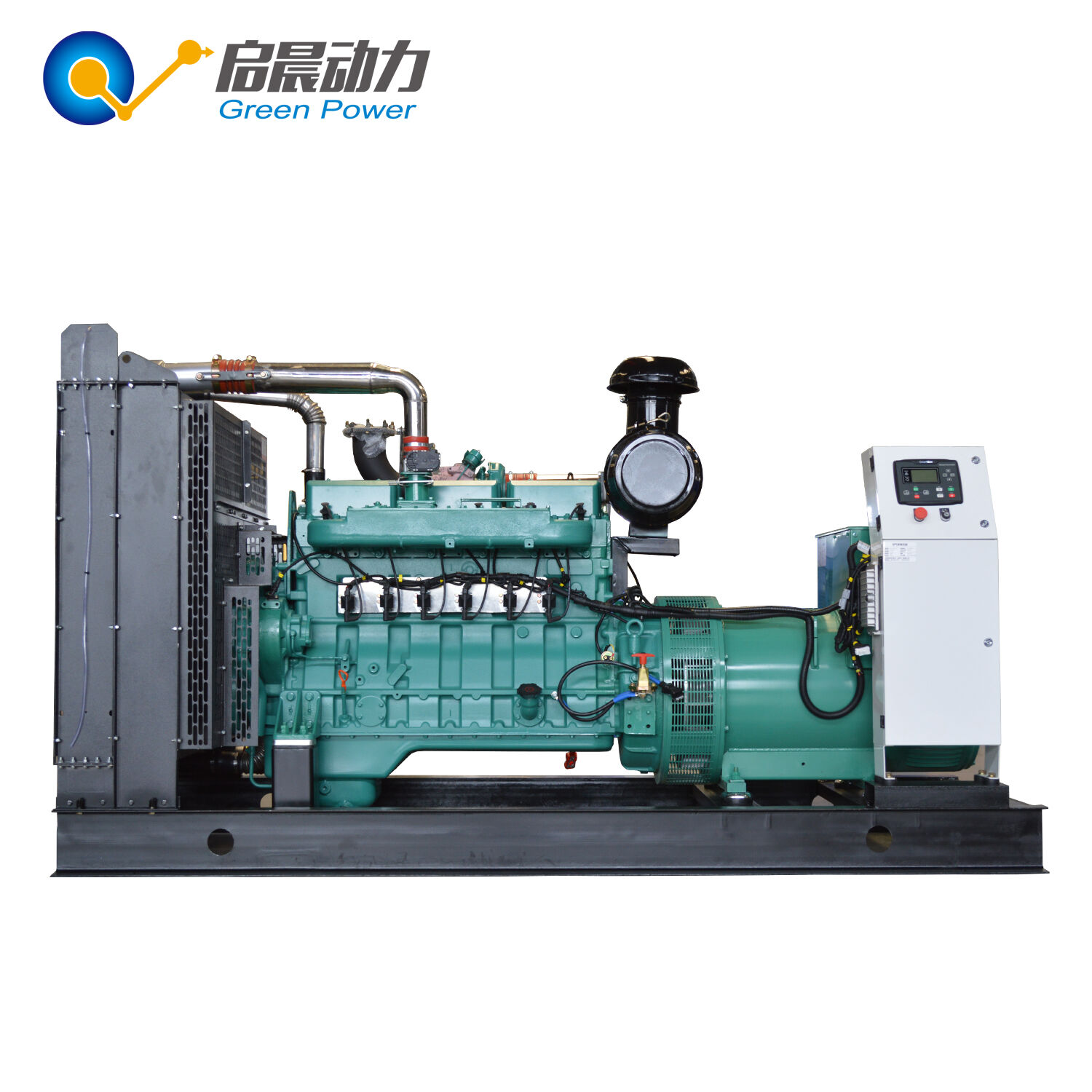
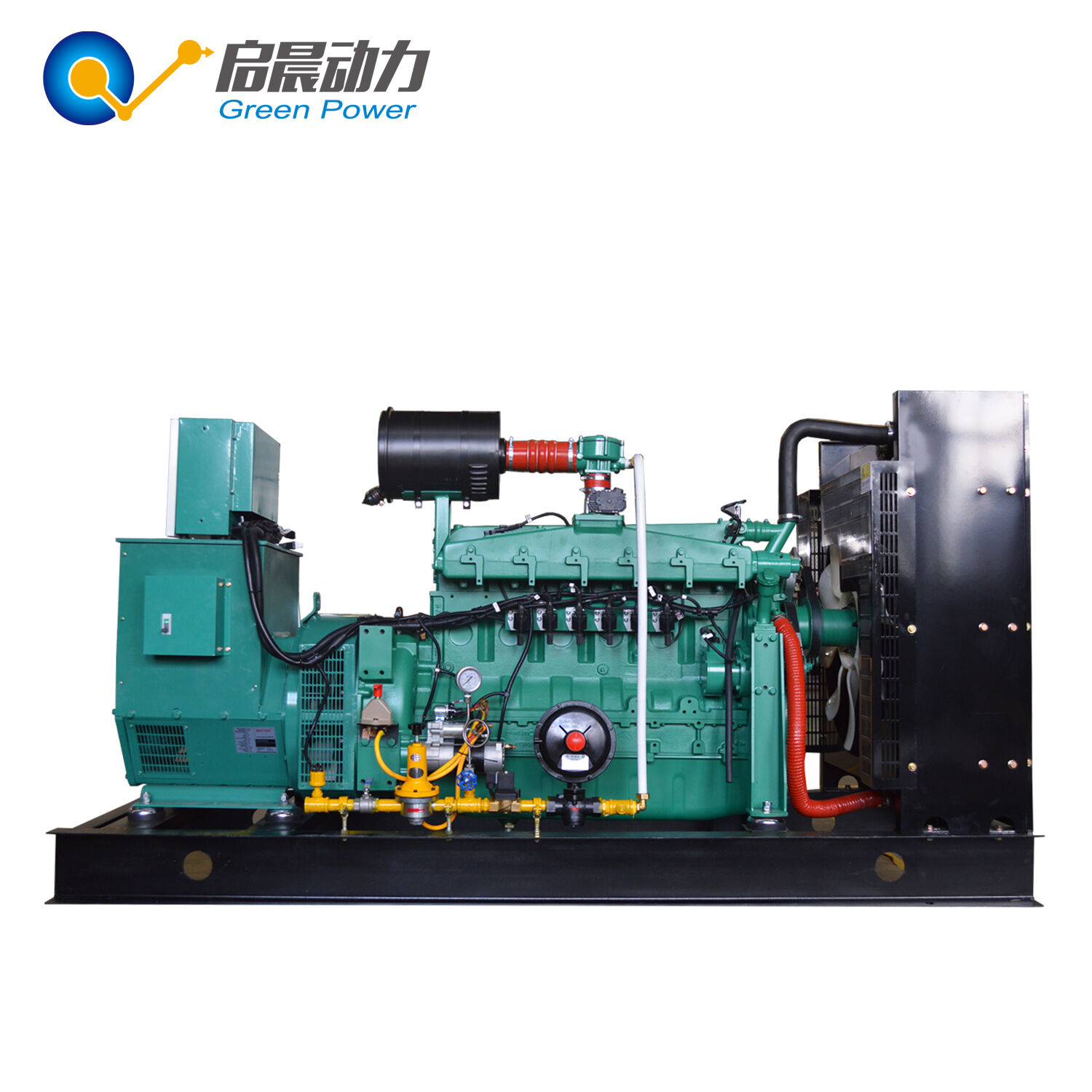
Natural Gas Generators for Industrial Use

Send Us a Message

We'll reply within 24 hours
Email
Mobile Or WhatsApp
Name
Company Name
Message
0/1000

natural gas generators for industrial use

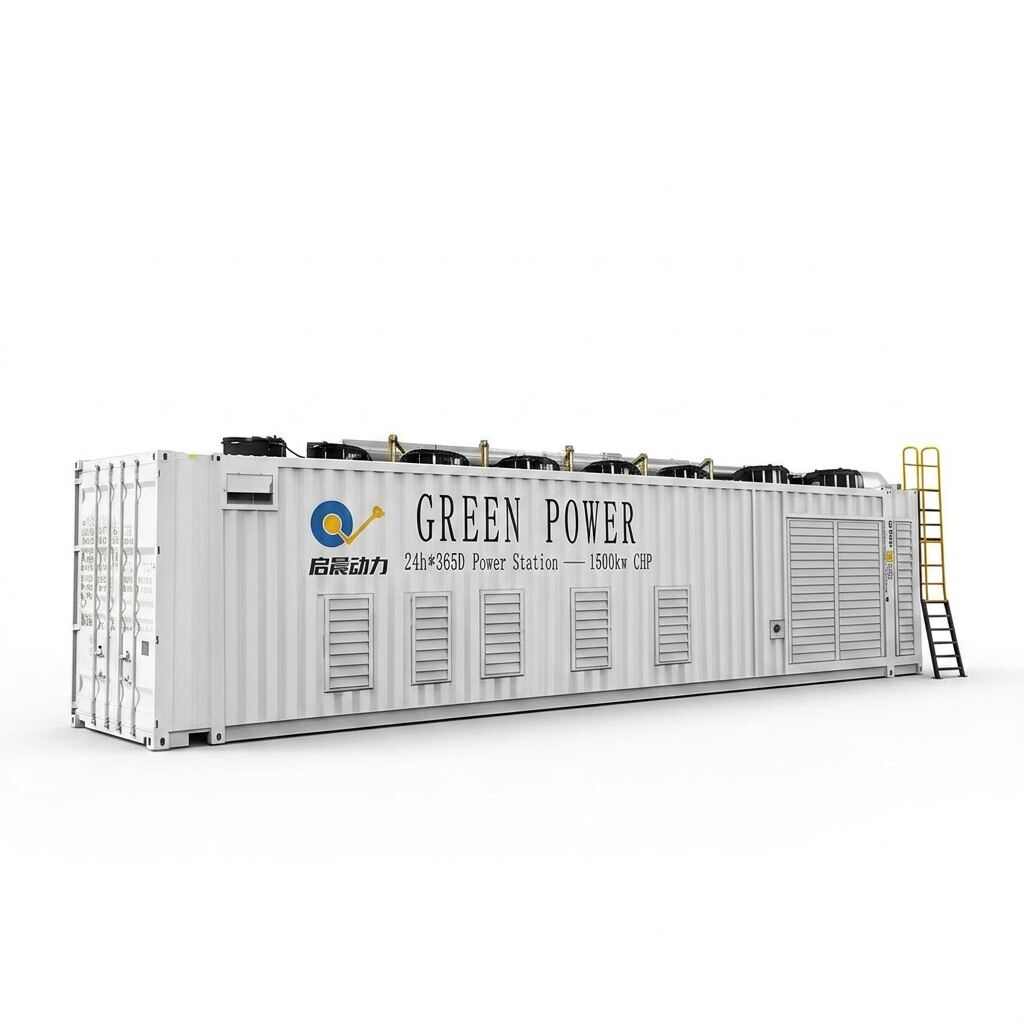
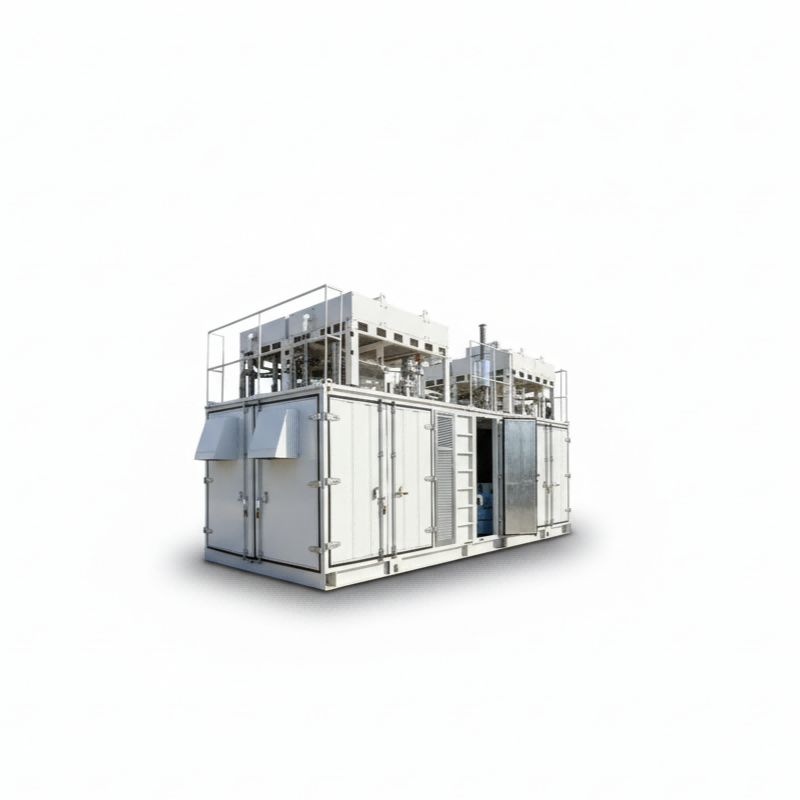
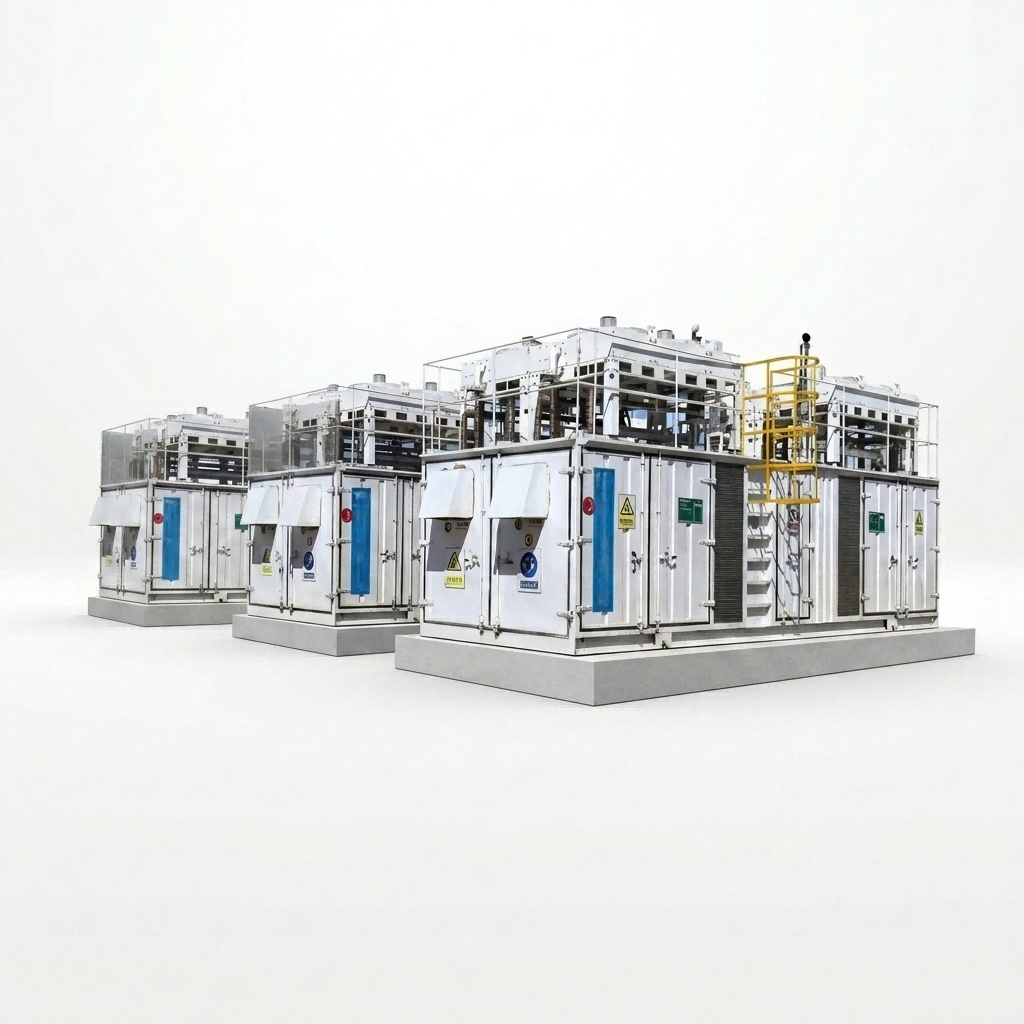
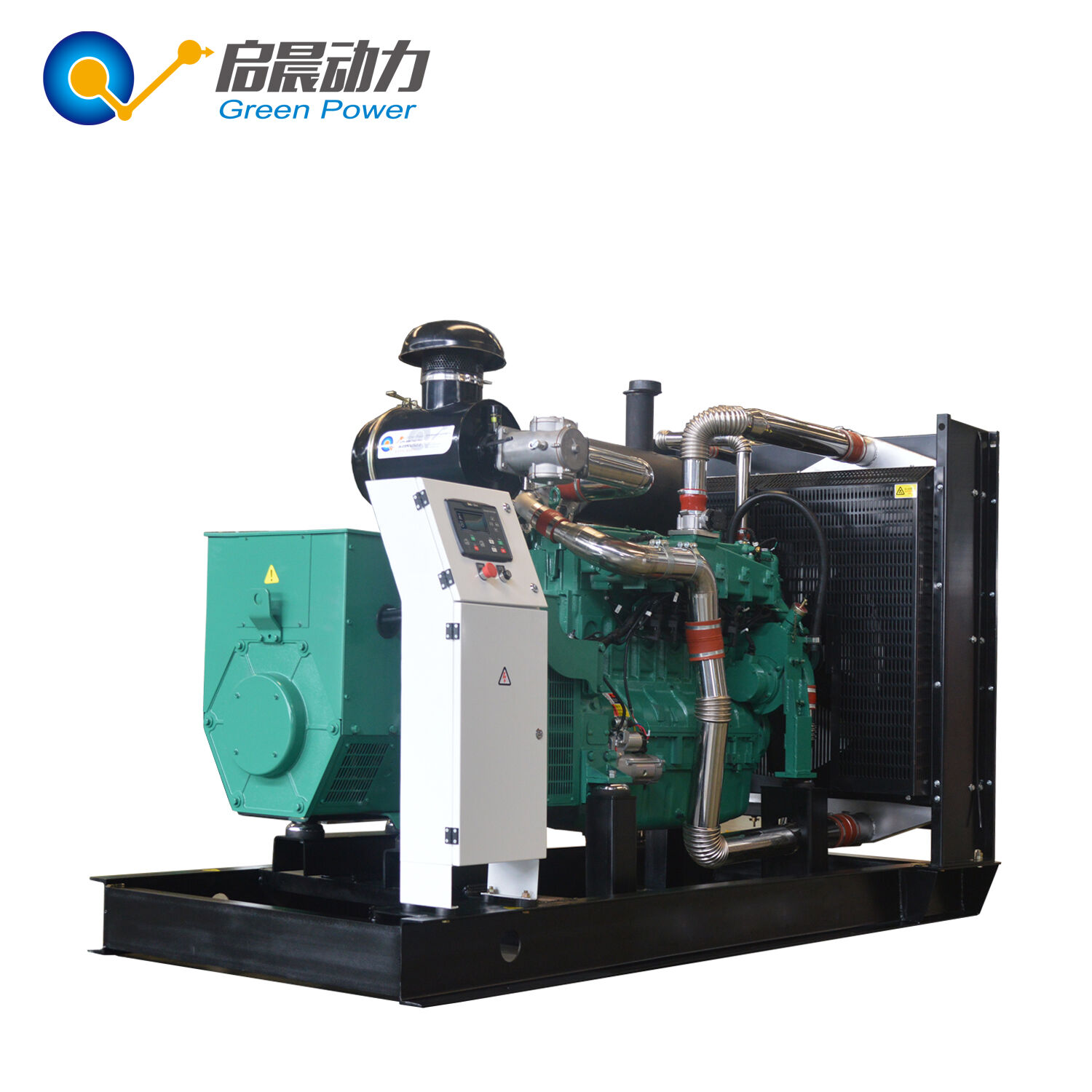
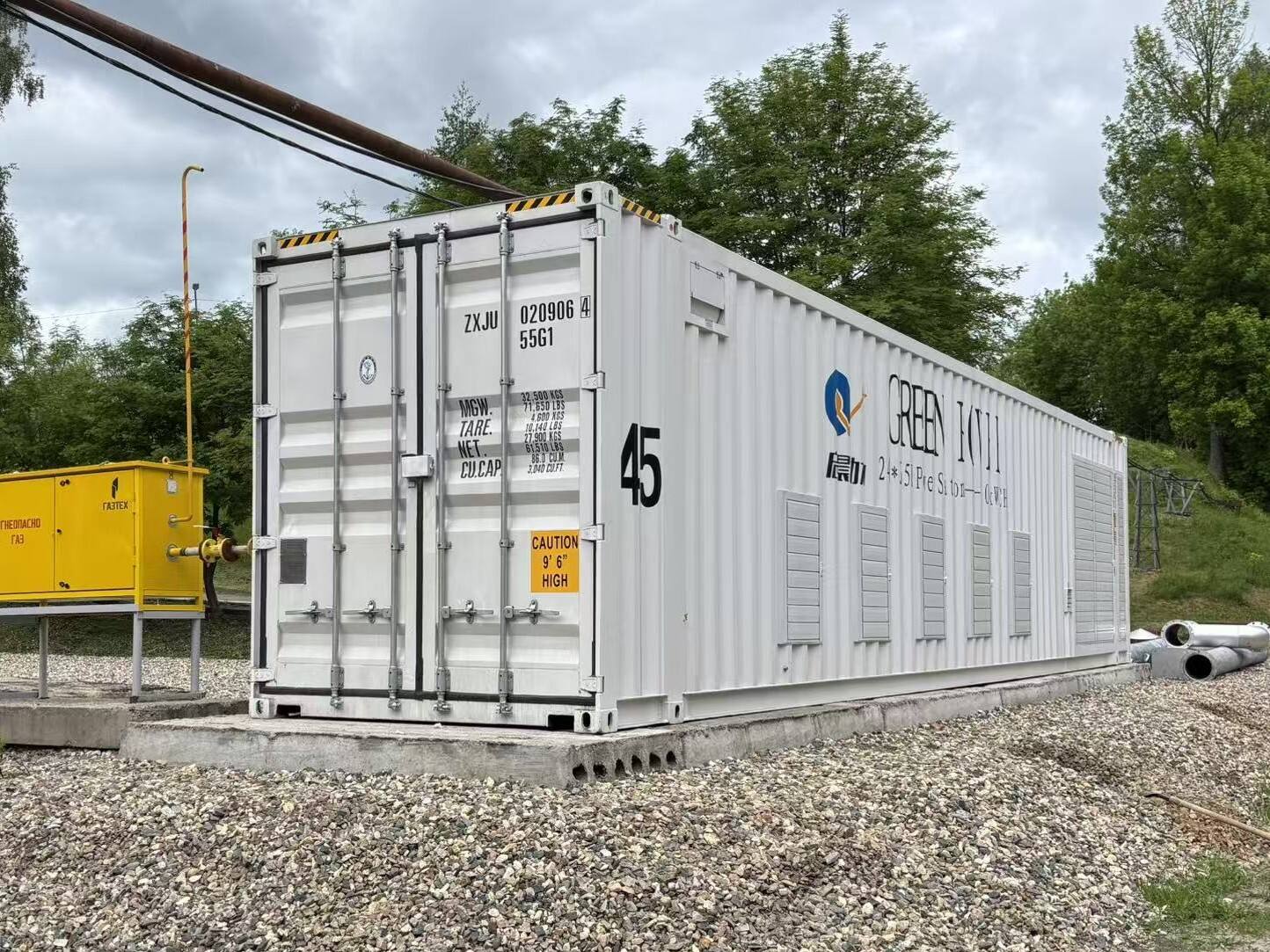
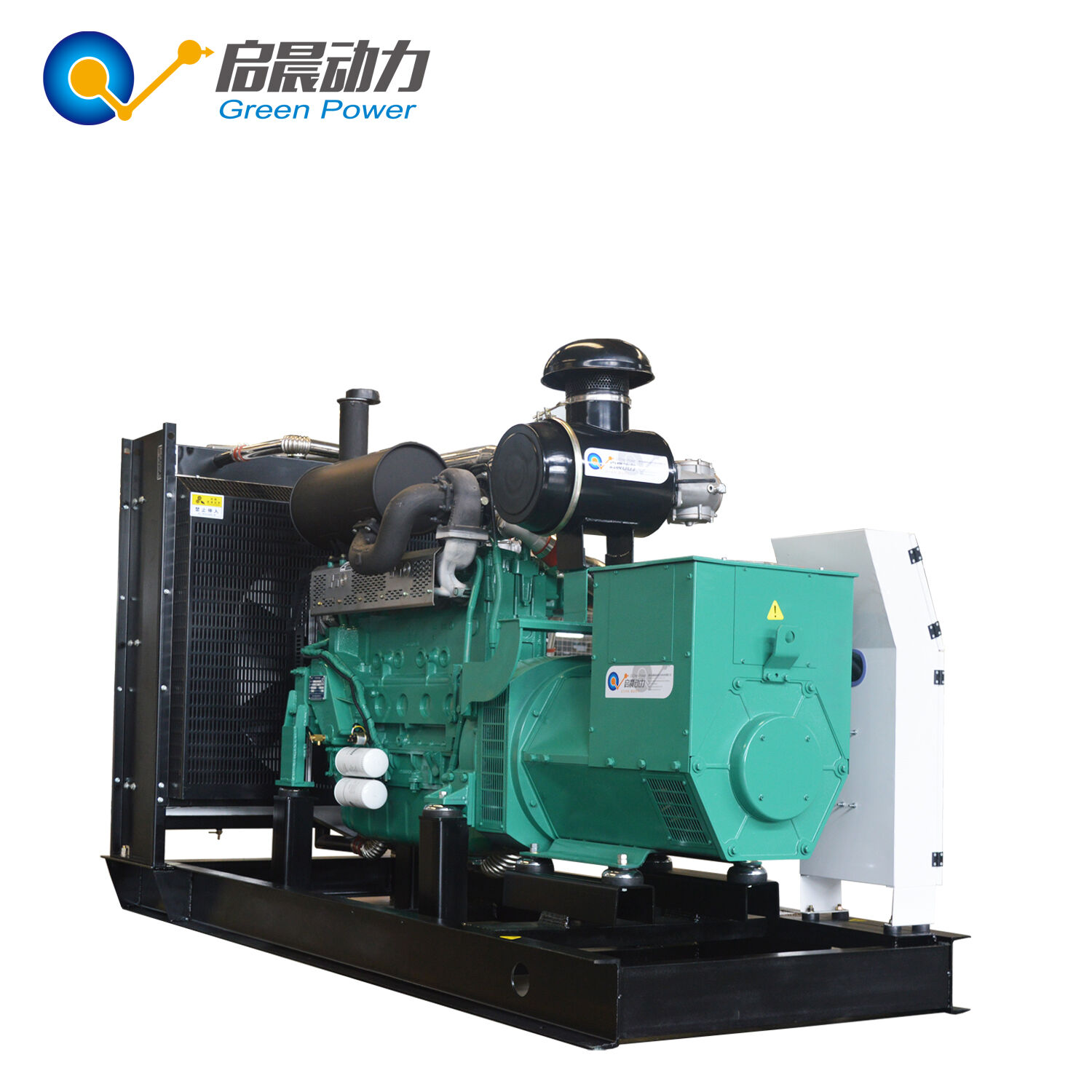
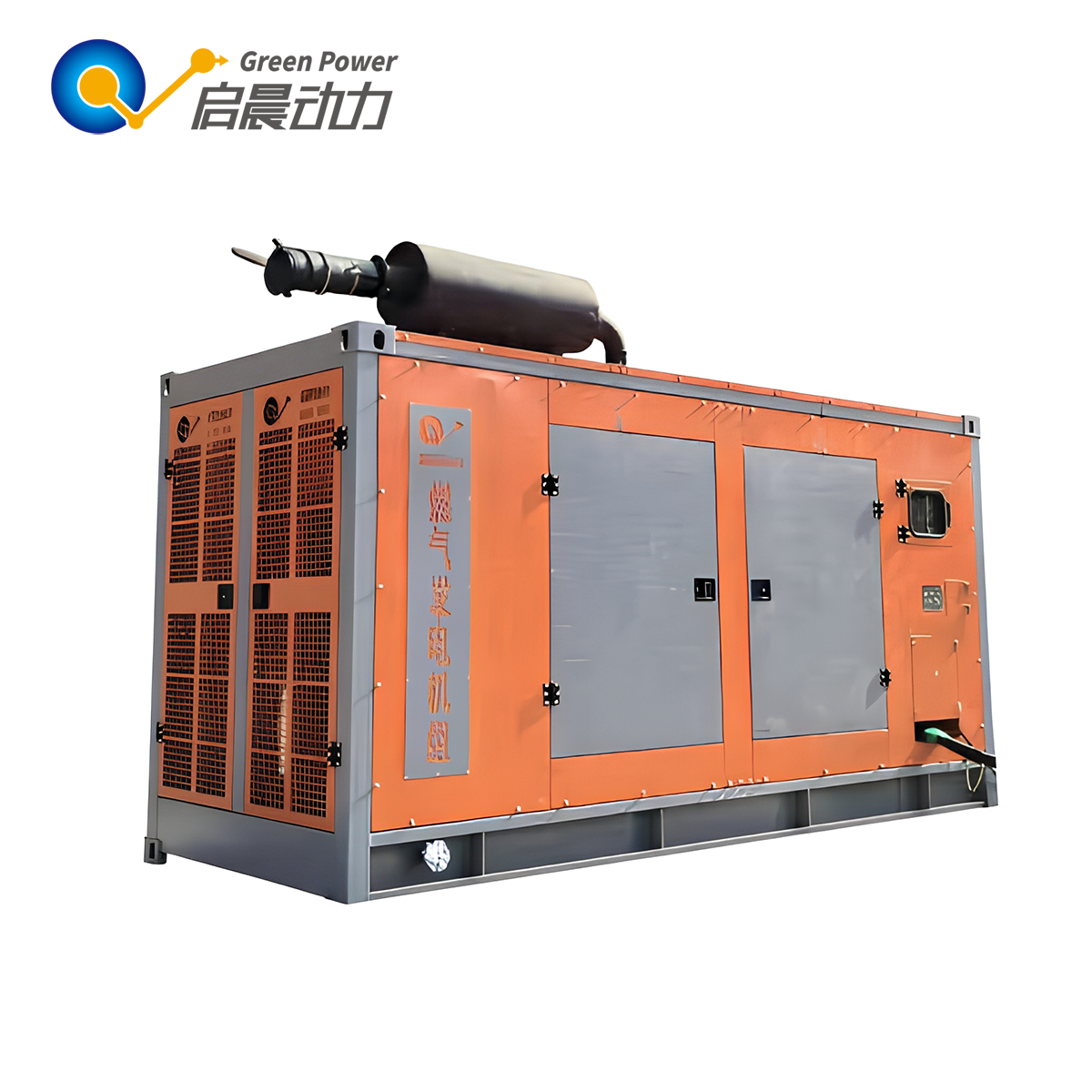
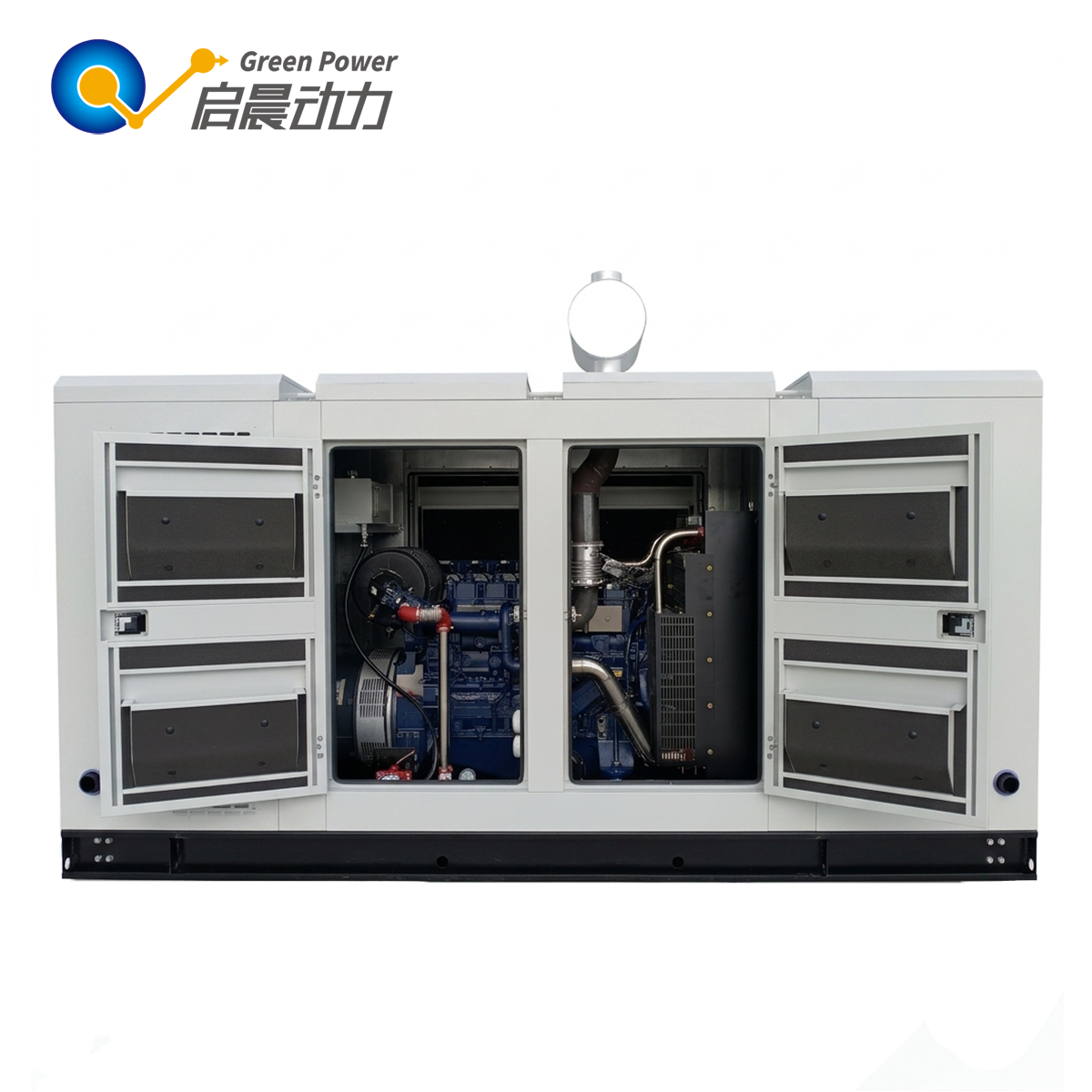
Natural gas generators for industrial use are robust power generation systems designed to deliver reliable electricity for manufacturing facilities, processing plants, and large-scale commercial operations. These advanced systems convert natural gas fuel into electrical energy through internal combustion engines coupled with high-efficiency alternators. Natural gas generators for industrial use serve as primary power sources or backup systems, ensuring continuous operations during grid outages or peak demand periods. The main functions include providing uninterrupted power supply, supporting critical equipment operations, and reducing dependency on traditional grid electricity. Technological features encompass sophisticated engine management systems, advanced emission controls, and intelligent load management capabilities that optimize fuel consumption. Modern natural gas generators for industrial use integrate digital monitoring systems that track performance metrics, fuel efficiency, and maintenance requirements in real-time. These generators range from 100 kW to several megawatts in capacity, accommodating diverse industrial power requirements. Applications span across petrochemical facilities, food processing plants, data centers, healthcare institutions, and manufacturing complexes. The systems operate efficiently under varying load conditions while maintaining stable voltage and frequency output. Natural gas generators for industrial use incorporate automatic transfer switches, paralleling capabilities, and remote monitoring features that enhance operational flexibility. Their modular design allows for scalable power solutions that grow with business demands, making them ideal for industries requiring consistent, high-quality electrical power with minimal environmental impact.

New Product Releases

Investing in natural gas generators for industrial use delivers substantial cost savings through lower fuel expenses compared to diesel alternatives, as natural gas typically costs 30-40 percent less per energy unit. These systems provide exceptional operational reliability with continuous duty ratings that support 24/7 industrial operations without frequent shutdowns. The fuel supply infrastructure for natural gas offers convenience through direct pipeline connections, eliminating the need for on-site fuel storage tanks and reducing logistical complications. Natural gas generators for industrial use produce significantly cleaner emissions, with up to 90 percent fewer particulate matter and 80 percent less nitrogen oxide compared to diesel generators, helping facilities meet stringent environmental regulations without expensive aftertreatment systems. Maintenance requirements are less demanding because natural gas burns cleaner, resulting in reduced engine wear, longer oil change intervals, and extended component lifespan that translates to lower lifetime ownership costs. The quiet operation of natural gas generators for industrial use makes them suitable for installations near populated areas or noise-sensitive environments, reducing community impact concerns. These generators offer fuel flexibility, with many models capable of operating on propane or biogas, providing energy diversification options. The instant availability of natural gas through utility connections ensures your facility never runs out of fuel during extended power outages. Modern natural gas generators for industrial use feature rapid start capabilities, reaching full power output within seconds to protect sensitive equipment and prevent costly production interruptions. Their proven track record across diverse industries demonstrates versatility in handling various load profiles, from steady baseload operations to variable demand applications, making them a smart investment for businesses seeking dependable, economical, and environmentally responsible power solutions.

Tips And Tricks

Natural Gas Generator Installation Guide: From Site Planning to First Power-On

04

May

Natural Gas Generator Installation Guide: From Site Planning to First Power-On

Installing a natural gas generator is a significant infrastructure decision that demands careful planning, precise execution, and a clear understanding of local codes. Whether you are equipping an industrial facility, a commercial building, or a remo...
View More
1000 kW Natural Gas Generator System Design: Engine Configuration and Parallel Setup

07

May

1000 kW Natural Gas Generator System Design: Engine Configuration and Parallel Setup

A 1000 kW natural gas generator system represents a significant investment in on-site power infrastructure. Whether deployed for industrial facilities, large commercial complexes, or utility backup applications, engineering such a system correctly fr...
View More
Natural Gas Generator ROI Calculator: Is It the Right Investment for Your Business?

19

May

Natural Gas Generator ROI Calculator: Is It the Right Investment for Your Business?

Deciding whether a natural gas generator is the right investment for your business requires more than a gut feeling. It demands a clear-eyed look at upfront costs, ongoing fuel savings, operational reliability, and how long it takes to recover your c...
View More
How to Select a CHP Gas Generator Supplier: Technical Criteria and Contract Essentials

27

May

How to Select a CHP Gas Generator Supplier: Technical Criteria and Contract Essentials

Choosing the right supplier for a CHP gas generator is one of the most consequential procurement decisions an energy or facilities manager will make. A CHP gas generator combines heat and power production in a single system, meaning the technical dep...
View More

Send Us a Message

We'll reply within 24 hours
Email
Mobile Or WhatsApp
Name
Company Name
Message
0/1000

natural gas generators for industrial use

Advanced Fuel Efficiency and Cost Performance

Advanced Fuel Efficiency and Cost Performance

Natural gas generators for industrial use excel in delivering superior fuel efficiency through optimized combustion technology and intelligent engine management systems. These generators achieve thermal efficiencies exceeding 40 percent, converting more fuel energy into usable electricity while minimizing waste. The advanced electronic fuel injection systems precisely control gas flow, adapting to load variations in real-time to maintain optimal performance across the entire operating range. This precision results in significant operational cost reductions, particularly for facilities running continuous or extended duty cycles. The economic advantage becomes even more pronounced when considering natural gas price stability compared to volatile petroleum-based fuels. Industrial operations benefit from predictable energy costs that simplify budget planning and improve financial forecasting accuracy. Additionally, many regions offer favorable utility rates for natural gas, and combined heat and power configurations can capture waste heat for facility heating or process applications, further enhancing overall system efficiency. The combination of lower fuel costs, reduced maintenance expenses, and extended service intervals creates a compelling total cost of ownership profile that delivers measurable return on investment within the first few years of operation.
Environmental Compliance and Sustainability Benefits

Environmental Compliance and Sustainability Benefits

Natural gas generators for industrial use represent a significant advancement in sustainable power generation for environmentally conscious businesses. These systems produce substantially lower greenhouse gas emissions compared to traditional diesel generators, with carbon dioxide reductions of approximately 25-30 percent per kilowatt-hour generated. The clean-burning characteristics of natural gas eliminate the black smoke and strong odors associated with diesel combustion, creating a more pleasant working environment and better community relations. Modern emissions control technology integrated into natural gas generators for industrial use ensures compliance with increasingly stringent air quality regulations, including EPA standards and local environmental ordinances. Facilities can avoid costly emissions credits, penalties, or mandatory equipment upgrades that older diesel systems often require. The reduced particulate matter and sulfur emissions contribute to improved air quality both inside industrial facilities and in surrounding communities. For companies pursuing sustainability certifications, carbon footprint reduction goals, or corporate social responsibility initiatives, natural gas generators provide documented environmental performance improvements. Many utility companies offer incentive programs or preferential rates for facilities using cleaner natural gas technology, adding financial benefits to environmental advantages. This combination positions businesses favorably with environmentally aware customers, investors, and regulatory agencies while demonstrating tangible commitment to responsible operations.
Reliability and Operational Flexibility

Reliability and Operational Flexibility

Natural gas generators for industrial use provide unmatched reliability through continuous fuel availability and robust engine designs engineered for demanding industrial environments. Unlike diesel systems requiring regular fuel deliveries and storage management, natural gas generators connect directly to utility gas lines, ensuring uninterrupted fuel supply even during severe weather events or supply chain disruptions. The elimination of on-site fuel storage removes risks associated with fuel degradation, contamination, or theft while freeing valuable facility space for productive use. Advanced control systems monitor hundreds of operational parameters continuously, enabling predictive maintenance that prevents unexpected failures and optimizes service scheduling around production demands. Natural gas generators for industrial use feature sophisticated paralleling capabilities, allowing multiple units to operate synchronously for increased capacity or redundancy, ensuring power availability even during generator maintenance. The rapid response characteristics enable these systems to assume full load within ten seconds of a grid failure, protecting sensitive equipment and preventing costly production interruptions. Remote monitoring and diagnostics capabilities allow facility managers to oversee generator performance from anywhere, receiving instant alerts about operational issues and making informed decisions without being physically present. This operational flexibility supports diverse applications from peak shaving and load management to islanded operation and grid independence, adapting to changing business needs and energy strategies.

Send Us a Message

We'll reply within 24 hours
Email
Mobile Or WhatsApp
Name
Company Name
Message
0/1000