Natural Gas Operated Generators Guide

Send Us a Message

We'll reply within 24 hours
Email
Mobile Or WhatsApp
Name
Company Name
Message
0/1000

natural gas operated generators

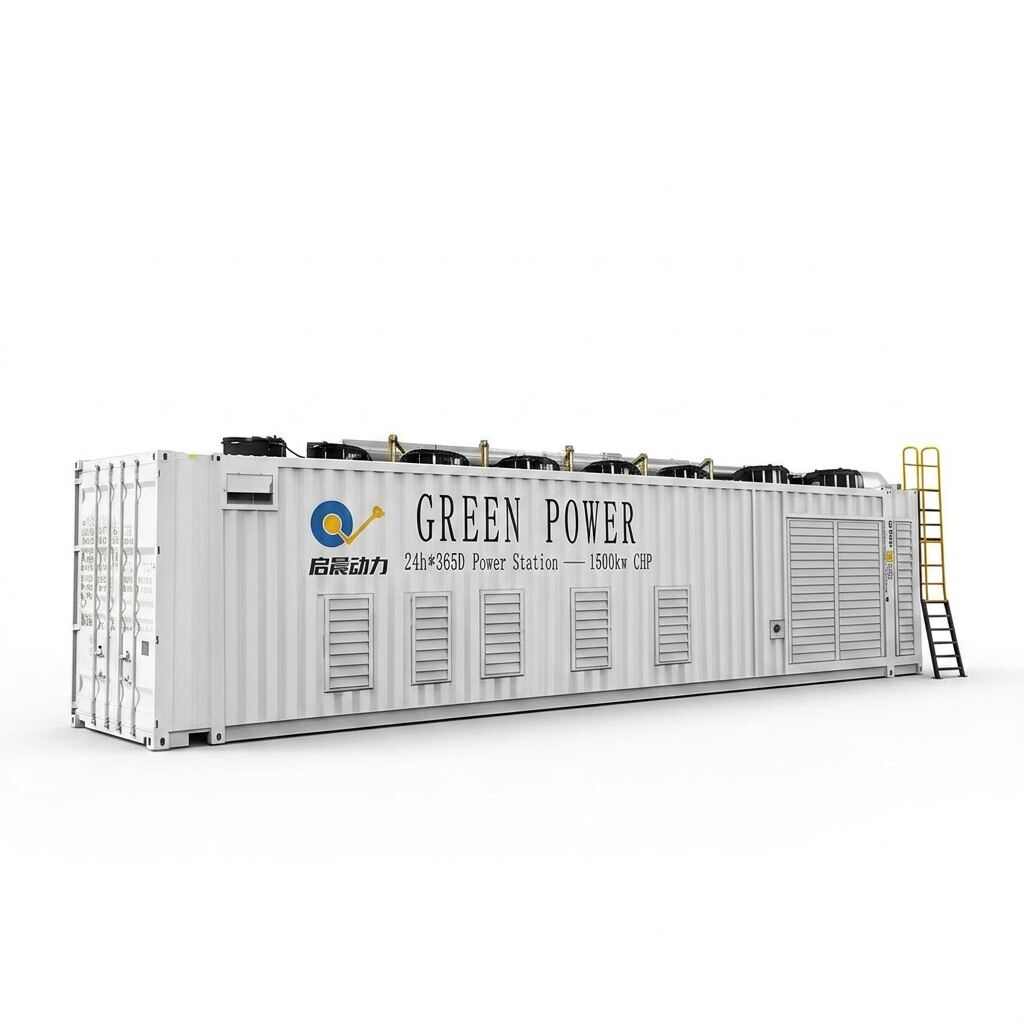
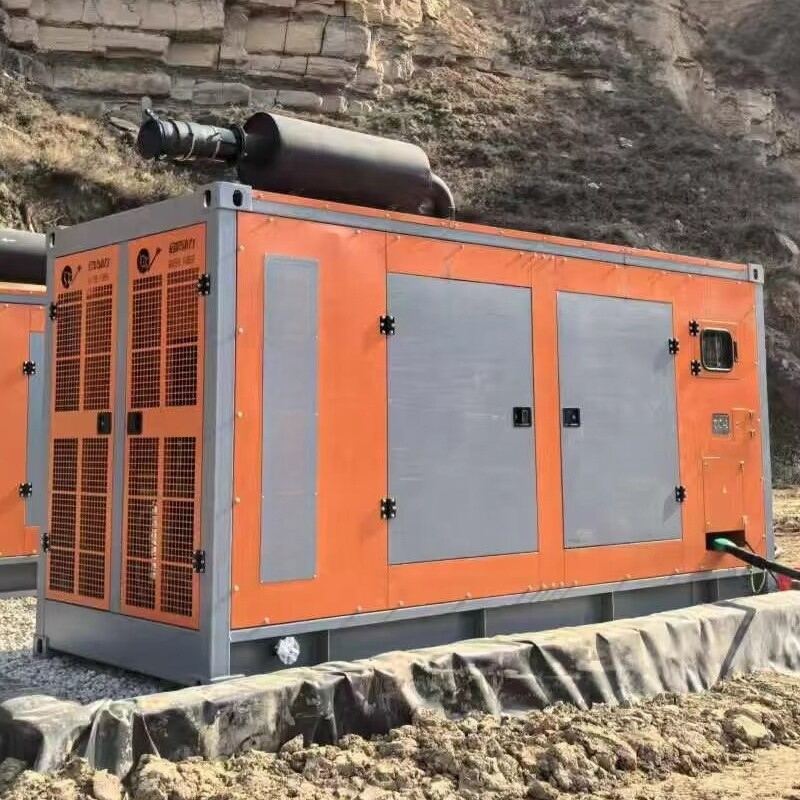
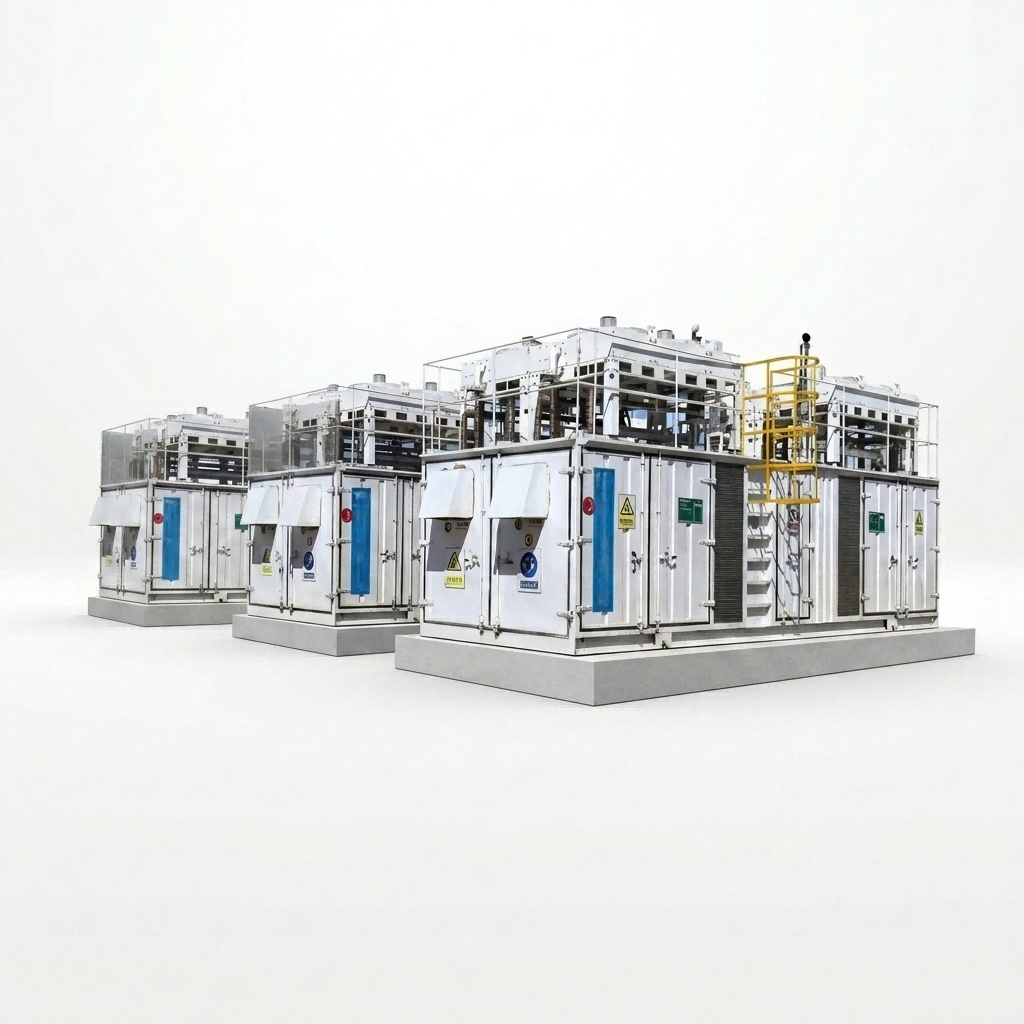
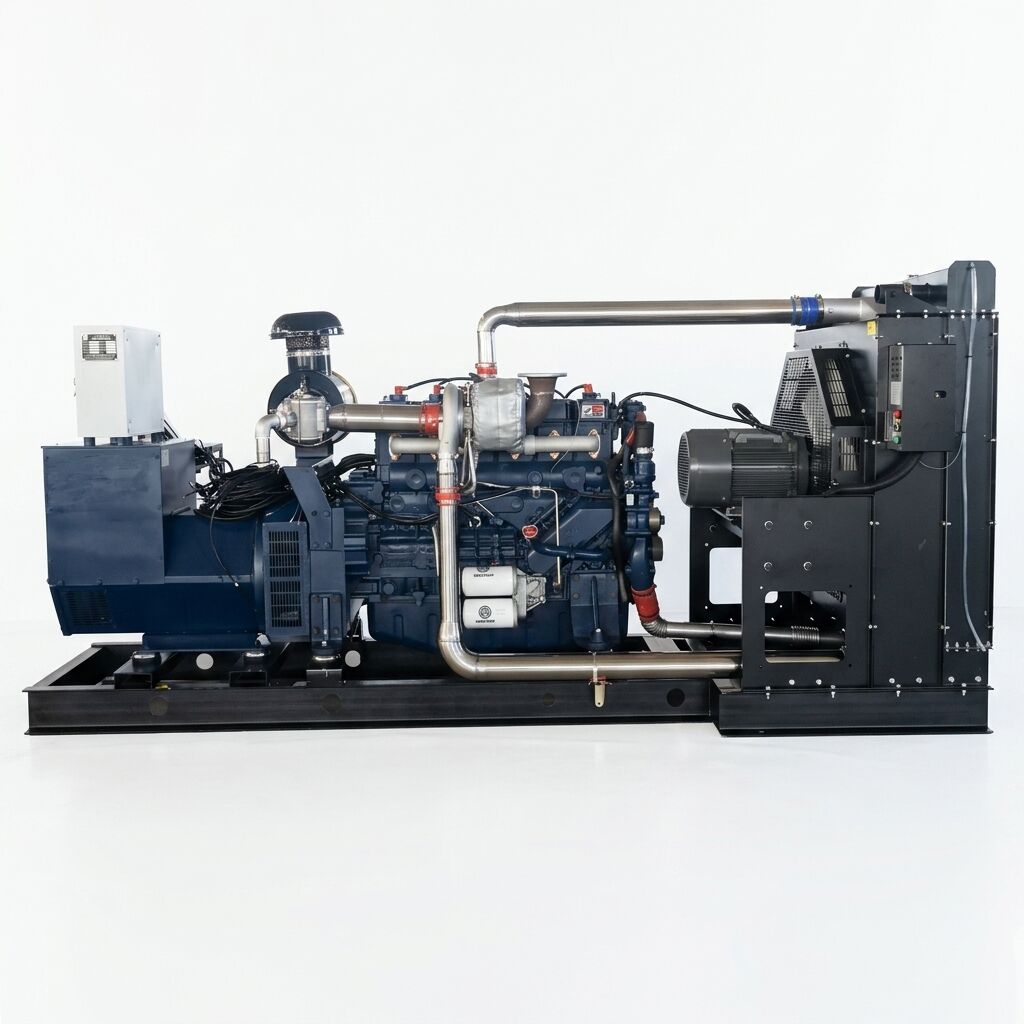
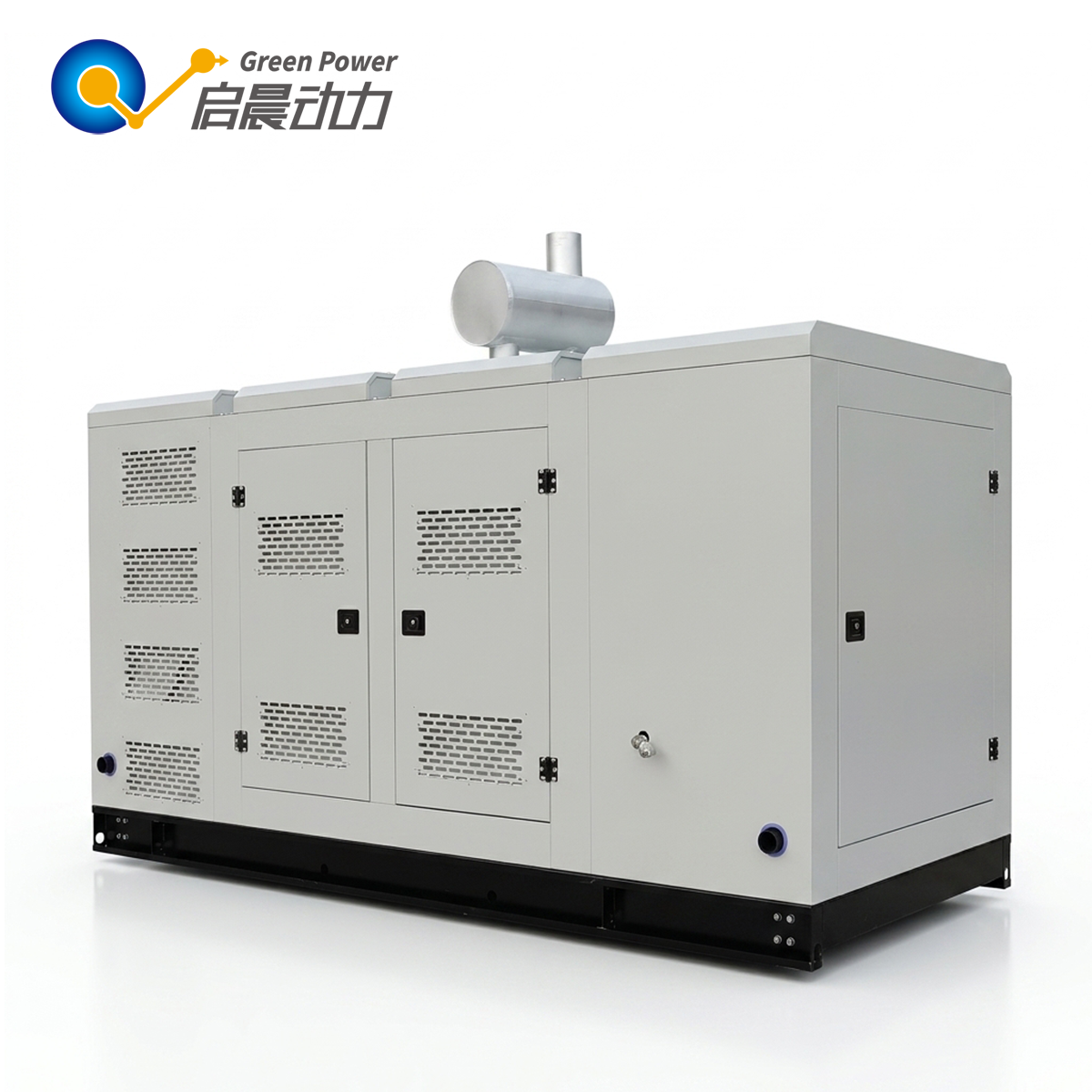
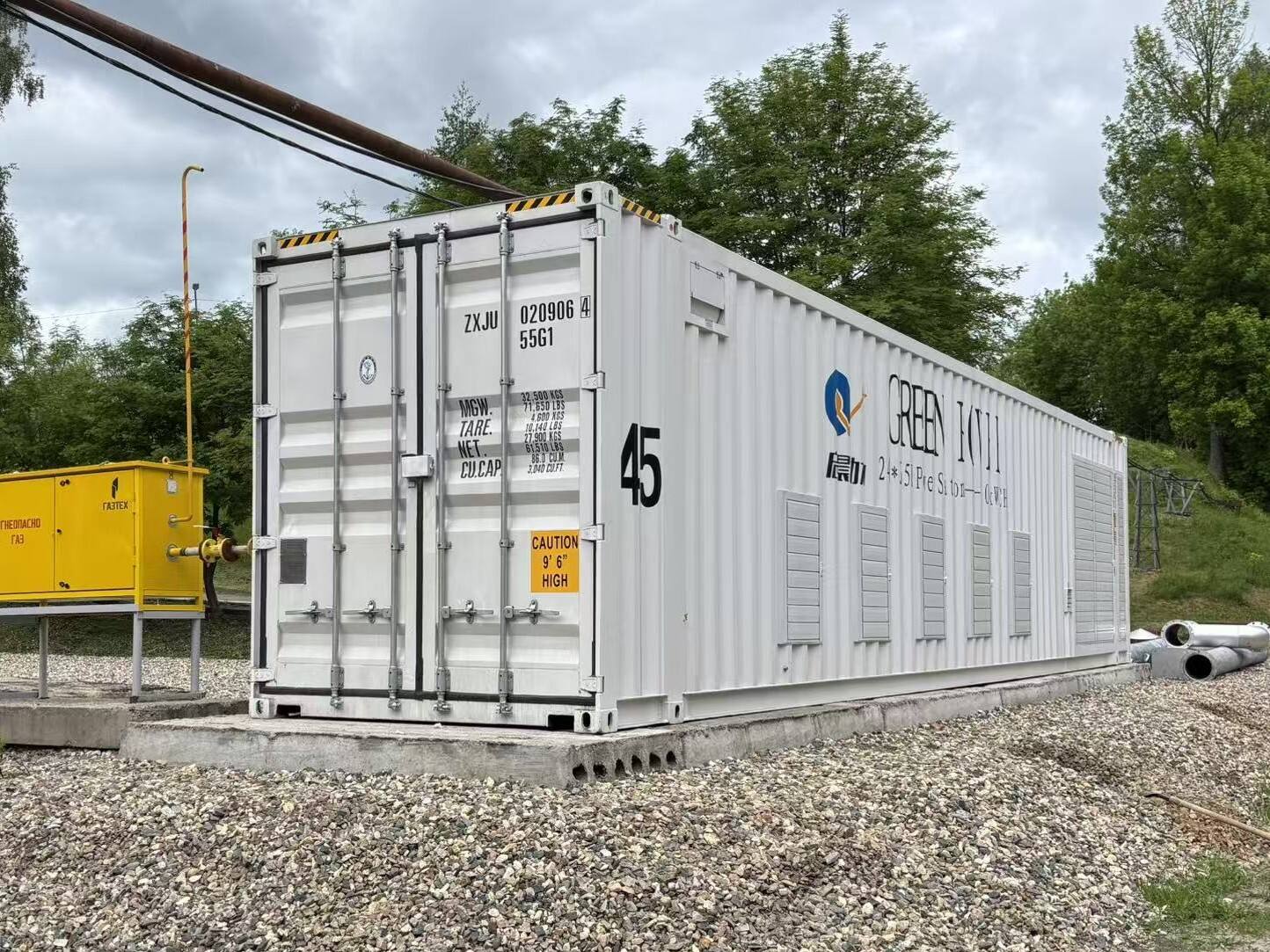
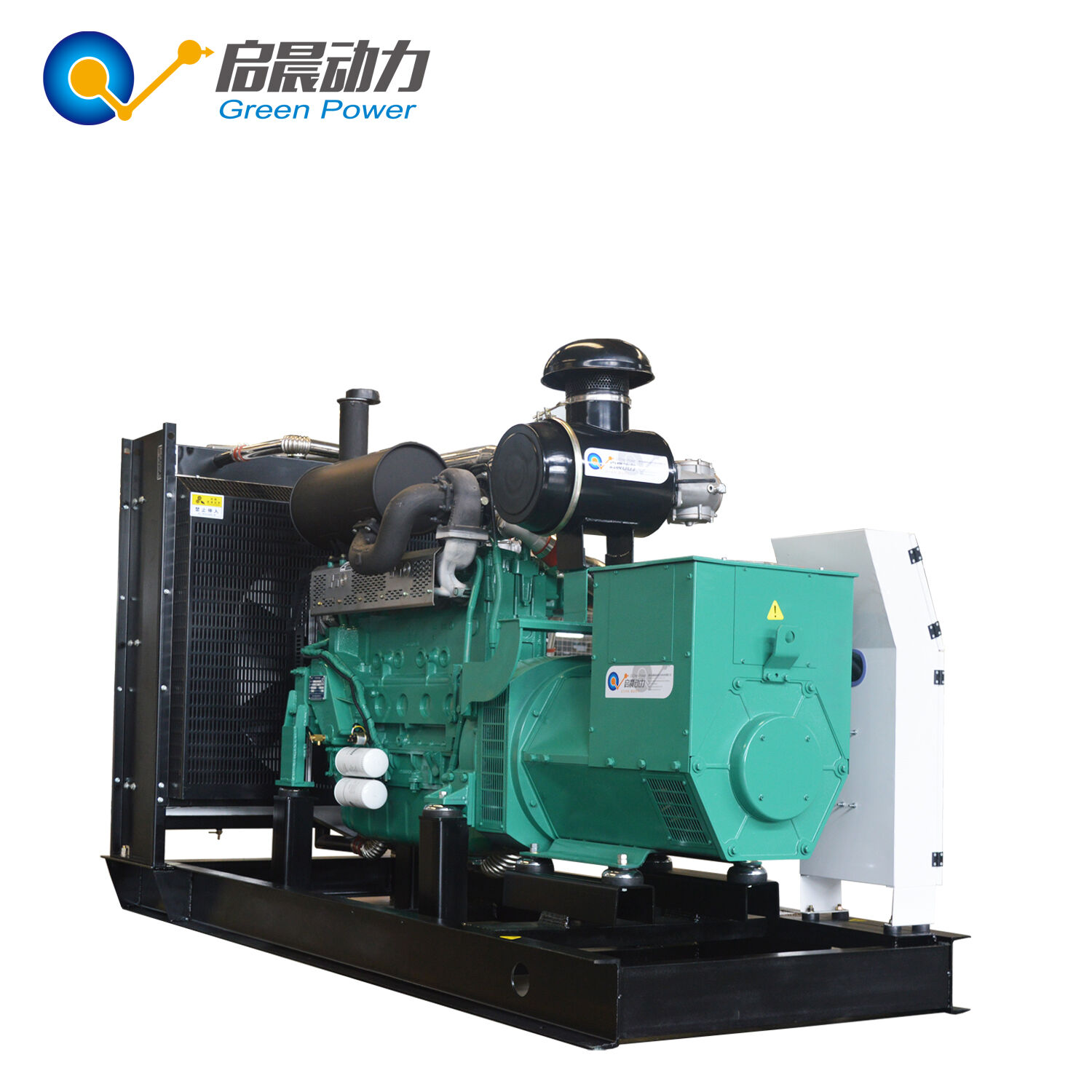
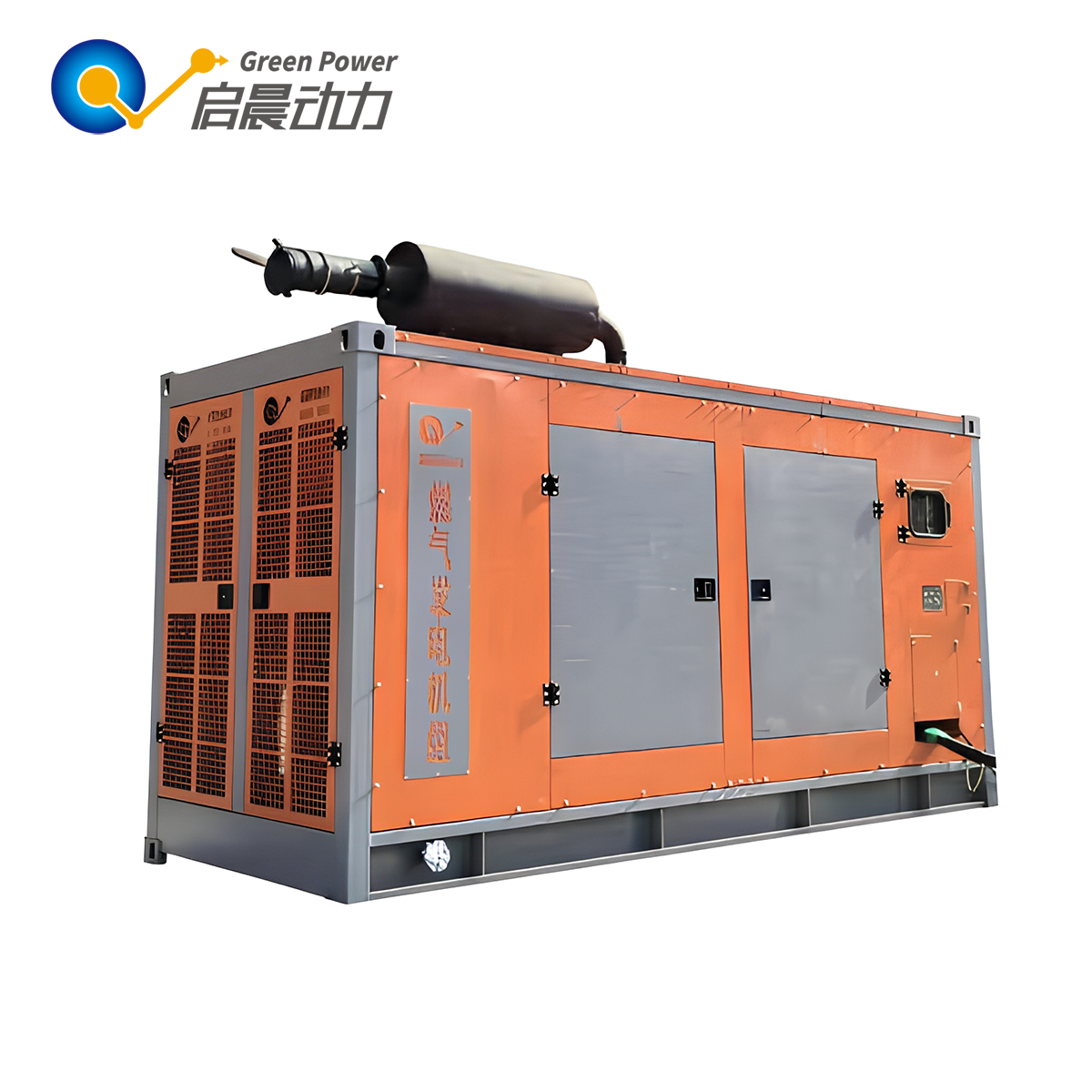
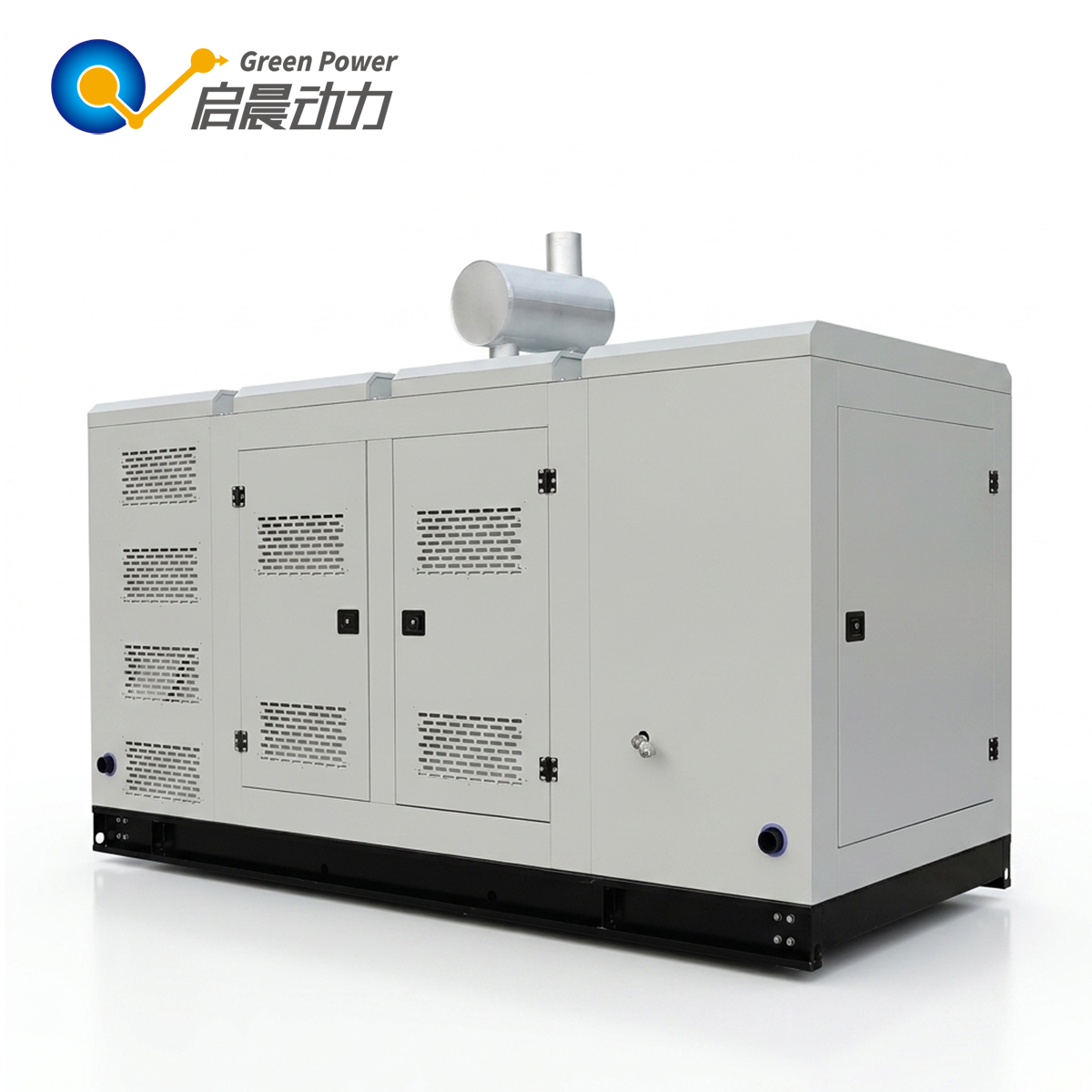
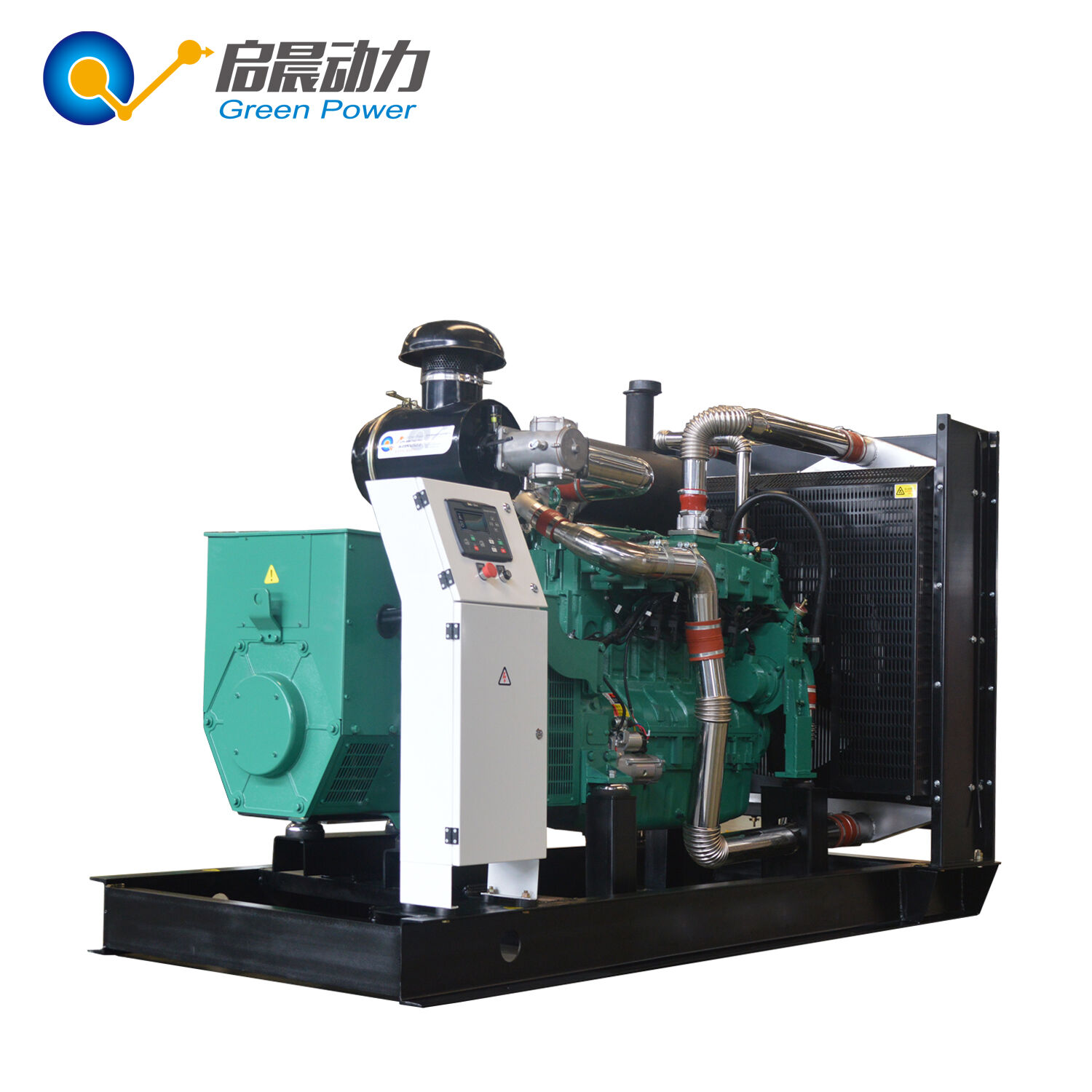
Natural gas operated generators are advanced power generation systems that convert natural gas fuel into electrical energy through highly efficient combustion processes. These generators utilize internal combustion engines or turbines specifically designed to run on natural gas, providing reliable backup power or primary electricity for residential, commercial, and industrial applications. The main functions include delivering uninterrupted power during outages, supporting off-grid operations, and serving as continuous energy sources for facilities requiring constant electricity supply. Natural gas operated generators feature sophisticated control systems that automatically detect power failures and initiate startup sequences within seconds, ensuring seamless transitions during emergencies. The technological features encompass electronic fuel injection systems, advanced cooling mechanisms, digital monitoring displays, and automatic voltage regulation to maintain stable power output. These generators range from compact residential units producing several kilowatts to large industrial systems generating multiple megawatts of electricity. Applications span diverse sectors including healthcare facilities, data centers, manufacturing plants, residential complexes, telecommunications infrastructure, and agricultural operations. The versatility of natural gas operated generators makes them suitable for both standby emergency power and prime power applications where grid connectivity is limited or unreliable. Modern units incorporate smart technology integration, allowing remote monitoring and diagnostics through mobile applications and cloud-based platforms, enhancing operational oversight and maintenance scheduling capabilities for users across different industries.

Popular Products

Natural gas operated generators offer substantial cost savings compared to diesel or gasoline alternatives, as natural gas typically costs less per energy unit and experiences fewer price fluctuations in the market. These systems connect directly to existing natural gas pipelines, eliminating the need for on-site fuel storage tanks, reducing infrastructure expenses and fire hazards while ensuring continuous fuel availability without refilling requirements. The operational benefits include quieter operation with significantly reduced noise levels, making them ideal for residential neighborhoods and noise-sensitive environments where traditional generators would cause disturbances. These generators produce cleaner emissions with lower carbon dioxide, nitrogen oxide, and particulate matter output, helping businesses meet environmental regulations and reduce their carbon footprint without sacrificing power reliability. Maintenance requirements are considerably less demanding because natural gas burns cleaner than liquid fuels, resulting in reduced engine deposits, extended oil change intervals, and longer equipment lifespan with fewer repair needs. The application suitability extends across multiple scenarios, from providing emergency backup power for homes during storms to supporting continuous operations in hospitals where power interruptions could endanger lives. Natural gas operated generators start quickly and reach full power output rapidly, ensuring critical systems remain operational during grid failures without experiencing damaging power gaps. The decision value for potential customers includes lower total cost of ownership through reduced fuel expenses, minimal maintenance costs, and extended equipment longevity. Businesses benefit from enhanced sustainability profiles while homeowners gain peace of mind knowing their families remain safe and comfortable during extended outages. The reliability factor stands paramount, as natural gas infrastructure typically remains functional even when electrical grids fail during natural disasters, providing dependable energy access when needed most.

Practical Tips

LPG Generator for Off-Grid Sites: Why Propane Power Is a Reliable Choice

01

May

LPG Generator for Off-Grid Sites: Why Propane Power Is a Reliable Choice

When power infrastructure is unavailable or unreliable, an LPG generator stands out as one of the most practical and dependable solutions for off-grid sites. Whether the application involves a remote construction camp, an agricultural facility, a min...
View More
1000 kW Natural Gas Generator System Design: Engine Configuration and Parallel Setup

07

May

1000 kW Natural Gas Generator System Design: Engine Configuration and Parallel Setup

A 1000 kW natural gas generator system represents a significant investment in on-site power infrastructure. Whether deployed for industrial facilities, large commercial complexes, or utility backup applications, engineering such a system correctly fr...
View More
Natural Gas Generator ROI Calculator: Is It the Right Investment for Your Business?

19

May

Natural Gas Generator ROI Calculator: Is It the Right Investment for Your Business?

Deciding whether a natural gas generator is the right investment for your business requires more than a gut feeling. It demands a clear-eyed look at upfront costs, ongoing fuel savings, operational reliability, and how long it takes to recover your c...
View More
How to Select a CHP Gas Generator Supplier: Technical Criteria and Contract Essentials

27

May

How to Select a CHP Gas Generator Supplier: Technical Criteria and Contract Essentials

Choosing the right supplier for a CHP gas generator is one of the most consequential procurement decisions an energy or facilities manager will make. A CHP gas generator combines heat and power production in a single system, meaning the technical dep...
View More

Send Us a Message

We'll reply within 24 hours
Email
Mobile Or WhatsApp
Name
Company Name
Message
0/1000

natural gas operated generators

Continuous Fuel Supply Without Storage Concerns

Continuous Fuel Supply Without Storage Concerns

Natural gas operated generators connect directly to municipal gas pipelines or dedicated natural gas lines, providing unlimited fuel access without requiring on-site storage tanks or regular refueling schedules. This connection eliminates the logistical challenges associated with monitoring fuel levels, scheduling deliveries, and maintaining storage infrastructure that diesel and gasoline generators demand. During extended power outages lasting days or weeks, natural gas operated generators continue running indefinitely as long as gas service remains available, which typically persists even during severe weather events that disrupt electrical grids. Property owners avoid the safety risks associated with storing large quantities of flammable liquid fuels, reducing insurance costs and eliminating potential environmental hazards from fuel spills or leaks. The convenience factor proves invaluable for commercial operations requiring guaranteed uptime, as facility managers never worry about generators shutting down due to empty fuel tanks during critical moments. This continuous supply advantage makes natural gas operated generators particularly suitable for healthcare facilities, emergency services, and manufacturing operations where power interruptions create dangerous situations or costly production losses that impact business viability and customer commitments.
Superior Environmental Performance and Compliance

Superior Environmental Performance and Compliance

Natural gas operated generators deliver exceptional environmental benefits through significantly reduced emissions compared to diesel-powered alternatives, producing approximately fifty percent less carbon dioxide and nearly eliminating particulate matter that contributes to air quality degradation. These generators emit minimal sulfur dioxide and substantially lower nitrogen oxide levels, helping organizations meet increasingly stringent environmental regulations without investing in expensive exhaust treatment systems or emission control technologies. The clean-burning characteristics of natural gas result in virtually no odor during operation, making these generators acceptable for installation in urban settings, residential areas, and locations where air quality concerns prohibit dirtier fuel alternatives. Businesses pursuing sustainability initiatives and carbon reduction goals find natural gas operated generators align perfectly with corporate environmental responsibility programs while maintaining operational reliability and energy security. Regulatory compliance becomes simpler as many jurisdictions offer incentives, expedited permitting, or preferential treatment for natural gas power generation equipment due to its superior environmental profile. Communities benefit from improved air quality when natural gas operated generators replace older diesel units, reducing health impacts associated with generator emissions while ensuring emergency preparedness remains uncompromised for essential services and vulnerable populations.
Lower Operating Costs and Extended Equipment Life

Lower Operating Costs and Extended Equipment Life

Natural gas operated generators provide substantial economic advantages through reduced fuel costs, as natural gas prices remain more stable and typically lower than diesel or gasoline on an energy-equivalent basis, directly impacting operational budgets. The cleaner combustion process inherent to natural gas significantly extends engine life by minimizing carbon buildup, reducing wear on internal components, and decreasing the frequency of oil changes and spark plug replacements compared to liquid fuel generators. Maintenance intervals stretch considerably longer with natural gas operated generators, reducing service costs and minimizing downtime for routine maintenance procedures that would otherwise interrupt availability or require backup arrangements. The absence of fuel degradation concerns eliminates costs associated with fuel stabilizers, tank cleaning, and fuel replacement that plague stored liquid fuels, particularly for standby generators that operate infrequently but must remain ready instantly. Organizations achieve lower total cost of ownership across the equipment lifecycle, combining purchase price, fuel expenses, maintenance costs, and replacement timing into favorable economic calculations that justify initial investments. The reliability improvements translate to reduced business interruption risks and associated costs, as natural gas operated generators demonstrate superior performance consistency and fewer unexpected failures that create emergency repair expenses or compromise critical operations during power outages when backup generation proves most essential.

Send Us a Message

We'll reply within 24 hours
Email
Mobile Or WhatsApp
Name
Company Name
Message
0/1000