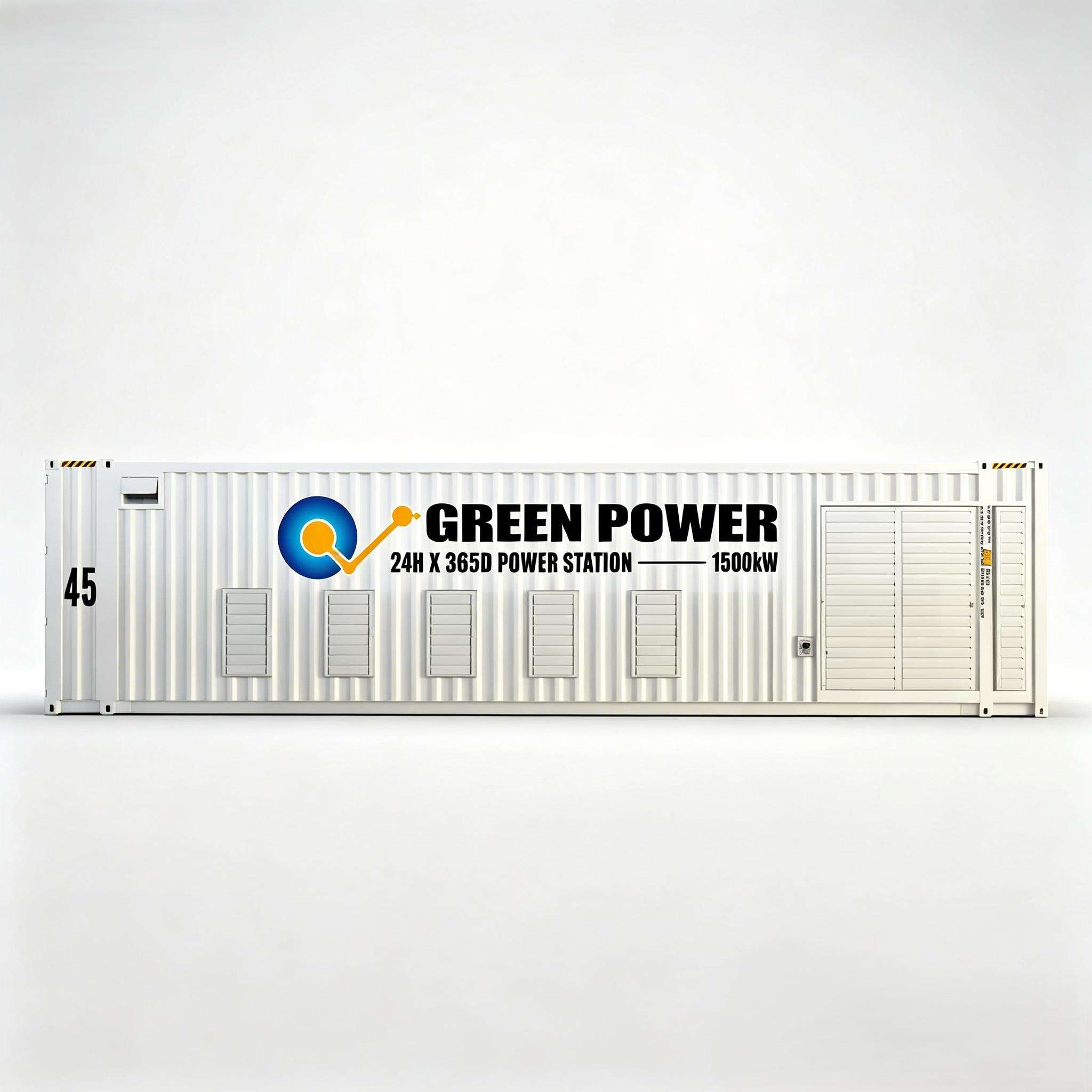
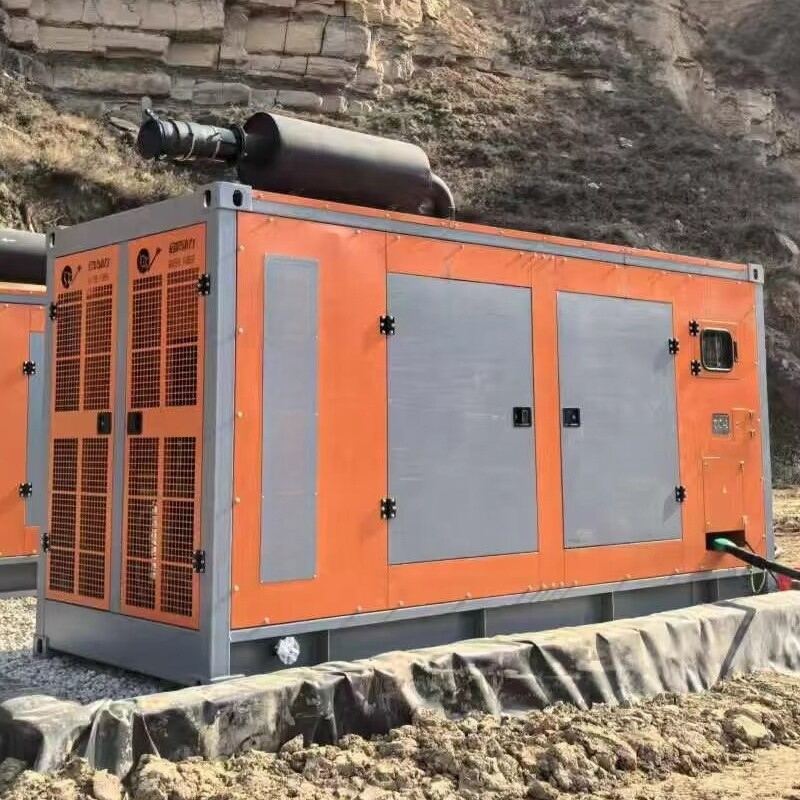
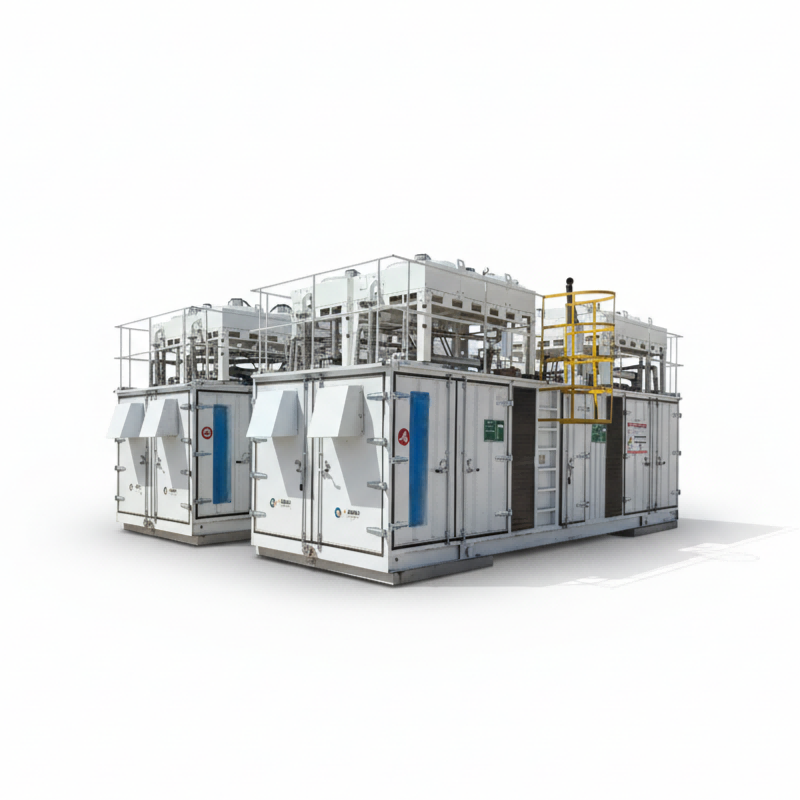
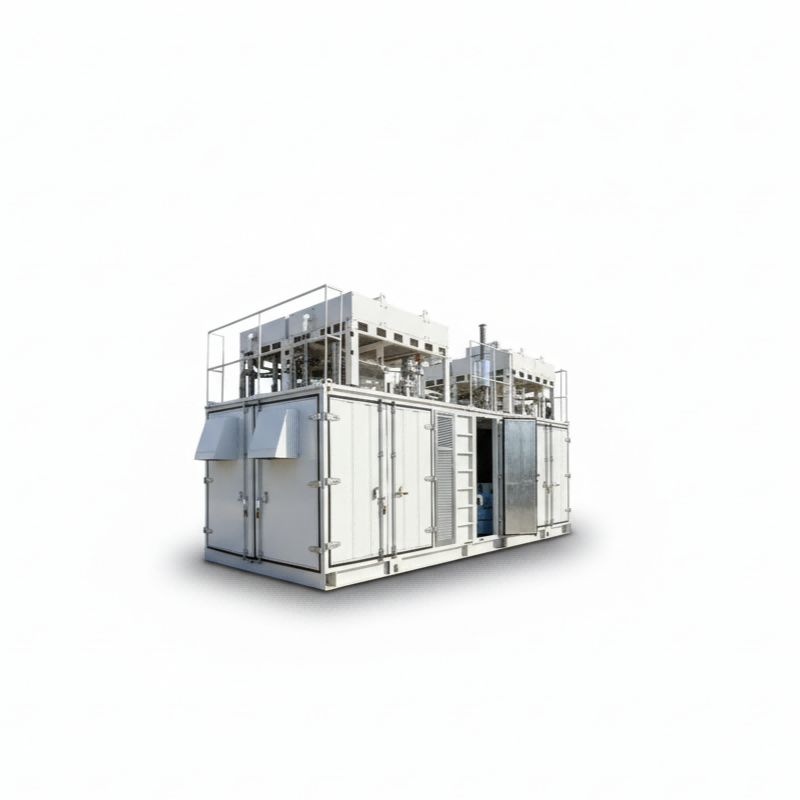
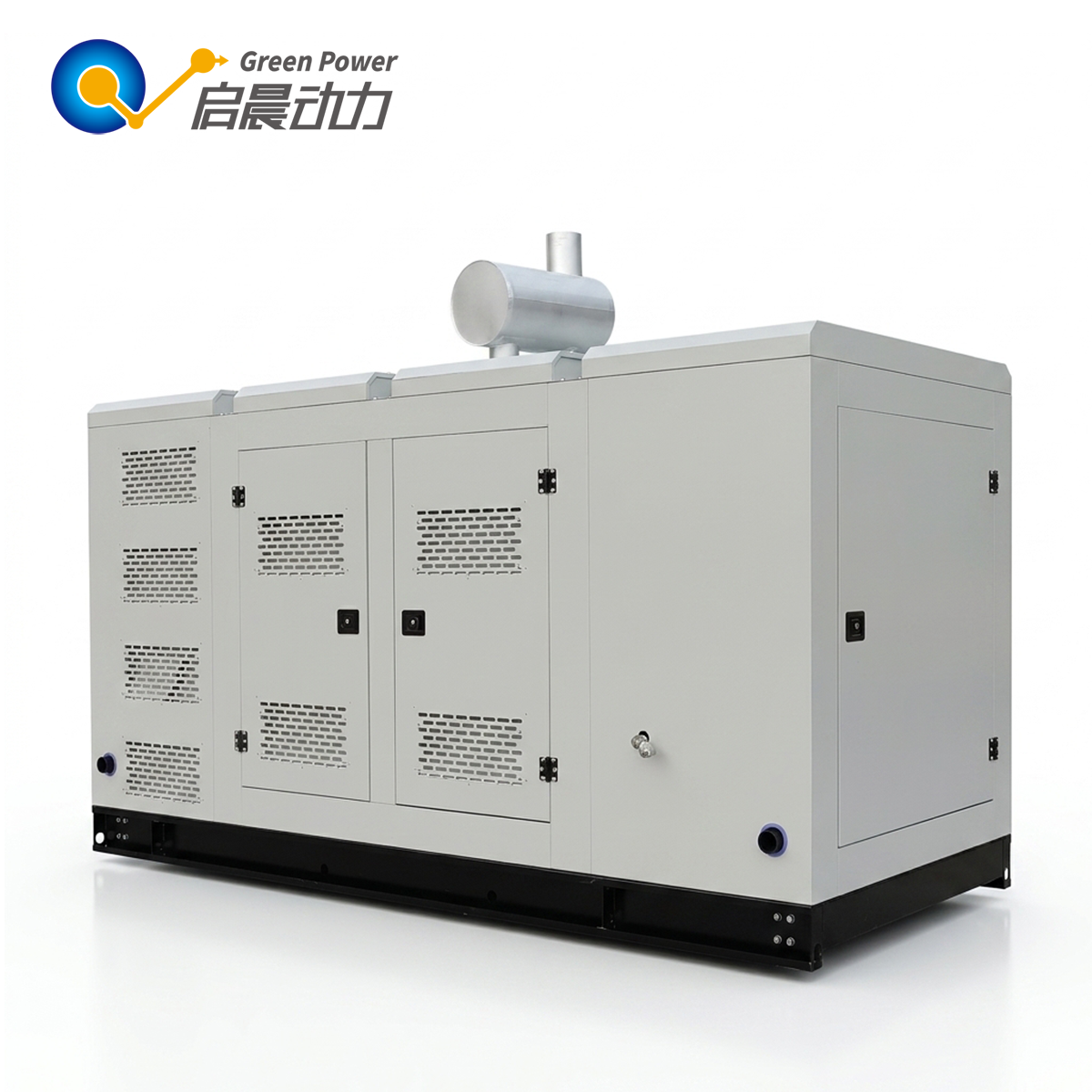
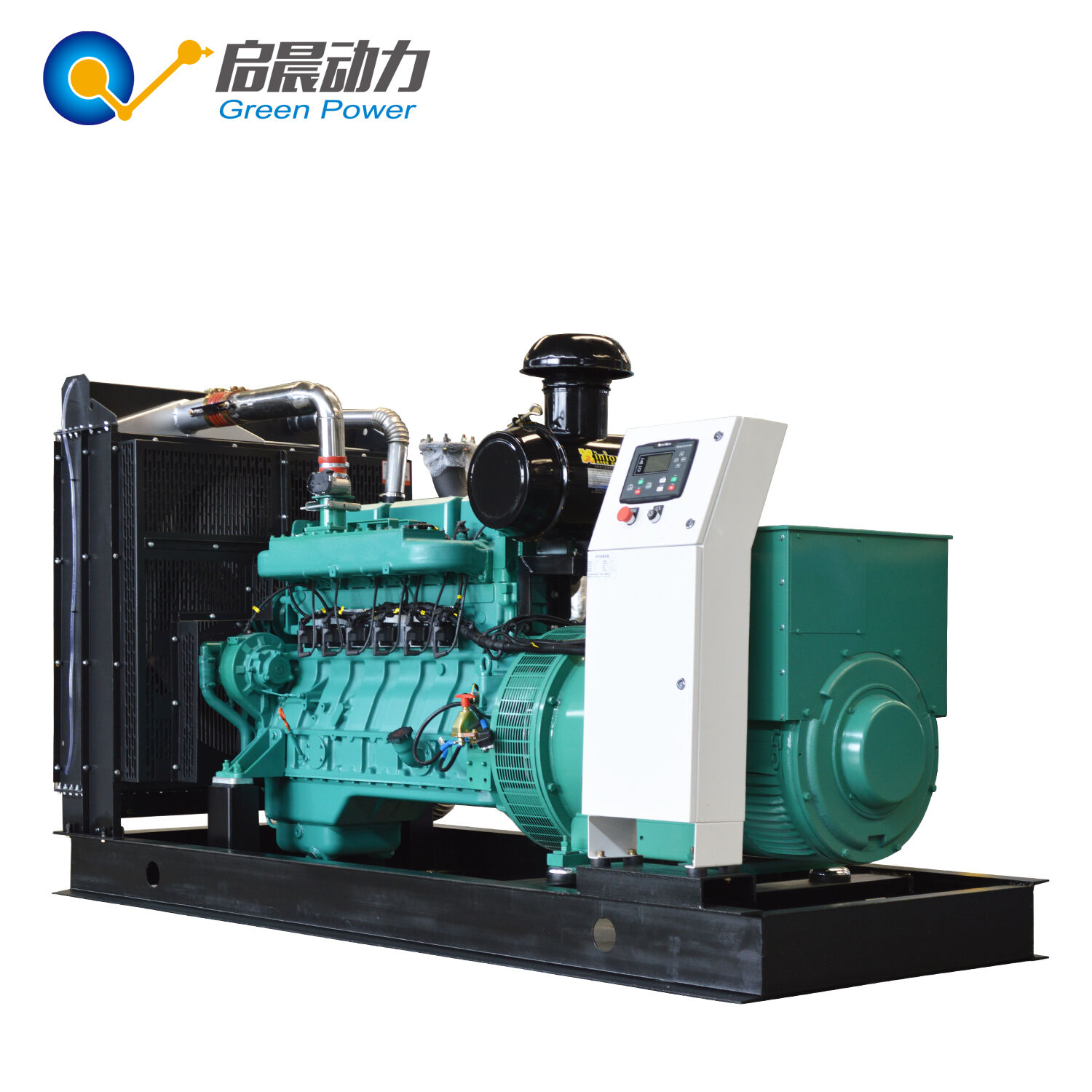
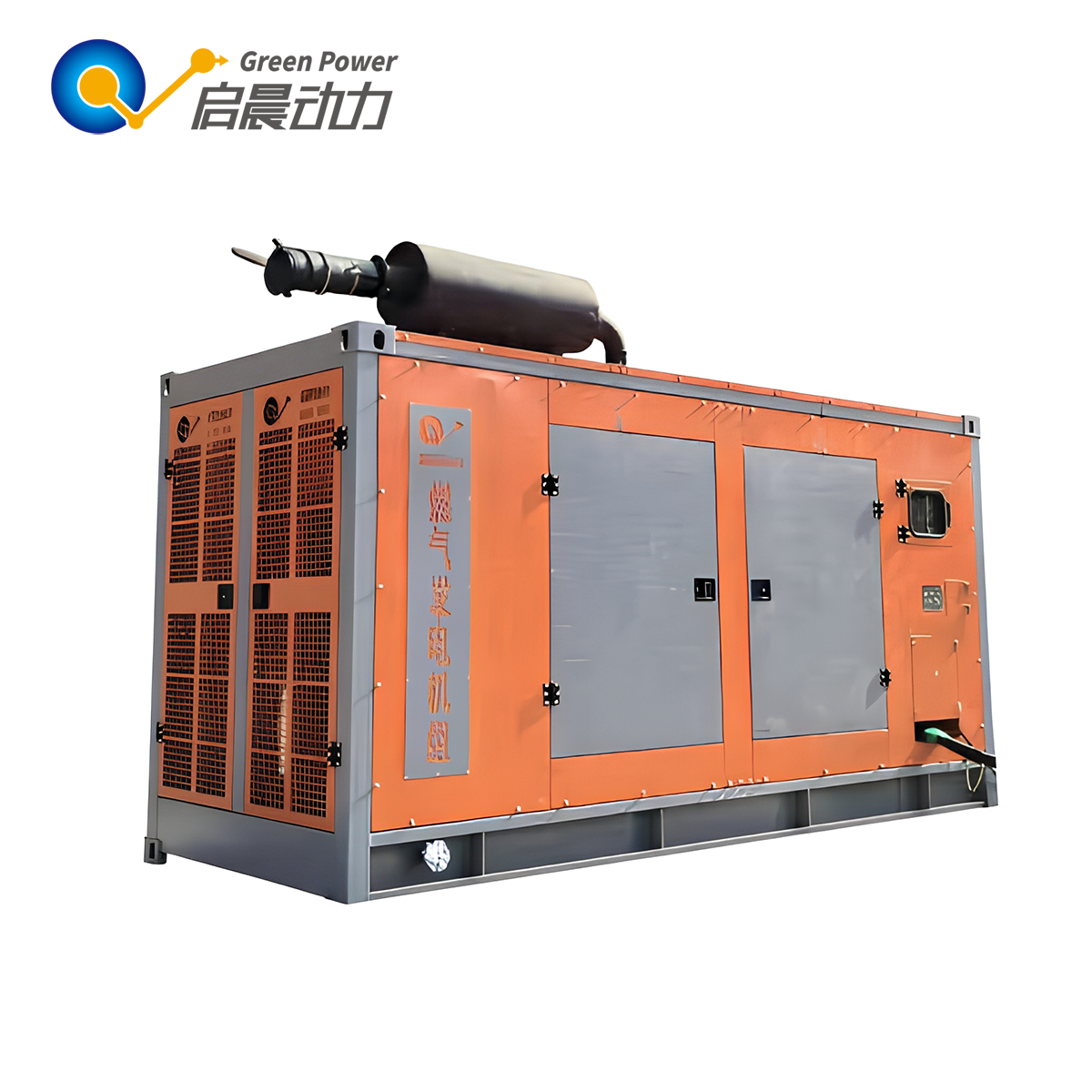
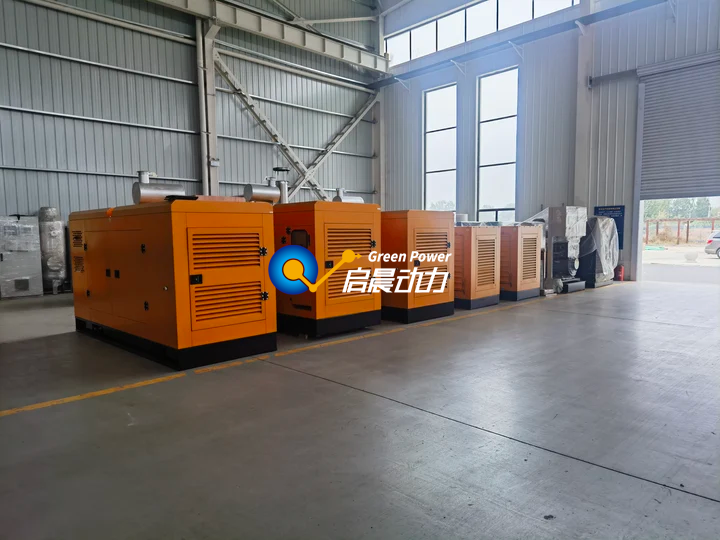
Natural Gas Turbine Electric Generator Solutions

Send Us a Message

We'll reply within 24 hours
Email
Mobile Or WhatsApp
Name
Company Name
Message
0/1000

natural gas turbine electric generator

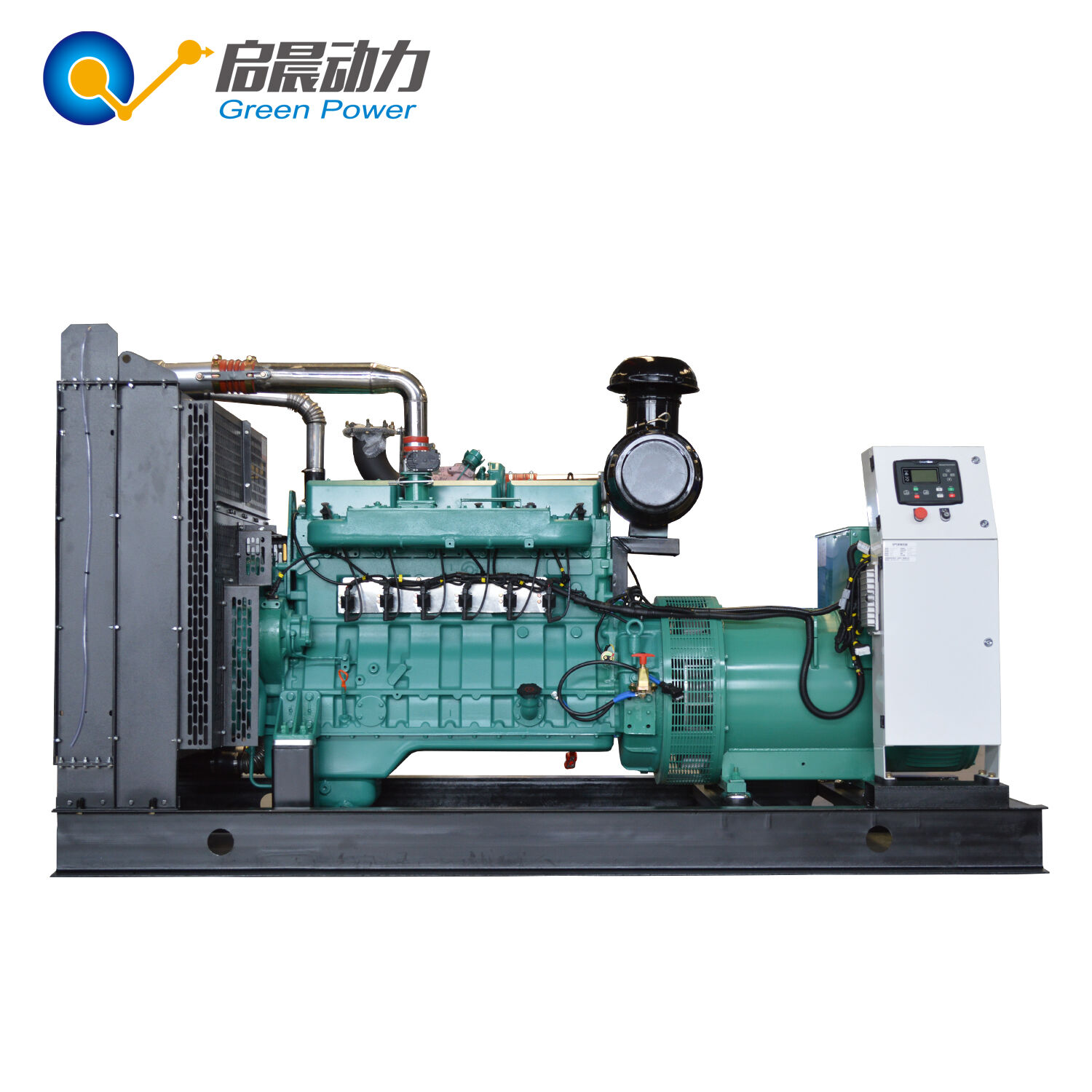
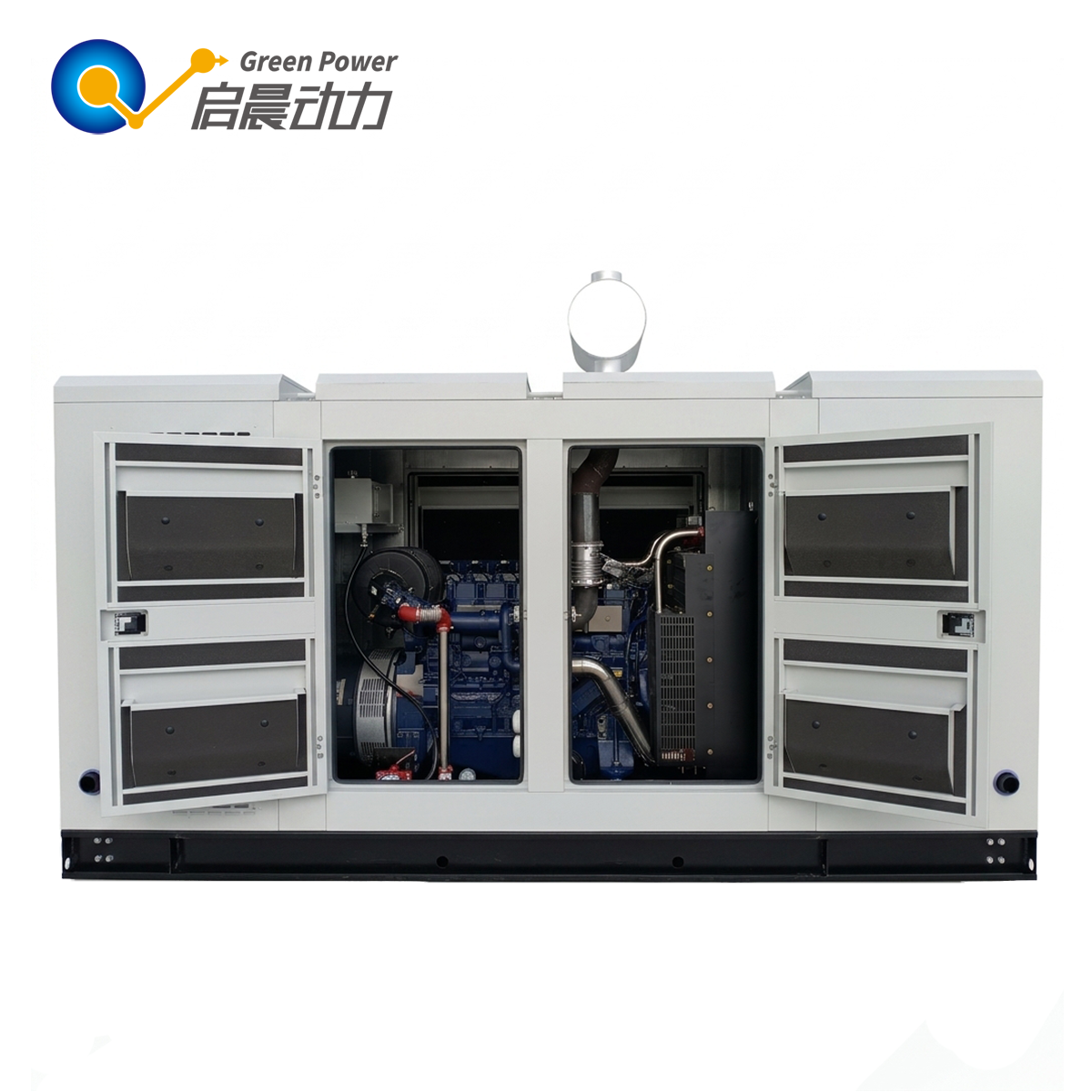
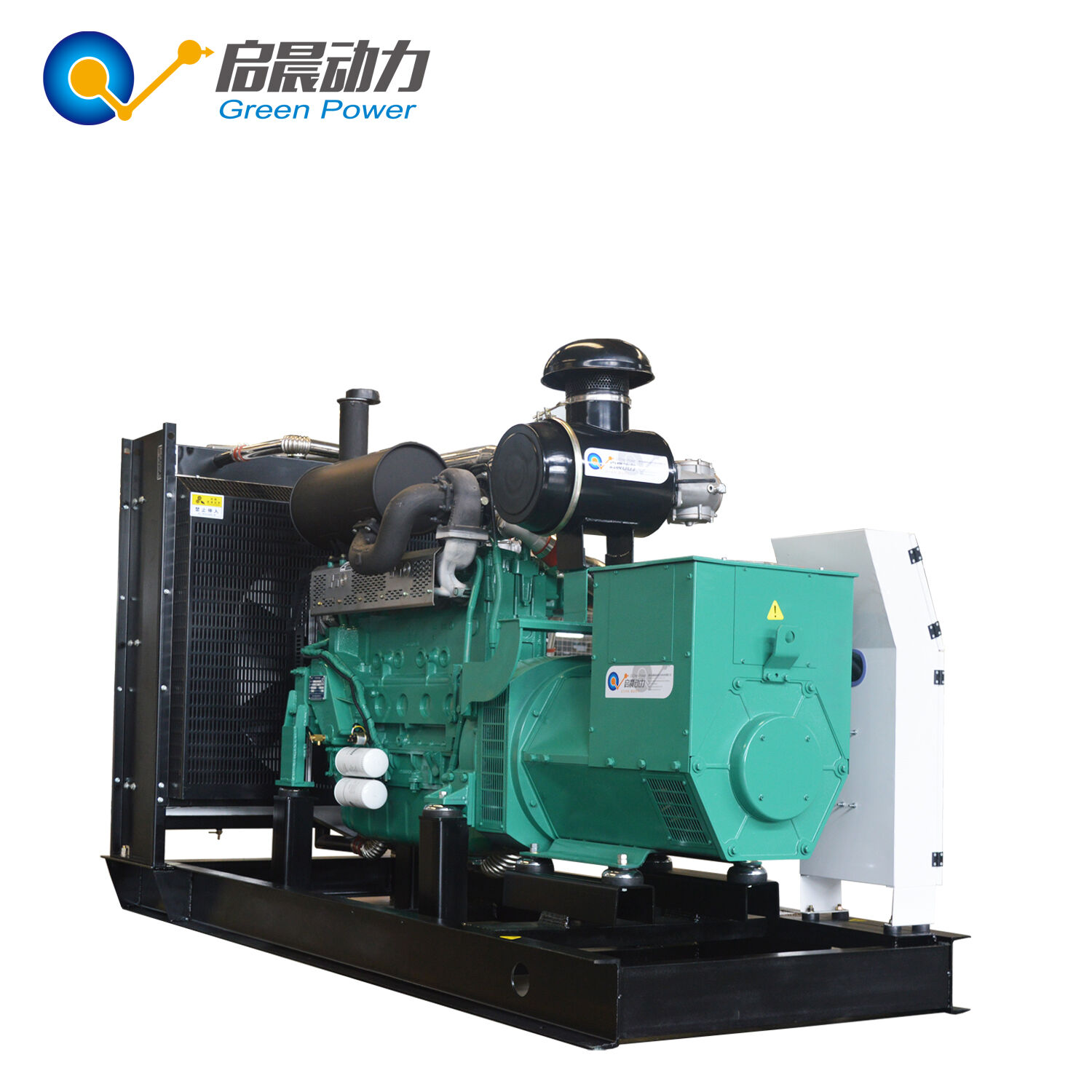
A natural gas turbine electric generator is a sophisticated power generation system that converts natural gas fuel into electrical energy through a highly efficient combustion process. This technology combines a gas turbine engine with an electrical generator to produce reliable electricity for various applications. The system operates by compressing air, mixing it with natural gas, and igniting the mixture to create high-temperature exhaust gases that spin turbine blades connected to a generator shaft. The natural gas turbine electric generator serves as a primary or backup power source for industrial facilities, commercial buildings, and utility-scale power plants. Its main functions include continuous electricity production, peak demand support, and emergency power supply during grid outages. Technological features of the natural gas turbine electric generator include advanced combustion controls, heat recovery systems, and automated monitoring capabilities that optimize performance and fuel efficiency. Modern units incorporate digital control systems that adjust operating parameters in real-time to maintain optimal output levels while minimizing emissions. The natural gas turbine electric generator finds widespread applications across multiple sectors, including manufacturing plants, hospitals, data centers, oil and gas facilities, and district heating systems. These generators range in capacity from small-scale units producing several kilowatts to large industrial systems generating hundreds of megawatts, making them adaptable to diverse power requirements and operational environments.

Popular Products

The natural gas turbine electric generator offers numerous practical benefits that make it an attractive investment for businesses and facilities requiring dependable power solutions. First, this technology delivers exceptional fuel efficiency compared to traditional diesel generators, converting a higher percentage of fuel energy into usable electricity while reducing operational costs significantly. Users benefit from lower fuel expenses over the equipment's lifespan, resulting in improved return on investment and reduced total cost of ownership. The natural gas turbine electric generator produces cleaner emissions than oil-based alternatives, releasing fewer particulates, sulfur compounds, and carbon dioxide into the atmosphere, which helps organizations meet environmental regulations and sustainability goals without compromising power reliability. Operational benefits include quick startup times, allowing the system to reach full power output within minutes when needed for emergency situations or peak demand periods. The natural gas turbine electric generator requires less maintenance than diesel engines because natural gas burns cleaner, producing fewer carbon deposits and contaminants that can damage engine components, thereby extending service intervals and reducing downtime. These generators operate more quietly than conventional power systems, making them suitable for installations near residential areas or noise-sensitive environments. Application suitability spans continuous baseload power generation, combined heat and power configurations, and standby emergency systems, providing flexibility for diverse operational requirements. The natural gas turbine electric generator integrates seamlessly with existing infrastructure since natural gas supply lines are widely available in developed regions, eliminating the need for on-site fuel storage tanks and associated safety concerns. Decision-makers value the proven reliability, scalability options, and long operational lifespan that make this technology a sound investment for facilities requiring uninterrupted power supply and predictable energy costs over many years of service.

Tips And Tricks

LPG Generator for Off-Grid Sites: Why Propane Power Is a Reliable Choice

01

May

LPG Generator for Off-Grid Sites: Why Propane Power Is a Reliable Choice

When power infrastructure is unavailable or unreliable, an LPG generator stands out as one of the most practical and dependable solutions for off-grid sites. Whether the application involves a remote construction camp, an agricultural facility, a min...
View More
LPG Generator Sizing Guide: Matching Output to Your Power Load Requirements

15

May

LPG Generator Sizing Guide: Matching Output to Your Power Load Requirements

Choosing the right LPG generator is one of the most consequential decisions a facility manager, contractor, or business owner can make. An undersized LPG generator will struggle under load, cause voltage instability, and risk equipment damage. An ove...
View More
How to Select a CHP Gas Generator Supplier: Technical Criteria and Contract Essentials

27

May

How to Select a CHP Gas Generator Supplier: Technical Criteria and Contract Essentials

Choosing the right supplier for a CHP gas generator is one of the most consequential procurement decisions an energy or facilities manager will make. A CHP gas generator combines heat and power production in a single system, meaning the technical dep...
View More
Qichen Power APG Generator Solutions for Oilfield and Upstream Applications

22

May

Qichen Power APG Generator Solutions for Oilfield and Upstream Applications

In oilfield and upstream energy environments, reliable on-site power is not a convenience — it is a critical operational requirement. An APG generator addresses this requirement by converting associated petroleum gas — the gas released as...
View More

Send Us a Message

We'll reply within 24 hours
Email
Mobile Or WhatsApp
Name
Company Name
Message
0/1000

natural gas turbine electric generator

Superior Fuel Efficiency and Cost Savings

Superior Fuel Efficiency and Cost Savings

The natural gas turbine electric generator stands out for its remarkable fuel efficiency that translates directly into substantial cost savings for operators. This technology achieves thermal efficiency rates exceeding traditional power generation methods by optimizing the combustion process and incorporating advanced heat recovery systems. When configured in combined heat and power applications, overall system efficiency can reach eighty percent or higher, capturing waste heat for productive use in heating or industrial processes. The consistent availability and competitive pricing of natural gas compared to diesel or heavy fuel oils further enhance the economic advantages. Operators experience predictable operating expenses with reduced fuel consumption per kilowatt-hour generated, allowing for accurate budget forecasting and improved financial planning. The efficiency benefits compound over time, particularly for facilities with continuous or frequent power demands, where even small percentage improvements in fuel conversion translate to significant annual savings. Additionally, the natural gas turbine electric generator maintains stable efficiency across varying load conditions, ensuring optimal performance whether operating at full capacity or partial loads, unlike some alternative technologies that experience dramatic efficiency losses at reduced output levels.
Environmental Performance and Compliance

Environmental Performance and Compliance

Environmental responsibility represents a critical advantage of the natural gas turbine electric generator, which produces significantly lower emissions compared to coal or oil-fired power systems. This clean-burning technology generates minimal particulate matter, virtually eliminates sulfur dioxide emissions, and produces substantially less nitrogen oxide and carbon dioxide per unit of electricity generated. Organizations facing increasingly stringent environmental regulations find that adopting natural gas turbine electric generator technology helps achieve compliance without expensive emission control retrofits or operational restrictions. The reduced environmental footprint supports corporate sustainability initiatives and enhances public perception, particularly important for companies committed to environmental stewardship and carbon reduction targets. Modern natural gas turbine electric generator systems incorporate advanced combustion techniques such as dry low-NOx burners and catalytic reduction systems that further minimize atmospheric pollutants. The absence of liquid fuel handling eliminates risks of soil and groundwater contamination from storage tank leaks or spills, providing additional environmental protection. For facilities located in air quality non-attainment areas or regions with strict emission limits, the natural gas turbine electric generator often represents the only viable option for on-site power generation, enabling operations to continue while meeting regulatory requirements and contributing to improved local air quality.
Reliability and Operational Flexibility

Reliability and Operational Flexibility

The natural gas turbine electric generator delivers exceptional reliability and operational flexibility that addresses diverse power generation needs across multiple scenarios. These systems demonstrate proven dependability with availability rates exceeding ninety-five percent when properly maintained, ensuring consistent electricity supply for critical operations. The technology supports rapid load changes and quick startup capabilities, transitioning from standby to full power output in under ten minutes, making the natural gas turbine electric generator ideal for peak shaving, load following, and emergency backup applications. Operational flexibility extends to fuel versatility, as many units can operate on multiple fuel types including natural gas, propane, and biogas with minimal modifications, providing energy security during supply disruptions. The modular design of natural gas turbine electric generator installations allows facilities to scale power capacity incrementally by adding units as demand grows, avoiding large upfront capital investments in oversized equipment. Advanced control systems enable remote monitoring and automated operation, reducing staffing requirements while maintaining optimal performance parameters. The robust construction and simplified mechanical design result in longer service life and reduced maintenance requirements compared to reciprocating engines, with major overhaul intervals often exceeding thirty thousand operating hours, minimizing disruption and lifecycle costs for operators requiring continuous power availability.

Send Us a Message

We'll reply within 24 hours
Email
Mobile Or WhatsApp
Name
Company Name
Message
0/1000