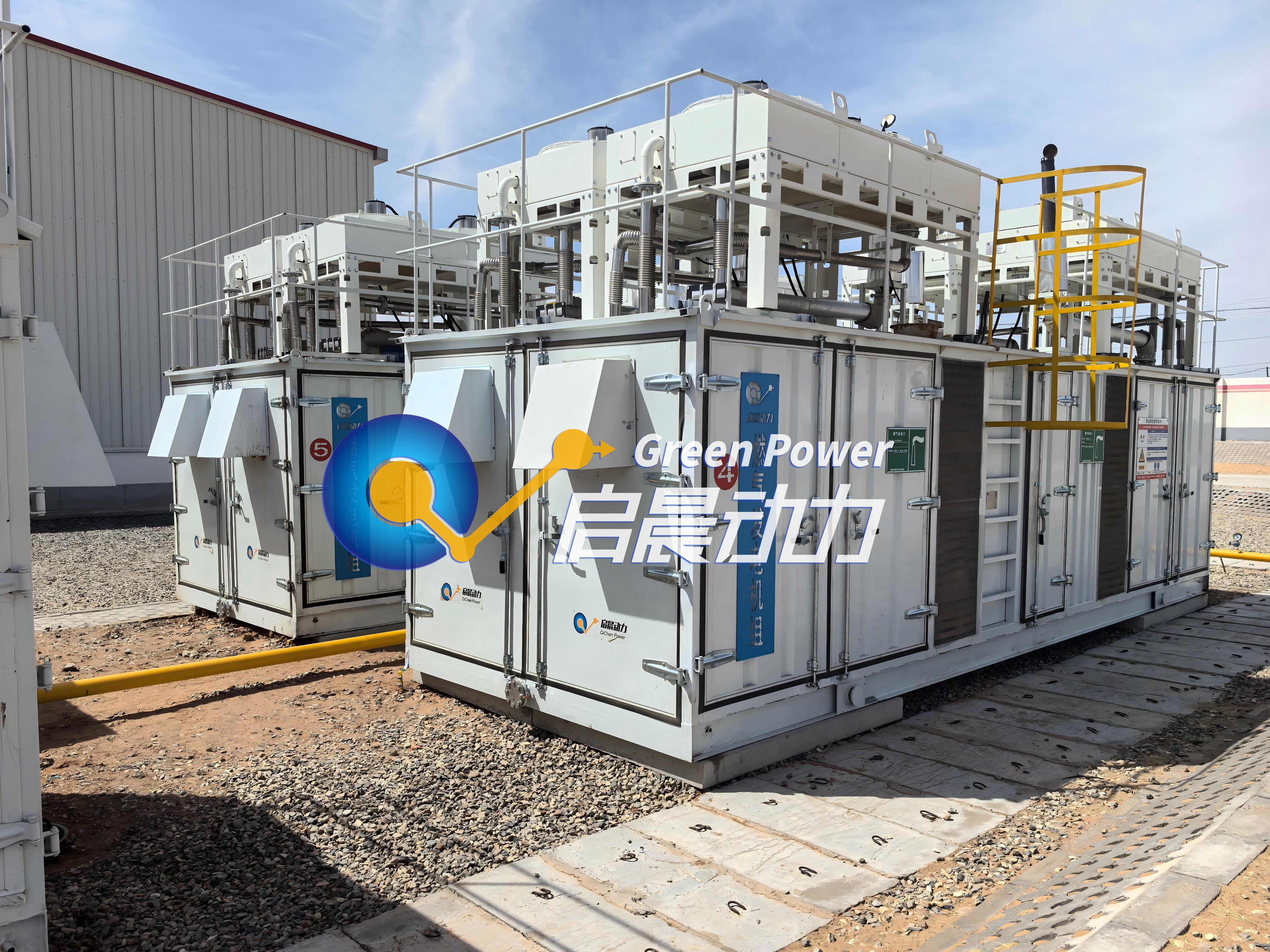
associated petroleum gas
Associated petroleum gas is a natural gas mixture that emerges alongside crude oil during extraction from underground reservoirs. This valuable hydrocarbon resource consists primarily of methane, ethane, propane, and butane, along with trace amounts of heavier hydrocarbons and impurities. During oil production operations, associated petroleum gas naturally separates from the liquid petroleum due to pressure reduction at the wellhead. Historically, operators often flared or vented this gas due to lack of infrastructure, but modern practices focus on capture and utilization to maximize resource efficiency and minimize environmental impact. The composition of associated petroleum gas varies significantly depending on reservoir characteristics, geological formation, and extraction depth. This energy resource offers versatile applications across industrial, commercial, and residential sectors. Processing facilities separate and refine associated petroleum gas into distinct product streams, including liquefied petroleum gas, natural gas liquids, and pipeline-quality natural gas. The technological infrastructure for handling associated petroleum gas includes separation units, compression systems, treatment facilities, and transportation networks. Companies investing in associated petroleum gas recovery systems benefit from enhanced operational efficiency and additional revenue streams. Modern gas processing technologies enable the conversion of associated petroleum gas into electricity, chemical feedstocks, and transportation fuels. Environmental regulations increasingly mandate the capture and productive use of associated petroleum gas, making efficient handling systems essential for compliant oil production operations. The economic value of associated petroleum gas continues to grow as markets develop and processing technologies advance.
 EN
EN