Flare Gas Recovery System Solutions & Benefits

Send Us a Message

We'll reply within 24 hours
Email
Mobile Or WhatsApp
Name
Company Name
Message
0/1000

flare gas recovery system

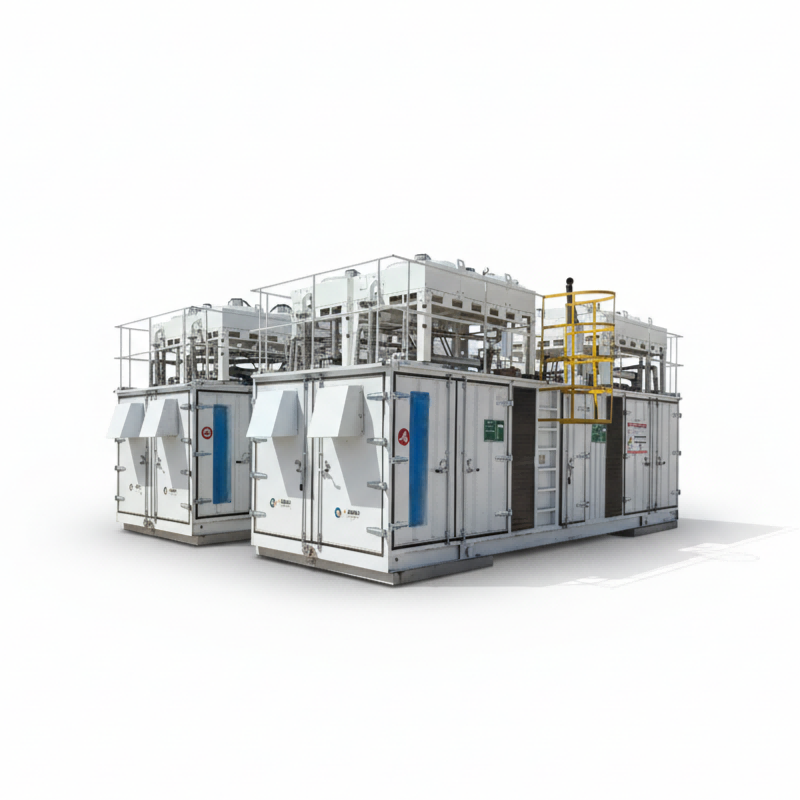
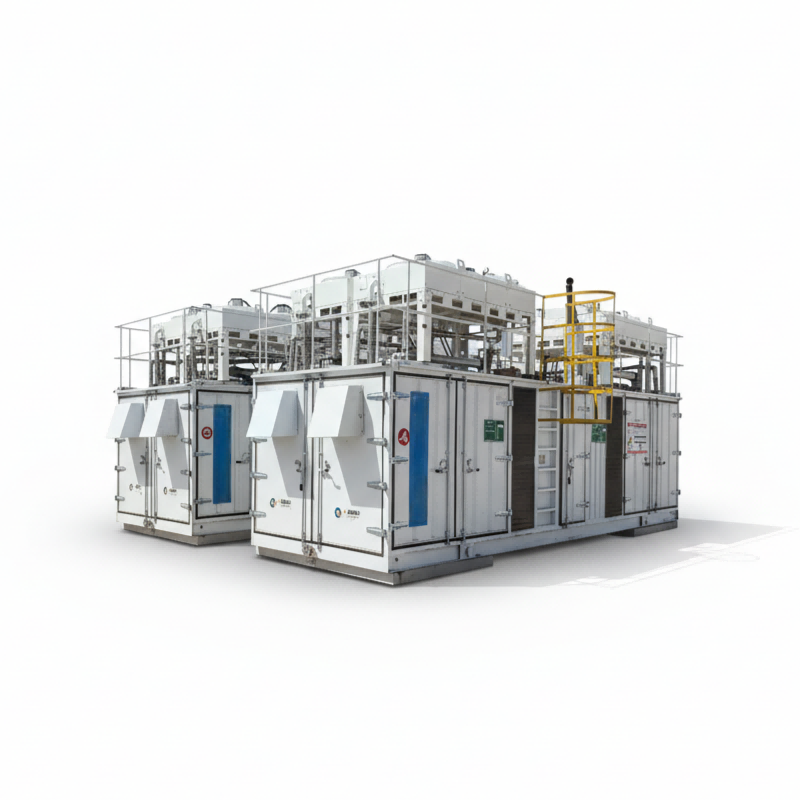
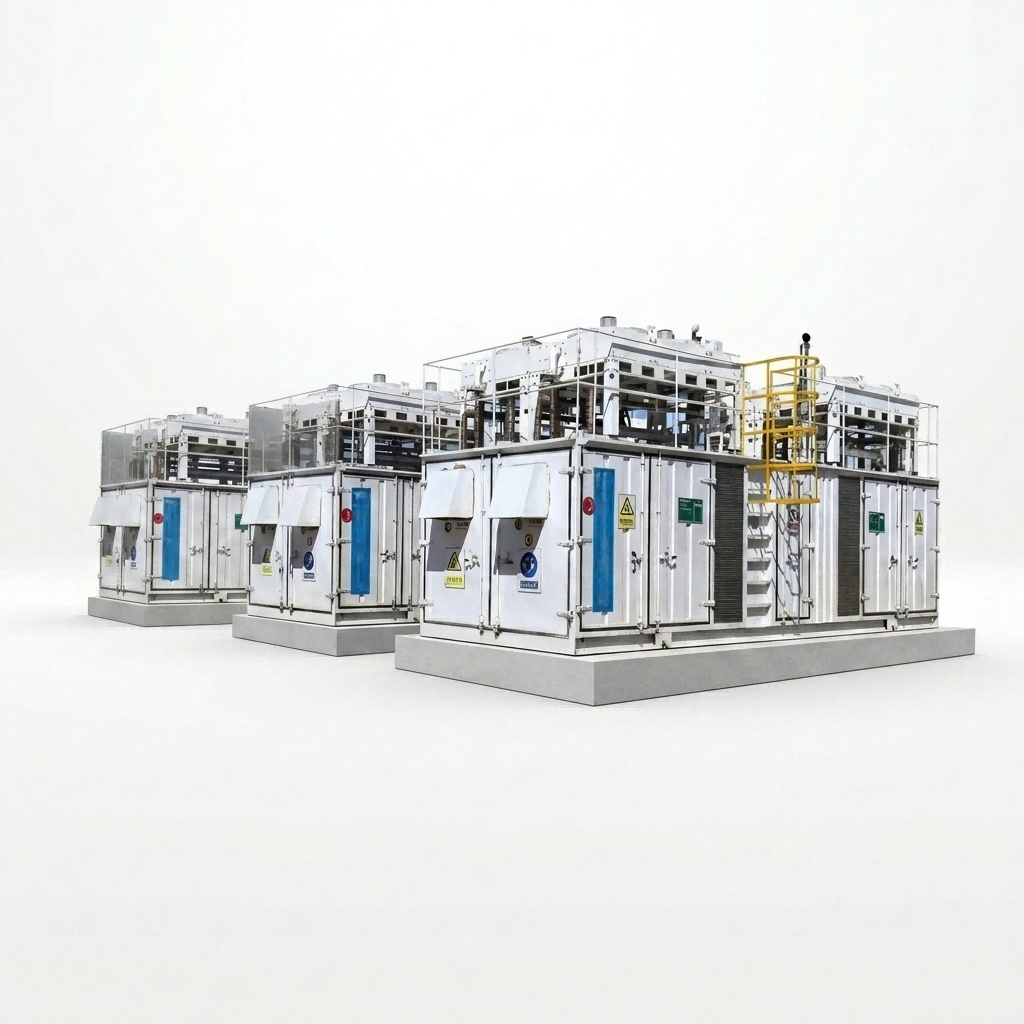
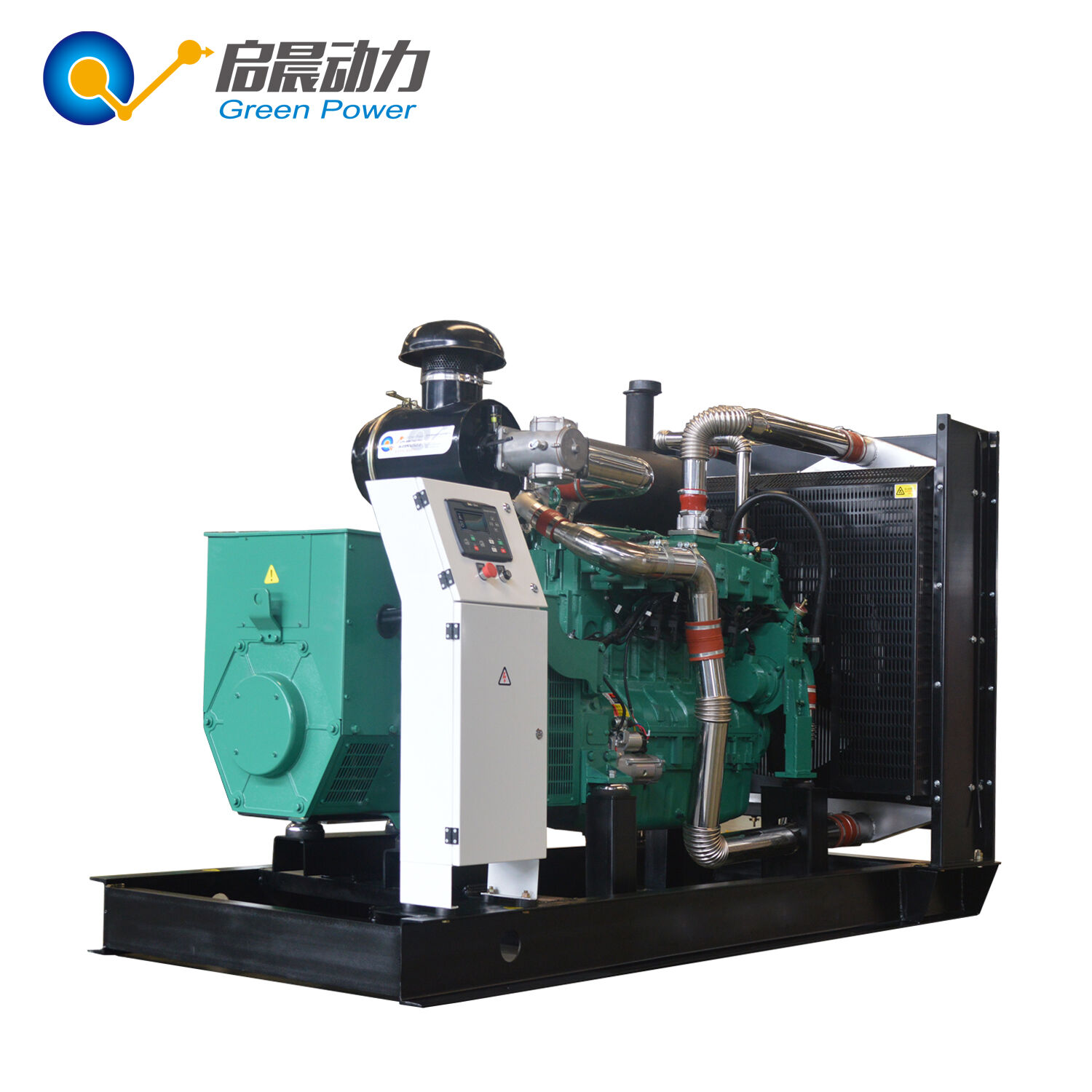
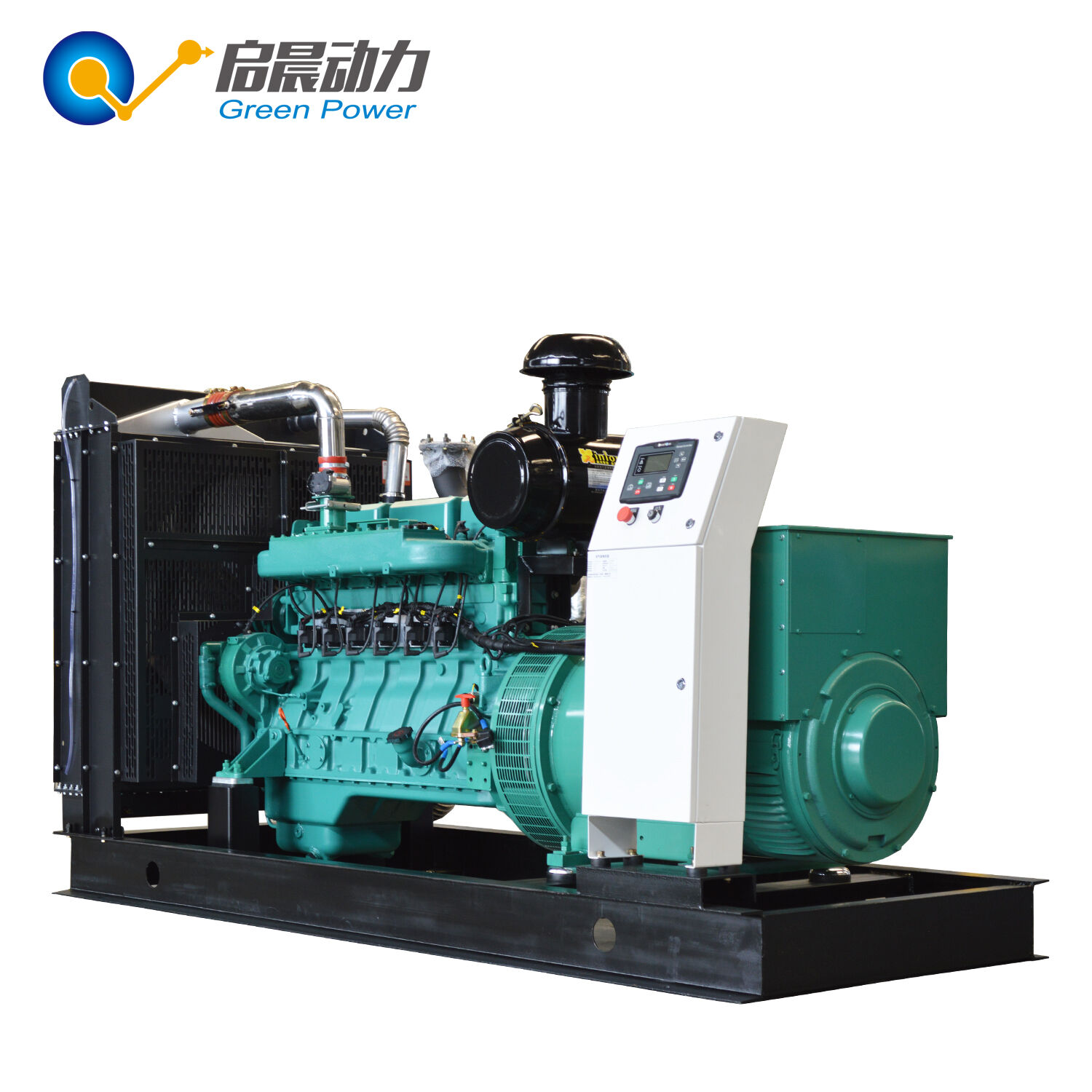
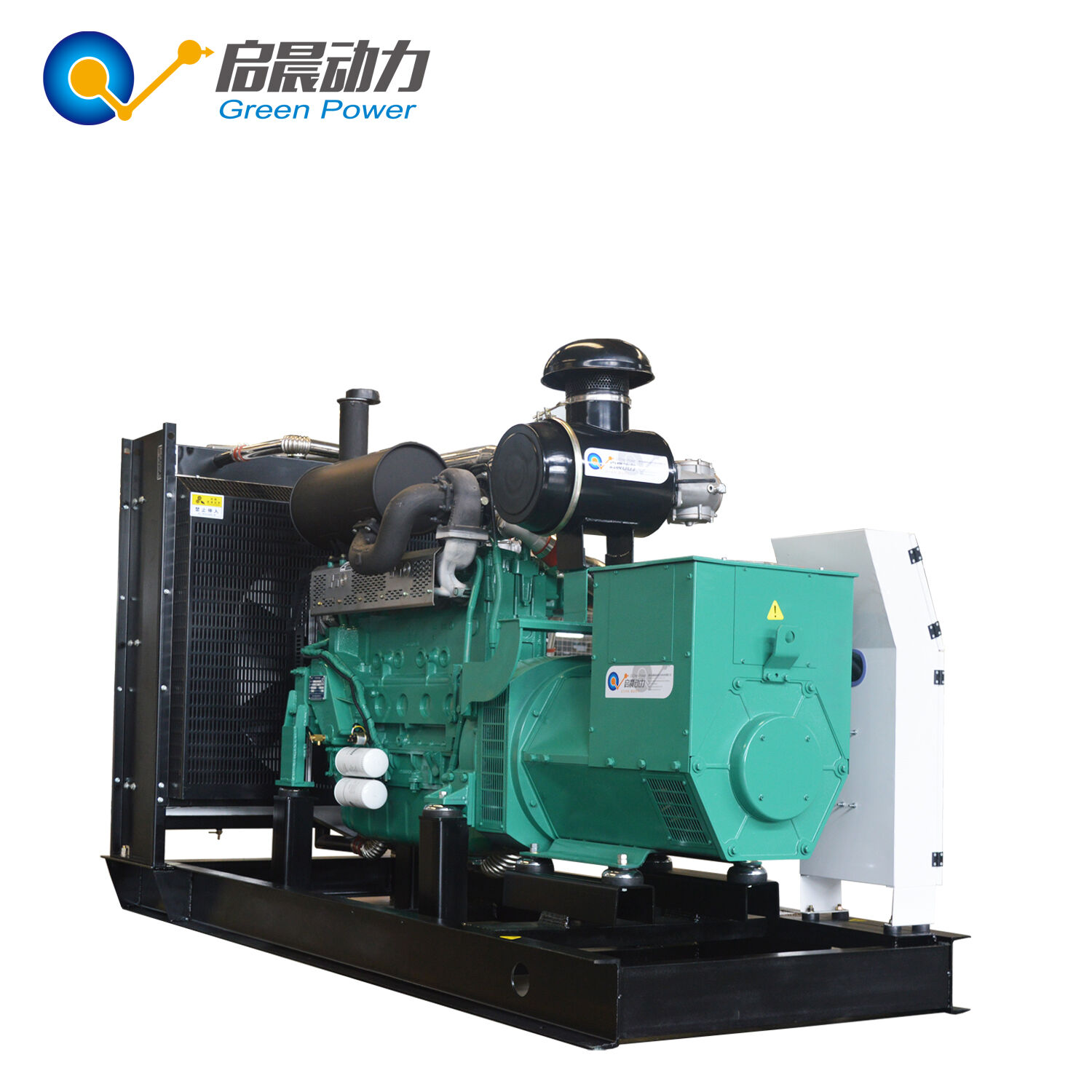
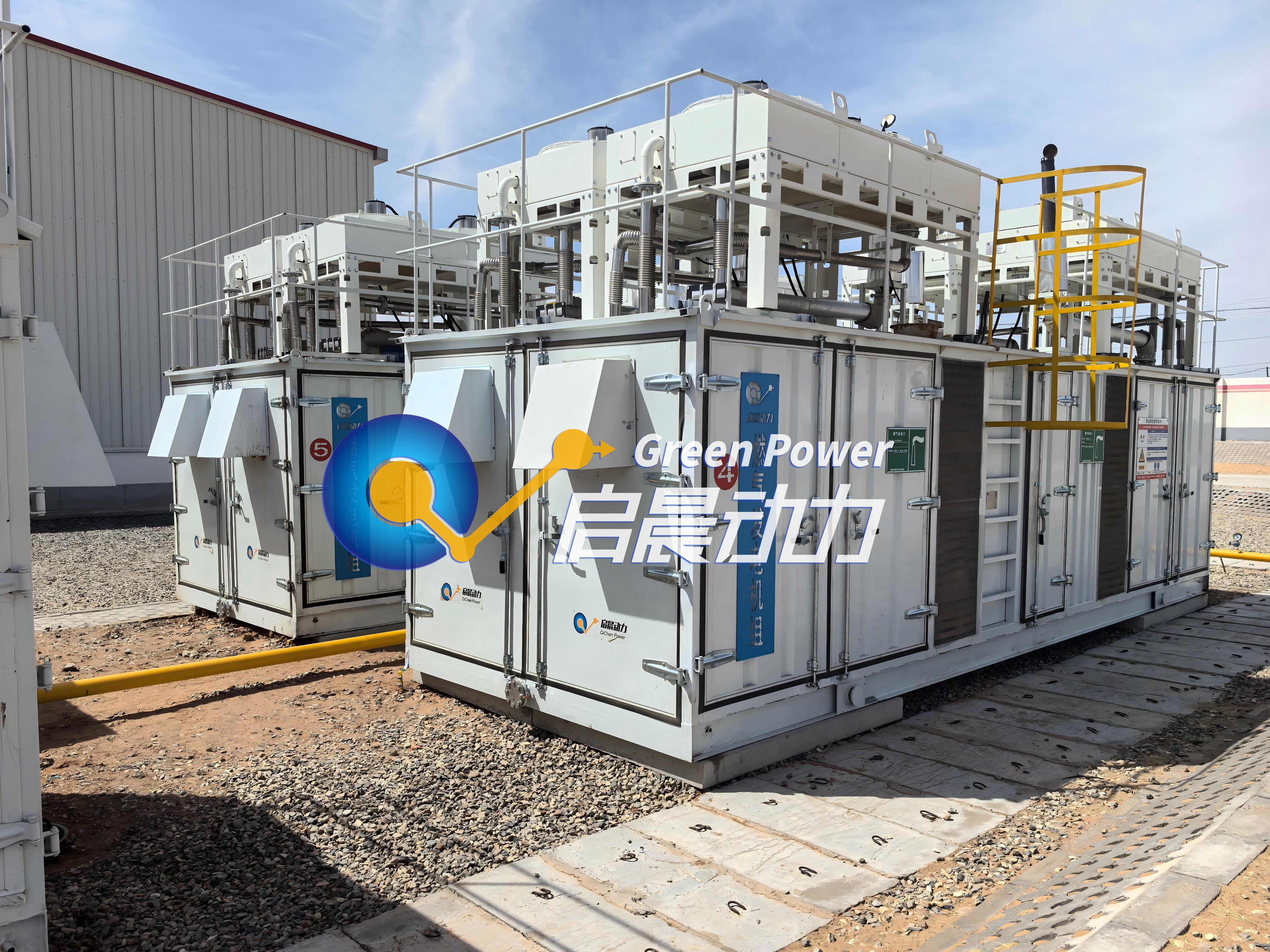
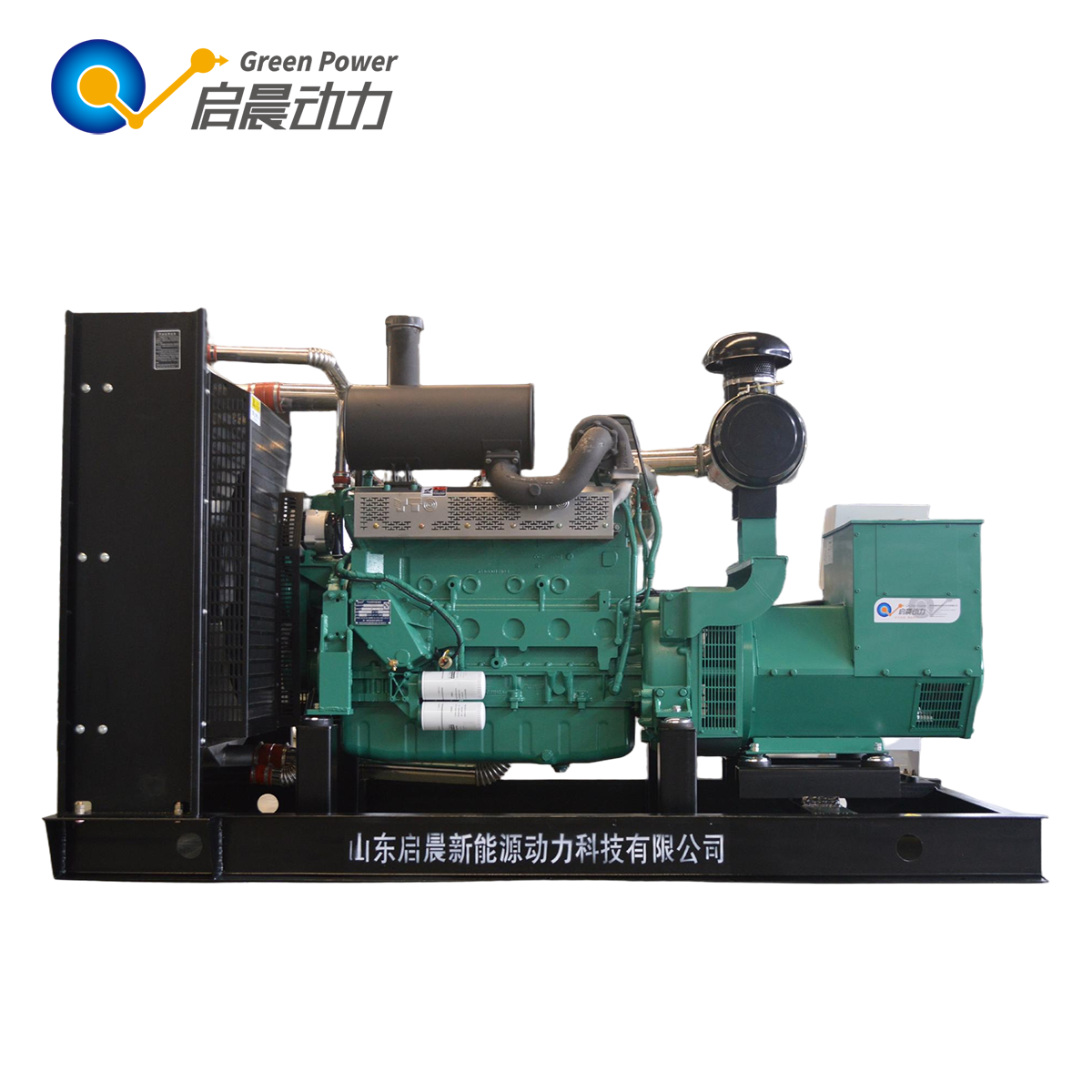
A flare gas recovery system is an advanced industrial solution designed to capture and repurpose waste gases that would otherwise be burned off through flaring at oil refineries, petrochemical plants, and natural gas processing facilities. This innovative technology transforms previously wasted hydrocarbons into valuable resources, significantly reducing environmental impact while improving operational economics. The flare gas recovery system works by collecting excess gases from production processes, compressing them to appropriate pressures, and either routing them back into the production stream or converting them into usable energy. The main functions include gas capture from flare headers, contaminant removal through filtration and separation stages, pressure regulation, and safe reintegration into existing infrastructure. Technological features encompass variable speed compression units that adapt to fluctuating gas volumes, advanced control systems with real-time monitoring capabilities, automated safety shutdown mechanisms, and modular designs that allow scalability based on facility requirements. These systems utilize sophisticated sensors and programmable logic controllers to maintain optimal performance under varying operational conditions. Applications span across upstream oil and gas production sites, downstream refining operations, chemical manufacturing plants, biogas facilities, and landfill gas management operations. The flare gas recovery system represents a critical investment for industries seeking to comply with increasingly stringent environmental regulations while simultaneously capturing economic value from previously wasted resources. By implementing this technology, facilities can dramatically reduce greenhouse gas emissions, minimize their carbon footprint, and convert waste streams into profit centers through energy recovery or product reprocessing.

Popular Products

Investing in a flare gas recovery system delivers substantial financial returns by transforming waste into revenue. Facilities capture gases that previously disappeared through flaring and redirect them for productive use, generating immediate cost savings on fuel purchases or creating new income streams through energy sales. This system reduces operational expenses by lowering the volume of natural gas or fuel oil needed to power facility operations, directly improving bottom-line profitability. Environmental compliance becomes simpler and more cost-effective, as the technology helps companies meet strict emission standards without expensive penalty fees or regulatory complications. The flare gas recovery system protects your facility from volatile regulatory changes by proactively addressing environmental concerns before they become mandated requirements. Operational benefits include enhanced process stability, as recovered gases can supplement fuel supplies during peak demand periods or supply shortages. The system operates with minimal manual intervention thanks to automated controls that adjust to changing conditions throughout the day and night, reducing labor costs while maintaining consistent performance. Safety improvements accompany implementation, since capturing and processing gases in controlled equipment proves far safer than burning them in open flare stacks. The technology suits diverse applications across multiple industries, from small-scale operations processing modest gas volumes to large industrial complexes handling significant waste streams. Decision-makers appreciate the scalable nature of these systems, which allows phased implementation that matches budget constraints and operational priorities. The flare gas recovery system offers quick payback periods, typically recovering initial investment costs within two to four years through fuel savings and emission credit benefits. Companies gain competitive advantages by demonstrating environmental stewardship to stakeholders, customers, and communities while simultaneously improving operational efficiency and profitability.

Latest News

Natural Gas Generator Installation Guide: From Site Planning to First Power-On

04

May

Natural Gas Generator Installation Guide: From Site Planning to First Power-On

Installing a natural gas generator is a significant infrastructure decision that demands careful planning, precise execution, and a clear understanding of local codes. Whether you are equipping an industrial facility, a commercial building, or a remo...
View More
1000 kW Natural Gas Generator System Design: Engine Configuration and Parallel Setup

07

May

1000 kW Natural Gas Generator System Design: Engine Configuration and Parallel Setup

A 1000 kW natural gas generator system represents a significant investment in on-site power infrastructure. Whether deployed for industrial facilities, large commercial complexes, or utility backup applications, engineering such a system correctly fr...
View More
Natural Gas Generator Emissions Standards: NOx, CO, and How to Stay Compliant

11

May

Natural Gas Generator Emissions Standards: NOx, CO, and How to Stay Compliant

A natural gas generator is widely regarded as one of the cleaner options in power generation, but that does not exempt it from emissions regulations. Every natural gas generator operates within a framework of environmental standards that limit the co...
View More
Natural Gas Generator ROI Calculator: Is It the Right Investment for Your Business?

19

May

Natural Gas Generator ROI Calculator: Is It the Right Investment for Your Business?

Deciding whether a natural gas generator is the right investment for your business requires more than a gut feeling. It demands a clear-eyed look at upfront costs, ongoing fuel savings, operational reliability, and how long it takes to recover your c...
View More

Send Us a Message

We'll reply within 24 hours
Email
Mobile Or WhatsApp
Name
Company Name
Message
0/1000

flare gas recovery system

Advanced Compression Technology

Advanced Compression Technology

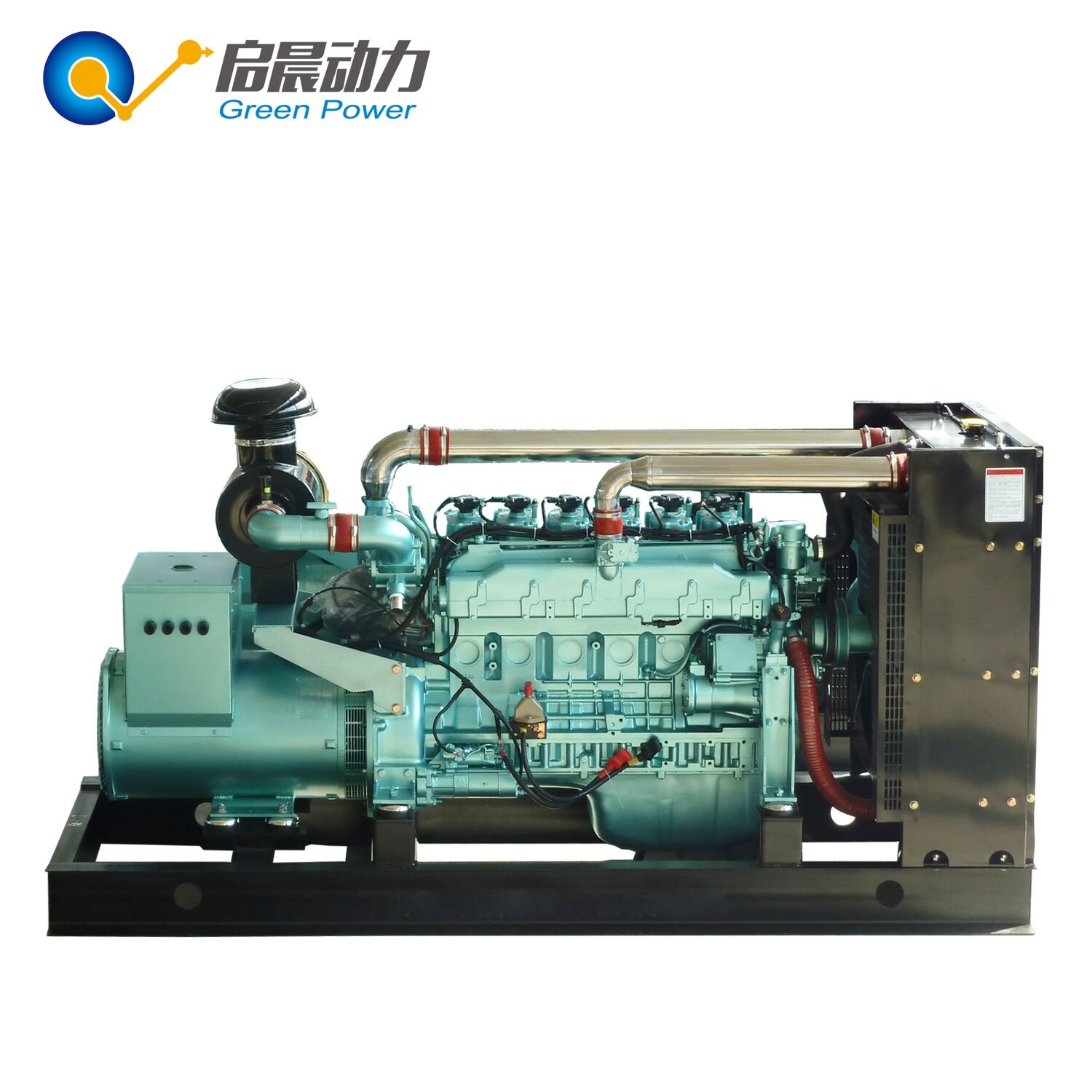
The flare gas recovery system incorporates state-of-the-art compression technology specifically engineered to handle the unique challenges of waste gas processing. Unlike standard compressors, these specialized units manage highly variable gas compositions, fluctuating flow rates, and pressure inconsistencies that characterize flare gas streams. Variable frequency drives enable the compressors to automatically adjust speed and capacity in response to real-time gas availability, ensuring optimal energy efficiency regardless of operational conditions. This adaptive capability prevents equipment damage from surge conditions while maintaining continuous operation even during significant process upsets. The compression packages feature robust construction with corrosion-resistant materials that withstand harsh gas compositions containing trace contaminants, moisture, and particulates. Multi-stage compression with interstage cooling maximizes efficiency while managing temperature increases that naturally occur during gas compression. Integrated monitoring systems track performance parameters including vibration, temperature, and bearing condition to enable predictive maintenance scheduling that prevents unexpected downtime. This technological sophistication translates directly into lower operating costs, extended equipment lifespan, and reliable performance that keeps facilities running smoothly while maximizing gas recovery rates and return on investment.
Intelligent Control Systems

Intelligent Control Systems

Modern flare gas recovery system installations feature sophisticated control platforms that optimize performance while ensuring safe, reliable operation across all conditions. These intelligent systems utilize programmable logic controllers integrated with advanced algorithms that continuously analyze multiple process variables including gas composition, pressure, temperature, and flow rates. The control architecture makes real-time adjustments to compression speed, valve positions, and routing configurations to maximize recovery efficiency while protecting equipment from harmful operating conditions. Operators benefit from intuitive human-machine interfaces that display system status, performance metrics, and diagnostic information through graphical dashboards accessible from control rooms or remote locations via secure network connections. Automated safety functions provide multiple layers of protection, immediately responding to abnormal conditions by implementing controlled shutdowns that protect personnel and equipment. The flare gas recovery system control platform maintains detailed operational logs and generates comprehensive reports that document emissions reductions, fuel savings, and system performance for regulatory compliance and management review. Remote monitoring capabilities allow specialists to diagnose issues and optimize settings without site visits, reducing support costs while ensuring peak performance. This intelligent automation reduces the technical expertise required for daily operation while providing the sophisticated control necessary for complex industrial applications.
Modular and Scalable Design

Modular and Scalable Design

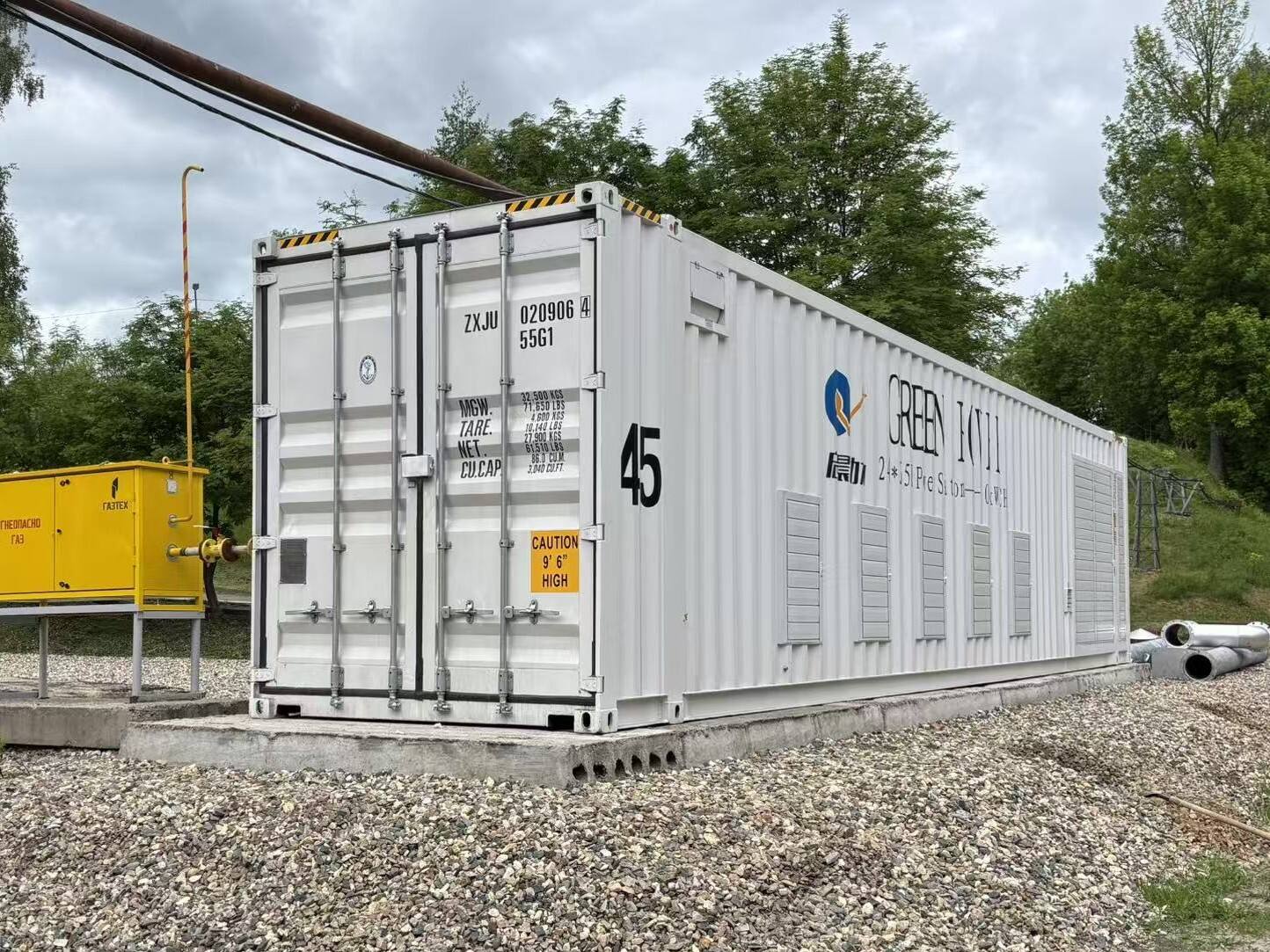
The flare gas recovery system features modular architecture that provides exceptional flexibility for facilities with evolving needs and varying operational scales. This design approach allows companies to implement systems sized precisely for current requirements while maintaining clear pathways for future expansion as production increases or additional flare sources are identified. Standardized modules include compression packages, separation vessels, control panels, and interconnecting piping that can be configured in multiple arrangements to suit specific site layouts and process requirements. Pre-engineered skid-mounted units arrive at facilities ready for rapid installation, dramatically reducing construction timelines and minimizing disruption to ongoing operations compared to custom-built alternatives. The modular approach also simplifies maintenance and parts management, as standardized components can be easily sourced and replaced without extended downtime or specialized fabrication. Facilities can begin with basic flare gas recovery system configurations focused on primary waste streams, then add capacity or enhanced processing capabilities as budgets allow and business cases strengthen. This scalability protects initial investments by ensuring compatibility between phases rather than requiring complete system replacements as needs grow. The modular design philosophy extends to control systems, allowing integration with existing facility infrastructure while maintaining standalone functionality that ensures continued operation even if broader plant systems experience issues.

Send Us a Message

We'll reply within 24 hours
Email
Mobile Or WhatsApp
Name
Company Name
Message
0/1000