Cogeneration Combined Heat and Power Solutions

Send Us a Message

We'll reply within 24 hours
Email
Mobile Or WhatsApp
Name
Company Name
Message
0/1000

cogeneration combined heat and power

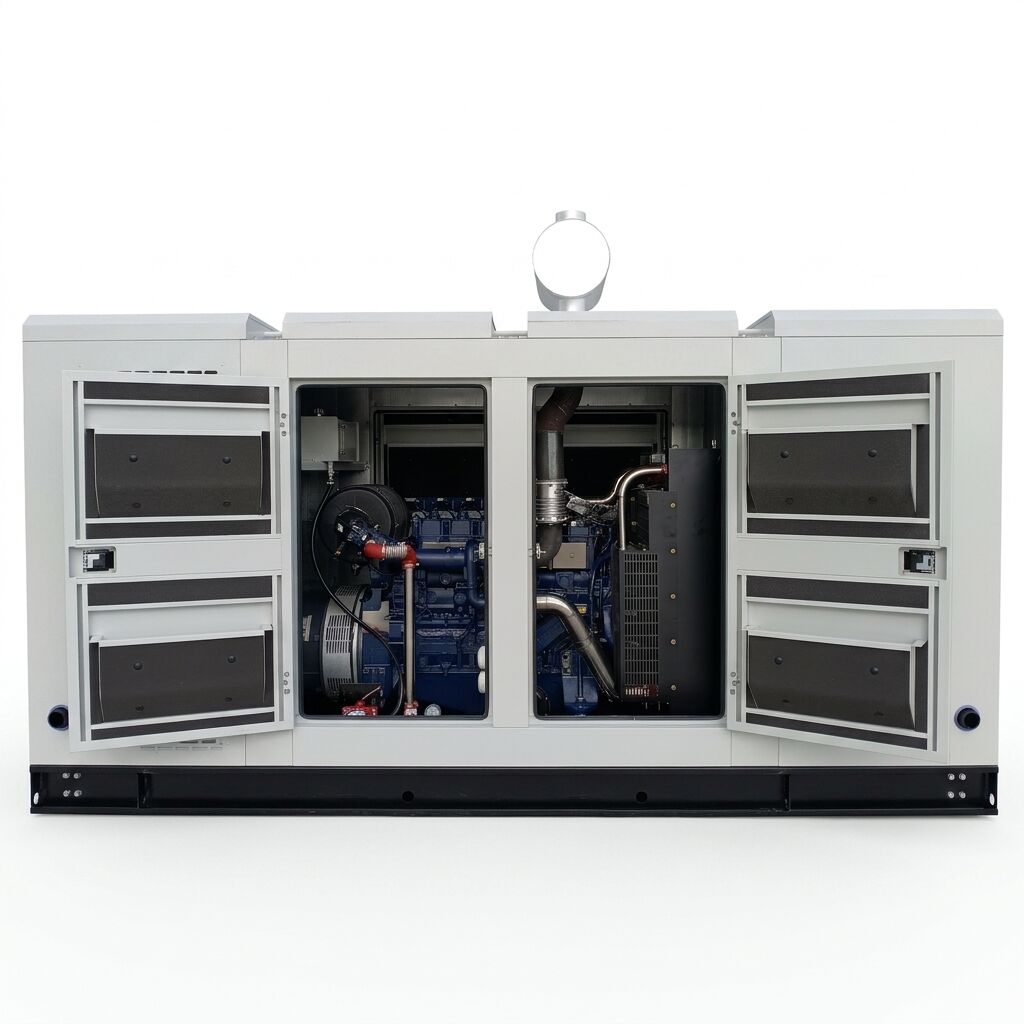
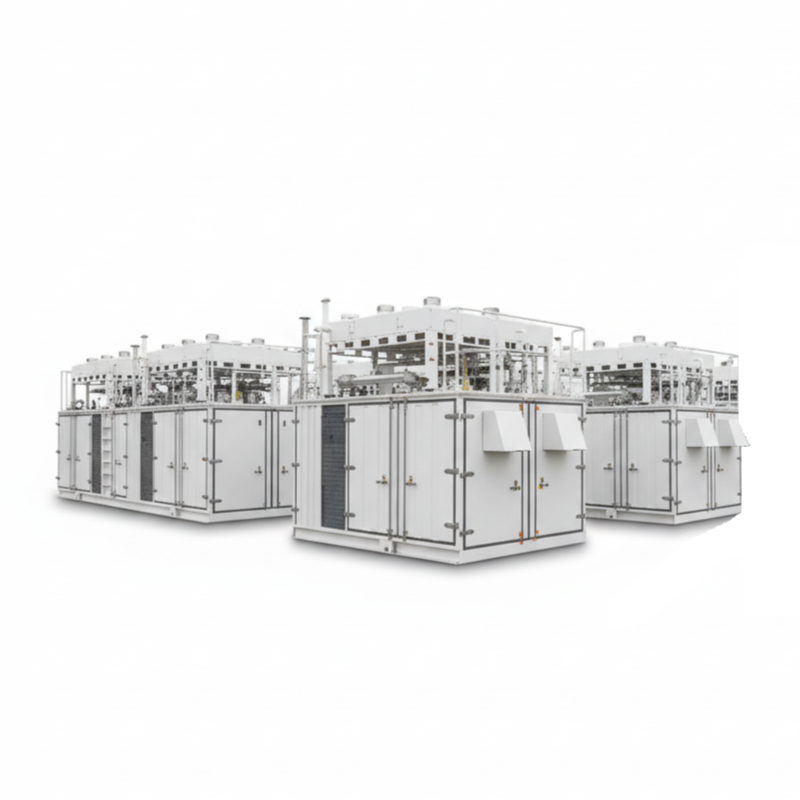
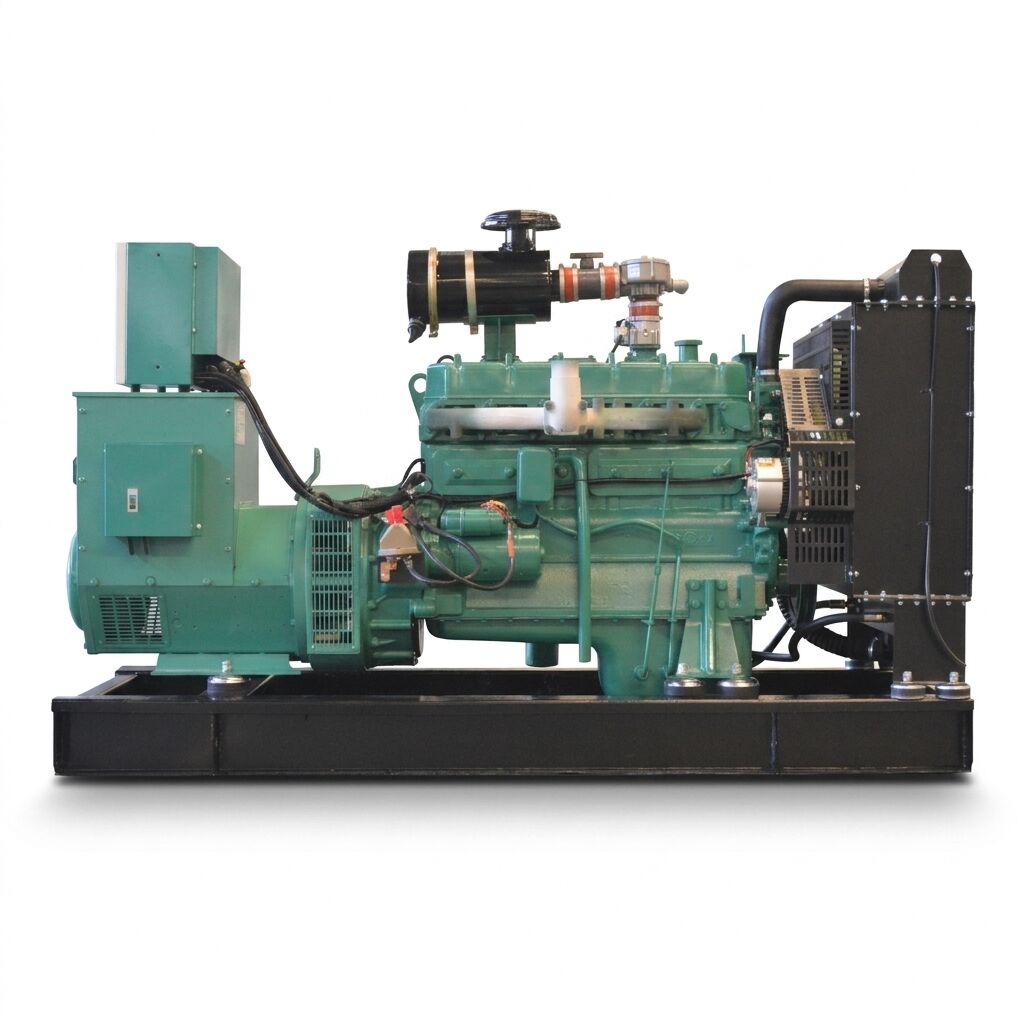
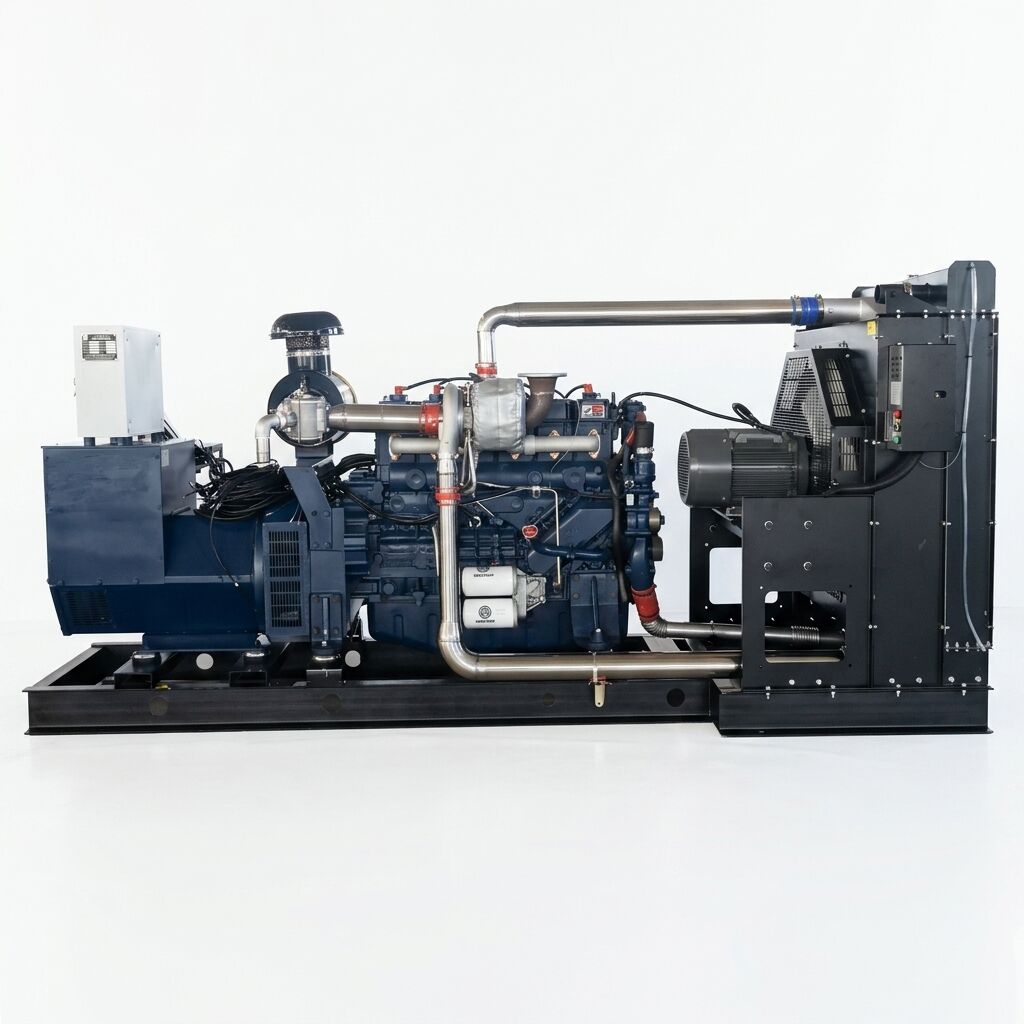
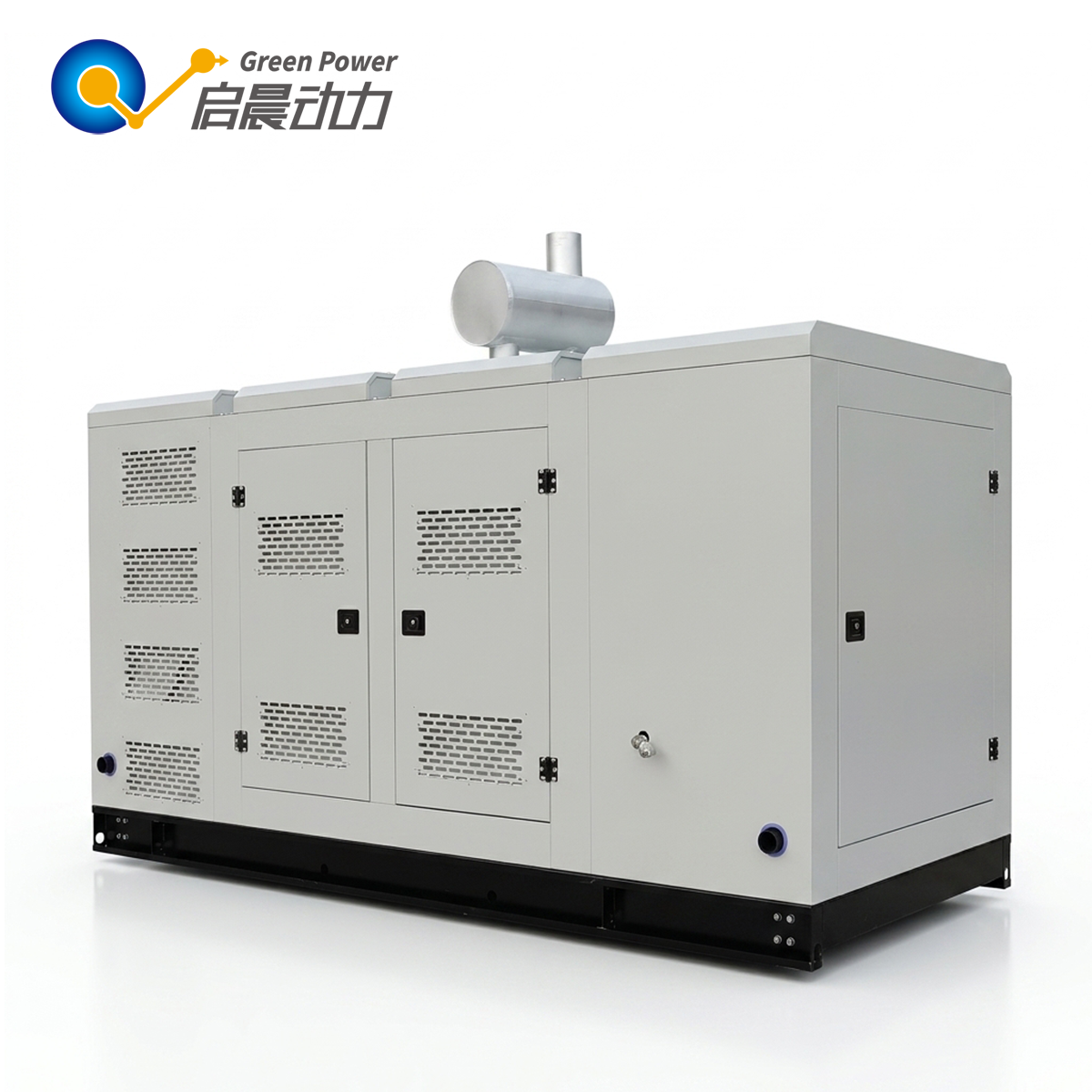
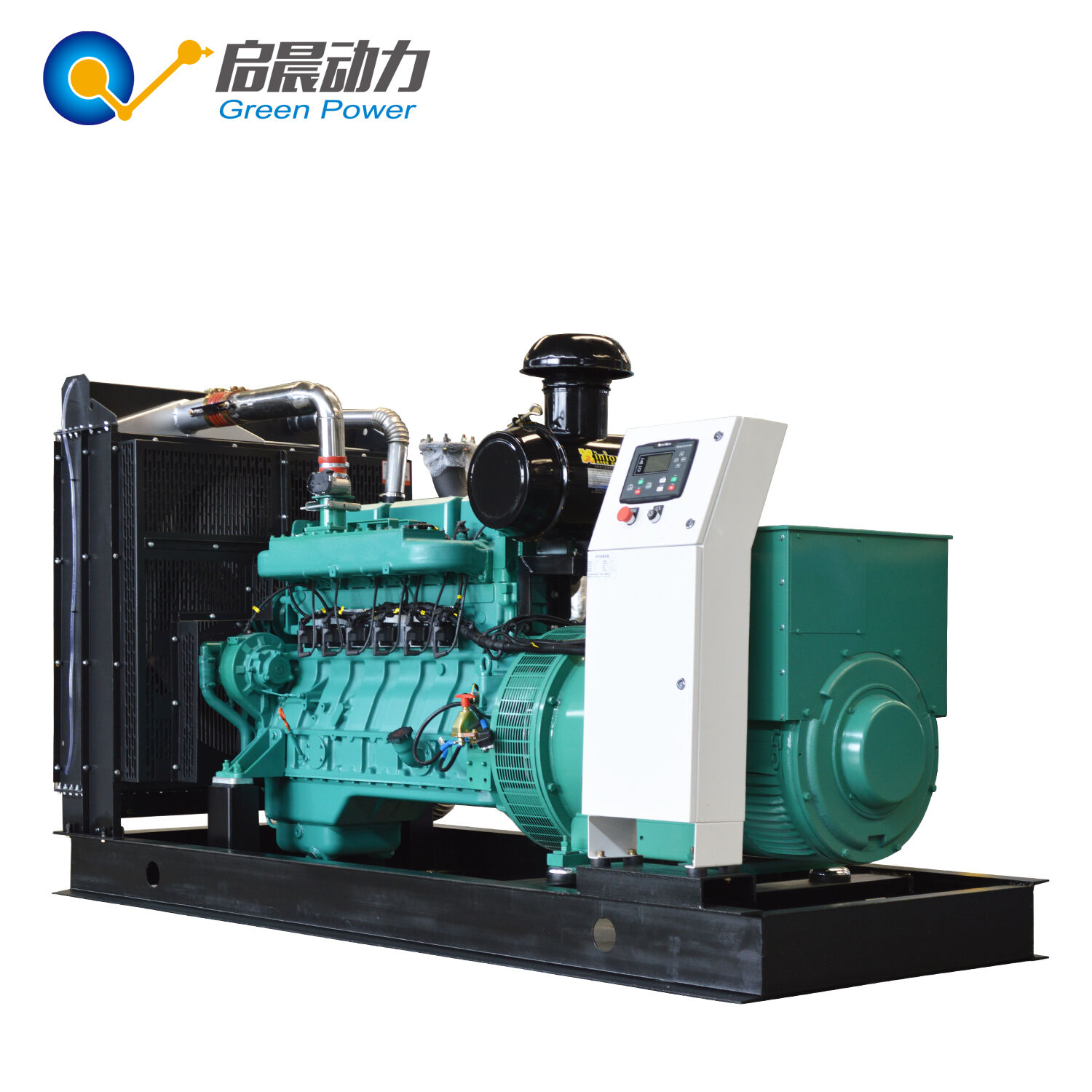
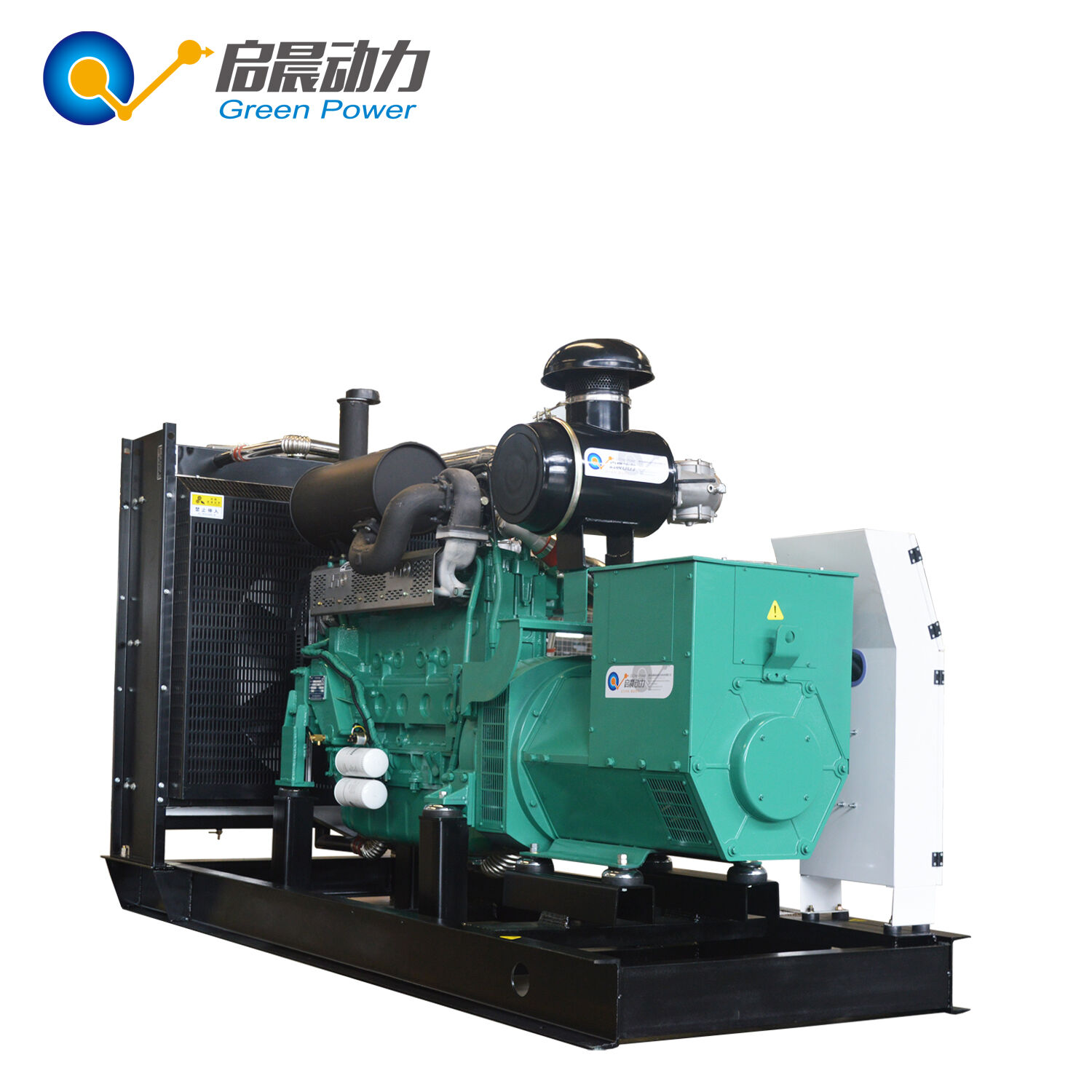
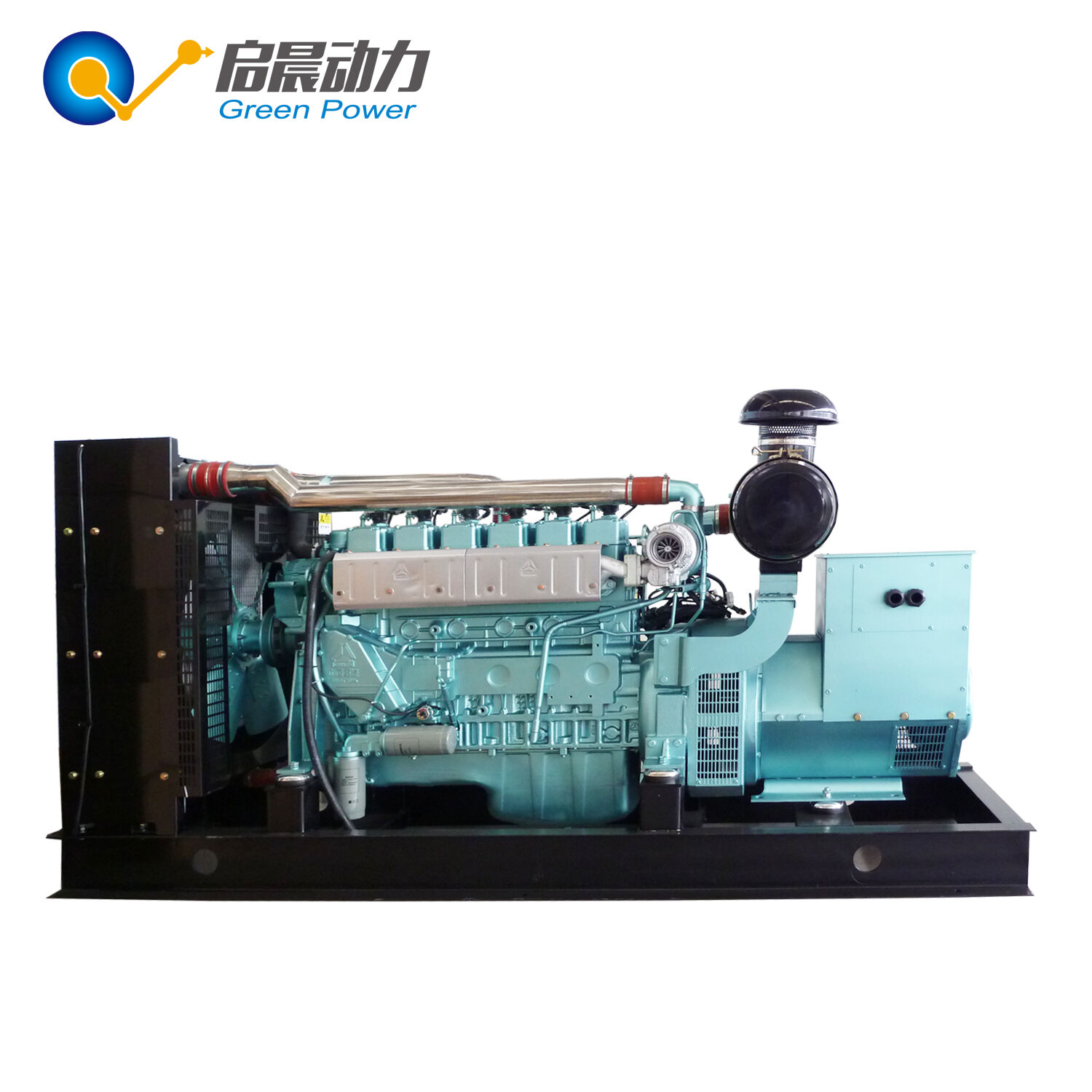
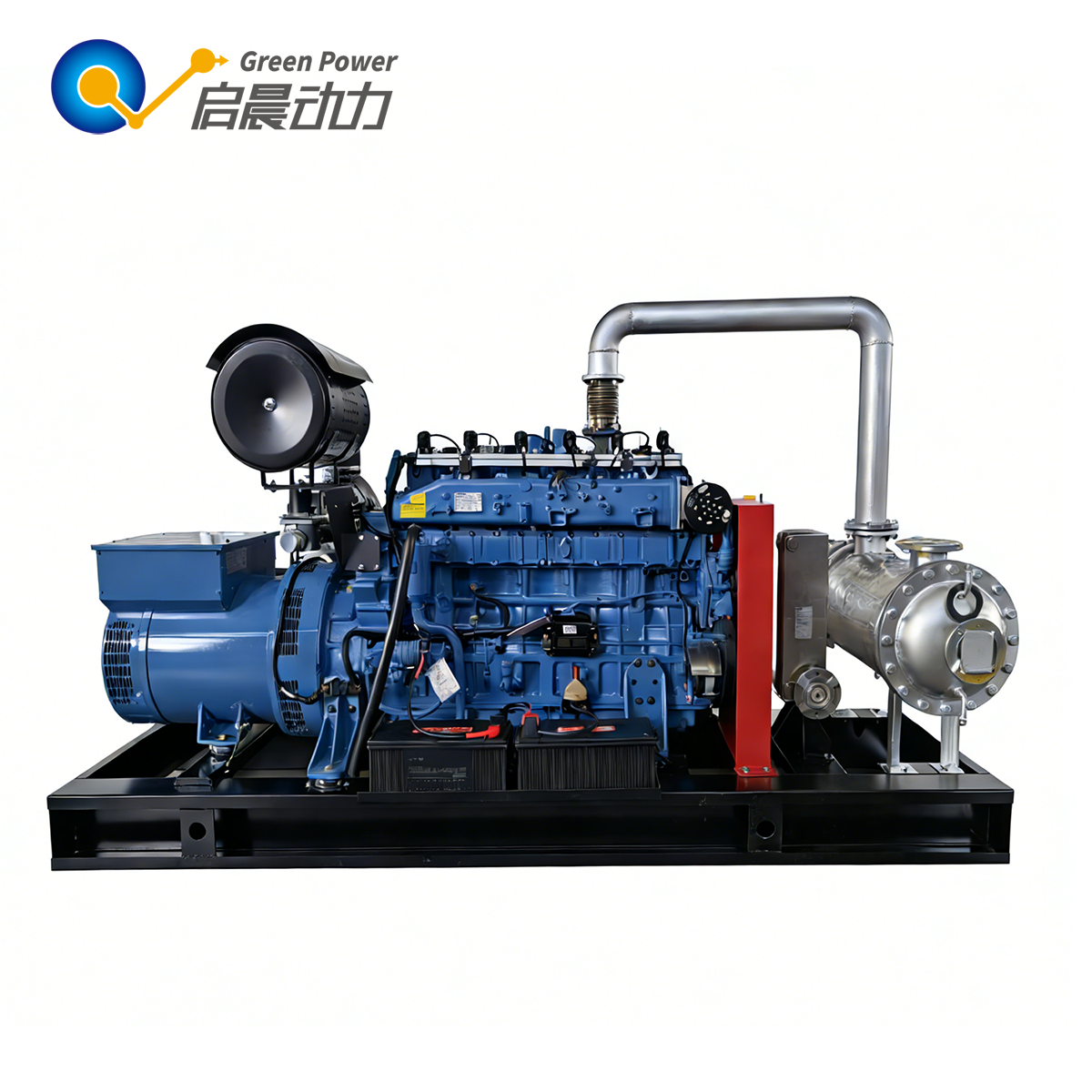
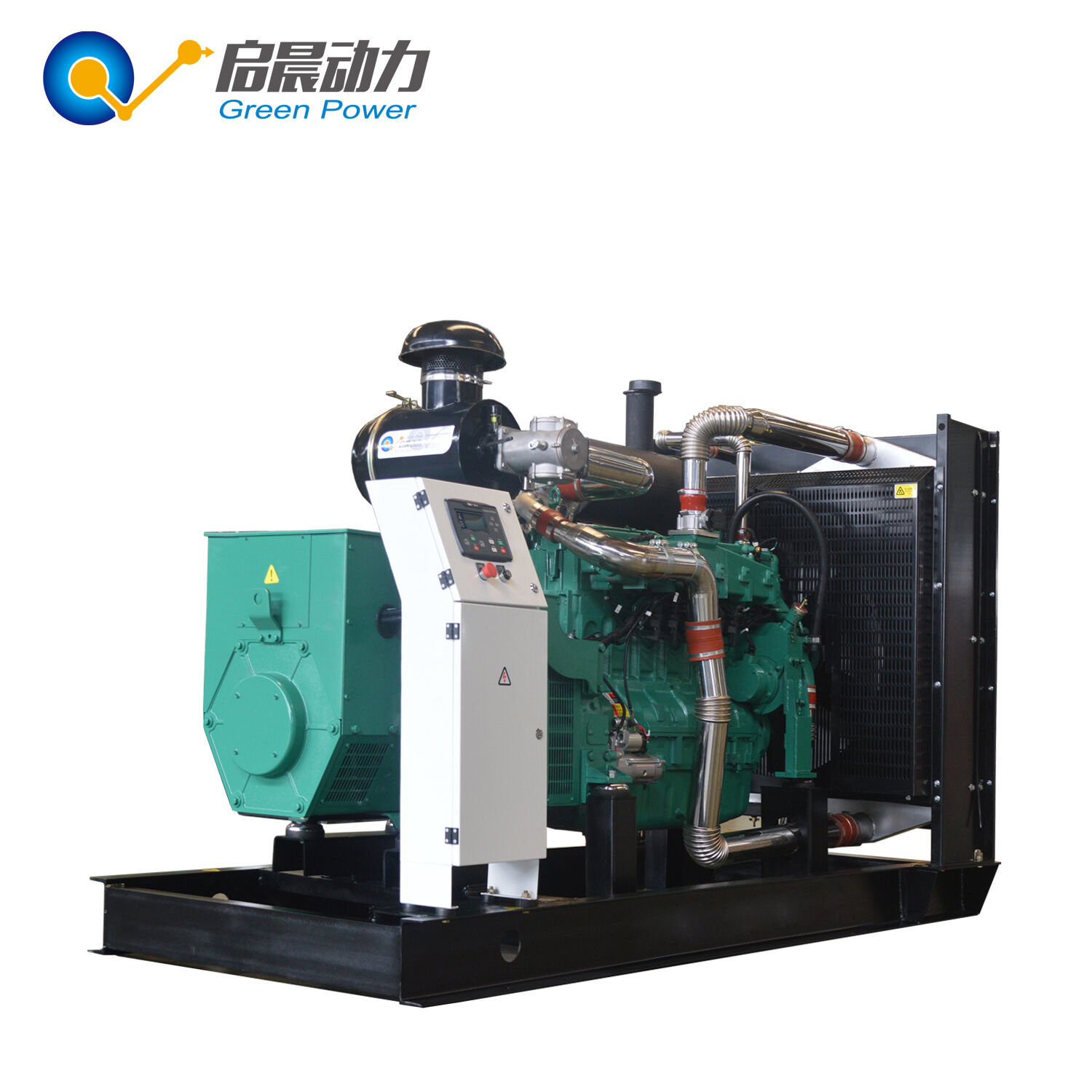
Cogeneration combined heat and power represents an innovative energy solution that simultaneously produces electricity and useful thermal energy from a single fuel source. This integrated system captures waste heat generated during electricity production and repurposes it for heating applications, achieving remarkable efficiency levels up to 90 percent compared to conventional separate generation methods. The technology operates through various prime movers including gas turbines, steam turbines, reciprocating engines, and fuel cells, each suited to different scale requirements. Cogeneration combined heat and power systems deliver electricity for operational needs while the recovered thermal energy serves space heating, water heating, steam production, or industrial processes. The main technological feature lies in the sequential energy use principle, where thermal energy that would otherwise dissipate becomes a valuable resource. These systems incorporate heat recovery equipment such as heat exchangers and absorption chillers to maximize thermal capture. Applications span industrial facilities, commercial buildings, hospitals, universities, district energy systems, and manufacturing plants requiring both electricity and thermal energy. The technology supports various fuels including natural gas, biogas, biomass, and diesel, providing operational flexibility. Modern cogeneration combined heat and power installations integrate sophisticated control systems for optimizing performance based on real-time energy demands. The scalability ranges from small residential units under 10 kilowatts to large industrial installations exceeding 50 megawatts, making this technology adaptable across diverse operational contexts and energy requirements.

Popular Products

Investing in cogeneration combined heat and power delivers substantial cost savings by reducing overall energy expenses through improved fuel utilization efficiency. Facilities typically experience 20 to 40 percent reductions in energy costs compared to purchasing electricity separately and generating heat independently. This technology provides energy independence and reliability, particularly valuable during grid outages or peak demand periods when electricity prices surge dramatically. The operational benefits include consistent power quality, reduced transmission losses since generation occurs onsite, and lower maintenance costs through integrated system management. Environmental advantages make cogeneration combined heat and power increasingly attractive as organizations pursue sustainability goals and carbon reduction targets. The system significantly decreases greenhouse gas emissions by minimizing fuel consumption per unit of useful energy output, often reducing carbon footprints by 30 to 50 percent. Businesses benefit from enhanced reputation and compliance with environmental regulations while potentially qualifying for tax incentives, grants, and renewable energy certificates. Application suitability extends to any facility with consistent simultaneous electricity and thermal demands throughout the year, making cogeneration combined heat and power ideal for hospitals requiring sterilization steam, hotels needing hot water, food processors demanding process heat, and office buildings with heating and cooling loads. The technology accommodates seasonal variations through thermal storage integration and supplementary conventional systems. Decision-making becomes clearer when considering that typical payback periods range from three to seven years depending on energy costs, usage patterns, and available incentives. System flexibility allows phased implementation, starting with smaller capacity and expanding as energy needs grow, reducing initial capital requirements while demonstrating proven performance benefits before larger commitments.

Latest News

LPG Generator for Off-Grid Sites: Why Propane Power Is a Reliable Choice

01

May

LPG Generator for Off-Grid Sites: Why Propane Power Is a Reliable Choice

When power infrastructure is unavailable or unreliable, an LPG generator stands out as one of the most practical and dependable solutions for off-grid sites. Whether the application involves a remote construction camp, an agricultural facility, a min...
View More
LPG Generator Sizing Guide: Matching Output to Your Power Load Requirements

15

May

LPG Generator Sizing Guide: Matching Output to Your Power Load Requirements

Choosing the right LPG generator is one of the most consequential decisions a facility manager, contractor, or business owner can make. An undersized LPG generator will struggle under load, cause voltage instability, and risk equipment damage. An ove...
View More
Natural Gas Generator ROI Calculator: Is It the Right Investment for Your Business?

19

May

Natural Gas Generator ROI Calculator: Is It the Right Investment for Your Business?

Deciding whether a natural gas generator is the right investment for your business requires more than a gut feeling. It demands a clear-eyed look at upfront costs, ongoing fuel savings, operational reliability, and how long it takes to recover your c...
View More
Soundproof Generator for Urban and Commercial Sites: Noise Compliance Made Simple

01

Jun

Soundproof Generator for Urban and Commercial Sites: Noise Compliance Made Simple

Noise regulations in urban and commercial environments have never been stricter. Whether you operate a hospital, a hotel, a data center, or a construction site in a densely populated area, running backup or primary power equipment comes with a seriou...
View More

Send Us a Message

We'll reply within 24 hours
Email
Mobile Or WhatsApp
Name
Company Name
Message
0/1000

cogeneration combined heat and power

Superior Energy Efficiency Through Integrated Generation

Superior Energy Efficiency Through Integrated Generation

Cogeneration combined heat and power achieves exceptional energy efficiency by capturing and utilizing thermal energy that conventional power generation wastes. Traditional power plants convert only 30 to 35 percent of fuel energy into electricity, releasing the remainder as waste heat into the environment. In contrast, cogeneration combined heat and power systems reach total efficiency levels between 70 and 90 percent by directing recovered thermal energy toward productive applications. This dramatic efficiency improvement translates directly into reduced fuel consumption and lower operating costs. The integrated approach eliminates the need for separate boilers or heating systems, consolidating energy infrastructure and reducing equipment redundancy. Facilities implementing this technology report significant decreases in primary energy usage while maintaining or improving service quality. The efficiency advantage becomes particularly pronounced in applications with year-round thermal demands, where the recovered heat continuously offsets conventional heating fuel requirements. Advanced heat recovery technologies including economizers, heat recovery steam generators, and absorption chillers maximize thermal capture across various temperature ranges, ensuring optimal energy utilization regardless of specific application requirements. This superior efficiency directly addresses rising energy costs and resource scarcity concerns while supporting organizational sustainability commitments.
Enhanced Reliability and Energy Security

Enhanced Reliability and Energy Security

Cogeneration combined heat and power systems provide critical energy reliability and security by generating power onsite, reducing dependence on centralized grid infrastructure vulnerable to disruptions. Facilities equipped with these systems maintain operational continuity during grid failures, storms, or planned utility maintenance, protecting against costly downtime and revenue losses. This energy independence proves especially valuable for mission-critical operations including hospitals, data centers, emergency services, and manufacturing facilities where power interruptions create safety risks or production losses. The technology offers power quality advantages through stable voltage and frequency control, protecting sensitive equipment from grid fluctuations and power quality disturbances. Organizations gain negotiating leverage with utility providers and protection against volatile electricity prices and peak demand charges. Cogeneration combined heat and power installations can operate in grid-connected mode during normal conditions, island mode during outages, or peak-shaving mode to reduce demand charges during expensive rate periods. This operational flexibility maximizes economic returns while ensuring uninterrupted energy supply. The strategic value extends beyond immediate operational benefits, positioning organizations advantageously as electric grids face increasing strain from electrification trends, extreme weather events, and aging infrastructure challenges that threaten conventional power supply reliability.
Environmental Performance and Regulatory Compliance

Environmental Performance and Regulatory Compliance

Implementing cogeneration combined heat and power delivers measurable environmental benefits that support corporate sustainability initiatives and satisfy increasingly stringent regulatory requirements. The technology reduces greenhouse gas emissions substantially compared to conventional separate heat and power generation, typically achieving 30 to 50 percent carbon dioxide reductions per unit of energy delivered. This environmental advantage stems from superior fuel efficiency, reduced transmission losses, and lower overall fuel consumption. Organizations pursuing carbon neutrality goals, reporting under environmental disclosure frameworks, or responding to stakeholder expectations for climate action find cogeneration combined heat and power instrumental in demonstrating tangible progress. The systems support compliance with air quality regulations, emissions reduction mandates, and energy efficiency standards while potentially qualifying facilities for environmental certifications and green building ratings. Financial incentives including tax credits, accelerated depreciation, utility rebates, and renewable energy certificates further improve project economics while recognizing environmental contributions. Using renewable fuels such as biogas or biomass in cogeneration combined heat and power systems creates additional sustainability value, potentially achieving carbon-neutral or carbon-negative operations. The technology aligns with circular economy principles by converting waste products into valuable energy, reducing landfill requirements while generating power and heat. Environmental reporting becomes more favorable, enhancing corporate reputation, attracting environmentally conscious customers and investors, and differentiating organizations in competitive markets increasingly valuing sustainability performance.

Send Us a Message

We'll reply within 24 hours
Email
Mobile Or WhatsApp
Name
Company Name
Message
0/1000