chp systems
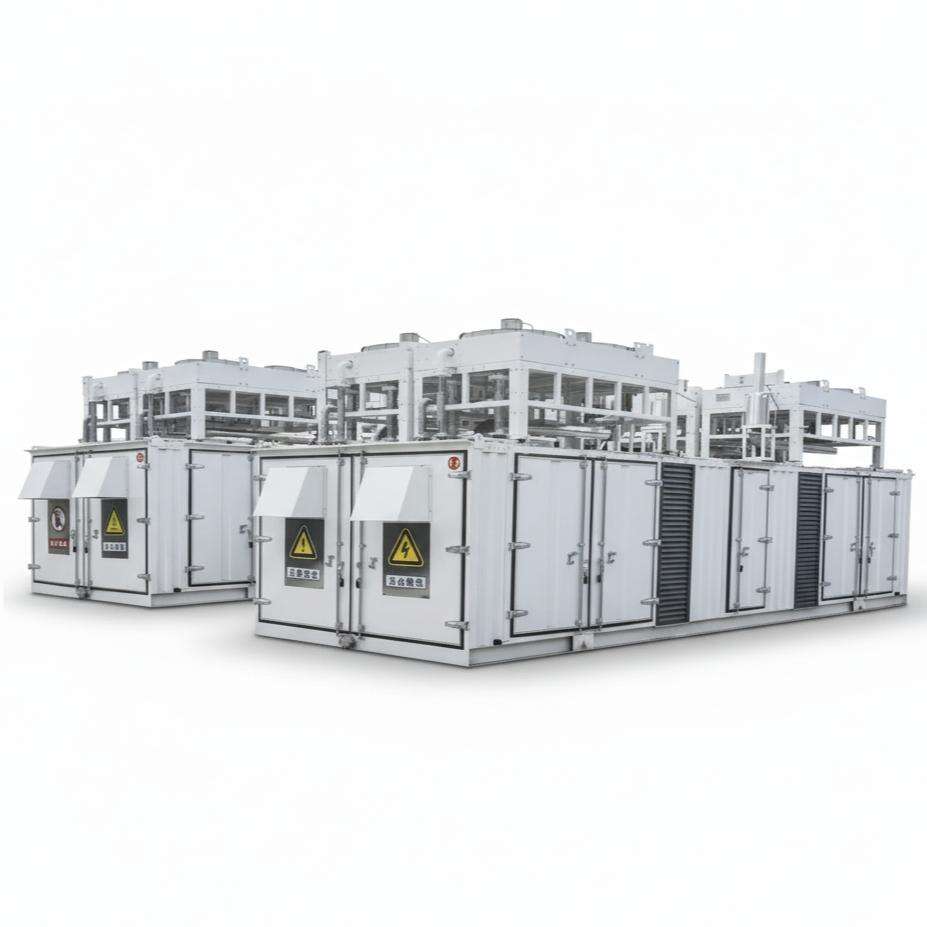
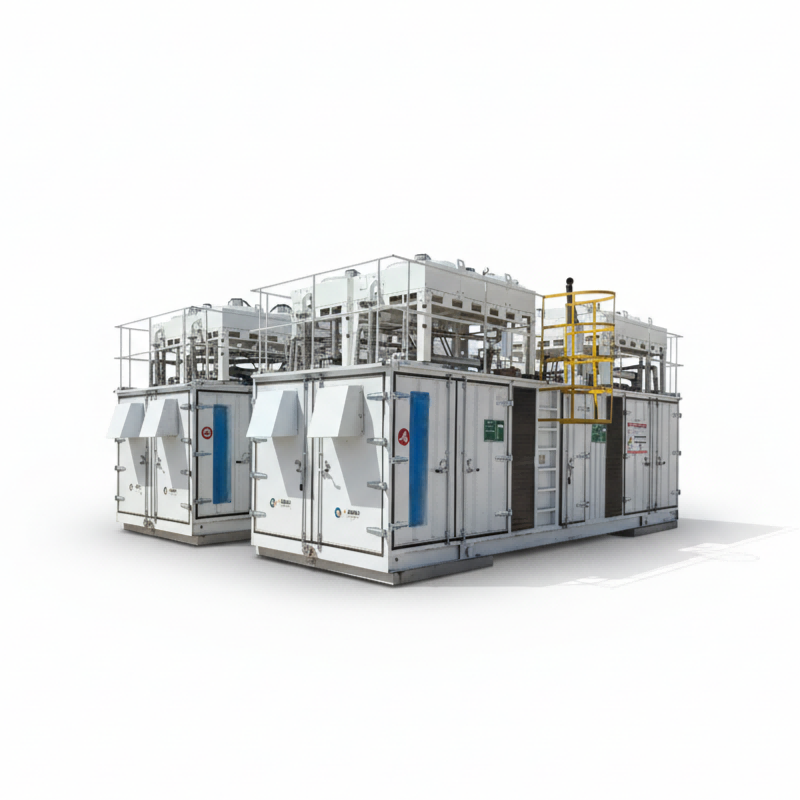
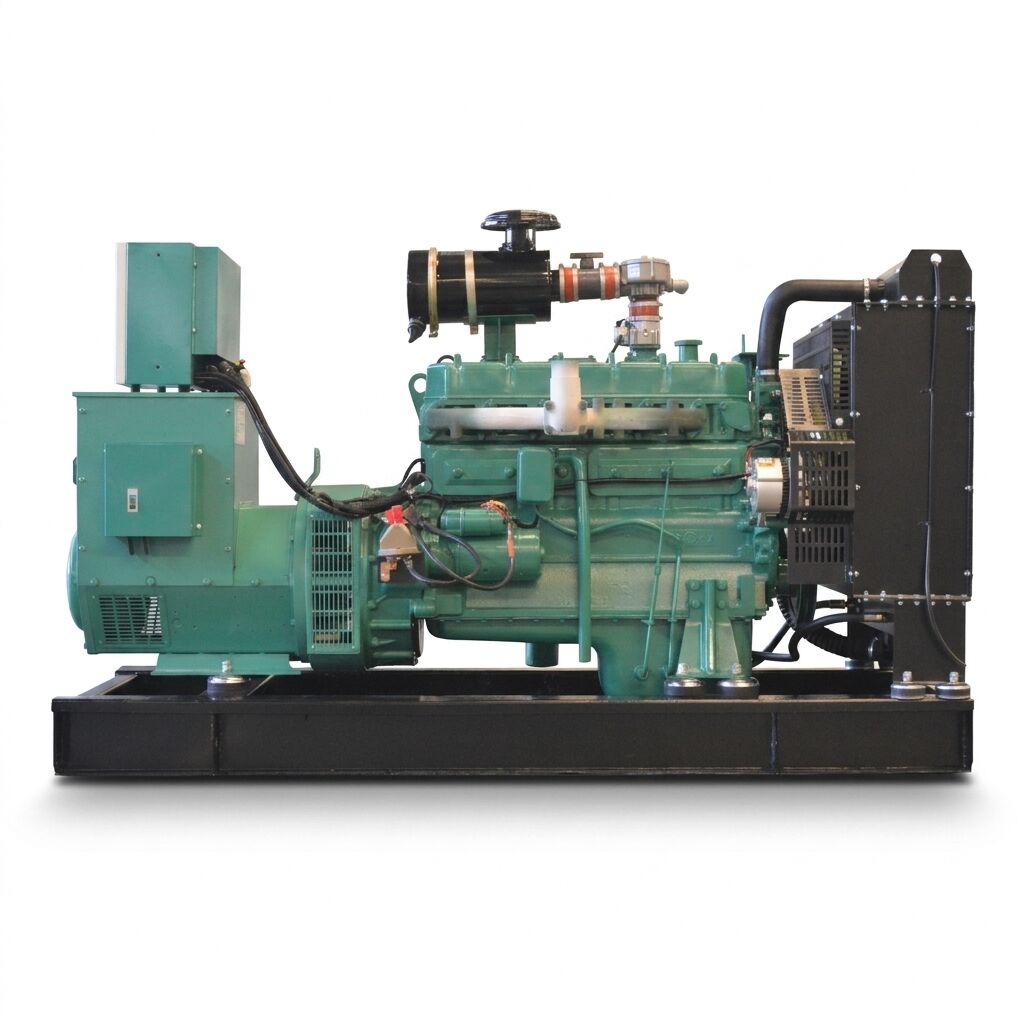
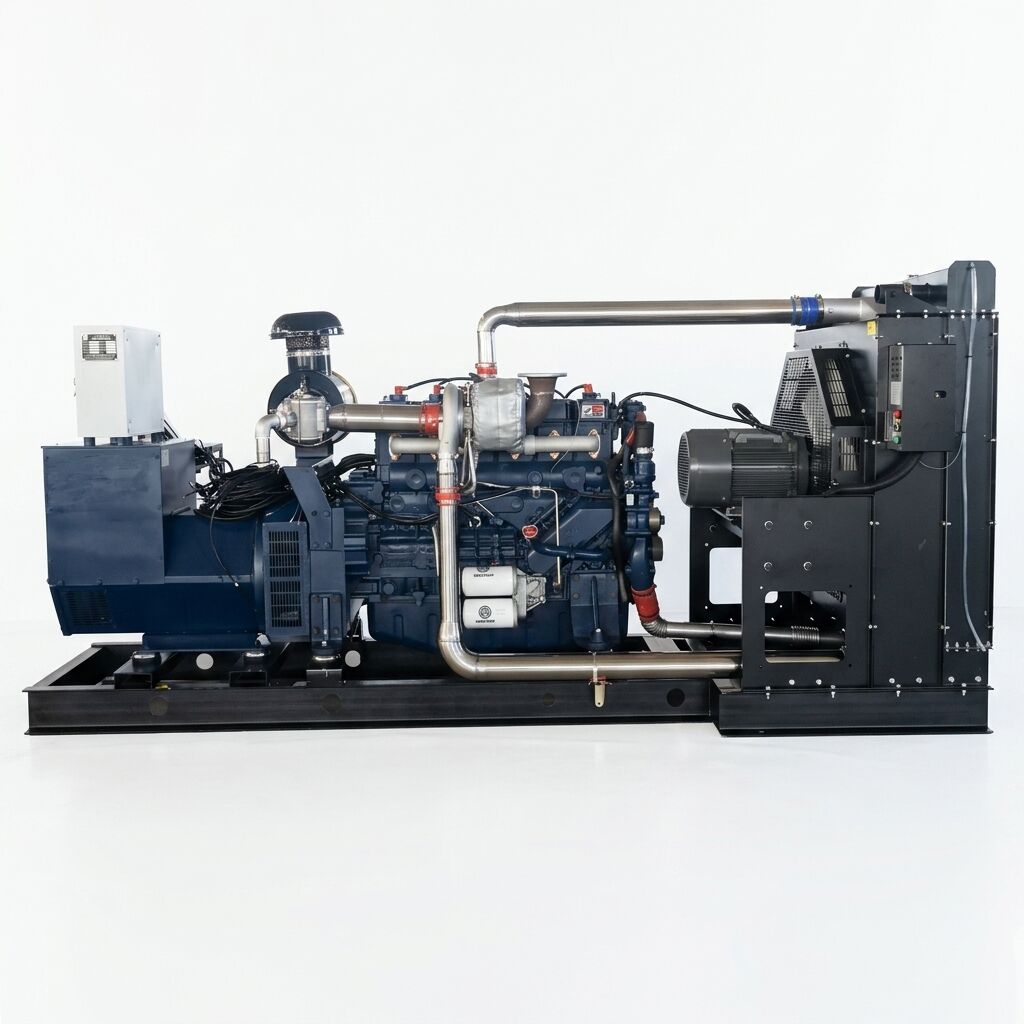
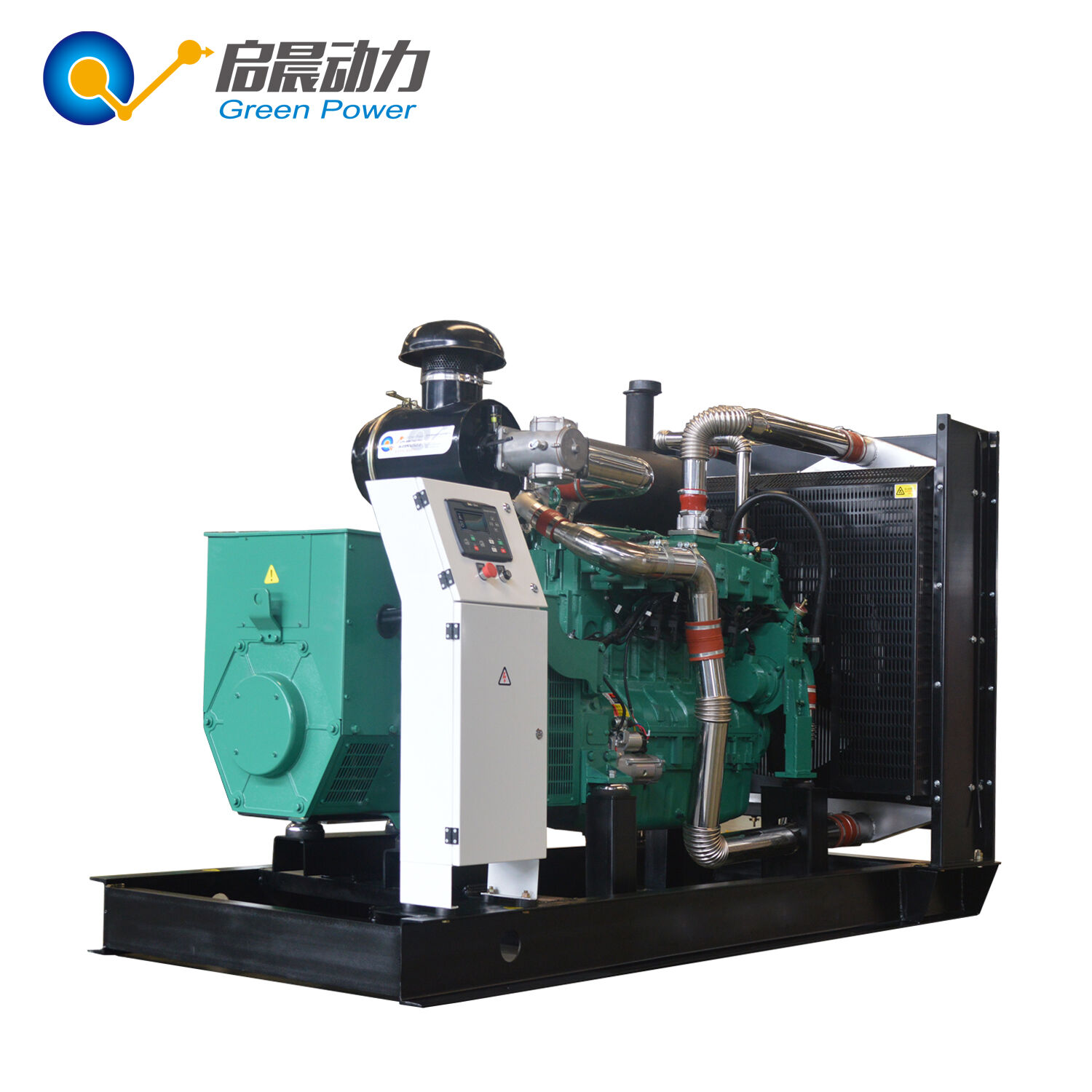
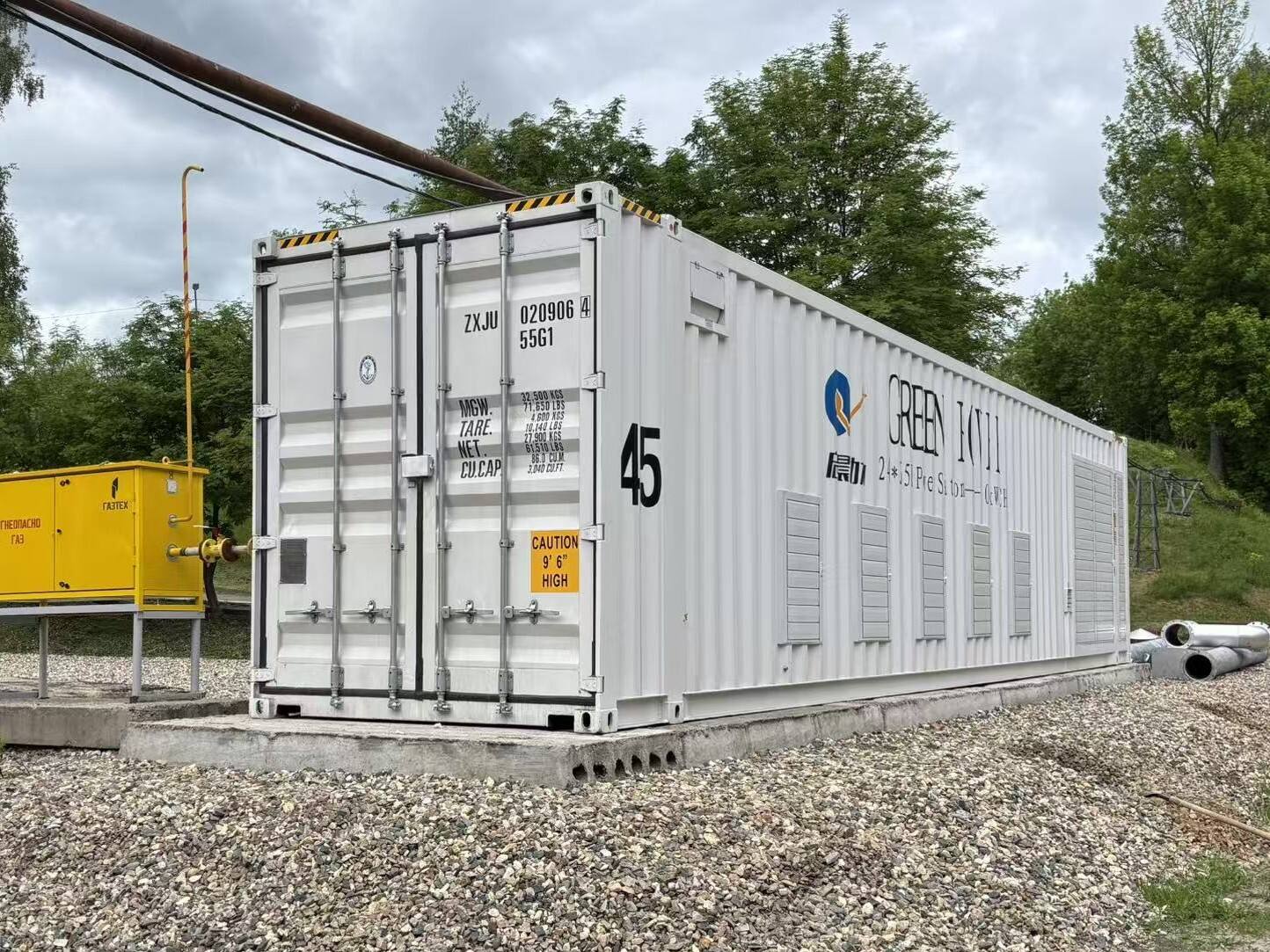
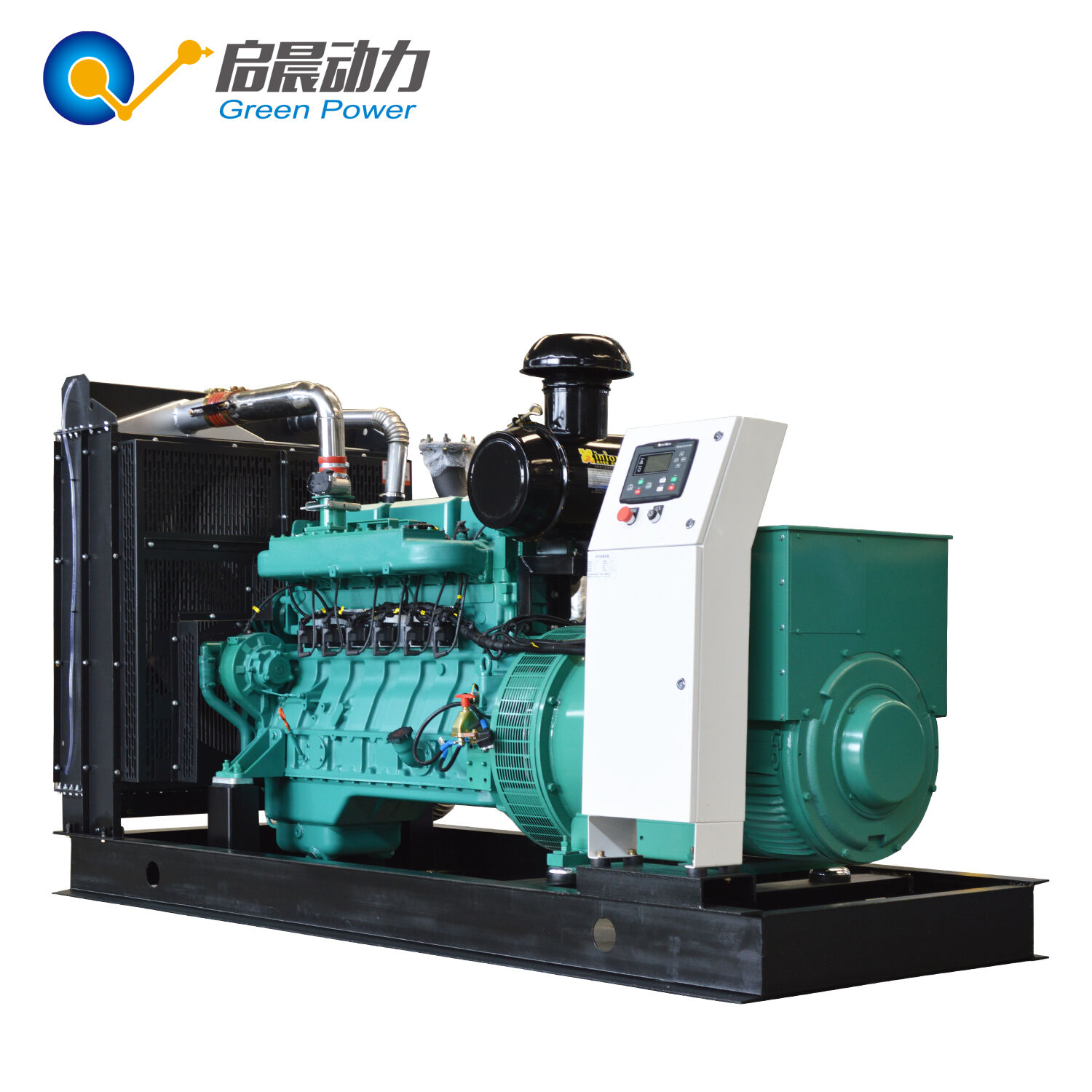
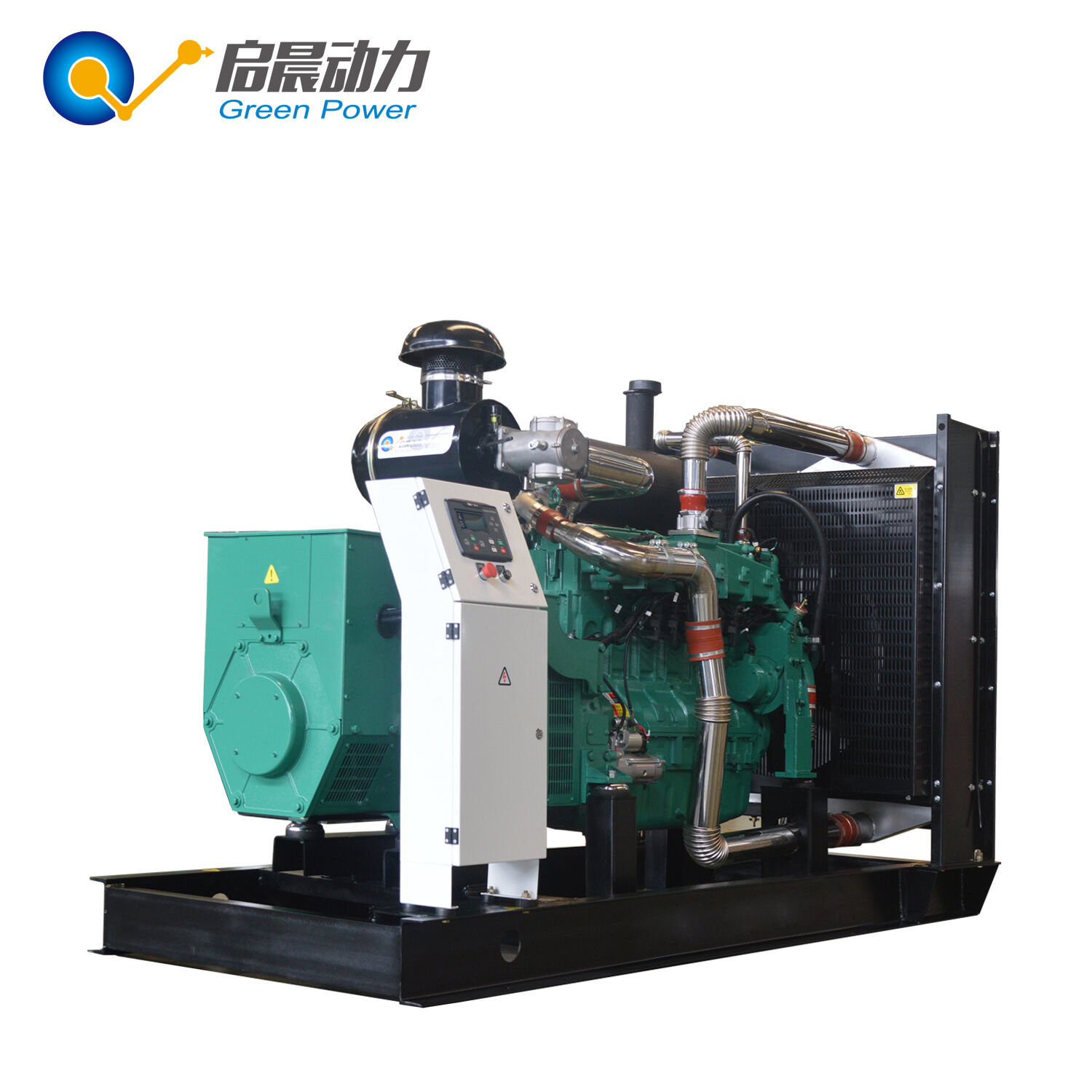
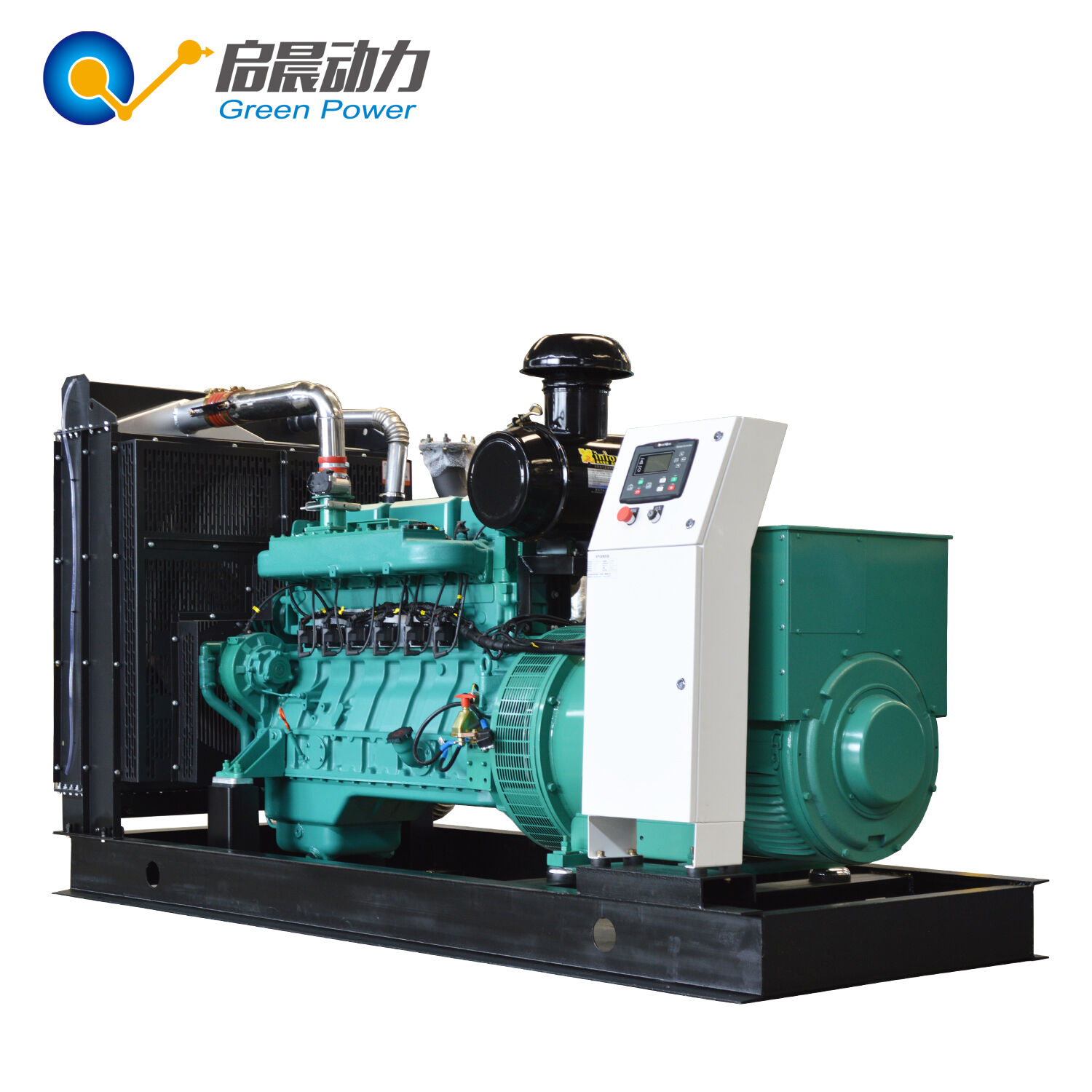
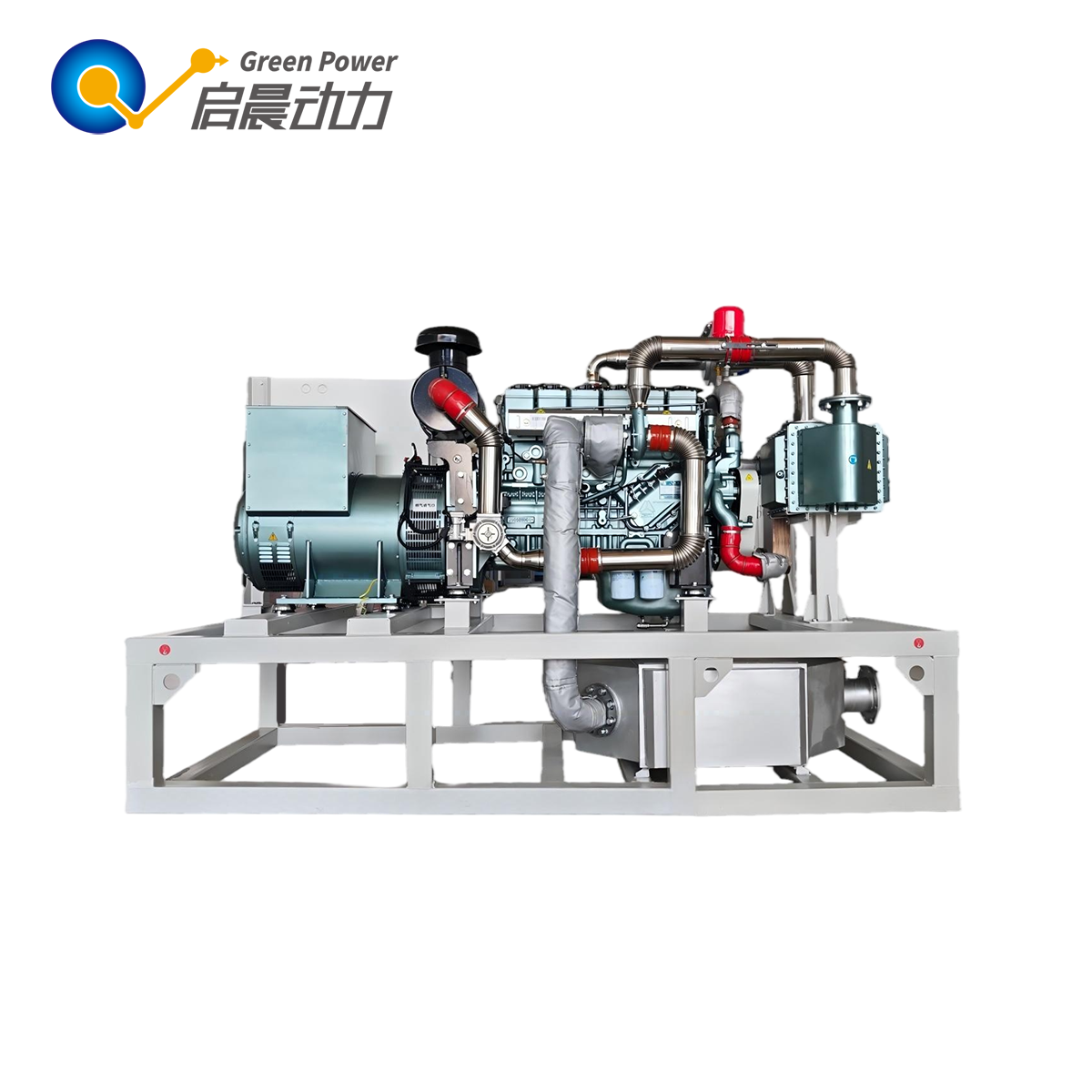
Combined Heat and Power systems, commonly known as CHP systems, represent an innovative energy solution that simultaneously generates electricity and captures usable heat from a single fuel source. Unlike conventional power generation methods that waste excess heat, CHP systems deliver exceptional energy efficiency by utilizing both outputs for productive purposes. These advanced systems operate by burning fuel such as natural gas, biogas, or biomass to drive an engine or turbine that produces electricity. The thermal energy that would typically be lost in traditional power plants is instead recovered and used for heating water, space heating, or industrial processes. CHP systems range in size from small residential units producing just a few kilowatts to large industrial installations generating hundreds of megawatts. The technological architecture of CHP systems includes prime movers like reciprocating engines, gas turbines, microturbines, or fuel cells, coupled with heat recovery equipment such as heat exchangers and absorption chillers. Modern CHP systems incorporate sophisticated control systems that optimize performance based on electrical and thermal demand patterns. These systems find applications across diverse sectors including hospitals, universities, manufacturing facilities, district heating networks, hotels, and commercial buildings. The versatility of CHP systems makes them suitable for any facility with consistent simultaneous demands for electricity and thermal energy. As energy costs rise and environmental regulations tighten, CHP systems provide a proven pathway to reduce carbon emissions while lowering operational expenses through superior fuel utilization efficiency.
 EN
EN