Gas Turbine CHP Systems for Efficient Power

Send Us a Message

We'll reply within 24 hours
Email
Mobile Or WhatsApp
Name
Company Name
Message
0/1000

gas turbine chp

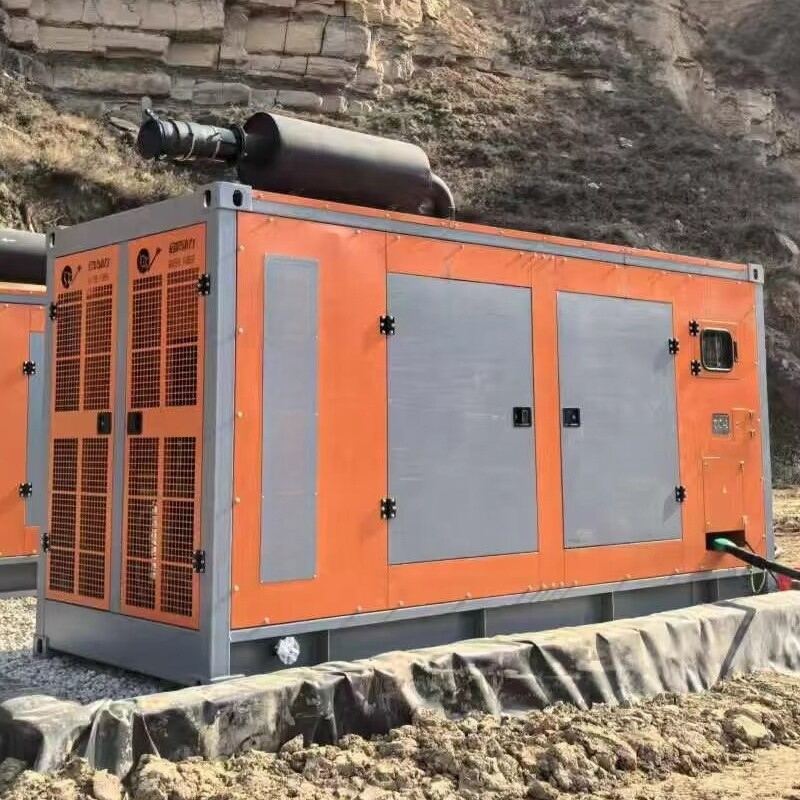
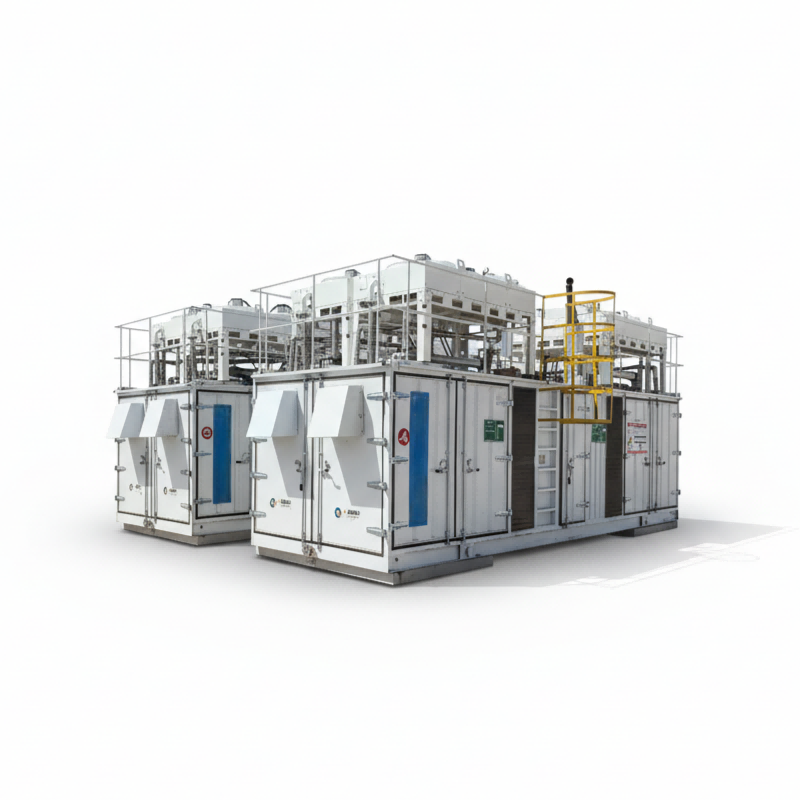
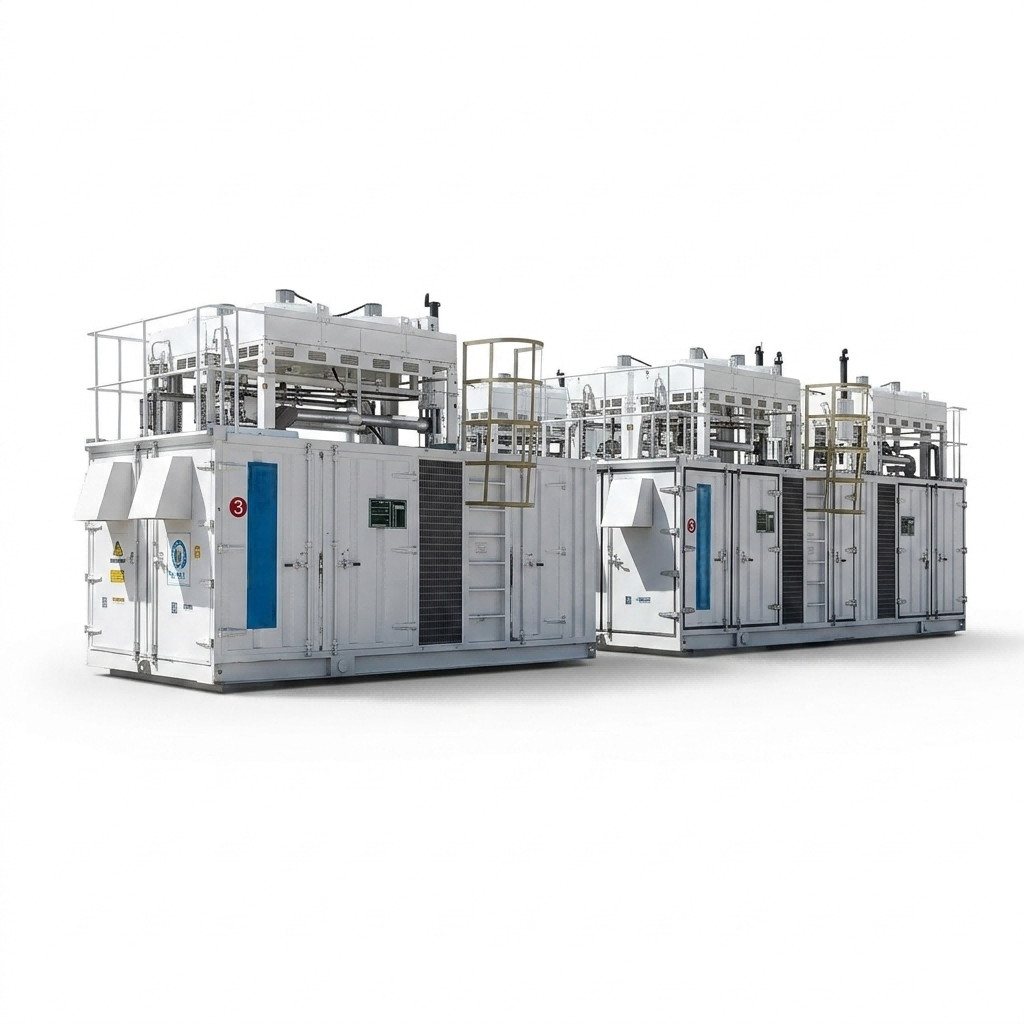
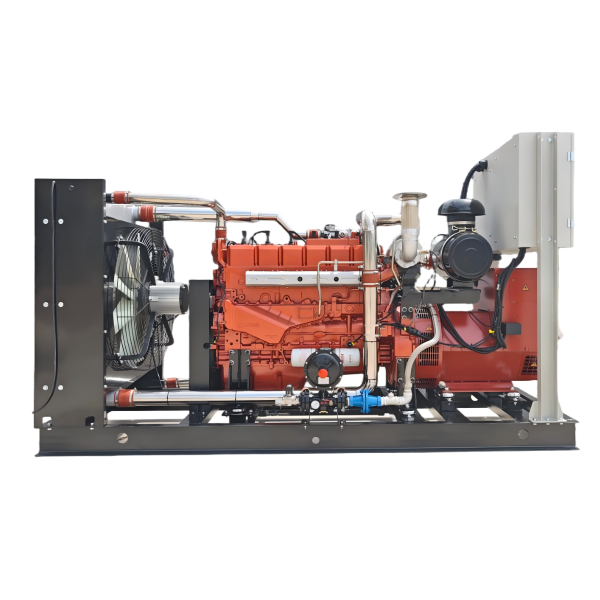
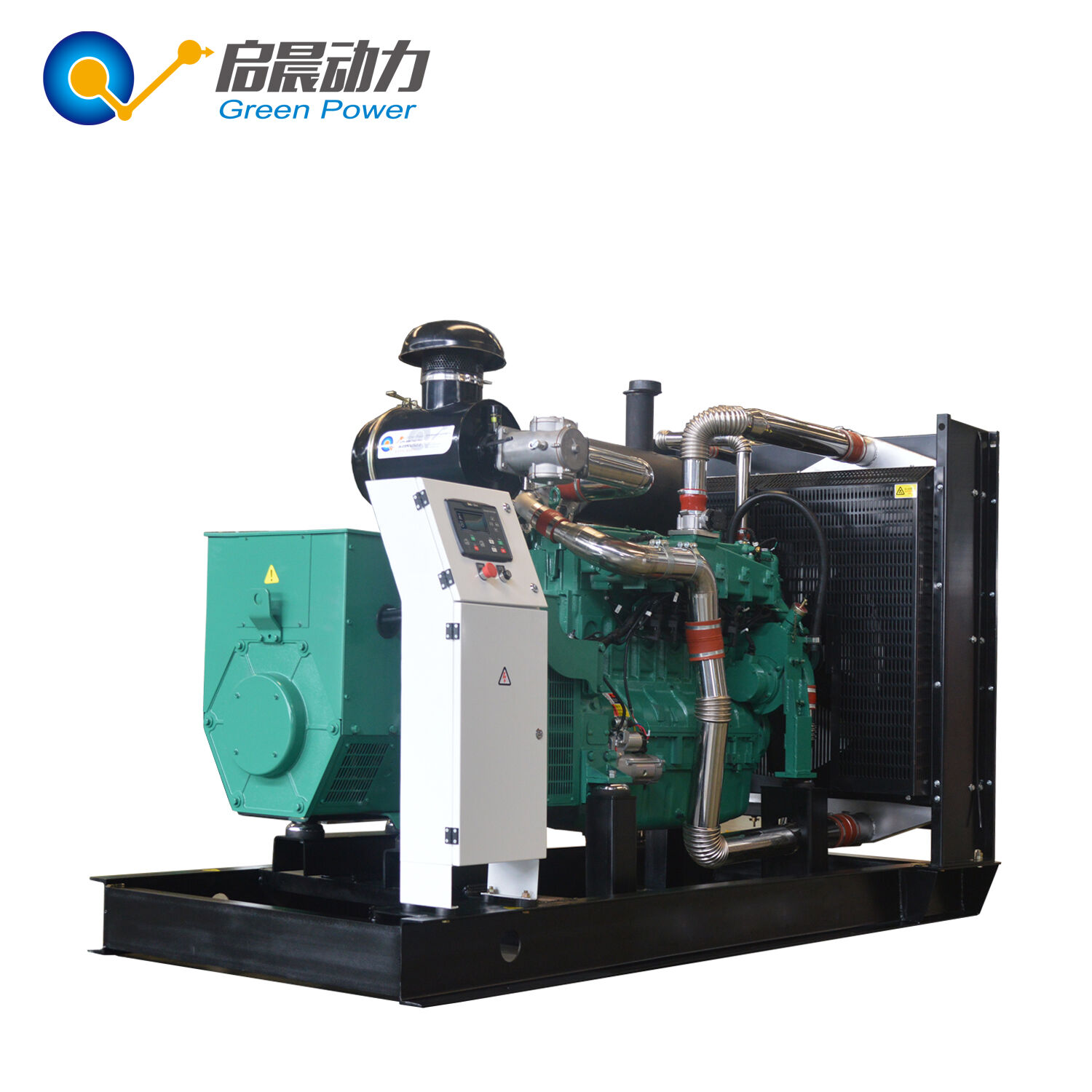
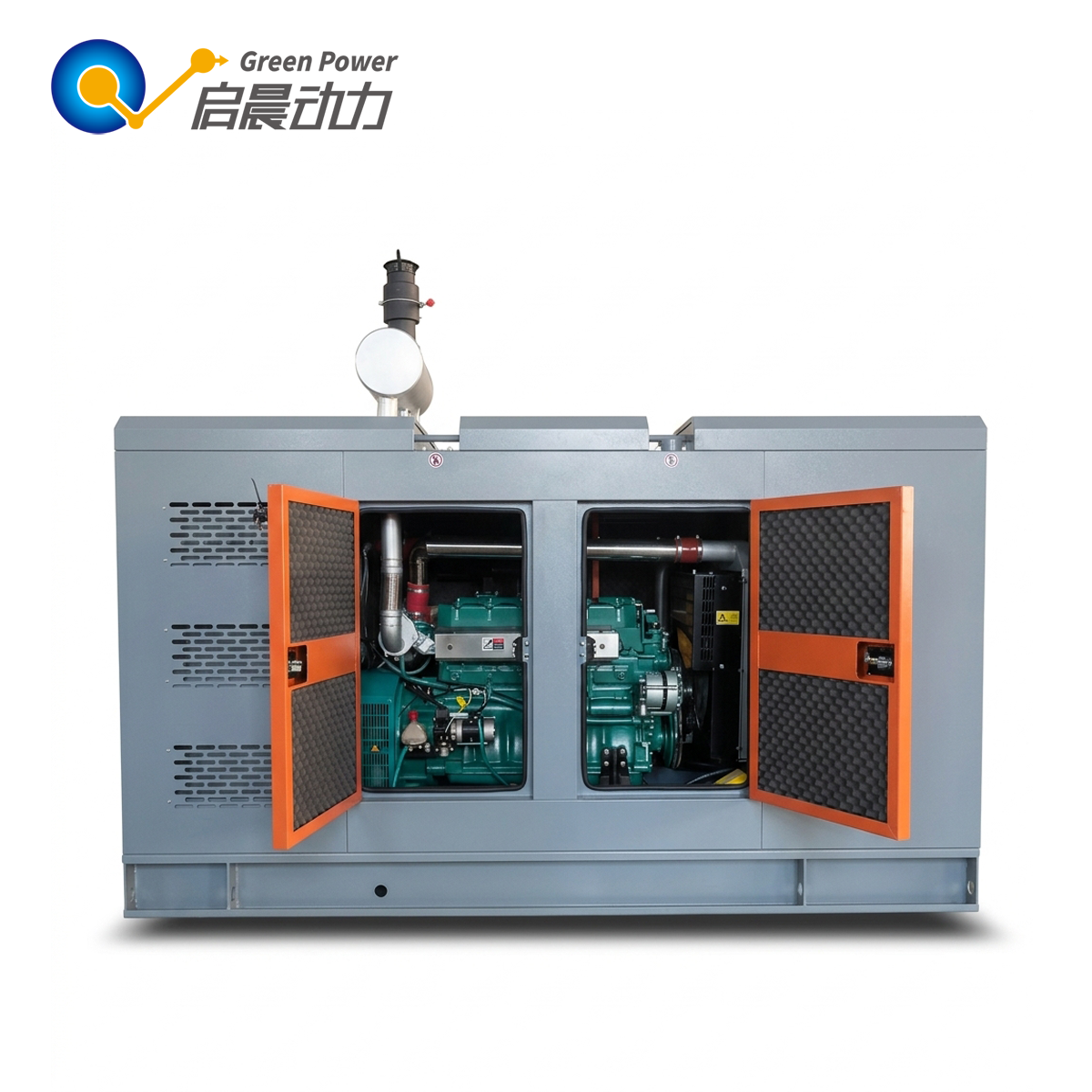
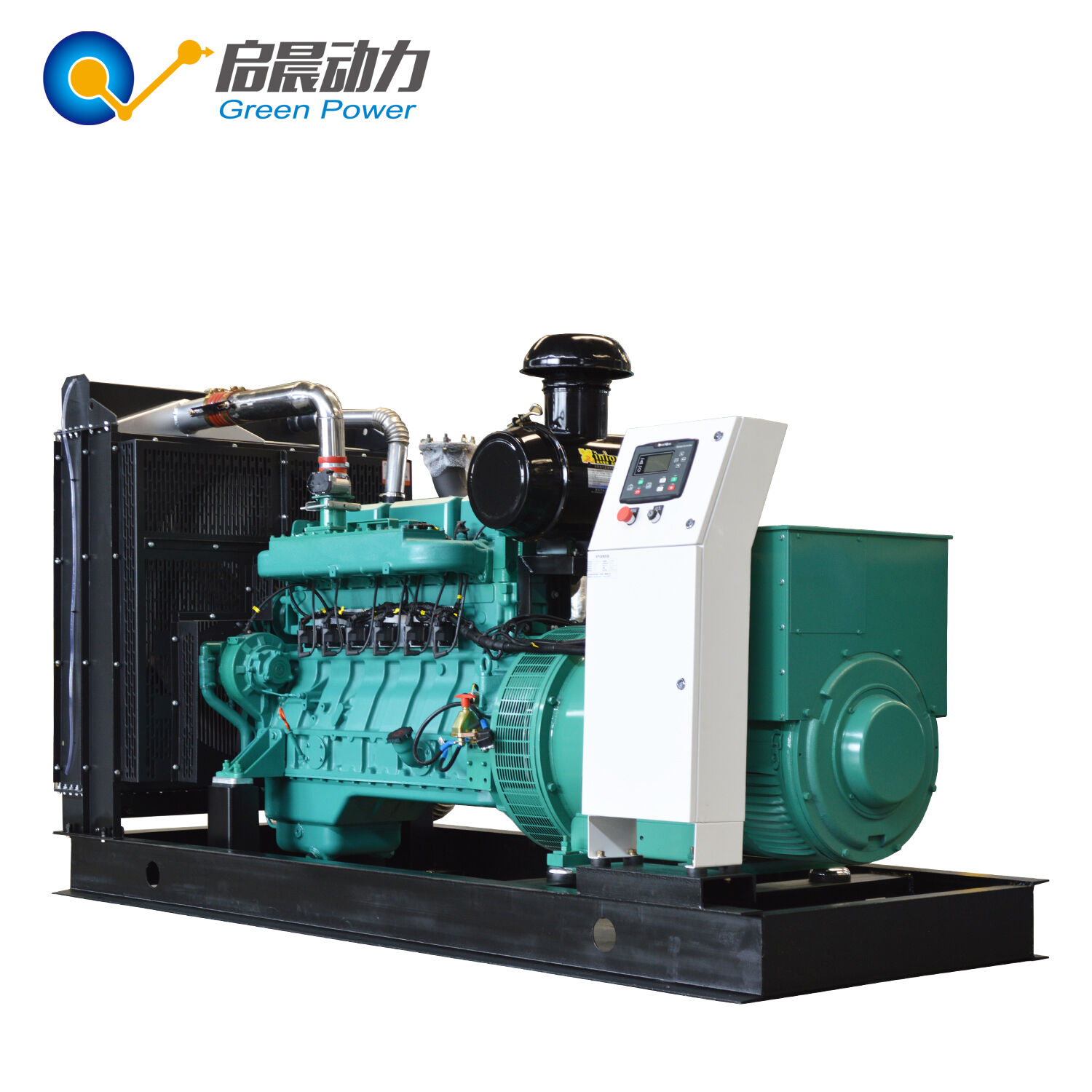
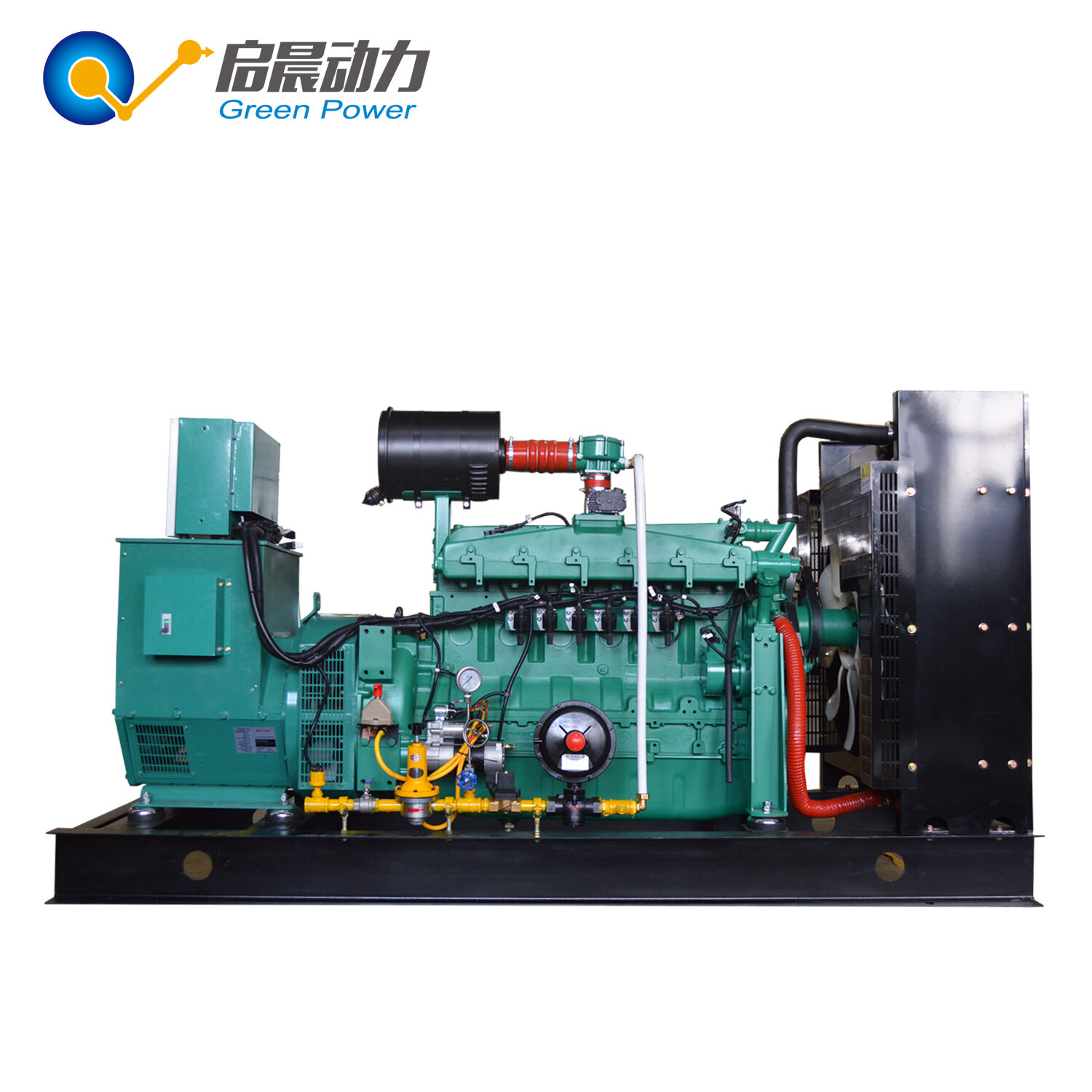
Gas turbine CHP, also known as combined heat and power systems utilizing gas turbines, represents an advanced energy solution that simultaneously generates electricity and captures usable thermal energy from a single fuel source. This integrated technology operates by burning natural gas or other fuels to drive a turbine generator that produces electrical power, while the exhaust heat that would otherwise be wasted is recovered and converted into useful thermal energy for heating, cooling, or industrial processes. The main functions of gas turbine CHP include efficient power generation, waste heat recovery, and providing reliable energy for diverse applications. Technological features distinguish gas turbine CHP systems from conventional power generation methods through their exceptional fuel efficiency, typically achieving overall efficiency rates of 70-80 percent compared to 35-50 percent for traditional separate heat and power systems. These systems incorporate advanced combustion technology, sophisticated control systems, and heat recovery steam generators that maximize energy extraction. Gas turbine CHP applications span numerous industries and facilities, including manufacturing plants, hospitals, universities, district heating networks, commercial buildings, and industrial complexes requiring both electricity and thermal energy. The scalability of gas turbine CHP technology allows installations ranging from small-scale units generating several hundred kilowatts to large industrial systems producing over 100 megawatts. This versatility makes gas turbine CHP an attractive solution for organizations seeking energy independence, cost reduction, and environmental sustainability while maintaining high operational reliability and power quality.

New Products

Investing in gas turbine CHP delivers substantial financial benefits through reduced energy costs, as the system generates electricity on-site while simultaneously providing heating or cooling, eliminating the need to purchase these services separately from utility providers. Operational efficiency stands as a primary advantage, with gas turbine CHP converting up to 80 percent of fuel energy into usable power and heat, significantly outperforming conventional generation methods and reducing fuel consumption. Environmental benefits attract organizations committed to sustainability, as gas turbine CHP systems reduce carbon emissions by 30-50 percent compared to separate generation of electricity and heat, supporting corporate environmental goals and regulatory compliance. Energy security improves dramatically since gas turbine CHP provides on-site power generation, protecting facilities from grid disruptions, blackouts, and voltage fluctuations that can damage sensitive equipment or halt operations. Financial predictability becomes achievable as facilities gain protection from volatile utility rates and demand charges, allowing better budget forecasting and cost management. The reliability of modern gas turbine CHP systems ensures continuous operation with minimal downtime, featuring remote monitoring capabilities and proven maintenance protocols that maximize availability. Application suitability extends across industries with constant thermal and electrical demands, making gas turbine CHP ideal for hospitals requiring uninterrupted power, manufacturing facilities with process heating needs, universities with campus-wide energy requirements, and commercial developments seeking operational independence. Quick startup capabilities enable gas turbine CHP to respond rapidly to changing energy demands, while compact design allows installation in space-constrained environments. These practical benefits combine to deliver measurable return on investment, typically achieving payback periods of three to seven years while providing decades of reliable service and energy cost savings.

Latest News

Natural Gas Generator Installation Guide: From Site Planning to First Power-On

04

May

Natural Gas Generator Installation Guide: From Site Planning to First Power-On

Installing a natural gas generator is a significant infrastructure decision that demands careful planning, precise execution, and a clear understanding of local codes. Whether you are equipping an industrial facility, a commercial building, or a remo...
View More
1000 kW Natural Gas Generator System Design: Engine Configuration and Parallel Setup

07

May

1000 kW Natural Gas Generator System Design: Engine Configuration and Parallel Setup

A 1000 kW natural gas generator system represents a significant investment in on-site power infrastructure. Whether deployed for industrial facilities, large commercial complexes, or utility backup applications, engineering such a system correctly fr...
View More
How to Select a CHP Gas Generator Supplier: Technical Criteria and Contract Essentials

27

May

How to Select a CHP Gas Generator Supplier: Technical Criteria and Contract Essentials

Choosing the right supplier for a CHP gas generator is one of the most consequential procurement decisions an energy or facilities manager will make. A CHP gas generator combines heat and power production in a single system, meaning the technical dep...
View More
Qichen Power APG Generator Solutions for Oilfield and Upstream Applications

22

May

Qichen Power APG Generator Solutions for Oilfield and Upstream Applications

In oilfield and upstream energy environments, reliable on-site power is not a convenience — it is a critical operational requirement. An APG generator addresses this requirement by converting associated petroleum gas — the gas released as...
View More

Send Us a Message

We'll reply within 24 hours
Email
Mobile Or WhatsApp
Name
Company Name
Message
0/1000

gas turbine chp

Superior Energy Efficiency and Cost Reduction

Superior Energy Efficiency and Cost Reduction

Gas turbine CHP systems deliver unmatched energy efficiency by capturing and utilizing exhaust heat that conventional power plants waste, transforming what would be lost energy into valuable thermal output for heating, cooling, or industrial processes. This dual-purpose operation achieves overall system efficiencies reaching 80 percent, nearly doubling the performance of traditional separate heat and power generation methods. The financial impact proves substantial, with typical installations reducing total energy costs by 20-40 percent annually through decreased fuel consumption and lower utility purchases. Organizations benefit from immediate operational savings while gaining long-term protection against rising energy prices, creating predictable operating expenses and improved profit margins. The efficiency advantage becomes particularly valuable for facilities with continuous thermal loads, where the constant demand for both electricity and heat maximizes the utilization of gas turbine CHP capabilities. Advanced heat recovery systems extract maximum value from every unit of fuel consumed, converting exhaust gases exceeding 900 degrees Fahrenheit into steam, hot water, or chilled water depending on facility requirements, ensuring no energy opportunity remains unexploited.
Environmental Sustainability and Emission Reduction

Environmental Sustainability and Emission Reduction

Gas turbine CHP technology significantly reduces environmental impact compared to conventional energy systems, making it an essential component of corporate sustainability strategies and environmental compliance programs. By generating power and heat from a single fuel source with exceptional efficiency, gas turbine CHP systems cut greenhouse gas emissions by 30-50 percent compared to purchasing grid electricity and operating separate boilers. This emission reduction stems from both improved fuel efficiency and decreased transmission losses associated with on-site generation. Modern gas turbine CHP installations incorporate low-emission combustion technology, advanced fuel management, and emissions control systems that meet stringent environmental regulations while maintaining optimal performance. Organizations implementing gas turbine CHP demonstrate measurable progress toward carbon neutrality goals, enhance corporate environmental responsibility profiles, and may qualify for green energy incentives, tax credits, or renewable energy certificates. The environmental benefits extend beyond carbon reduction to include decreased water consumption, reduced air pollutants, and minimized ecological footprint, aligning business operations with global sustainability objectives while delivering practical operational advantages that strengthen competitive positioning in increasingly environmentally conscious markets.
Enhanced Energy Security and Operational Reliability

Enhanced Energy Security and Operational Reliability

Gas turbine CHP provides unparalleled energy security by enabling facilities to generate their own power on-site, dramatically reducing dependence on external utility grids and vulnerability to widespread outages, transmission failures, or regional power shortages. This operational independence proves critical for facilities requiring uninterrupted energy supply, including hospitals, data centers, manufacturing operations, and emergency services where power disruptions create safety risks, financial losses, or service failures. Modern gas turbine CHP systems achieve availability rates exceeding 95 percent through proven technology, redundant components, and sophisticated monitoring systems that detect potential issues before they impact operations. The quick-start capability of gas turbine CHP allows facilities to respond instantly to grid disturbances, seamlessly transitioning to island mode operation that maintains continuous power during external outages. Remote monitoring and predictive maintenance technologies enable proactive service scheduling, minimizing unplanned downtime and optimizing system performance throughout the operational lifecycle. Energy security benefits extend to rate stability, as on-site generation insulates organizations from utility rate volatility, demand charges, and peak pricing periods that create unpredictable energy costs and budget challenges for grid-dependent facilities.

Send Us a Message

We'll reply within 24 hours
Email
Mobile Or WhatsApp
Name
Company Name
Message
0/1000