Generator CHP: Efficient Combined Heat & Power

Send Us a Message

We'll reply within 24 hours
Email
Mobile Or WhatsApp
Name
Company Name
Message
0/1000

generator chp

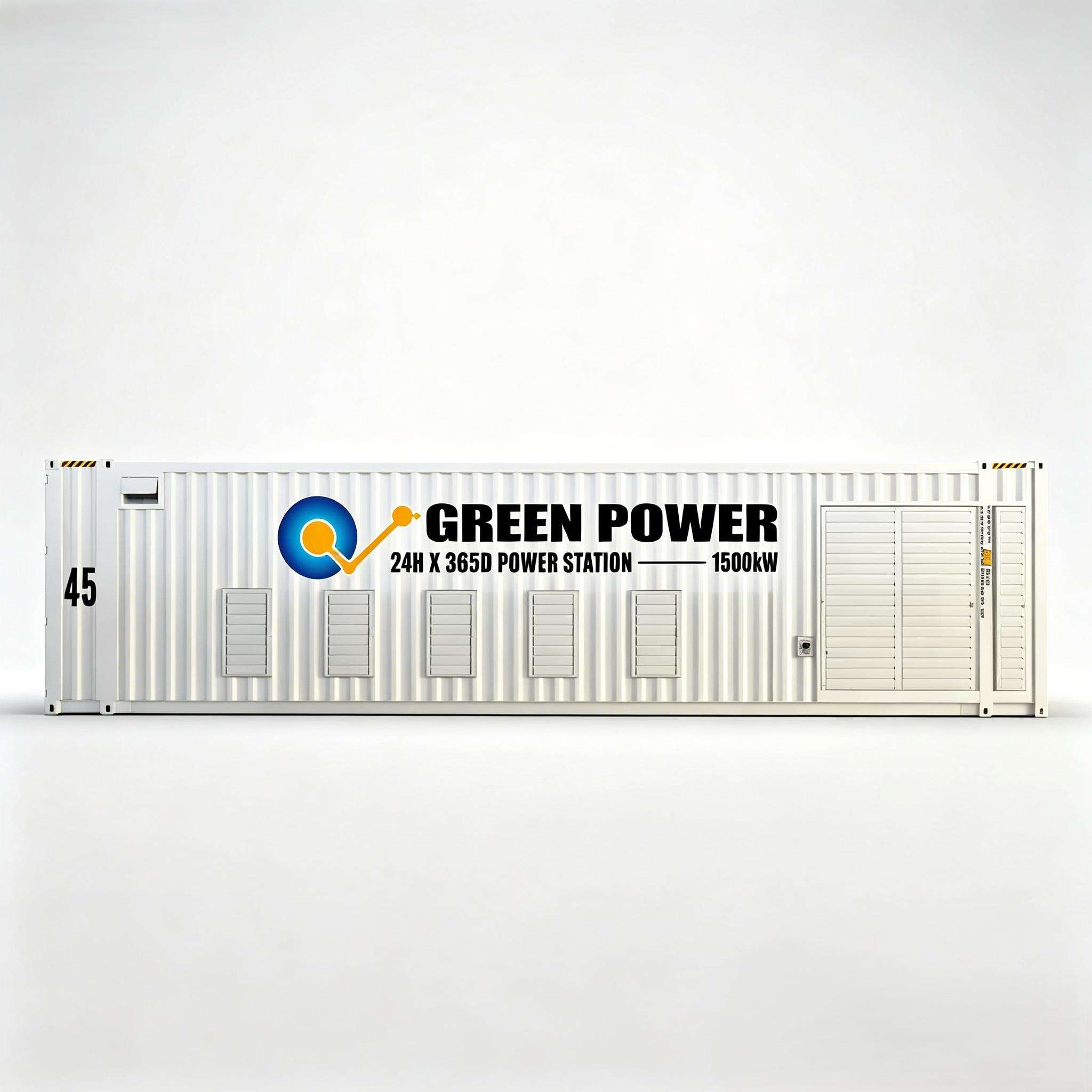
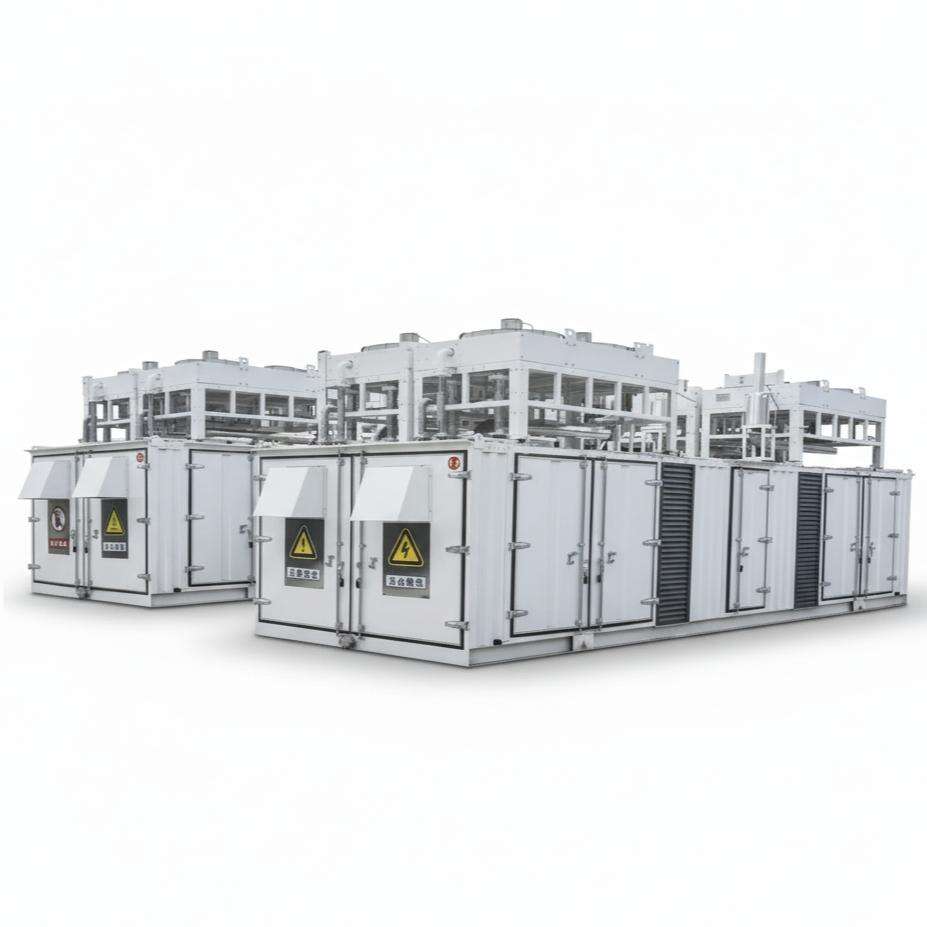
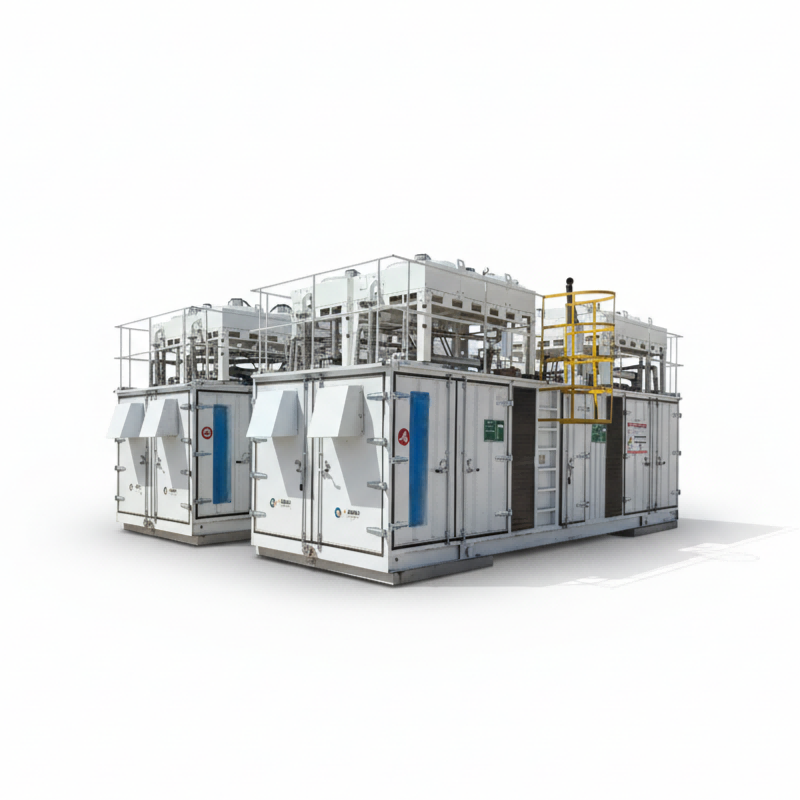
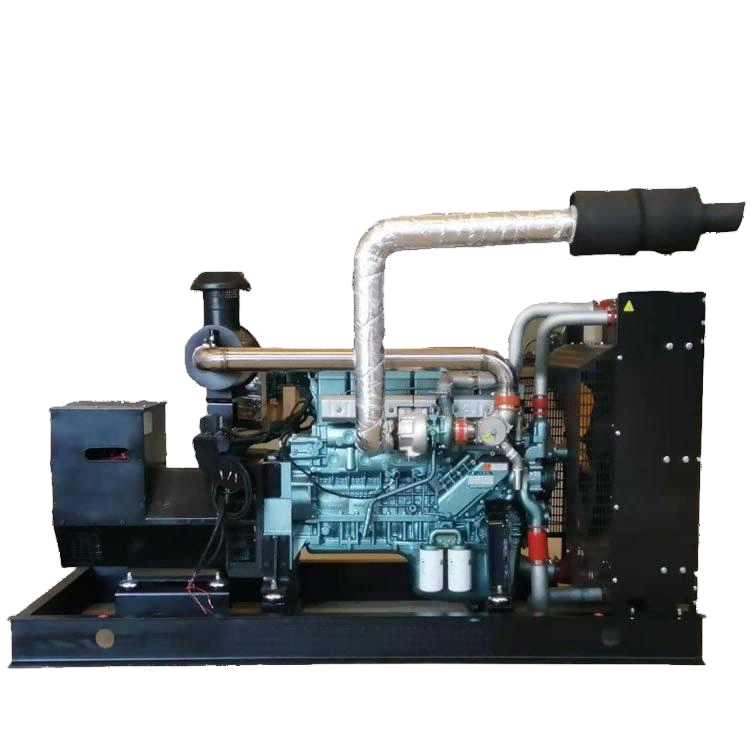
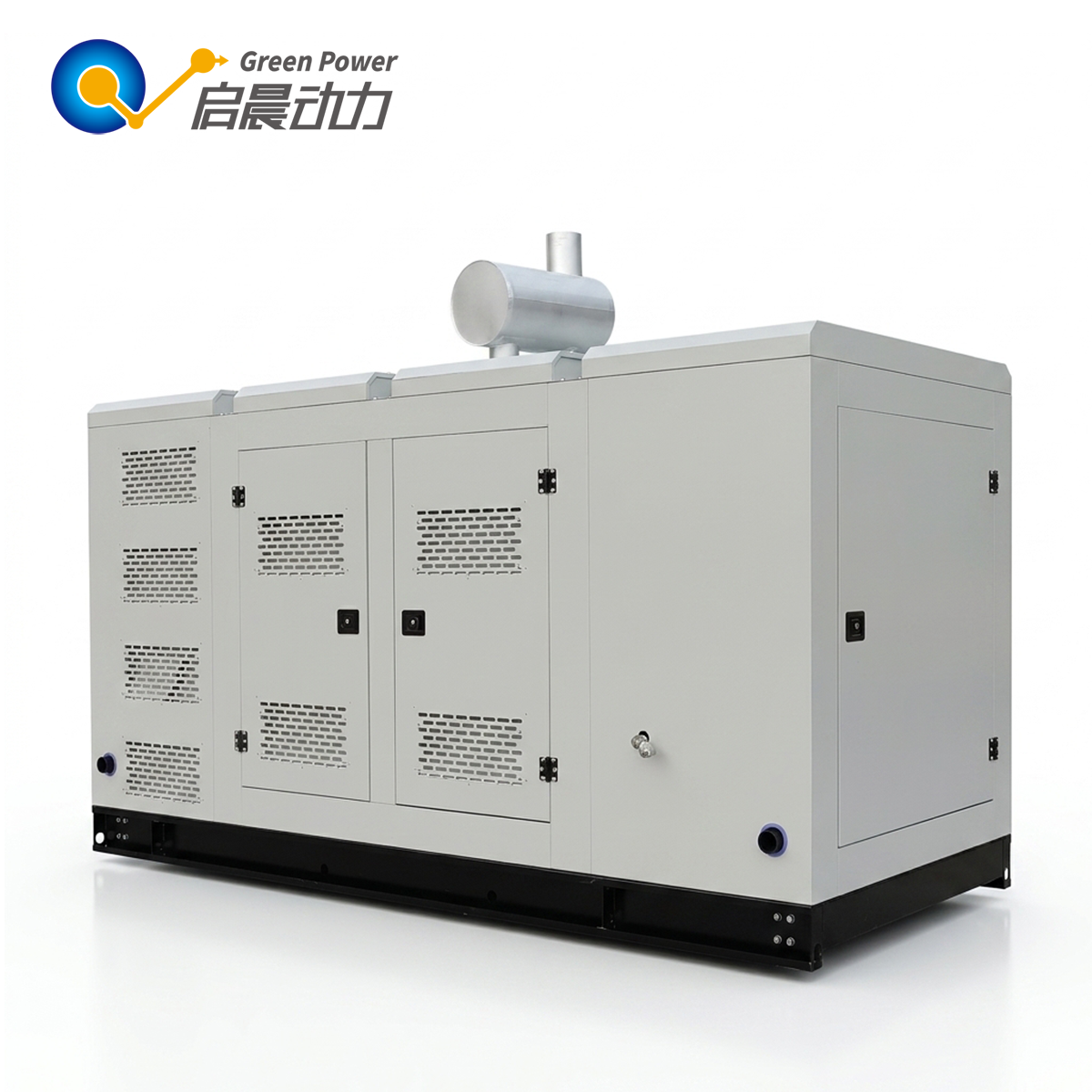
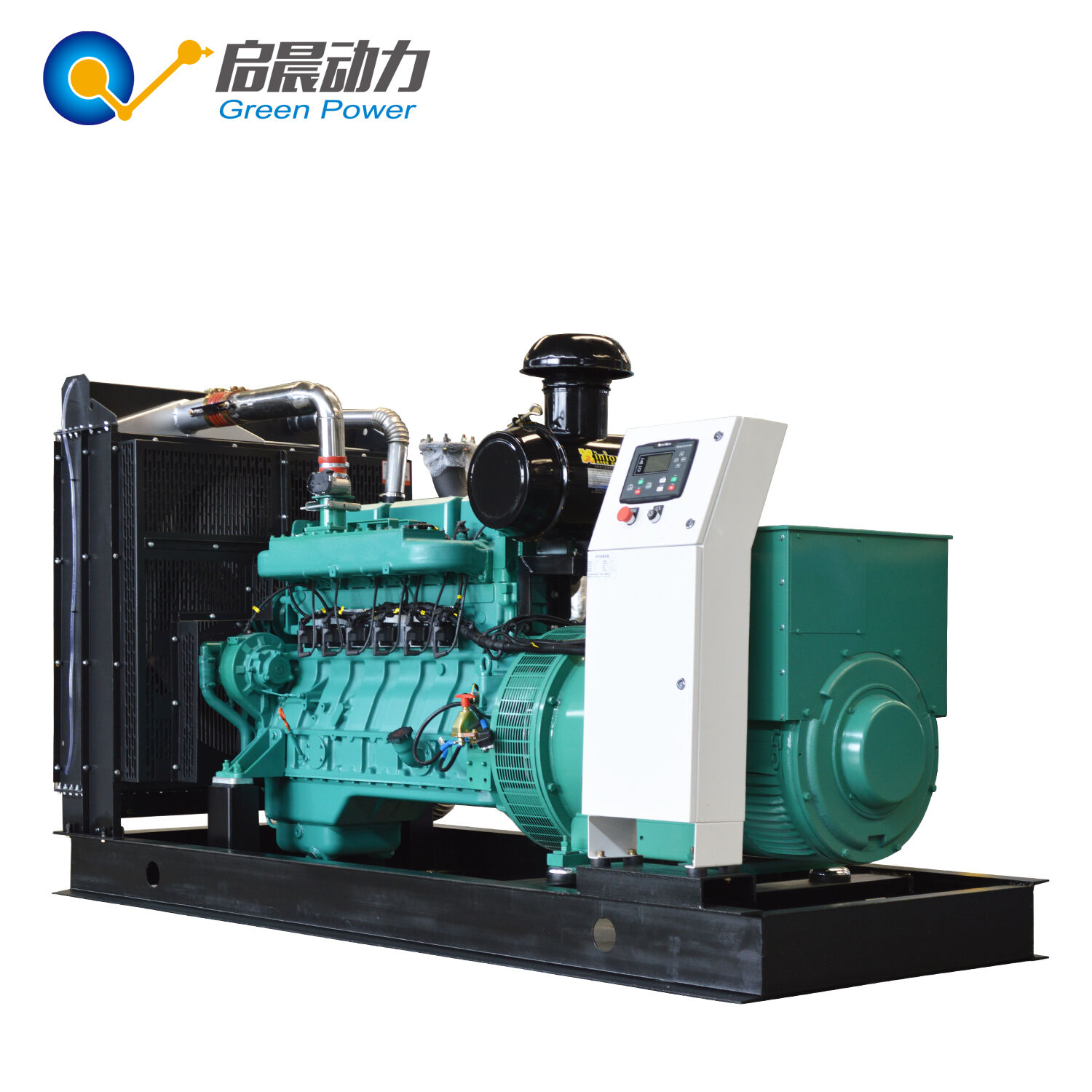
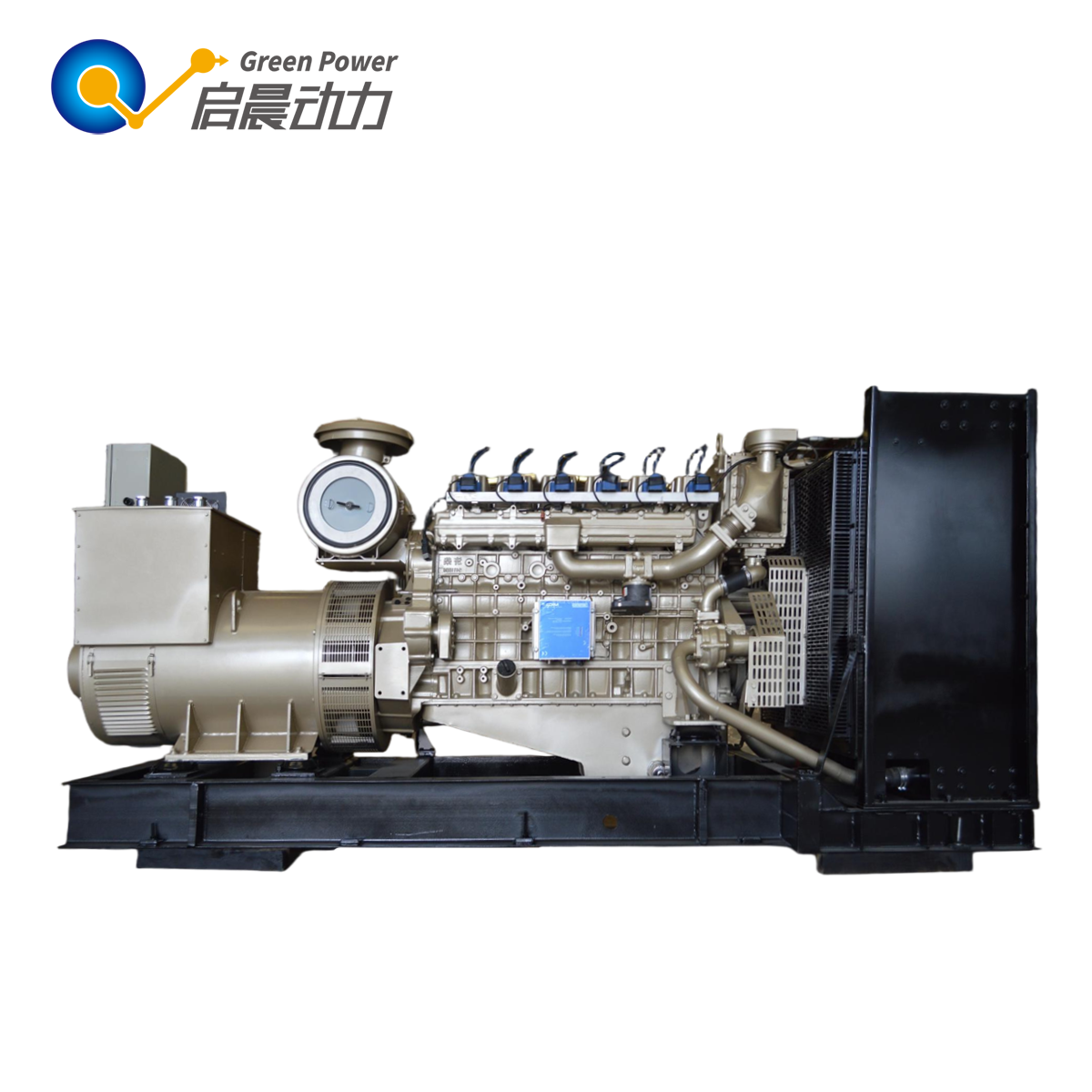
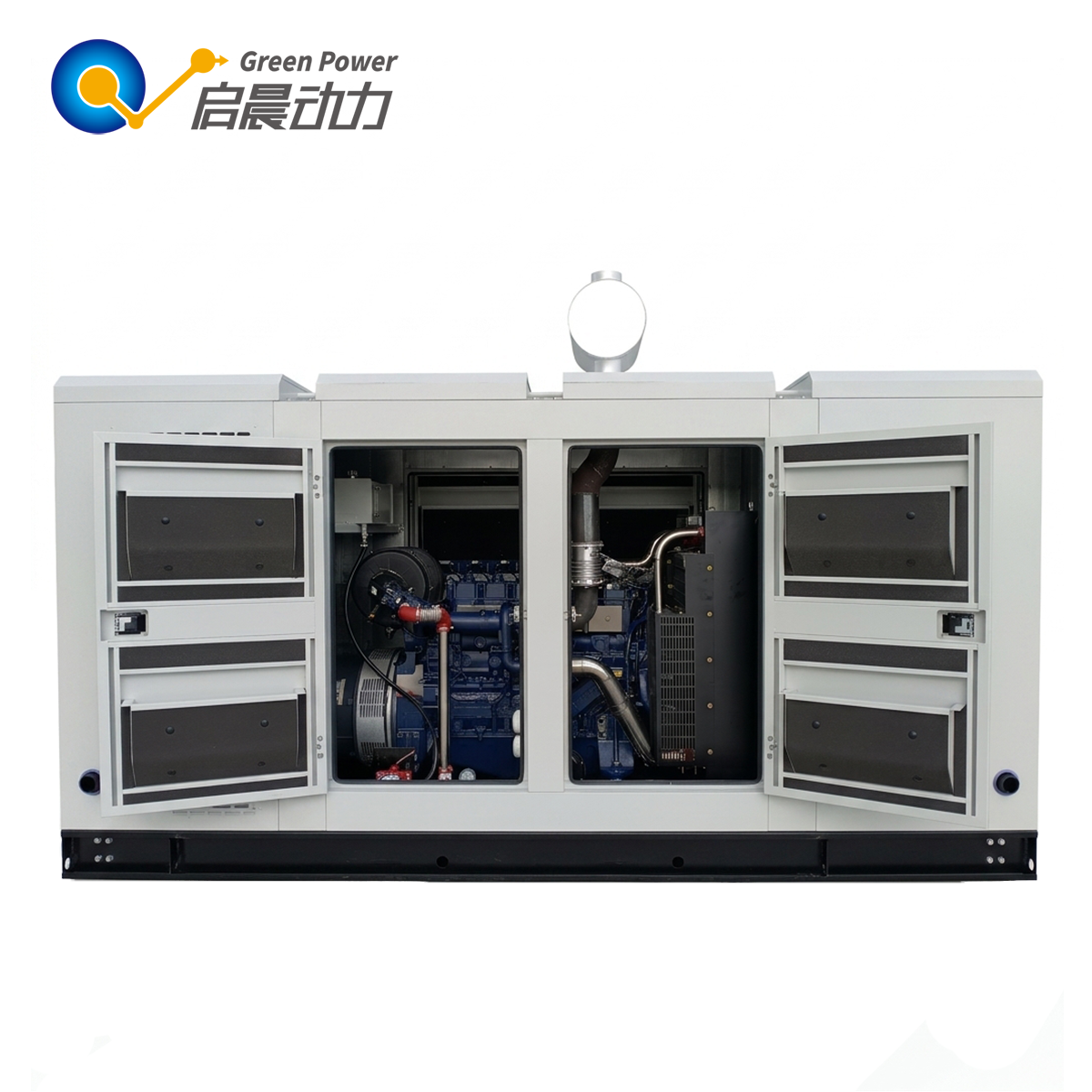
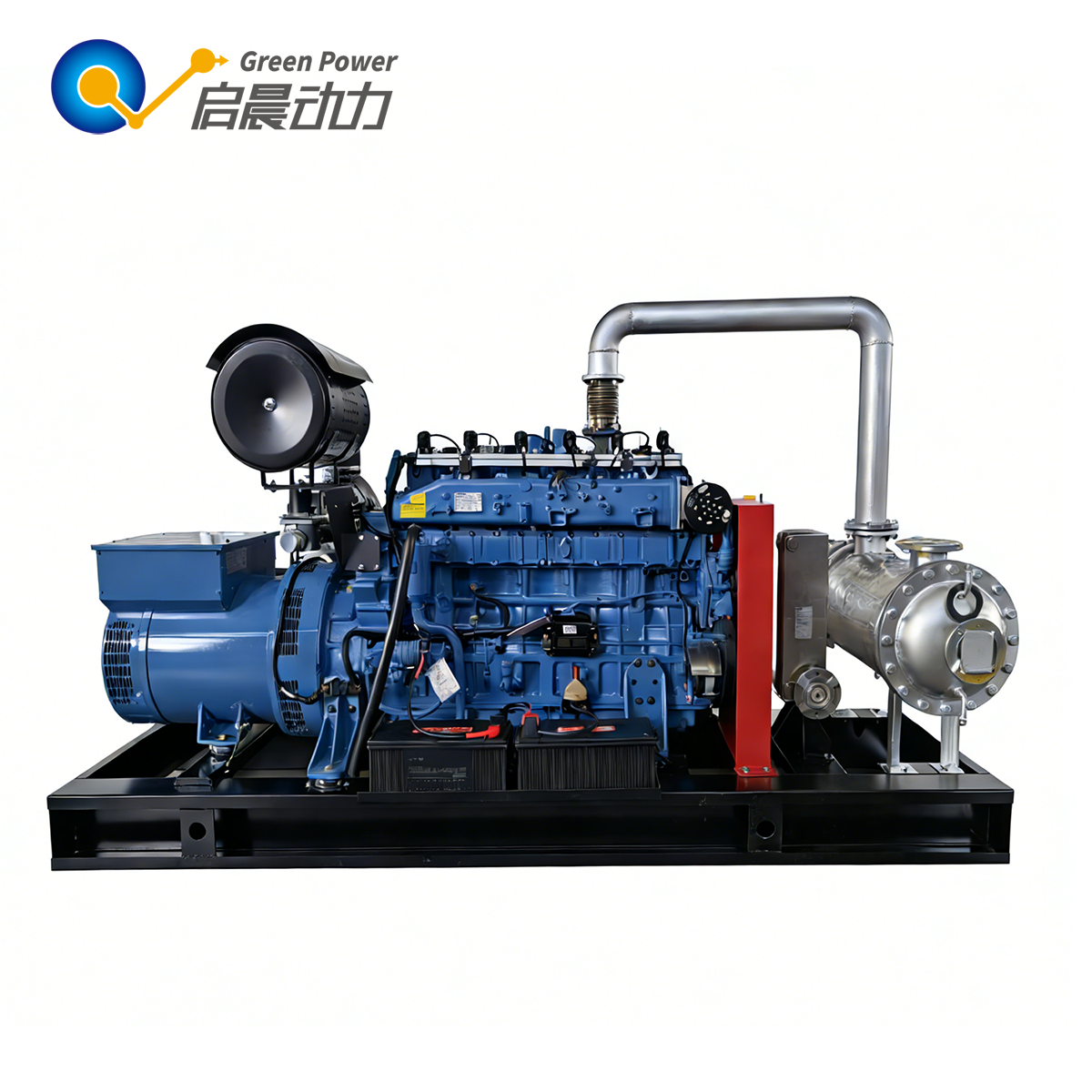
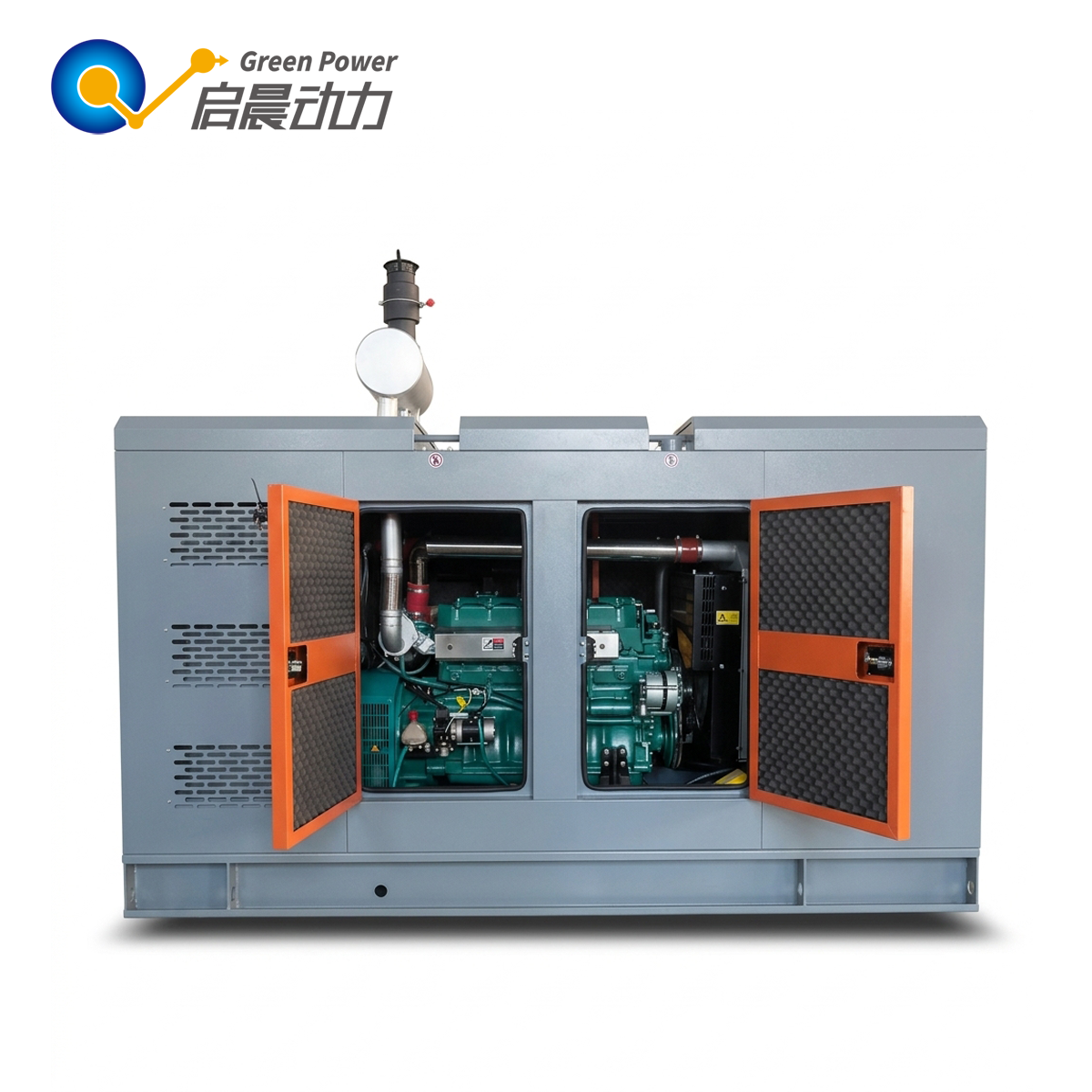
A generator CHP, or combined heat and power generator, is an advanced energy system that simultaneously produces electricity and captures usable heat from a single fuel source. This innovative technology maximizes energy efficiency by utilizing the thermal energy that would otherwise be wasted in conventional power generation. The generator CHP operates by burning fuel such as natural gas, biogas, or diesel to drive an engine or turbine that generates electricity, while the heat produced during this process is recovered and used for space heating, water heating, or industrial processes. The main functions of a generator CHP include on-site power generation, thermal energy recovery, and reduced reliance on grid electricity. Technological features include sophisticated heat exchangers, advanced engine management systems, intelligent control units that optimize performance, and emission control technologies that minimize environmental impact. These systems are designed with modularity in mind, allowing for scalability to meet varying energy demands. Applications of generator CHP span across multiple sectors including hospitals, hotels, manufacturing facilities, universities, residential complexes, and commercial buildings. The technology is particularly valuable in facilities with consistent heating and cooling requirements alongside substantial electrical demands. Modern generator CHP units incorporate smart monitoring capabilities, remote diagnostics, and predictive maintenance features that ensure optimal performance and longevity while delivering significant cost savings and environmental benefits through enhanced energy utilization efficiency.

New Products

Investing in a generator CHP delivers substantial financial benefits through reduced energy costs, as the system generates electricity at a lower cost than purchasing from the grid while simultaneously providing free heat as a byproduct. You will experience energy bill reductions of up to 40 percent compared to conventional separate heat and power systems, creating immediate positive impact on your operating budget. The operational benefits are equally impressive, as a generator CHP provides energy independence and protection against power outages, ensuring business continuity and uninterrupted operations during grid failures. This reliability is crucial for facilities that cannot afford downtime, such as hospitals, data centers, and manufacturing plants. The system operates with exceptional efficiency rates of 80 to 90 percent, compared to just 50 percent for traditional power plants, meaning you extract maximum value from every unit of fuel consumed. Environmental advantages make generator CHP an excellent choice for organizations committed to sustainability, as the technology reduces carbon emissions by up to 30 percent and helps meet regulatory requirements and corporate environmental goals. Application suitability is broad, with generator CHP systems ideally suited for facilities with simultaneous thermal and electrical loads, operating for extended hours throughout the year. The technology adapts perfectly to various scales, from small commercial buildings requiring 50 kilowatts to large industrial complexes needing several megawatts. From a decision-making perspective, generator CHP offers attractive payback periods typically ranging from three to seven years, with government incentives and tax credits often available to offset initial investment costs. The system adds tangible value to your property while providing long-term energy cost predictability and insulation from volatile utility rates.

Tips And Tricks

LPG Generator for Off-Grid Sites: Why Propane Power Is a Reliable Choice

01

May

LPG Generator for Off-Grid Sites: Why Propane Power Is a Reliable Choice

When power infrastructure is unavailable or unreliable, an LPG generator stands out as one of the most practical and dependable solutions for off-grid sites. Whether the application involves a remote construction camp, an agricultural facility, a min...
View More
LPG Generator Sizing Guide: Matching Output to Your Power Load Requirements

15

May

LPG Generator Sizing Guide: Matching Output to Your Power Load Requirements

Choosing the right LPG generator is one of the most consequential decisions a facility manager, contractor, or business owner can make. An undersized LPG generator will struggle under load, cause voltage instability, and risk equipment damage. An ove...
View More
Qichen Power APG Generator Solutions for Oilfield and Upstream Applications

22

May

Qichen Power APG Generator Solutions for Oilfield and Upstream Applications

In oilfield and upstream energy environments, reliable on-site power is not a convenience — it is a critical operational requirement. An APG generator addresses this requirement by converting associated petroleum gas — the gas released as...
View More
Gas Genset vs. Diesel Genset: Which Delivers Better Total Cost of Ownership?

08

Jun

Gas Genset vs. Diesel Genset: Which Delivers Better Total Cost of Ownership?

When evaluating power generation equipment for industrial, commercial, or backup applications, understanding the full financial picture is essential. The debate between a gas genset and a diesel genset extends far beyond the initial purchase price. T...
View More

Send Us a Message

We'll reply within 24 hours
Email
Mobile Or WhatsApp
Name
Company Name
Message
0/1000

generator chp

Exceptional Energy Efficiency and Cost Reduction

Exceptional Energy Efficiency and Cost Reduction

The generator CHP stands out in the marketplace through its remarkable ability to achieve energy efficiency levels that traditional power systems simply cannot match. While conventional electricity generation wastes approximately 60 percent of energy as heat dissipated into the environment, a generator CHP captures and utilizes this thermal energy for productive purposes. This fundamental design advantage translates directly into lower operating costs for facility owners and managers. The dual-output nature means you pay for fuel once but receive two forms of usable energy, effectively doubling the value extracted from your fuel investment. Real-world installations demonstrate average energy cost savings of 25 to 40 percent annually, with some high-utilization facilities achieving even greater reductions. These savings accumulate year after year, providing substantial return on investment while improving your competitive position. The efficiency gains also reduce your facility's carbon footprint without requiring behavioral changes or operational compromises, making sustainability goals achievable through smart technology choices rather than sacrifice.
Reliable Power Independence and Grid Resilience

Reliable Power Independence and Grid Resilience

A generator CHP provides critical energy security by enabling your facility to operate independently from the electrical grid, a capability that becomes invaluable during utility outages, peak demand periods, or grid instability events. This power independence means your operations continue uninterrupted while competitors without backup systems face costly downtime. The system can be configured for grid-parallel operation during normal conditions and seamless transition to island mode during outages, protecting sensitive equipment and maintaining climate control without disruption. For businesses where downtime costs thousands of dollars per hour, this reliability represents significant risk mitigation and business continuity value. Healthcare facilities rely on generator CHP to maintain life-supporting equipment operation, while data centers protect critical information infrastructure, and manufacturing plants avoid production losses and material waste. Beyond emergency backup functionality, the energy independence provided by generator CHP protects you from utility rate volatility and peak demand charges, allowing better budget predictability and financial planning. This strategic advantage becomes increasingly important as grid infrastructure ages and extreme weather events become more frequent.
Environmental Sustainability and Regulatory Compliance

Environmental Sustainability and Regulatory Compliance

Choosing a generator CHP positions your organization as an environmental leader while simultaneously meeting increasingly stringent energy regulations and sustainability mandates. The system's high efficiency directly translates to reduced fuel consumption and lower greenhouse gas emissions compared to purchasing grid electricity and operating separate heating equipment. Typical installations reduce carbon dioxide emissions by 20 to 30 percent, with some high-efficiency configurations achieving even greater environmental benefits. This emission reduction helps organizations meet corporate sustainability commitments, qualify for green building certifications, and comply with regional environmental regulations without compromising operational needs. Many jurisdictions offer financial incentives, tax credits, and accelerated permitting for generator CHP installations due to their positive environmental impact, improving project economics and shortening payback periods. The technology also reduces transmission losses inherent in grid electricity delivery, as power is generated at the point of use rather than transported over long distances. For organizations pursuing LEED certification, carbon neutrality goals, or enhanced corporate social responsibility profiles, generator CHP provides measurable, verifiable environmental improvements that stakeholders value and regulators recognize.

Send Us a Message

We'll reply within 24 hours
Email
Mobile Or WhatsApp
Name
Company Name
Message
0/1000