Cogeneration Heat and Power Systems Guide

Send Us a Message

We'll reply within 24 hours
Email
Mobile Or WhatsApp
Name
Company Name
Message
0/1000

cogeneration heat and power

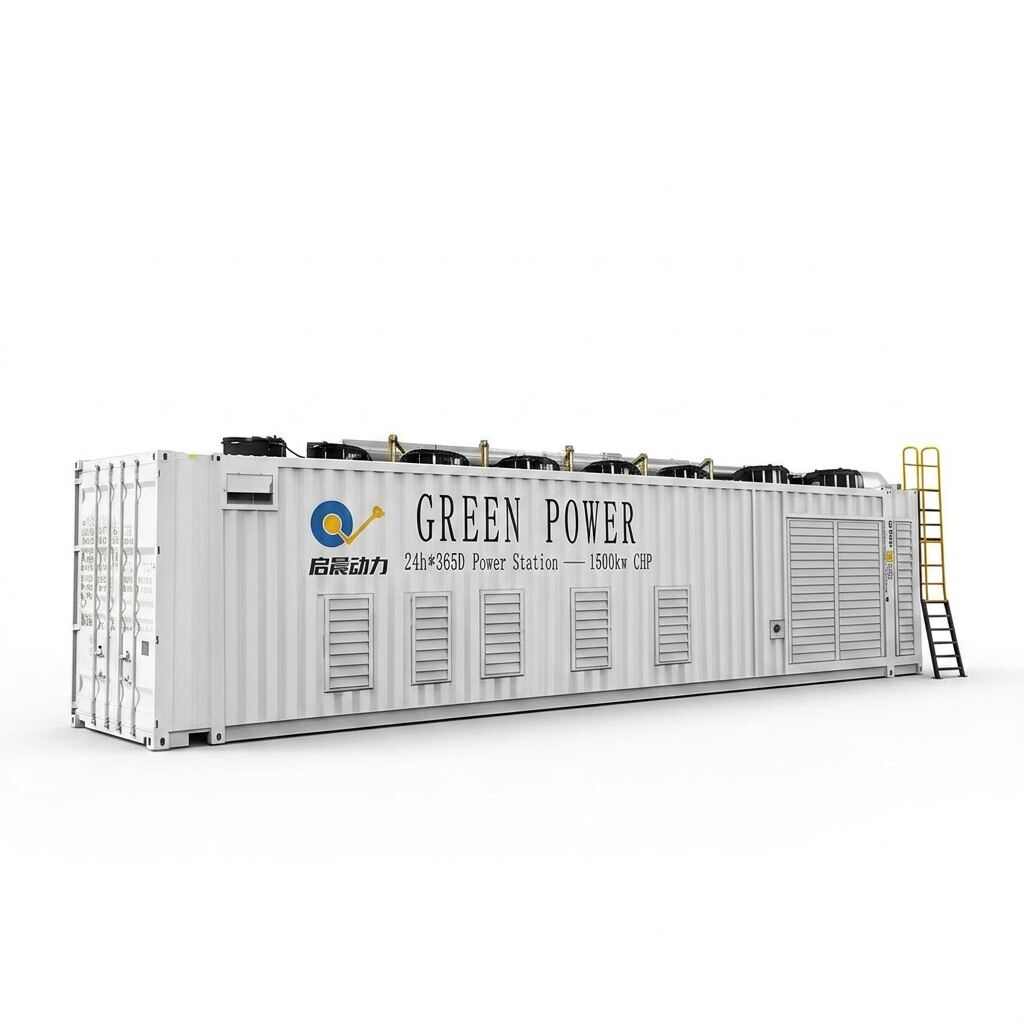
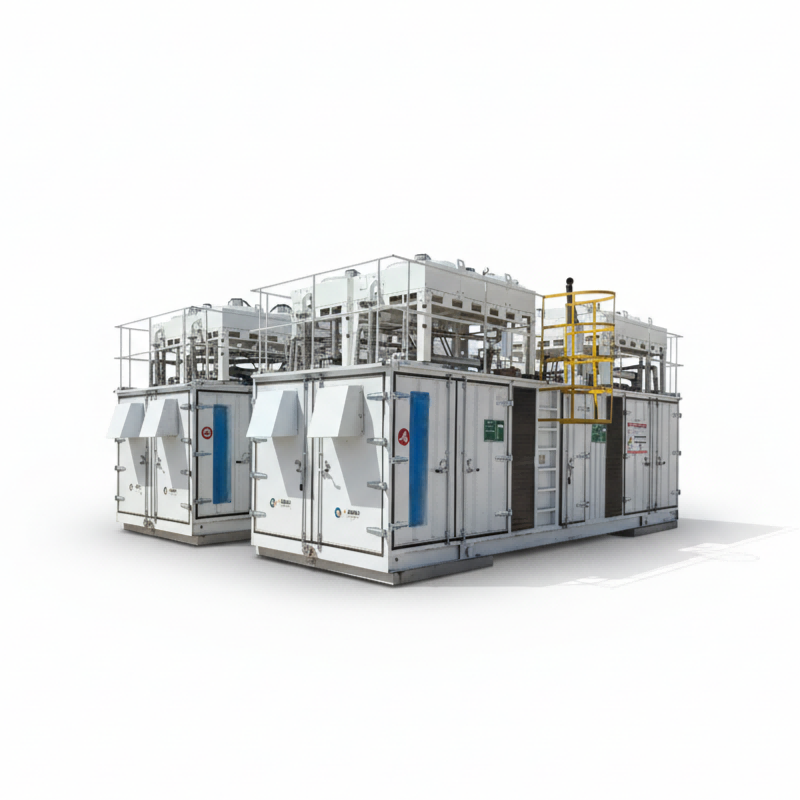
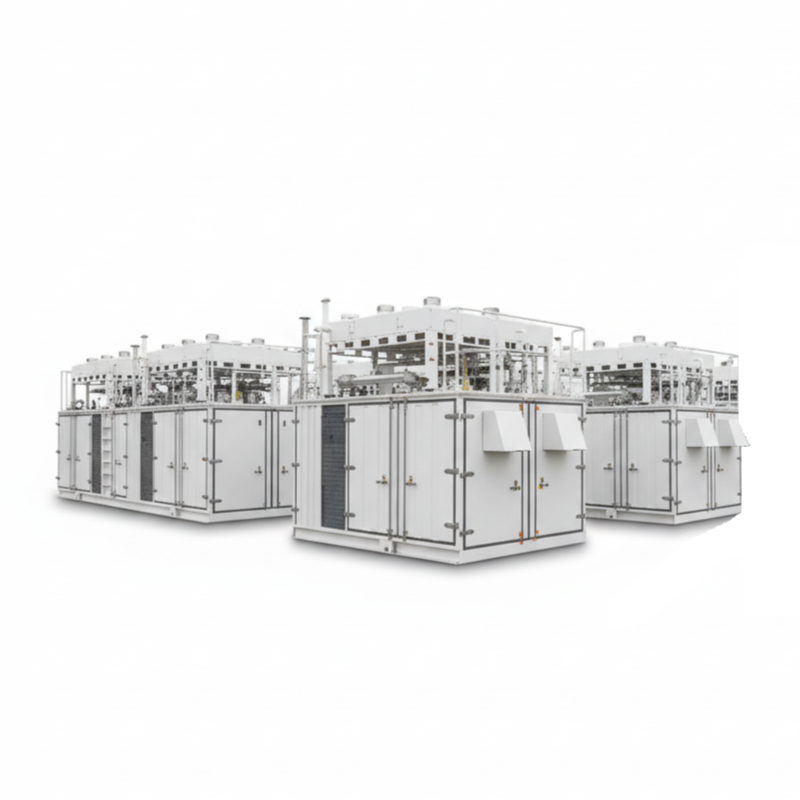
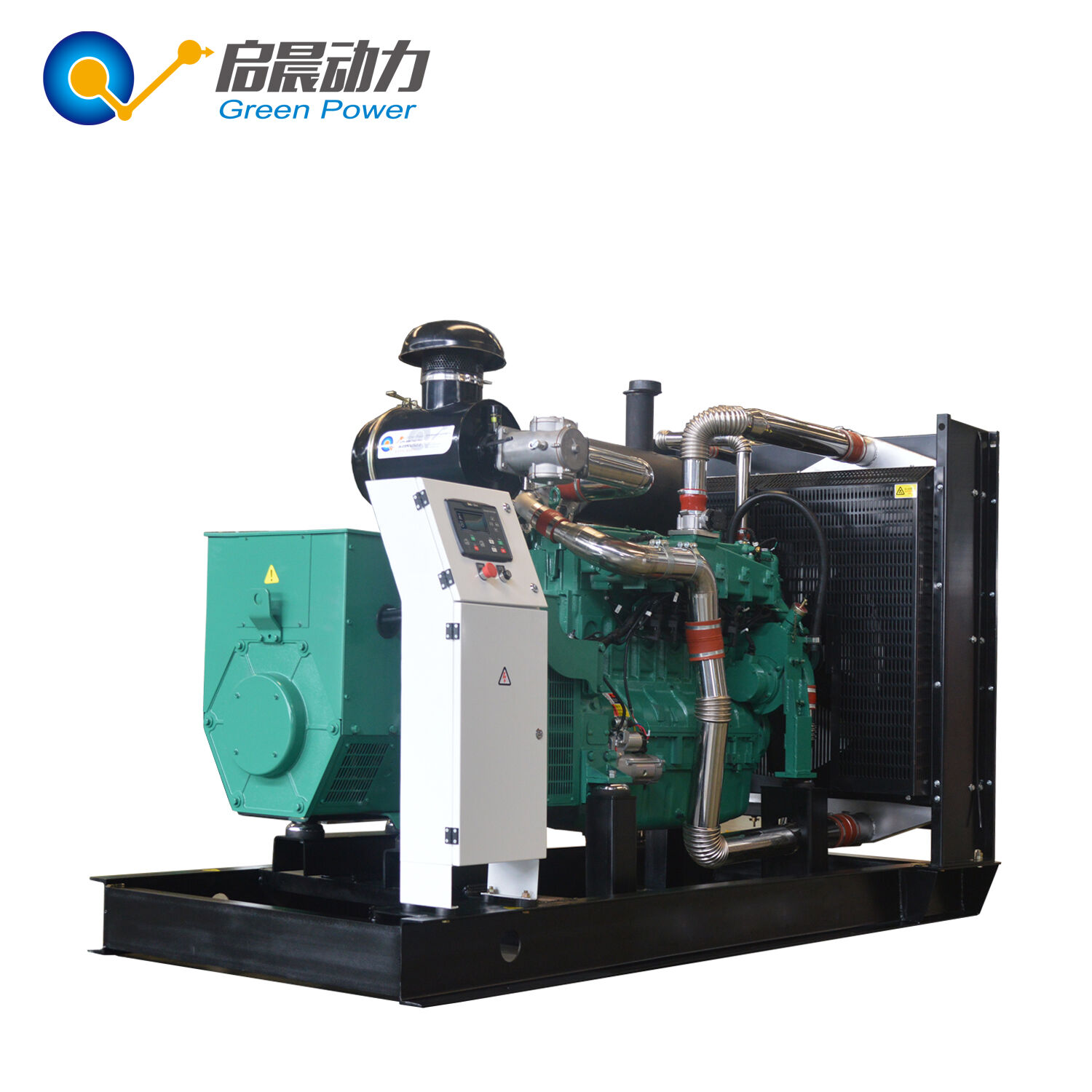
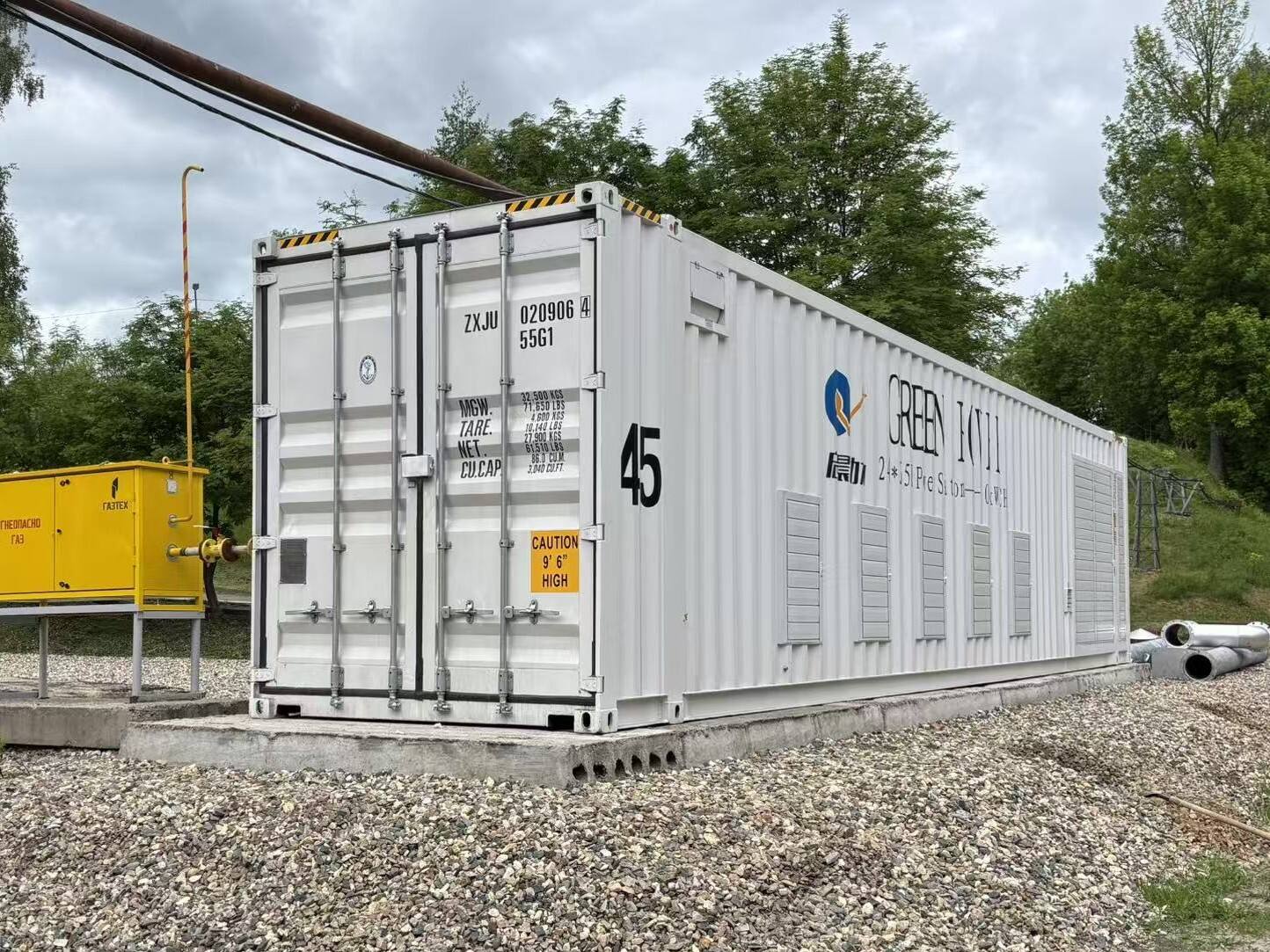
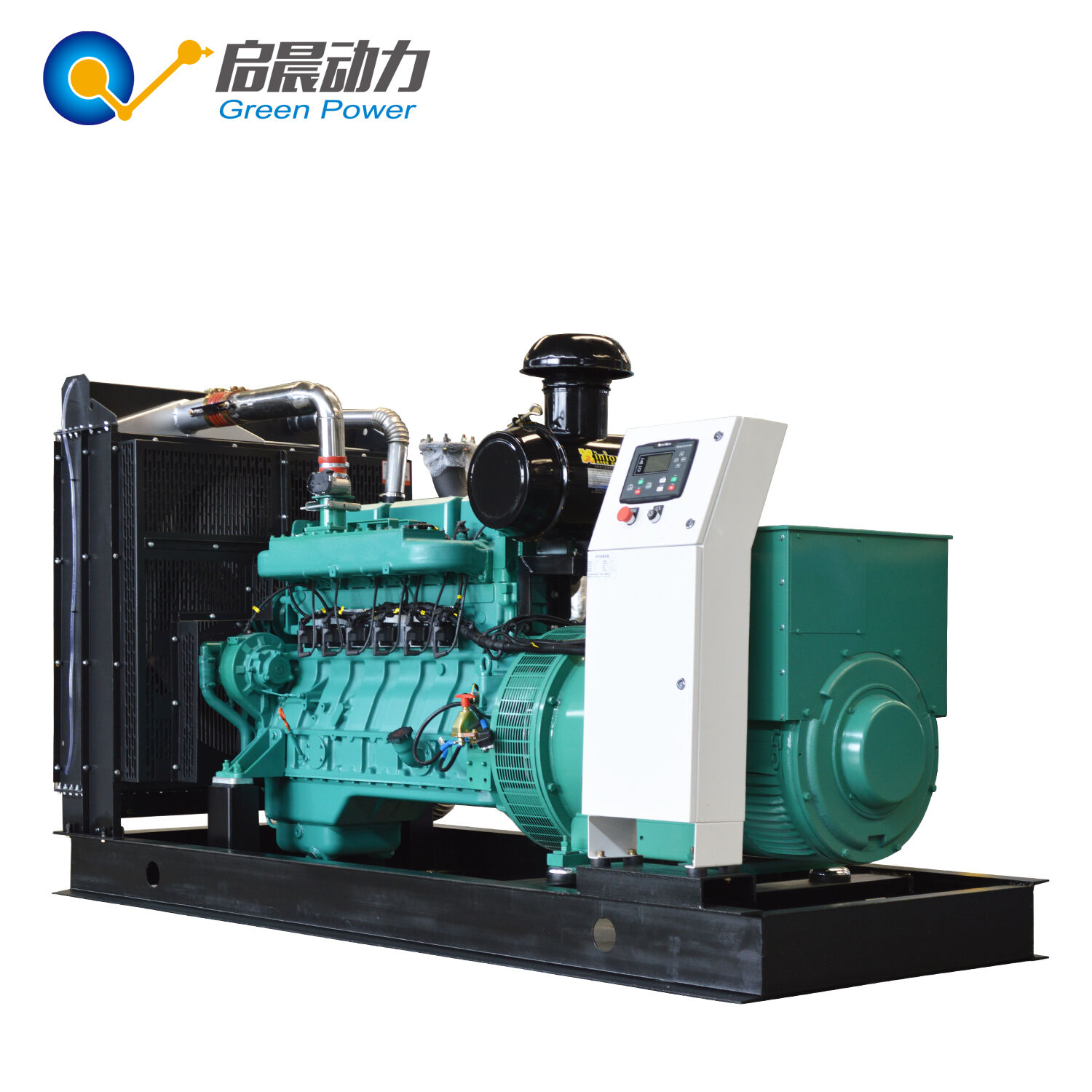
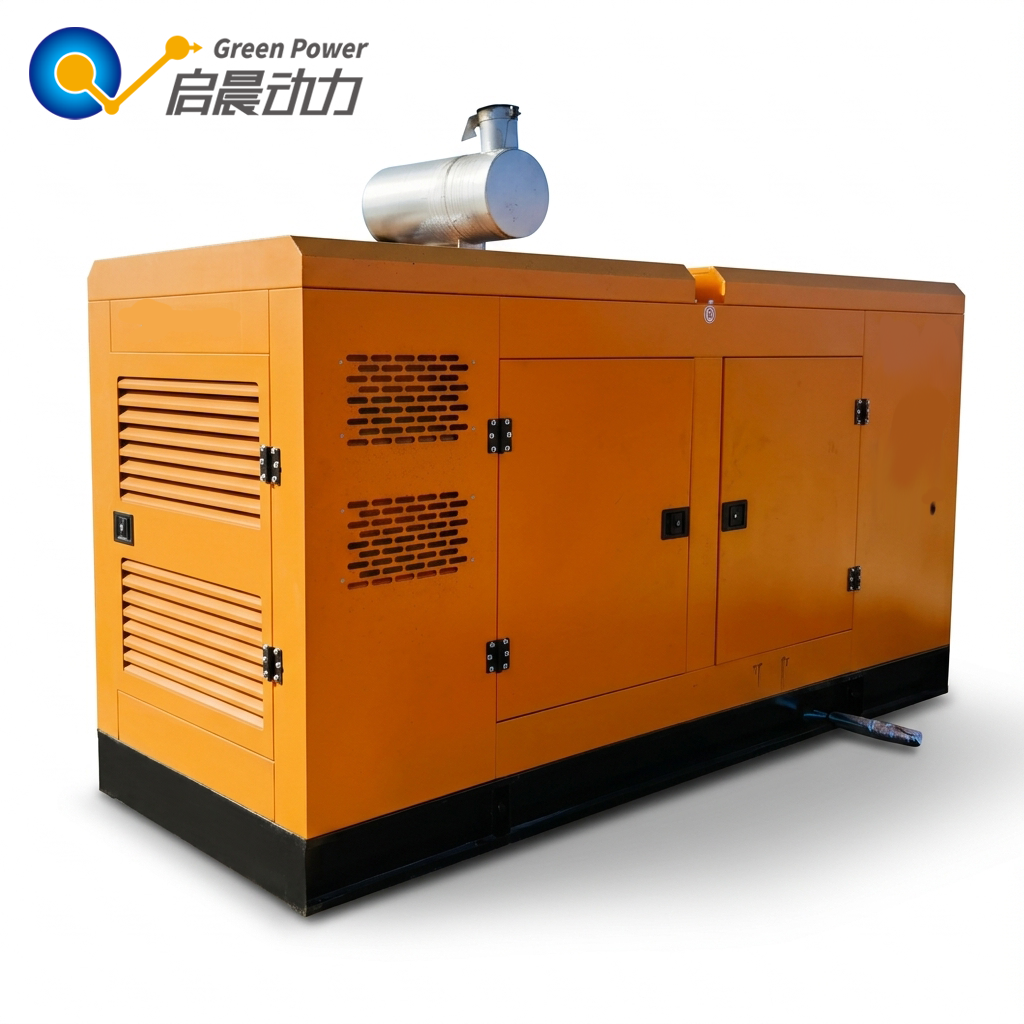
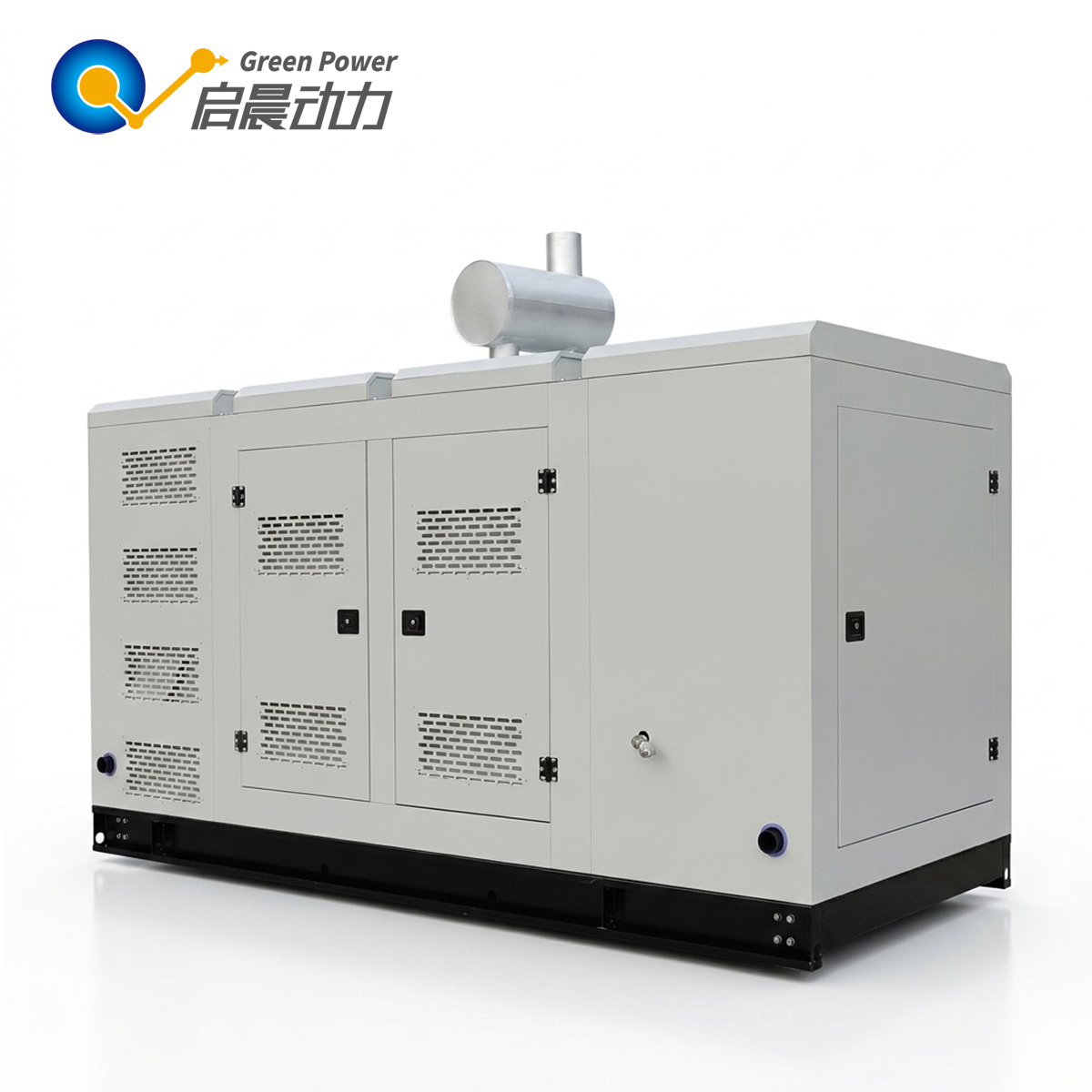
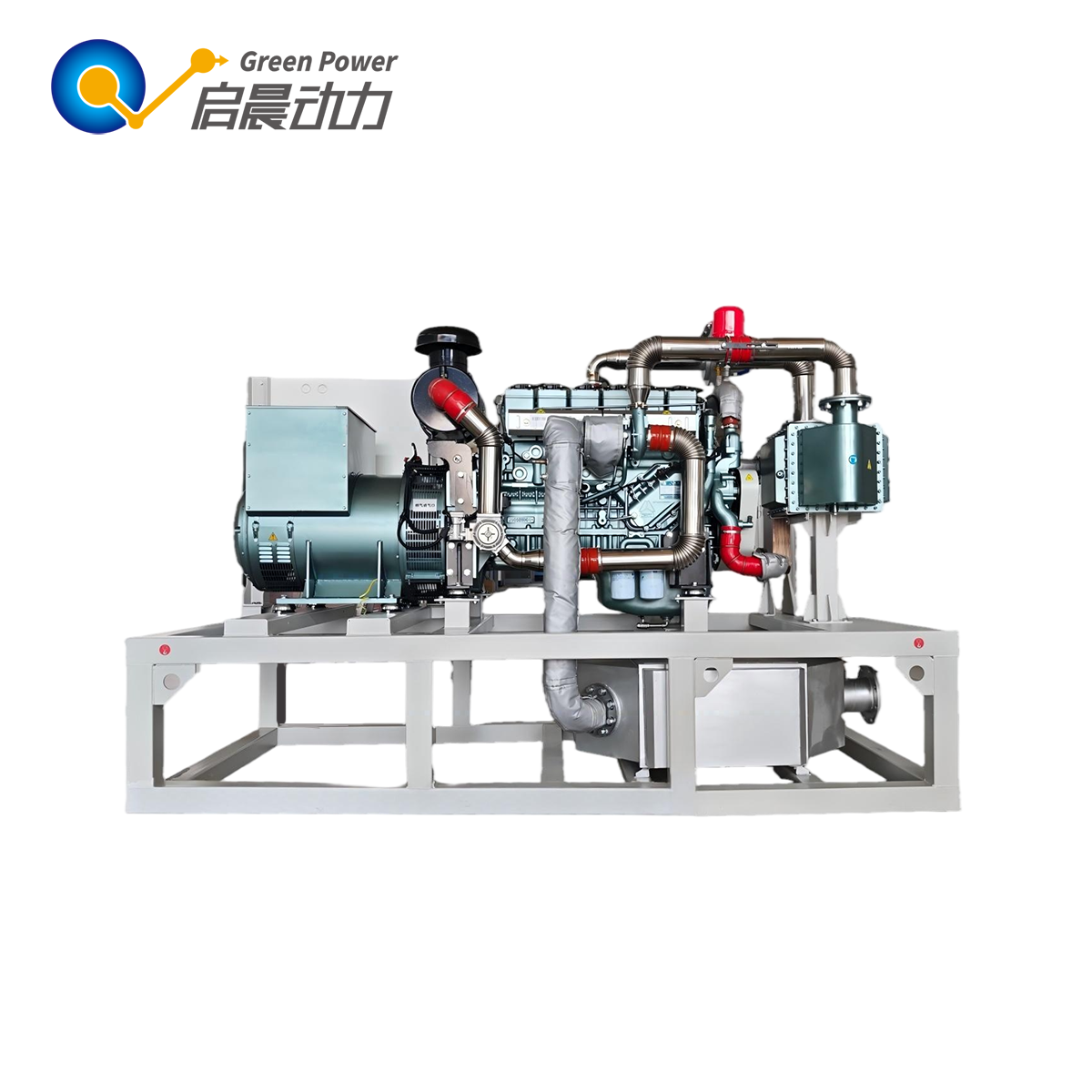
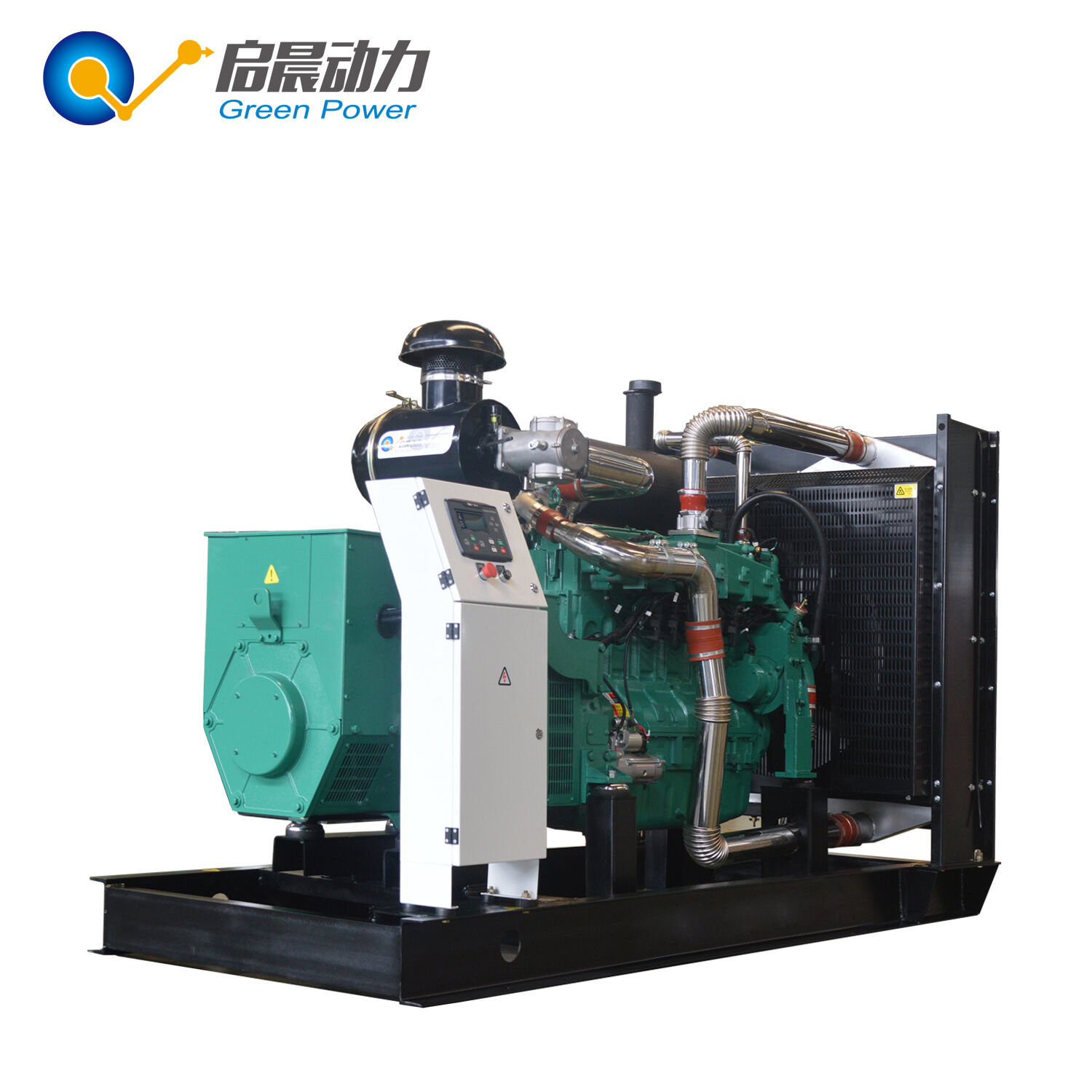
Cogeneration heat and power, also known as combined heat and power or CHP, is an innovative energy solution that simultaneously generates electricity and useful thermal energy from a single fuel source. This integrated system captures waste heat produced during electricity generation and repurposes it for heating applications, achieving exceptional energy efficiency levels up to 90 percent compared to conventional separate generation methods. The technology employs various prime movers including gas turbines, steam turbines, reciprocating engines, and fuel cells that convert natural gas, biogas, biomass, or other fuels into usable energy forms. During operation, cogeneration heat and power systems produce electricity for on-site consumption or grid export while recovering heat for space heating, domestic hot water, industrial processes, or cooling through absorption chillers. The technological features include advanced control systems for optimizing performance, heat recovery equipment such as heat exchangers and economizers, and grid synchronization capabilities for seamless integration. Applications span diverse sectors including hospitals requiring reliable power and sterilization heat, manufacturing facilities with process heating demands, universities with campus-wide energy needs, hotels needing simultaneous electricity and hot water, district heating networks serving residential communities, and agricultural operations utilizing waste biomass. The modular design allows customization based on specific thermal-to-electric ratios, making cogeneration heat and power adaptable to varied operational requirements while significantly reducing carbon emissions and energy costs through superior fuel utilization efficiency.

New Product Recommendations

Implementing cogeneration heat and power delivers substantial financial savings by reducing total energy expenditures through efficient dual-output generation from single fuel input, often cutting energy bills by 20 to 40 percent compared to purchasing electricity separately and generating heat independently. The operational benefits include enhanced energy security and independence from grid disruptions, providing reliable on-site power generation that protects critical operations during outages while eliminating transmission losses associated with centralized power delivery. Facilities gain predictable energy costs with reduced exposure to volatile electricity price fluctuations, improving budget certainty and long-term financial planning. The environmental advantages prove equally compelling as cogeneration heat and power systems dramatically lower carbon footprints by minimizing fuel consumption and greenhouse gas emissions, helping organizations meet sustainability targets and regulatory compliance requirements without sacrificing operational capabilities. Application suitability extends to any facility with coincident electricity and thermal demands, particularly those operating continuously or with high process heat requirements where the technology achieves optimal performance and fastest payback periods. The systems require minimal space compared to separate generation equipment, integrate smoothly with existing infrastructure, and operate quietly with modern sound attenuation features. Decision-makers benefit from available incentives, tax credits, and favorable financing programs that improve project economics while utility demand charge reductions further enhance returns. Maintenance requirements remain manageable with established service networks and proven component reliability, ensuring decades of dependable performance. The scalability of cogeneration heat and power accommodates facilities from small commercial buildings to large industrial complexes, with modular expansion capabilities supporting future growth without complete system replacement, protecting capital investments while maintaining operational flexibility throughout changing business conditions.

Practical Tips

Natural Gas Generator Installation Guide: From Site Planning to First Power-On

04

May

Natural Gas Generator Installation Guide: From Site Planning to First Power-On

Installing a natural gas generator is a significant infrastructure decision that demands careful planning, precise execution, and a clear understanding of local codes. Whether you are equipping an industrial facility, a commercial building, or a remo...
View More
1000 kW Natural Gas Generator System Design: Engine Configuration and Parallel Setup

07

May

1000 kW Natural Gas Generator System Design: Engine Configuration and Parallel Setup

A 1000 kW natural gas generator system represents a significant investment in on-site power infrastructure. Whether deployed for industrial facilities, large commercial complexes, or utility backup applications, engineering such a system correctly fr...
View More
LPG Generator Sizing Guide: Matching Output to Your Power Load Requirements

15

May

LPG Generator Sizing Guide: Matching Output to Your Power Load Requirements

Choosing the right LPG generator is one of the most consequential decisions a facility manager, contractor, or business owner can make. An undersized LPG generator will struggle under load, cause voltage instability, and risk equipment damage. An ove...
View More
Soundproof Generator for Urban and Commercial Sites: Noise Compliance Made Simple

01

Jun

Soundproof Generator for Urban and Commercial Sites: Noise Compliance Made Simple

Noise regulations in urban and commercial environments have never been stricter. Whether you operate a hospital, a hotel, a data center, or a construction site in a densely populated area, running backup or primary power equipment comes with a seriou...
View More

Send Us a Message

We'll reply within 24 hours
Email
Mobile Or WhatsApp
Name
Company Name
Message
0/1000

cogeneration heat and power

Maximum Energy Efficiency and Fuel Utilization

Maximum Energy Efficiency and Fuel Utilization

Cogeneration heat and power systems achieve remarkable overall efficiency by capturing and utilizing heat that would otherwise be wasted in conventional electricity generation, transforming what is typically an environmental burden into valuable thermal energy for productive applications. Traditional power plants discard approximately two-thirds of input energy as waste heat, but cogeneration heat and power technology recovers this thermal byproduct for space heating, water heating, steam production, or industrial processes. This simultaneous generation approach delivers combined efficiency ratings exceeding 80 to 90 percent, nearly doubling the effectiveness of separate heat and power production methods. The superior fuel utilization translates directly into reduced fuel consumption for equivalent energy output, lowering operating costs while minimizing environmental impact. Facilities benefit from converting a single unit of fuel into multiple useful energy forms, maximizing the value extracted from every dollar spent on energy resources. This efficiency advantage becomes particularly valuable as fuel prices rise and environmental regulations tighten, positioning cogeneration heat and power as both an economically sound and environmentally responsible energy solution that delivers measurable performance improvements over traditional approaches.
Reliable On-Site Power Generation and Energy Independence

Reliable On-Site Power Generation and Energy Independence

Cogeneration heat and power provides exceptional energy reliability by generating electricity directly at the point of use, eliminating dependence on distant power plants and vulnerable transmission infrastructure that expose facilities to grid failures, weather-related outages, and capacity constraints. This localized generation ensures continuous operation during utility disruptions, protecting critical functions in hospitals, data centers, manufacturing plants, and emergency facilities where power interruptions create safety risks, production losses, or service failures. The energy independence delivered by cogeneration heat and power systems shields organizations from grid instability while providing greater control over energy quality, availability, and costs. Facilities can operate in island mode during emergencies, maintaining essential services when surrounding areas experience blackouts. The reliability benefits extend beyond emergency scenarios as on-site generation eliminates transmission losses that typically consume 5 to 10 percent of electricity during grid delivery, improving overall system efficiency. Organizations gain negotiating leverage with utilities, reduced exposure to peak demand charges, and the flexibility to optimize generation schedules based on internal priorities rather than external constraints, creating strategic advantages that strengthen operational resilience and competitive positioning in increasingly uncertain energy markets.
Environmental Sustainability and Regulatory Compliance

Environmental Sustainability and Regulatory Compliance

Cogeneration heat and power systems deliver compelling environmental benefits by substantially reducing greenhouse gas emissions, air pollutants, and overall carbon footprint compared to conventional separate generation of electricity and heat, helping organizations meet increasingly stringent environmental regulations and corporate sustainability commitments. The superior efficiency inherent in cogeneration heat and power technology means less fuel combustion for equivalent energy output, directly translating into fewer emissions of carbon dioxide, nitrogen oxides, sulfur dioxide, and particulate matter. Facilities implementing these systems typically achieve emission reductions of 30 to 50 percent while maintaining or improving energy services, supporting climate action goals without operational sacrifices. Modern cogeneration heat and power equipment incorporates advanced emission control technologies and can utilize renewable fuels like biogas or biomass, further enhancing environmental credentials. The demonstrated sustainability performance helps organizations satisfy regulatory requirements, qualify for green building certifications, attract environmentally conscious customers, and strengthen corporate social responsibility profiles. As governments worldwide implement carbon pricing mechanisms and tighten emission standards, cogeneration heat and power positions facilities advantageously by achieving compliance through operational efficiency rather than purchasing offsets, creating lasting competitive advantages while contributing meaningfully to broader environmental protection efforts.

Send Us a Message

We'll reply within 24 hours
Email
Mobile Or WhatsApp
Name
Company Name
Message
0/1000