Combined Heat and Power Generator Solutions

Send Us a Message

We'll reply within 24 hours
Email
Mobile Or WhatsApp
Name
Company Name
Message
0/1000

combined heat and power generator

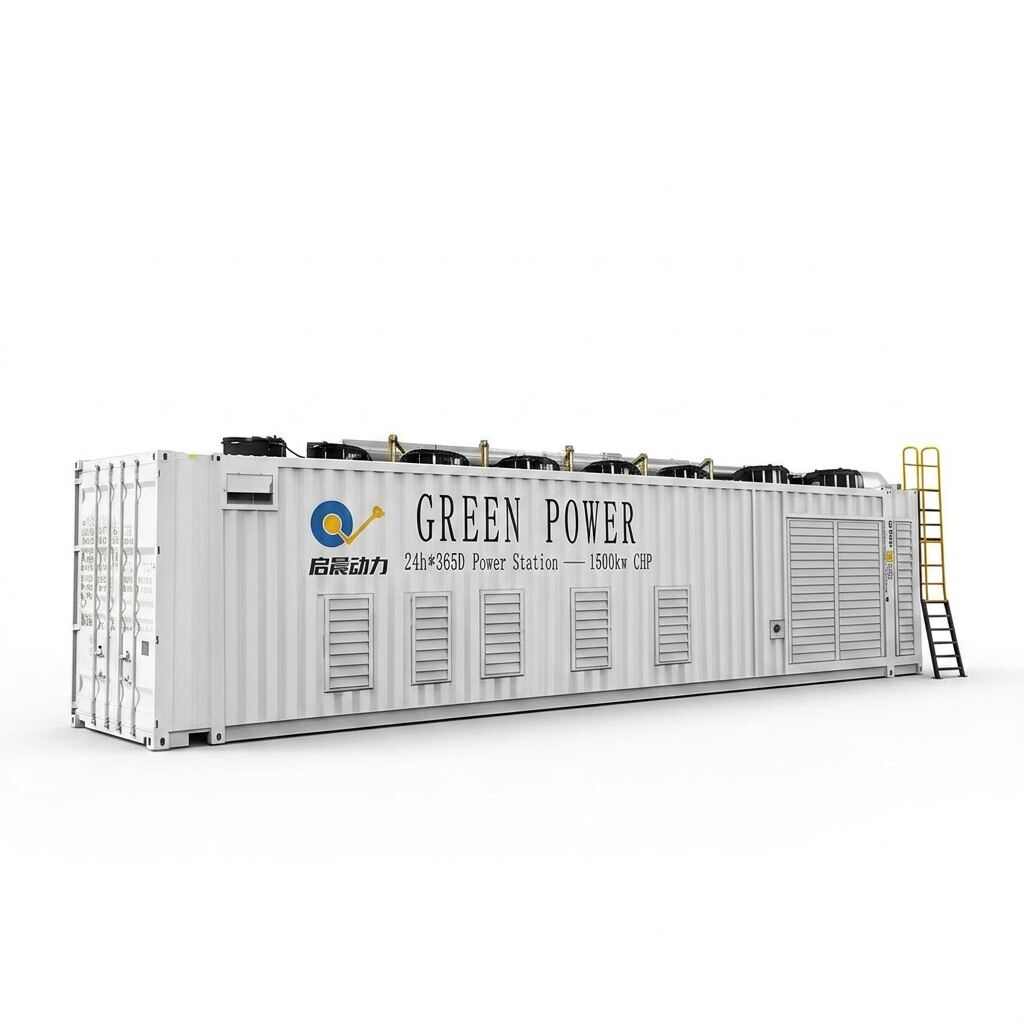
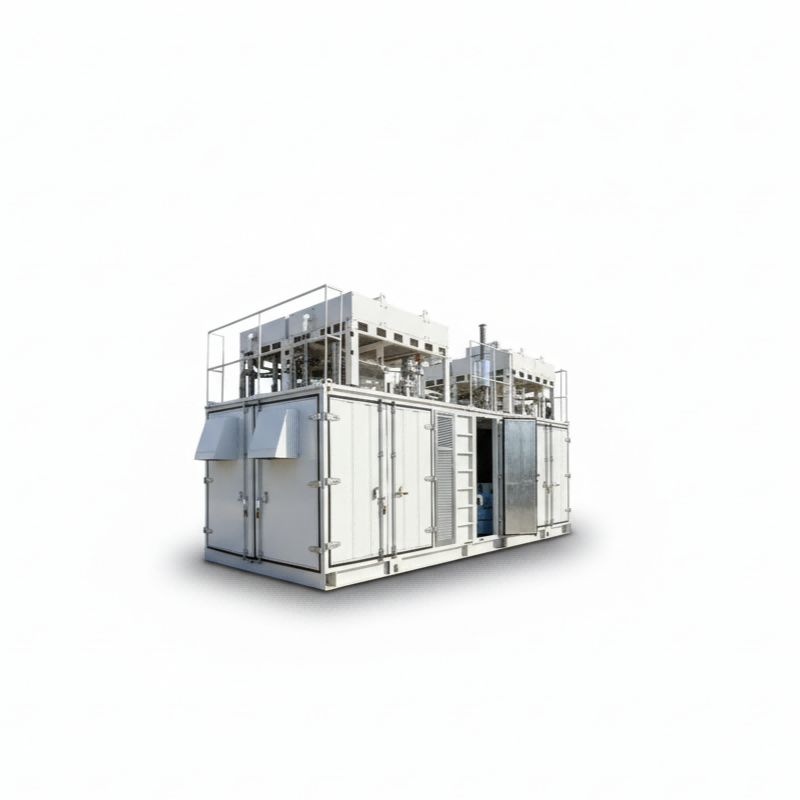
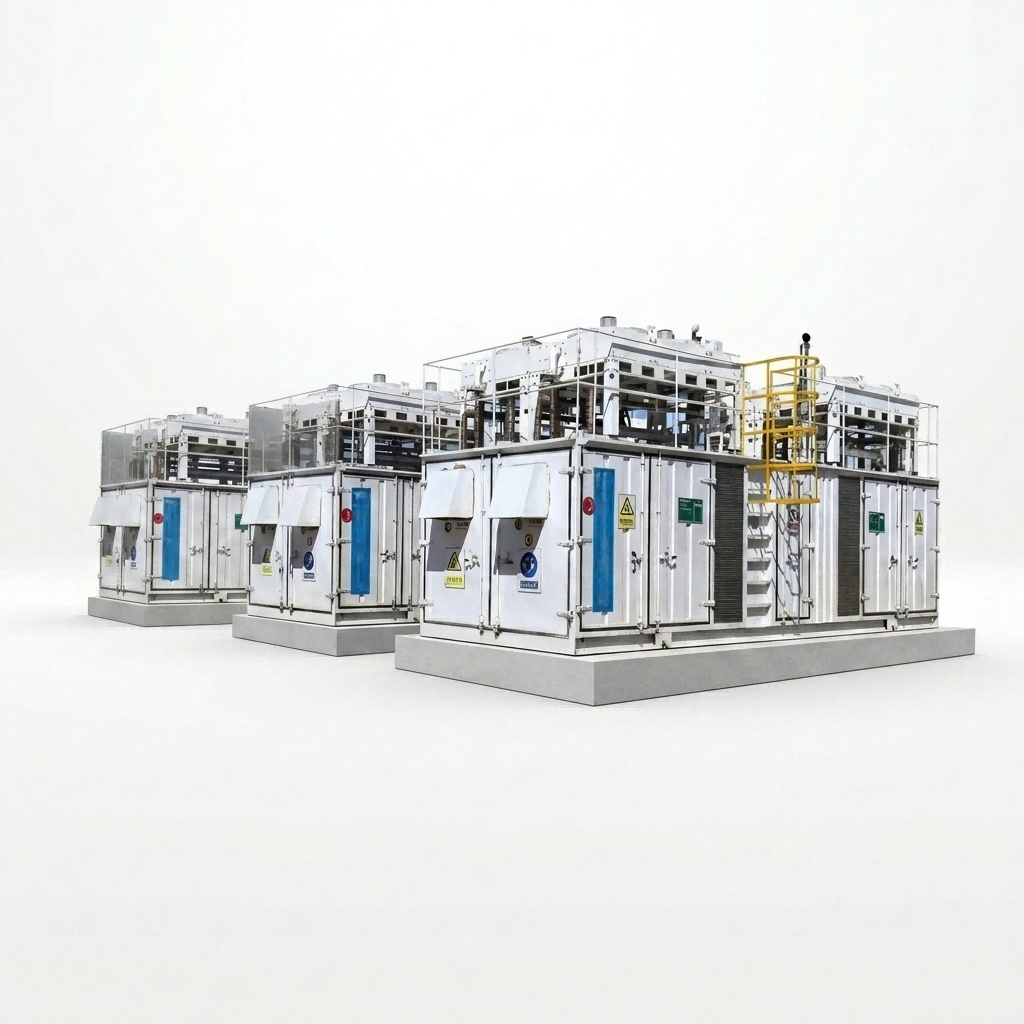
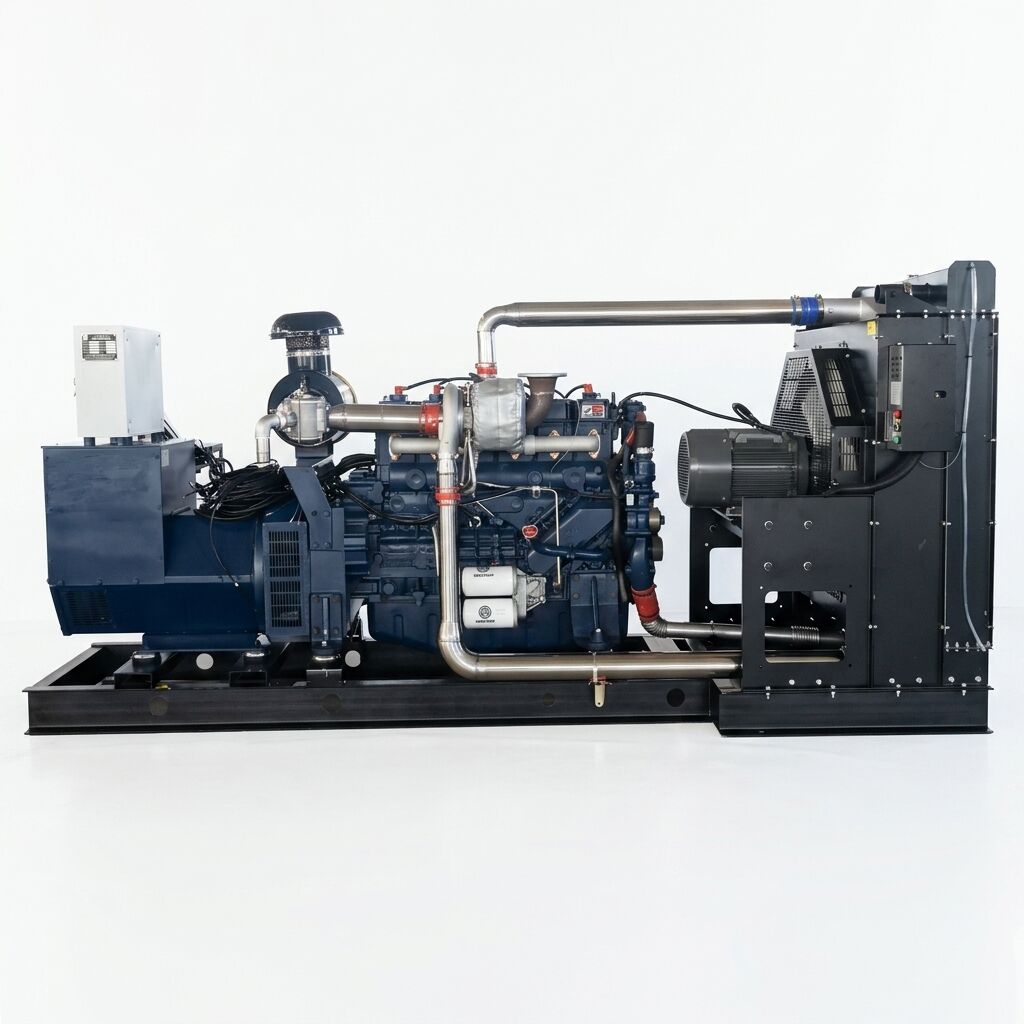
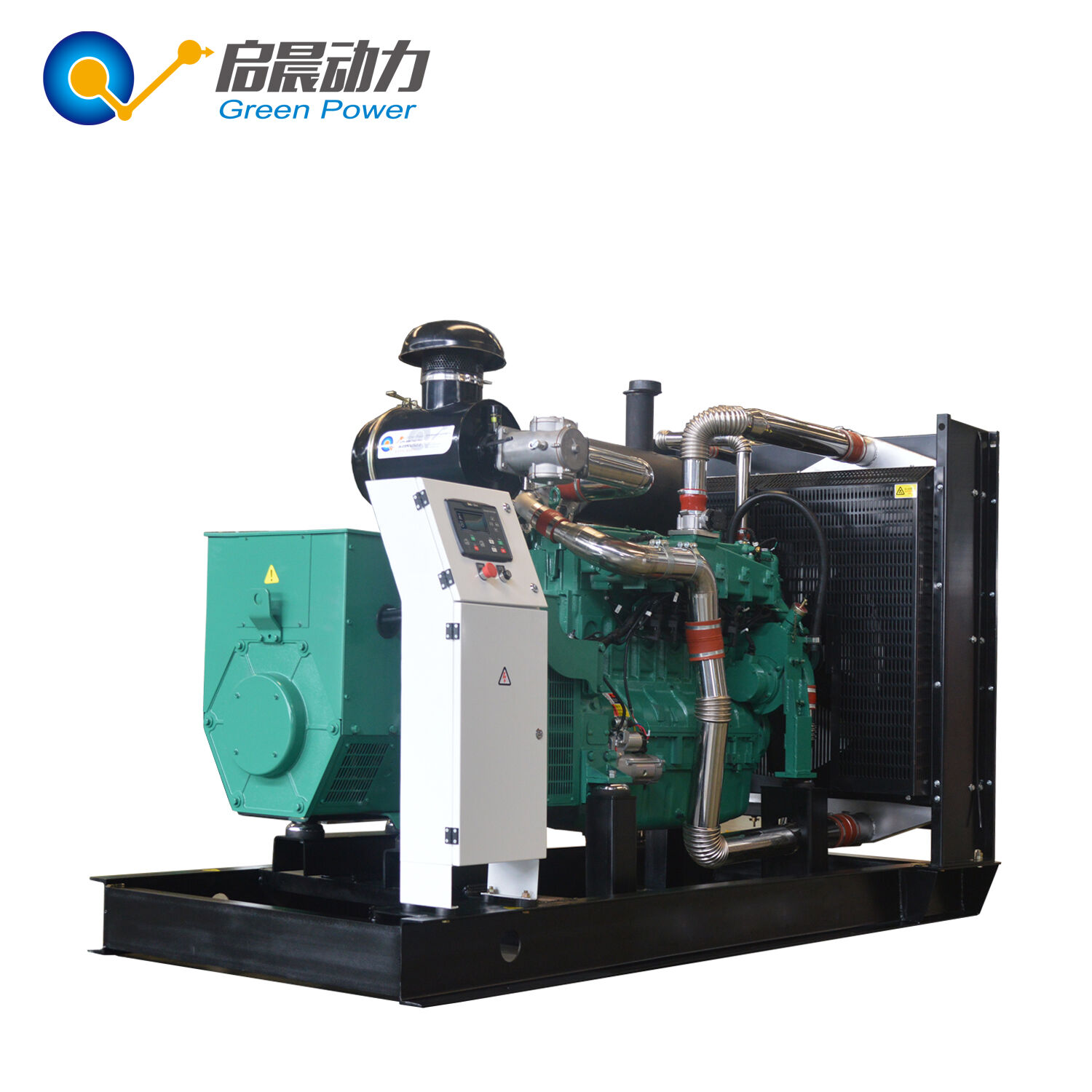
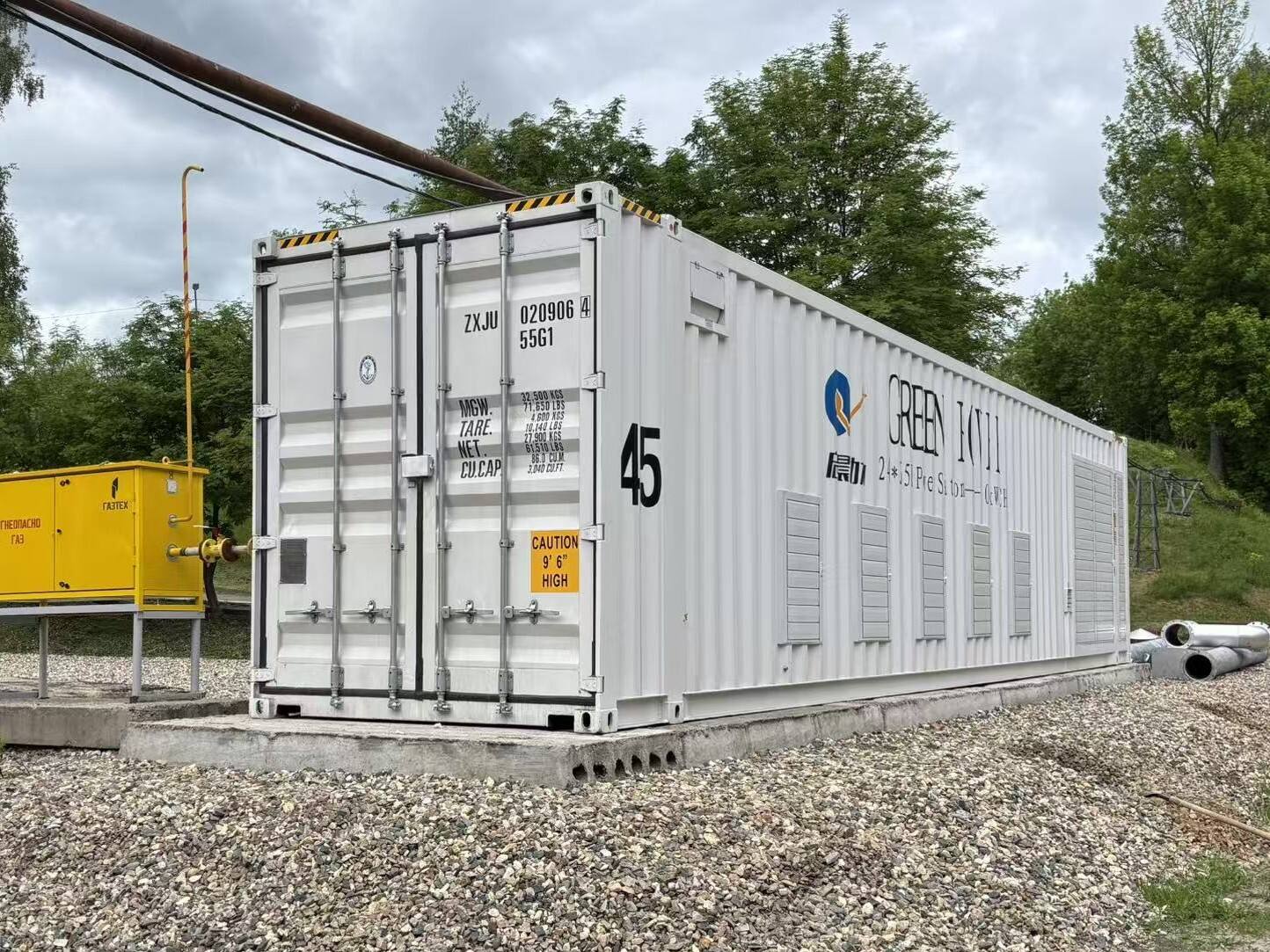
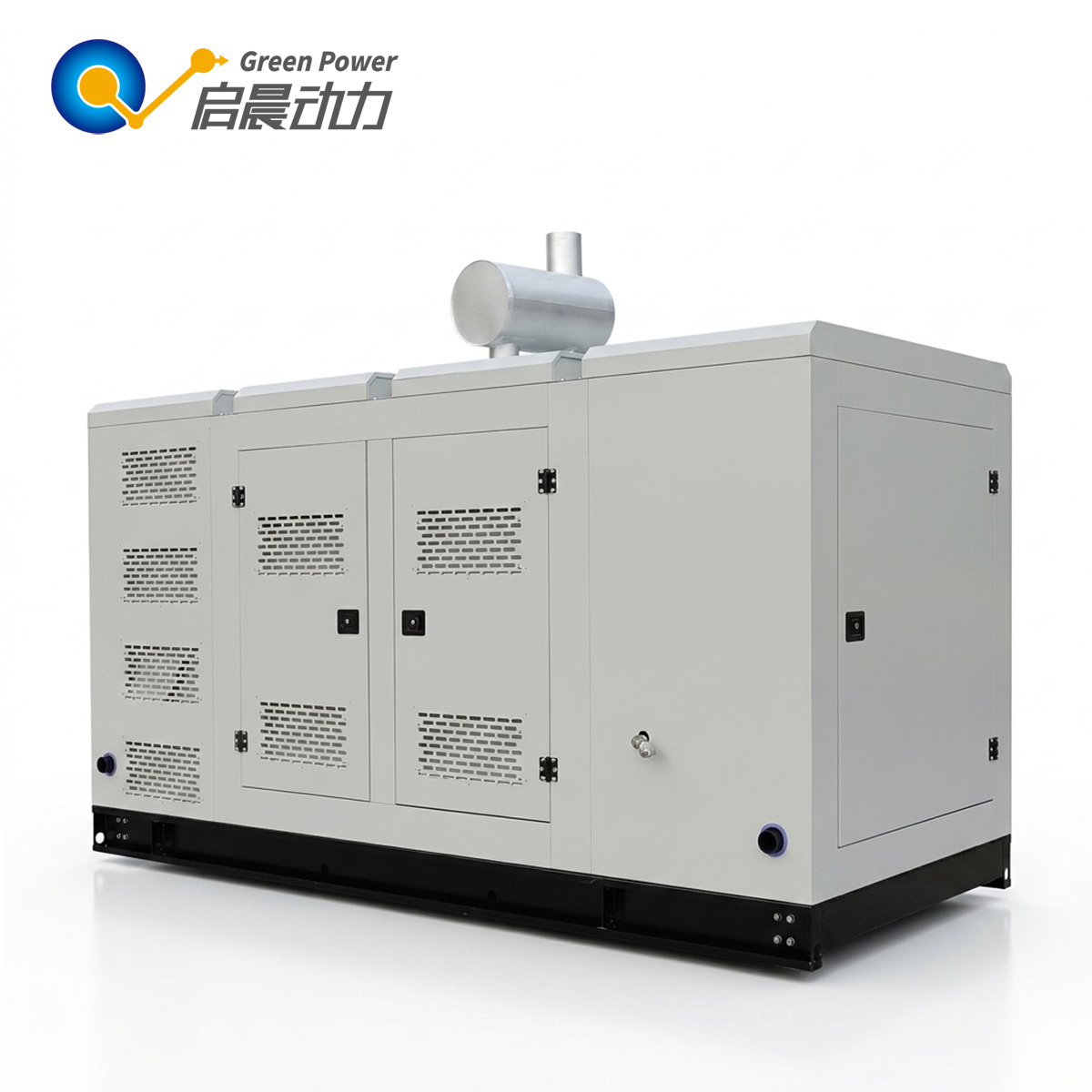
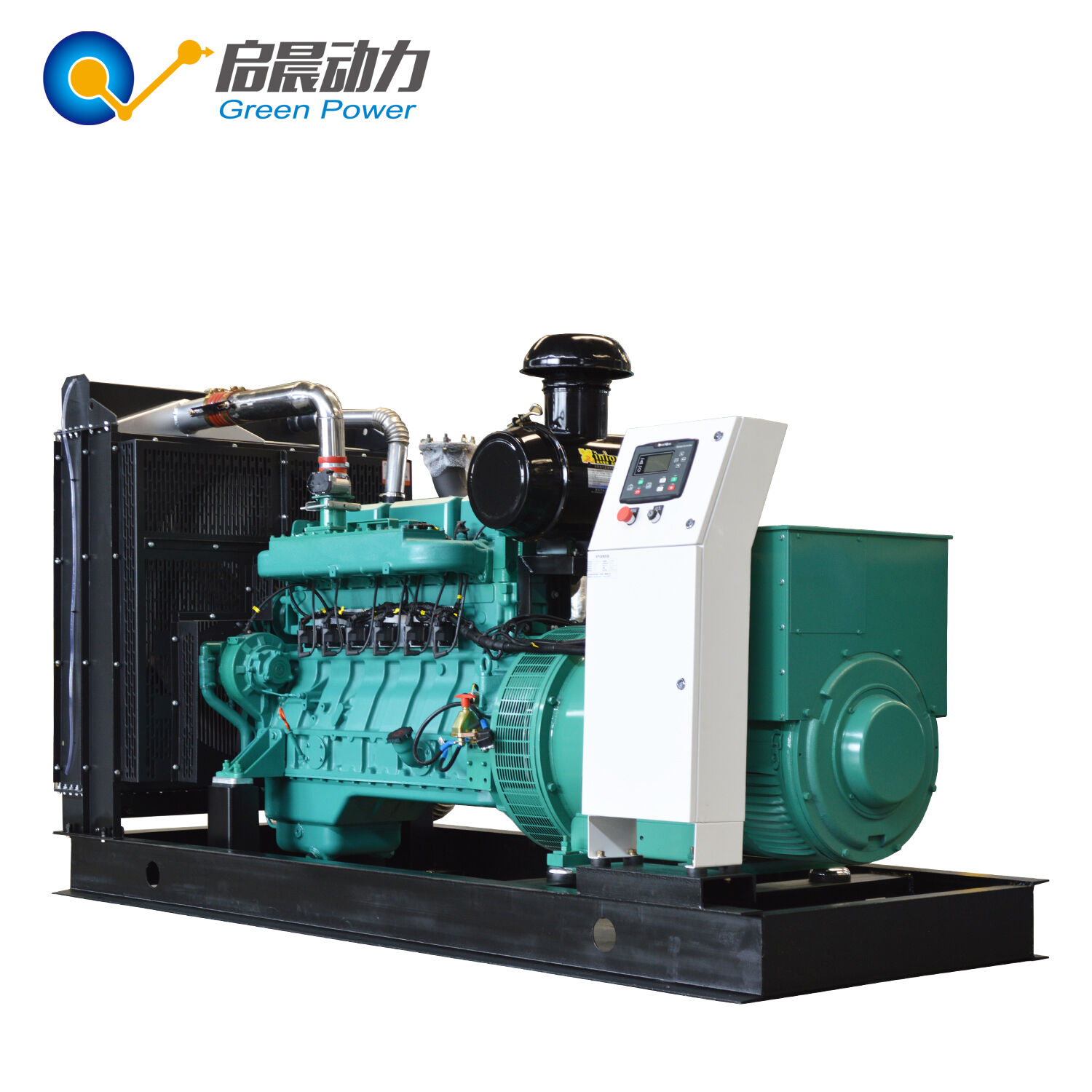
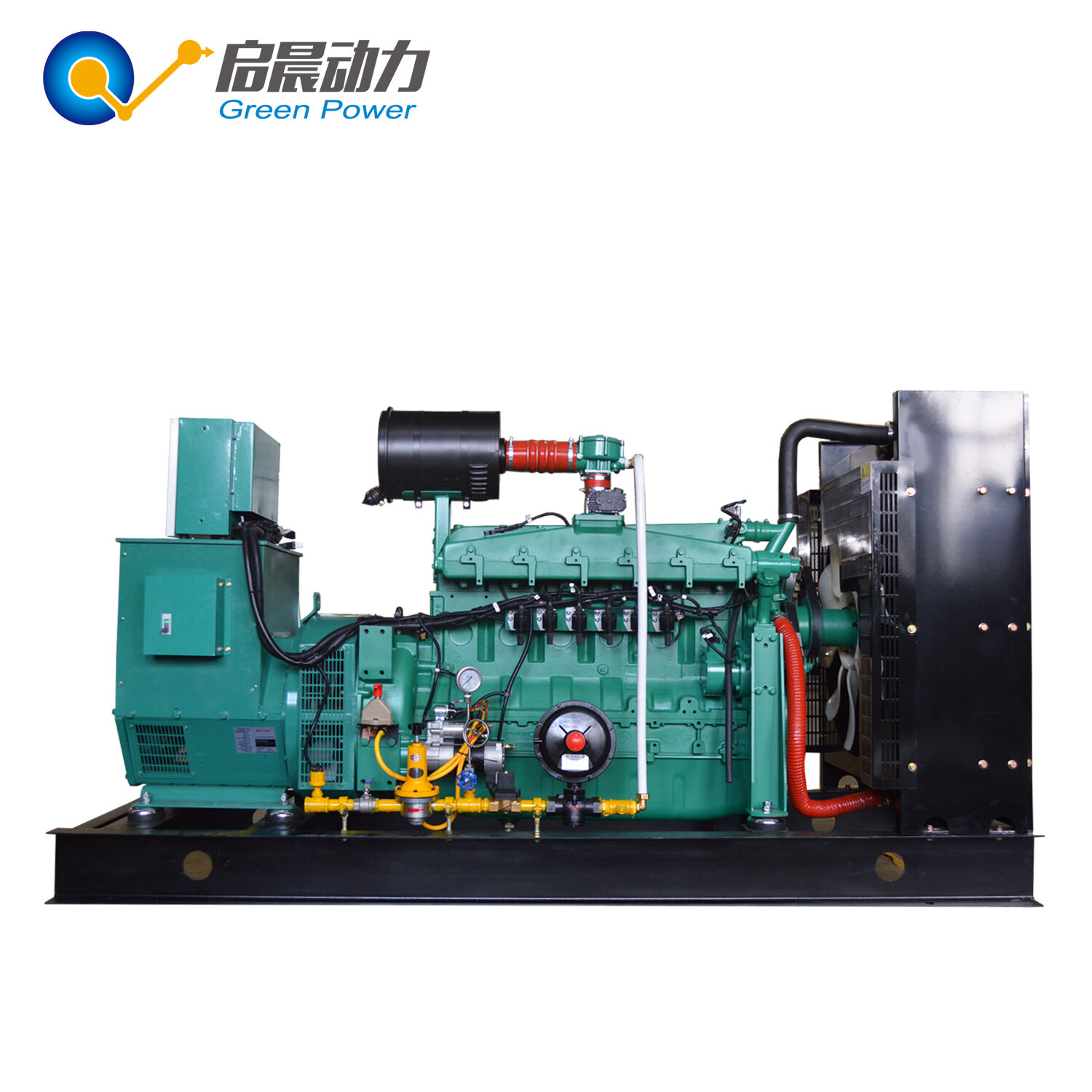
A combined heat and power generator is an advanced energy system that simultaneously produces electricity and captures usable heat from a single fuel source. This innovative technology operates by converting fuel such as natural gas, biogas, or diesel into mechanical energy that drives an electrical generator, while the thermal energy normally lost during electricity generation is recovered and utilized for heating purposes. The combined heat and power generator delivers exceptional efficiency by maximizing the value extracted from every unit of fuel consumed. Traditional power plants waste approximately two-thirds of their energy as heat, but this integrated system captures that thermal output for space heating, water heating, or industrial processes. The technology features a primary engine or turbine, an electrical generator, a heat recovery system, and sophisticated control systems that optimize performance. Modern combined heat and power generator units incorporate advanced monitoring capabilities, automated load-following functions, and remote diagnostics to ensure reliable operation. These systems are available in various capacities ranging from small residential units producing just a few kilowatts to large industrial installations generating several megawatts. Applications span diverse sectors including manufacturing facilities, hospitals, universities, commercial buildings, district heating networks, and residential complexes. The combined heat and power generator represents a practical solution for organizations seeking to reduce energy costs, improve energy security, and minimize environmental impact through more intelligent use of fuel resources.

New Products

Investing in a combined heat and power generator delivers substantial financial savings by dramatically reducing overall energy expenses. Since these systems capture and utilize heat that would otherwise be wasted, they can achieve total efficiency levels of 80 to 90 percent compared to conventional separate heat and power systems that typically reach only 45 to 55 percent efficiency. This superior performance translates directly into lower fuel consumption and reduced utility bills, often providing payback periods of three to five years depending on operating hours and energy prices. The combined heat and power generator enhances energy reliability by providing on-site power generation, protecting your operations from grid disruptions and reducing vulnerability to power outages. This energy independence proves particularly valuable for facilities requiring uninterrupted operation such as healthcare facilities, data centers, and manufacturing plants. Environmental benefits represent another compelling advantage, as the improved efficiency of a combined heat and power generator significantly reduces carbon emissions and other pollutants compared to purchasing electricity from the grid and operating separate boilers. Organizations pursuing sustainability goals find these systems instrumental in meeting reduction targets while simultaneously cutting costs. The technology adapts well to various operational patterns, with systems designed to match specific thermal and electrical load profiles. Modern combined heat and power generator units operate quietly with minimal maintenance requirements, and their modular nature allows for phased implementation as energy demands grow. Additionally, many regions offer financial incentives, tax credits, or favorable utility rates for combined heat and power installations, further improving the economic proposition. The dual output of electricity and heat from a single fuel source provides operational flexibility that traditional energy systems simply cannot match.

Tips And Tricks

Natural Gas Generator Installation Guide: From Site Planning to First Power-On

04

May

Natural Gas Generator Installation Guide: From Site Planning to First Power-On

Installing a natural gas generator is a significant infrastructure decision that demands careful planning, precise execution, and a clear understanding of local codes. Whether you are equipping an industrial facility, a commercial building, or a remo...
View More
1000 kW Natural Gas Generator System Design: Engine Configuration and Parallel Setup

07

May

1000 kW Natural Gas Generator System Design: Engine Configuration and Parallel Setup

A 1000 kW natural gas generator system represents a significant investment in on-site power infrastructure. Whether deployed for industrial facilities, large commercial complexes, or utility backup applications, engineering such a system correctly fr...
View More
How to Select a CHP Gas Generator Supplier: Technical Criteria and Contract Essentials

27

May

How to Select a CHP Gas Generator Supplier: Technical Criteria and Contract Essentials

Choosing the right supplier for a CHP gas generator is one of the most consequential procurement decisions an energy or facilities manager will make. A CHP gas generator combines heat and power production in a single system, meaning the technical dep...
View More
Soundproof Generator for Urban and Commercial Sites: Noise Compliance Made Simple

01

Jun

Soundproof Generator for Urban and Commercial Sites: Noise Compliance Made Simple

Noise regulations in urban and commercial environments have never been stricter. Whether you operate a hospital, a hotel, a data center, or a construction site in a densely populated area, running backup or primary power equipment comes with a seriou...
View More

Send Us a Message

We'll reply within 24 hours
Email
Mobile Or WhatsApp
Name
Company Name
Message
0/1000

combined heat and power generator

Exceptional Energy Efficiency Reduces Operating Costs

Exceptional Energy Efficiency Reduces Operating Costs

The combined heat and power generator achieves remarkable efficiency by simultaneously generating electricity and capturing thermal energy that conventional power systems waste. While traditional power generation discards roughly 65 percent of fuel energy as waste heat, this integrated approach recovers that thermal output for productive use in heating applications. This fundamental design advantage enables overall system efficiencies reaching 85 to 90 percent, nearly double the efficiency of purchasing grid electricity and operating separate heating equipment. For facility managers and business owners, this efficiency translates into substantial cost savings on monthly energy bills. The reduced fuel consumption required to meet both electrical and thermal needs means lower operating expenses year after year. Facilities with consistent heating requirements such as hospitals, hotels, food processing plants, and manufacturing operations benefit most significantly, as the combined heat and power generator operates most economically when both outputs are utilized continuously. The financial impact becomes particularly pronounced in regions with high electricity costs or favorable natural gas pricing, where the economics of on-site generation become highly attractive. Beyond immediate cost reduction, the improved efficiency provides insulation against future energy price volatility, offering predictable operating costs that support better long-term financial planning.
Enhanced Energy Security and Operational Reliability

Enhanced Energy Security and Operational Reliability

A combined heat and power generator provides critical energy independence by generating power directly at the point of use, substantially reducing reliance on the electrical grid. This on-site generation capability protects businesses from grid instability, planned outages, and unexpected disruptions that can halt operations and cause significant financial losses. For facilities where downtime carries severe consequences such as hospitals treating patients, data centers maintaining server uptime, or manufacturers running continuous processes, the combined heat and power generator serves as an essential resilience tool. Many systems can operate in island mode, continuing to supply power and heat even when grid electricity becomes unavailable. This capability proves invaluable during extreme weather events, grid emergencies, or infrastructure failures that increasingly challenge electrical systems worldwide. The reliability benefits extend beyond emergency scenarios, as on-site generation eliminates exposure to transmission and distribution losses while avoiding congestion charges during peak demand periods. Facilities gain greater control over their energy supply, with the ability to optimize when they draw from the grid versus generating their own power. The combined heat and power generator essentially functions as a productive asset that delivers value during normal operations while providing insurance against disruption, combining everyday economic benefits with emergency backup capabilities in a single integrated system.
Significant Environmental Impact Reduction

Significant Environmental Impact Reduction

Installing a combined heat and power generator represents one of the most effective actions an organization can take to reduce its environmental footprint and advance sustainability objectives. The superior efficiency of these systems directly translates into lower fuel consumption for the same energy output, which means fewer greenhouse gas emissions released into the atmosphere. Compared to purchasing electricity from a typical grid mix and operating conventional boilers, a combined heat and power generator can reduce carbon dioxide emissions by 30 to 50 percent while meeting identical energy needs. This emission reduction occurs because the system extracts maximum value from each unit of fuel consumed rather than wasting energy at multiple points in the supply chain. For organizations with corporate sustainability commitments, renewable energy targets, or carbon reduction mandates, the combined heat and power generator provides measurable progress toward these goals with quantifiable results. The environmental benefits extend beyond carbon emissions to include reductions in nitrogen oxides, sulfur dioxide, and particulate matter, improving local air quality around facilities. Modern combined heat and power generator units incorporate clean-burning technologies and emission control systems that meet stringent environmental standards. As stakeholders including customers, investors, employees, and regulators increasingly prioritize environmental performance, these systems demonstrate tangible commitment to responsible operations while simultaneously delivering economic advantages that strengthen business competitiveness.

Send Us a Message

We'll reply within 24 hours
Email
Mobile Or WhatsApp
Name
Company Name
Message
0/1000