Gas Combined Heat and Power Systems Guide

Send Us a Message

We'll reply within 24 hours
Email
Mobile Or WhatsApp
Name
Company Name
Message
0/1000

gas combined heat and power

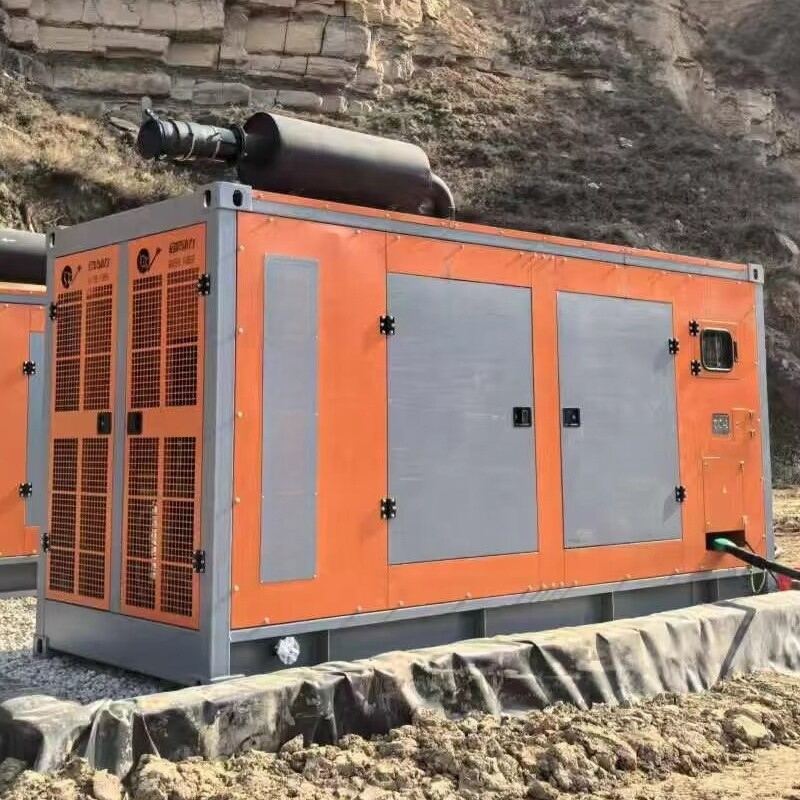
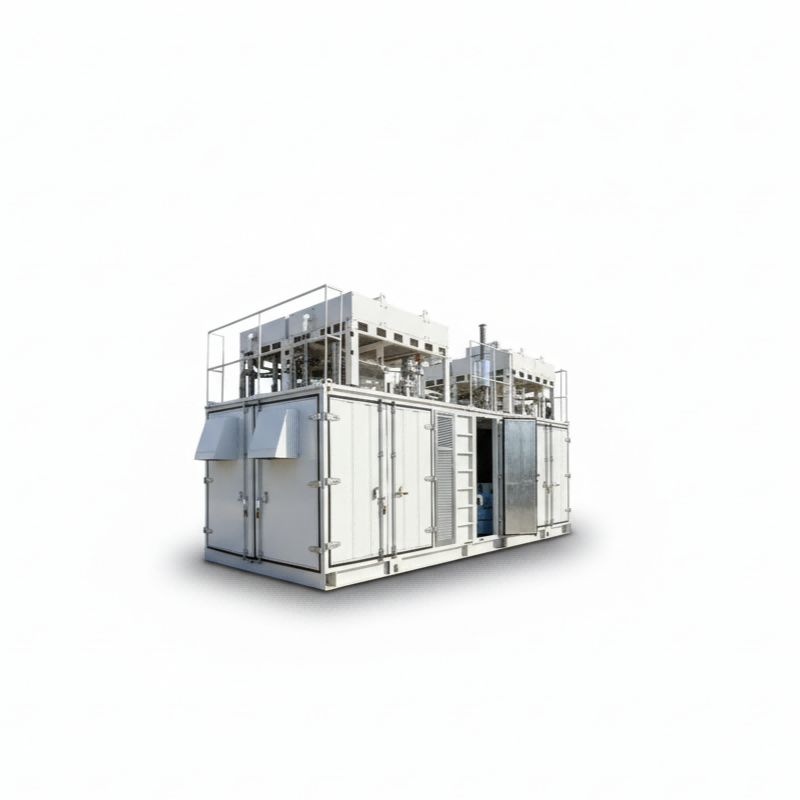
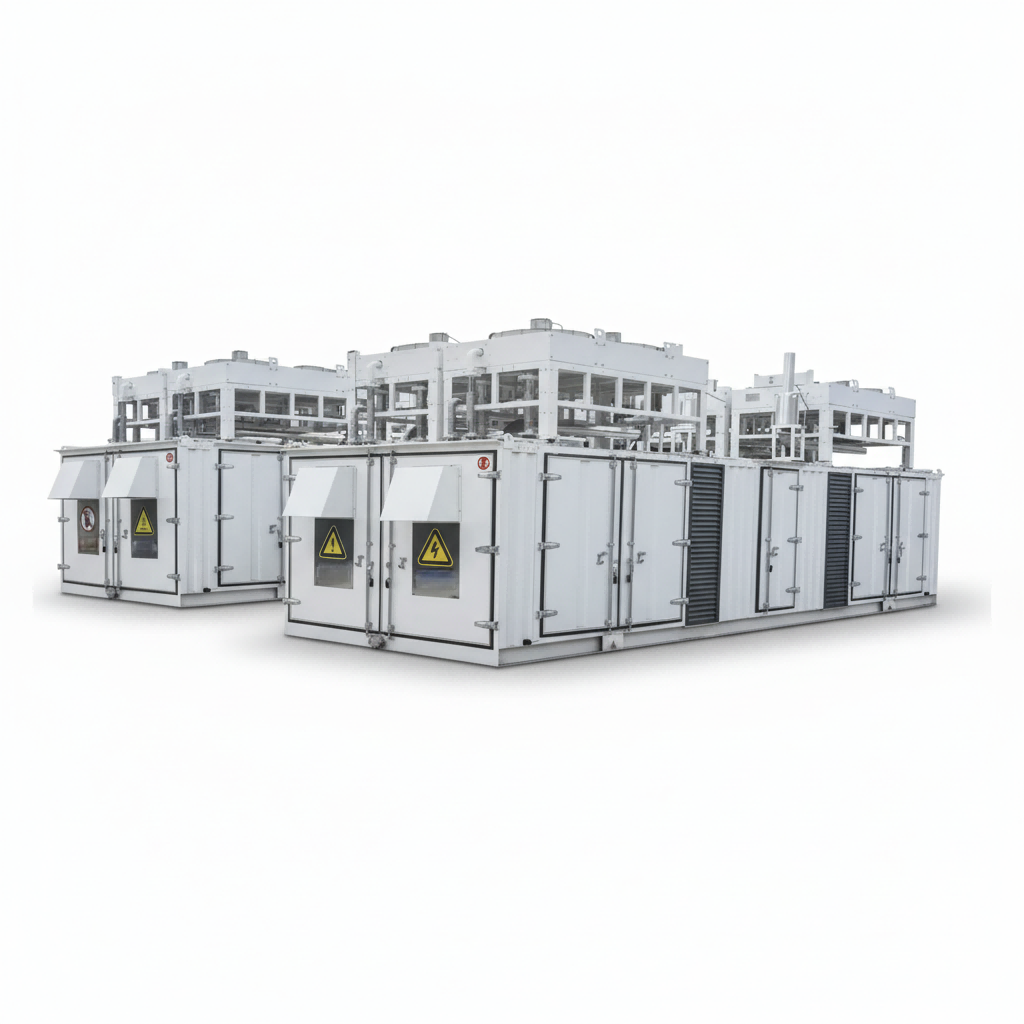
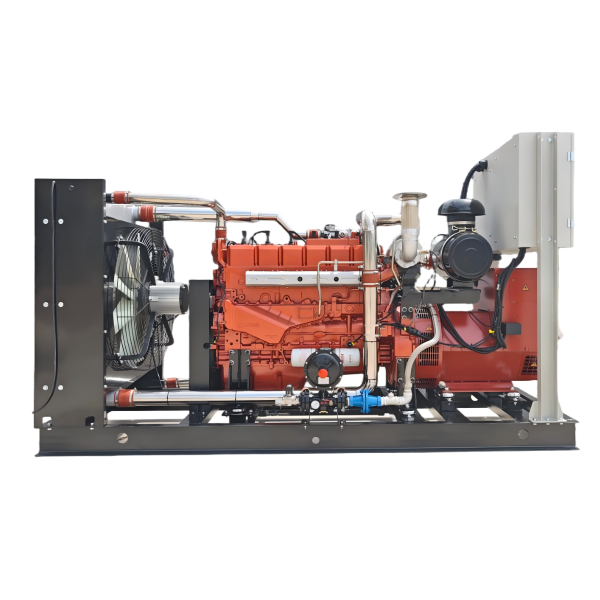
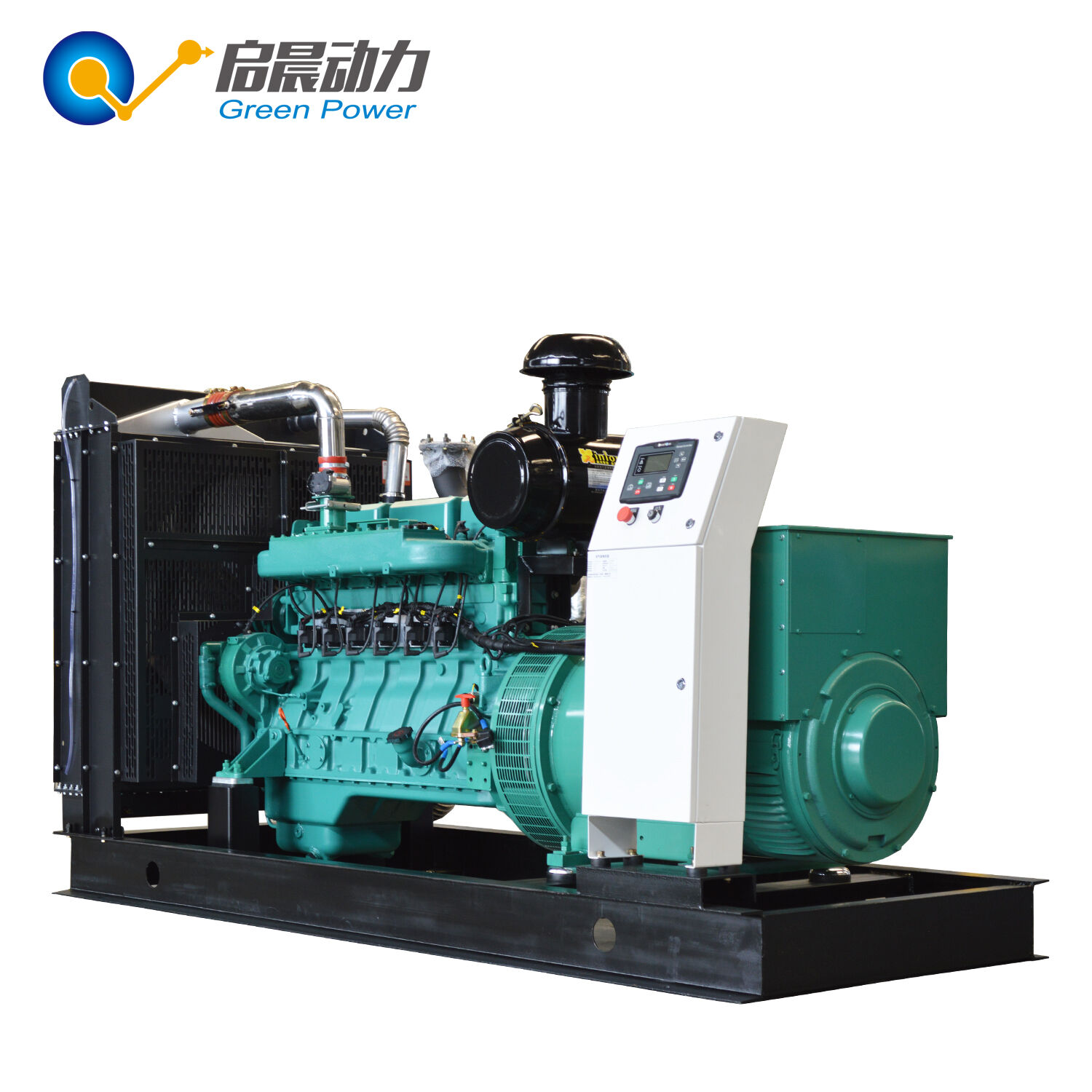
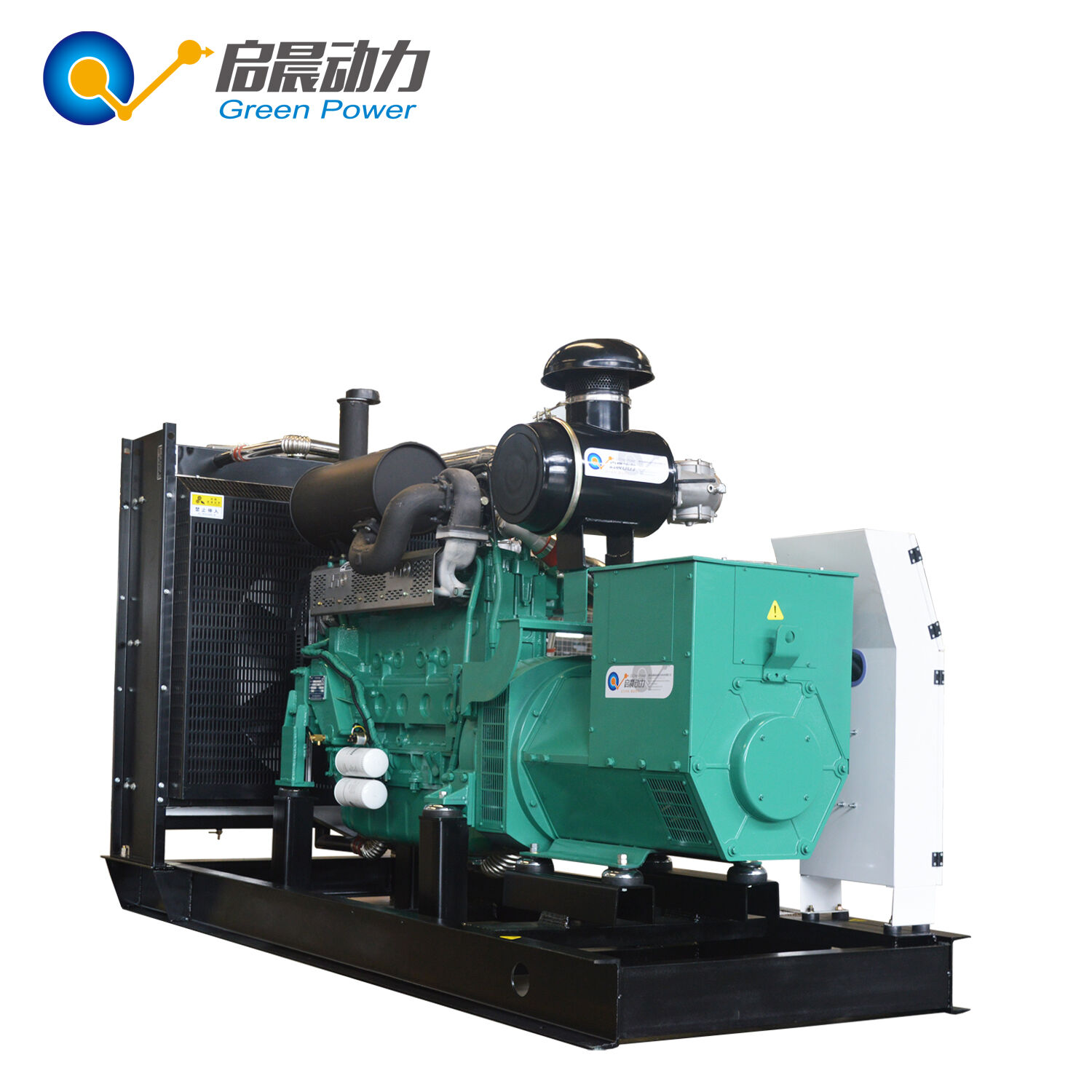
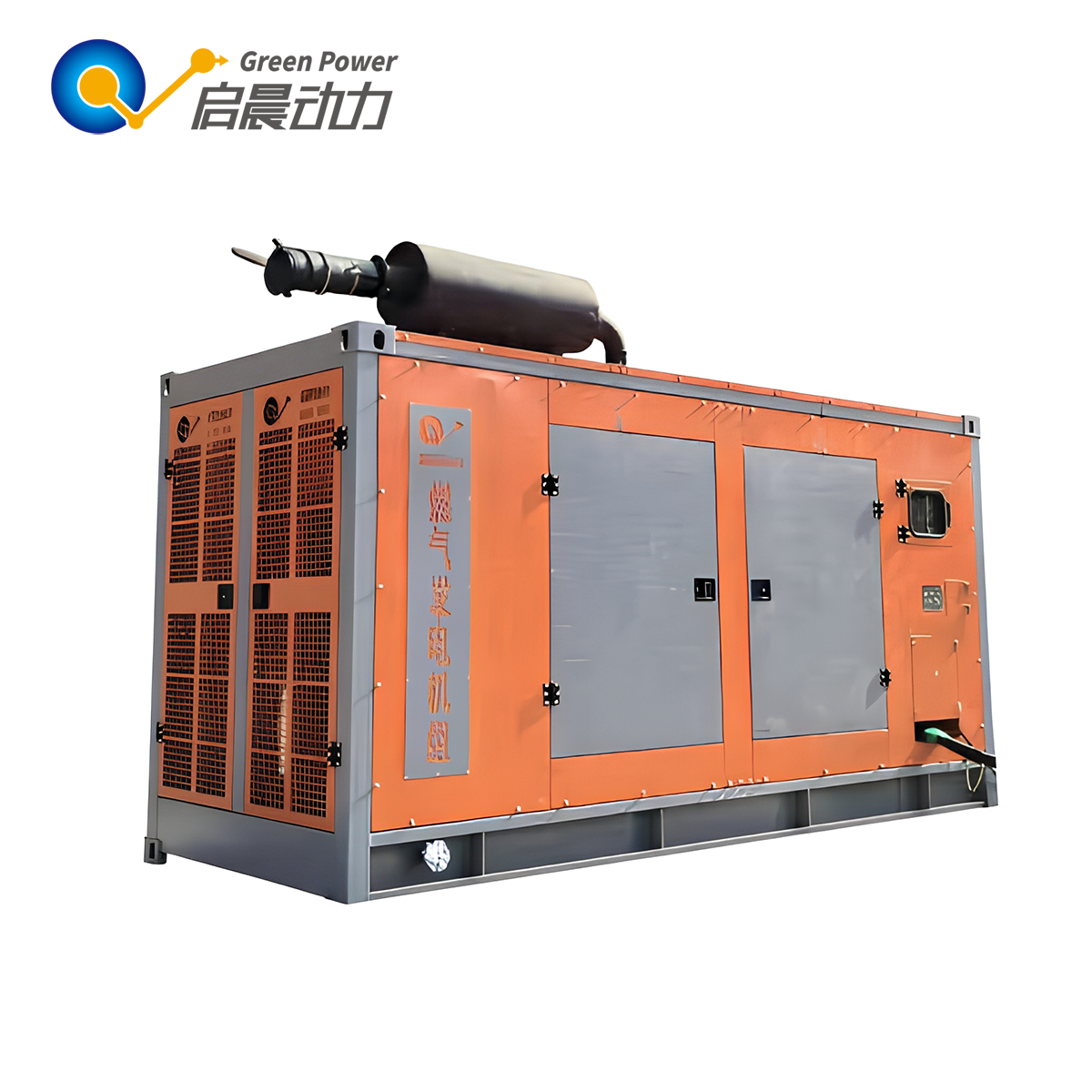
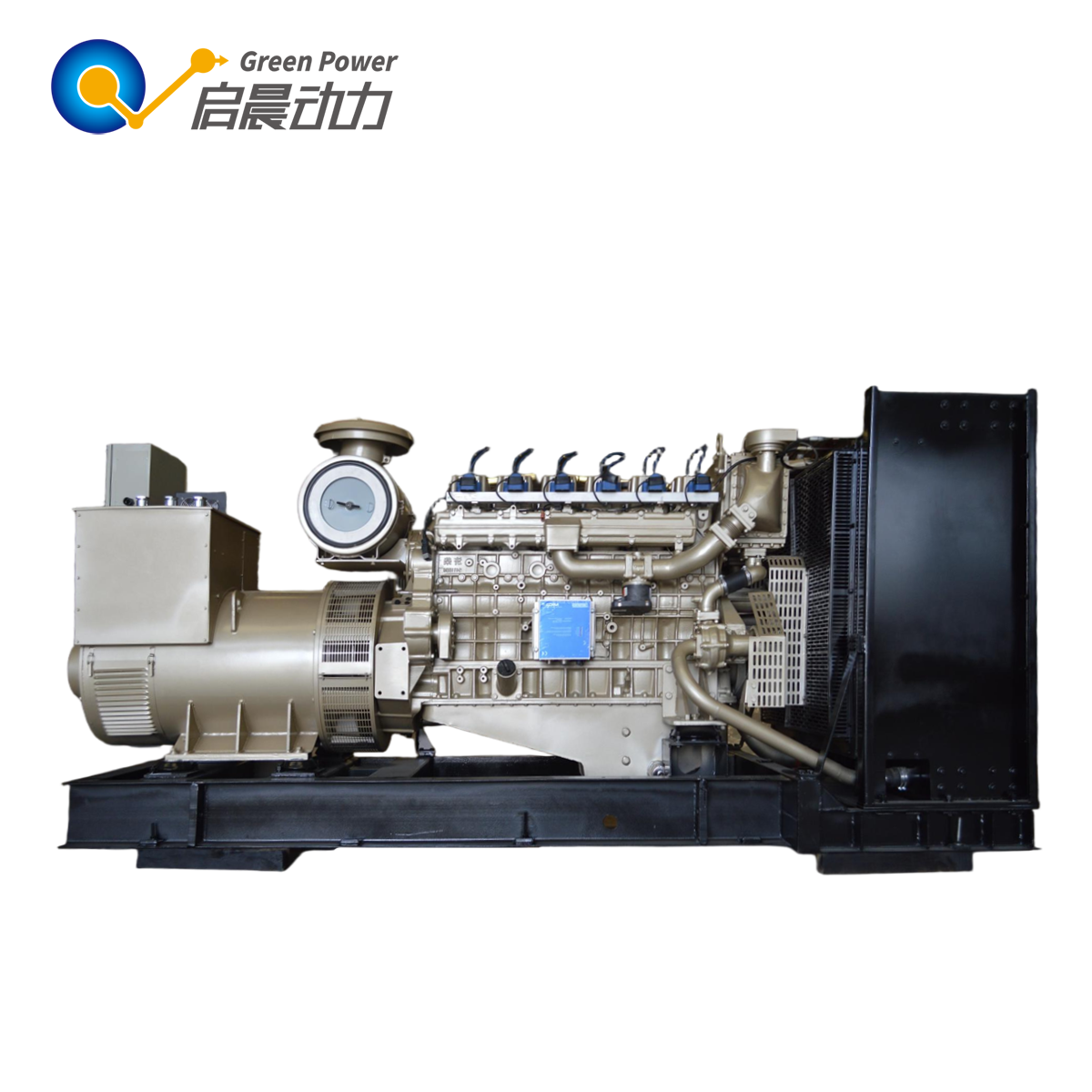
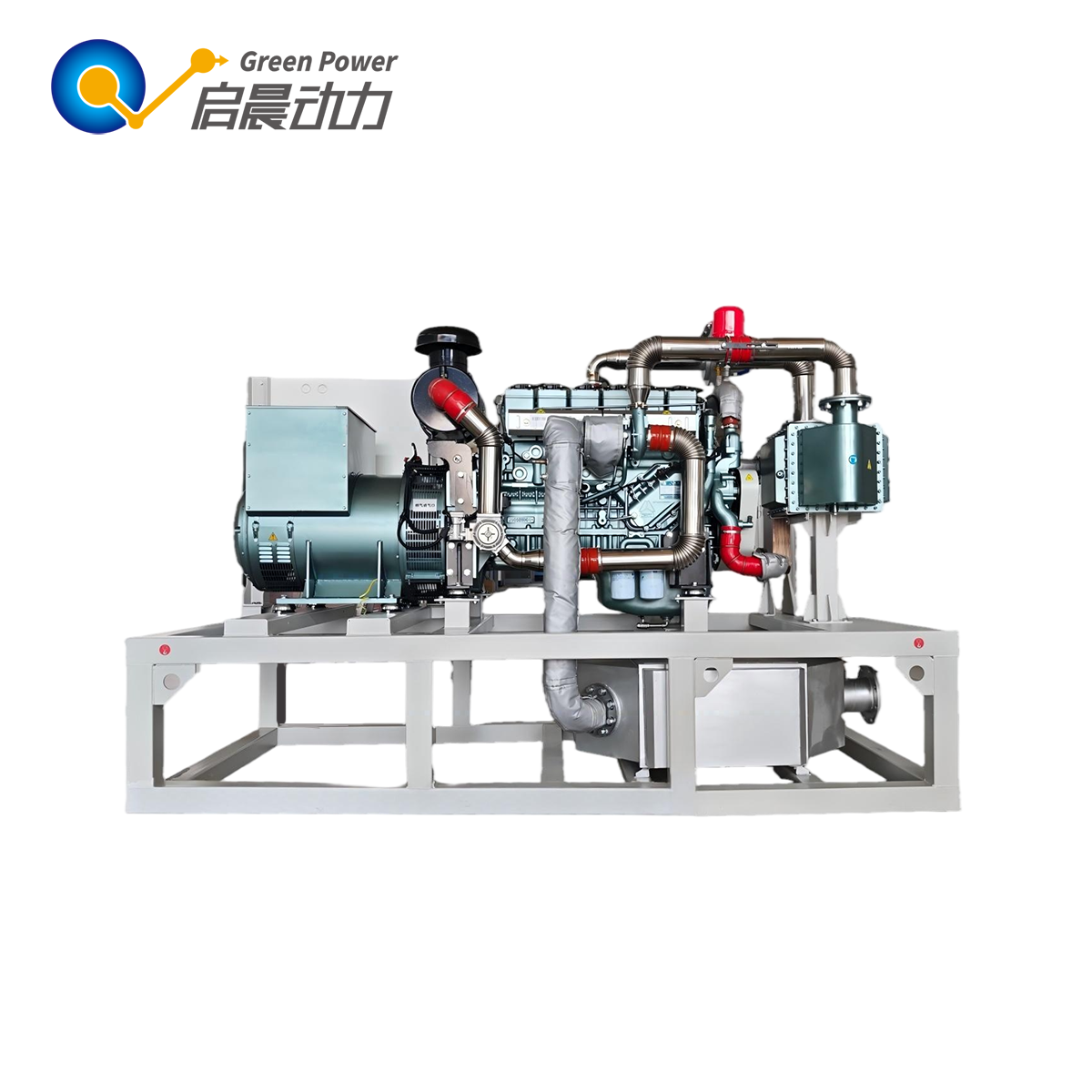
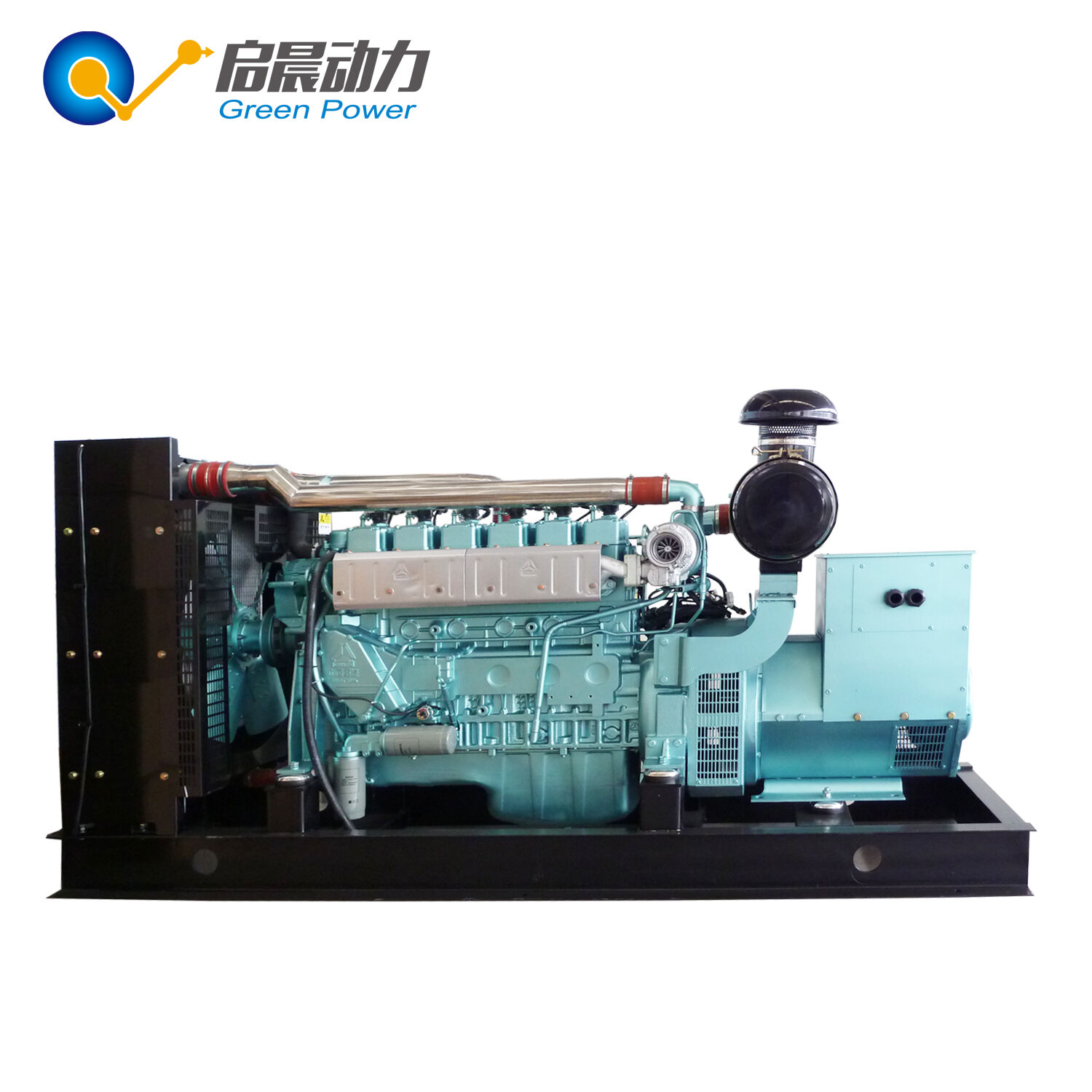
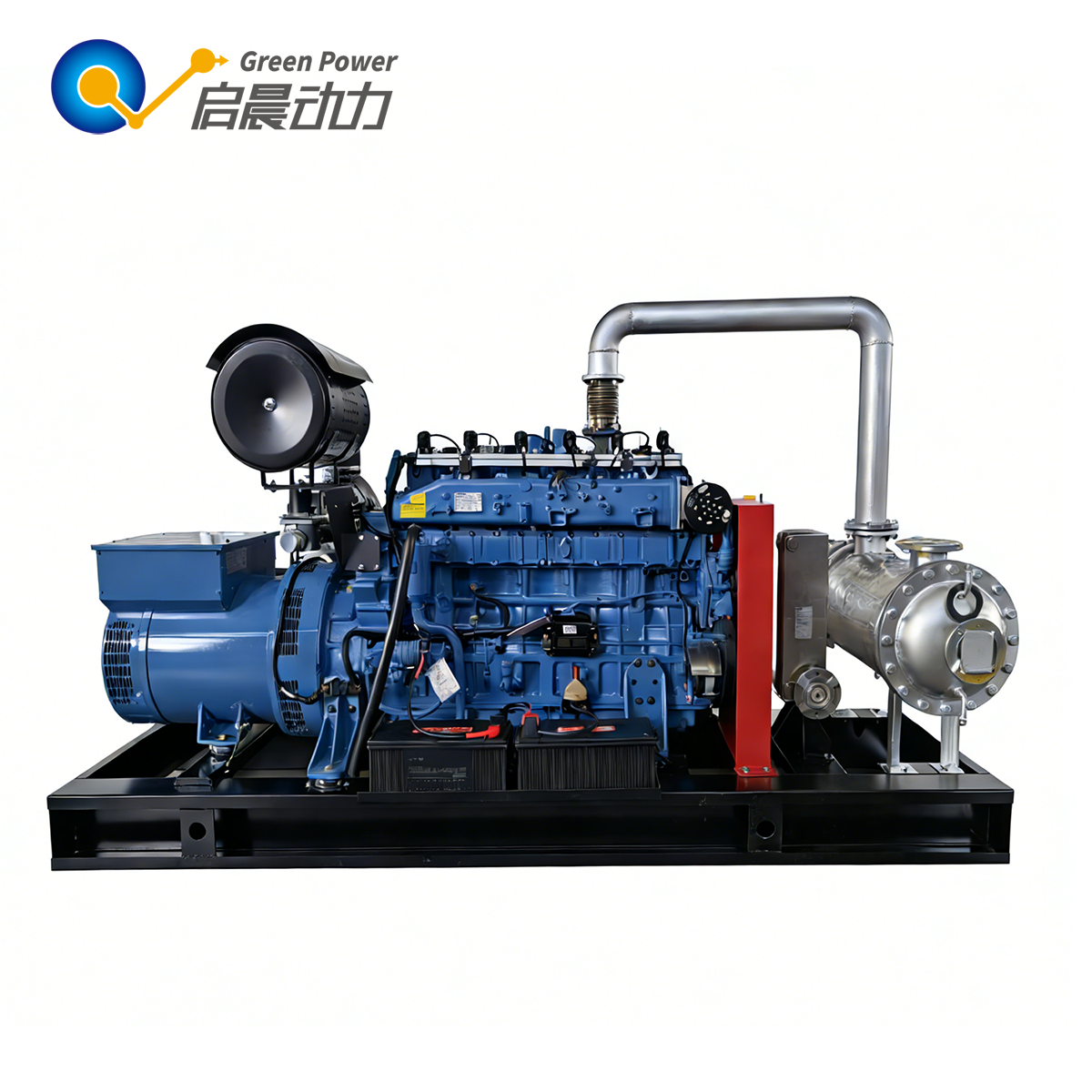
Gas combined heat and power (CHP) is an efficient energy system that simultaneously generates electricity and captures usable heat from a single fuel source, typically natural gas. This integrated technology represents a significant advancement over conventional power generation methods that waste excess heat. The system operates by burning natural gas in an engine or turbine to produce electricity, while the thermal energy normally lost in this process is recovered and utilized for heating applications. Gas combined heat and power systems deliver overall efficiency rates of 70-90 percent, compared to just 45-50 percent for traditional separate heat and power generation. The main functions include on-site electricity production, space heating, water heating, and process heat delivery. Technological features encompass advanced engine or turbine generators, heat recovery units, control systems, and integration capabilities with existing infrastructure. These systems range from small-scale residential units to large industrial installations. Gas combined heat and power applications span diverse sectors including hospitals, universities, manufacturing facilities, hotels, apartment complexes, and commercial buildings. The technology proves particularly valuable where consistent electricity and heating demands coincide, enabling facilities to reduce energy costs while lowering carbon emissions. Modern gas combined heat and power units incorporate sophisticated monitoring and control technologies that optimize performance based on real-time energy demands, ensuring maximum efficiency and reliability across varying operational conditions.

New Product Releases

Investing in gas combined heat and power delivers substantial financial savings by reducing overall energy costs through superior efficiency. You eliminate energy waste by capturing heat that would otherwise escape unused, converting up to 90 percent of fuel into usable energy for your facility. This efficiency translates directly into lower utility bills, with many users experiencing 20-40 percent reductions in total energy expenses. The system provides enhanced energy security by generating power on-site, protecting your operations from grid outages and power quality issues that disrupt productivity. You gain predictable energy costs by reducing dependence on utility rate fluctuations, enabling better budget planning and financial forecasting. Environmental benefits include reduced carbon emissions, with gas combined heat and power systems producing 30-50 percent fewer greenhouse gases compared to separate power and heat generation. This supports corporate sustainability goals and helps meet increasingly stringent environmental regulations. The technology requires minimal space relative to its output capacity, making it suitable for facilities with limited available area. Operational benefits include continuous availability of both electricity and heat, with modern systems offering remote monitoring and automated controls that minimize management burden. Gas combined heat and power systems qualify for various incentives, tax credits, and accelerated depreciation programs that improve return on investment. Maintenance requirements remain manageable with predictable service schedules, while system lifespan typically extends 20-25 years with proper care. The flexibility to scale systems according to specific facility needs ensures you pay only for the capacity required, avoiding oversized equipment expenses. Quick installation periods minimize disruption to ongoing operations, allowing rapid realization of efficiency benefits.

Practical Tips

Natural Gas Generator Emissions Standards: NOx, CO, and How to Stay Compliant

11

May

Natural Gas Generator Emissions Standards: NOx, CO, and How to Stay Compliant

A natural gas generator is widely regarded as one of the cleaner options in power generation, but that does not exempt it from emissions regulations. Every natural gas generator operates within a framework of environmental standards that limit the co...
View More
Natural Gas Generator ROI Calculator: Is It the Right Investment for Your Business?

19

May

Natural Gas Generator ROI Calculator: Is It the Right Investment for Your Business?

Deciding whether a natural gas generator is the right investment for your business requires more than a gut feeling. It demands a clear-eyed look at upfront costs, ongoing fuel savings, operational reliability, and how long it takes to recover your c...
View More
How to Select a CHP Gas Generator Supplier: Technical Criteria and Contract Essentials

27

May

How to Select a CHP Gas Generator Supplier: Technical Criteria and Contract Essentials

Choosing the right supplier for a CHP gas generator is one of the most consequential procurement decisions an energy or facilities manager will make. A CHP gas generator combines heat and power production in a single system, meaning the technical dep...
View More
Gas Genset vs. Diesel Genset: Which Delivers Better Total Cost of Ownership?

08

Jun

Gas Genset vs. Diesel Genset: Which Delivers Better Total Cost of Ownership?

When evaluating power generation equipment for industrial, commercial, or backup applications, understanding the full financial picture is essential. The debate between a gas genset and a diesel genset extends far beyond the initial purchase price. T...
View More

Send Us a Message

We'll reply within 24 hours
Email
Mobile Or WhatsApp
Name
Company Name
Message
0/1000

gas combined heat and power

Exceptional Energy Efficiency Performance

Exceptional Energy Efficiency Performance

Gas combined heat and power technology fundamentally transforms how facilities consume energy by simultaneously producing electricity and thermal energy from a single fuel input. Traditional power plants waste approximately 60 percent of energy as heat discharged into the environment, while separate boilers add additional fuel consumption for heating needs. Gas combined heat and power captures this thermal energy and redirects it for productive purposes such as space heating, domestic hot water, or industrial processes. This integrated approach achieves total system efficiencies between 70-90 percent, nearly doubling the useful energy extracted from each unit of natural gas consumed. The efficiency advantage becomes particularly pronounced in facilities with year-round heating requirements, where the captured thermal energy offsets what would otherwise require dedicated boiler fuel consumption. Advanced heat recovery equipment extracts maximum thermal value from exhaust gases and engine cooling systems, ensuring no valuable energy escapes unused. This superior efficiency directly reduces fuel consumption, lowers operating costs, and minimizes environmental impact compared to conventional energy systems that generate heat and power separately.
Reliable On-Site Power Generation

Reliable On-Site Power Generation

Gas combined heat and power systems provide exceptional energy reliability by generating electricity directly at your facility, eliminating vulnerability to grid disruptions that increasingly threaten business continuity. Power outages cost businesses billions annually through lost productivity, damaged equipment, and spoiled inventory. By producing electricity on-site, gas combined heat and power ensures uninterrupted operations during grid failures, storms, or infrastructure problems affecting utility service. The system operates independently of external power sources, functioning as both primary power and automatic backup protection. Modern installations include sophisticated control systems that seamlessly transition between grid-connected and island mode operation without interrupting critical loads. This reliability proves invaluable for facilities that cannot tolerate power interruptions, including hospitals, data centers, manufacturing plants, and emergency services. Beyond outage protection, on-site generation eliminates transmission and distribution losses that consume 5-8 percent of electricity during grid delivery. You receive higher power quality with reduced voltage fluctuations and harmonics that damage sensitive equipment. Gas combined heat and power systems provide predictable, controllable energy supply tailored precisely to your facility's demand patterns, rather than depending on distant generation sources and aging transmission infrastructure.
Significant Environmental Benefits

Significant Environmental Benefits

Gas combined heat and power delivers substantial environmental advantages that support corporate sustainability commitments while reducing regulatory compliance risks. The superior efficiency of gas combined heat and power means less fuel combustion per unit of useful energy delivered, directly translating to lower carbon dioxide emissions. Facilities typically reduce greenhouse gas emissions by 30-50 percent compared to purchasing grid electricity and operating separate boilers. Natural gas combustion produces virtually no sulfur dioxide, minimal particulate matter, and significantly less nitrogen oxides than coal or oil alternatives. Modern gas combined heat and power systems incorporate advanced emission control technologies that further minimize environmental impact while maintaining high performance. As electricity grids in many regions still rely partially on coal generation, on-site gas combined heat and power frequently offers lower emissions than grid power even before accounting for captured thermal energy. This environmental performance helps organizations meet carbon reduction targets, satisfy green building certification requirements, and enhance corporate reputation. Reduced fuel consumption also decreases resource depletion and energy infrastructure burden. The technology supports transition toward cleaner energy systems while delivering immediate emission reductions with proven, commercially available equipment rather than waiting for future grid improvements.

Send Us a Message

We'll reply within 24 hours
Email
Mobile Or WhatsApp
Name
Company Name
Message
0/1000