CHP Cogeneration Systems: Efficient Energy Solutions

Send Us a Message

We'll reply within 24 hours
Email
Mobile Or WhatsApp
Name
Company Name
Message
0/1000

chp cogeneration systems

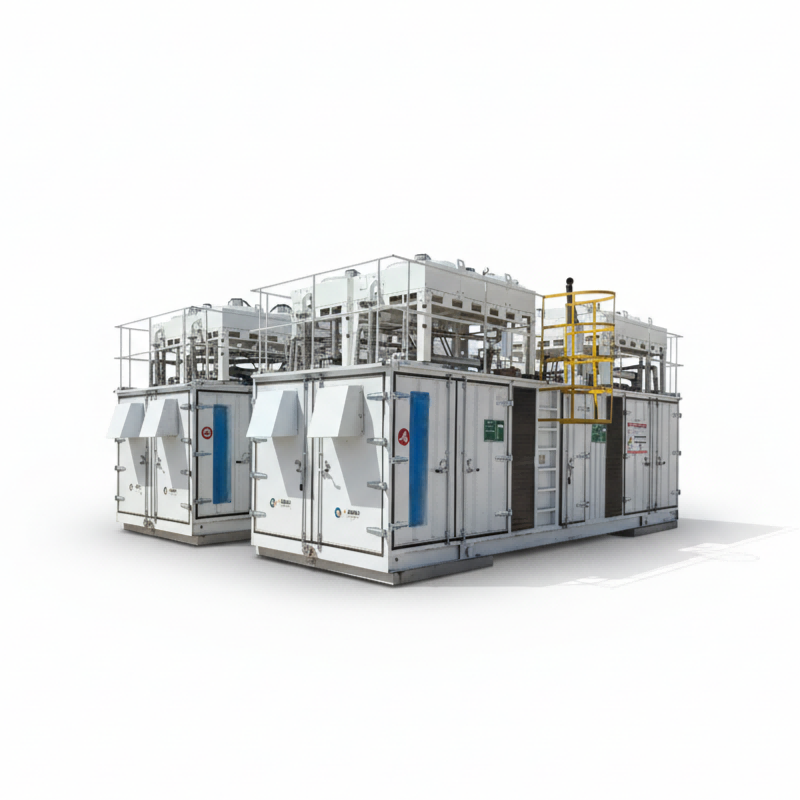
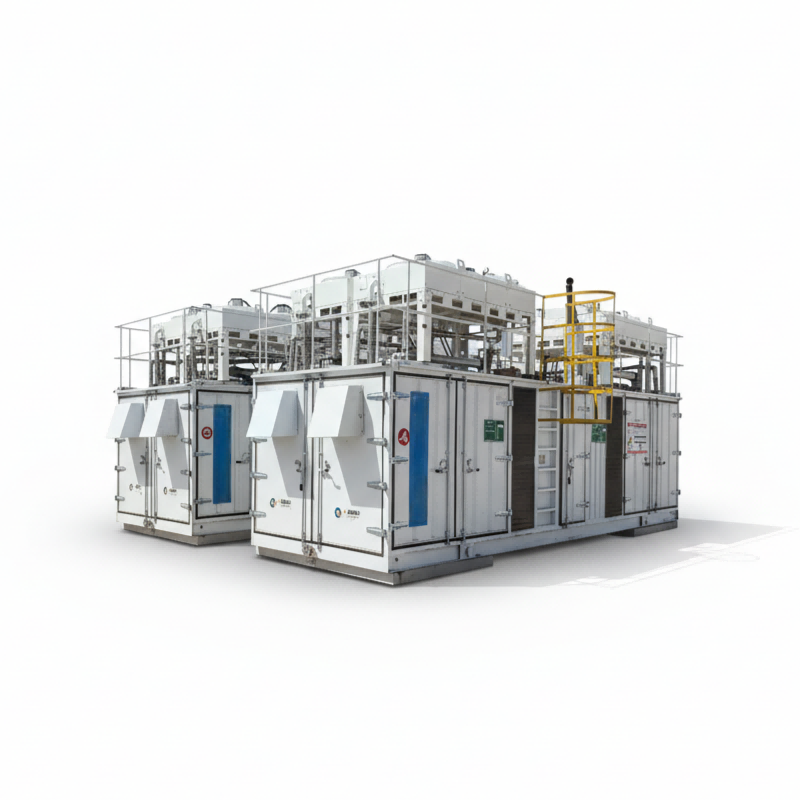
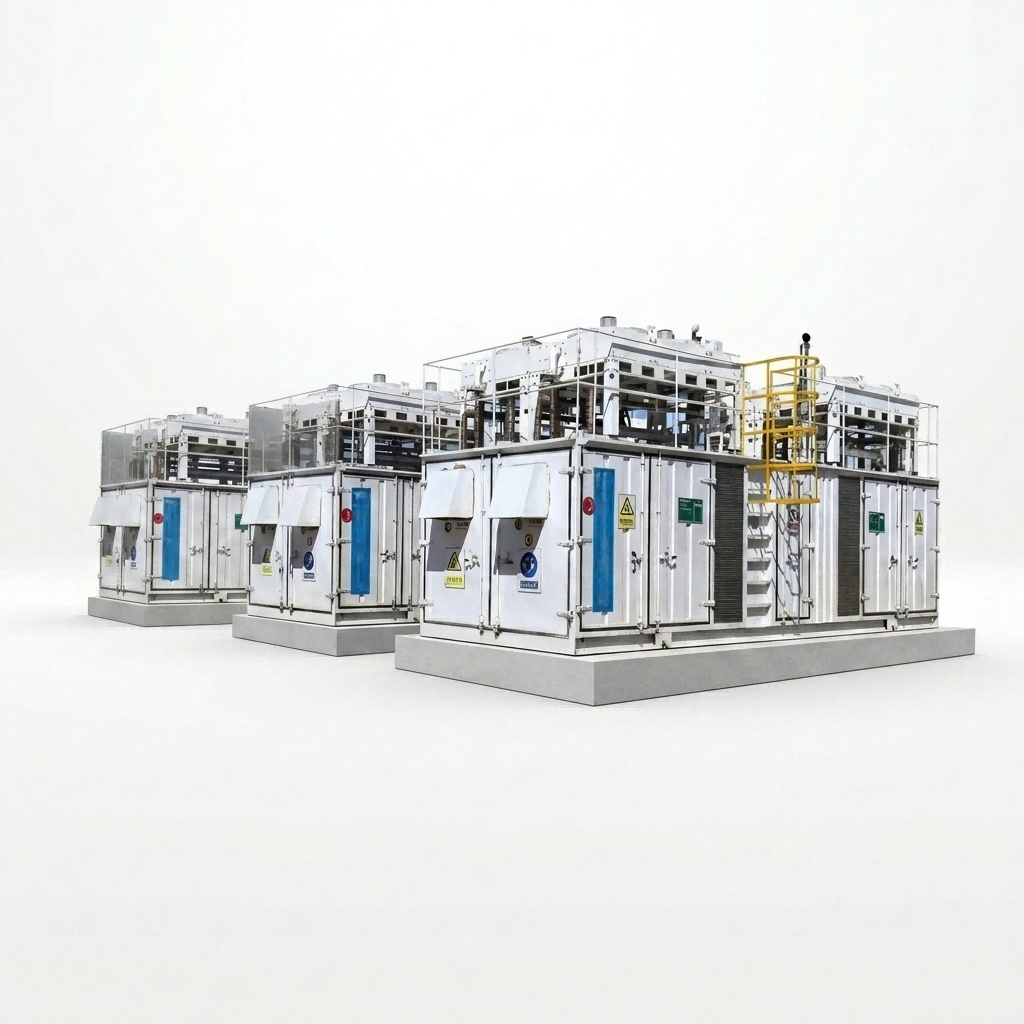
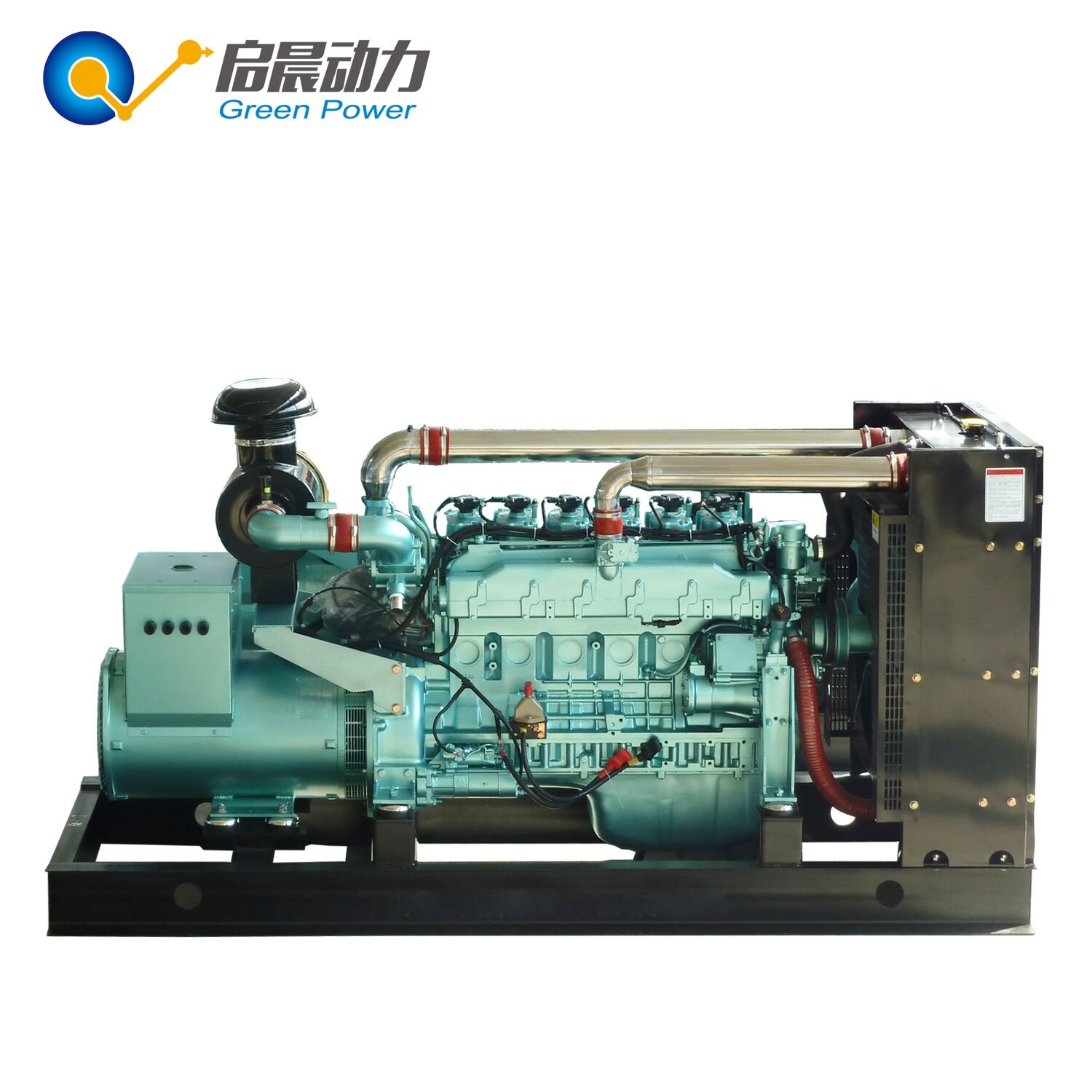
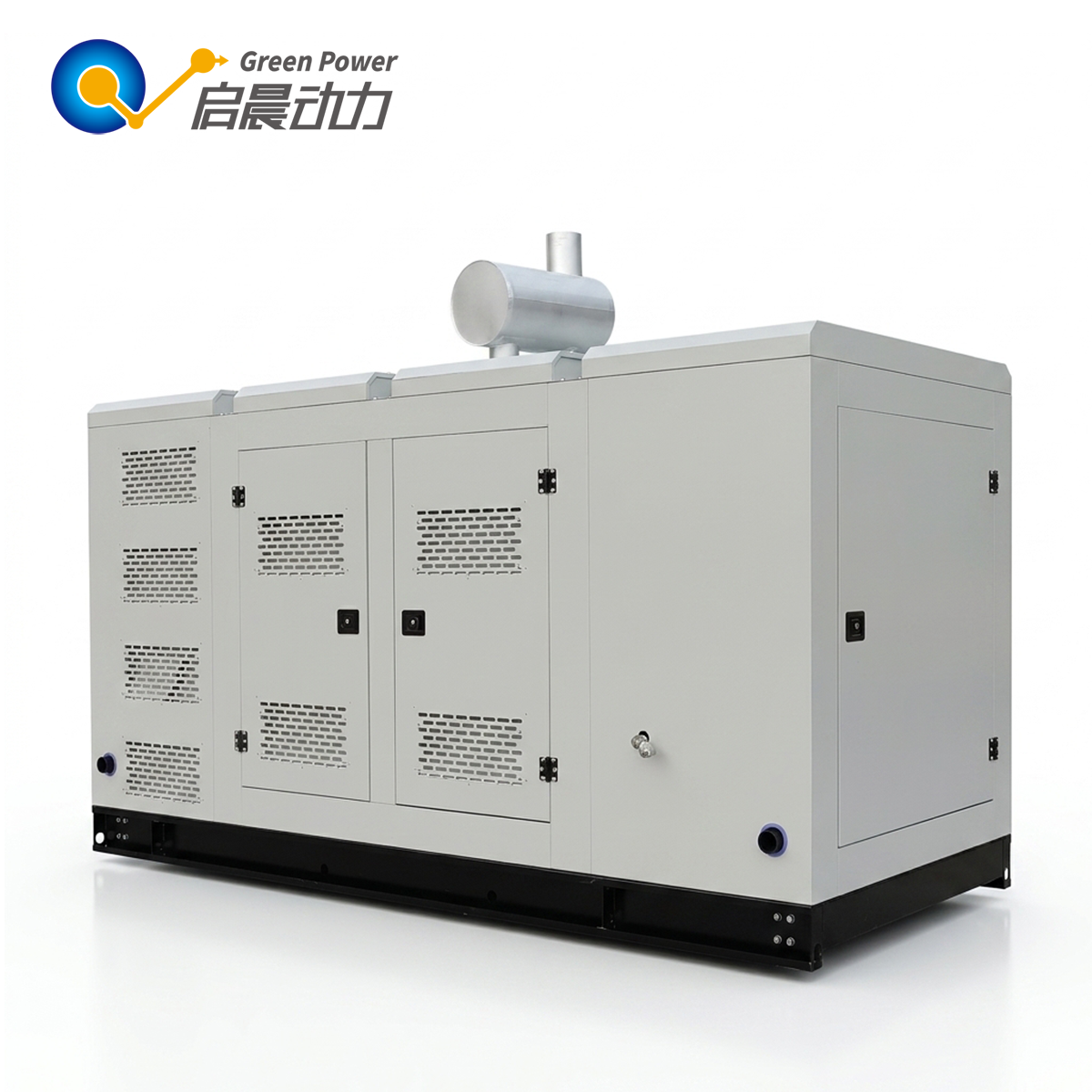
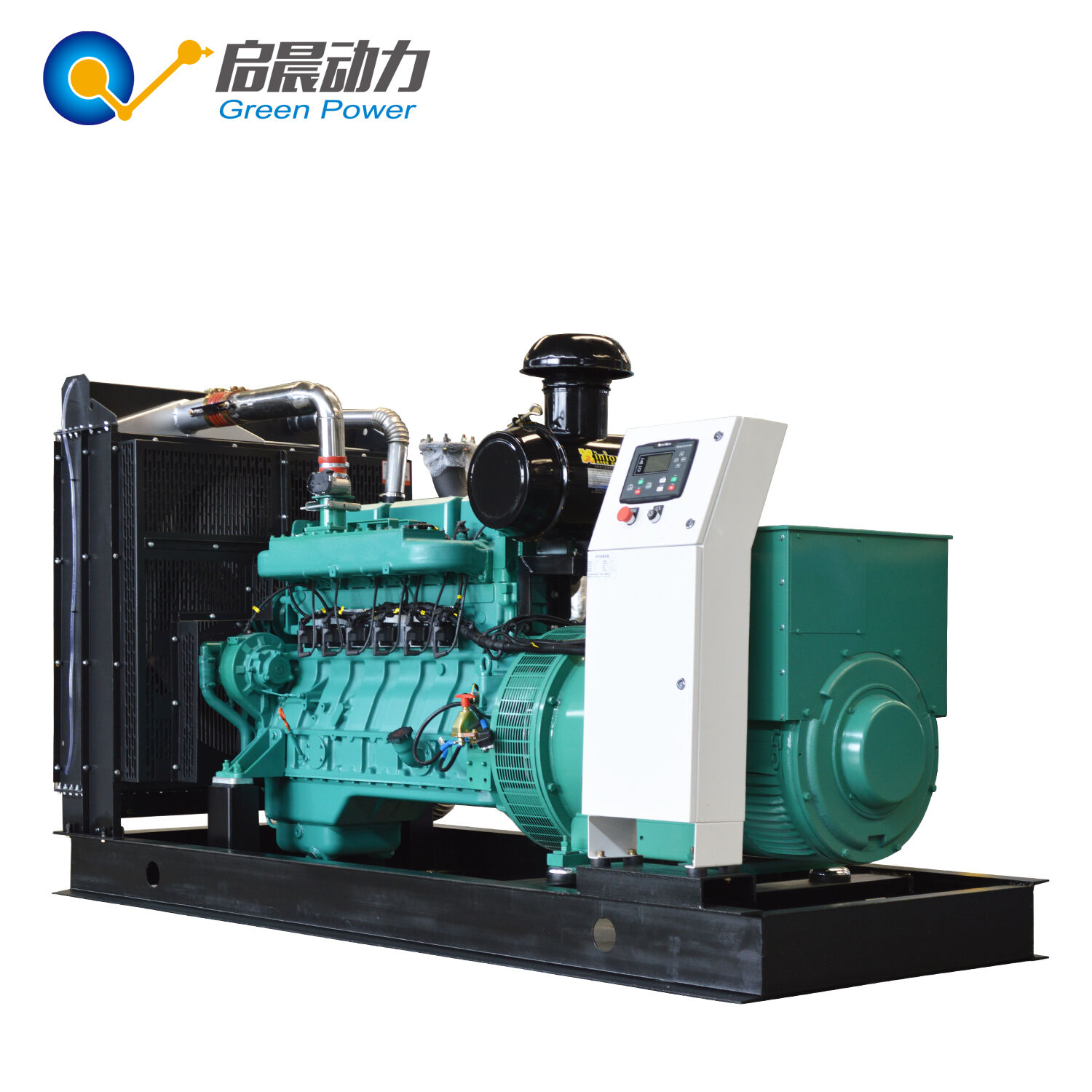
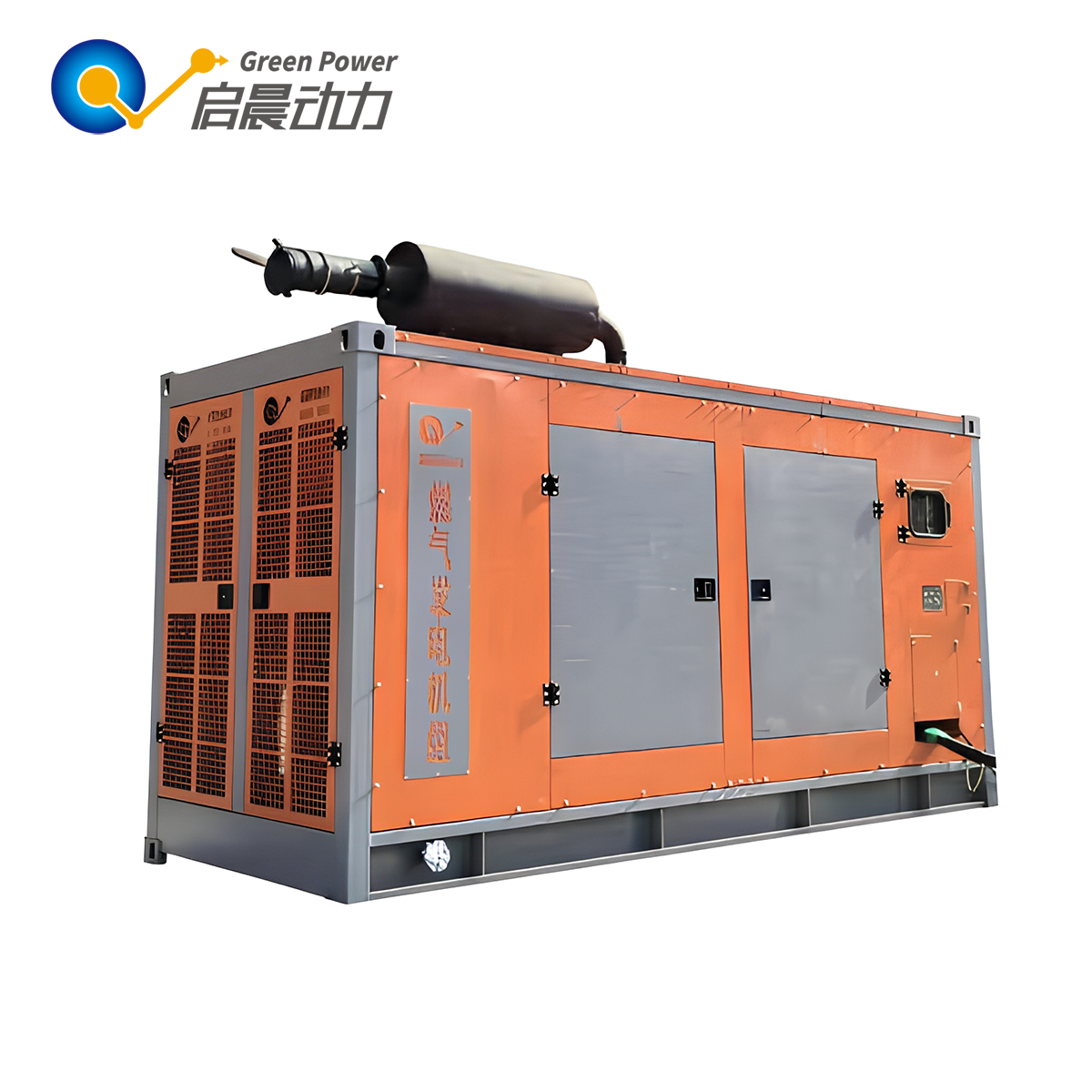
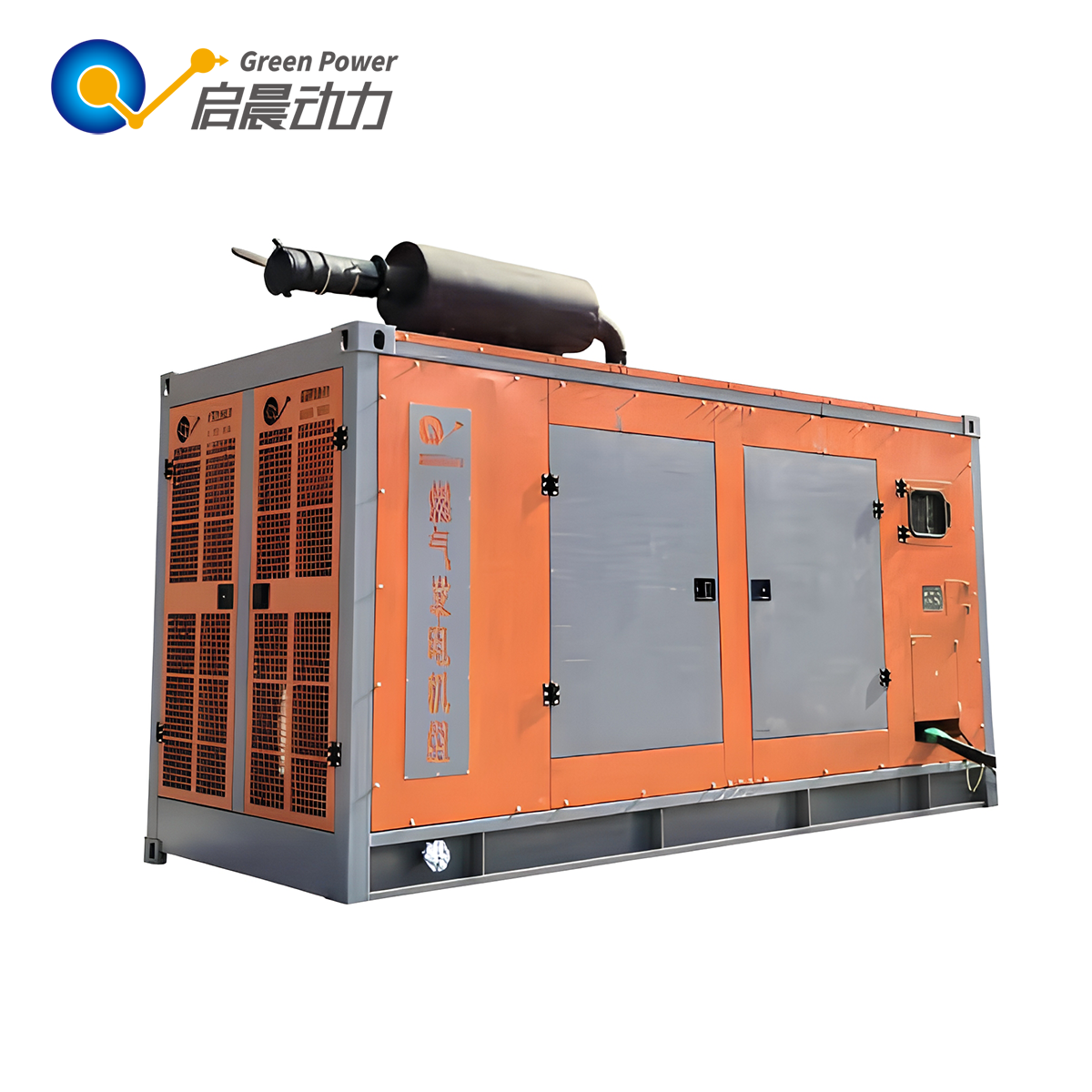
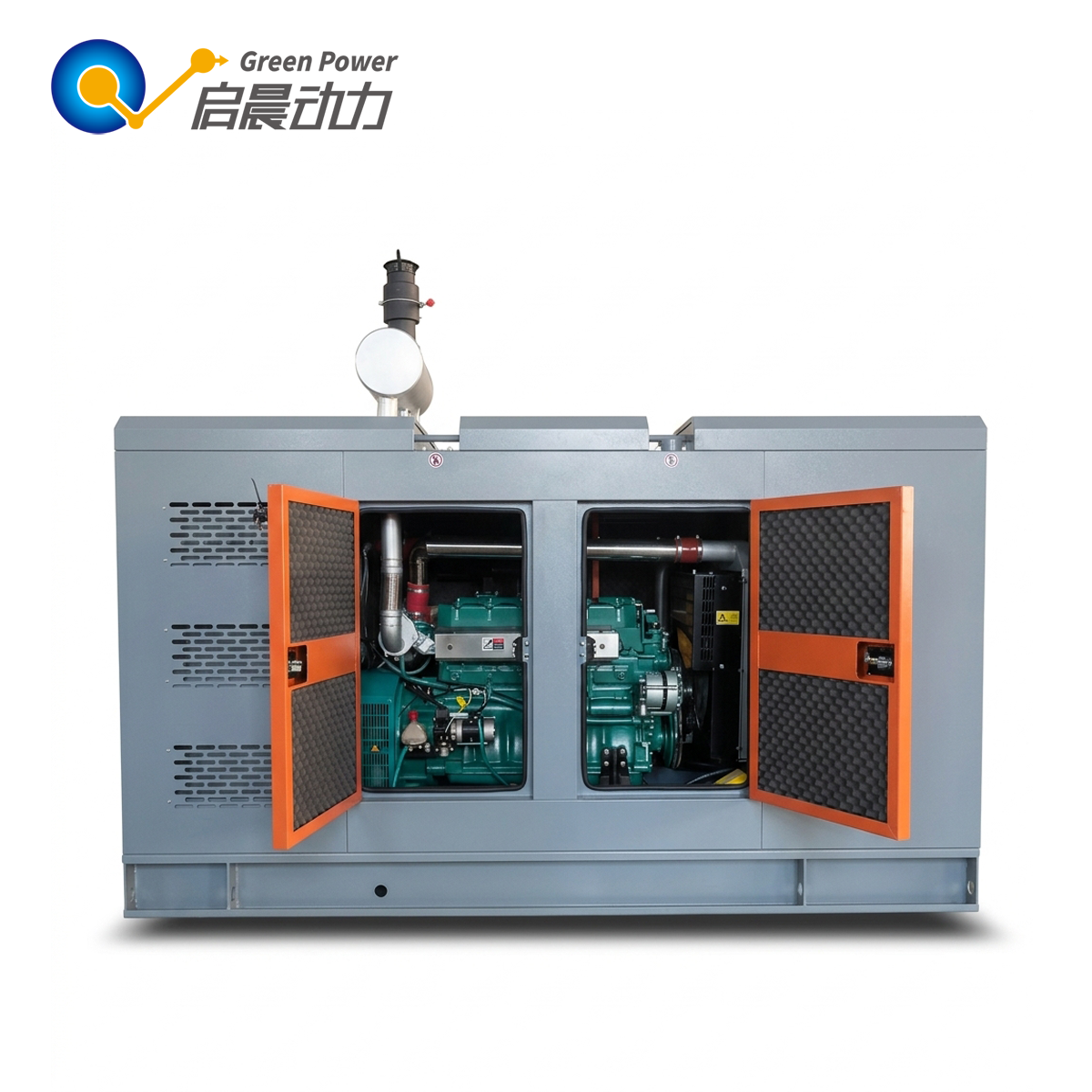
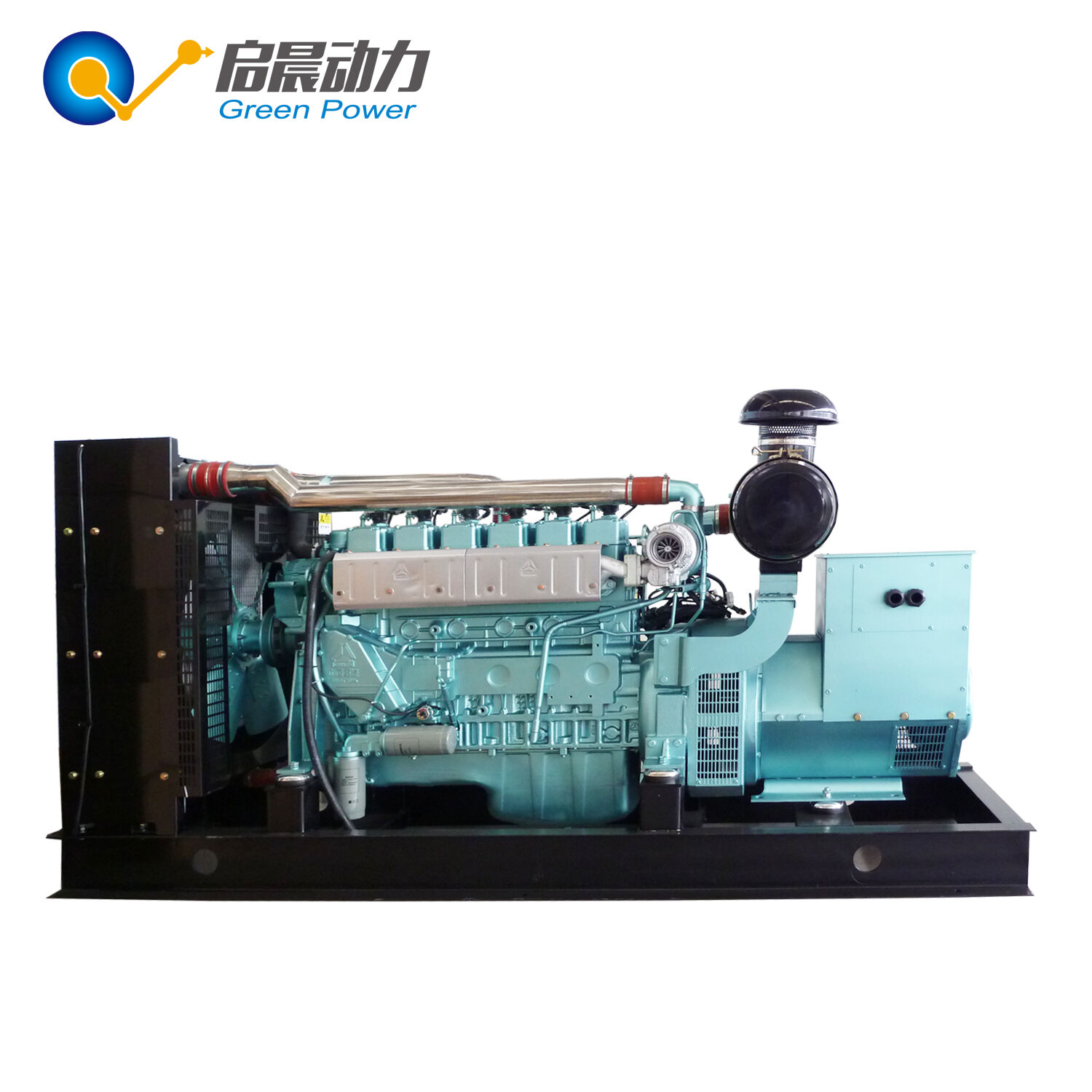
CHP cogeneration systems represent an advanced energy solution that simultaneously produces electricity and captures usable heat from a single fuel source. Unlike conventional power generation that wastes substantial thermal energy, chp cogeneration systems deliver exceptional efficiency by utilizing both power and heat outputs for productive purposes. These integrated systems operate by burning fuel such as natural gas, biogas, or diesel to drive an engine or turbine that generates electricity. The thermal energy produced during this process is then recovered through heat exchangers and redirected for heating applications, hot water production, or industrial processes. CHP cogeneration systems achieve overall efficiency levels of 70-90 percent, significantly surpassing traditional separate heat and power generation methods that typically reach only 45-55 percent efficiency. These systems are scalable, ranging from small units serving individual buildings to large installations powering industrial complexes or district heating networks. Modern chp cogeneration systems incorporate sophisticated control mechanisms that optimize performance based on real-time energy demands, ensuring maximum fuel utilization. The technology proves particularly valuable in facilities with consistent thermal and electrical loads, including hospitals, universities, manufacturing plants, hotels, and commercial complexes. By generating power on-site and capturing waste heat, chp cogeneration systems reduce transmission losses, lower carbon emissions, and provide energy independence while delivering substantial cost savings over extended operational periods.

New Product Recommendations

Investing in chp cogeneration systems delivers multiple practical benefits that directly impact your bottom line and operational efficiency. First and foremost, these systems dramatically reduce energy costs by utilizing up to 90 percent of the fuel energy compared to conventional methods that waste more than half as heat loss. This efficiency translates into lower monthly utility bills and faster return on investment, typically within three to seven years depending on energy prices and usage patterns. The on-site power generation capability provides energy security and independence from grid fluctuations, protecting your operations from power outages and voltage instabilities that can disrupt production or services. CHP cogeneration systems significantly decrease your carbon footprint by consuming less fuel to produce the same energy output, helping you meet sustainability goals and potentially qualify for environmental incentives, tax credits, or green certifications. The dual output of electricity and heat makes these systems ideal for operations requiring both forms of energy simultaneously, eliminating the need to purchase electricity from utilities while separately heating your facility with boilers. Maintenance requirements are straightforward with established service protocols, and modern systems feature remote monitoring capabilities that alert operators to performance issues before they become costly problems. The systems operate reliably for 15-25 years with proper maintenance, providing long-term energy stability and predictable operating costs. For businesses facing rising energy expenses or seeking competitive advantages through operational efficiency, chp cogeneration systems offer a proven solution that pays dividends year after year while reducing environmental impact and enhancing energy resilience.

Practical Tips

LPG Generator for Off-Grid Sites: Why Propane Power Is a Reliable Choice

01

May

LPG Generator for Off-Grid Sites: Why Propane Power Is a Reliable Choice

When power infrastructure is unavailable or unreliable, an LPG generator stands out as one of the most practical and dependable solutions for off-grid sites. Whether the application involves a remote construction camp, an agricultural facility, a min...
View More
LPG Generator Sizing Guide: Matching Output to Your Power Load Requirements

15

May

LPG Generator Sizing Guide: Matching Output to Your Power Load Requirements

Choosing the right LPG generator is one of the most consequential decisions a facility manager, contractor, or business owner can make. An undersized LPG generator will struggle under load, cause voltage instability, and risk equipment damage. An ove...
View More
How to Select a CHP Gas Generator Supplier: Technical Criteria and Contract Essentials

27

May

How to Select a CHP Gas Generator Supplier: Technical Criteria and Contract Essentials

Choosing the right supplier for a CHP gas generator is one of the most consequential procurement decisions an energy or facilities manager will make. A CHP gas generator combines heat and power production in a single system, meaning the technical dep...
View More
Qichen Power APG Generator Solutions for Oilfield and Upstream Applications

22

May

Qichen Power APG Generator Solutions for Oilfield and Upstream Applications

In oilfield and upstream energy environments, reliable on-site power is not a convenience — it is a critical operational requirement. An APG generator addresses this requirement by converting associated petroleum gas — the gas released as...
View More

Send Us a Message

We'll reply within 24 hours
Email
Mobile Or WhatsApp
Name
Company Name
Message
0/1000

chp cogeneration systems

Superior Energy Efficiency and Cost Reduction

Superior Energy Efficiency and Cost Reduction

CHP cogeneration systems deliver unmatched energy efficiency by capturing and utilizing thermal energy that would otherwise be wasted in conventional power generation. While traditional power plants lose approximately 60 percent of energy as waste heat during electricity production, chp cogeneration systems recover this thermal output for productive heating applications, achieving combined efficiency ratings between 70 and 90 percent. This remarkable efficiency directly translates to substantial fuel savings, as you consume significantly less natural gas, biogas, or other fuels to meet your total energy requirements. The economic impact is immediate and measurable through reduced monthly energy expenditures, with many facilities experiencing 30-40 percent decreases in total energy costs. Beyond simple savings, the dual-output nature maximizes the value extracted from every unit of fuel purchased, effectively providing two energy forms for the price of one fuel input. This efficiency advantage becomes even more pronounced during peak demand periods when grid electricity prices spike, as your chp cogeneration systems continue generating power at consistent, predictable costs regardless of external market fluctuations.
Environmental Sustainability and Carbon Footprint Reduction

Environmental Sustainability and Carbon Footprint Reduction

Modern chp cogeneration systems serve as powerful tools for organizations committed to environmental responsibility and carbon emission reduction targets. By maximizing fuel utilization efficiency, these systems inherently consume less primary energy to deliver the same useful output, resulting in proportionally lower greenhouse gas emissions compared to separate heat and power generation. A typical installation can reduce carbon dioxide emissions by 30-50 percent relative to purchasing grid electricity and operating conventional boilers, making chp cogeneration systems one of the most effective available technologies for immediate emissions reduction without sacrificing operational capabilities. This environmental performance helps organizations meet increasingly stringent regulatory requirements, achieve sustainability certifications such as LEED or BREEAM, and demonstrate corporate social responsibility to stakeholders and customers. Many jurisdictions offer financial incentives, grants, or accelerated permitting for chp cogeneration systems due to their recognized environmental benefits, further improving project economics. The systems can also operate on renewable fuels including biogas from waste treatment or landfills, enabling carbon-neutral or even carbon-negative operation while providing reliable baseload power and heat generation for mission-critical applications.
Energy Independence and Operational Reliability

Energy Independence and Operational Reliability

CHP cogeneration systems provide exceptional energy security by generating power directly at the point of use, eliminating dependence on external grid infrastructure and its associated vulnerabilities. This on-site generation capability protects operations from grid outages, brownouts, and transmission failures that can halt production, compromise critical services, or result in costly downtime and lost revenue. Facilities equipped with chp cogeneration systems maintain continuous operation during regional power disruptions, providing competitive advantages and ensuring uninterrupted service delivery for customers and patients. The systems can operate independently in island mode or parallel with the grid, offering flexibility to optimize between cost savings and reliability based on real-time conditions. Advanced control systems automatically manage load distribution, seamlessly transitioning between operating modes without manual intervention or operational interruptions. This reliability proves invaluable for healthcare facilities requiring uninterrupted power for patient care, data centers protecting against information loss, manufacturing operations avoiding production stoppages, and commercial buildings maintaining tenant services. Beyond emergency backup capabilities, chp cogeneration systems deliver power quality advantages including stable voltage and frequency control, protecting sensitive electronic equipment from grid fluctuations that can cause damage or premature failure.

Send Us a Message

We'll reply within 24 hours
Email
Mobile Or WhatsApp
Name
Company Name
Message
0/1000