chp heat power
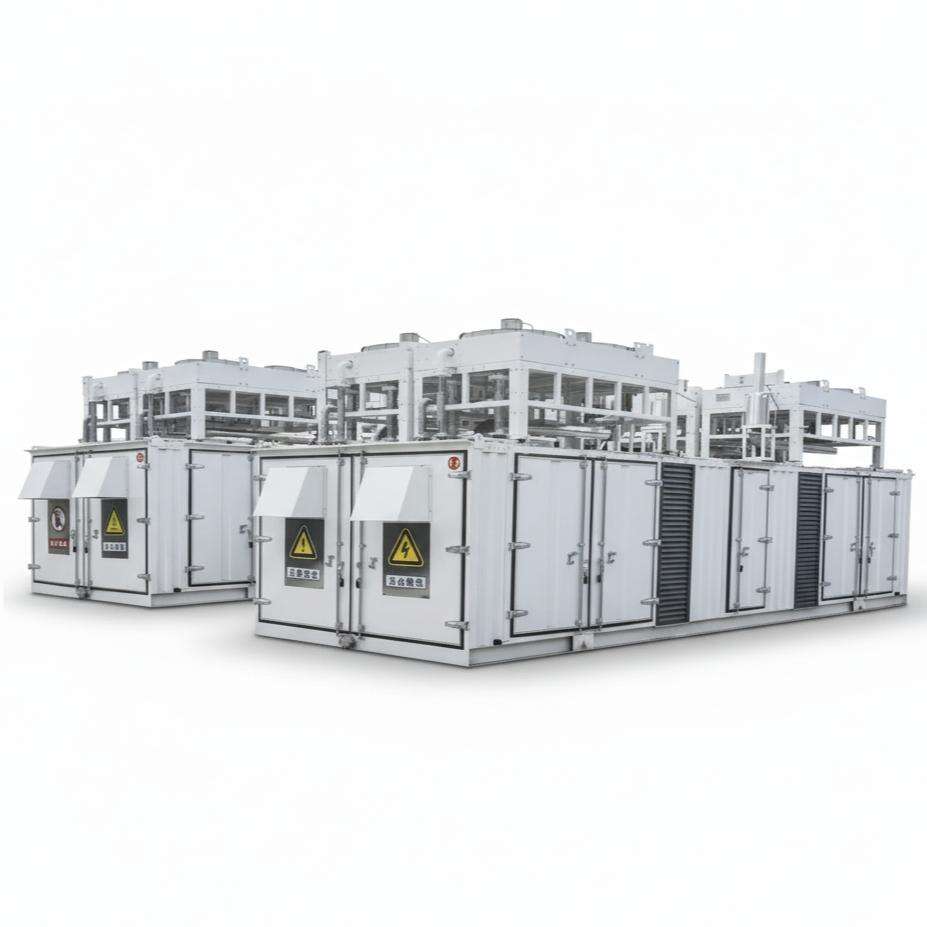
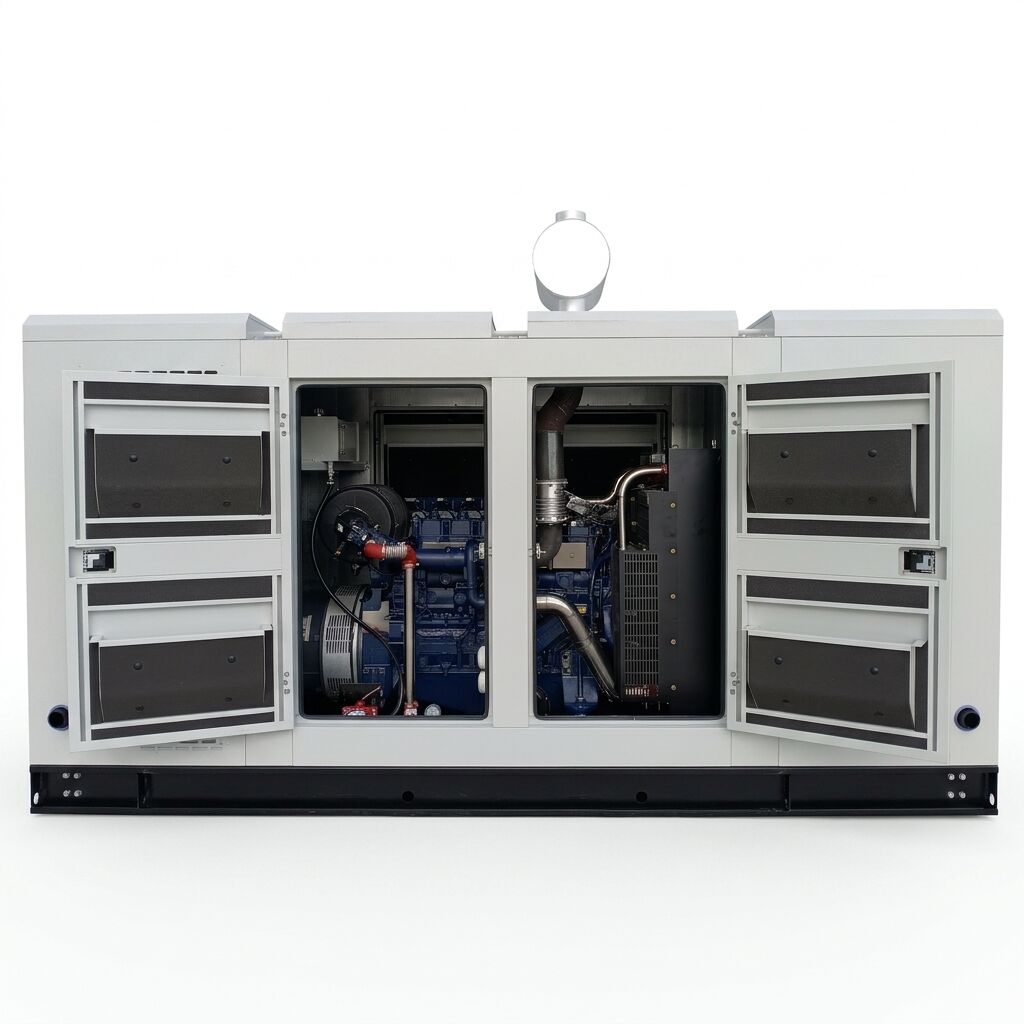
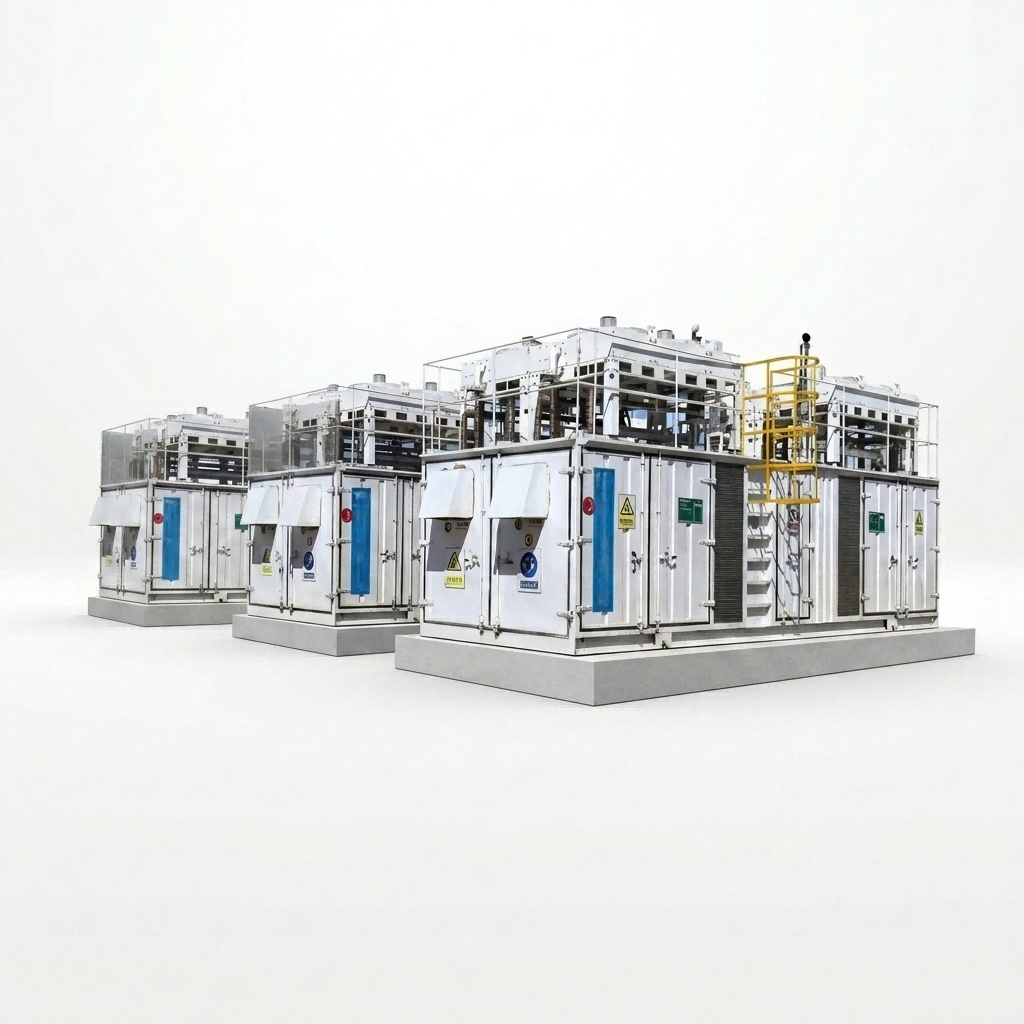
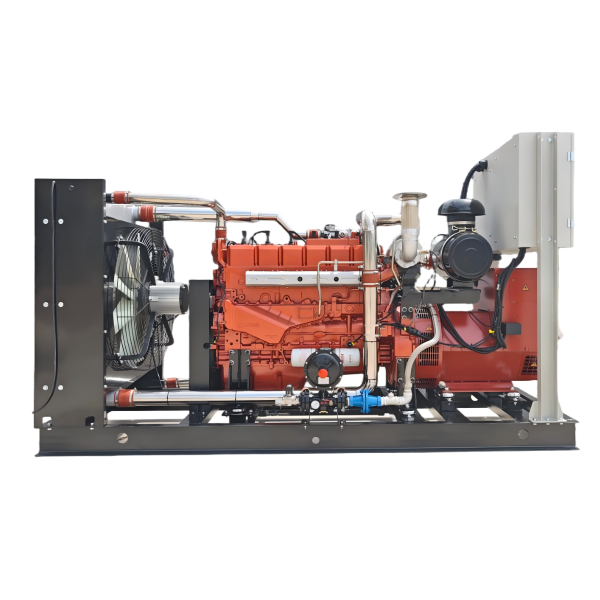
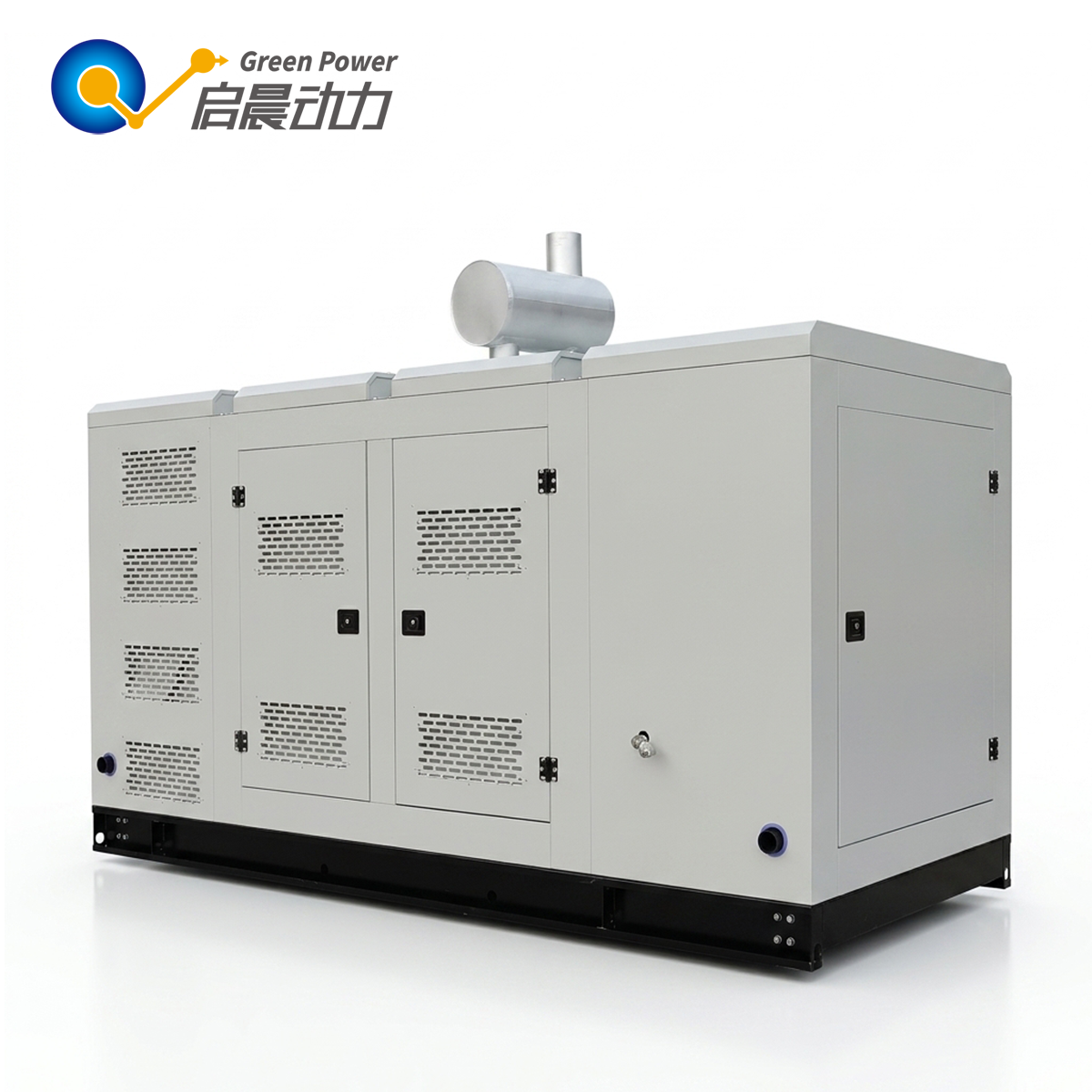
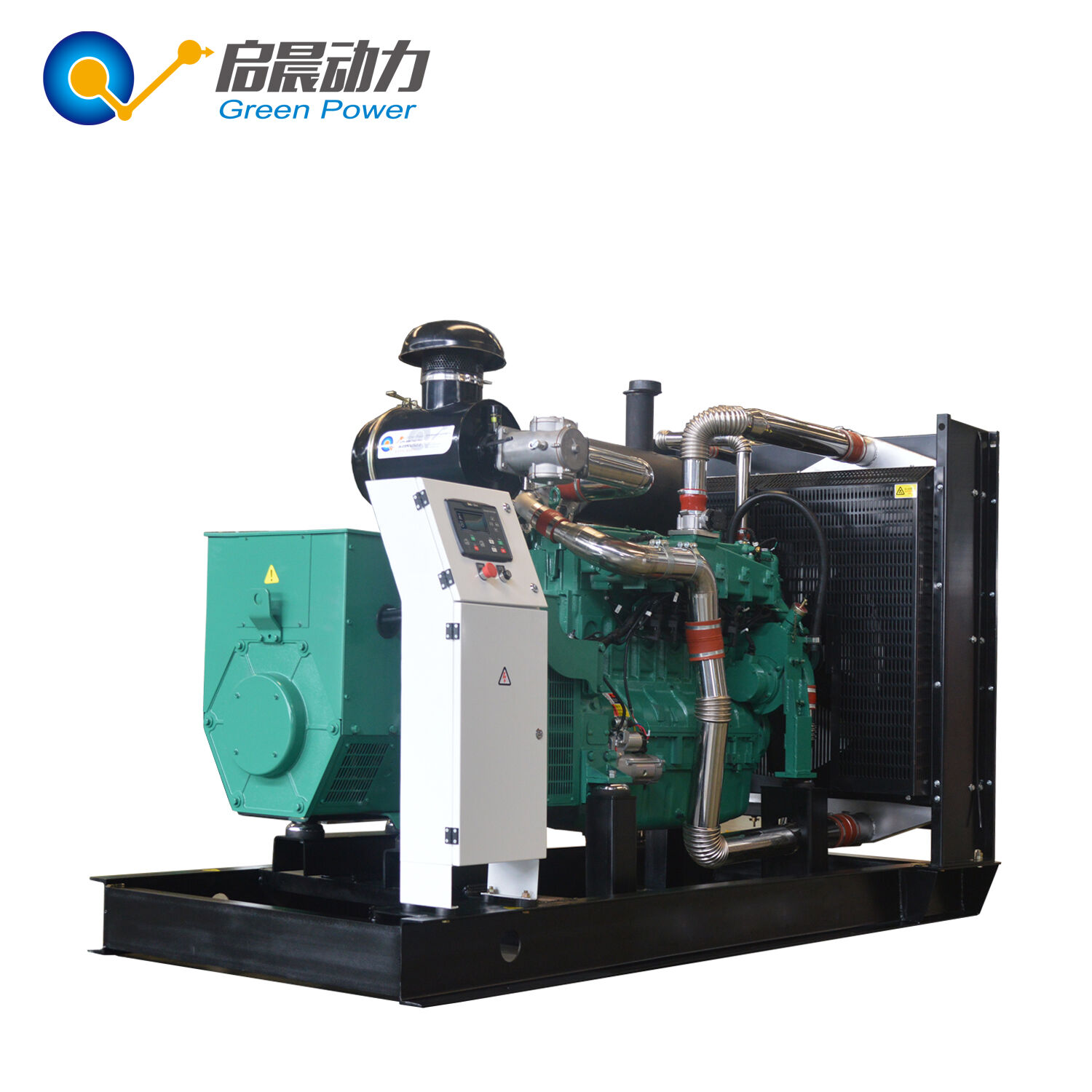
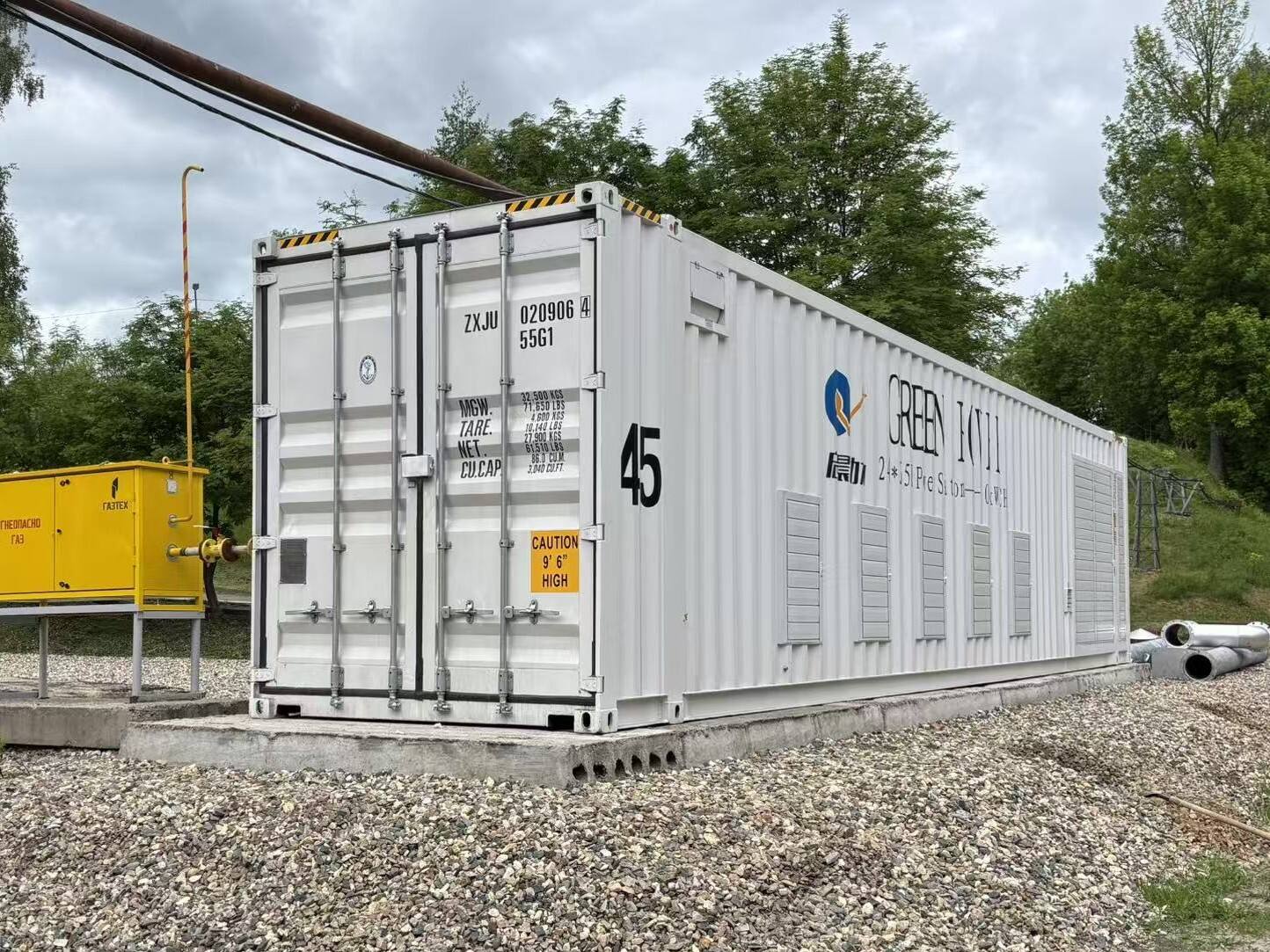
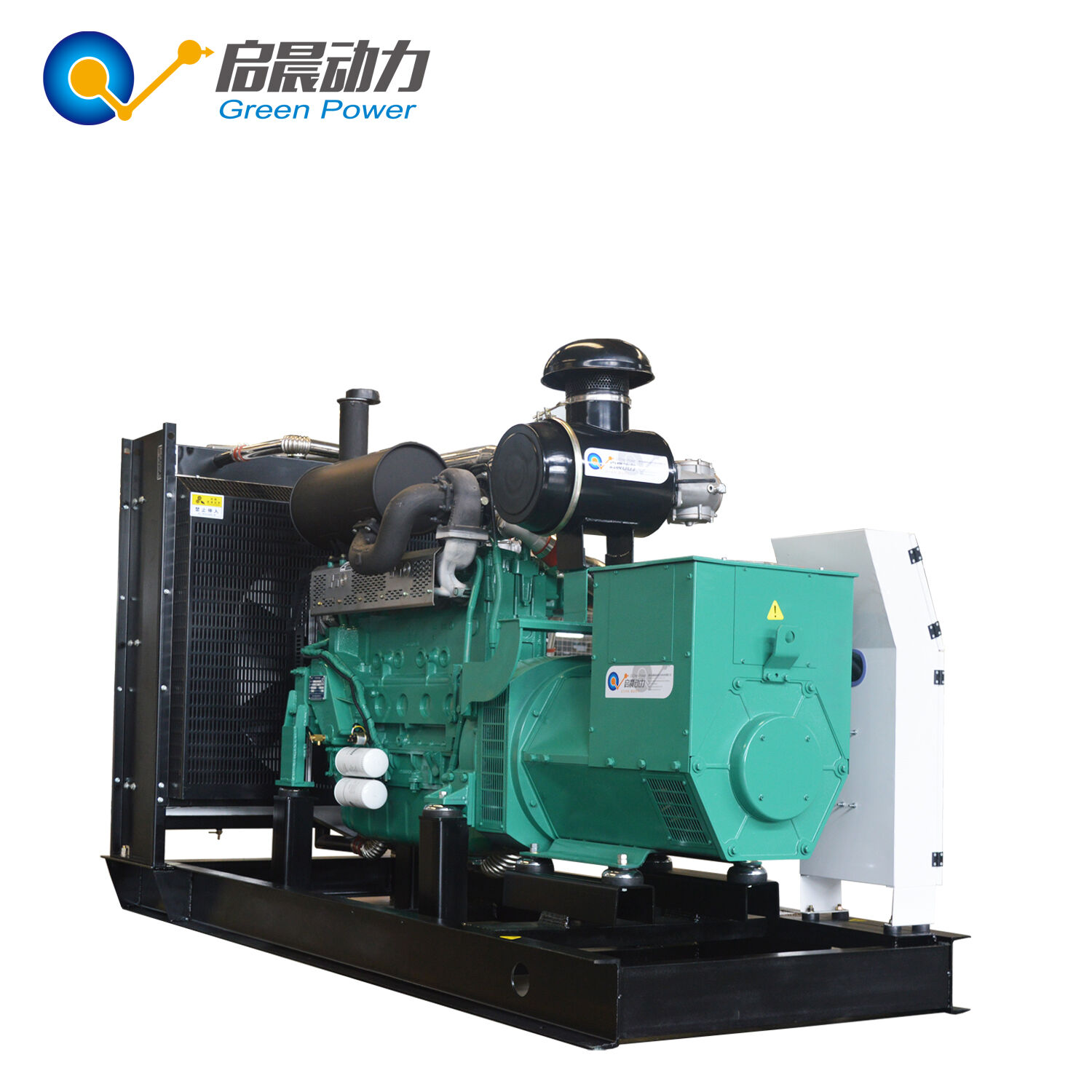
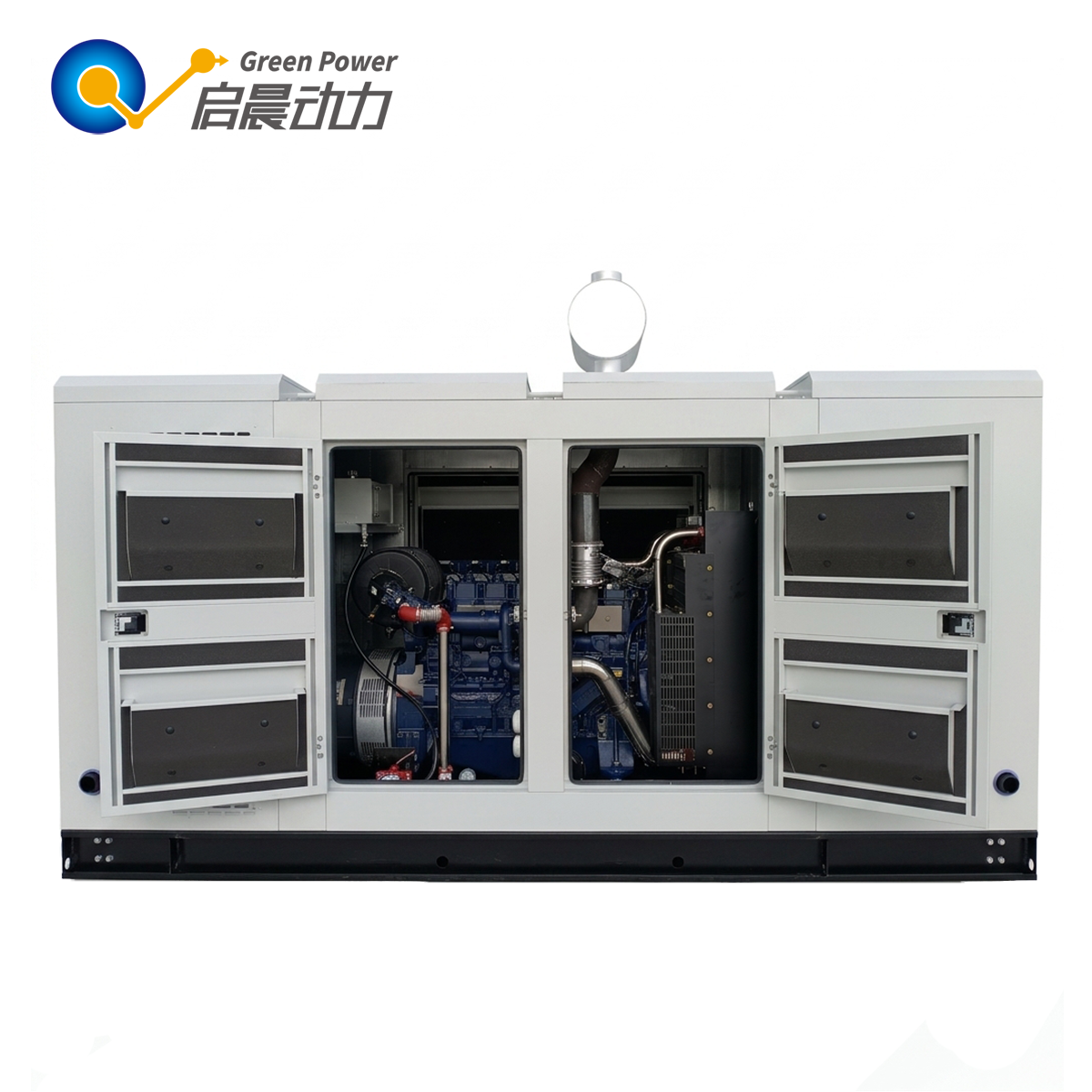
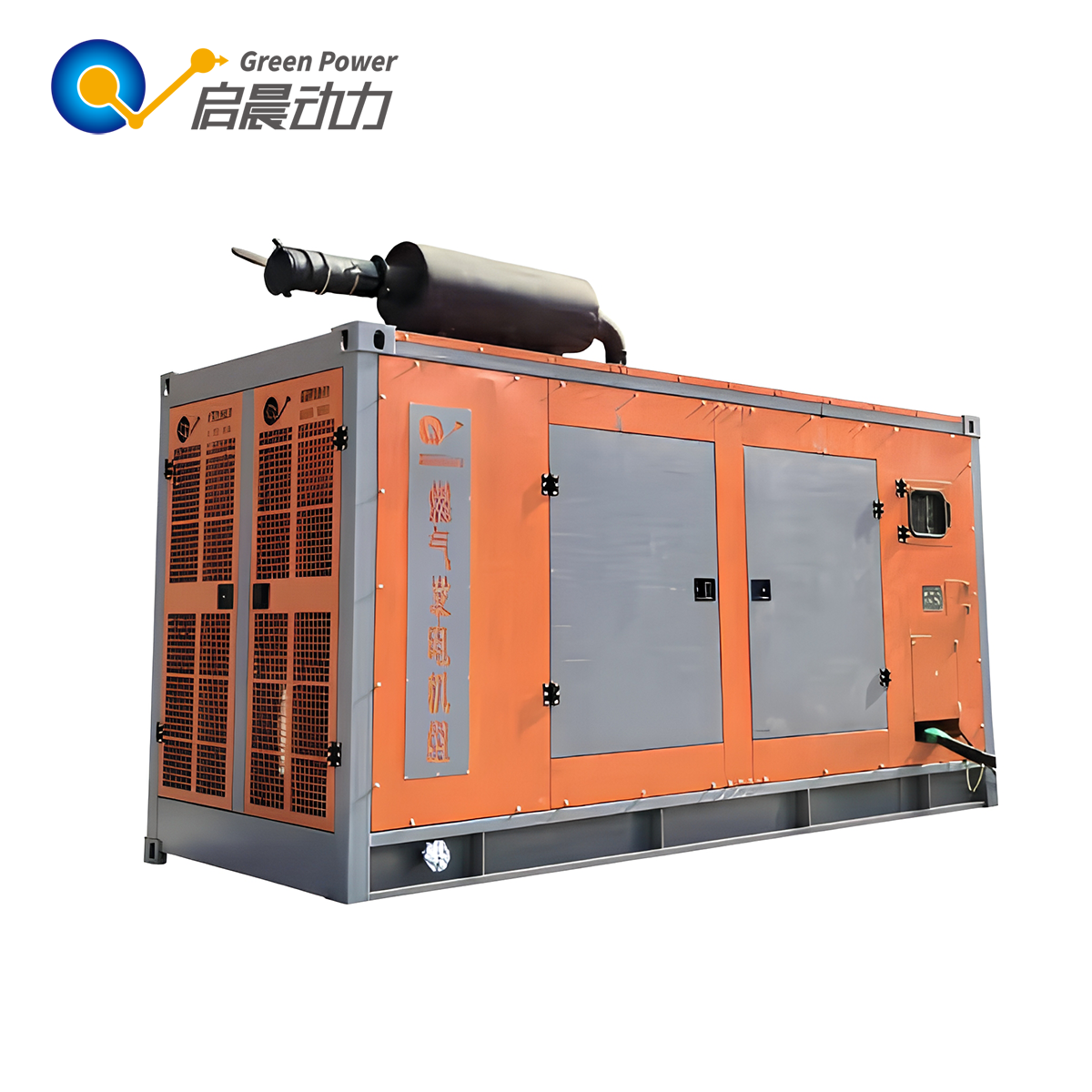
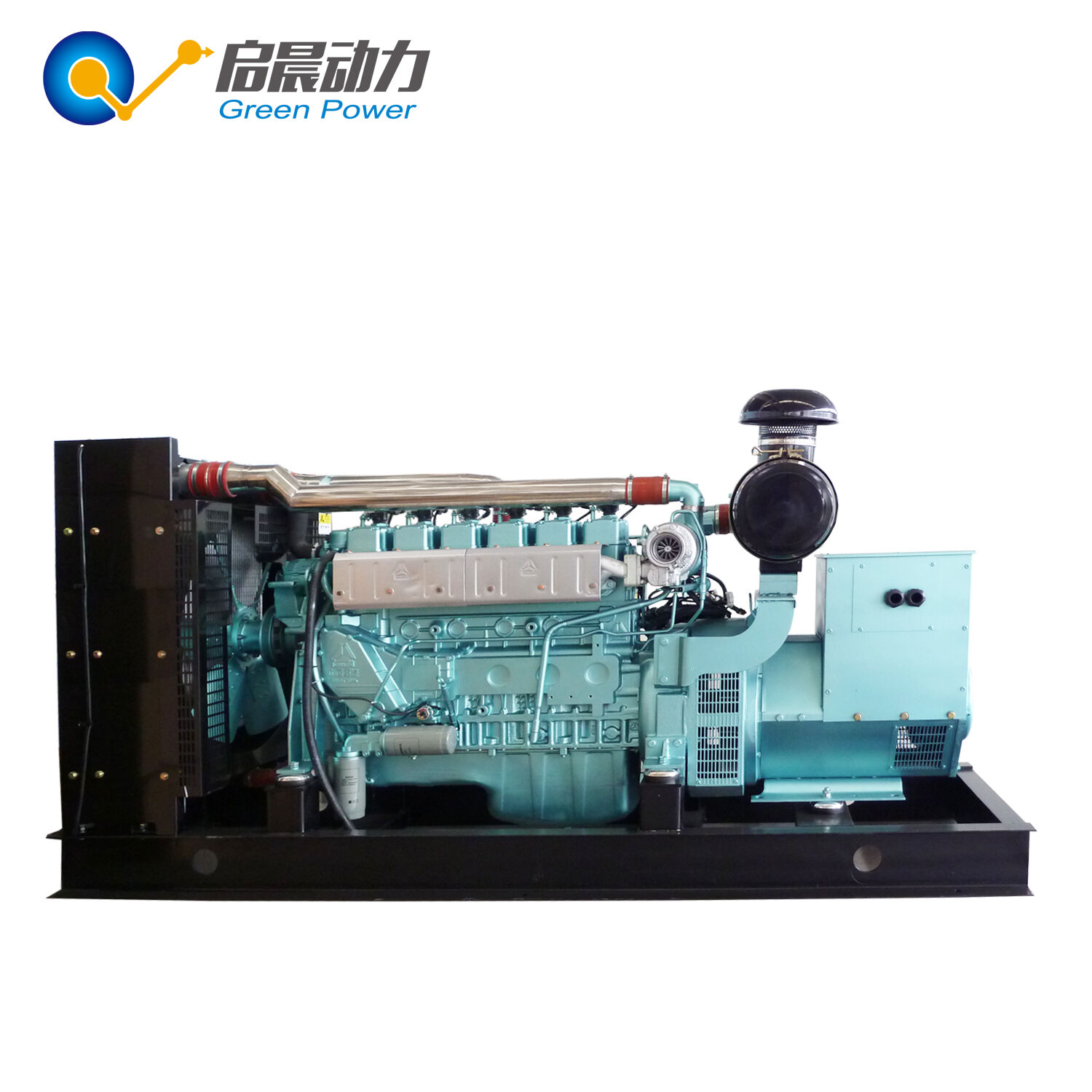
CHP heat power, also known as Combined Heat and Power or cogeneration, is an advanced energy system that simultaneously generates electricity and captures usable heat from a single fuel source. This integrated technology represents a significant leap forward in energy efficiency, converting up to 90 percent of fuel into usable energy compared to conventional systems that waste substantial energy through heat loss. CHP heat power systems operate by burning fuel such as natural gas, biomass, or biogas in an engine or turbine to produce electricity, while the thermal energy normally lost in this process is recovered and used for heating, cooling, or industrial processes. The main functions include on-site power generation, thermal energy production for space heating and hot water, and process heat for manufacturing operations. Technologically, CHP heat power features reciprocating engines, gas turbines, steam turbines, microturbines, and fuel cells as prime movers, each suited to different scales and applications. Modern CHP heat power installations incorporate sophisticated control systems that optimize performance based on real-time energy demands. Applications span diverse sectors including hospitals, universities, hotels, manufacturing facilities, district heating networks, commercial buildings, and industrial plants. The technology proves particularly valuable in facilities with consistent heating and cooling requirements alongside electricity needs. CHP heat power delivers environmental benefits through reduced greenhouse gas emissions and lower overall fuel consumption, making it an essential solution for organizations pursuing sustainability goals while managing energy costs effectively.
 EN
EN