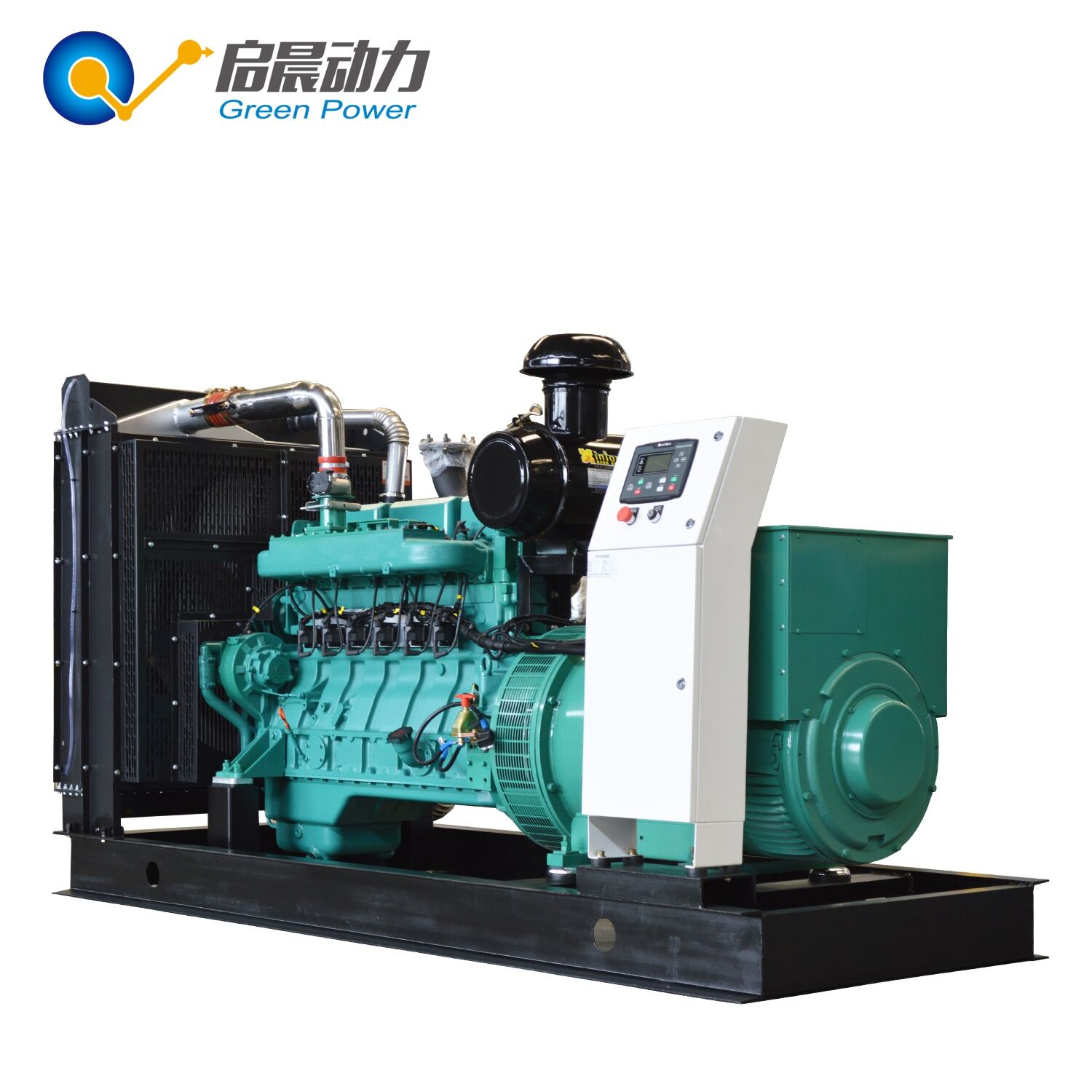
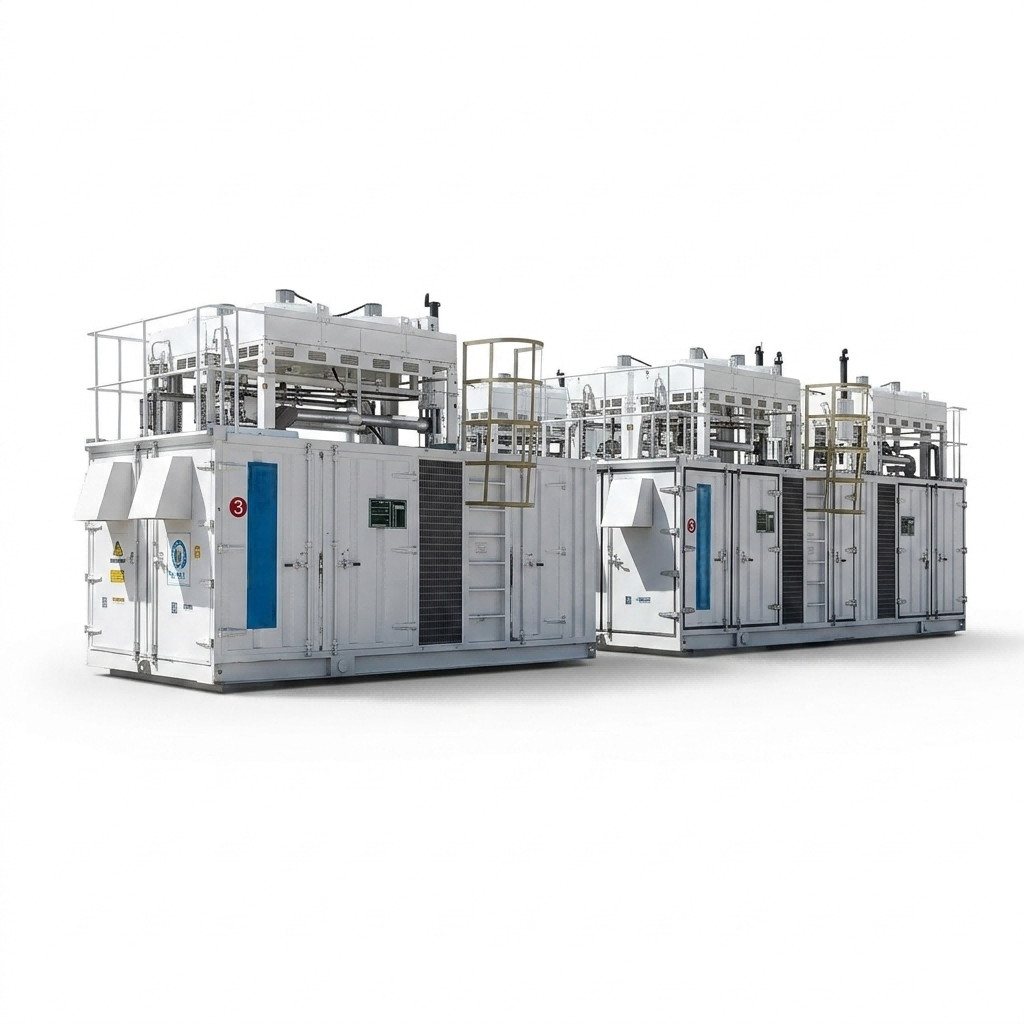
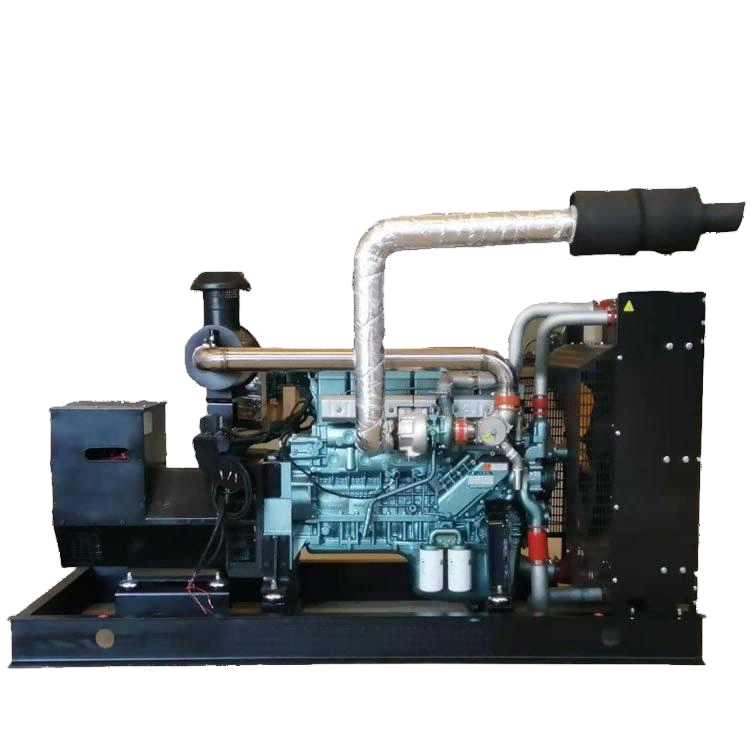
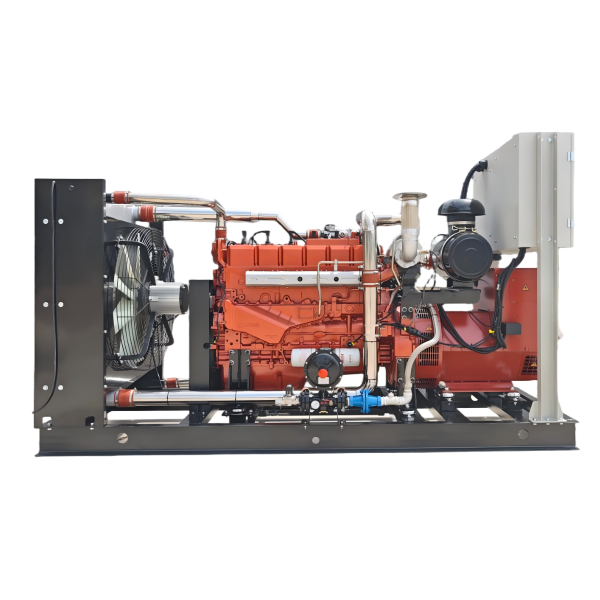
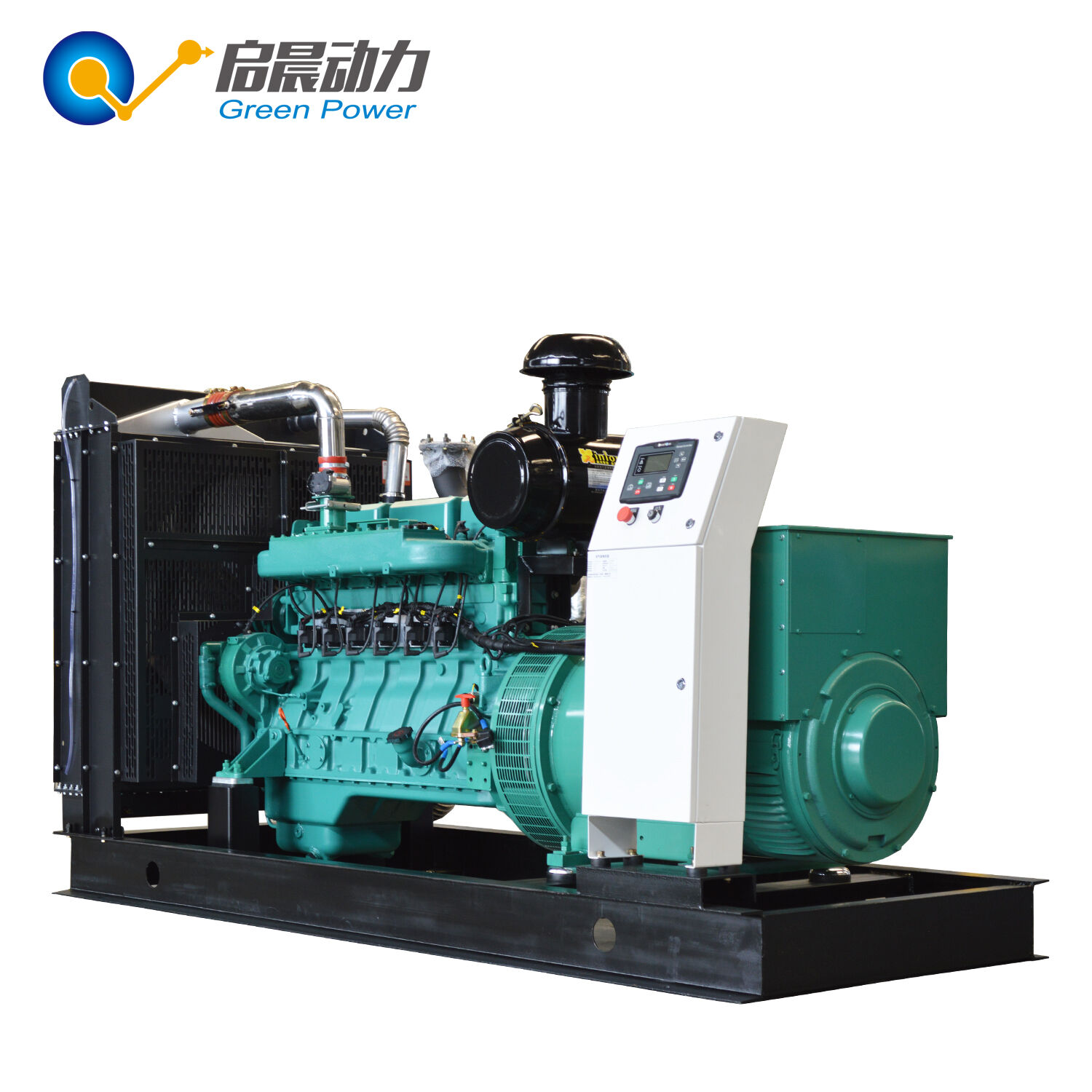
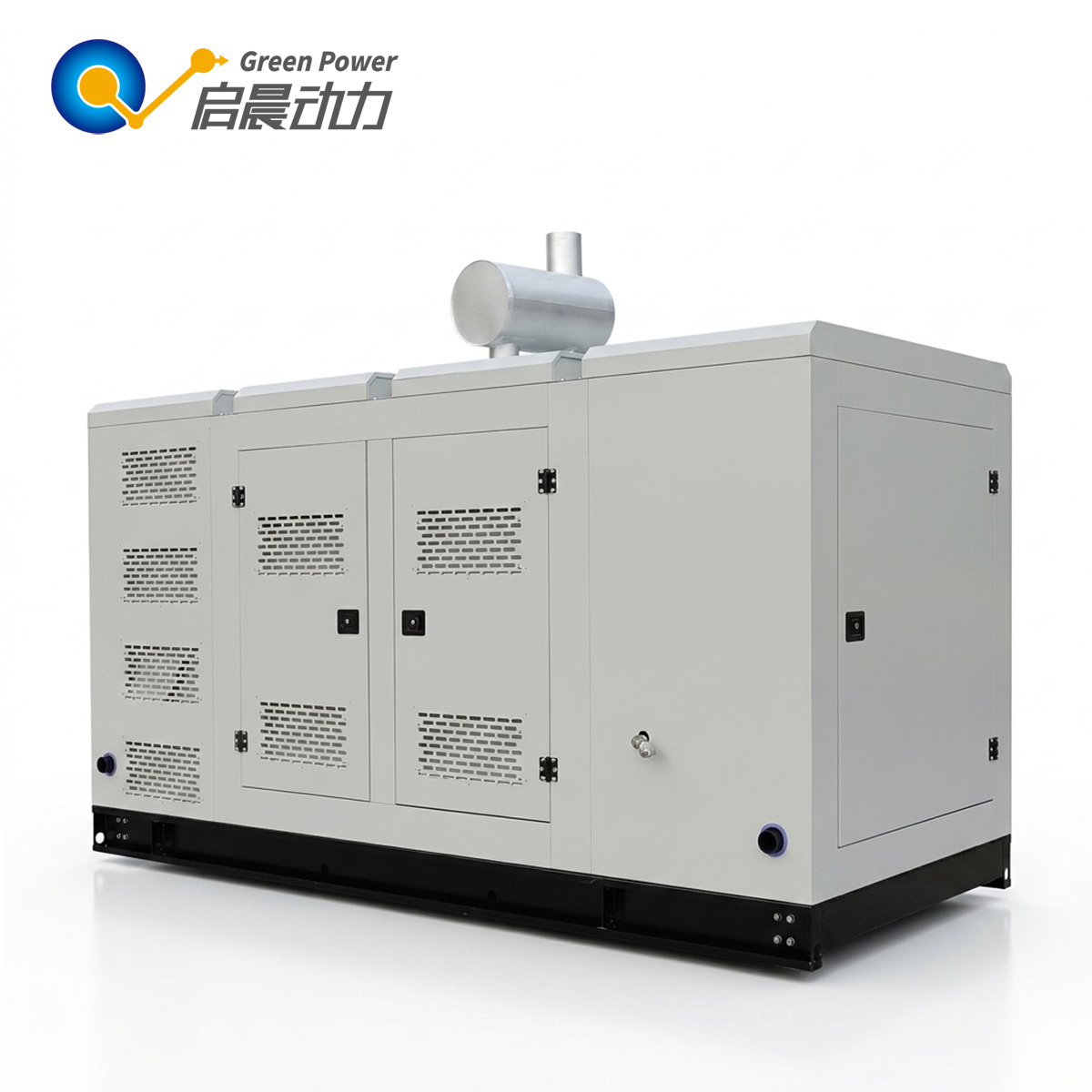
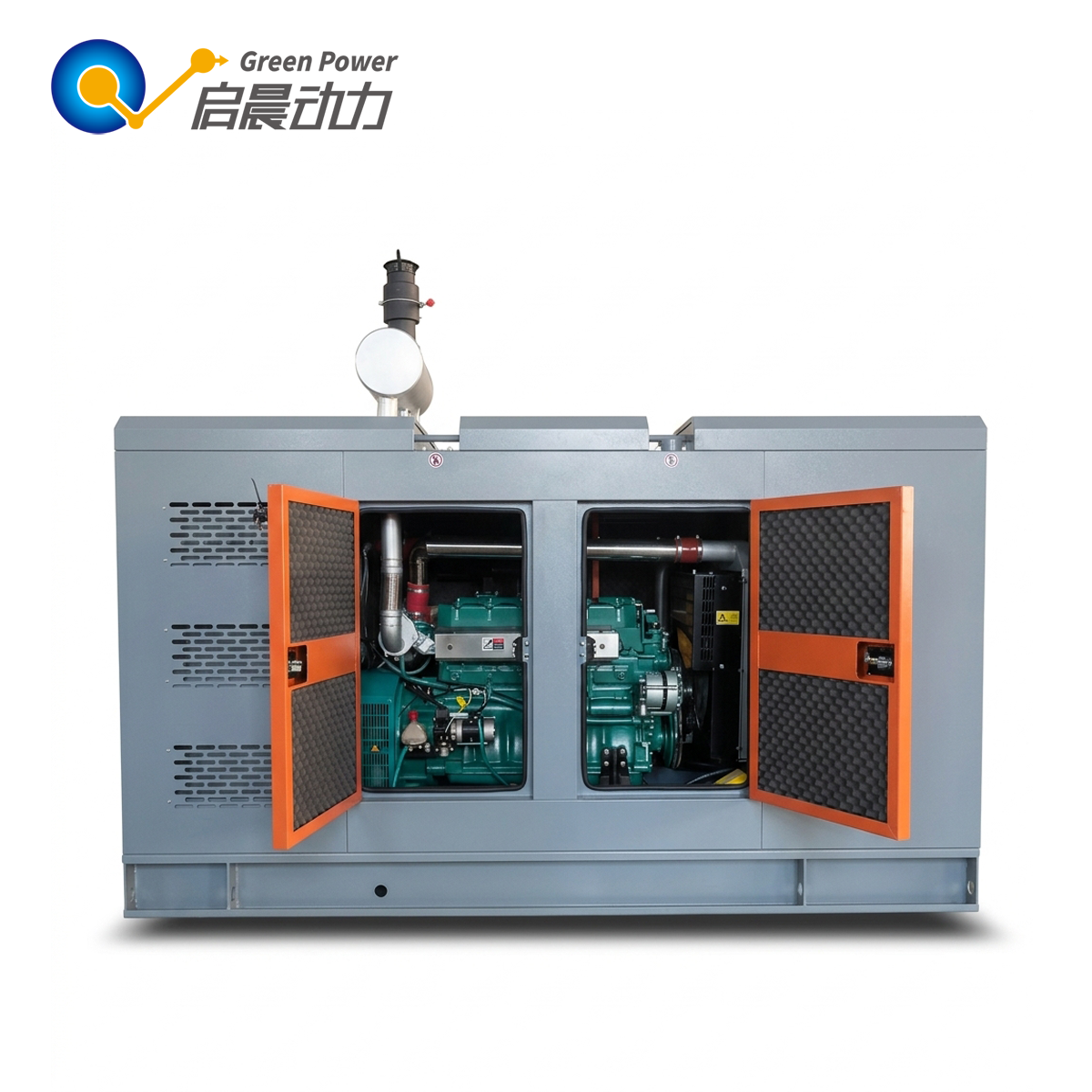
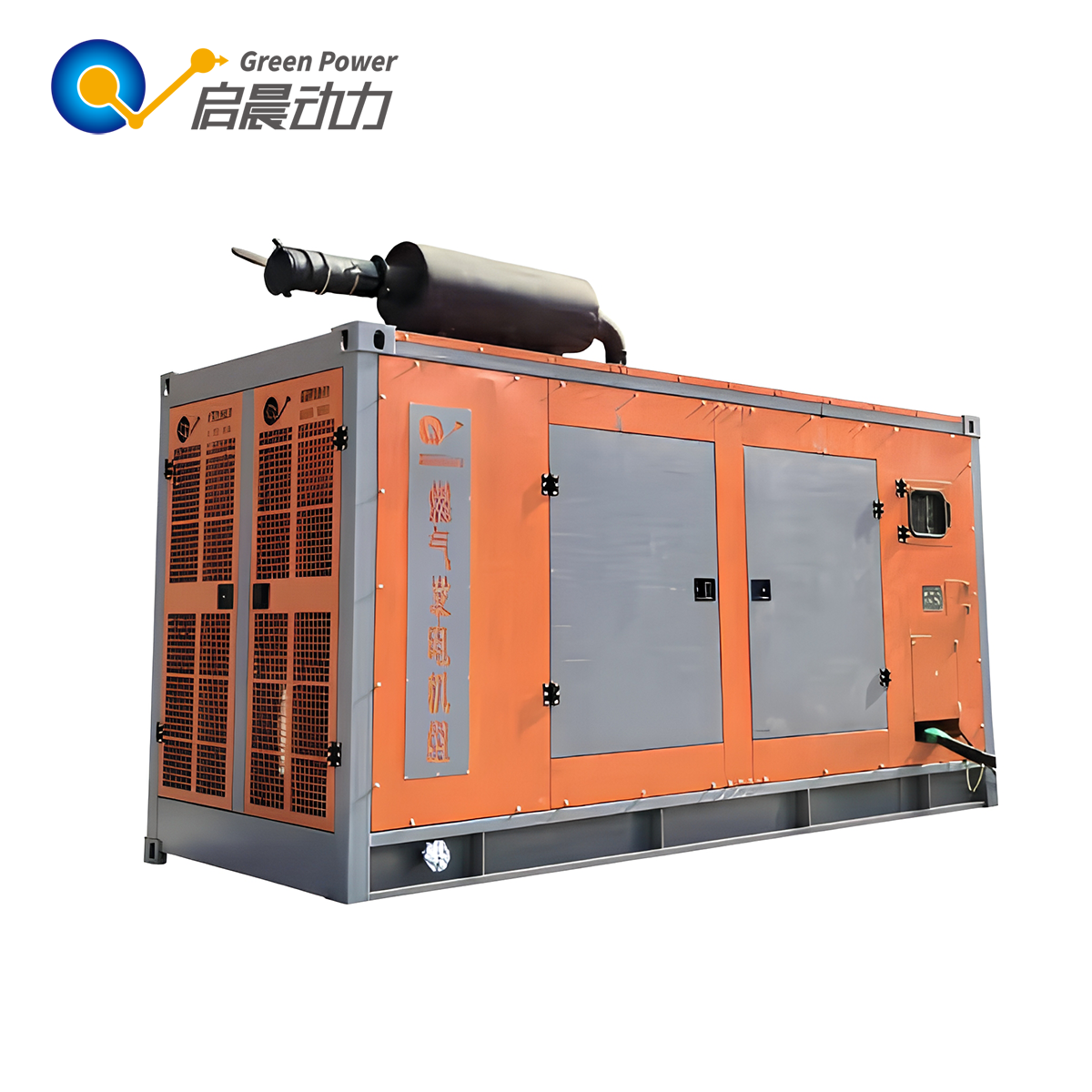
waste heat recovery generator
A waste heat recovery generator is an advanced energy conversion system designed to capture and transform excess thermal energy from industrial processes into usable electricity. This innovative technology addresses the critical challenge of energy waste in manufacturing facilities, power plants, and other heat-intensive operations where substantial amounts of thermal energy are routinely discharged into the atmosphere. The waste heat recovery generator operates by utilizing organic Rankine cycle technology or steam turbine systems to convert low-to-medium grade heat into electrical power, effectively reducing overall energy consumption and operational costs. The main function centers on extracting residual heat from exhaust gases, cooling water, or process streams and channeling it through a thermodynamic cycle that drives turbine-generator assemblies. Technological features include heat exchangers optimized for maximum thermal transfer efficiency, automated control systems that adapt to varying heat source temperatures, and robust construction materials capable of withstanding harsh industrial environments. Applications span diverse sectors including cement manufacturing, steel production, chemical processing, glass furnaces, and combined heat and power installations. The waste heat recovery generator integrates seamlessly with existing infrastructure, requiring minimal modifications to current operations while delivering substantial energy savings. Modern systems incorporate smart monitoring capabilities that track performance metrics in real-time, ensuring optimal efficiency and predictive maintenance scheduling. This technology represents a practical solution for organizations committed to sustainability goals while simultaneously improving their bottom line through reduced energy procurement expenses and enhanced operational efficiency.
 EN
EN