gas cogeneration system
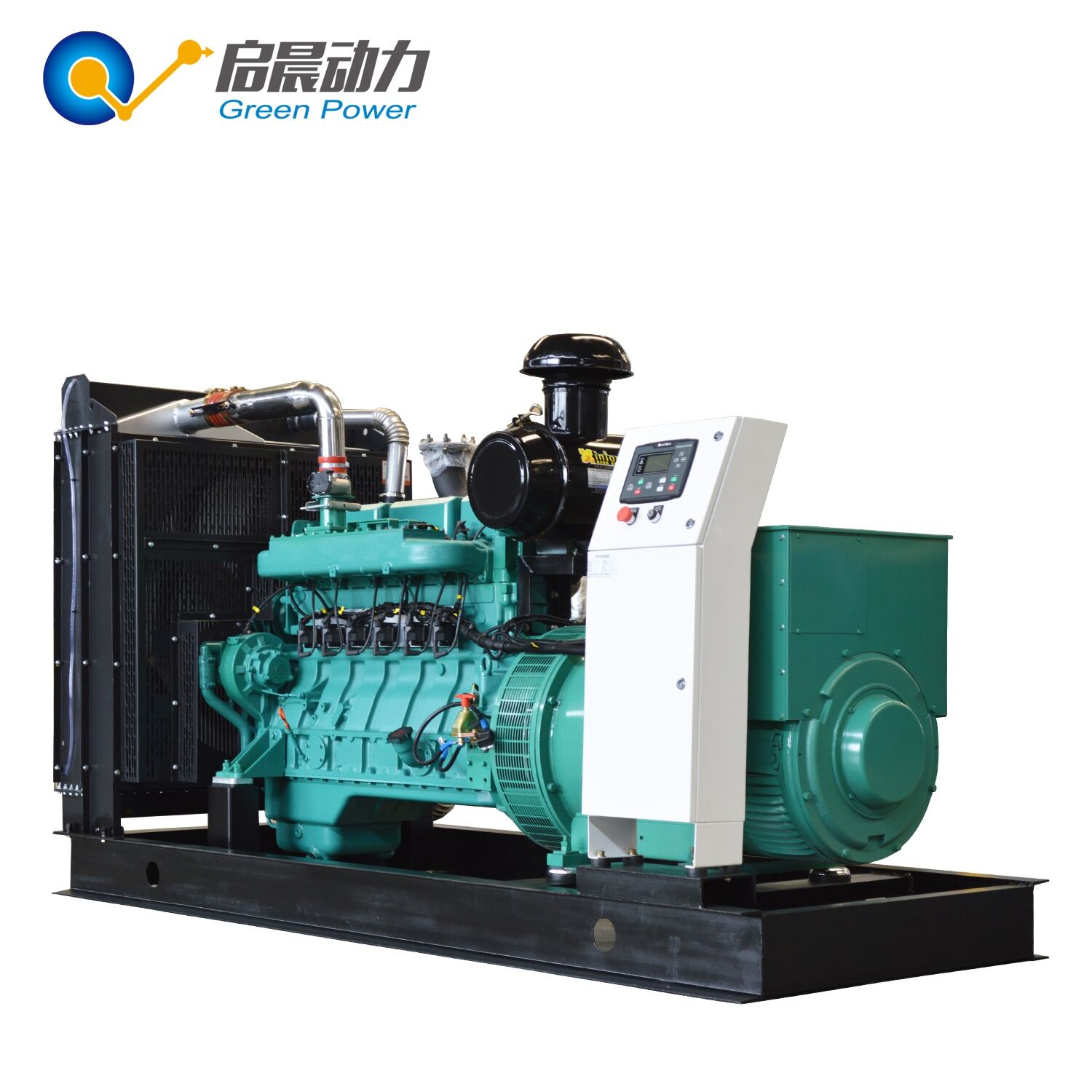
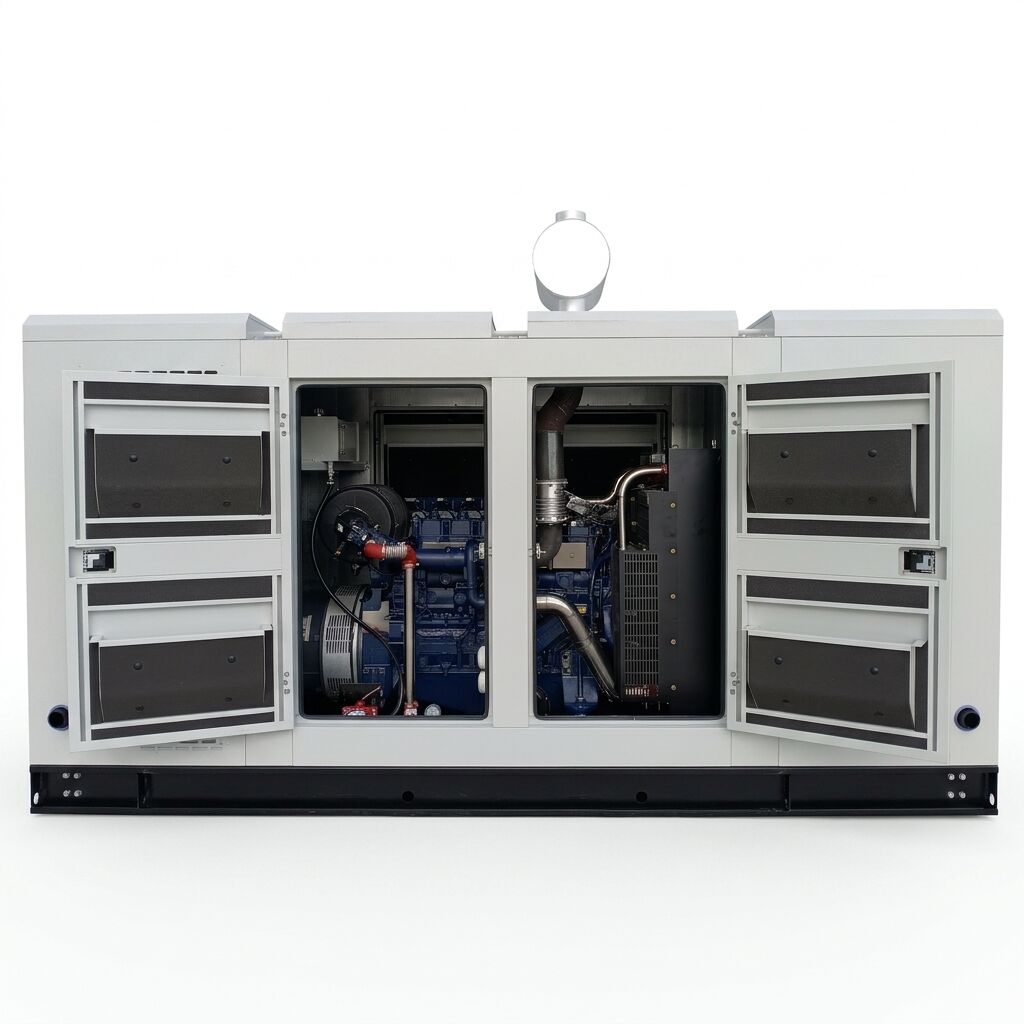
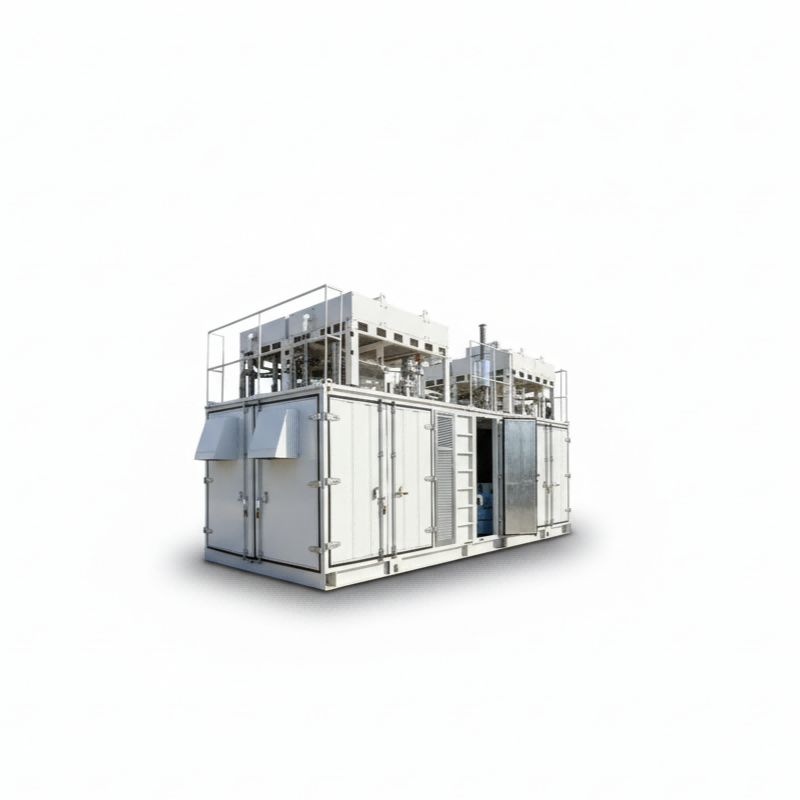
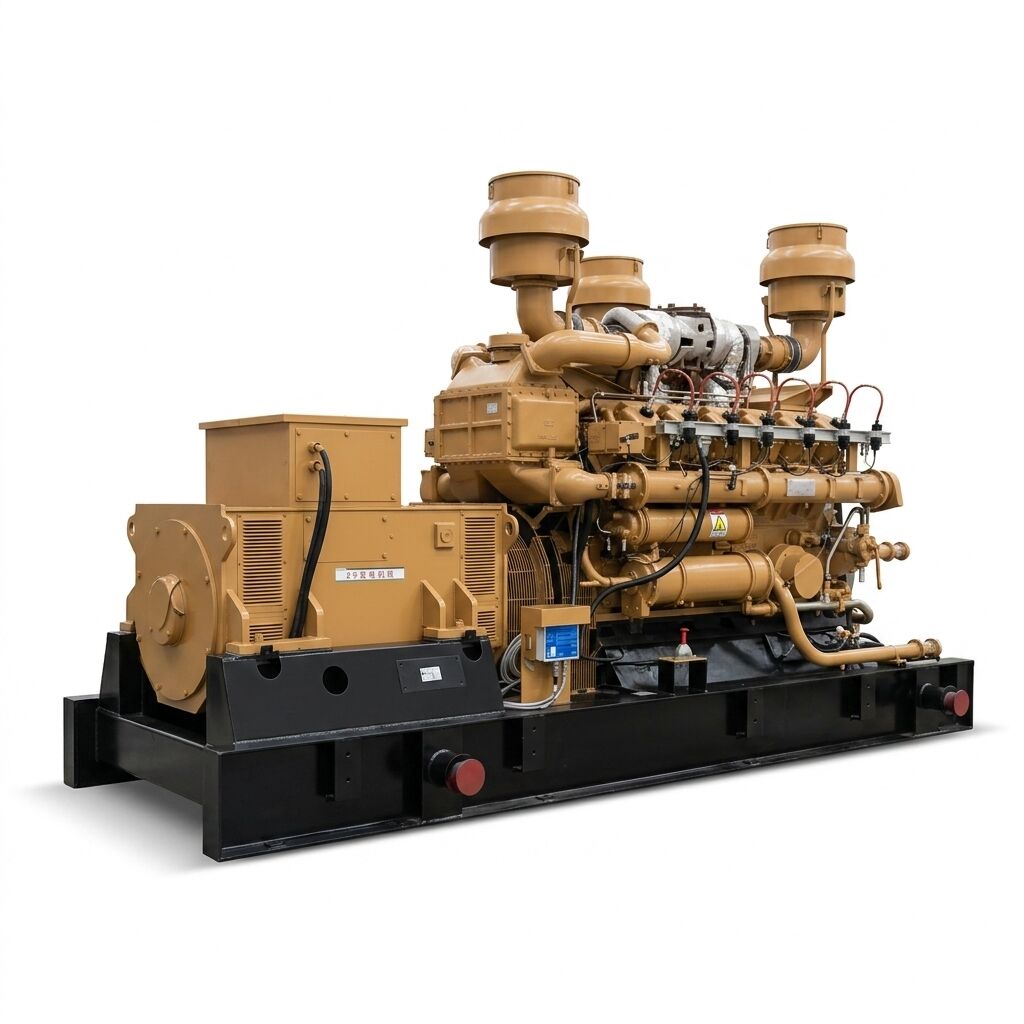
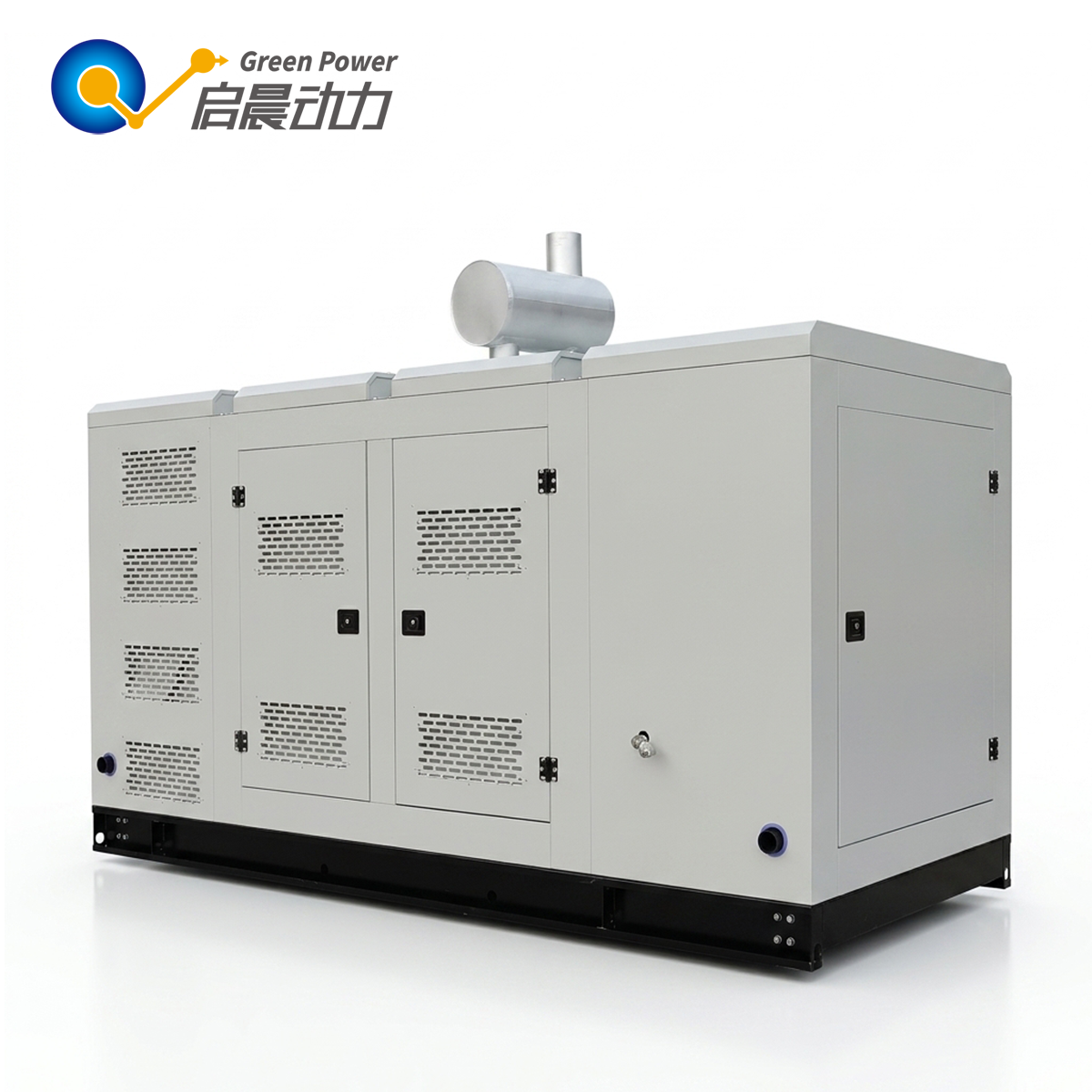
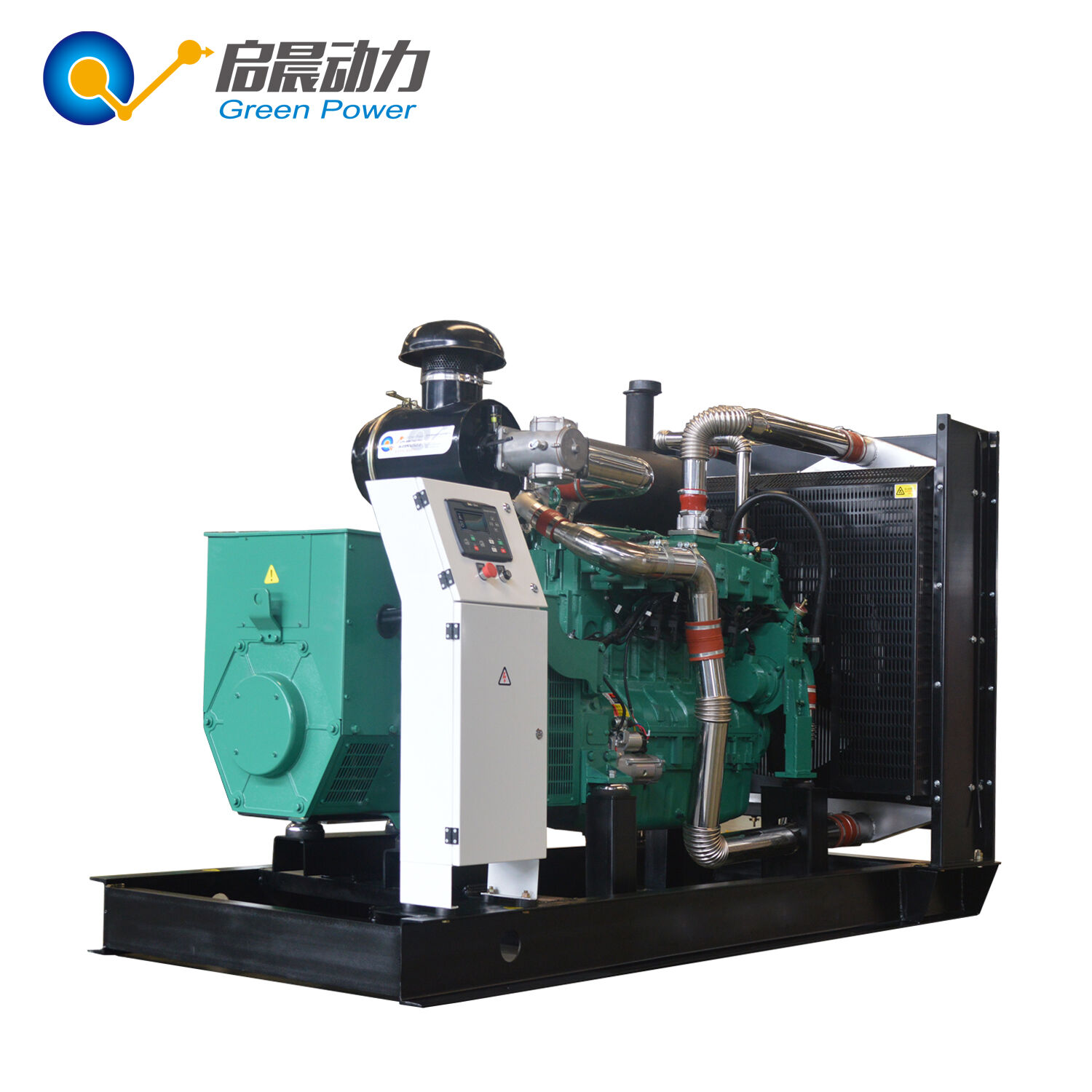
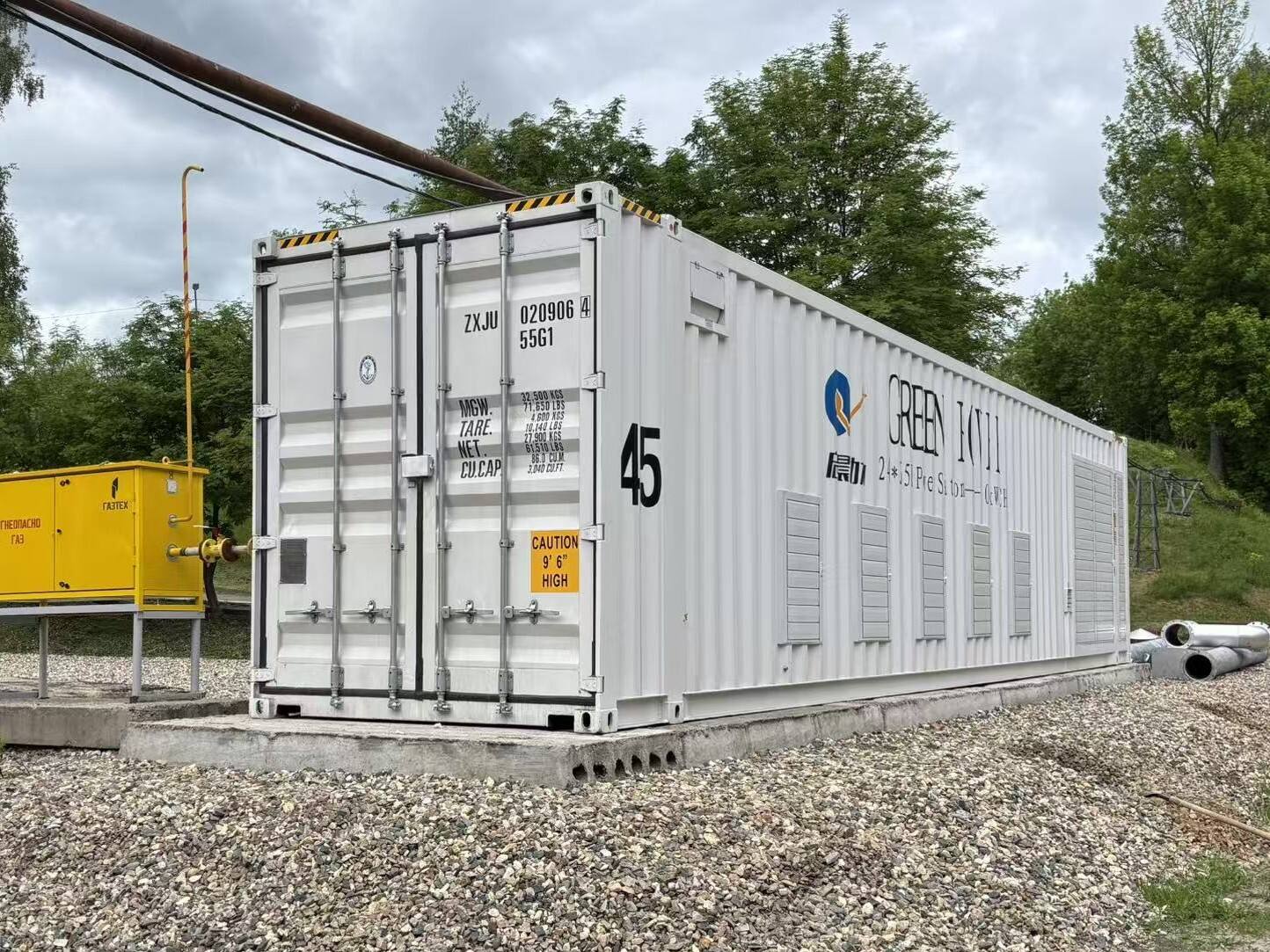
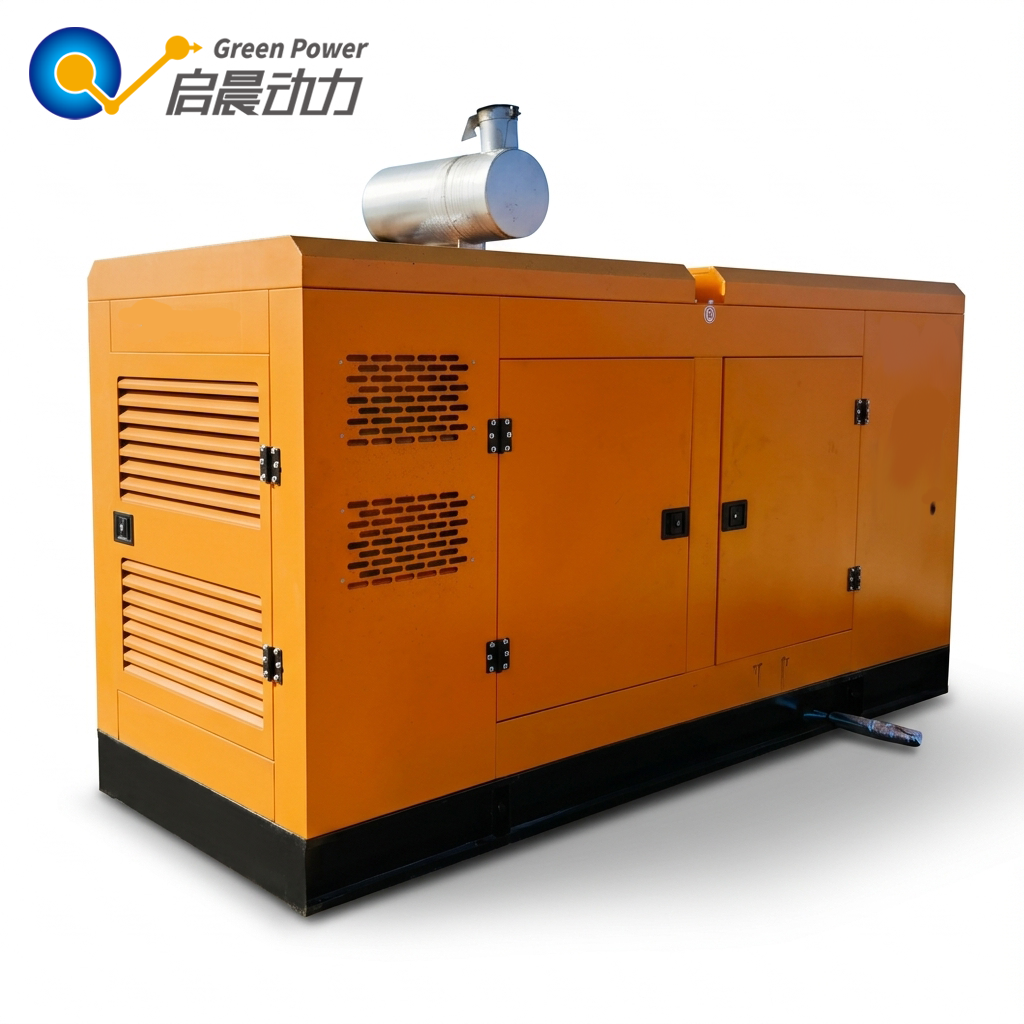
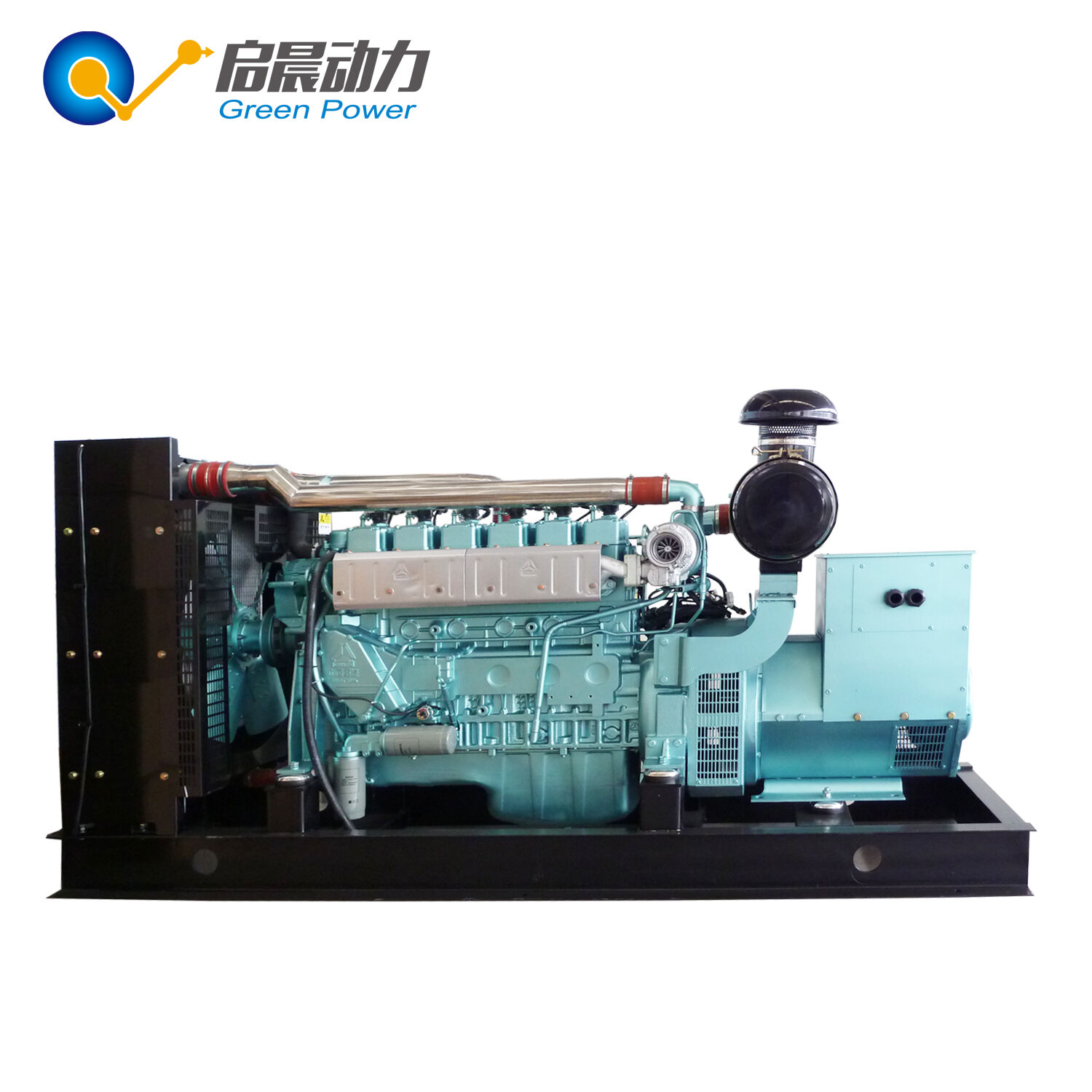
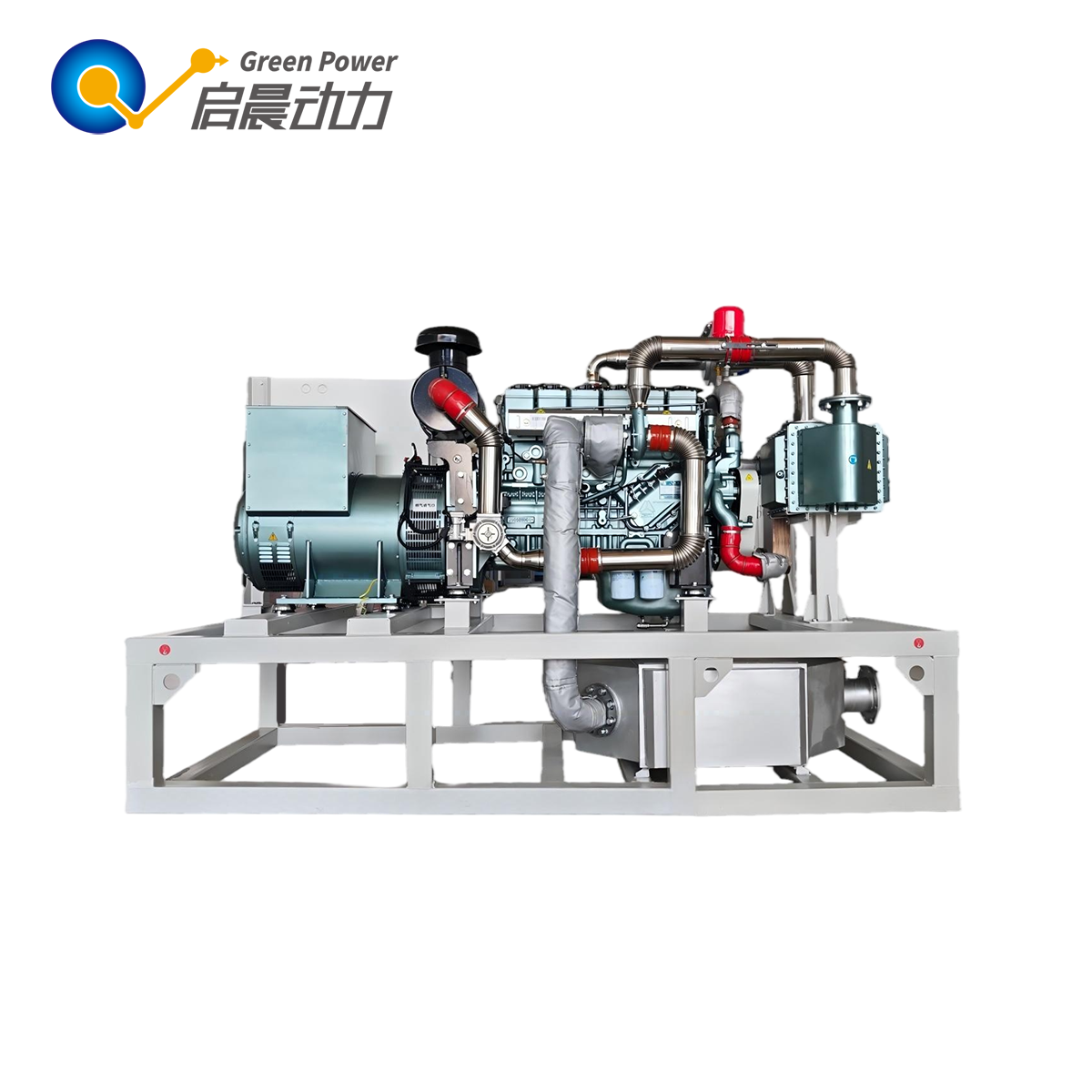
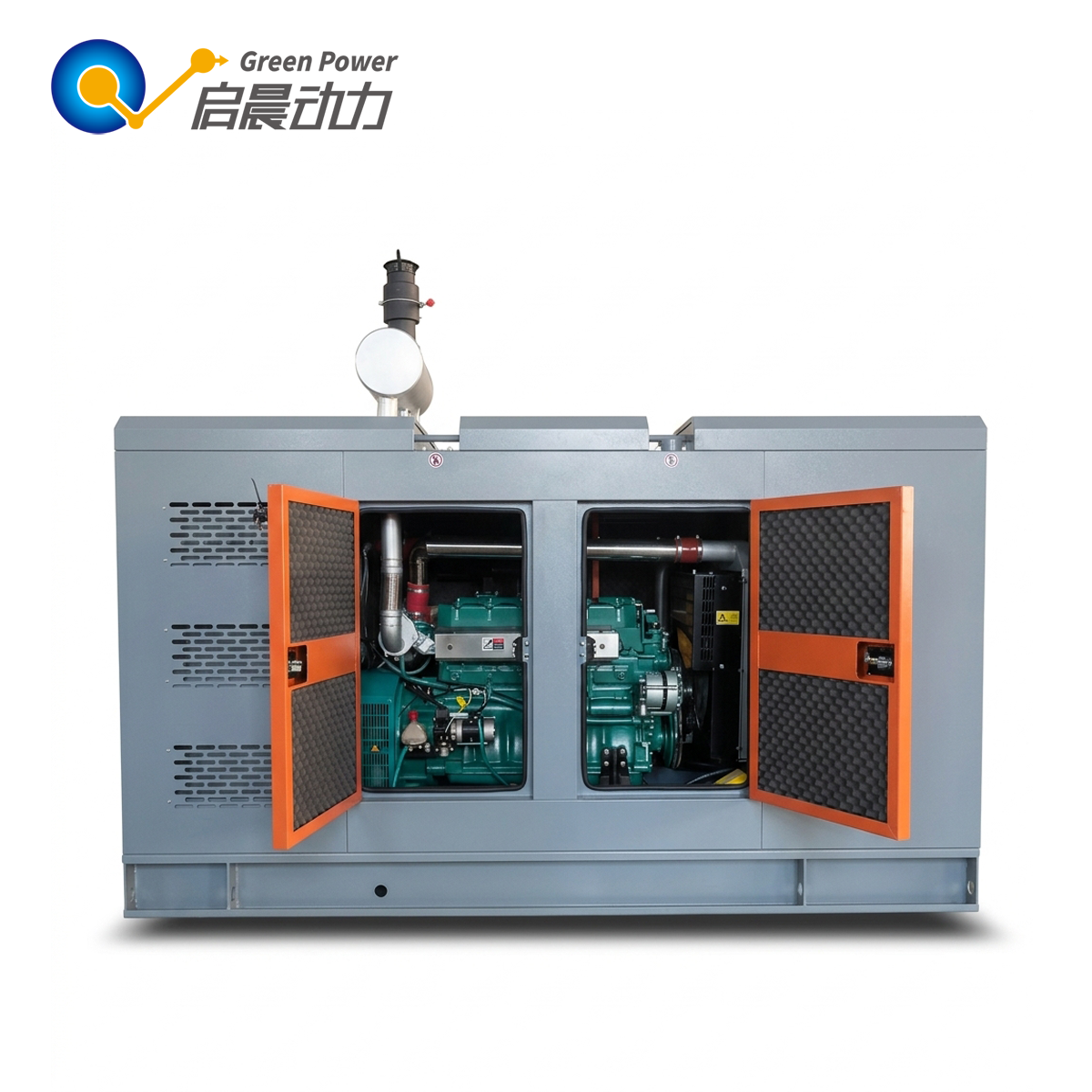
A gas cogeneration system is an advanced energy solution that simultaneously produces electricity and useful thermal energy from a single fuel source, typically natural gas. This highly efficient technology captures waste heat generated during electricity production and redirects it for heating, cooling, or industrial processes. The gas cogeneration system operates on the principle of combined heat and power, achieving overall efficiency rates of 80-90 percent compared to conventional separate generation methods that waste significant energy. The system consists of several key components including a gas engine or turbine, generator, heat recovery unit, and control systems that work together seamlessly. Modern gas cogeneration systems incorporate sophisticated monitoring technology that optimizes performance based on real-time energy demands. These systems find widespread application across diverse sectors including hospitals, universities, manufacturing facilities, hotels, shopping centers, and residential complexes. The technology proves particularly valuable in facilities with consistent simultaneous demands for electricity and thermal energy. Gas cogeneration systems can operate independently or in grid-parallel mode, providing energy security and flexibility. The modular design allows scalability to match specific capacity requirements ranging from small commercial installations to large industrial applications. Environmental benefits include reduced carbon emissions and lower fuel consumption compared to traditional energy generation methods. As energy costs continue rising and sustainability becomes increasingly important, gas cogeneration systems represent a proven technology that delivers both economic and environmental advantages while ensuring reliable energy supply for critical operations.
 EN
EN