Commercial Generators Natural Gas Solutions

Send Us a Message

We'll reply within 24 hours
Email
Mobile Or WhatsApp
Name
Company Name
Message
0/1000

commercial generators natural gas

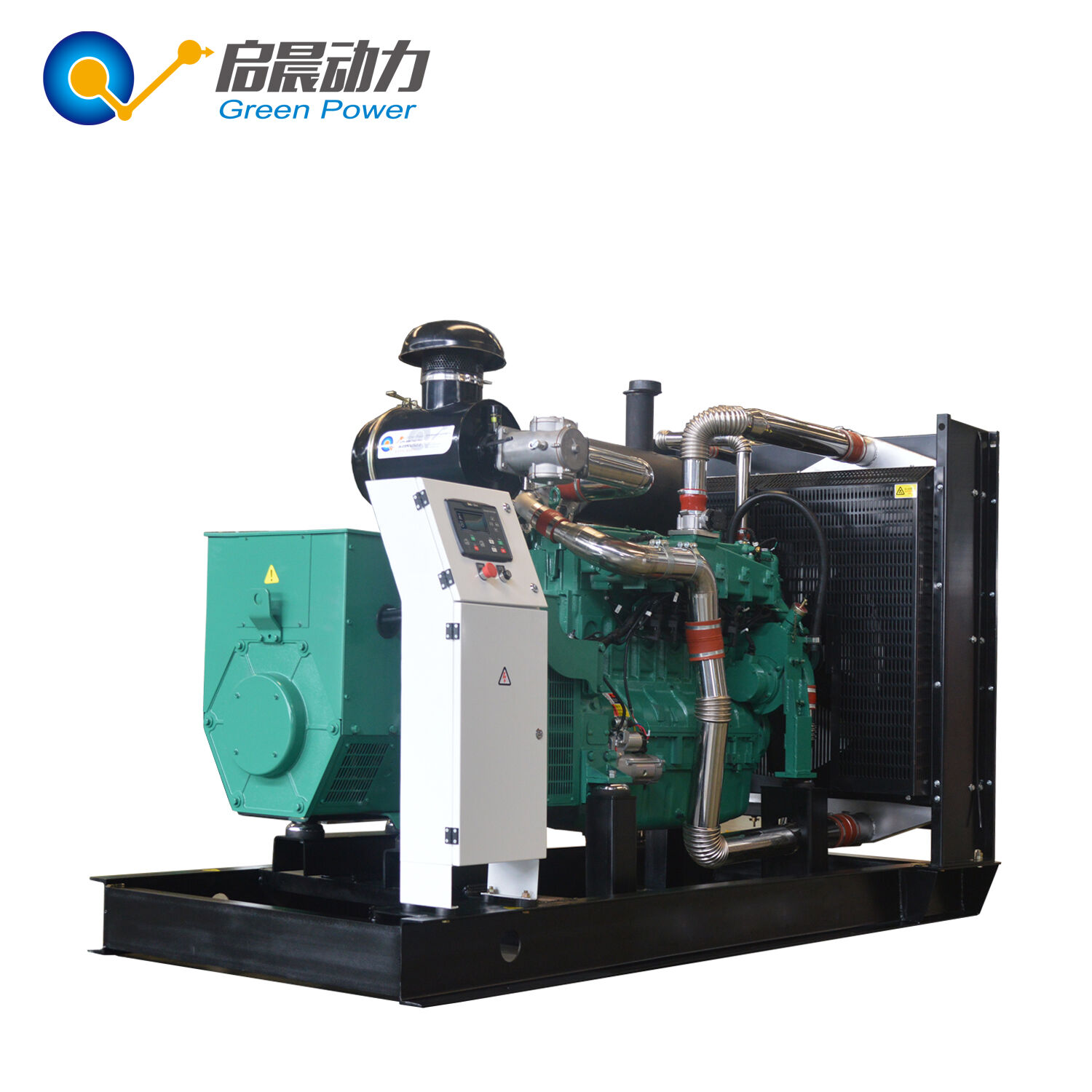
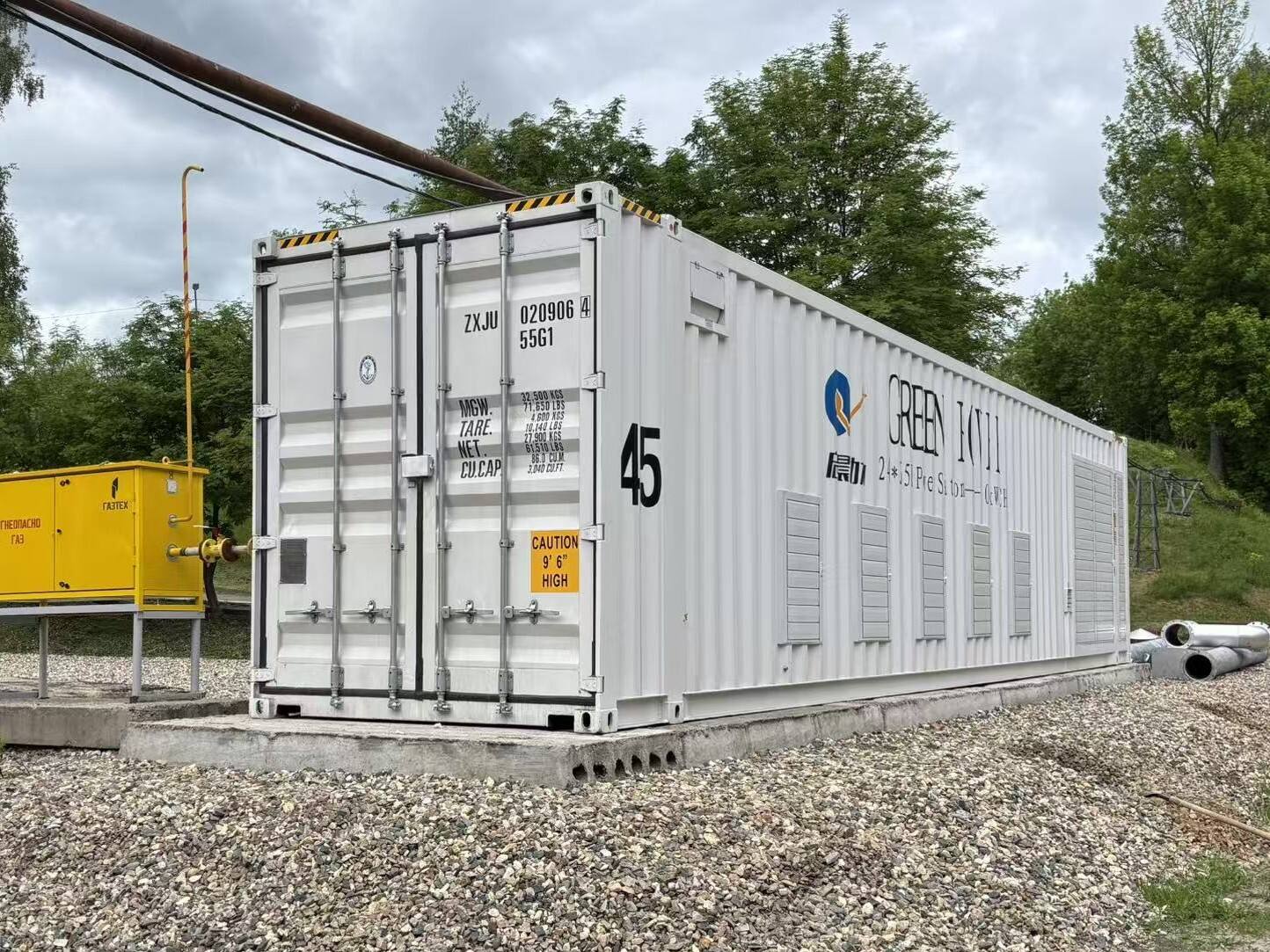
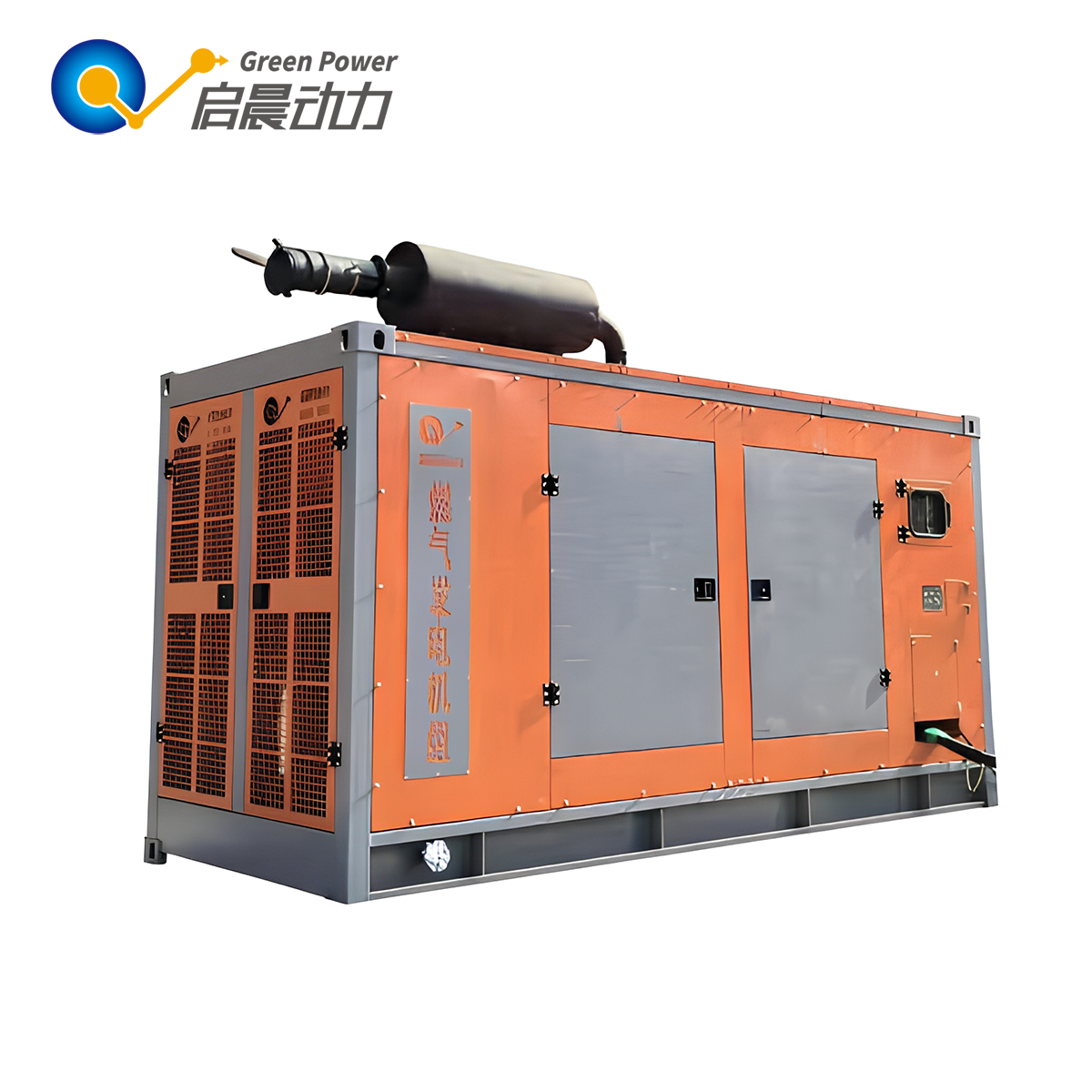
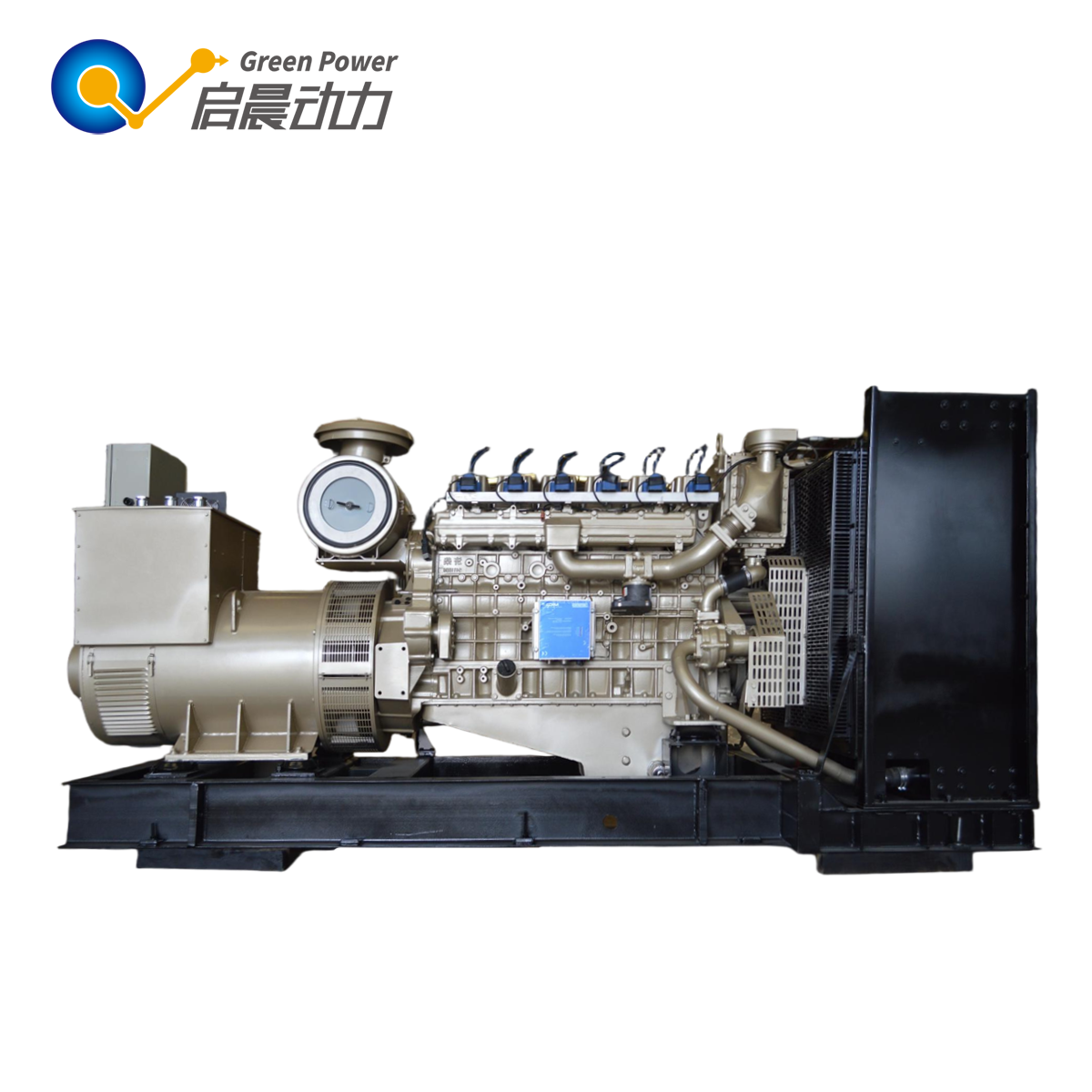
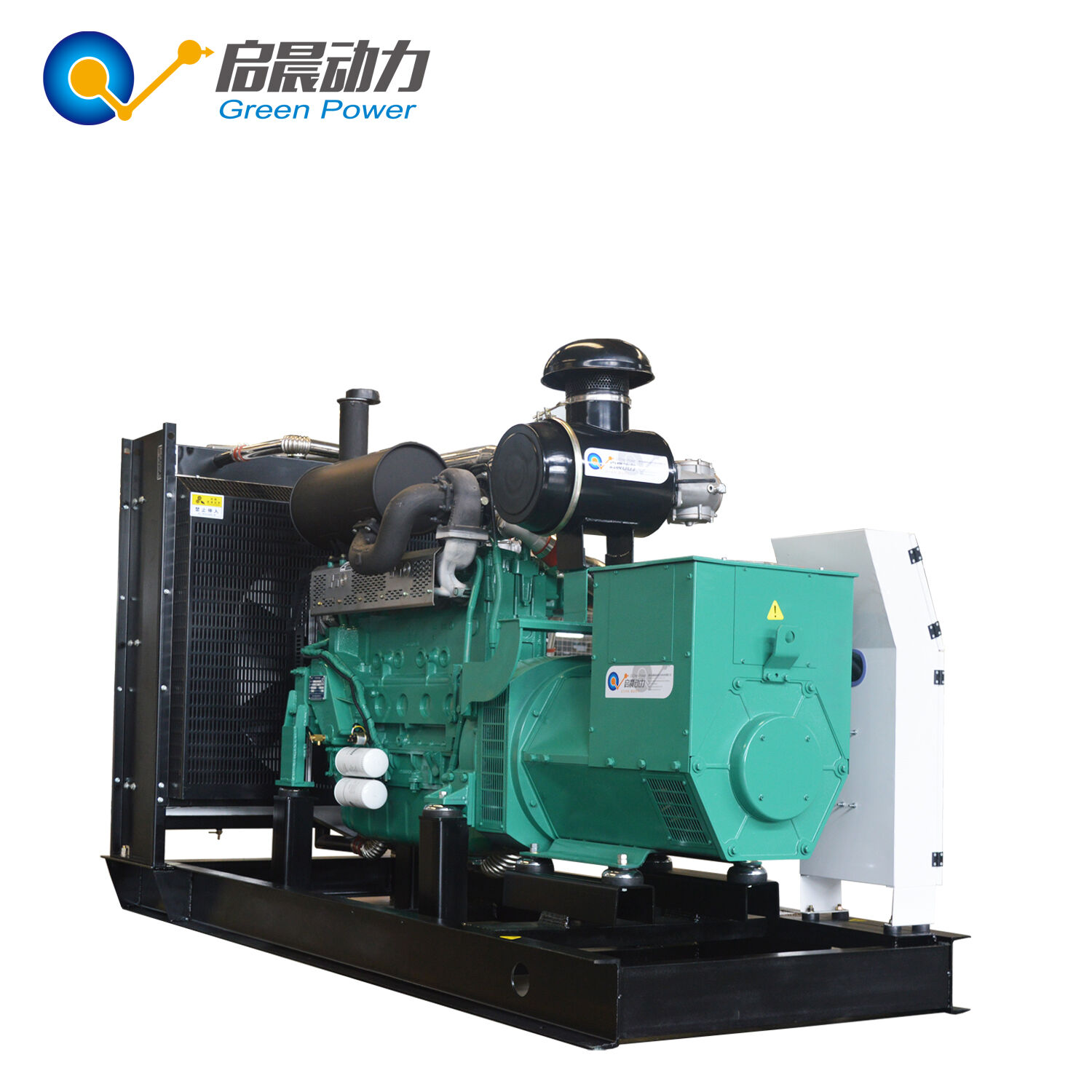
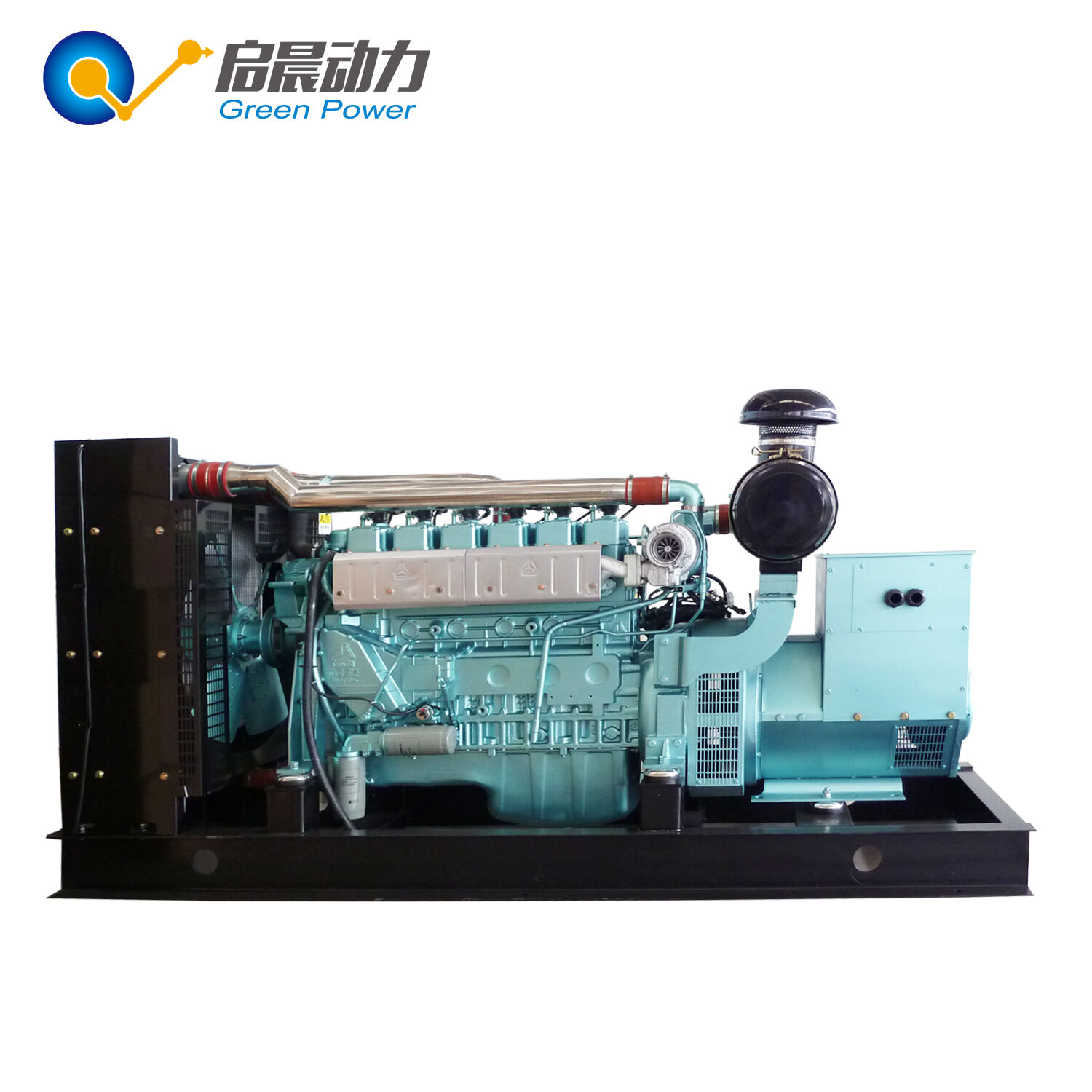
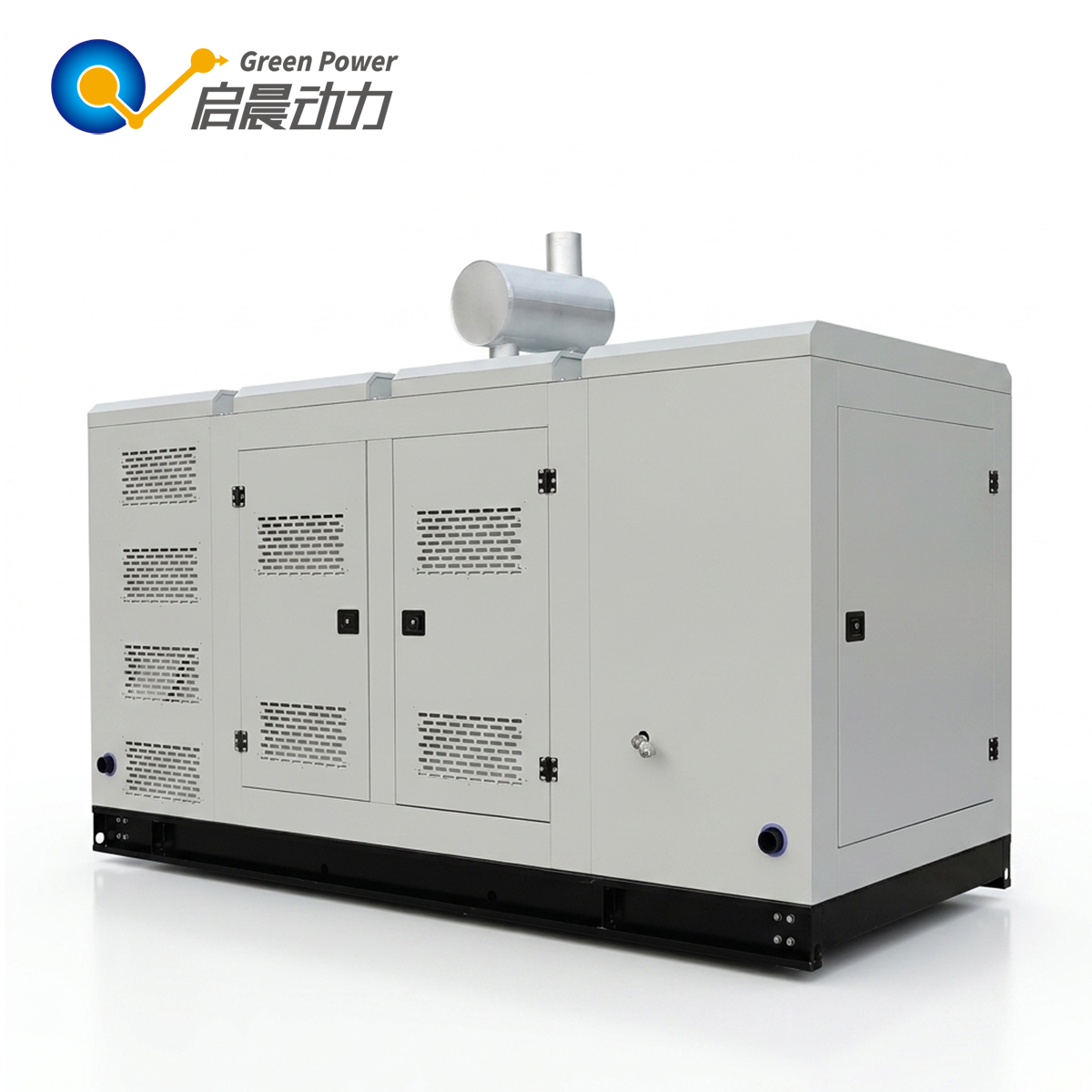
Commercial generators natural gas represent a powerful and efficient backup power solution designed specifically for businesses, institutions, and commercial facilities. These generators convert natural gas fuel into reliable electrical power, ensuring continuous operations during utility outages or providing primary power in remote locations. The main function of commercial generators natural gas is to deliver uninterrupted electricity to critical business operations, protecting against revenue loss and operational disruptions. Technologically, these units feature advanced automatic transfer switches that detect power failures within seconds and seamlessly transition to generator power. Modern commercial generators natural gas incorporate sophisticated control systems with digital monitoring capabilities, allowing facility managers to track performance metrics, fuel consumption, and maintenance schedules remotely. They utilize specially designed internal combustion engines optimized for natural gas combustion, delivering superior efficiency compared to traditional diesel alternatives. Applications span diverse industries including healthcare facilities requiring constant power for life-support equipment, data centers protecting valuable servers and information, manufacturing plants maintaining production schedules, retail establishments preserving perishable inventory, and office buildings ensuring employee safety and business continuity. Commercial generators natural gas are available in various power outputs ranging from 22 kilowatts for small businesses to several megawatts for large industrial complexes, with both single-phase and three-phase configurations to match specific electrical requirements and load demands.

Popular Products

Investing in commercial generators natural gas delivers substantial operational and financial benefits that enhance business resilience and profitability. The primary advantage centers on fuel accessibility and cost-effectiveness, as natural gas connects directly to existing utility lines, eliminating the need for on-site fuel storage tanks and periodic refueling that diesel systems require. This continuous fuel supply ensures your generator remains operational during extended outages without manual intervention. Operationally, commercial generators natural gas produce significantly lower emissions than diesel counterparts, helping businesses meet environmental regulations and corporate sustainability goals while reducing carbon footprints. The cleaner combustion process results in less engine wear, extending equipment lifespan and reducing maintenance frequency and costs. Natural gas burns cleaner, producing fewer particulates and contaminants that can damage engine components over time. From a reliability perspective, these generators start quickly in cold weather conditions where diesel fuel might gel, ensuring dependable performance year-round regardless of climate challenges. The quieter operation of commercial generators natural gas makes them suitable for noise-sensitive environments like hospitals, schools, and residential-adjacent commercial properties. Financial benefits include lower fuel costs per kilowatt-hour compared to diesel or propane, translating to reduced operating expenses over the generator's lifetime. Insurance providers often offer premium reductions for facilities with reliable backup power systems, recognizing decreased risk of business interruption claims. For decision-making purposes, commercial generators natural gas qualify for various utility incentives and rebates in many regions, improving return on investment. The permanent installation increases property values and demonstrates operational preparedness to clients, partners, and stakeholders, enhancing business reputation and competitive positioning in the marketplace.

Practical Tips

Natural Gas Generator Installation Guide: From Site Planning to First Power-On

04

May

Natural Gas Generator Installation Guide: From Site Planning to First Power-On

Installing a natural gas generator is a significant infrastructure decision that demands careful planning, precise execution, and a clear understanding of local codes. Whether you are equipping an industrial facility, a commercial building, or a remo...
View More
1000 kW Natural Gas Generator System Design: Engine Configuration and Parallel Setup

07

May

1000 kW Natural Gas Generator System Design: Engine Configuration and Parallel Setup

A 1000 kW natural gas generator system represents a significant investment in on-site power infrastructure. Whether deployed for industrial facilities, large commercial complexes, or utility backup applications, engineering such a system correctly fr...
View More
How to Select a CHP Gas Generator Supplier: Technical Criteria and Contract Essentials

27

May

How to Select a CHP Gas Generator Supplier: Technical Criteria and Contract Essentials

Choosing the right supplier for a CHP gas generator is one of the most consequential procurement decisions an energy or facilities manager will make. A CHP gas generator combines heat and power production in a single system, meaning the technical dep...
View More
Gas Genset vs. Diesel Genset: Which Delivers Better Total Cost of Ownership?

08

Jun

Gas Genset vs. Diesel Genset: Which Delivers Better Total Cost of Ownership?

When evaluating power generation equipment for industrial, commercial, or backup applications, understanding the full financial picture is essential. The debate between a gas genset and a diesel genset extends far beyond the initial purchase price. T...
View More

Send Us a Message

We'll reply within 24 hours
Email
Mobile Or WhatsApp
Name
Company Name
Message
0/1000

commercial generators natural gas

Continuous Fuel Supply Without Storage Concerns

Continuous Fuel Supply Without Storage Concerns

One of the most compelling advantages of commercial generators natural gas is the direct connection to municipal natural gas infrastructure, providing an virtually unlimited fuel source without requiring on-site storage facilities. Unlike diesel generators that need large fuel tanks occupying valuable property space and requiring regular refilling schedules, these systems tap directly into existing gas lines serving your facility. This connectivity eliminates the logistical challenges of monitoring fuel levels, scheduling delivery trucks, and managing fuel degradation over time. During extended power outages lasting days or weeks, your commercial generators natural gas continue operating without interruption, as the gas supply remains unaffected by local transportation disruptions or fuel shortages that commonly occur during regional emergencies. This design also eliminates the environmental risks associated with fuel storage, including potential soil contamination from tank leaks or spills that could result in costly remediation expenses and regulatory penalties. The permanent gas connection reduces operational complexity, allowing your facilities team to focus on core business activities rather than generator fuel management tasks.
Reduced Environmental Impact and Compliance Advantages

Reduced Environmental Impact and Compliance Advantages

Commercial generators natural gas offer substantial environmental benefits that align with modern corporate sustainability initiatives and increasingly stringent emissions regulations. Natural gas combustion produces approximately fifty percent less carbon dioxide than diesel fuel and virtually eliminates particulate matter emissions that contribute to air quality concerns in urban environments. This cleaner burning characteristic means commercial generators natural gas generate significantly lower levels of nitrogen oxides and sulfur compounds, pollutants that trigger regulatory scrutiny and potential fines in many jurisdictions. For businesses operating in areas with strict air quality standards or emissions caps, these generators provide essential backup power without compromising environmental compliance. The reduced emissions profile also benefits employee health and community relations, particularly important for healthcare facilities, schools, and businesses in residential neighborhoods where air quality directly impacts stakeholder wellbeing. Many sustainability-focused organizations include backup power systems in their environmental reporting, and commercial generators natural gas contribute positively to corporate environmental scorecards and green building certifications like LEED. Additionally, the absence of fuel storage eliminates groundwater contamination risks, protecting natural resources and avoiding potential environmental liability.
Lower Long-Term Operating and Maintenance Costs

Lower Long-Term Operating and Maintenance Costs

The economic advantages of commercial generators natural gas extend well beyond initial purchase considerations, delivering superior total cost of ownership through reduced maintenance requirements and lower fuel expenses. Natural gas burns more cleanly than liquid fuels, resulting in less carbon buildup on engine components, spark plugs, and exhaust systems. This cleaner operation translates to extended intervals between oil changes, filter replacements, and comprehensive engine overhauls, reducing both parts costs and service labor expenses. Maintenance technicians spend less time on routine cleaning procedures, and engine components experience less thermal and chemical stress, extending overall equipment lifespan. Fuel cost comparisons consistently favor natural gas, with per-unit energy costs typically twenty to forty percent lower than diesel depending on regional markets, generating substantial savings for facilities that conduct regular generator testing or experience frequent power interruptions. Commercial generators natural gas also eliminate expenses associated with fuel storage system maintenance, including tank inspections, corrosion prevention, and periodic cleaning requirements mandated by fire codes. The simplified fuel delivery system reduces potential failure points, improving overall system reliability while decreasing emergency repair costs and minimizing unexpected downtime that could disrupt business operations.

Send Us a Message

We'll reply within 24 hours
Email
Mobile Or WhatsApp
Name
Company Name
Message
0/1000