Natural Gas to Electricity Generator Solutions

Send Us a Message

We'll reply within 24 hours
Email
Mobile Or WhatsApp
Name
Company Name
Message
0/1000

natural gas to electricity generator

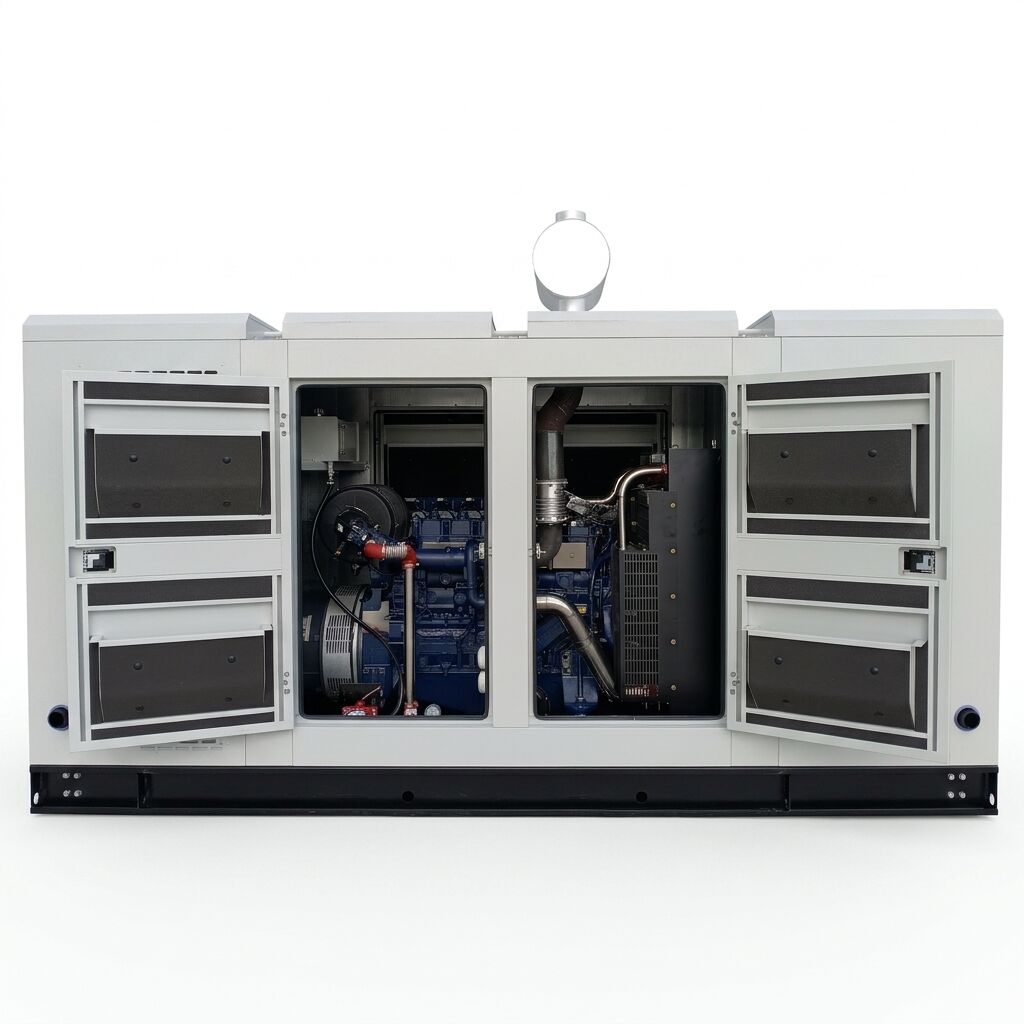
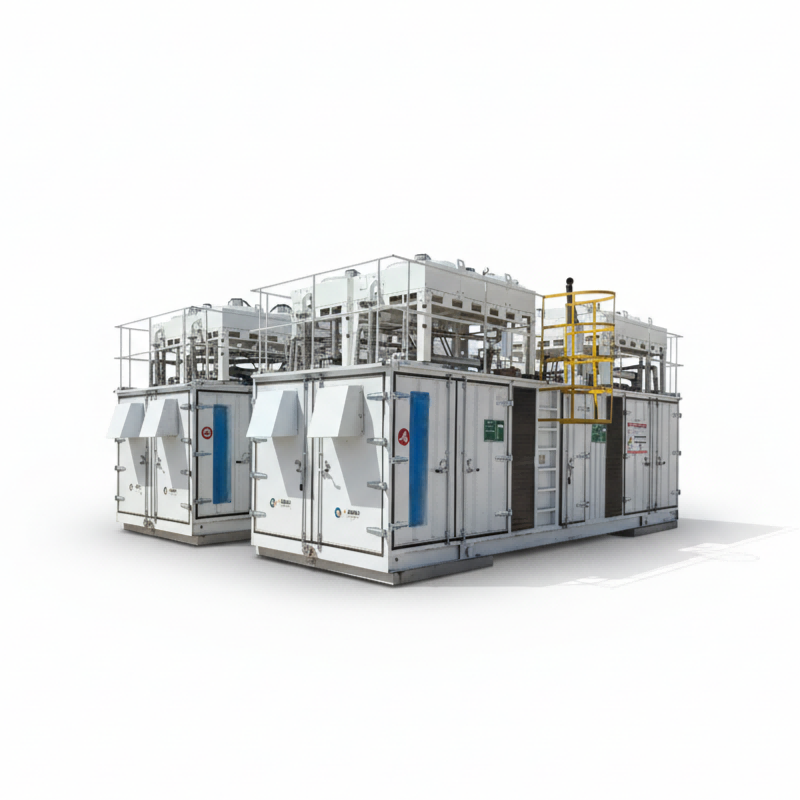
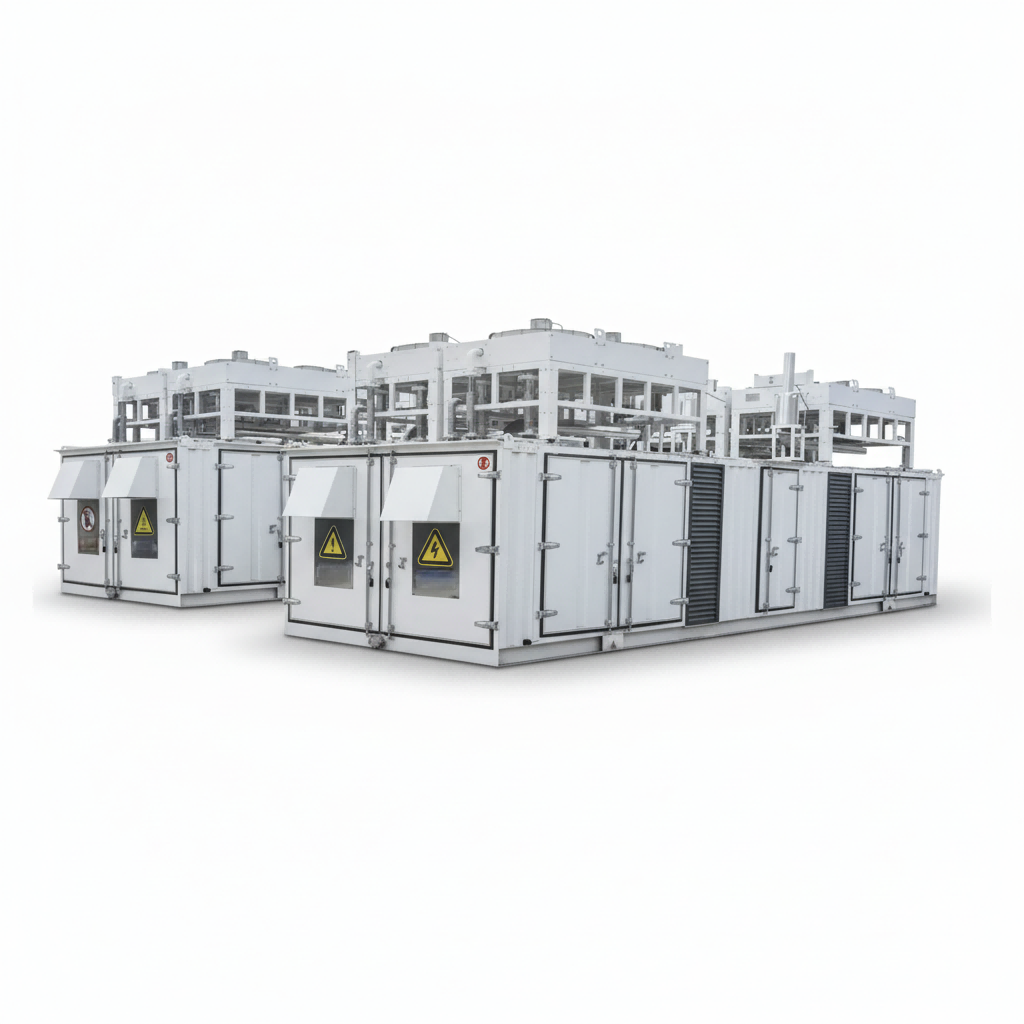
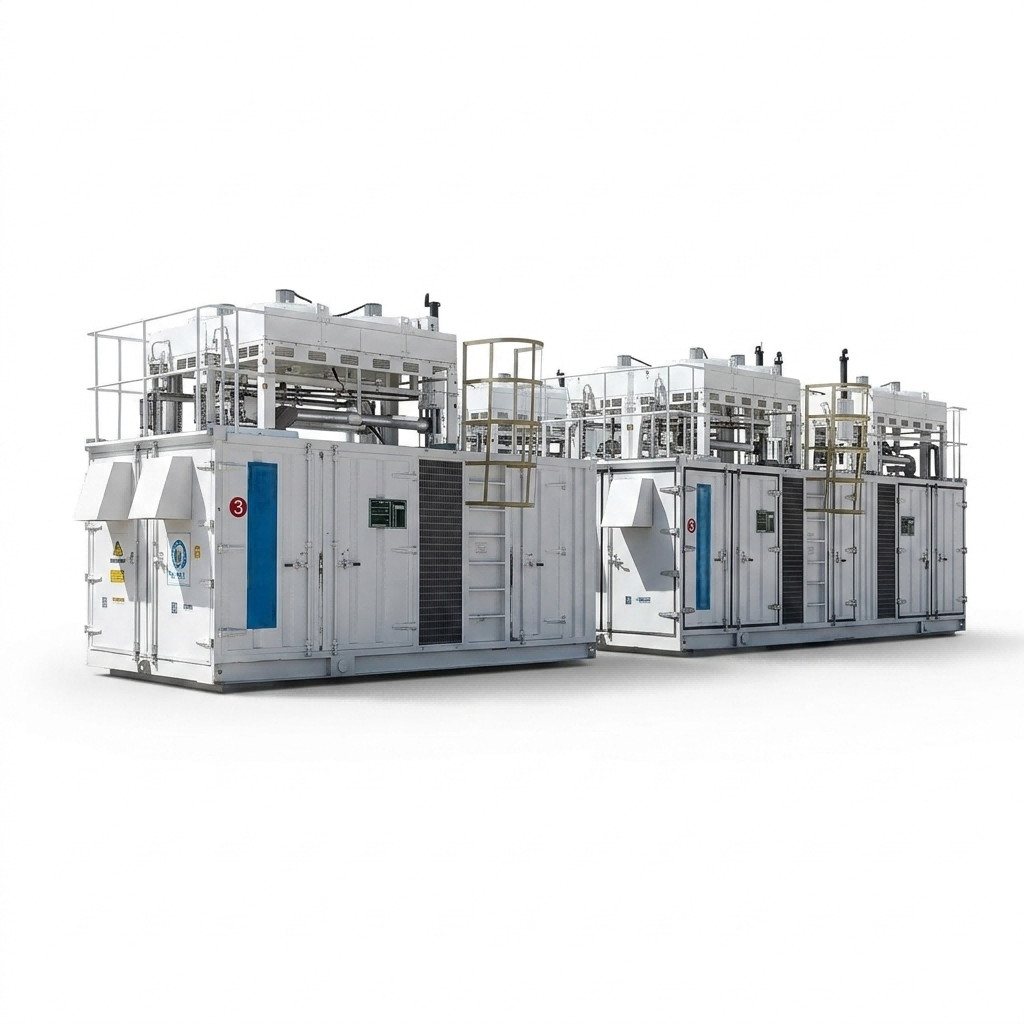
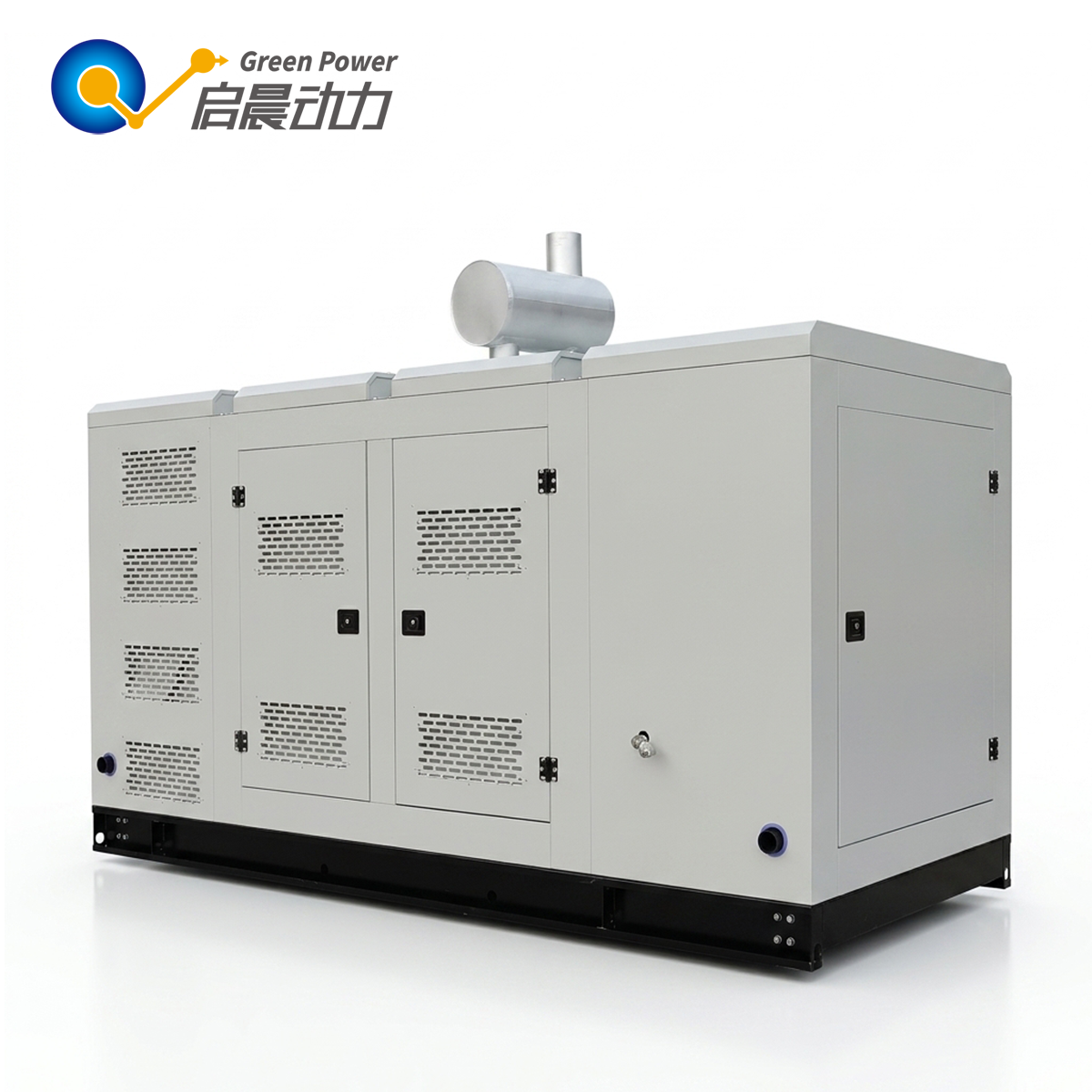
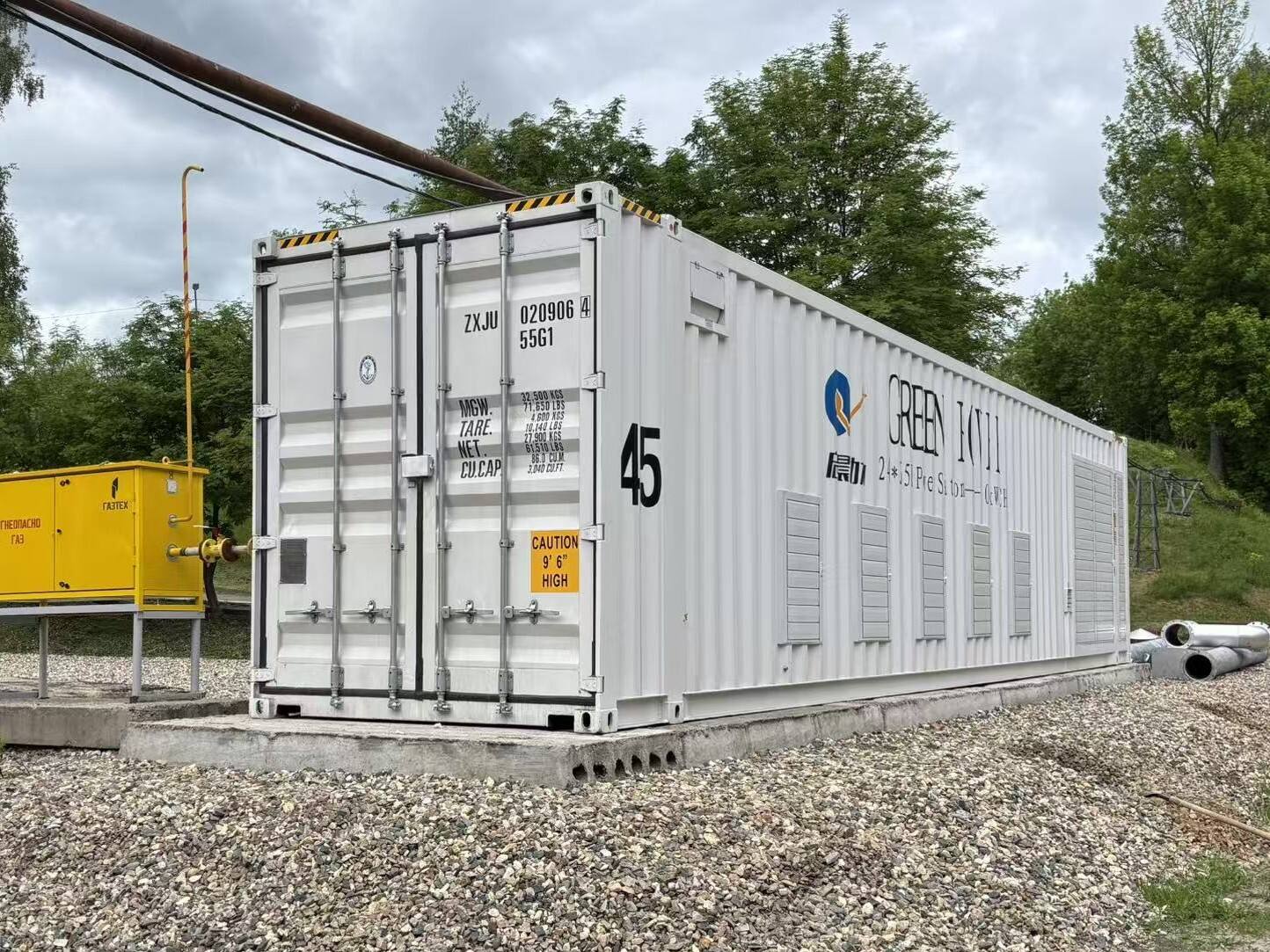
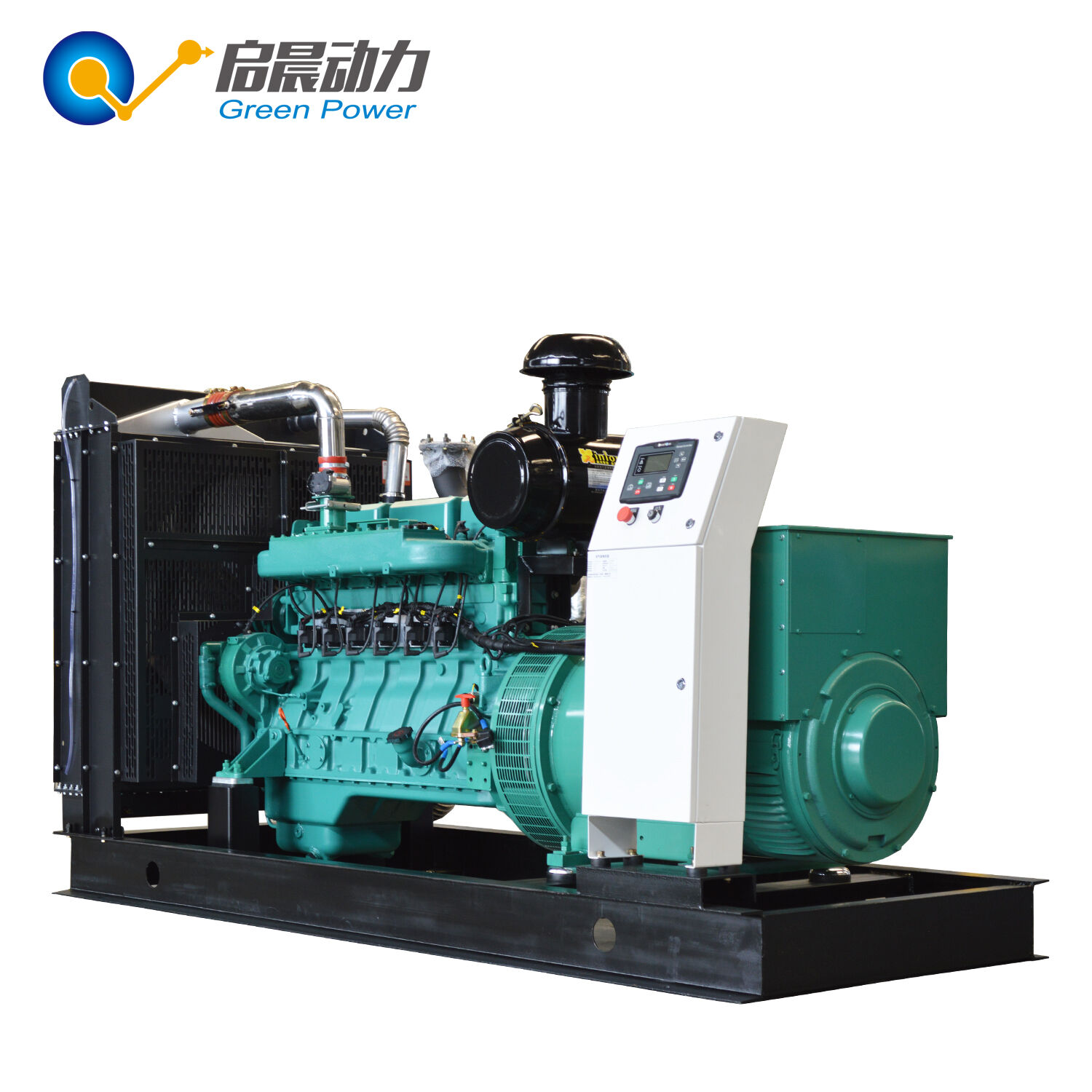
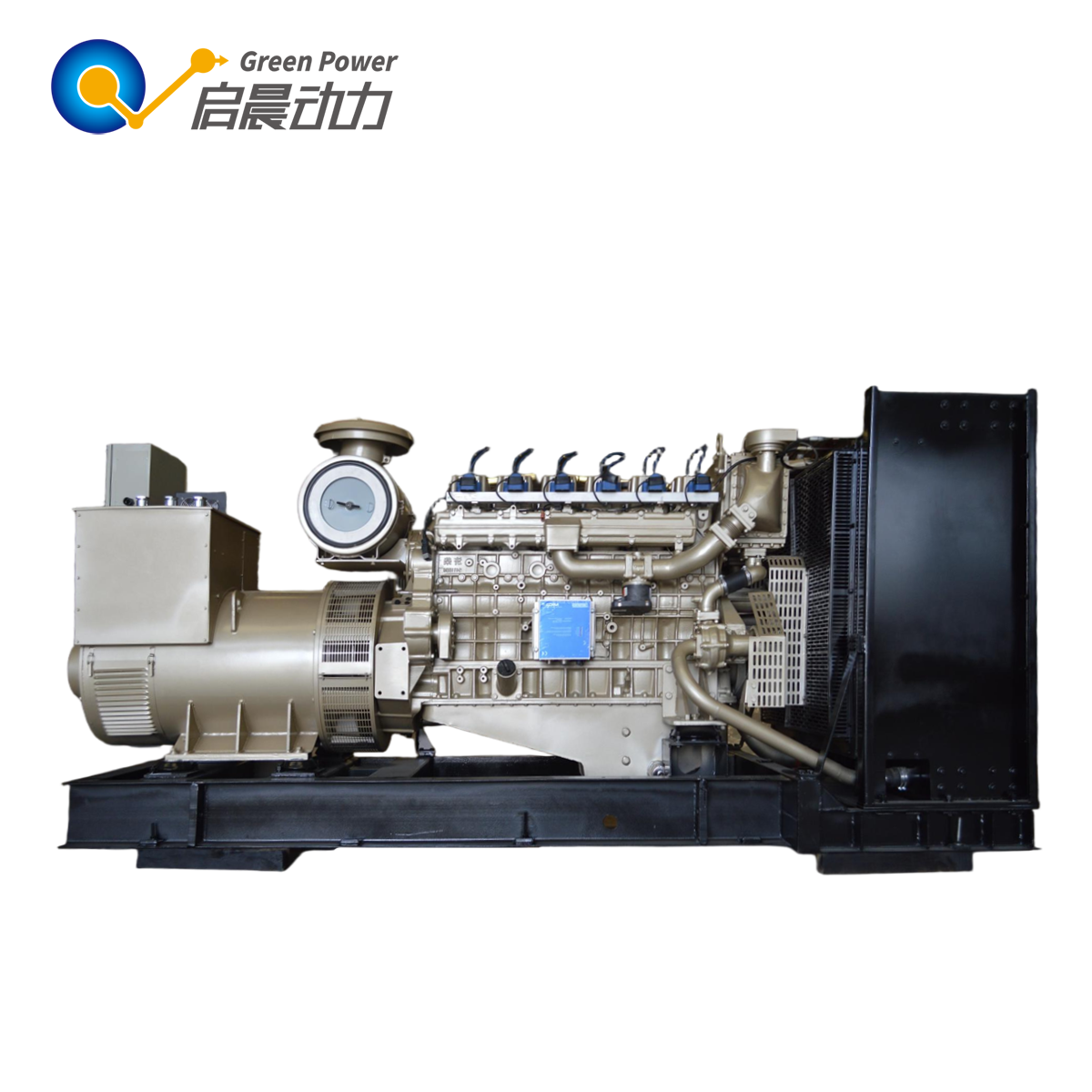
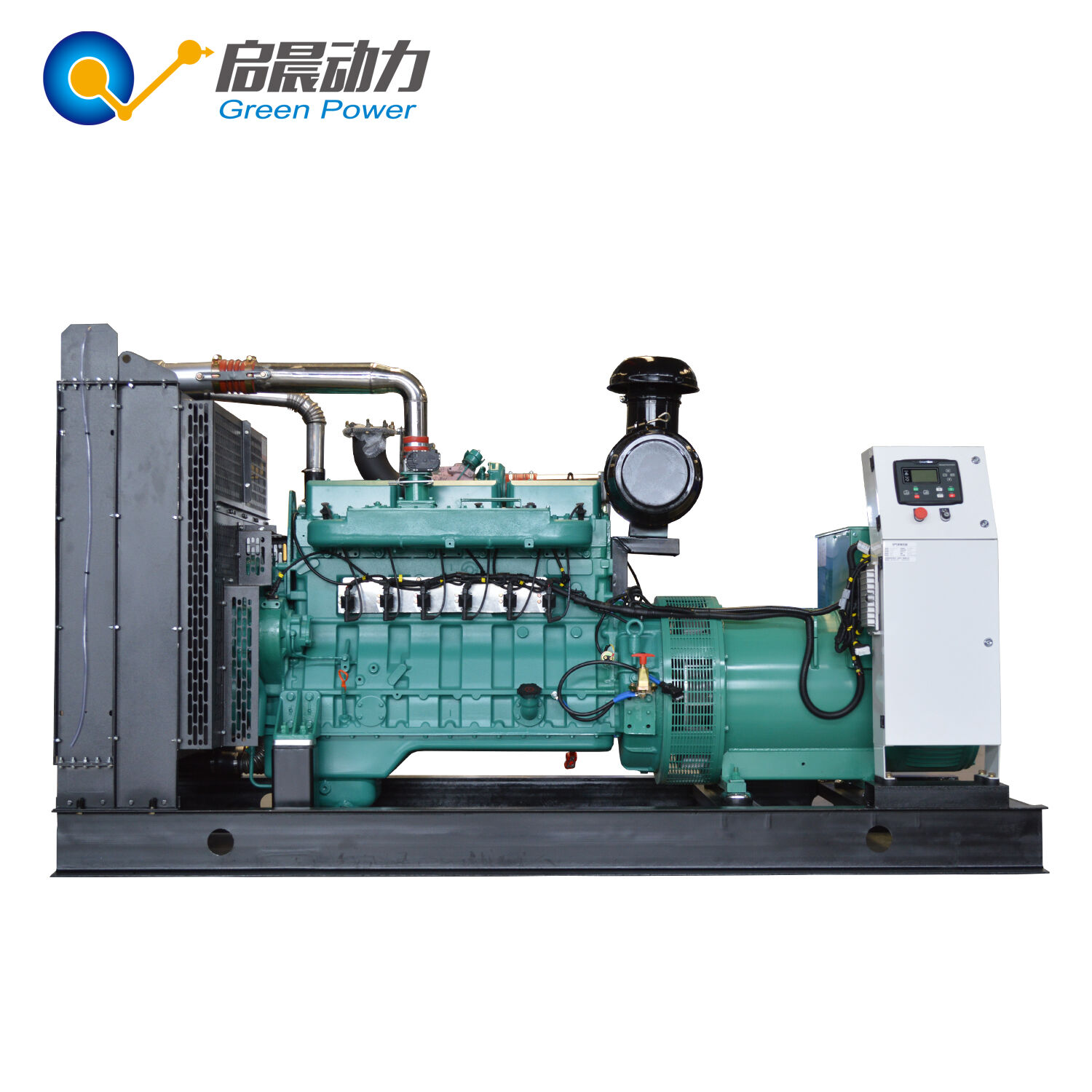
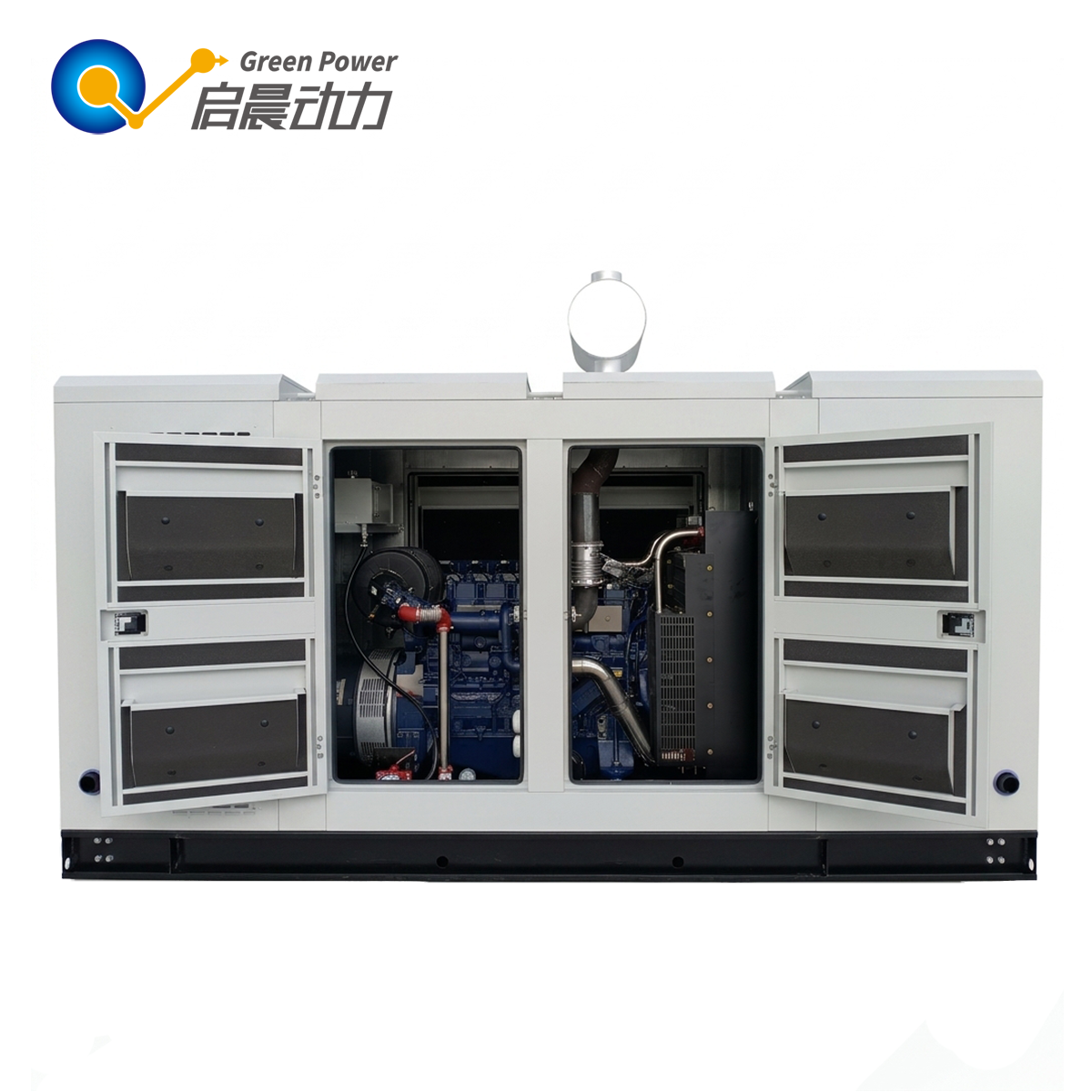
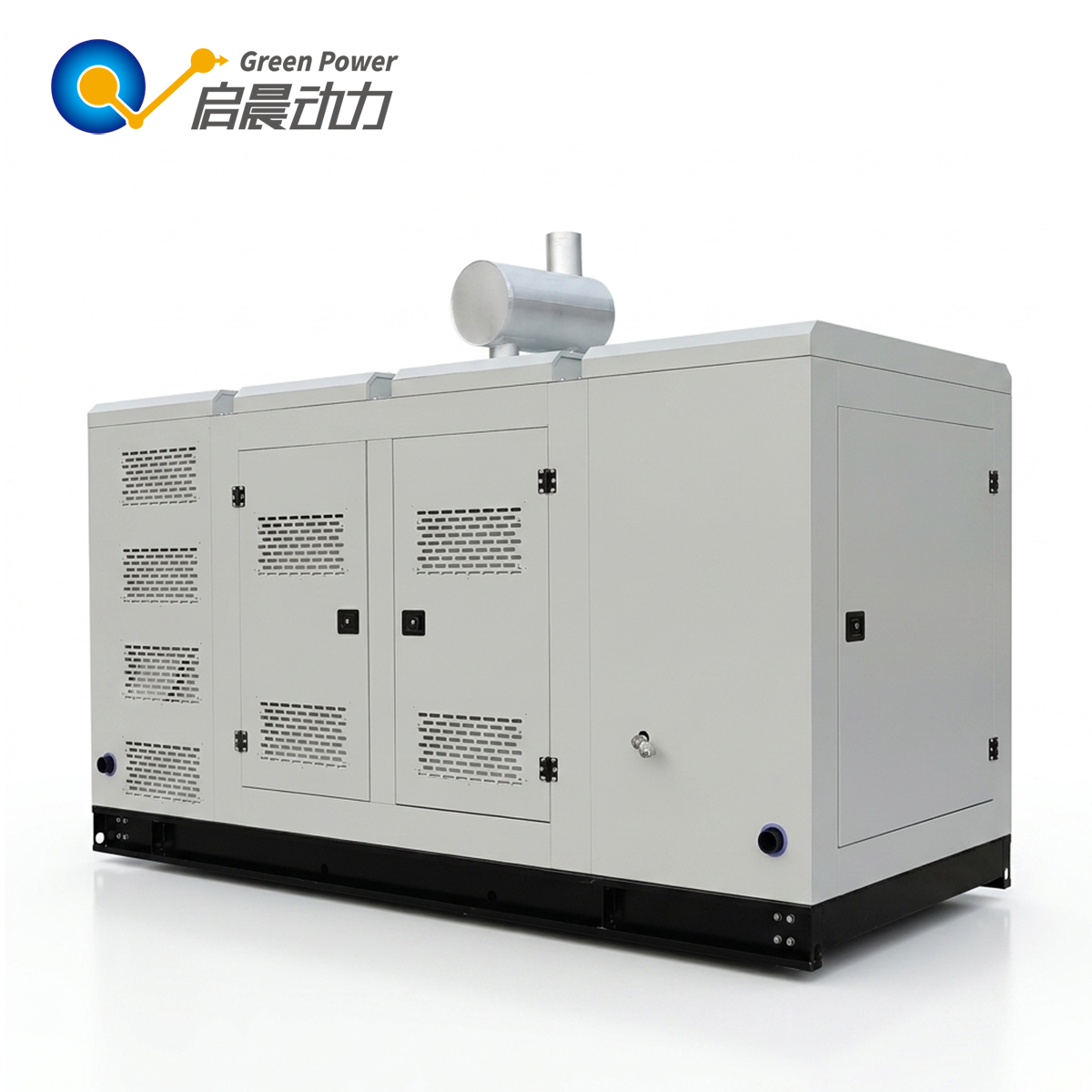
A natural gas to electricity generator is an advanced power generation system that converts natural gas fuel into reliable electrical energy through a combustion-based process. This technology combines a gas engine or turbine with an alternator to produce electricity for residential, commercial, and industrial applications. The natural gas to electricity generator operates by burning natural gas in a controlled environment, which drives a mechanical component that rotates the generator to create electrical current. These systems are available in various capacities, ranging from small residential units producing a few kilowatts to large industrial installations generating multiple megawatts. The primary functions include providing primary power for facilities without grid access, serving as backup power during outages, and supporting peak demand periods. Technological features encompass advanced engine management systems, automatic voltage regulation, remote monitoring capabilities, and sophisticated control panels that ensure optimal performance. Modern natural gas to electricity generator units often incorporate combined heat and power technology, capturing waste heat for heating purposes to maximize overall efficiency. Applications span across healthcare facilities requiring uninterrupted power, manufacturing plants needing consistent energy supply, data centers demanding reliable backup systems, agricultural operations, and residential properties seeking energy independence. The natural gas to electricity generator represents a practical solution for organizations and individuals prioritizing energy security, operational continuity, and environmental responsibility in their power generation strategy.

New Products

The natural gas to electricity generator offers substantial economic benefits through lower fuel costs compared to diesel or gasoline alternatives, as natural gas typically costs less per unit of energy produced. This cost advantage translates into reduced operational expenses over the equipment's lifetime, delivering meaningful savings for budget-conscious buyers. The fuel efficiency of a natural gas to electricity generator exceeds traditional generators, converting more fuel into usable electricity while minimizing waste. Environmental advantages include significantly lower emissions of harmful pollutants such as carbon dioxide, nitrogen oxides, and particulate matter, making these systems compliant with strict environmental regulations and suitable for urban installations. The cleaner combustion process results in less engine wear and reduced maintenance requirements, extending equipment lifespan and decreasing downtime. Operational reliability stands as a core strength, with natural gas supply delivered through underground pipelines, eliminating fuel storage concerns and refueling interruptions common with liquid fuel generators. The natural gas to electricity generator provides quiet operation compared to diesel units, making it appropriate for noise-sensitive locations like hospitals, schools, and residential areas. Installation flexibility allows placement closer to buildings without extensive fuel storage infrastructure. The technology supports various operating modes including continuous prime power, standby emergency power, and peak shaving to reduce electricity bills. Quick start capabilities ensure power availability within seconds of an outage, protecting critical operations and sensitive equipment. Modern natural gas to electricity generator systems integrate seamlessly with building management systems, enabling automated operation and remote diagnostics. The widespread availability of natural gas infrastructure in developed regions ensures fuel accessibility, while the technology's maturity provides buyers with proven performance and extensive service networks for maintenance support.

Practical Tips

LPG Generator for Off-Grid Sites: Why Propane Power Is a Reliable Choice

01

May

LPG Generator for Off-Grid Sites: Why Propane Power Is a Reliable Choice

When power infrastructure is unavailable or unreliable, an LPG generator stands out as one of the most practical and dependable solutions for off-grid sites. Whether the application involves a remote construction camp, an agricultural facility, a min...
View More
1000 kW Natural Gas Generator System Design: Engine Configuration and Parallel Setup

07

May

1000 kW Natural Gas Generator System Design: Engine Configuration and Parallel Setup

A 1000 kW natural gas generator system represents a significant investment in on-site power infrastructure. Whether deployed for industrial facilities, large commercial complexes, or utility backup applications, engineering such a system correctly fr...
View More
Natural Gas Generator Emissions Standards: NOx, CO, and How to Stay Compliant

11

May

Natural Gas Generator Emissions Standards: NOx, CO, and How to Stay Compliant

A natural gas generator is widely regarded as one of the cleaner options in power generation, but that does not exempt it from emissions regulations. Every natural gas generator operates within a framework of environmental standards that limit the co...
View More
Gas Genset vs. Diesel Genset: Which Delivers Better Total Cost of Ownership?

08

Jun

Gas Genset vs. Diesel Genset: Which Delivers Better Total Cost of Ownership?

When evaluating power generation equipment for industrial, commercial, or backup applications, understanding the full financial picture is essential. The debate between a gas genset and a diesel genset extends far beyond the initial purchase price. T...
View More

Send Us a Message

We'll reply within 24 hours
Email
Mobile Or WhatsApp
Name
Company Name
Message
0/1000

natural gas to electricity generator

Superior Fuel Efficiency and Economic Performance

Superior Fuel Efficiency and Economic Performance

The natural gas to electricity generator delivers exceptional fuel efficiency that directly impacts operating costs and long-term investment returns. These systems achieve thermal efficiency rates ranging from forty to fifty percent in standard configurations, with combined heat and power applications reaching up to ninety percent total efficiency when waste heat recovery is implemented. This efficiency advantage means businesses consume less fuel to generate the same amount of electricity compared to alternative technologies, resulting in lower monthly energy expenses. The predictable pricing structure of natural gas through pipeline delivery contracts allows for accurate budget forecasting and protection against volatile fuel price fluctuations. Maintenance costs remain lower due to cleaner combustion that reduces carbon buildup and engine deposits, extending service intervals and component longevity. The natural gas to electricity generator requires less frequent oil changes and filter replacements compared to diesel units, minimizing both parts expenses and labor costs. Over a typical fifteen to twenty-year operational lifespan, the cumulative savings from reduced fuel consumption and maintenance can offset the initial equipment investment, making this technology financially attractive for facilities with significant power requirements or extended operating hours.
Environmental Compliance and Emission Reduction

Environmental Compliance and Emission Reduction

Environmental responsibility increasingly influences purchasing decisions, and the natural gas to electricity generator addresses this priority through substantially reduced emissions compared to conventional power generation methods. These systems produce approximately fifty percent less carbon dioxide than coal-fired electricity and thirty percent less than diesel generators, supporting corporate sustainability goals and regulatory compliance. Nitrogen oxide emissions decrease by up to eighty percent, while particulate matter and sulfur dioxide release approaches near-zero levels, improving air quality around installation sites. This emission profile enables operation in areas with stringent air quality standards where diesel generators face restrictions or require expensive exhaust after-treatment systems. The natural gas to electricity generator qualifies for environmental incentives and certifications in many jurisdictions, potentially accessing tax credits, rebates, or expedited permitting processes. Organizations pursuing LEED certification or carbon neutrality targets find these systems instrumental in achieving environmental benchmarks. The cleaner combustion process eliminates concerns about soil and groundwater contamination from fuel spills, as natural gas dissipates into the atmosphere rather than pooling like liquid fuels. For businesses prioritizing environmental stewardship while maintaining energy independence, the natural gas to electricity generator provides a practical pathway to reduce environmental impact without compromising power reliability or operational capabilities.
Reliable Continuous Operation and Grid Independence

Reliable Continuous Operation and Grid Independence

Energy security concerns drive many organizations toward the natural gas to electricity generator for its unmatched reliability in continuous power delivery and grid independence. Unlike liquid fuel generators requiring regular refueling and storage tank monitoring, natural gas systems connect directly to utility gas lines that provide uninterrupted fuel supply indefinitely during extended outages or prime power applications. This continuous fuel availability eliminates the operational vulnerability of running out of stored fuel during prolonged emergencies, natural disasters, or supply chain disruptions. The natural gas to electricity generator starts automatically within ten to thirty seconds of detecting power loss, maintaining business continuity for critical operations like medical equipment, refrigeration systems, data servers, and manufacturing processes. Advanced load management features allow these systems to handle varying power demands efficiently, from light loads during off-peak hours to maximum capacity during high-demand periods. Parallel operation capability enables multiple natural gas to electricity generator units to work together, providing scalability and redundancy that enhances overall system reliability. Remote monitoring technology allows operators to track performance metrics, fuel consumption, and maintenance needs from anywhere, enabling proactive service scheduling and rapid response to potential issues. For facilities requiring assured power availability, including hospitals, emergency services, telecommunications, and essential infrastructure, the natural gas to electricity generator delivers dependable operation that protects against revenue loss, safety risks, and reputational damage from power interruptions.

Send Us a Message

We'll reply within 24 hours
Email
Mobile Or WhatsApp
Name
Company Name
Message
0/1000