Gas Engine Genset: Efficient Power Solutions

Send Us a Message

We'll reply within 24 hours
Email
Mobile Or WhatsApp
Name
Company Name
Message
0/1000

gas engine genset

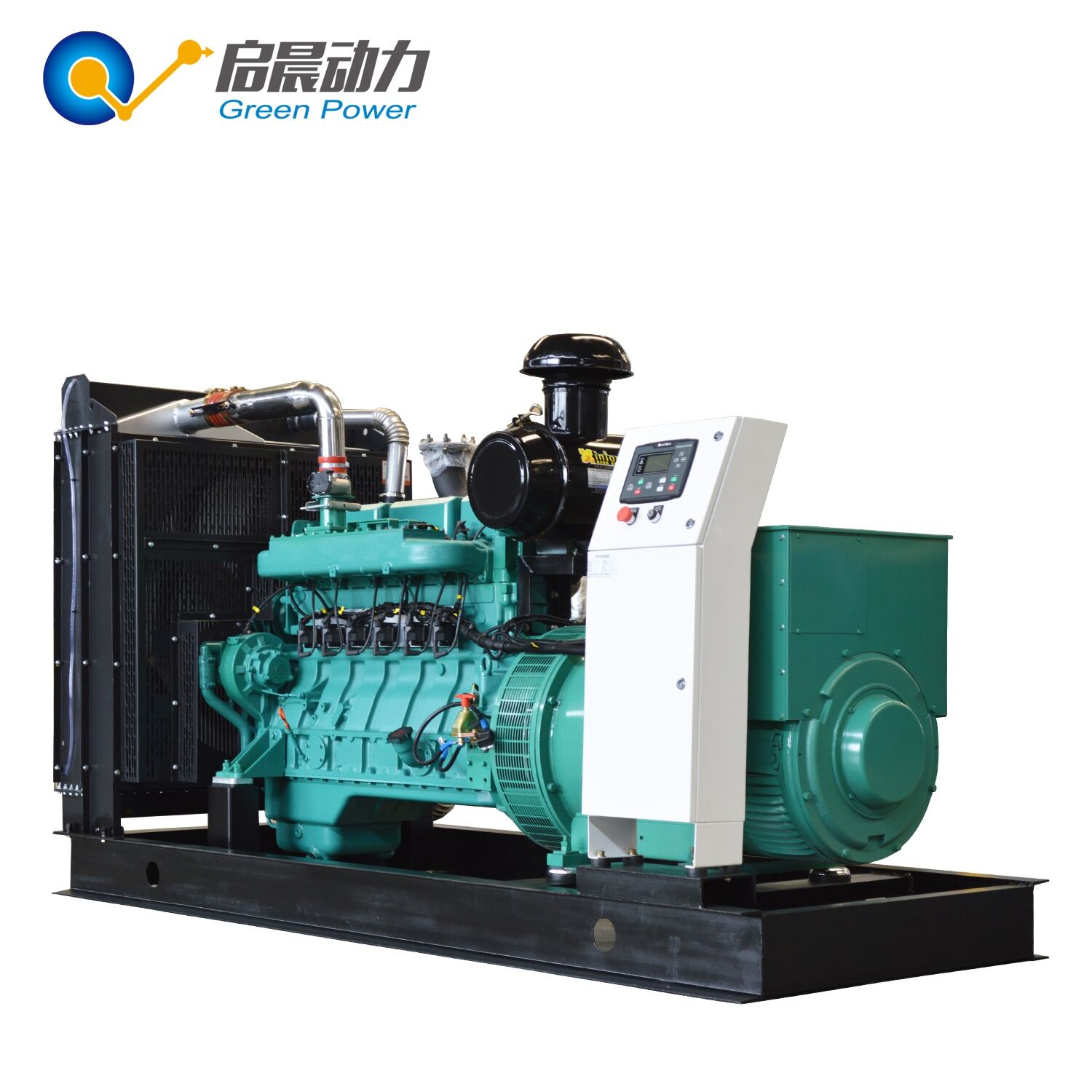
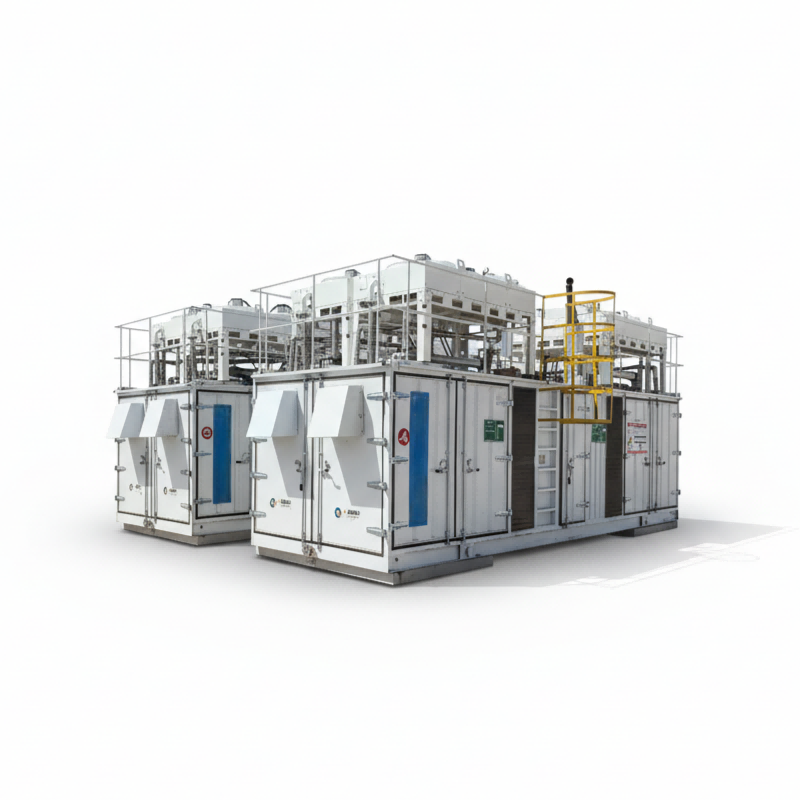
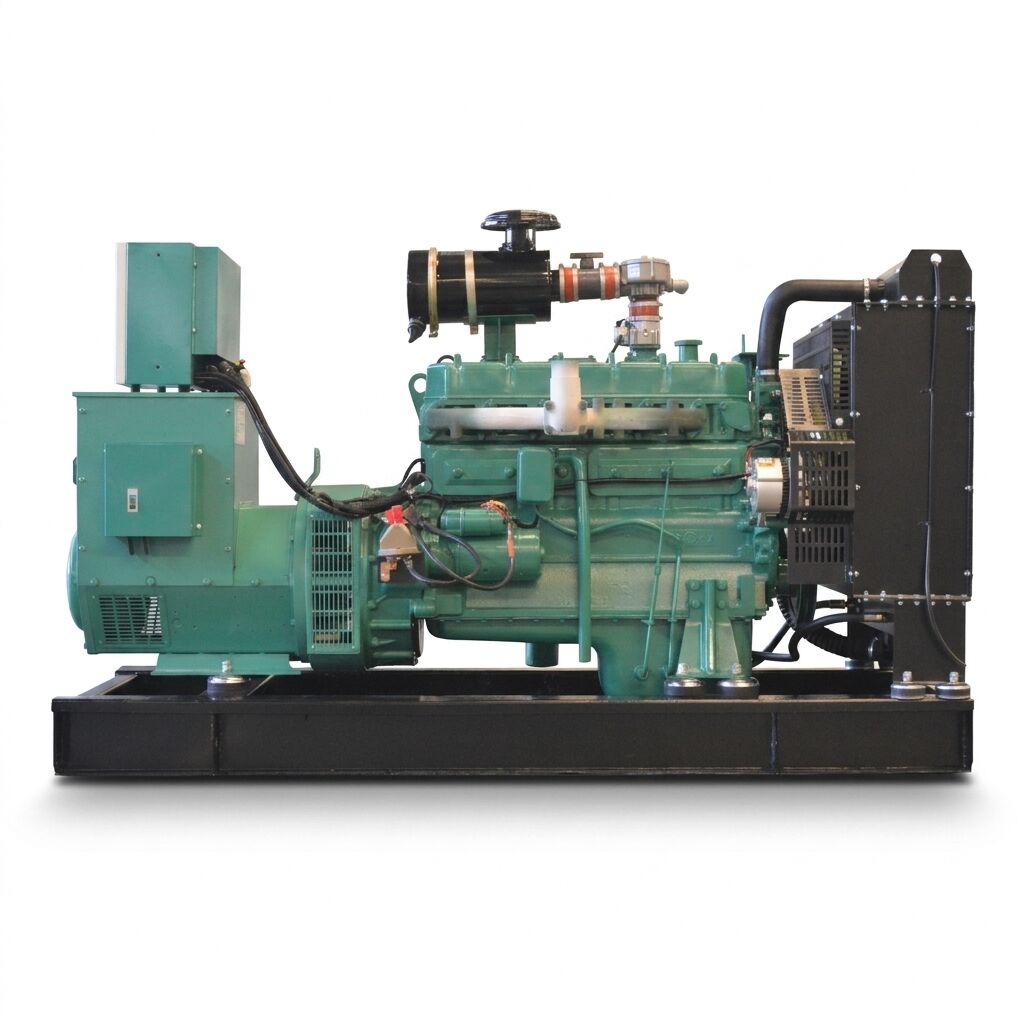
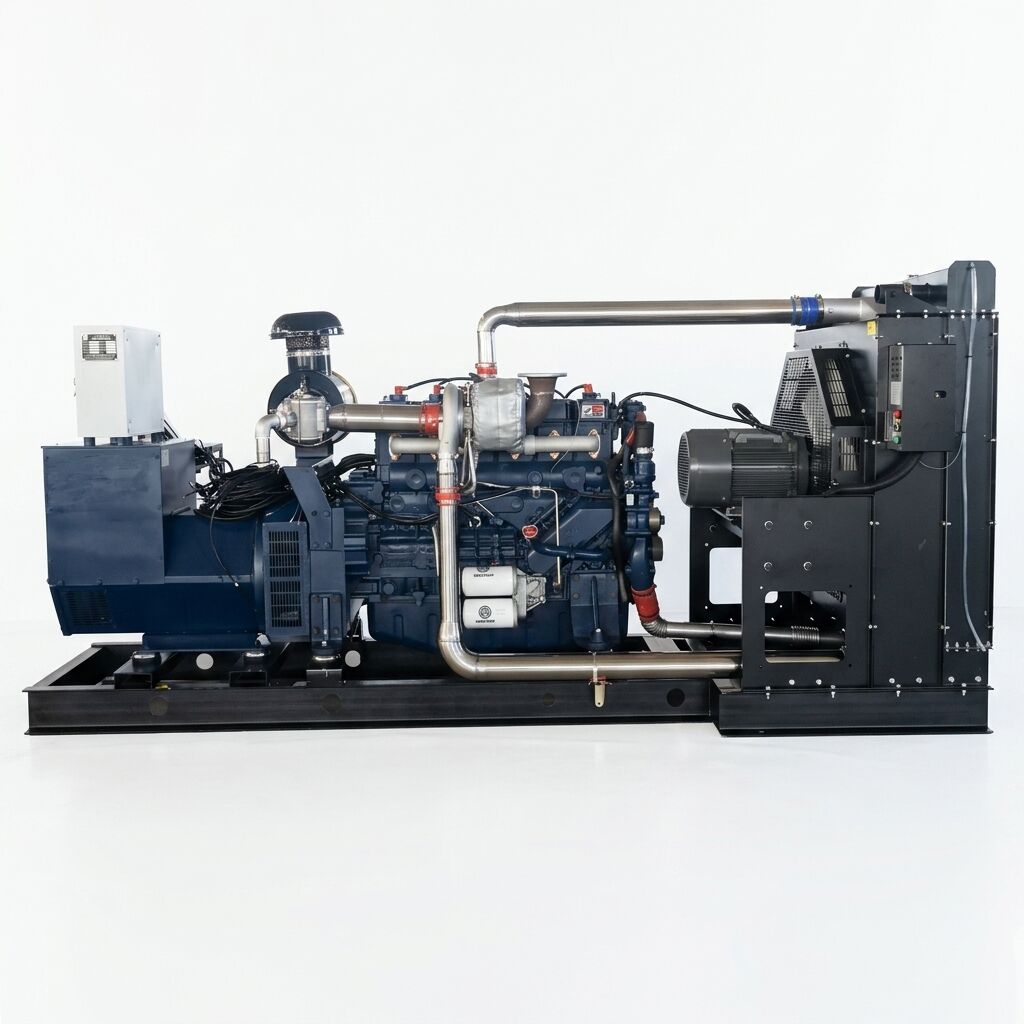
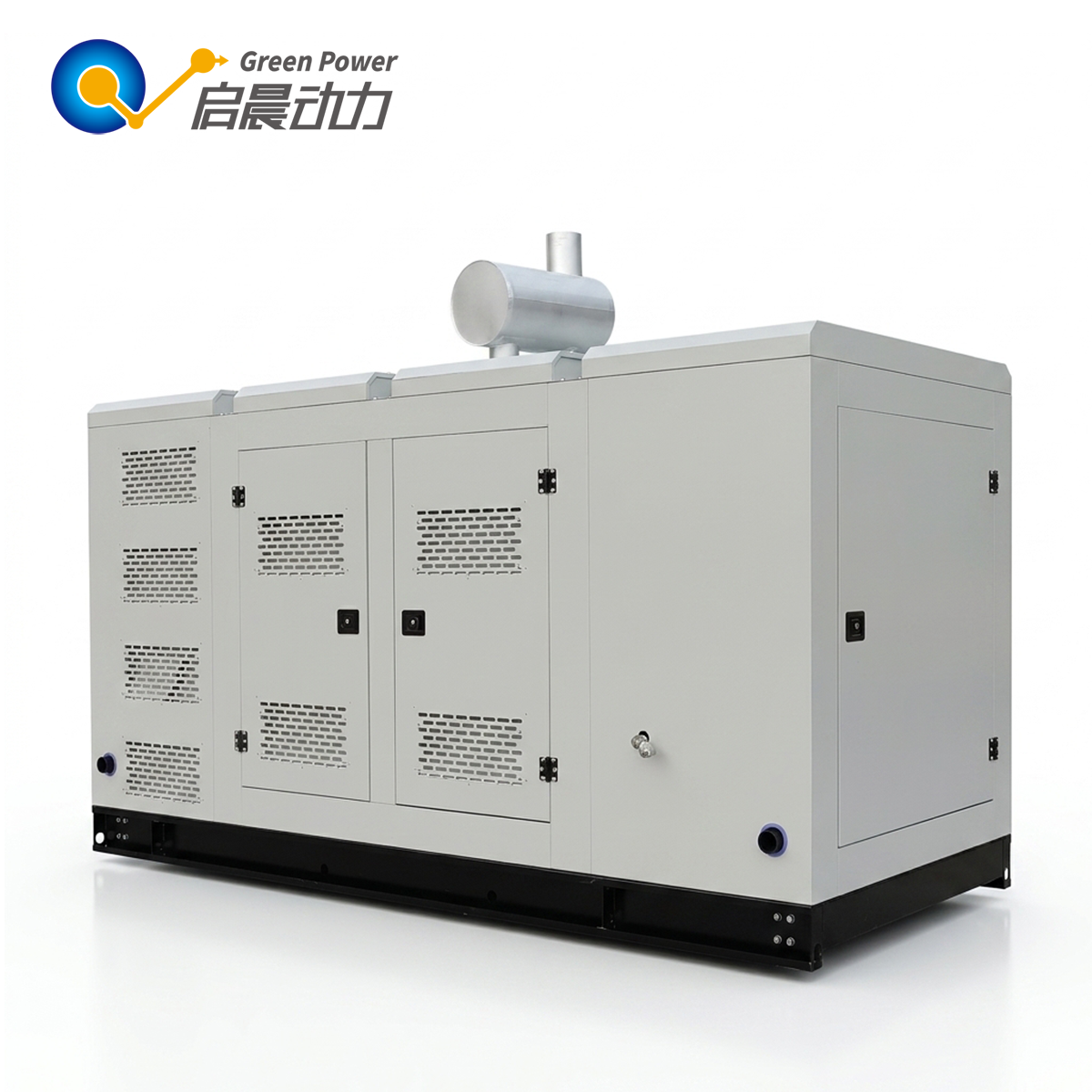
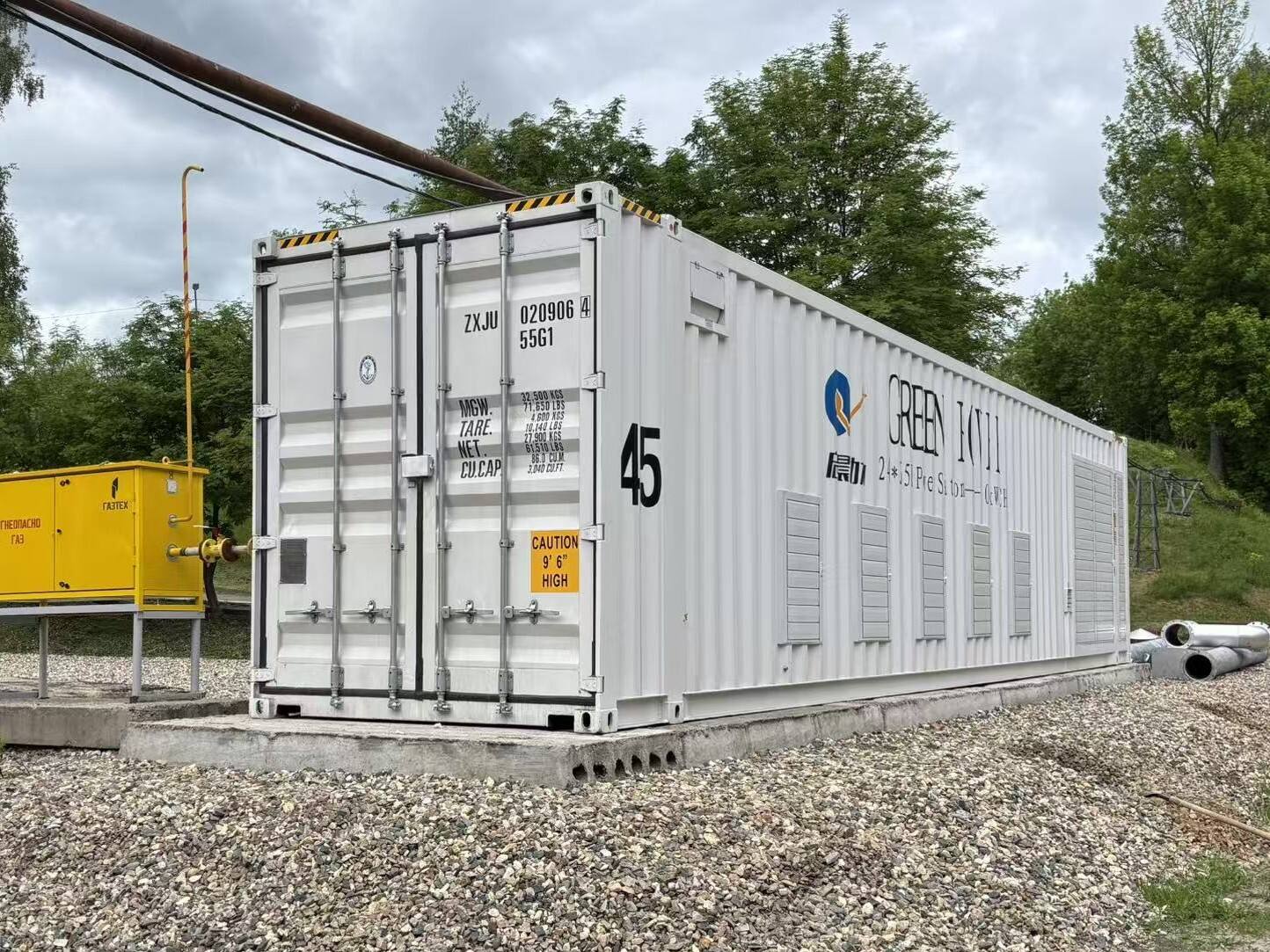
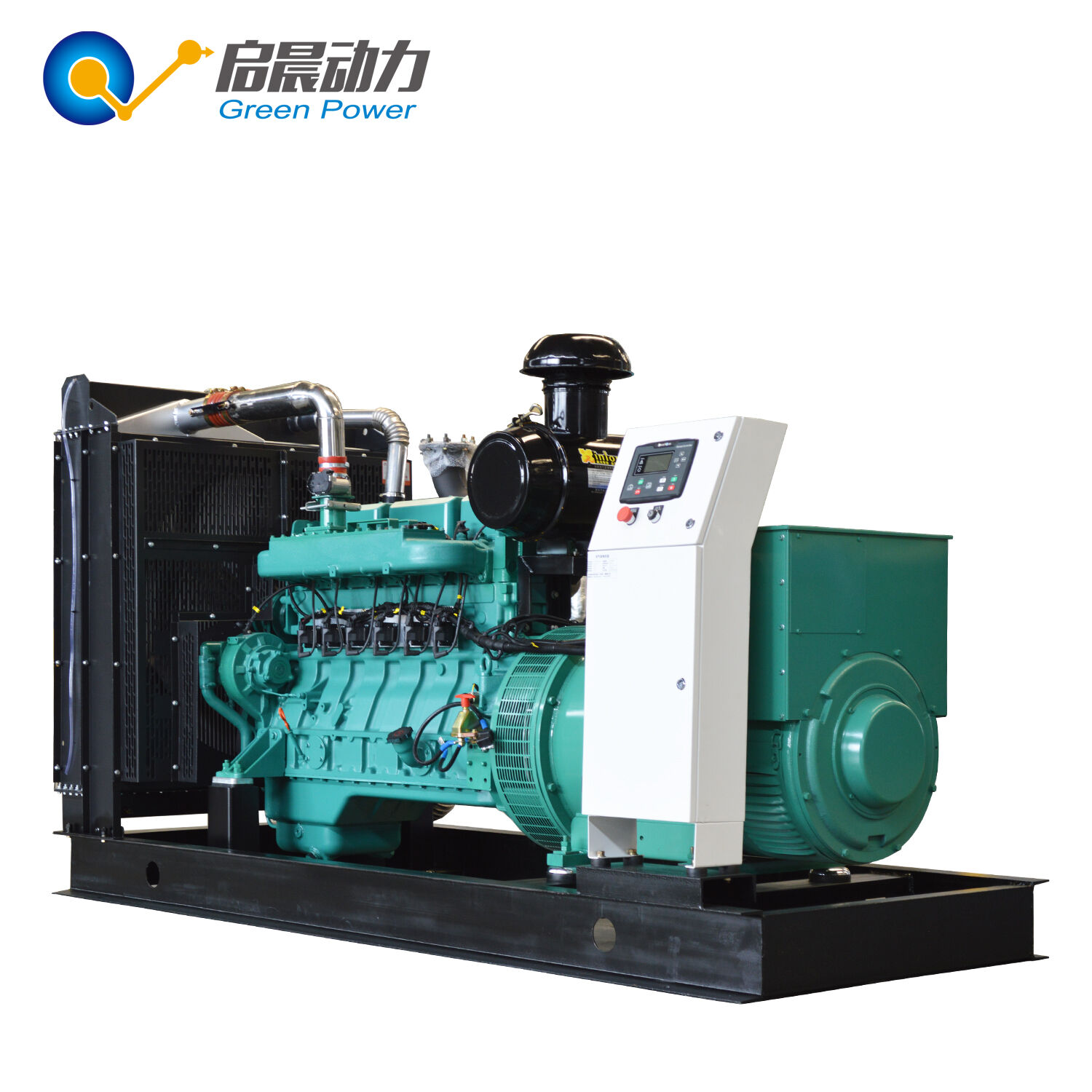
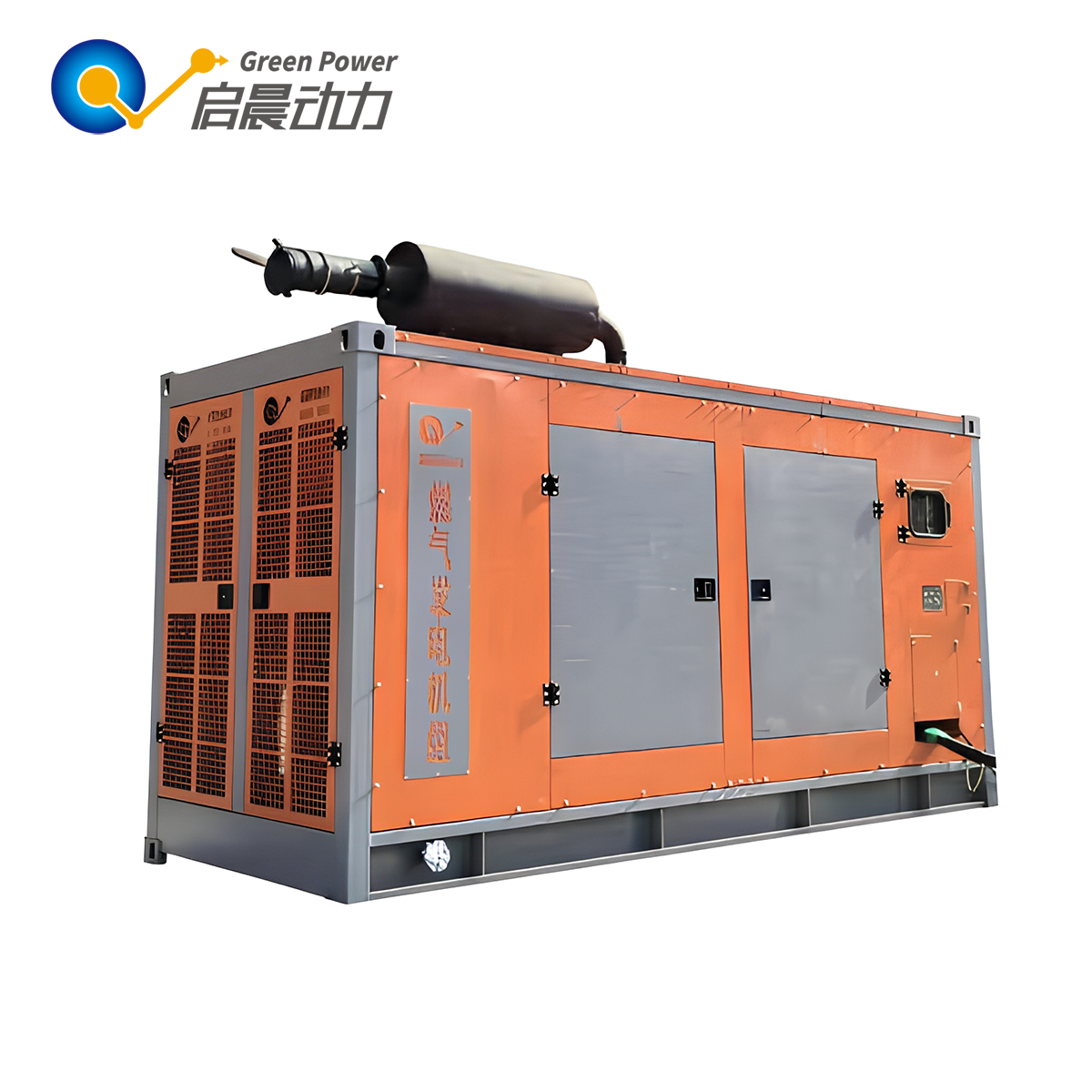
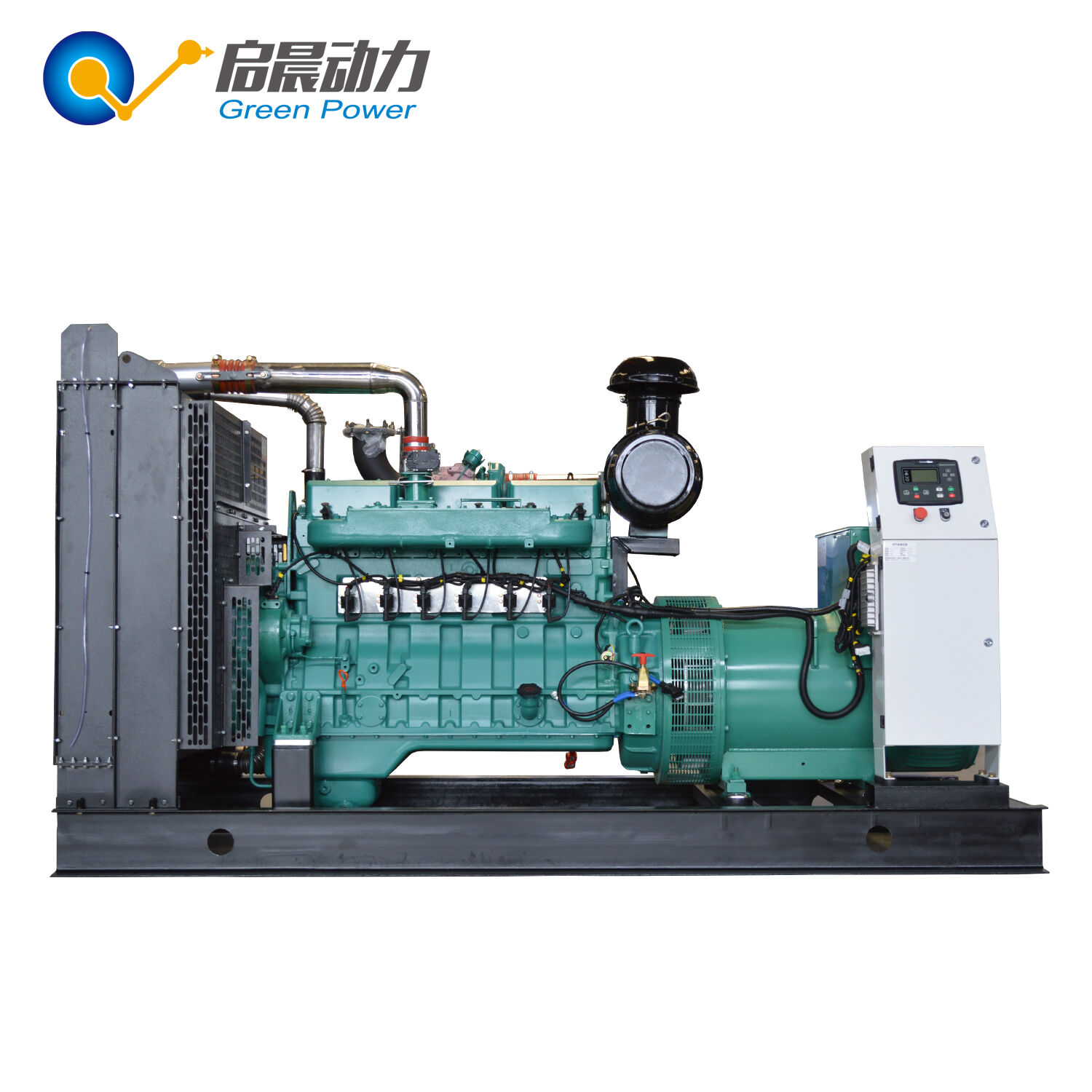
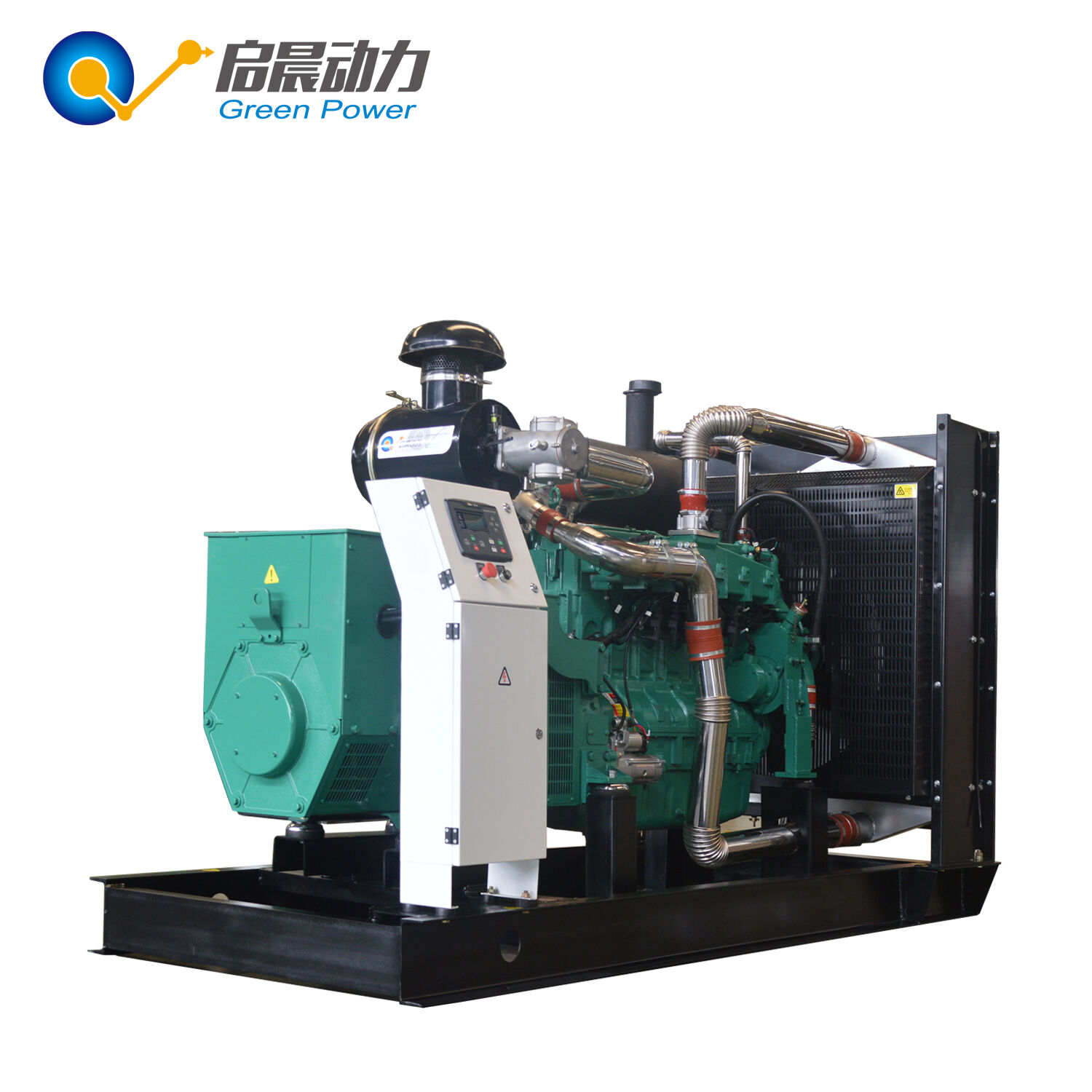
A gas engine genset is a reliable power generation system that converts natural gas, propane, biogas, or other gaseous fuels into electrical energy through an internal combustion engine coupled with an alternator. This advanced power solution serves as both a primary and backup electricity source for commercial, industrial, and residential applications. The gas engine genset operates by igniting compressed gas within the engine cylinders, creating mechanical energy that drives the alternator to produce electricity. Modern units feature sophisticated control systems that monitor performance parameters, manage fuel consumption, and ensure seamless operation during power outages or peak demand periods. These gensets are available in various power output ranges, from small residential units producing a few kilowatts to large industrial systems generating several megawatts. The technology incorporates electronic governors for precise frequency control, advanced cooling systems to maintain optimal operating temperatures, and integrated safety mechanisms that protect against overload, overheating, and fuel supply issues. Gas engine genset systems are increasingly popular due to their compatibility with renewable biogas sources and natural gas infrastructure. They provide continuous power for critical facilities including hospitals, data centers, manufacturing plants, and telecommunications networks. The modular design allows for parallel operation of multiple units, enabling scalable power solutions that match growing energy demands. With lower emissions compared to diesel alternatives and reduced fuel costs in regions with abundant natural gas supplies, the gas engine genset represents a practical choice for organizations seeking dependable, cost-effective power generation.

New Product Recommendations

Investing in a gas engine genset delivers significant cost savings through lower fuel expenses, especially in areas with established natural gas distribution networks. Natural gas typically costs less per energy unit than diesel or gasoline, reducing your ongoing operational expenses substantially. The cleaner combustion process means your gas engine genset requires less frequent maintenance compared to diesel alternatives, minimizing downtime and service costs while extending equipment lifespan. You will notice quieter operation that creates a more comfortable environment for workers and neighbors, making these units suitable for installation in noise-sensitive locations like residential areas, hospitals, and office complexes. The gas engine genset produces fewer harmful emissions, helping your business meet environmental regulations and reduce your carbon footprint without compromising power reliability. You gain fuel flexibility since these systems can run on natural gas, propane, or biogas, allowing you to choose the most economical and available fuel source for your specific location. Starting reliability remains excellent even in cold weather conditions, ensuring your critical operations continue without interruption during emergencies. The gas engine genset integrates seamlessly with existing building management systems, enabling remote monitoring and automated operation that reduces the need for constant supervision. You benefit from instant power availability during grid failures, protecting sensitive equipment and preventing costly production interruptions. The technology supports combined heat and power applications, allowing you to capture waste heat for space heating or industrial processes, dramatically improving overall energy efficiency. Long-term fuel storage concerns disappear when connected to utility gas lines, eliminating the fuel degradation issues and tank maintenance associated with liquid fuel systems. Your gas engine genset represents a future-ready investment as natural gas infrastructure expands and renewable biogas sources become more accessible.

Practical Tips

LPG Generator for Off-Grid Sites: Why Propane Power Is a Reliable Choice

01

May

LPG Generator for Off-Grid Sites: Why Propane Power Is a Reliable Choice

When power infrastructure is unavailable or unreliable, an LPG generator stands out as one of the most practical and dependable solutions for off-grid sites. Whether the application involves a remote construction camp, an agricultural facility, a min...
View More
1000 kW Natural Gas Generator System Design: Engine Configuration and Parallel Setup

07

May

1000 kW Natural Gas Generator System Design: Engine Configuration and Parallel Setup

A 1000 kW natural gas generator system represents a significant investment in on-site power infrastructure. Whether deployed for industrial facilities, large commercial complexes, or utility backup applications, engineering such a system correctly fr...
View More
Natural Gas Generator Emissions Standards: NOx, CO, and How to Stay Compliant

11

May

Natural Gas Generator Emissions Standards: NOx, CO, and How to Stay Compliant

A natural gas generator is widely regarded as one of the cleaner options in power generation, but that does not exempt it from emissions regulations. Every natural gas generator operates within a framework of environmental standards that limit the co...
View More
How to Select a CHP Gas Generator Supplier: Technical Criteria and Contract Essentials

27

May

How to Select a CHP Gas Generator Supplier: Technical Criteria and Contract Essentials

Choosing the right supplier for a CHP gas generator is one of the most consequential procurement decisions an energy or facilities manager will make. A CHP gas generator combines heat and power production in a single system, meaning the technical dep...
View More

Send Us a Message

We'll reply within 24 hours
Email
Mobile Or WhatsApp
Name
Company Name
Message
0/1000

gas engine genset

Superior Fuel Economy and Operational Efficiency

Superior Fuel Economy and Operational Efficiency

The gas engine genset excels in delivering exceptional fuel economy that directly impacts your bottom line through reduced energy costs. Natural gas combustion produces more consistent power output with less fuel consumption compared to liquid fuel alternatives, translating to lower monthly expenses for continuous operation. The advanced engine management systems optimize the air-fuel mixture in real-time, ensuring complete combustion that maximizes energy conversion efficiency while minimizing waste. You will appreciate how the gas engine genset maintains stable performance across varying load conditions without the efficiency penalties common in other generator types. The ability to connect directly to utility gas lines eliminates fuel delivery costs and storage requirements, further reducing operational overhead. During extended power outages or continuous prime power applications, these savings compound significantly, often recovering the initial investment within a few years. The clean-burning nature of gaseous fuels means less carbon buildup inside the engine, maintaining optimal compression ratios and thermal efficiency throughout the equipment's service life. This efficiency advantage becomes particularly valuable for facilities requiring 24/7 power availability, where even small percentage improvements in fuel economy generate substantial annual savings.
Environmental Compliance and Reduced Emissions

Environmental Compliance and Reduced Emissions

Modern environmental standards make the gas engine genset an intelligent choice for organizations committed to sustainability and regulatory compliance. These systems produce significantly lower levels of particulate matter, sulfur dioxide, and nitrogen oxides compared to diesel generators, helping you meet increasingly strict air quality regulations without expensive aftertreatment systems. The gas engine genset generates up to 30 percent less carbon dioxide per kilowatt-hour than diesel alternatives, meaningfully reducing your facility's greenhouse gas footprint. For companies pursuing carbon neutrality goals or LEED certification, these emission reductions provide measurable environmental benefits that support sustainability reporting requirements. The technology readily accommodates renewable biogas from landfills, wastewater treatment plants, or agricultural operations, enabling truly carbon-neutral or even carbon-negative power generation. You gain community goodwill by operating cleaner equipment that minimizes air pollution impacts on surrounding neighborhoods. The reduced emissions also translate to healthier working conditions for personnel operating near the equipment. As carbon pricing mechanisms and emission taxes become more widespread, choosing a gas engine genset positions your organization to avoid future regulatory costs while demonstrating environmental leadership in your industry.
Exceptional Reliability and Extended Service Life

Exceptional Reliability and Extended Service Life

The gas engine genset delivers outstanding reliability through robust engineering and the inherent advantages of gaseous fuel combustion. Clean-burning gas eliminates the fuel contamination issues that plague diesel systems, preventing injector clogging, fuel filter blockages, and combustion chamber deposits that cause unexpected failures. Your maintenance intervals extend considerably since oil remains cleaner longer and critical components experience less wear from combustion byproducts. The gas engine genset typically achieves 25,000 to 40,000 operating hours between major overhauls, substantially longer than diesel equivalents, reducing lifecycle costs and improving asset utilization. Continuous fuel availability through utility gas connections means your backup power remains ready without concerns about fuel degradation, tank cleaning, or supply interruptions during emergencies. The proven technology behind gas engines draws from decades of refinement in automotive and industrial applications, ensuring component reliability and parts availability. You benefit from simplified cold-weather operation since gaseous fuels do not gel or require heated storage like diesel, guaranteeing reliable starting when you need power most. The modular design of modern gas engine genset systems allows for component replacement without complete unit shutdown, maximizing uptime for critical applications.

Send Us a Message

We'll reply within 24 hours
Email
Mobile Or WhatsApp
Name
Company Name
Message
0/1000