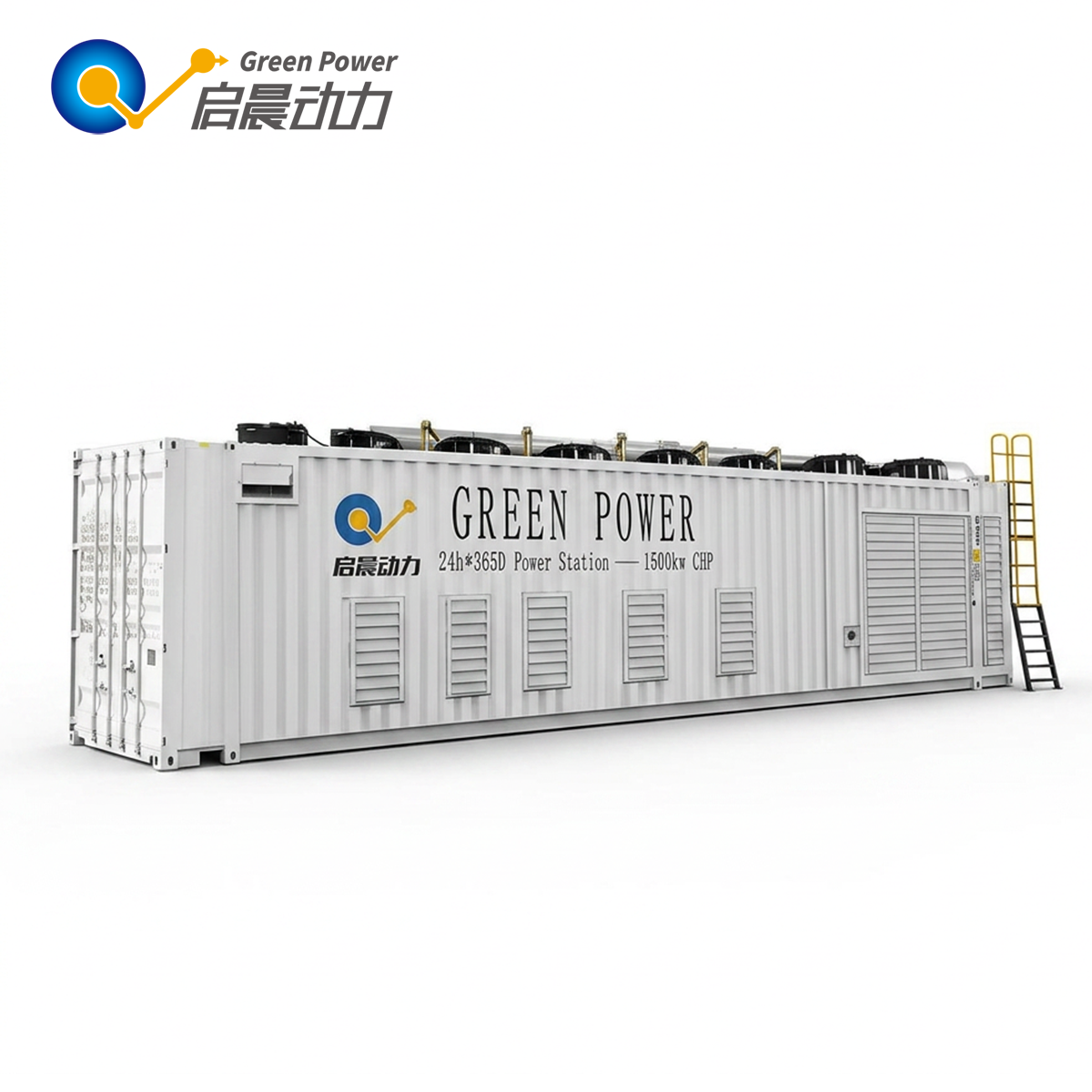
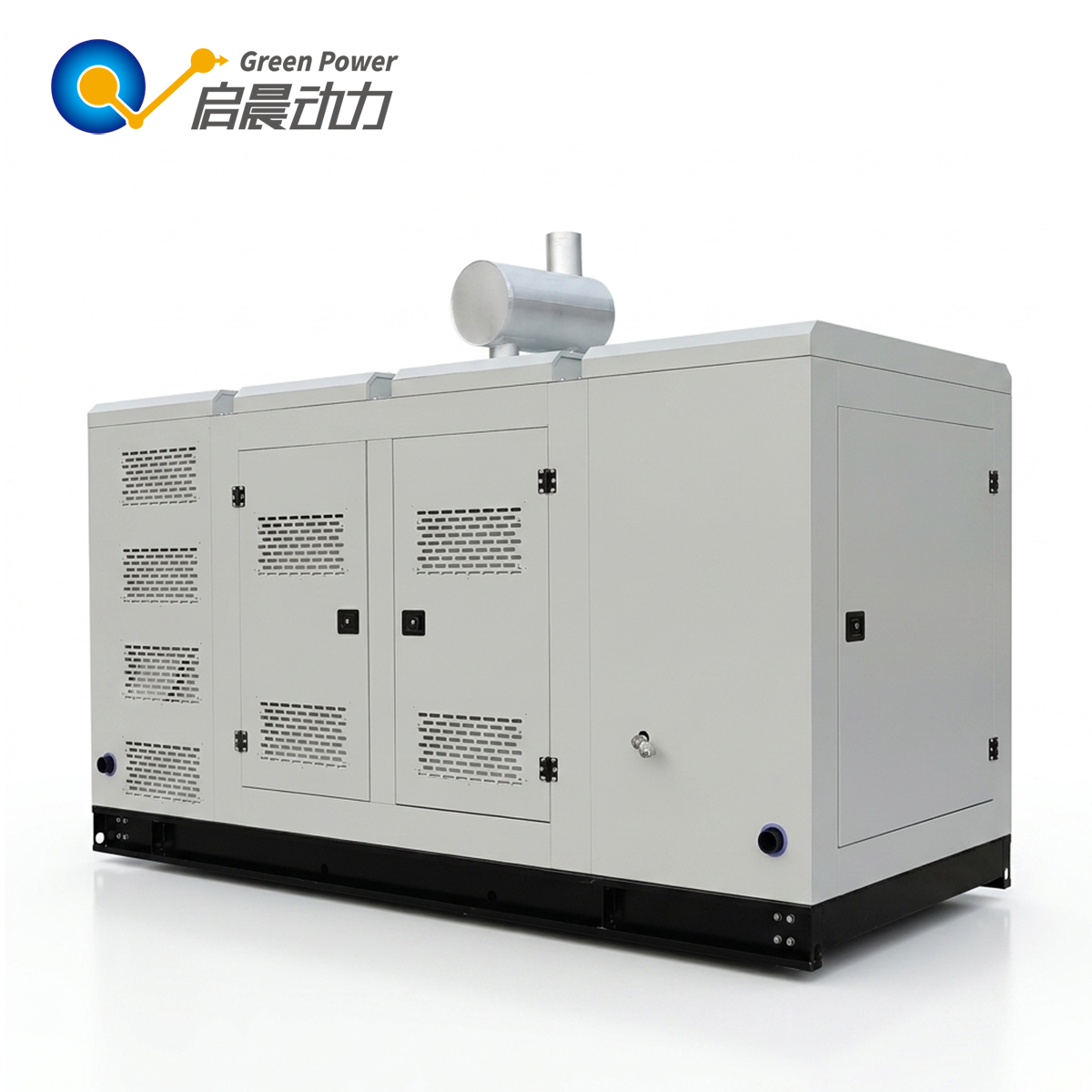
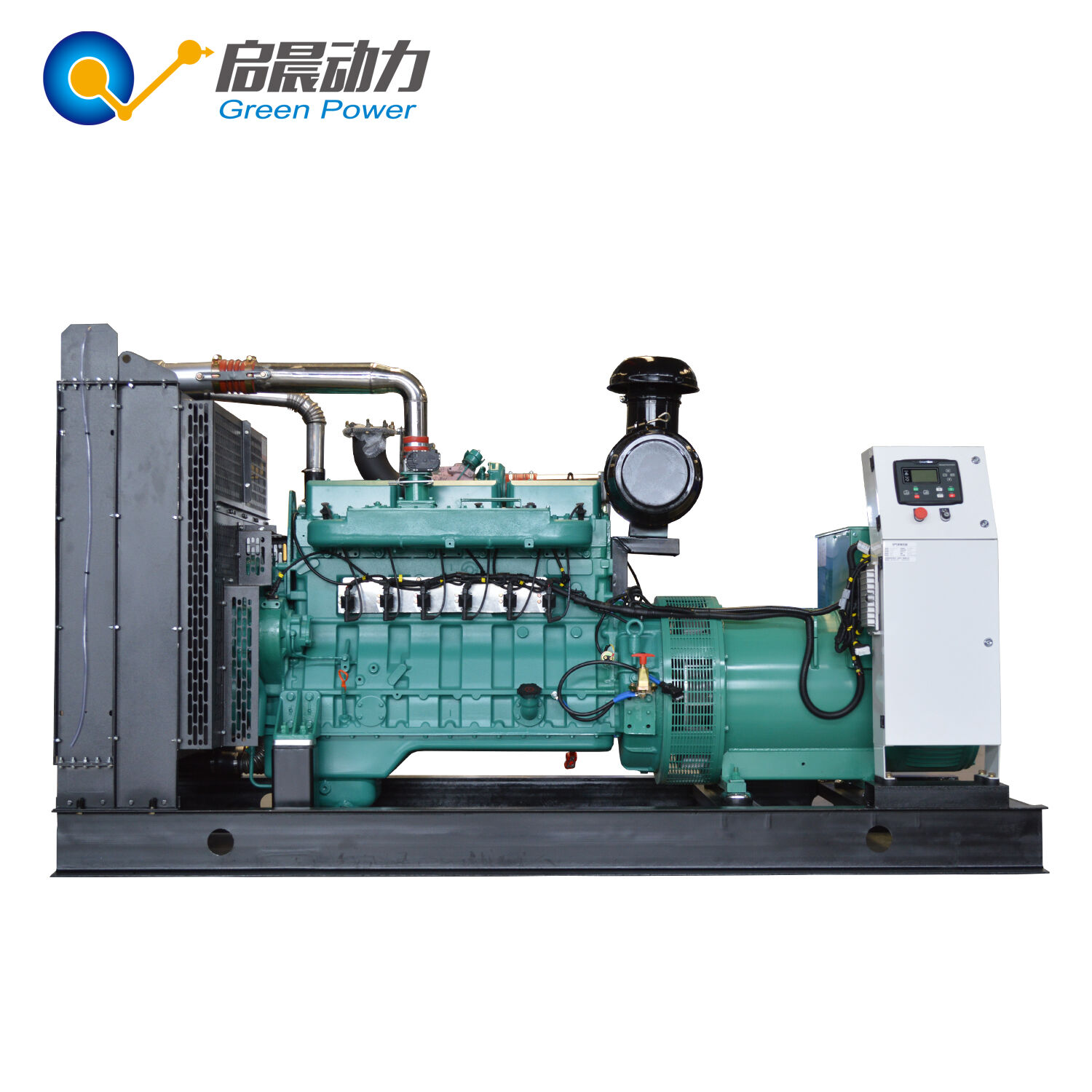
Natural Gas Electric Generator Efficiency Guide

Send Us a Message

We'll reply within 24 hours
Email
Mobile Or WhatsApp
Name
Company Name
Message
0/1000

natural gas electric generator efficiency

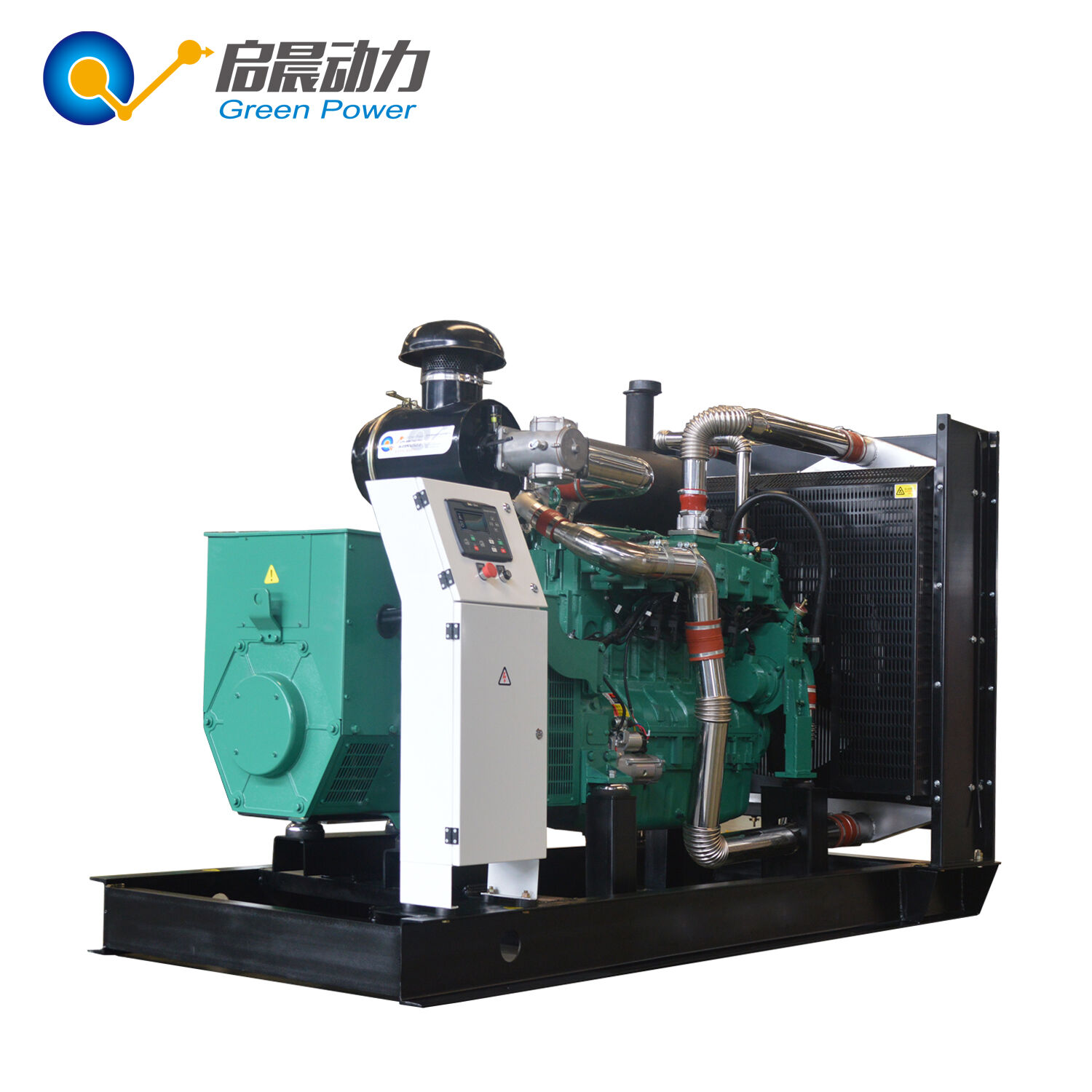
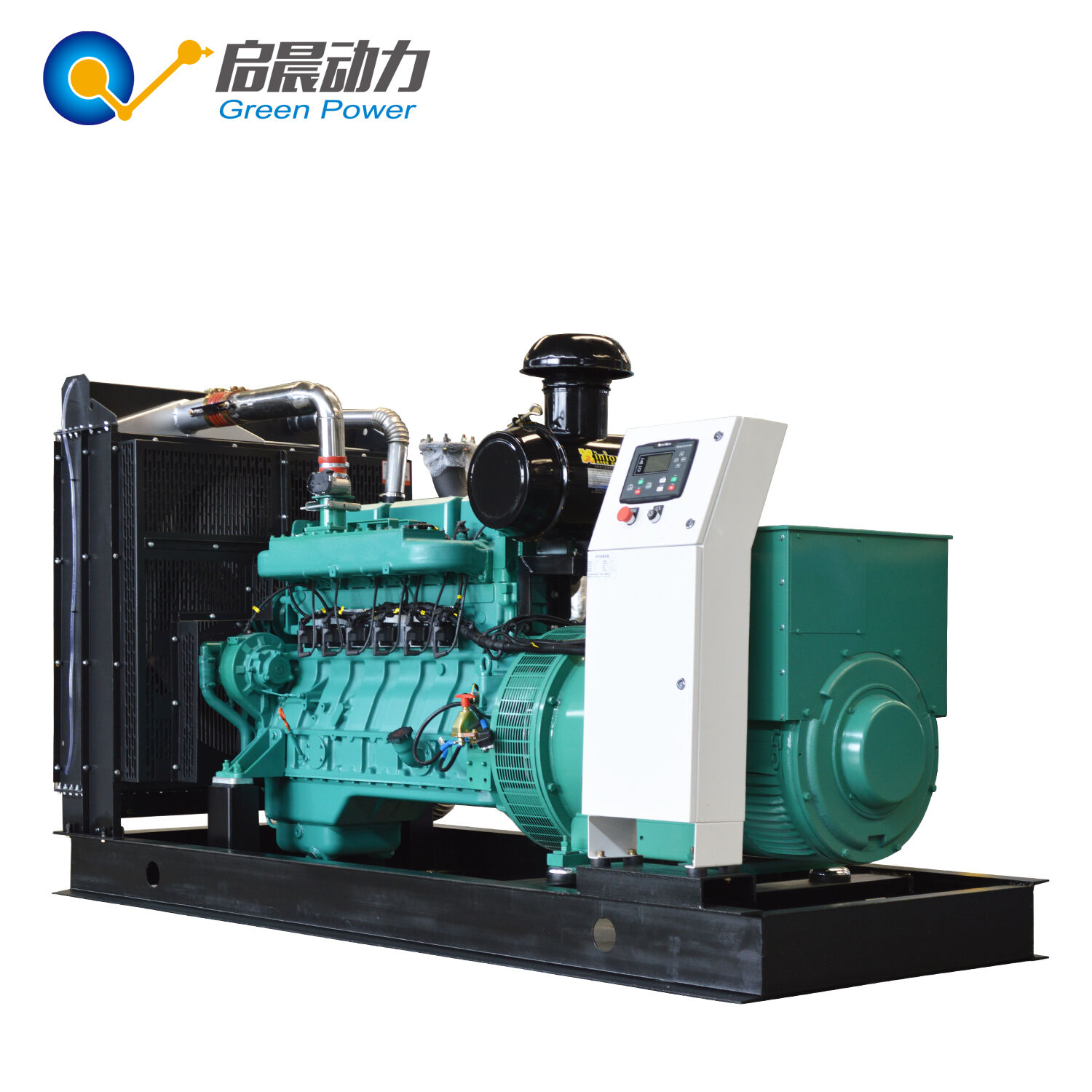
Natural gas electric generator efficiency represents a critical performance metric that measures how effectively a generator converts natural gas fuel into usable electrical energy. This efficiency rating typically ranges from 30% to 45% for standard units, while advanced combined heat and power systems can achieve efficiency levels exceeding 80%. The main function of optimizing natural gas electric generator efficiency is to maximize power output while minimizing fuel consumption and operational costs. Modern natural gas generators incorporate sophisticated technologies including electronic fuel injection, advanced combustion chamber designs, and intelligent load management systems that continuously adjust performance parameters. These technological features enable generators to maintain optimal efficiency across varying load conditions, from partial to full capacity operation. The efficiency measurement considers both the thermal conversion process and mechanical energy transformation, accounting for heat losses, friction, and electrical resistance. Applications span residential backup power, commercial facilities, industrial manufacturing plants, data centers, hospitals, and remote off-grid installations. Understanding natural gas electric generator efficiency helps organizations make informed decisions about energy infrastructure investments. Higher efficiency translates directly to reduced fuel costs, lower carbon emissions, and extended equipment lifespan. The efficiency rating serves as a fundamental specification that impacts total cost of ownership, environmental compliance, and operational reliability. As energy costs continue rising and sustainability becomes increasingly important, natural gas electric generator efficiency stands as a decisive factor in selecting power generation equipment that delivers both economic value and environmental responsibility.

Popular Products

Investing in high natural gas electric generator efficiency delivers substantial financial benefits through reduced fuel consumption that directly lowers monthly operating expenses. When you choose an efficient generator, every dollar spent on natural gas produces more electrical power, creating immediate cost savings that accumulate significantly over the equipment's operational lifetime. Operationally, superior natural gas electric generator efficiency means your facility experiences fewer refueling interruptions, reduced maintenance requirements, and more consistent power delivery during extended outages or continuous operation scenarios. Efficient generators run cooler and experience less mechanical stress, which translates to longer equipment life and fewer unexpected breakdowns that could disrupt your business operations. From an environmental perspective, better efficiency means your organization burns less fuel to produce the same power output, resulting in lower greenhouse gas emissions and helping you meet corporate sustainability goals or regulatory requirements without sacrificing performance. The application suitability of efficient natural gas generators makes them ideal for businesses facing high electricity costs, facilities requiring reliable backup power, and operations in areas with abundant natural gas infrastructure. Decision-makers appreciate that higher initial investment in efficient models pays back through operational savings, typically recovering the cost difference within three to five years depending on usage patterns. The practical value extends beyond simple fuel savings to include reduced noise pollution, smaller environmental footprint, and compliance with increasingly stringent emission standards. Efficient units also provide better voltage stability and power quality, protecting sensitive electronic equipment from damage. For organizations planning long-term energy strategies, prioritizing natural gas electric generator efficiency positions your business to adapt to future energy markets, carbon pricing scenarios, and grid independence requirements while maintaining competitive operational costs and demonstrating environmental stewardship.

Latest News

Natural Gas Generator Installation Guide: From Site Planning to First Power-On

04

May

Natural Gas Generator Installation Guide: From Site Planning to First Power-On

Installing a natural gas generator is a significant infrastructure decision that demands careful planning, precise execution, and a clear understanding of local codes. Whether you are equipping an industrial facility, a commercial building, or a remo...
View More
LPG Generator Sizing Guide: Matching Output to Your Power Load Requirements

15

May

LPG Generator Sizing Guide: Matching Output to Your Power Load Requirements

Choosing the right LPG generator is one of the most consequential decisions a facility manager, contractor, or business owner can make. An undersized LPG generator will struggle under load, cause voltage instability, and risk equipment damage. An ove...
View More
How to Select a CHP Gas Generator Supplier: Technical Criteria and Contract Essentials

27

May

How to Select a CHP Gas Generator Supplier: Technical Criteria and Contract Essentials

Choosing the right supplier for a CHP gas generator is one of the most consequential procurement decisions an energy or facilities manager will make. A CHP gas generator combines heat and power production in a single system, meaning the technical dep...
View More
Soundproof Generator for Urban and Commercial Sites: Noise Compliance Made Simple

01

Jun

Soundproof Generator for Urban and Commercial Sites: Noise Compliance Made Simple

Noise regulations in urban and commercial environments have never been stricter. Whether you operate a hospital, a hotel, a data center, or a construction site in a densely populated area, running backup or primary power equipment comes with a seriou...
View More

Send Us a Message

We'll reply within 24 hours
Email
Mobile Or WhatsApp
Name
Company Name
Message
0/1000

natural gas electric generator efficiency

Advanced Combustion Technology Maximizes Fuel Utilization

Advanced Combustion Technology Maximizes Fuel Utilization

Natural gas electric generator efficiency reaches peak performance through advanced combustion technology that optimizes the fuel-air mixture at the molecular level. Modern generators employ precision electronic fuel injection systems that meter natural gas with extreme accuracy, ensuring complete combustion while minimizing waste. These systems incorporate real-time sensors that monitor exhaust gas composition, combustion chamber temperature, and pressure variations, automatically adjusting fuel delivery to maintain optimal efficiency across changing load demands. The combustion chamber design features specialized geometry that promotes thorough fuel mixing and extended burn time, extracting maximum energy from every cubic foot of natural gas consumed. This technological approach delivers tangible benefits by reducing fuel costs up to 25% compared to older generator models, while simultaneously decreasing harmful emissions. The sophisticated control algorithms continuously learn from operational patterns, adapting performance parameters to specific site conditions including altitude, ambient temperature, and fuel quality variations. For facility managers and business owners, this translates to predictable operating costs, reduced environmental impact, and reliable power generation that maintains consistent efficiency whether running at 25% or 100% capacity, making every investment dollar work harder.
Integrated Heat Recovery Systems Boost Overall Efficiency

Integrated Heat Recovery Systems Boost Overall Efficiency

Natural gas electric generator efficiency dramatically improves when integrated heat recovery systems capture thermal energy that would otherwise escape as waste heat through exhaust gases and cooling systems. Combined heat and power configurations transform natural gas generators from simple electricity producers into comprehensive energy solutions that simultaneously provide electrical power and usable thermal energy for heating, cooling, or industrial processes. These integrated systems redirect exhaust heat through heat exchangers that warm water, generate steam, or power absorption chillers, effectively utilizing energy that represents 40-50% of the fuel's total energy content in conventional generators. The practical impact means facilities can achieve overall energy efficiency ratings exceeding 80%, essentially doubling the useful output from the same fuel input compared to electricity-only generation. This approach proves particularly valuable for hospitals, manufacturing plants, hotels, and commercial buildings with substantial heating or cooling demands alongside electrical needs. The economic advantages include drastically reduced total energy procurement costs, faster return on investment, and independence from utility rate fluctuations. Environmental benefits multiply as well, since using recovered heat eliminates the need for separate boilers or heating systems, further reducing overall fuel consumption and emissions across your entire facility energy profile.
Intelligent Load Management Maintains Peak Performance

Intelligent Load Management Maintains Peak Performance

Natural gas electric generator efficiency benefits significantly from intelligent load management systems that dynamically optimize performance based on real-time electrical demand and operational conditions. These advanced control systems continuously monitor power requirements and automatically adjust engine speed, fuel delivery, and alternator output to match actual load conditions precisely, preventing the efficiency losses associated with running generators at suboptimal capacities. Smart controllers incorporate predictive algorithms that anticipate load changes based on historical patterns, seasonal variations, and scheduled equipment operations, proactively adjusting operating parameters before demand shifts occur. This proactive management ensures the generator operates within its peak efficiency range regardless of fluctuating power requirements throughout the day or across different operational scenarios. The practical benefits include reduced fuel consumption during partial load conditions when many facilities typically experience 15-30% efficiency degradation with conventional generators. Users gain remote monitoring capabilities through connected interfaces that provide real-time efficiency metrics, fuel consumption tracking, and performance analytics accessible from smartphones or computers. This transparency enables informed decision-making about energy usage patterns and identifies opportunities for further optimization. Maintenance scheduling becomes data-driven rather than calendar-based, as the system tracks actual operating hours under various load conditions and alerts operators when service is genuinely needed, reducing unnecessary maintenance costs while preventing unexpected failures.

Send Us a Message

We'll reply within 24 hours
Email
Mobile Or WhatsApp
Name
Company Name
Message
0/1000